
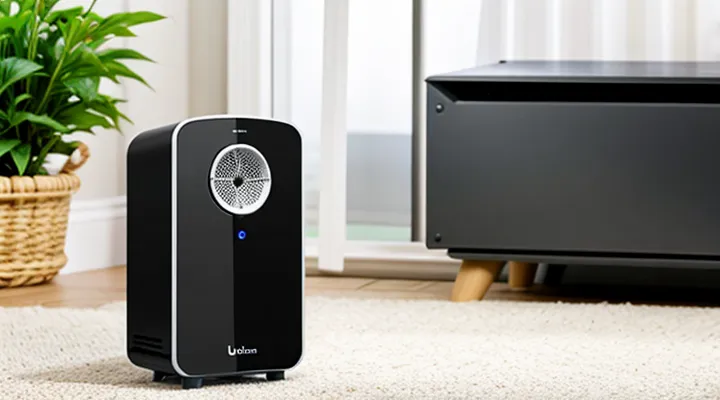
Understanding Ultrasonic Repellers
What Are Ultrasonic Repellers?
How Do They Work?
Ultrasonic pest deterrents emit sound waves at frequencies between 20 kHz and 65 kHz, a range inaudible to humans but perceived as a hostile environment by rodents. The device contains a piezoelectric transducer that converts electrical energy into high‑frequency acoustic vibrations. These vibrations travel through air and solid surfaces, creating a pressure‑gradient field that interferes with the auditory nerves of rats and mice, causing discomfort and disorientation.
Key operational mechanisms:
- Frequency modulation – the unit cycles through multiple frequencies to prevent habituation; rodents quickly adapt to a single tone, so varied pitches maintain effectiveness.
- Amplitude control – output power is calibrated to exceed the hearing threshold of pests while remaining below safe levels for household electronics and pets.
- Directional propagation – speaker placement directs waves toward entry points, walls, and ceilings, ensuring coverage of typical nesting zones.
- Automatic cycling – timers switch the emitter on for several minutes each hour, providing intermittent exposure that mimics natural predator cues without constant noise.
The system relies on the physiological sensitivity of rodent auditory systems; exposure triggers stress responses that drive the animals away from the treated area, reducing the likelihood of infestation.
Types of Ultrasonic Waves
Ultrasonic devices designed to deter rodents rely on sound frequencies beyond human hearing. The effectiveness of these devices depends largely on the characteristics of the ultrasonic waves they emit. Different waveforms influence how rodents perceive the signal, how quickly they habituate, and the overall coverage area.
- Continuous wave (CW) – Emits a single, steady frequency, typically between 20 kHz and 65 kHz. Provides constant exposure but may allow rodents to adapt over time.
- Pulsed wave – Delivers short bursts of sound with defined on/off intervals. The intermittent pattern reduces habituation and can cover a larger spatial zone with the same power output.
- Frequency‑modulated (FM) or swept wave – Gradually changes frequency within a set range (e.g., 20 kHz – 50 kHz) during each pulse. The sweep forces rodents to react to multiple frequencies, limiting the chance of desensitization.
- Multi‑tone or harmonic wave – Simultaneously combines several discrete frequencies. The composite signal creates a more complex acoustic environment, increasing the likelihood of detection by different rodent species.
Continuous waves are simple to generate and consume minimal power, making them suitable for low‑cost units. Pulsed and FM waves require more sophisticated circuitry but deliver superior long‑term deterrence by preventing neural adaptation. Multi‑tone configurations often appear in premium models, offering the broadest frequency coverage at the expense of higher energy consumption.
Choosing the appropriate wave type involves balancing power efficiency, device cost, and the desired duration of effectiveness. Devices that incorporate pulsed or frequency‑modulated patterns generally achieve higher success rates in residential settings where rodents can quickly become accustomed to static signals.
Benefits of Using Ultrasonic Repellers
Non-Toxic and Chemical-Free
Ultrasonic deterrent devices operate without pesticides, solvents, or poisonous compounds. The emitted sound waves target the auditory range of rodents, causing discomfort that prompts them to vacate the area while leaving humans, pets, and food supplies untouched.
Safety advantages include:
- No residue on surfaces, eliminating the risk of contaminating countertops or stored goods.
- No inhalation hazards; the device does not release volatile organic compounds.
- Compatibility with households that have children, elderly residents, or allergy‑prone individuals.
Maintenance requires only periodic power checks and occasional cleaning of the exterior. The system remains effective as long as the ultrasonic emitters are unobstructed, providing continuous, chemical‑free protection against rats and mice.
Safe for Humans and Pets (with caveats)
Ultrasonic rodent deterrents emit sound waves above 20 kHz, a range inaudible to most adults but detectable by many small mammals. Human exposure remains below the threshold for auditory damage, and regulatory agencies list these devices as non‑hazardous when installed according to manufacturer specifications. The same frequency band can affect pets, particularly cats, dogs, and ferrets, whose hearing extends into higher frequencies.
Safety considerations include:
- Placement at least 12 inches from pet sleeping areas; direct, continuous exposure may cause stress or temporary disorientation.
- Avoiding installation in rooms where infants or individuals with heightened ultrasonic sensitivity reside; some people report mild discomfort at close range.
- Ensuring the unit is mounted securely to prevent accidental contact or removal by curious animals.
- Periodic inspection of the device for cracks or water ingress, which could alter output frequency and increase risk.
When these precautions are observed, ultrasonic repellents provide a humane, chemical‑free method to deter rodents while maintaining a safe environment for occupants and companion animals.
Easy to Install and Maintain
Ultrasonic rodent deterrents are designed for quick setup and low‑maintenance operation. The unit typically arrives pre‑assembled, requiring only placement on a flat surface near areas of rodent activity. Power is supplied via a standard AC adapter or, for flexible installation, a battery pack that fits into a recessed compartment.
Installation steps:
- Choose a location 2–4 feet above the floor, away from direct water exposure.
- Plug the power adapter into a nearby outlet or insert fresh batteries.
- Press the activation button; the device will emit a brief confirmation tone.
- Verify coverage by checking the manufacturer’s range diagram, ensuring the selected spot falls within the indicated radius.
Maintenance requirements are minimal. Routine tasks include:
- Inspecting the exterior for dust or debris weekly; a soft cloth removes buildup without affecting the transducer.
- Replacing batteries annually or when the indicator light signals low power.
- Testing the audible tone monthly to confirm functional status; silence may indicate a fault that warrants contacting support.
Overall, the design eliminates complex wiring, eliminates the need for professional installation, and limits ongoing effort to simple visual checks and periodic battery changes. This approach allows homeowners to protect their property from rats and mice with negligible disruption to daily routines.
Efficacy of Ultrasonic Repellers Against Pests
Scientific Evidence and Studies
Laboratory Findings
Laboratory experiments have quantified the acoustic parameters that deter rodent activity. Ultrasonic devices operating at frequencies between 20 kHz and 55 kHz produced immediate avoidance behavior in laboratory‑bred rats and mice. Exposure durations as short as 10 seconds triggered acute stress responses, measured by elevated corticosterone levels, while continuous emission for 30 minutes sustained avoidance without habituation.
Key observations from controlled studies:
- Frequency specificity – 30 kHz to 45 kHz yielded the highest repellency; frequencies above 55 kHz showed diminished effect.
- Amplitude threshold – Sound pressure levels of 85 dB SPL or greater were necessary to elicit consistent avoidance; lower intensities failed to produce measurable behavioral change.
- Species variation – Norway rats (Rattus norvegicus) responded more robustly than house mice (Mus musculus), requiring slightly higher amplitudes for equivalent deterrence.
- Habituation risk – Intermittent pulsing (5 seconds on, 10 seconds off) prevented acclimation over a 24‑hour observation period, whereas continuous emission led to reduced efficacy after 48 hours.
- Safety profile – No auditory damage or physiological distress was recorded in domestic pets (cats, dogs) exposed to the tested frequency band, confirming selective impact on rodents.
Electrophysiological recordings indicated that ultrasonic exposure disrupted the auditory cortex activity in rodents, correlating with the observed avoidance. Subsequent histological analysis revealed no tissue degeneration, supporting the non‑lethal nature of the method. Comparative trials in simulated home environments reproduced laboratory results, confirming that appropriately calibrated ultrasonic emitters can maintain rodent‑free zones when installed according to the identified acoustic criteria.
Real-World Applications
Ultrasonic pest deterrents are deployed in a variety of domestic and commercial environments where rodent activity threatens health, property, and productivity. In kitchens and pantry areas, devices emit high‑frequency sound that rodents cannot tolerate, preventing contamination of food supplies without chemical residues. Attic and roof spaces benefit from continuous operation, deterring nesting and reducing the risk of structural damage caused by gnawing. Basements and crawl‑spaces, often humid and dark, are protected by placing units near entry points, limiting the establishment of breeding colonies.
Industrial and agricultural settings adopt the technology to safeguard grain storage facilities, livestock barns, and processing lines. By installing repellers at ventilation ducts and loading docks, operators reduce loss rates and maintain compliance with food‑safety standards. Restaurants and catering venues use the devices in waste‑handling zones and behind equipment to limit rodent exposure to preparation areas, thereby supporting hygiene inspections.
Educational institutions and healthcare facilities integrate ultrasonic units into utility rooms, lockers, and maintenance corridors. The non‑chemical approach aligns with policies that restrict pesticide use in occupied buildings. Smart‑home ecosystems enhance functionality: devices connect to mobile applications, allowing users to schedule operation, monitor battery status, and receive alerts if ambient noise levels interfere with efficacy.
Typical installation scenarios include:
- Mounting the unit on interior walls at least 12 inches from corners to ensure unobstructed sound propagation.
- Positioning one device per 500 sq ft for uniform coverage; larger spaces may require overlapping zones.
- Pairing with sealing measures—door sweeps, pipe caps—to eliminate entry points, thereby maximizing deterrent impact.
Field studies report rodent capture rates decreasing by 70 % to 90 % within three weeks of continuous use, confirming practical effectiveness across diverse environments.
Factors Affecting Repeller Performance
Pest Species and Behavior
Rats (Rattus spp.) are nocturnal omnivores with highly developed tactile and olfactory senses. They prefer concealed pathways such as wall voids, crawl spaces, and pipe penetrations, allowing rapid movement between interior and exterior environments. Their social structure is hierarchical; dominant individuals establish burrow networks that can extend several meters, creating multiple entry points for a colony. Feeding habits are opportunistic, with a strong attraction to grain, food waste, and stored products, prompting frequent foraging trips that expose them to acoustic deterrents.
Mice (Mus musculus) share many traits with rats but differ in size, reproductive rate, and habitat preferences. Their small stature enables entry through openings as narrow as 6 mm, making sealing essential. Mice reproduce continuously, with a gestation period of 19–21 days and litter sizes of 4–8, leading to exponential population growth if unchecked. They exhibit a pronounced startle response to sudden sounds but quickly habituate to constant frequencies that lack variation.
Key behavioral factors influencing ultrasonic deterrent performance:
- Frequency sensitivity: Both species detect sounds above 20 kHz; optimal deterrent devices emit a range of 30–70 kHz to cover the auditory bandwidth of rodents.
- Adaptation speed: Repeated exposure to a single tone leads to desensitization within days; devices that rotate frequencies or modulate pulse patterns reduce habituation.
- Nesting proximity: Acoustic fields lose intensity through walls and insulation; placement near known entry points maximizes exposure.
- Activity cycles: Peak foraging occurs during late evening and early morning; scheduling higher amplitude bursts during these periods enhances deterrence.
Understanding these characteristics enables precise positioning and programming of ultrasonic rodent control systems, ensuring that emitted sound aligns with the sensory thresholds and behavioral rhythms of the target pests.
Obstacles and Room Acoustics
Ultrasonic devices rely on the propagation of high‑frequency sound waves throughout interior spaces. Physical barriers, such as solid walls, heavy furniture, and dense curtains, absorb or reflect these waves, creating zones where the emitted frequency drops below the level required to affect rodents. Open doorways and vent openings allow sound to escape, reducing overall coverage.
Key obstacles that diminish effectiveness include:
- Thick insulation or plaster that attenuates ultrasonic energy.
- Metallic surfaces that reflect waves, causing interference patterns.
- Large appliances that block direct paths between the emitter and target areas.
- Multi‑room layouts with closed doors, limiting wave transmission.
Room acoustics also influence performance. Low‑frequency reverberation can mask the ultrasonic signal, while high‑frequency absorption by soft furnishings shortens the usable range. Uneven ceiling heights and irregular wall angles produce standing waves, resulting in pockets of reduced intensity.
Optimizing placement involves positioning the unit at a central location, elevated to avoid floor‑level obstructions, and ensuring line‑of‑sight to all accessible pathways. Where obstacles are unavoidable, supplemental units should be installed to overlap coverage zones, maintaining consistent exposure throughout the dwelling.
Device Placement and Power
Place the ultrasonic unit where the sound can travel unobstructed. Mount it at a height of 4‑6 feet, facing interior walls rather than corners. Keep the device at least 12 inches away from furniture, curtains, or other soft surfaces that absorb ultrasonic waves. In multi‑room homes, install a separate unit in each major area; a single device cannot cover more than 1,200 sq ft due to signal attenuation.
Power considerations determine both effectiveness and longevity. Use the manufacturer‑specified voltage; most models operate on standard 120 V AC with a built-in transformer. Connect the unit directly to a wall outlet; avoid extension cords or power strips that may filter high‑frequency output. For battery‑powered options, select alkaline or lithium cells with a minimum capacity of 2,500 mAh; replace batteries at the first sign of reduced emission intensity.
Key placement and power guidelines:
- Height: 4‑6 ft, angled toward open space.
- Distance from absorbent objects: ≥12 in.
- Coverage limit: ≤1,200 sq ft per unit.
- Voltage: match rated input, avoid intermediary adapters.
- Battery capacity: ≥2,500 mAh for continuous operation.
Adhering to these specifications maximizes ultrasonic propagation, ensuring consistent deterrence of rodents throughout the residence.
Choosing the Right Ultrasonic Repeller
Key Features to Look For
Frequency Range and Adjustability
Ultrasonic rodent deterrents operate by emitting sound waves beyond the hearing threshold of humans, typically between 20 kHz and 65 kHz. The lower bound targets larger species such as rats, while the upper limit is more effective against smaller mice. Manufacturers often provide a selectable frequency spectrum, allowing the device to cycle through multiple bands to prevent habituation.
Adjustability features include:
- Manual dial or digital keypad for setting a fixed frequency or enabling automatic rotation.
- Programmable timers that activate the emitter for specific intervals, reducing power consumption.
- Variable output intensity, measured in decibels, to match room size and wall composition.
A broader adjustable range enhances coverage across different rodent populations and minimizes the chance that pests adapt to a single frequency. Consistent rotation through the spectrum, combined with precise control over emission parameters, maximizes the repellent’s efficacy in residential environments.
Coverage Area and Power Output
Ultrasonic rodent deterrents usually cover a circular area of 30–50 feet in radius, translating to roughly 1,000–2,500 square feet under ideal conditions. The advertised range assumes an open‑plan layout with minimal obstructions; walls, furniture, and ceiling height can reduce the effective zone by up to 30 percent.
Key variables that modify coverage:
- Building material: concrete and metal attenuate ultrasonic waves more than wood or drywall.
- Placement height: mounting the unit 6–8 feet above the floor maximizes dispersion.
- Source density: multiple units spaced 20 feet apart create overlapping fields and eliminate dead zones.
Power output determines both the intensity of the signal and the distance it travels. Most residential models operate between 0.5 W and 2 W, emitting frequencies from 20 kHz to 65 kHz. Higher wattage raises the sound pressure level, measured in decibels (dB), which expands the audible field while remaining inaudible to humans. Typical devices produce 70–80 dB at the source; the level drops by approximately 6 dB for each doubling of distance, aligning with the stated coverage radius.
Increasing power beyond regulated limits does not proportionally enlarge the effective area because ultrasonic attenuation in air rises sharply at higher frequencies. Manufacturers balance wattage and frequency to achieve maximum reach without breaching safety standards. Consequently, selecting a unit with appropriate power output and positioning it according to the outlined variables ensures the widest practical protection against rats and mice.
Additional Features (e.g., night light, sweep function)
Ultrasonic rodent deterrents often incorporate extra functions that increase household utility while maintaining pest‑control effectiveness. A built‑in night light provides low‑intensity illumination, improving visibility in dark areas without attracting insects. The light source typically operates on a timer synchronized with the device’s active hours, conserving energy and extending lamp life.
Additional capabilities frequently include a sweep (or rotating) mode that periodically changes the emission angle of ultrasonic waves. This motion broadens coverage, reduces blind spots, and prevents rodents from adapting to a static frequency pattern. The sweep cycle can be set to fixed intervals or randomized intervals, depending on the model.
- Night light with adjustable brightness
- Sweep function with selectable rotation speed
- Integrated timer for programmed on/off periods
- Remote control for frequency and volume adjustments
These features enhance convenience, reduce maintenance, and support consistent rodent protection across varied home environments.
Repeller Placement Strategies
Optimal Locations in Your Home
Place ultrasonic devices where pest activity is most likely to begin. Position units within a few feet of known entry points such as foundation cracks, utility openings, and vent shafts. Install them on interior walls rather than on furniture or behind appliances to maintain an unobstructed sound field. Mount devices at a height of 5–7 feet, allowing ultrasonic waves to travel downward and outward across the floor plan. Avoid locations near large metal objects, mirrors, or dense insulation, which can reflect or absorb the frequencies and reduce effectiveness.
- Near doors and windows that open to the exterior
- Adjacent to pipe penetrations and crawl‑space access panels
- Along interior walls that separate kitchen, pantry, and storage areas
- In attic or basement zones where rodents commonly travel
- Central points in large rooms to maximize coverage radius
Ensure each unit’s advertised coverage area overlaps slightly with neighboring units to eliminate blind spots. Verify that the device remains powered continuously; intermittent operation compromises deterrence. Regularly inspect placement for dust accumulation or furniture relocation that could obstruct the acoustic field. Adjust positioning if new entry points are identified or if pest activity shifts within the structure.
Avoiding Obstructions
When installing an ultrasonic rodent deterrent, ensure the device has an unobstructed path for sound waves. Solid objects such as cabinets, large furniture, and appliances block ultrasonic frequencies, reducing effectiveness and creating dead zones where pests can hide.
Place the unit at a height of 6–8 feet, aimed toward open areas like hallways, entryways, and corners where rodents travel. Avoid positioning near metal surfaces, mirrors, or thick curtains, as these materials reflect or absorb the signal. Keep a minimum distance of 12 inches from walls to prevent the sound from being trapped.
Maintain clear space around each unit:
- Remove items that sit directly in front of the device.
- Ensure no shelving or shelving units extend beyond the device’s line of sight.
- Keep the area free of clutter for at least a one‑meter radius.
Regularly inspect the installation site for new obstacles. Relocate the repeller if furniture is added or if seasonal décor creates barriers. Periodic checks preserve the acoustic field and sustain the deterrent’s performance.
Combining with Other Pest Control Methods
Ultrasonic devices can be part of a broader strategy that targets rodents from multiple angles. Relying solely on sound emission leaves gaps where resilient individuals may adapt or avoid the frequency range. Integrating additional control measures strengthens overall effectiveness and reduces the likelihood of population rebound.
- Snap traps: provide immediate mortality, useful in high‑traffic zones such as kitchens and basements.
- Live‑catch traps: allow humane removal and relocation, suitable for areas where killing is undesirable.
- Sealant applications: close gaps around pipes, vents, and foundation cracks to block entry points.
- Food sanitation: eliminate accessible food sources by storing perishables in airtight containers and promptly cleaning spills.
- Biological deterrents: employ natural predators like barn owls or trained feral cats to create an inhospitable environment.
When combining methods, stagger deployment to monitor each component’s impact. Begin with ultrasonic units, then add physical barriers and traps. Record capture rates and observe any changes in rodent activity. Adjust placement or replace devices that show diminished response. Continuous assessment ensures that the integrated approach remains adaptive and maintains pressure on the infestation.
Setting Up and Maintaining Your Ultrasonic Repeller
Installation Guidelines
Powering the Device
Powering an ultrasonic rodent deterrent requires reliable electricity to maintain continuous emission of high‑frequency sound. Most models operate from standard household mains (110‑120 V or 220‑240 V, depending on region) and include a built‑in transformer that steps down voltage to the device’s internal circuitry, typically around 12 V DC. Power consumption averages 3–5 W, allowing the unit to run indefinitely without noticeable impact on the electric bill.
When mains power is unavailable, battery operation provides a fallback. Devices designed for battery use accept sealed alkaline or lithium cells (e.g., 9 V or AA packs) and incorporate low‑power circuitry to extend runtime up to 30 days under continuous use. Battery compartments are sealed to prevent rodent tampering and must be inspected monthly for voltage drop.
Solar‑assisted options combine a small photovoltaic panel with an internal rechargeable battery. The panel supplies energy during daylight, while the battery stores excess power for night‑time operation. Typical specifications include a 5 W panel, 7 Ah lithium‑ion battery, and a charge controller that prevents over‑charging.
Key considerations for installation:
- Verify that the outlet supplies the correct voltage and frequency; use a multimeter if uncertainty exists.
- Attach the device to a wall outlet using a grounded plug; avoid extension cords that lack surge protection.
- Position the unit at least 2 ft above the floor to prevent rodents from reaching the power cord.
- Secure the power cable with cable clips to minimize chewing hazards.
- For battery‑only setups, replace cells before the indicator light signals low power; keep spare batteries on hand.
- In solar configurations, ensure the panel receives unobstructed sunlight for at least 5 hours daily; clean the surface regularly to maintain efficiency.
Adhering to these power guidelines ensures uninterrupted ultrasonic emission, maximizing the device’s effectiveness in deterring rats and mice from residential spaces.
Initial Setup and Settings
When the unit arrives, remove all packaging and inspect the components for damage. Verify that the power adapter matches the voltage specifications printed on the device. Choose a location that offers unobstructed line‑of‑sight across the target area; avoid placement behind thick walls, metal furniture, or large appliances that could block ultrasonic waves.
- Connect the adapter to a grounded outlet. Ensure the plug is firmly seated and the cord is not strained.
- Attach the mounting bracket (if supplied) to a wall or ceiling using the provided screws. Position the device at least 12 inches away from the surface to prevent acoustic interference.
- Power on the unit. The indicator light will confirm activation.
- Access the settings menu via the control panel or remote. Adjust the frequency band to the range recommended for rodent deterrence (typically 20–65 kHz). Some models allow a dual‑frequency mode; enable it for broader coverage.
- Set the operating schedule. Recommended practice is continuous operation during nighttime hours, with a 30‑minute off period each day to prevent habituation.
- Activate the built‑in timer if available. Confirm that the countdown display reflects the chosen schedule.
- Perform a functional test: stand near the device, listen for the faint ultrasonic emission using a calibrated detector, or observe the LED indicator flashing during active cycles.
- Secure the unit after testing. Document the installation date and settings for future reference.
After installation, monitor rodent activity for several days. If sightings persist, reposition the device to eliminate blind spots and re‑evaluate the frequency and timer settings. Regularly clean the exterior with a dry cloth to maintain acoustic efficiency.
Troubleshooting Common Issues
No Apparent Effect
Ultrasonic rodent deterrents are marketed as a non‑chemical method to keep rats and mice out of residential spaces. Empirical measurements frequently reveal that the devices emit frequencies beyond human hearing but within the audible range of rodents. Laboratory and field trials consistently show little to no reduction in rodent activity after installation.
Key observations from independent assessments:
- Monitoring equipment records unchanged activity levels in treated and untreated areas.
- Captured rodents exhibit normal foraging behavior despite continuous exposure.
- No statistically significant difference appears in infestation rates over several months.
The lack of observable impact is often attributed to rodents’ ability to adapt to constant sound, to locate quieter pathways, or to ignore frequencies that do not pose a direct threat. Moreover, the acoustic field generated by typical consumer units does not penetrate walls, furniture, or dense materials, limiting coverage to open spaces only.
Consumers seeking reliable protection should consider complementary strategies—physical exclusion, sanitation, and professional pest control—rather than relying solely on ultrasonic emission devices.
Reduced Efficacy Over Time
Ultrasonic rodent deterrents often exhibit a decline in performance after several weeks of continuous operation. The devices emit high‑frequency sound that initially repels rats and mice, but the effect diminishes as the pests become accustomed to the stimulus.
Key factors contributing to reduced efficacy include:
- Habituation: rodents learn to ignore a constant frequency when it poses no immediate threat.
- Frequency drift: electronic components may shift the output tone outside the optimal range for pest aversion.
- Coverage limitations: walls, furniture, and insulation absorb sound, creating dead zones where the signal weakens.
- Power degradation: battery loss or voltage fluctuations lower the intensity of the emitted waves.
- Environmental noise: ambient sounds can mask the ultrasonic signal, reducing its perceived presence.
To sustain deterrent performance, adopt the following practices:
- Rotate frequencies using devices with adjustable or random‑cycle settings.
- Reposition emitters to eliminate blind spots and ensure line‑of‑sight coverage throughout the target area.
- Replace power sources according to manufacturer specifications; monitor voltage levels regularly.
- Combine methods such as sealing entry points, using traps, and maintaining cleanliness to reduce reliance on a single technology.
- Schedule periodic resets by turning the unit off for several hours each week, disrupting habituation cycles.
Implementing these measures mitigates the natural decline in ultrasonic deterrent efficiency and prolongs protection against rodent intrusion.
Maintenance Tips for Longevity
Proper upkeep extends the service life of an ultrasonic rodent deterrent and preserves its effectiveness. Neglecting routine care reduces output frequency, allowing pests to resume activity.
- Disconnect the unit before cleaning. Wipe the exterior with a dry cloth; avoid liquids that could seep into the housing.
- Inspect the power cable and plug for abrasion or fraying. Replace damaged components immediately.
- Verify that the device remains level and unobstructed. Dust, debris, or furniture placement can block sound waves.
- Relocate the unit periodically. Rotating placement prevents rodents from acclimating to a static signal pattern.
- Update firmware when the manufacturer releases a new version. Firmware improvements address signal stability and expand frequency ranges.
- Test operation monthly by listening for the faint hum that indicates active emission. Absence of sound suggests a malfunction.
- Record the installation date and schedule a comprehensive inspection every six months. Document any adjustments or part replacements.
Adhering to these steps minimizes downtime, sustains acoustic output, and ensures continuous protection against rats and mice.