
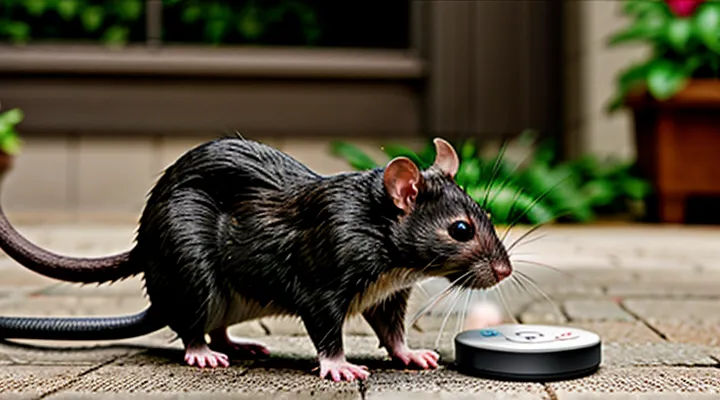
Understanding Ultrasonic Repellers
How Ultrasonic Repellers Work
The Science Behind Ultrasonic Pest Control
Ultrasonic pest control relies on sound waves above 20 kHz, a range inaudible to humans but detectable by the auditory systems of rodents. Rats and mice possess cochlear hair cells tuned to frequencies between 30 kHz and 80 kHz, allowing devices that emit pulses within this band to stimulate a startle response and interfere with normal communication. Continuous exposure triggers stress pathways, reduces feeding, and can drive animals away from the treated zone.
Effective devices modulate frequency and pulse intervals to prevent habituation. Fixed‑frequency emitters lose efficacy as rodents adapt to the constant signal; dynamic models sweep across a spectrum or randomize bursts, maintaining a perception of threat. The acoustic pressure level (typically 85–100 dB SPL at 1 m) must exceed the rodent hearing threshold while remaining safe for humans and pets; most commercial units comply with safety standards that limit exposure to non‑target species.
When selecting a system for rodent deterrence, consider the following criteria:
- Frequency range: 30–80 kHz, with adjustable sweep capability.
- Coverage area: square footage rating matched to the target environment (e.g., 1,200 ft² for a kitchen, 2,500 ft² for a basement).
- Power source: mains‑plugged units for continuous operation versus battery‑powered models for temporary use.
- Certification: CE, FCC, or equivalent compliance indicating adherence to electromagnetic and safety regulations.
- Warranty and support: minimum one‑year warranty and accessible customer service.
Reputable retailers include specialized pest‑control suppliers, major e‑commerce platforms with verified seller ratings, and manufacturers’ official online stores. Purchasing directly from the producer ensures access to product specifications, firmware updates for frequency modulation, and documented performance testing.
Frequencies and Their Effect on Rodents
Ultrasonic devices target rodents by emitting sound above the human hearing range. Frequencies between 20 kHz and 30 kHz are audible to rats and mice; exposure at this band induces immediate avoidance, increased locomotion, and disruption of nesting activity.
Frequencies above 30 kHz reduce the likelihood of habituation. At 35 kHz to 45 kHz, rodents exhibit startle responses and a marked decline in feeding. Prolonged emission in this range can lead to reduced breeding success and altered territorial marking.
Higher bands, 50 kHz to 70 kHz, are less perceptible to mature rats but remain effective against juvenile mice. Effects include heightened alertness, avoidance of treated zones, and interference with ultrasonic communication used for mating calls.
Key parameters influencing efficacy:
- Frequency selection matched to target species’ auditory sensitivity.
- Continuous versus intermittent emission; intermittent patterns diminish adaptation.
- Sound pressure level (SPL) maintained between 85 dB and 100 dB at source; lower SPL fails to elicit consistent avoidance, higher SPL may cause equipment strain.
Choosing a device that offers adjustable frequency settings enables fine‑tuning based on observed rodent behavior and environmental constraints.
Advantages of Using Ultrasonic Repellers
Non-Lethal and Humane Pest Control
Ultrasonic devices that emit high‑frequency sound waves provide a non‑lethal, humane method for deterring rats and mice. The technology exploits the animals’ acute hearing, causing discomfort without inflicting injury, which aligns with ethical pest‑management standards. Effectiveness depends on proper placement, coverage area, and regular maintenance of the unit’s power source.
Key considerations when selecting a repeller:
- Frequency range of 20–65 kHz, covering both rodent species.
- Adjustable timer or continuous operation mode to match occupancy patterns.
- Warranty of at least one year, indicating manufacturer confidence in durability.
- Independent laboratory testing results, confirming emission levels are safe for humans and pets.
Reliable sources for acquisition include:
- Major e‑commerce platforms that list verified seller ratings and customer feedback.
- Specialty pest‑control suppliers offering technical support and product certification documents.
- Direct purchase from manufacturers’ official websites, often providing bulk‑order discounts and detailed installation guides.
Before purchase, verify that the device complies with regional electromagnetic emission regulations. Review return policies to ensure the possibility of replacement if performance metrics are not met. Selecting a reputable vendor, combined with correct installation, maximizes the probability of sustained rodent deterrence while preserving humane treatment standards.
Chemical-Free Solution
Ultrasonic devices provide a chemical‑free method for deterring rats and mice by emitting high‑frequency sound that is uncomfortable for rodents but inaudible to humans and most pets. The technology eliminates the need for poisons, traps, or repellents that can contaminate food sources and pose health risks.
The effectiveness of a repeller depends on frequency range (typically 20–65 kHz), coverage area, and power source. Models that offer adjustable frequency, a wide radius (up to 1,500 sq ft), and battery or AC operation adapt to various environments, from kitchens to warehouses. Durable housing and a warranty of at least one year indicate reliable construction.
Purchasing options include:
- Established e‑commerce platforms (Amazon, eBay) that list certified models with verified seller ratings.
- Specialty pest‑control retailers (e.g., Pest‑Control‑Products.com) that focus on non‑chemical solutions.
- Manufacturer websites (such as Pest‑Away, Riddex) that sell directly and provide technical specifications.
- Professional distributors serving contractors and property managers, often offering bulk discounts and installation support.
When evaluating a product, confirm compliance with safety standards (e.g., FCC, CE), review independent user feedback for real‑world performance, and verify a clear return policy. Selecting a device that meets these criteria ensures a safe, effective, and chemical‑free approach to rodent management.
Ease of Use and Maintenance
Ultrasonic rodent deterrents are marketed for residential and commercial use because they require minimal interaction after installation. Units typically arrive pre‑assembled with a power cord, a mounting bracket, and a quick‑start guide. Users connect the device to an outlet, attach the bracket to a wall or ceiling, and activate the built‑in timer. No programming software or smartphone app is necessary, which eliminates the learning curve associated with more complex pest‑control systems.
Maintenance demands are limited to periodic visual inspections and occasional cleaning. The exterior housing is usually made of smooth plastic or metal; a soft cloth dampened with mild soap removes dust that could block the ultrasonic transducer. Because the transducer operates without moving parts, wear is negligible, and most manufacturers specify a service life of three to five years under normal conditions. Replacing the unit is often simpler than repairing it, and many sellers provide a one‑year warranty that covers defects in materials and workmanship.
Key practical considerations when selecting a purchase source include:
- Packaging clarity – clear labeling of frequency range (typically 20–65 kHz) and coverage area helps verify suitability for the intended space.
- Instruction quality – diagrams that illustrate mounting height and orientation reduce installation errors.
- Customer support – accessible helpline or email channel for troubleshooting guarantees prompt resolution of any functional issues.
- Return policy – a straightforward return process protects the buyer if the device fails to emit the advertised frequency spectrum.
Overall, the design of ultrasonic rodent repellents emphasizes plug‑and‑play operation and low‑maintenance upkeep, allowing users to achieve effective pest deterrence with limited ongoing effort.
Factors to Consider Before Purchasing
Types of Ultrasonic Repellers
Plug-in Units
Plug‑in ultrasonic units are compact devices that connect directly to a standard wall outlet and emit high‑frequency sound waves designed to deter rats and mice. These models typically operate at frequencies between 20 kHz and 65 kHz, a range inaudible to humans but uncomfortable for rodents. Most units incorporate a timer or automatic shut‑off feature to conserve energy and comply with safety regulations. When selecting a plug‑in device, verify the advertised coverage area, power consumption, and the presence of a built‑in safety fuse.
Reliable sources for acquiring these devices include:
- Large e‑commerce platforms (e.g., Amazon, eBay) – extensive catalogues, customer reviews, and rapid shipping.
- Specialty pest‑control retailers (e.g., DoMyOwn, Pest‑Control‑Solutions.com) – product lines focused on rodent deterrence, often with technical support.
- Home‑improvement chains (e.g., Home Depot, Lowe’s) – physical stores for immediate inspection, plus online ordering with in‑store pickup.
- Direct manufacturer websites (e.g., Pest‑Guard, Rat‑Free) – access to the latest models, warranty information, and bulk‑purchase discounts.
Before purchase, confirm that the unit complies with local electromagnetic emission standards and that the warranty covers at least one year of operation. Review the return policy to ensure the option of replacement if the device fails to achieve the advertised coverage. Selecting a reputable vendor and a model with verified performance data maximizes the likelihood of effective rodent control.
Battery-Operated Devices
Battery‑operated ultrasonic rodent repellers emit high‑frequency sound that rodents cannot tolerate, while remaining inaudible to humans and most pets. Portable models rely on replaceable or rechargeable batteries, allowing placement in areas without direct power access, such as attics, basements, and outdoor sheds.
When choosing a battery‑driven unit, evaluate the emitted frequency range (typically 20–65 kHz), coverage radius, battery lifespan per charge, and safety certifications. Devices with adjustable timers and low‑power sleep modes extend operational periods and reduce maintenance frequency.
Reliable acquisition channels include:
- Major e‑commerce platforms (e.g., Amazon, eBay) that list verified sellers and provide customer feedback.
- Dedicated pest‑control retailers (e.g., Pest‑World, DoMyOwn) offering product specifications and expert advice.
- Manufacturer websites (e.g., Pest Repel, RatStop) that sell directly and often include warranty registration.
- Local hardware or home‑improvement stores (e.g., Home Depot, Lowe’s) with in‑store inventory for immediate pickup.
- Professional distribution networks serving property‑management firms, which may offer bulk pricing and technical support.
Confirm authenticity by checking for CE, FCC, or UL markings, reviewing independent user ratings, and ensuring a clear return policy or warranty period. Selecting a reputable source minimizes the risk of counterfeit units and guarantees the performance specifications advertised.
Outdoor vs. Indoor Models
Ultrasonic devices designed to deter rats and mice are offered in two distinct configurations: outdoor and indoor. The choice between them depends on environmental exposure, coverage requirements, and power supply options.
Outdoor units are built with weather‑resistant housings, typically rated IP65 or higher, to withstand rain, humidity, and temperature fluctuations. They incorporate higher‑output transducers that can project ultrasound over larger distances, often up to 100 m, to protect gardens, warehouses, and building perimeters. Solar panels or battery packs are common power solutions, allowing installation where mains electricity is unavailable. Mounting brackets enable placement on fences, poles, or walls at heights that maximize line‑of‑sight across open areas.
Indoor models focus on compactness and silent operation. Enclosures are made of plastic or lightweight metal without sealing for moisture, as they function inside climate‑controlled spaces. Effective range usually spans 20–30 m, suitable for basements, attics, storerooms, and residential interiors. Devices plug directly into standard outlets, and many include adjustable timers or motion sensors to conserve energy when no activity is detected.
Key comparison points:
- Durability: Outdoor – waterproof, UV‑stable; Indoor – standard indoor rating.
- Coverage: Outdoor – up to 100 m; Indoor – 20–30 m.
- Power source: Outdoor – solar, battery, or AC; Indoor – AC only.
- Installation: Outdoor – mounting hardware for exterior surfaces; Indoor – plug‑and‑play placement on shelves or walls.
- Cost: Outdoor models generally carry a premium due to rugged construction and additional power options; indoor units are priced lower.
When selecting a purchase source, verify that the retailer lists specifications matching these criteria. Certified distributors often provide warranty documentation and technical support, ensuring the device operates within the intended environmental parameters.
Key Features to Look For
Coverage Area and Range
Ultrasonic rodent deterrents rely on a defined coverage area to protect a space from rats and mice. The advertised range indicates the maximum distance at which the device emits frequencies that remain disruptive to the target pests. Selecting a model with a suitable radius prevents gaps where rodents can evade detection.
Typical indoor units provide a radius of 30 – 50 feet, translating to an effective coverage of roughly 900 – 2 500 square feet. Outdoor versions often extend to 60 feet or more, covering up to 4 000 square feet, but performance can decline with exposure to wind and rain. Manufacturers usually list the maximum range; actual coverage may be lower under real‑world conditions.
Factors influencing effective range include:
- Physical barriers such as walls, furniture, or stored items that absorb or reflect ultrasonic waves.
- Ceiling height; higher ceilings dilute sound intensity.
- Ambient noise levels; loud machinery or HVAC systems can mask ultrasonic emissions.
- Frequency and power output; higher frequencies travel shorter distances but may be more irritating to rodents.
Proper placement maximizes coverage. Position the unit centrally within the target area, mount it at a height of 4 – 6 feet, and orient the speaker away from solid obstacles. For large warehouses, multi‑unit configurations with overlapping zones ensure continuous protection.
When evaluating purchase options, compare the specified radius and square‑footage claims, verify that the product lists the factors above, and examine user feedback for real‑world performance. Confirm warranty terms and return policies to mitigate the risk of inadequate coverage.
Adjustable Frequencies
Adjustable frequencies allow a repeller to target specific rodent species by matching their hearing sensitivity. Most models offer a range between 20 kHz and 70 kHz; lower settings affect larger rats, while higher tones are more effective against small mice. Users can fine‑tune the output via a dial or digital interface, ensuring the device remains audible to pests but silent to humans and pets.
When evaluating a purchase, verify that the unit provides:
- A clearly marked frequency selector covering at least 20 kHz–70 kHz.
- Stable output power across the entire range, typically 80–100 dB at 1 m.
- A reliable power source (AC adapter or battery) with a clear runtime specification.
- Compliance with safety standards such as FCC or CE.
Common channels for acquiring these devices include:
- Established e‑commerce platforms that list manufacturer‑verified products and customer reviews.
- Specialty pest‑control suppliers that offer technical support and warranty coverage.
- Direct orders from reputable brands via their official websites, often providing detailed manuals on frequency adjustment.
Selecting a model with a robust frequency adjustment mechanism maximizes efficacy while minimizing the risk of habituation in rodent populations.
Power Source Options
When selecting an ultrasonic rodent deterrent, the power source determines installation flexibility, maintenance frequency, and operating cost.
Battery‑powered units rely on disposable or rechargeable cells. Disposable alkaline or lithium batteries provide up to six months of continuous operation, but require periodic replacement. Rechargeable lithium‑ion packs extend runtime to twelve months before recharging, reducing waste and long‑term expense. Battery models are ideal for locations without nearby outlets or for temporary deployment.
Mains‑connected devices use a standard AC adapter. Plug‑in units deliver uninterrupted power, eliminating the need for battery monitoring. They are suited for permanent installations in basements, attics, or walls where an outlet is accessible. Some models incorporate a built‑in surge protector to guard against voltage spikes.
Hybrid systems combine a wall adapter with an internal battery backup. The primary power source is AC, while the battery automatically engages during outages, ensuring continuous operation. This configuration offers reliability in environments with unstable electricity.
Solar‑assisted units integrate a small photovoltaic panel with a rechargeable battery. They function autonomously in outdoor settings such as sheds or garden walls, provided sufficient sunlight reaches the panel. Energy storage capacity typically supports several days of operation under low‑light conditions.
Key considerations for each option:
- Installation constraints: battery units need no wiring; plug‑in and hybrid units require proximity to an outlet.
- Maintenance schedule: disposable batteries demand regular replacement; rechargeable and solar systems need occasional charging checks.
- Operating cost: mains power incurs electricity usage; solar reduces ongoing expenses; battery costs vary by type and lifespan.
- Reliability: hybrid and solar models include backup power, minimizing downtime during power failures.
Durability and Weather Resistance
Ultrasonic rodent deterrent devices intended for outdoor use must withstand temperature extremes, precipitation, and UV exposure. Models constructed from high‑impact polycarbonate or reinforced ABS typically survive drops and accidental impacts without loss of function. Sealed enclosures rated IP65 or higher protect internal circuitry from rain, snow, and dust, ensuring continuous operation during storms or humid conditions.
Longevity depends on power source and component quality. Units equipped with sealed lithium‑ion batteries or solar panels maintain charge cycles for several years, while manufacturers often provide warranties ranging from one to three years, indicating confidence in material resilience. Corrosion‑resistant metal brackets and stainless‑steel mounting hardware prevent rust when installed near gutters or under eaves.
When selecting a supplier, prioritize retailers that list the following specifications:
- IP rating (minimum IP65)
- Material description (polycarbonate, ABS, stainless steel)
- Warranty period and replacement policy
- Customer reviews confirming performance after exposure to rain or heat
Major e‑commerce platforms and specialized pest‑control distributors display these details in product listings. Verify that the seller offers a clear return process and technical support for installation in harsh environments.
Potential Limitations and Considerations
Effectiveness Against Different Rodent Species
Ultrasonic rodent deterrent units are marketed for both rats and mice, yet their performance varies among species.
Laboratory and field studies show distinct response patterns:
- Norway rat (Rattus norvegicus): High-frequency tones (30‑50 kHz) trigger avoidance; devices rated 80 % reduction in activity during the first two weeks.
- Roof rat (Rattus rattus): Sensitivity peaks at 25‑35 kHz; observed decline in visits up to 70 % after one week, with gradual habituation after three weeks.
- House mouse (Mus musculus): Effective range 20‑25 kHz; average activity drop 60 % in the first ten days, followed by a plateau as individuals acclimate.
- Deer mouse (Peromyscus maniculatus): Limited response; reductions rarely exceed 30 % despite exposure to the full frequency spectrum.
Key factors influencing efficacy:
- Frequency match: Species‑specific auditory thresholds dictate optimal settings; mismatched frequencies produce negligible deterrence.
- Habituation speed: Smaller rodents adapt more quickly, requiring periodic frequency modulation or device relocation.
- Environmental barriers: Dense insulation, furniture, and walls attenuate ultrasonic propagation, reducing field strength at target locations.
When selecting a purchase source, prioritize sellers that provide adjustable frequency controls and documented field data for each rodent type. Product listings that include independent efficacy reports and warranty terms offer the most reliable assurance of performance across the species spectrum.
Obstacles and Interference
When acquiring an ultrasonic device designed to deter rodents, buyers must recognize several practical barriers that can diminish effectiveness.
First, ambient noise can mask the high‑frequency signal. Machinery, HVAC systems, and even human speech generate sound energy that interferes with the repeller’s output, especially in industrial or densely populated residential settings.
Second, structural elements affect propagation. Solid walls, metal studs, and dense insulation absorb or reflect ultrasonic waves, creating dead zones where the device fails to reach the target area. Proper placement—away from large furniture, cabinets, or appliances—reduces shadowing and ensures broader coverage.
Third, the target species may exhibit habituation. Continuous exposure without variation can lead rats and mice to ignore the stimulus. Models that incorporate rotating frequencies or timed intervals mitigate this risk, but not all products on the market offer such features.
Fourth, regulatory constraints differ by region. Some jurisdictions restrict the sale of ultrasonic emitters due to concerns about non‑target wildlife or interference with other electronic equipment. Sellers may require proof of compliance, and non‑compliant listings are often removed from major e‑commerce platforms.
Fifth, counterfeit or low‑quality units proliferate online. Inexpensive replicas frequently lack calibrated transducers, resulting in reduced output power and limited range. Verifying manufacturer certifications, reading independent reviews, and purchasing from authorized distributors help avoid these pitfalls.
Sixth, shipping considerations can impact product integrity. Devices containing delicate piezoelectric components may be damaged by rough handling or extreme temperatures, leading to diminished performance upon arrival.
Key factors to evaluate before purchase:
- Frequency range and ability to cycle tones
- Power rating and advertised coverage area
- Certification status for the buyer’s country
- Seller reputation and warranty terms
- Packaging specifications for safe transport
By addressing these obstacles—environmental noise, structural interference, habituation potential, legal restrictions, counterfeit risk, and logistical handling—consumers can select a reliable ultrasonic rodent deterrent and ensure it functions as intended after acquisition.
Impact on Pets and Children
Ultrasonic rodent deterrents emit sound frequencies above 20 kHz, which are inaudible to most adults but can be detected by many pets and young children. Dogs, especially those with acute hearing, may exhibit signs of discomfort such as ear twitching, whining, or avoidance of the device’s location. Cats generally tolerate the frequency better, yet prolonged exposure can cause stress in sensitive individuals. Children under five years of age may perceive the high‑frequency noise, leading to irritability or difficulty sleeping if the unit operates nearby.
Safety considerations for households with animals and toddlers include:
- Selecting a model with adjustable frequency settings; lower ranges reduce the likelihood of distress while remaining effective against rodents.
- Positioning the emitter away from sleeping areas, pet beds, and play zones to limit direct exposure.
- Verifying that the device complies with FCC and CE standards, indicating tested emission levels and built‑in safeguards.
- Monitoring pets for changes in behavior after installation; discontinue use if adverse reactions persist.
When purchasing, prioritize retailers that provide detailed specifications, user manuals outlining pet‑friendly operation, and a clear return policy. These factors help ensure the deterrent fulfills its purpose without compromising the well‑being of non‑target occupants.
Where to Purchase Ultrasonic Repellers
Online Retailers
Major E-commerce Platforms
When looking for ultrasonic devices that deter rats and mice, major online marketplaces provide the widest selection and reliable delivery options.
Amazon hosts numerous models from established manufacturers, offering customer reviews, detailed specifications, and Prime shipping. Filter results by “ultrasonic pest repeller” and sort by rating to identify top‑selling items.
eBay features new and refurbished units, often at reduced prices. Use the “Buy It Now” option for immediate purchase and verify seller ratings to ensure authenticity.
Walmart’s e‑commerce platform lists products that are available for in‑store pickup or home delivery. The site includes comparative charts that list frequency ranges and coverage areas.
Target’s online catalog includes a limited but curated range of ultrasonic repellers, with options for free shipping on qualifying orders and a straightforward return policy.
Chewy, primarily a pet‑supplies retailer, carries ultrasonic devices designed for rodent control in residential settings. Membership benefits provide discounts on recurring purchases.
Key considerations when evaluating listings on these platforms:
- Product specifications: frequency (kHz), coverage area (sq ft), power source.
- Warranty length and service terms.
- Customer feedback on efficacy and durability.
- Shipping speed and return procedures.
By reviewing these criteria across the listed marketplaces, buyers can secure a suitable ultrasonic repeller with confidence in product quality and fulfillment reliability.
Specialized Pest Control Websites
Specialized pest‑control portals concentrate on products designed for rodent deterrence, offering a curated selection of ultrasonic devices. These sites typically provide detailed specifications, compliance certifications, and customer reviews that facilitate informed purchasing decisions.
Key platforms include:
- PestControlOnline.com – extensive catalog of ultrasonic models, filter options for indoor and outdoor use, and a verification badge confirming EPA registration.
- RodentSolutions.net – focuses on professional‑grade units, includes installation guides, and offers bulk‑order discounts for property managers.
- EcoPestTech.org – emphasizes environmentally certified devices, provides comparative charts of frequency ranges, and maintains a forum for user feedback.
- UltraPestGear.com – features a “Best for Small Spaces” section, lists warranty periods, and integrates a live chat with technical support.
When evaluating a site, verify the presence of:
- Manufacturer documentation confirming safety standards.
- Transparent return policies and warranty terms.
- Independent customer testimonials that reference real‑world performance.
Purchasing through these dedicated websites reduces the risk of counterfeit products and ensures access to technical assistance after delivery.
Reading Customer Reviews and Ratings
When selecting an ultrasonic rodent deterrent, the most reliable indicator of performance lies in customer feedback. Reviews reveal real‑world efficacy, durability, and noise levels that manufacturers rarely disclose. Ratings aggregate individual experiences, allowing quick comparison across brands and models.
Key factors to extract from reviews:
- Effectiveness against target species – note comments specifying success with rats, mice, or both.
- Coverage area – look for users confirming the advertised square‑foot range in actual rooms or garages.
- Device longevity – prioritize reports of consistent operation after months of continuous use.
- Noise perception – assess whether occupants detect audible sounds, which may affect indoor suitability.
- Installation ease – consider remarks about plug‑in versus battery models and any required mounting adjustments.
- Customer service – evaluate response times and warranty handling reported by purchasers.
Cross‑checking these elements across multiple platforms (e‑commerce sites, specialized pest‑control forums, and independent review aggregators) yields a comprehensive view of product reliability, guiding an informed purchase decision.
Brick-and-Mortar Stores
Home Improvement Stores
Home improvement retailers are a practical source for ultrasonic rodent deterrent devices. Most large chains carry several models on their shelves, allowing customers to inspect the product before purchase and compare specifications side‑by‑side.
When evaluating options at these stores, consider the following factors:
- Frequency range: models that emit frequencies above 20 kHz target both rats and mice effectively.
- Coverage area: select a unit whose advertised radius matches the size of the room or outdoor space.
- Power source: battery‑operated units provide flexibility, while plug‑in models ensure continuous operation.
- Warranty and return policy: reputable chains offer standard manufacturer warranties and clear return procedures.
Common home improvement chains that stock ultrasonic rodent repellents include:
- Home Depot
- Lowe’s
- Menards
- Ace Hardware (selected locations)
- True Value (selected locations)
These retailers often list available models on their websites, enabling price comparison and inventory checks before visiting a physical store. In‑store staff can answer questions about installation height, recommended placement, and safety guidelines for pets and children. Purchasing through a home improvement outlet also simplifies access to after‑sales support, including troubleshooting and warranty claims.
Hardware Stores
Hardware retailers frequently stock ultrasonic rodent deterrent devices, making them a convenient source for consumers seeking immediate purchase. These stores typically display a range of models varying in coverage area, power output, and frequency range, allowing shoppers to match a unit to the size of a garage, basement, or garden. Product packaging often includes specifications such as square footage coverage, battery life, and weather‑proof rating, which aid in selecting an appropriate device without additional research.
Key considerations when buying from a hardware outlet:
- Verify the advertised coverage matches the target environment; larger spaces may require multiple units.
- Check the frequency range (usually 20 kHz–65 kHz) to ensure effectiveness against both rats and mice.
- Confirm the presence of a warranty or return policy; most major chains offer a 30‑day satisfaction guarantee.
- Compare price points; budget models start around $25, while premium units with extended coverage and solar power can exceed $80.
Major hardware chains that commonly carry these deterrents include Home Depot, Lowe’s, Menards, and regional cooperatives. Their inventory management systems often allow online checking of in‑store stock, enabling customers to reserve a unit before visiting. In addition, many locations provide knowledgeable staff who can explain device placement, power source options, and maintenance requirements, reducing the risk of ineffective installation.
When evaluating a purchase, prioritize devices with adjustable settings, clear indicator lights, and documented field testing. Selecting a reputable brand—such as Pest‑Away, Victor, or T3‑R—helps ensure compliance with safety standards and durability. By leveraging the immediate availability and expert assistance offered by hardware stores, buyers can acquire an effective ultrasonic rodent repeller quickly and with confidence.
Agricultural and Farm Supply Stores
Agricultural and farm supply retailers frequently stock ultrasonic devices designed to deter rats and mice. These outlets cater to customers who need durable, cost‑effective solutions for protecting barns, grain bins, and livestock areas.
Typical inventory includes models with adjustable frequency ranges, weather‑proof housings, and power options suitable for indoor or outdoor installation. Staff at these stores often possess practical knowledge of placement strategies that maximize coverage in large facilities.
When searching for a purchase location, consider the following points:
- Established chains such as Tractor Supply Co., Rural King, and Agri‑Supply often have dedicated sections for pest‑control equipment.
- Independent farm supply stores may offer locally sourced brands and personalized advice.
- Inventory lists are usually available online; checking the retailer’s website can confirm stock before traveling.
- Bulk purchasing discounts are common for agricultural customers, especially when ordering multiple units for extensive properties.
Selecting a reputable farm supply outlet ensures access to warranty support and the ability to obtain replacement parts or additional units as needed.
Direct from Manufacturers
Official Brand Websites
Official brand websites provide the most reliable source for purchasing ultrasonic rodent deterrents. These sites guarantee authentic products, direct customer support, and clear warranty information.
The leading manufacturers maintain dedicated e‑commerce portals:
- Pest‑Away® – https://www.pestaway.com – offers a full range of ultrasonic devices, detailed specifications, and an online store with secure checkout. Shipping options include standard and expedited delivery to most regions.
- MightyMite™ – https://www.mightymite.com – lists models designed specifically for indoor and outdoor use, provides downloadable user manuals, and supports bulk orders for property managers.
- Rat & Mouse Control Solutions (RMCS) – https://www.ratmousecontrol.com – features a product comparison tool, live chat assistance, and a warranty registration portal.
- EcoGuard® – https://www.ecoguard.com – emphasizes eco‑friendly designs, includes a “Find a Dealer” feature for local pickup, and offers a subscription service for replacement units.
- Ultrasonic Pro™ – https://www.ultrasonicpro.com – supplies professional‑grade units, detailed technical sheets, and a reseller directory for certified installers.
Purchasing directly from these domains eliminates the risk of counterfeit items often found on third‑party marketplaces. Each site displays compliance certifications, such as FCC and CE markings, confirming adherence to safety standards. Payment methods typically include credit cards, PayPal, and, where available, purchase‑order processing for commercial clients.
Verification steps are consistent across brands: confirm the URL ends with the official domain, check for SSL encryption (padlock icon), and review the “About Us” page for corporate contact details. Most manufacturers also provide a serial‑number lookup to validate product authenticity after delivery.
For customers requiring rapid fulfillment, many sites list inventory status in real time and offer same‑day dispatch for in‑stock items. Return policies are outlined in dedicated sections, specifying a 30‑day window for unopened units and the procedure for defective product claims.
Overall, official brand websites deliver comprehensive product information, secure transactions, and post‑purchase support, establishing them as the preferred channels for acquiring ultrasonic repellers targeting rats and mice.
Warranty and Support Information
When selecting an ultrasonic rodent deterrent, verify the warranty terms before purchase. Most manufacturers offer a limited warranty ranging from one to three years, covering defects in materials and workmanship. The warranty typically excludes damage caused by improper installation, misuse, or exposure to extreme environmental conditions.
Key warranty elements:
- Duration: 12‑36 months, depending on the brand.
- Coverage: Replacement or repair of malfunctioning units.
- Exclusions: Physical damage, unauthorized modifications, and normal wear.
- Claim process: Registration on the seller’s website, submission of purchase receipt, and description of the fault.
Support channels are usually provided through multiple avenues:
- Email: Dedicated address for technical queries and warranty claims.
- Phone: Toll‑free line operating during standard business hours.
- Online portal: Ticket system with status tracking and downloadable user manuals.
- FAQ section: Answers to common installation and troubleshooting questions.
When purchasing, choose reputable sources that clearly display warranty information on the product page. Verified online marketplaces, the manufacturer’s official store, and specialized pest‑control distributors often include the warranty details in the listing. Confirm that the seller lists a return policy aligned with the warranty period, ensuring a seamless resolution if the device fails to operate as advertised.
Installation and Placement Tips
Optimal Placement for Maximum Effectiveness
Avoiding Obstructions
Ultrasonic devices designed to deter rats and mice lose effectiveness when sound waves encounter solid barriers. Sound propagation is linear; any object that blocks the line of sight between the emitter and the target creates a dead zone where the signal cannot reach.
- Position the unit at least 12 inches away from walls, cabinets, and large furniture.
- Avoid mounting the repeller behind glass, metal panels, or thick insulation.
- Keep the device clear of wiring bundles, pipes, and cable trays that could reflect or absorb ultrasonic energy.
- Ensure no clutter, such as stacked boxes or stored items, stands directly between the emitter and the area of infestation.
- Install units at a height of 4–6 feet to maximize coverage across floor and lower wall levels.
When selecting a purchase source, prioritize vendors that provide detailed specifications on the device’s effective range and recommended clearance distances. Confirm that the product description includes guidance on obstacle avoidance; reputable manufacturers typically supply installation diagrams illustrating optimal placement relative to common household obstructions.
Strategic Positioning in Infested Areas
Effective use of ultrasonic rodent deterrents depends on precise placement within the affected environment. Devices emit frequencies that rodents perceive as hostile; the sound field diminishes sharply beyond a limited radius, typically 20‑30 feet. Position each unit where the signal can reach all entry points, nesting sites, and foraging corridors without obstruction.
Key considerations for deployment:
- Install units at ceiling height or on wall mounts to maximize coverage and avoid furniture blockage.
- Place a device near each known access route: gaps under doors, utility openings, and drainage pipes.
- Ensure a minimum separation of 15 feet between units to prevent overlapping zones that cause signal cancellation.
- Avoid positioning near large metal objects, thick concrete walls, or dense insulation, which absorb ultrasonic waves.
- In multi‑room infestations, distribute units evenly, targeting the center of each compartment rather than corners.
When selecting a supplier, prioritize vendors that provide detailed specifications, including frequency range, coverage area, and warranty terms. Reputable online marketplaces and specialty pest‑control retailers list models with user reviews that confirm performance in real‑world settings. Verify that the chosen product complies with local regulations on ultrasonic emissions before purchase.
Maintenance and Troubleshooting
Regular Cleaning
Regular cleaning preserves the effectiveness of ultrasonic rodent deterrents and extends their service life. Accumulated dust, pet hair, or debris dampens the transducer’s output, reducing the audible‑frequency range that repels rats and mice.
Cleaning frequency depends on the environment. In dusty households or garages, wipe the exterior and grill twice a week. In cleaner settings, a monthly schedule suffices. Immediate cleaning is required after any spill or visible buildup.
Cleaning procedure
- Disconnect the device from power.
- Remove the protective grille; most models feature a snap‑off or slide‑out design.
- Use a soft, dry microfiber cloth to eliminate loose dust.
- For stubborn particles, apply a lightly dampened cloth with mild soap; avoid excess moisture near the speaker.
- Dry all components thoroughly before reassembly.
- Reattach the grille and restore power.
When selecting a purchase source, prioritize units that offer:
- Detachable or hinged covers for easy access.
- Smooth, non‑porous housing that resists grime.
- Clear manufacturer instructions on maintenance.
- Warranty terms that cover damage from routine cleaning.
Consistent upkeep ensures the ultrasonic emitter operates at its calibrated frequency, maintaining a reliable barrier against rodent intrusion while protecting the investment.
Battery Replacement (if applicable)
When selecting an ultrasonic rodent deterrent, verify whether the model uses a replaceable power source. If the device includes a battery compartment, follow these steps to ensure reliable operation.
First, identify the battery specification printed on the unit or in the accompanying manual. Common types are AA, AAA, or a proprietary lithium pack. Note the voltage and capacity; using a lower‑capacity cell can reduce the effective range and trigger interval.
To replace the battery:
- Disconnect the unit from any external power source.
- Open the sealed compartment by sliding or unscrewing the cover, as described by the manufacturer.
- Remove the depleted cells, observing polarity markings.
- Insert fresh batteries matching the original specifications.
- Secure the cover and test the device by listening for the activation tone or checking the indicator light.
When purchasing replacement cells, consider the following factors:
- Brand reputation: reputable manufacturers provide consistent voltage output and longer shelf life.
- Expiration date: select batteries with the latest date to avoid premature discharge.
- Quantity: buying in bulk reduces per‑unit cost and ensures spare cells are on hand.
Reliable suppliers include major online marketplaces, specialty pest‑control retailers, and electronics distributors. Verify that the seller lists the exact battery model required for the ultrasonic deterrent to avoid compatibility issues. Keep a record of the purchase date; most batteries retain optimal performance for 12‑24 months under proper storage conditions.
Addressing Persistent Infestations
Persistent rodent problems require a systematic approach that combines environmental control, exclusion techniques, and targeted deterrent technology. An ultrasonic deterrent device, calibrated to emit frequencies uncomfortable for rats and mice, can interrupt breeding cycles and reduce activity levels. Consistent placement near entry points, food storage areas, and nesting sites maximizes coverage; overlapping zones prevent blind spots where pests may regroup.
Effective deployment follows these steps:
- Conduct a thorough inspection to locate burrows, gnaw marks, and droppings.
- Seal openings larger than ¼ inch with steel mesh or cement.
- Remove food sources by storing grain, pet food, and waste in airtight containers.
- Position ultrasonic units at least 12 inches off the floor, directed toward identified hotspots.
- Monitor activity for two weeks; adjust unit spacing if rodents persist.
When selecting a purchase source, consider the following criteria:
- Certified safety standards (e.g., UL, CE) to ensure reliable operation.
- Warranty length of at least one year, indicating manufacturer confidence.
- Customer reviews that specifically mention effectiveness against rats and mice.
- Availability of a clear return policy, allowing trial without financial risk.
Retail channels meeting these requirements include:
- Established e‑commerce platforms that aggregate professional‑grade models and provide detailed specifications.
- Specialty pest‑control suppliers offering expert advice and bulk discounts for multi‑unit installations.
- Direct manufacturer websites that list authorized distributors and provide technical support.
Choosing a reputable vendor and adhering to the outlined deployment protocol significantly improves the likelihood of eliminating a stubborn infestation. Continuous monitoring and prompt maintenance of the devices sustain long‑term rodent suppression.
Maximizing Repeller Effectiveness
Combining with Other Pest Control Methods
Trapping
Ultrasonic devices are often paired with physical traps to increase efficacy against rodents. The sound waves deter activity while traps capture individuals that enter the treated zone, reducing population without chemical agents.
Common trap formats compatible with ultrasonic deterrents include:
- Live‑catch cages that allow relocation of captured animals.
- Snap traps for immediate kill.
- Glue boards for passive capture.
- Electric traps delivering a quick shock.
Purchasing options for ultrasonic rodent deterrents are:
- Major e‑commerce platforms (e.g., Amazon, eBay) offering a range of models with customer reviews.
- Dedicated pest‑control suppliers (e.g., Pest‑Control Solutions, Ortho) that provide technical specifications and warranty support.
- Home‑improvement retailers (e.g., Home Depot, Lowe’s) stocking units suitable for residential use.
- Manufacturer websites (e.g., PestAway, D-Con) delivering direct sales and access to replacement parts.
Key selection criteria:
- Frequency band covering 20–65 kHz, targeting both rats and mice.
- Coverage radius matching the area of infestation.
- Power source (plug‑in, battery, solar) aligning with installation constraints.
- Build quality and protection rating for indoor or outdoor deployment.
- Availability of a warranty and responsive customer service.
Implementation steps:
- Identify zones where rodent activity is highest.
- Choose a trap type that fits the environment and legal disposal requirements.
- Acquire an ultrasonic unit from a reputable vendor listed above.
- Install the device according to the manufacturer’s guidelines, positioning it near traps for optimal overlap.
- Monitor capture rates and adjust placement or device settings as needed.
Sealing Entry Points
Sealing all possible access routes is a prerequisite for any ultrasonic rodent deterrent system. Gaps that allow rats or mice to enter undermine the device’s coverage area, leading to persistent infestations despite continuous operation.
Typical entry points include:
- Gaps around utility pipes and cables
- Openings beneath doors and windows
- Cracks in foundation walls or basement slabs
- Unsealed vents, dryer exhausts, and chimney flues
- Holes in siding, roof eaves, and soffits
Effective sealing methods consist of:
- Applying steel wool or copper mesh to narrow openings, then covering with expanding foam for durability.
- Installing weather‑stripping or door sweeps on all exterior doors.
- Using silicone caulk or masonry sealant on cracks and joints.
- Fitting screen mesh over vents and exhausts, secured with metal flashing.
- Adding metal flashing or metal plates over larger holes before applying sealant.
When entry points are fully sealed, the ultrasonic field can be calibrated to the interior space, ensuring consistent signal propagation and reducing the likelihood of rodents bypassing the device. This preparation also extends battery life and lowers the risk of device interference from external structures.
For acquisition of reliable ultrasonic deterrents, prioritize vendors that:
- Provide detailed specifications on frequency range (typically 20–65 kHz) and coverage radius.
- Offer warranty terms of at least one year and documented customer support.
- List certifications such as FCC compliance or CE marking.
- Supply user reviews or case studies demonstrating field performance.
Reputable sources include major online marketplaces with verified seller ratings, specialized pest‑control equipment distributors, and manufacturers’ official websites. Compare pricing, warranty, and return policies before finalizing the purchase to ensure the chosen unit integrates seamlessly with the sealed environment.
Maintaining Cleanliness
Maintaining a clean environment is essential for the effective operation of ultrasonic rodent deterrents. Dust and debris can block the transducer, reducing the emitted frequency and compromising the device’s range. Regular cleaning preserves sound output and extends product lifespan.
- Unplug the unit before any maintenance.
- Wipe the exterior with a dry microfiber cloth; avoid liquids that could seep into openings.
- Remove the protective cover, if present, and use a soft brush to clear the speaker surface.
- Inspect the mounting surface for dirt or grease; clean with a mild detergent, rinse thoroughly, and dry completely before reinstallation.
- Schedule cleaning every two weeks in high‑traffic areas; increase frequency in dusty or humid conditions.
A clean installation site also deters rodents by eliminating food residues and shelter opportunities. Ensure that storage areas, pantry shelves, and waste bins are emptied regularly, and that spills are addressed promptly. Consistent hygiene practices support the ultrasonic system’s performance and reduces the need for additional pest‑control measures.
Long-Term Strategies for Rodent Prevention
Regular Inspections
Regular inspections are essential for maintaining the effectiveness of ultrasonic rodent deterrent devices. Over time, factors such as power depletion, environmental interference, and physical displacement can diminish performance, making systematic checks a practical requirement.
Key elements to examine during each inspection include:
- Power source condition (battery health or connection integrity);
- Emission level verification with a calibrated ultrasonic meter;
- Device orientation and placement relative to target areas;
- Presence of obstacles or reflective surfaces that could alter sound propagation;
- Signs of wear, damage, or moisture ingress.
Inspections should occur at least once every three months for continuously operating units and monthly for devices in high‑traffic or outdoor settings. Record findings in a log that notes date, observed issues, corrective actions, and any parts replaced. Consistent documentation supports warranty claims and facilitates trend analysis.
When selecting a supplier, prioritize vendors that provide clear maintenance guidelines, accessible replacement parts, and responsive technical support. Verify that the purchase agreement includes provisions for periodic servicing or extended warranty coverage, ensuring long‑term reliability without additional downtime.
Adhering to a structured inspection schedule preserves ultrasonic deterrent efficiency, reduces the likelihood of rodent re‑infestation, and maximizes return on investment.
Proper Food Storage
Proper food storage reduces the likelihood that rats and mice will be attracted to a premises, thereby increasing the effectiveness of any ultrasonic deterrent device. Sealable containers made of glass, metal, or heavy‑wall plastic prevent scent leakage; store them in cool, dry locations away from direct sunlight. Label each container with purchase and expiration dates to avoid prolonged exposure of foodstuffs. Keep raw ingredients separate from processed goods, and clean shelves regularly to eliminate crumbs and spills.
When selecting an ultrasonic repeller, consider models that operate across a broad frequency range (20–65 kHz) to cover multiple rodent species. Verify that the unit specifies coverage area matching the size of the storage area. Look for products with adjustable timer settings and a built‑in safety shutoff to conserve energy during daylight hours.
Reliable sources for acquiring such devices include:
- Specialized pest‑control retailers with professional staff.
- Established e‑commerce platforms that list verified seller ratings.
- Manufacturer websites offering direct purchase and warranty registration.
Compare specifications, read verified user feedback, and confirm that the seller provides a clear return policy before finalizing the transaction. Proper food storage combined with a well‑chosen ultrasonic deterrent creates a comprehensive strategy for rodent management.
Landscape Management
Rodent activity can compromise plant health, soil stability, and aesthetic value in managed outdoor spaces. Effective landscape management therefore includes measures that deter rats and mice without harming beneficial wildlife.
Ultrasonic deterrents emit high‑frequency sound waves that rodents find uncomfortable, while remaining inaudible to humans and most birds. The technology operates continuously, requires minimal maintenance, and integrates easily with irrigation or lighting systems.
When selecting a device, consider frequency range (typically 20–65 kHz), coverage radius, power source (plug‑in versus solar), and durability against weather exposure. Verify that the product complies with local regulations and includes a warranty.
Purchasing options:
- Established online retailers that specialize in pest‑control equipment, offering product specifications and customer reviews.
- Agricultural supply stores with physical locations, providing hands‑on inspection and immediate availability.
- Direct manufacturers’ websites, often featuring bulk‑order discounts and technical support.
- Certified distributors listed on industry association directories, ensuring authenticity and after‑sales service.
Compare price, warranty length, and return policy before finalizing the purchase to align the deterrent system with the overall landscape maintenance plan.