
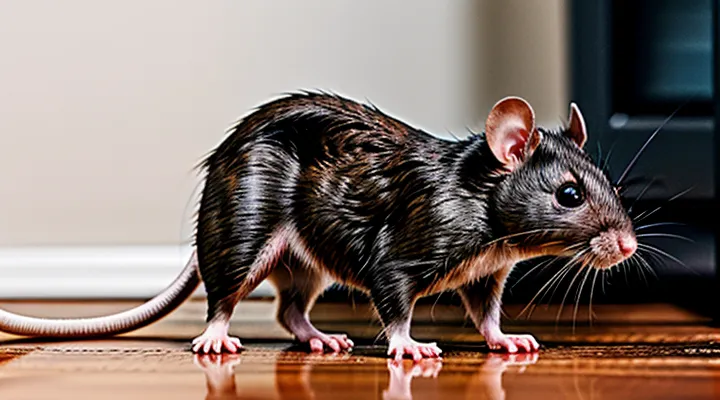
Understanding Ultrasonic Repellers
How Ultrasonic Repellers Work
The Science Behind the Sound Waves
Ultrasonic devices operate at frequencies above 20 kHz, a range inaudible to humans but well within the auditory sensitivity of rats and mice, which detect sounds up to 80–100 kHz. The high‑frequency waveforms stimulate the cochlear hair cells of these rodents, producing a discomfort signal that prompts avoidance behavior.
Rodent hearing relies on a highly tuned basilar membrane that resonates with ultrasonic frequencies. When an ultrasonic pulse reaches the inner ear, the rapid pressure fluctuations exceed the threshold of pain for the animal, activating neural pathways that trigger a flight response. This physiological reaction forms the basis for repellent efficacy.
Generation of ultrasonic waves employs piezoelectric ceramics driven by electronic oscillators. The transducer converts electrical voltage into mechanical vibrations at a precise frequency. Key design variables include carrier frequency, modulation pattern (continuous, pulsed, or frequency‑swept), and sound pressure level (SPL) measured in dB SPL. Stable output ensures consistent stimulus intensity across the device’s operating life.
Propagation through air involves rapid attenuation due to molecular absorption, especially at higher frequencies. Effective coverage therefore depends on power output, speaker placement, and environmental factors such as temperature and humidity, which alter attenuation coefficients. Directional horns or multiple emitters can extend the usable radius while maintaining SPL above the discomfort threshold.
Critical technical parameters for evaluating ultrasonic repellent models:
- Frequency range (e.g., 30–50 kHz) matched to rodent hearing peaks
- Peak SPL at 1 m (typically 90–110 dB) to guarantee discomfort
- Coverage radius (meters) accounting for attenuation losses
- Frequency modulation type (fixed, sweeping, randomized) to prevent habituation
- Power consumption and battery life for sustained operation
Understanding these acoustic principles enables objective comparison of devices and informs selection of models that deliver reliable rodent deterrence.
Frequency Ranges and Their Impact on Pests
Ultrasonic pest deterrents operate within specific frequency bands that align with the auditory sensitivity of rodents. Laboratory measurements show that rats and mice detect sounds from roughly 1 kHz to 80 kHz, with peak sensitivity between 10 kHz and 30 kHz. Devices emitting frequencies outside this window either fail to stimulate the auditory nerve or produce tones that the animals quickly habituate to.
The effectiveness of a given model depends on three measurable factors:
- Frequency range: Broad-spectrum units cover 15 kHz–50 kHz, ensuring overlap with the most responsive band for both species. Narrow-band models limited to 20 kHz–25 kHz may perform well in controlled environments but lose potency when obstacles attenuate the signal.
- Modulation pattern: Continuous tones allow rodents to adapt, whereas pulsed or frequency‑swept signals maintain a higher disruption level. Typical modulation cycles range from 1 Hz to 10 Hz, with a 50 % duty cycle proving most disruptive.
- Amplitude at source: Output power between 80 dB and 110 dB SPL at 1 meter provides sufficient acoustic pressure to penetrate drywall and wood. Power below 80 dB rarely reaches the required intensity after material loss.
Higher frequencies (>40 kHz) can reach the younger mouse auditory range but are more readily absorbed by insulation and furniture, reducing coverage radius. Lower frequencies (<15 kHz) travel farther through building structures but fall below the optimal hearing window for adult rats, diminishing behavioral impact. Selecting a model with a balanced spectrum—covering 15 kHz to 35 kHz, employing variable‑frequency modulation, and delivering at least 90 dB SPL—maximizes deterrence across typical residential layouts.
Advantages of Ultrasonic Repellers
Non-Toxic and Chemical-Free Pest Control
Ultrasonic devices designed to deter rats and mice offer a safe alternative to conventional pest‑control methods that rely on poisons or sprays. By emitting high‑frequency sound waves beyond human hearing, these units repel rodents without introducing toxic substances into homes, workplaces, or food‑storage areas.
Key benefits of a non‑toxic, chemical‑free approach include:
- Elimination of health risks associated with rodent poisons, such as secondary poisoning of pets or accidental ingestion by children.
- Preservation of indoor air quality, since no volatile compounds are released.
- Compatibility with sensitive environments, including hospitals, schools, and food‑processing facilities, where chemical agents are prohibited.
- Reduction of ecological impact, as no residual chemicals enter soil or waterways.
When evaluating the performance of ultrasonic deterrents, safety criteria dominate the ranking process. Models receive higher scores if they:
- Operate continuously without emitting audible noise, ensuring occupant comfort.
- Feature automatic shut‑off mechanisms that prevent overexposure in unoccupied spaces.
- Provide clear documentation confirming compliance with regulatory standards for electromagnetic emissions.
- Include adjustable frequency ranges to target specific rodent species while avoiding interference with other electronic equipment.
The absence of chemicals also simplifies maintenance. Users need only clean the device surface and replace batteries or plug into a stable power source. No refilling of toxic solutions or disposal of hazardous containers is required, which lowers long‑term operating costs.
Overall, the shift toward ultrasonic, non‑toxic repellents aligns with growing demand for humane, environmentally responsible pest management. Devices that meet stringent safety standards and demonstrate reliable rodent deterrence occupy the top tier in model rankings for ultrasonic rodent control.
Safety for Humans and Pets
Ultrasonic rodent deterrents emit sound waves above 20 kHz, a range beyond typical human hearing but within the auditory sensitivity of many small pets. Devices that comply with FCC and CE standards limit output to levels that do not exceed 90 dB SPL at 1 meter, reducing the risk of auditory damage for occupants.
Safety considerations for people and companion animals include:
- Frequency selection – Models that operate between 22 kHz and 30 kHz are less likely to be perceived by adults while remaining effective against rodents.
- Adjustable intensity – Units with a configurable volume allow users to set the lowest effective level, minimizing unnecessary exposure.
- Automatic shut‑off – Timers or motion‑activated sensors prevent continuous emission, protecting pets that may linger near the device.
- Placement guidelines – Install the emitter at least 3 feet above floor level and away from pet sleeping areas to avoid direct exposure.
Regulatory guidelines mandate that ultrasonic equipment must not produce harmful electromagnetic fields or interfere with medical devices such as pacemakers. Certified products undergo testing for electromagnetic compatibility, ensuring they are safe for households with vulnerable individuals.
For households with cats, dogs, or small mammals, verify that the selected model specifies “pet‑safe” operation. Manufacturers often provide a pet‑compatibility chart indicating which species may detect the ultrasonic signal. Choosing a device with a documented low‑impact profile and following the manufacturer’s installation instructions maintains a safe environment for both humans and non‑target animals.
Ease of Use and Maintenance
Ease of use and maintenance determine whether a ultrasonic rodent deterrent can be deployed effectively in residential or commercial settings. Installation should require no more than two simple steps: mount the unit on a wall or place it on a flat surface, then connect power. Models that include a clear, color‑coded wiring guide or a plug‑and‑play adapter reduce setup time and minimize user error.
Key maintenance considerations include:
- Cleaning – removable grille or dust‑proof cover that can be rinsed with water or wiped with a damp cloth.
- Power source – sealed battery compartment with clear polarity markings; optional AC adapter eliminates frequent battery changes.
- Durability – housing made of UV‑stabilized polymer resistant to cracking, with sealed seams to prevent moisture ingress.
- Control interface – single‑button operation or intuitive touch panel that displays status icons for power, timer, and sensor activation.
Models that integrate these features enable rapid deployment, straightforward upkeep, and sustained performance, positioning them at the top of comparative rankings for ultrasonic rodent repellents.
Limitations and Considerations
Effectiveness in Different Environments
Ultrasonic rodent deterrents vary in performance depending on the characteristics of the surrounding area. Open spaces allow sound waves to propagate with minimal obstruction, while cluttered interiors create reflections that can diminish the device’s reach. Materials such as dense insulation, thick walls, or metal surfaces absorb high‑frequency emissions, reducing the effective radius. Ambient temperature and humidity also influence ultrasonic transmission; higher humidity can attenuate frequencies above 30 kHz, shortening coverage.
Key environmental factors and their typical impact on device efficacy:
- Large, empty rooms – maximal coverage; most top‑ranked models achieve their advertised radius.
- Furnished living areas – moderate reduction; placement near the center of activity zones helps maintain effectiveness.
- Basements and crawl spaces – limited range; concrete walls and low ceilings require supplemental units or strategic positioning.
- Outdoor sheds or garages – variable; open doors improve dispersion, but metal doors and insulation panels can block signals.
- High‑humidity climates – noticeable attenuation; models with adjustable frequency bands mitigate loss.
Optimal deployment involves locating the unit at a height of 3–4 feet, away from direct contact with walls or large furniture, and ensuring an uninterrupted line of sight to the target zones. In multi‑room settings, overlapping coverage from two or more devices compensates for acoustic dead zones and sustains consistent repellent action.
Potential for Pest Acclimation
Ultrasonic repellers emit high‑frequency sound that rodents cannot hear, but repeated exposure can diminish the aversive effect. Acclimation occurs when individuals learn that the signal poses no threat, leading to reduced avoidance behavior and lower device efficacy.
Factors influencing acclimation include:
- Continuous operation at a single frequency; rodents may habituate to a constant tone.
- Low sound intensity that fails to reach the threshold for sustained discomfort.
- Environmental conditions that dampen ultrasonic propagation, such as dense insulation or cluttered spaces.
- Species‑specific hearing ranges; some mouse strains are less sensitive to certain frequencies.
Mitigation strategies:
- Rotate frequencies periodically to prevent pattern recognition.
- Combine ultrasonic output with intermittent bursts rather than steady emission.
- Position devices to maximize coverage while minimizing sound attenuation.
- Integrate complementary control methods, such as trapping or exclusion sealing, to reduce reliance on acoustic deterrence alone.
When evaluating top models, reviewers must assess documented resistance to acclimation. Devices that incorporate frequency modulation, adjustable output levels, and validated field performance against habituation receive higher rankings. Models lacking these features are prone to rapid loss of effectiveness, which diminishes their long‑term pest management value.
Factors Influencing Performance
Ultrasonic deterrents for rodents rely on specific technical and environmental parameters to achieve consistent efficacy. Frequency determines the audible range for rats and mice; devices emitting 20–45 kHz align with the peak hearing sensitivity of these species, ensuring maximal behavioral response. Amplitude, measured in decibels SPL, influences the perceived intensity; values above 100 dB SPL penetrate typical household insulation and maintain deterrent effect across modest distances.
Coverage area defines the spatial reach of the ultrasonic field. Models with multiple transducers or rotating emitters expand the effective radius, reducing blind spots that allow rodents to circumvent the signal. Power source dictates operational continuity; mains‑connected units provide uninterrupted output, whereas battery‑powered devices must balance voltage stability with runtime, as voltage drops can diminish frequency stability and reduce deterrent potency.
Placement accuracy directly affects performance. Positioning devices near entry points, along walls, or within concealed pathways maximizes exposure to the target zone. Obstructions such as furniture, curtains, or dense materials attenuate ultrasonic waves; strategic orientation minimizes reflection loss and preserves signal integrity.
Environmental noise introduces acoustic interference. Background sounds above 30 kHz can mask the deterrent signal, requiring higher output levels or adaptive frequency modulation to maintain effectiveness. Ambient temperature and humidity also alter sound propagation; devices calibrated for standard indoor conditions may experience reduced range in extreme climates.
Species‑specific sensitivity varies between rats and mice. Mice respond to higher frequencies (up to 50 kHz) more readily than rats, which are more tolerant of lower ultrasonic bands. Selecting models with adjustable frequency settings accommodates these differences and broadens applicability.
Durability and safety features influence long‑term reliability. Enclosures rated for dust and moisture protect internal components, while automatic shut‑off mechanisms prevent continuous exposure that could lead to habituation or potential auditory damage to pets. Compliance with regulatory standards (e.g., FCC, CE) ensures electromagnetic emissions remain within permissible limits, safeguarding both users and surrounding electronics.
Top Ultrasonic Repeller Models
Criteria for Selection
Repellency Range and Coverage Area
Ultrasonic devices designed to deter rodents emit sound waves at frequencies above human hearing, and the effectiveness of each unit depends largely on its specified repellency range and the area it can cover. Manufacturers typically provide a maximum radius measured in feet or meters; this radius represents the distance at which the emitted frequency remains strong enough to cause discomfort to rats and mice.
Key factors influencing range include the power of the transducer, the enclosure design, and the presence of obstacles such as walls, furniture, or insulation. Open‑plan spaces allow the signal to travel farther, while dense construction materials attenuate the waves and reduce effective coverage. Indoor models often list a coverage area in square feet, whereas outdoor units may describe a circular radius that accounts for environmental exposure.
Typical specifications for leading models are:
- Model A: 30‑ft (9 m) radius, up to 900 sq ft (84 m²) in open rooms.
- Model B: 25‑ft (7.5 m) radius, suitable for 600 sq ft (56 m²) with minimal obstructions.
- Model C: 20‑ft (6 m) radius, effective in 400 sq ft (37 m²) when placed centrally.
- Model D: 35‑ft (10.5 m) radius, advertised for 1,200 sq ft (111 m²) in spacious layouts.
When selecting a unit, align the advertised coverage with the actual floor plan. Place the device at a height of 4–6 ft (1.2–1.8 m) and avoid direct contact with walls to maximize dispersion. For multi‑room environments, consider additional units to ensure overlapping zones and eliminate blind spots.
Power Source and Durability
Power sources for ultrasonic rodent deterrents fall into three categories: mains‑connected units, rechargeable battery models, and solar‑assisted devices. Mains‑connected repellers guarantee uninterrupted operation as long as electricity is supplied, eliminating the need for periodic charging. Rechargeable units typically employ lithium‑ion or NiMH cells, offering runtimes of 8–12 hours per full charge; many models include a low‑battery indicator and a quick‑swap battery pack to minimize downtime. Solar‑assisted designs combine a small photovoltaic panel with an internal battery, providing continuous service in well‑lit outdoor areas while reducing reliance on external power.
Durability hinges on enclosure material, weather sealing, and component lifespan. High‑impact polycarbonate housings resist cracking and UV degradation, extending service life to five years or more under typical exposure. IP‑rated seals (IP65 or higher) protect internal electronics from rain, dust, and moisture, preserving ultrasonic transducer performance. Manufacturers often back products with warranties ranging from one to three years, indicating confidence in long‑term reliability. Regular maintenance—cleaning the exterior and checking battery contacts—prevents performance decline and supports the advertised operational lifespan.
Additional Features and Technologies
Ultrasonic devices targeting rodents incorporate several auxiliary functions that differentiate the leading models. These functions enhance efficacy, user convenience, and safety, allowing consumers to select equipment that aligns with specific requirements.
- Frequency adjustment: selectable ranges between 20 kHz and 65 kHz enable tailoring of sound output to the predominant species in a given area.
- Timer settings: programmable intervals (e.g., 15 min, 30 min, 1 h) reduce continuous exposure and conserve power.
- Remote control: infrared or RF units permit activation and modification of parameters without direct contact with the device.
- LED status indicator: multicolor LEDs display operational mode, battery level, and fault conditions at a glance.
- Weather‑resistant enclosure: IP65‑rated housing protects internal components from moisture and dust, extending service life in outdoor installations.
- Battery backup: sealed‑lead‑acid or lithium‑ion packs provide up to 12 hours of operation during power outages, ensuring uninterrupted protection.
- Smart‑phone integration: Bluetooth or Wi‑Fi modules connect to mobile applications for real‑time monitoring, firmware updates, and remote scheduling.
- Safety sensors: ultrasonic leakage detectors shut down the emitter if sound levels exceed safe thresholds for pets or humans.
Additional technologies such as adaptive sound algorithms analyze ambient noise and automatically adjust output to maintain optimal deterrent levels. Some models employ ultrasonic‑to‑vibration hybrid mechanisms, delivering tactile feedback that reinforces the auditory stimulus. These enhancements collectively contribute to the performance hierarchy observed among the top-rated rodent repellers.
User Reviews and Expert Ratings
User feedback and professional assessments form the backbone of the comparative analysis for ultrasonic rodent deterrent devices.
Consumers contribute quantitative ratings (typically on a 1‑5 scale) and qualitative comments that highlight installation ease, audible tone frequency, coverage area, power consumption, and durability. Aggregated scores reveal patterns: devices consistently receiving ≥4.5 stars emphasize plug‑in simplicity and silent operation when no pests are present; those with lower averages often cite intermittent effectiveness or limited range.
Experts evaluate the same products using calibrated measurements and standardized test protocols. Their ratings focus on acoustic output (kHz range optimized for rats and mice), attenuation over distance, safety compliance, and long‑term reliability. A typical expert score sheet includes:
- Frequency range (kHz) – alignment with target species hearing sensitivity
- Effective radius (ft) – measured under controlled ambient noise
- Power draw (W) – efficiency for continuous operation
- Compliance certifications – FCC, CE, or equivalent
- Warranty length – indicator of manufacturer confidence
Cross‑referencing user and expert data identifies models that excel in both practical use and technical performance. For instance, a device scoring 4.7 stars from customers and 9.2/10 from specialists demonstrates a balance of user‑friendly design and scientifically validated efficacy. Conversely, products with high expert ratings but modest consumer scores often suffer from installation complexity or aesthetic concerns.
The combined dataset enables a ranked list that prioritizes overall satisfaction, functional sound engineering, and proven durability, providing purchasers with a clear hierarchy of the most reliable ultrasonic repellents for rats and mice.
Model 1: «Pest-Away Pro 3000»
Key Features and Specifications
Ultrasonic rodent deterrent devices are defined by several measurable parameters that determine effectiveness and suitability for indoor or outdoor deployment.
The primary acoustic specification is the frequency range, typically between 20 kHz and 65 kHz. This band exceeds human hearing while targeting the auditory sensitivity of rats and mice. Devices that allow adjustable frequency bands can address variations in pest species and reduce habituation.
Coverage area, expressed in square meters, indicates the spatial reach of the emitted sound. Models rated for 30 m² to 100 m² provide flexibility for single rooms, apartments, or larger storage facilities. Overlap of coverage zones ensures continuous protection in multi‑room environments.
Power source options include mains electricity, rechargeable lithium‑ion batteries, or solar panels. Mains‑connected units guarantee uninterrupted operation, whereas battery‑powered devices offer portability and placement in areas without outlets. Battery life, measured in hours of continuous use, ranges from 20 h to 120 h depending on capacity and emission intensity.
Safety features comprise automatic shut‑off timers, motion‑activated activation, and built‑in temperature sensors. Timers limit exposure to 8‑hour intervals, preventing potential stress to non‑target animals. Motion sensors concentrate emission when rodents are detected, conserving energy and minimizing audible artifacts.
Noise level, reported in decibels (dB), must remain below 30 dB to avoid disturbance to occupants while still delivering effective ultrasonic pulses. Certified low‑noise models meet this threshold across all operating modes.
Durability is reflected in enclosure rating (IP XX) and construction material. IP 44 or higher indicates protection against splashing water and dust, suitable for kitchens and basements. UV‑resistant plastics extend lifespan for outdoor units exposed to sunlight.
Mounting flexibility includes wall brackets, magnetic bases, and freestanding stands. Adjustable angles allow precise direction of the ultrasonic beam, optimizing coverage in irregularly shaped spaces.
Warranty periods, typically 1–3 years, provide assurance of component reliability. Extended warranties often cover the ultrasonic transducer and power module, the most critical elements for sustained performance.
Pros and Cons
Ultrasonic rodent deterrents that rank among the best models exhibit several practical advantages.
- Emit frequencies beyond human hearing, eliminating audible disturbance for occupants.
- Operate continuously without mechanical parts, reducing maintenance requirements.
- Include adjustable timers or motion sensors that focus emission on active periods, conserving energy.
- Offer compact designs that fit in limited spaces such as kitchens, basements, or attics.
- Provide safety for pets and children, as the sound spectrum targets only rodents.
Conversely, the top‑ranked devices present notable limitations.
- Effectiveness declines when rodents become habituated to the constant frequency, requiring periodic frequency changes or supplemental methods.
- Performance varies with structural barriers; concrete walls, insulation, or dense furniture can block ultrasonic waves, creating blind spots.
- Some models lack verification of the claimed coverage area, leading to overestimation of protection radius.
- Battery‑powered units may suffer reduced output as power depletes, necessitating regular replacement or recharging.
- Absence of audible warning signals means users cannot confirm active operation without external indicators.
Overall, the leading ultrasonic repellers balance ease of use and safety against potential habituation and environmental constraints. Decision‑makers should weigh these factors against specific site conditions and complementary pest‑control strategies.
Ideal Use Cases
Ultrasonic rodent deterrent units are most effective when deployed in environments where conventional traps are impractical or pose health risks. Their silent operation and lack of chemicals make them suitable for settings that require cleanliness, minimal disturbance, and long‑term protection.
- Residential kitchens and pantry areas where food storage demands continuous pest suppression without contaminating consumables.
- Laboratories and research facilities that need to maintain sterile conditions while preventing rodent intrusion that could compromise experiments.
- Hospitality venues such as hotels and restaurants, where guest comfort and hygiene standards prohibit the use of physical traps.
- Commercial food processing plants, warehouses, and distribution centers where large volumes of product demand non‑intrusive, scalable deterrence.
- Agricultural storage barns and grain silos, where exposure to chemicals is undesirable and the devices can cover extensive interior spaces.
Optimal performance requires placement near entry points, along walls, and at ceiling height to maximize coverage of the ultrasonic field. Devices equipped with adjustable frequency ranges and programmable timers deliver consistent results across diverse rodent species and activity patterns. Regular maintenance—cleaning transducer surfaces and verifying power supply—ensures sustained efficacy throughout the operational lifespan.
Model 2: «RodentGuard UltraSonic»
Key Features and Specifications
Ultrasonic rodent deterrents designed for rats and mice rely on high‑frequency sound waves that are inaudible to humans but distress rodents. Effective units combine several technical parameters to ensure reliable performance across varied indoor and outdoor environments.
- Frequency range: 20–65 kHz, covering the most sensitive hearing bands of target species.
- Adjustable intensity: 80–110 dB SPL, allowing calibration for open spaces or confined areas.
- Coverage radius: 20–45 m² per transducer, with modular designs that enable expansion by adding additional emitters.
- Power source: AC mains (110–240 V) with optional battery backup delivering up to 12 hours of operation during outages.
- Timer function: programmable intervals from 1 hour to 24 hours, supporting continuous or intermittent emission schedules.
- Weather protection: IP65 rating for outdoor models, ensuring resistance to rain, dust, and temperature fluctuations from –10 °C to 50 °C.
- Safety features: automatic shut‑off on overheating, electromagnetic interference shielding, and compliance with FCC, CE, and RoHS standards.
- Installation: wall‑mount brackets with pre‑drilled holes, plug‑and‑play wiring, and a user manual outlining optimal placement (elevated positions, unobstructed line of sight).
These specifications form the basis for ranking the most competitive ultrasonic devices, allowing consumers to compare durability, coverage efficiency, and adaptability to specific pest‑control scenarios.
Pros and Cons
Ultrasonic rodent deterrent devices that rank highest in performance assessments exhibit several distinct advantages.
- Emit frequencies beyond human hearing, eliminating audible disturbance.
- Target multiple species, covering both rats and mice.
- Operate continuously without consumables, reducing ongoing costs.
- Include adjustable timers and intensity settings for tailored deployment.
- Feature compact designs that fit discreetly in residential or commercial spaces.
However, top‑rated models also present notable limitations.
- Effectiveness diminishes in large or cluttered areas where sound waves are obstructed.
- Some rodents may develop tolerance after prolonged exposure, reducing long‑term impact.
- Devices rely on electrical power; outages render them inactive.
- Lack of visual cues may lead users to assume functionality without verification.
- High‑end units command premium prices, potentially limiting accessibility for budget‑constrained consumers.
Ideal Use Cases
Ideal scenarios for deploying ultrasonic rodent deterrents focus on environments where rodents cause health risks, material damage, or operational disruptions. Devices that emit high‑frequency sound are most effective where direct human presence is limited, allowing continuous operation without disturbance.
- Residential kitchens and dining areas where food storage attracts rats and mice.
- Basements, crawl spaces, and attics prone to nesting and structural gnawing.
- Commercial food‑service facilities, including restaurants and cafeterias, to protect inventory and comply with hygiene standards.
- Agricultural barns, grain silos, and livestock housing where rodent populations threaten feed supplies.
- Warehouses and distribution centers that store packaged goods vulnerable to contamination.
- Laboratory animal rooms and research facilities requiring strict pest control without chemical agents.
- School cafeterias and dormitory kitchens to maintain a safe environment for students.
- Hospitality venues such as hotels and motels where guest comfort and reputation depend on pest‑free rooms.
Model 3: «SilentPest Defender»
Key Features and Specifications
Ultrasonic rodent deterrents designed for rats and mice rely on high‑frequency sound waves that are inaudible to humans but cause discomfort to pests, prompting them to vacate treated areas. Effective devices combine a precise frequency range, adequate coverage, reliable power options, and safety mechanisms to protect pets and children while ensuring continuous operation.
- Frequency spectrum: 20 kHz – 65 kHz (optimal for targeting both rats and mice)
- Coverage radius: 30 ft – 50 ft (adjustable based on model)
- Power source: AC mains with built‑in surge protection; optional battery backup for 8–12 hours of uninterrupted use
- Timer settings: 1‑hour, 4‑hour, and continuous modes with auto‑shutdown after 30 minutes of inactivity to conserve energy
- Output intensity: 85 dB SPL at 1 ft, decreasing to safe levels beyond the coverage perimeter
- Safety features: pet‑lock sensor disables ultrasonic emission when domestic animals are detected; child‑proof casing complies with UL 2056 standards
- Mounting options: wall‑mount brackets, magnetic base, and freestanding unit for flexible placement
- Materials: ABS polymer housing with IP44 water‑resistance rating for indoor and semi‑outdoor environments
- Dimensions: 5 × 5 × 3 in (L × W × H), weight 0.8 lb
- Warranty: 2‑year limited guarantee covering defects in materials and workmanship.
Pros and Cons
Ultrasonic devices intended to deter rats and mice rely on high‑frequency sound that mammals cannot hear but that disrupts their nervous system. The market’s leading models combine adjustable frequencies, timer functions, and weather‑proof housings to maximize coverage in residential and commercial settings.
Advantages
- Broad frequency range (20–65 kHz) targets multiple rodent species.
- Adjustable timer reduces energy consumption and allows scheduled operation.
- Plug‑in design eliminates the need for battery replacement.
- Weather‑sealed enclosures maintain performance outdoors.
- Low audible noise ensures human occupants are not disturbed.
Disadvantages
- Effectiveness diminishes when rodents become habituated to the signal.
- Solid walls and dense insulation can block ultrasonic propagation, creating blind spots.
- Devices do not eliminate existing infestations; they only discourage activity.
- No universal standard for measuring output power, making model comparison difficult.
- Some units emit faint audible tones at high settings, which may be noticeable to sensitive individuals.
Ideal Use Cases
Ultrasonic rodent deterrents are most effective when deployed in environments where rodent activity threatens health, property, or equipment integrity. Their performance is optimized when the device is positioned to cover the entire target area, operates continuously, and is maintained according to manufacturer guidelines.
Typical applications include:
- Residential kitchens and pantries where food storage attracts rats and mice.
- Commercial food‑processing facilities requiring compliance with hygiene standards.
- Agricultural barns and grain silos where infestations can damage crops and compromise livestock health.
- Laboratory animal rooms that must remain rodent‑free to protect research validity.
- Warehouses and storage units where structural damage from gnawing poses safety risks.
Success depends on selecting a model with sufficient coverage radius, adjustable frequency ranges to address multiple species, and a reliable power source for uninterrupted operation. Proper placement—away from obstacles that block sound waves—and regular cleaning of the unit’s transducer surface ensure sustained efficacy.
Model 4: «MiceMelt 5000»
Key Features and Specifications
The most effective ultrasonic deterrents for rodents combine precise frequency control, extensive coverage, and reliable power options. Core attributes include:
- Frequency range of 20–65 kHz, targeting the hearing sensitivity of rats and mice while remaining inaudible to humans.
- Adjustable output levels, allowing users to fine‑tune intensity according to room size and infestation severity.
- Coverage radius from 30 ft (small‑area units) up to 70 ft (large‑area models), ensuring uniform distribution of ultrasonic waves.
- Dual power capability: AC mains with built‑in surge protection and rechargeable lithium‑ion battery for uninterrupted operation during outages.
- Automatic shut‑off timer, programmable from 1 to 24 hours, conserving energy and extending device lifespan.
- Integrated safety sensors that deactivate the emitter when pets or children are detected within a 3‑ft perimeter.
Physical specifications further differentiate high‑ranking models:
- Dimensions typically 4 × 3 × 2 in (height × width × depth), facilitating discreet placement on shelves or wall mounts.
- Weight between 0.5 and 0.9 lb, supporting portable deployment.
- Power consumption under 5 W during continuous operation, contributing to low electricity costs.
- Battery capacity ranging from 2000 mAh to 5000 mAh, providing 8‑12 hours of autonomous use on a full charge.
- Enclosure rating IP44, protecting internal components from dust and splashes in kitchen or garage environments.
- Warranty periods of 2 to 5 years, reflecting manufacturer confidence in durability and performance.
These characteristics collectively define the benchmark for rodent ultrasonic repellents, guiding informed selection among top‑rated options.
Pros and Cons
Ultrasonic devices designed to deter rats and mice operate by emitting high‑frequency sound waves that are uncomfortable for the pests but inaudible to humans. Market analyses identify a small group of models that consistently outperform others in reliability, coverage area, and power efficiency.
Advantages
- Emit frequencies calibrated to target rodent hearing ranges, reducing activity in treated zones.
- Cover areas from 500 sq ft to 1,200 sq ft, minimizing the need for multiple units.
- Include built-in timers and automatic shut‑off to conserve battery life.
- Feature weather‑proof housings, allowing indoor and outdoor deployment.
- Provide low‑maintenance operation; no traps or chemicals required.
Disadvantages
- Effectiveness diminishes if rodents become habituated to the sound over several weeks.
- Performance can be compromised by walls, furniture, or dense insulation that block ultrasonic waves.
- Some models lack a clear indicator of active emission, making troubleshooting difficult.
- Battery‑powered units may require frequent replacement in high‑usage environments.
- Devices do not address infestations that have already established nests; supplemental control methods may be necessary.
Ideal Use Cases
Ultrasonic rodent deterrents emit high‑frequency sound waves that are inaudible to humans but distress rats and mice, prompting them to vacate the area. Their effectiveness depends on placement, coverage area, and environmental factors, making the selection of an appropriate model critical for each application.
- Residential kitchens and pantries: compact units with a coverage radius of 15‑20 ft protect stored food and prevent nesting behind appliances.
- Apartment buildings and dormitories: multi‑zone devices that can be synchronized across several rooms ensure uniform protection without gaps.
- Warehouses and storage facilities: high‑power models covering 30‑50 ft suit large, open spaces where rodents may travel along beams and shelving.
- Agricultural barns and feed silos: weather‑resistant units with adjustable frequency ranges adapt to varying temperatures and humidity levels.
Indoor use requires devices with a focused beam to avoid interference from walls and furniture. Outdoor deployment benefits from models featuring waterproof casings and extended range, typically mounted on exterior walls or under eaves. Environments that also house pets such as cats or dogs demand frequency settings that target rodent hearing ranges while remaining harmless to larger mammals.
When matching a device to a scenario, prioritize the following criteria: coverage area versus room size, mounting options (wall‑mounted versus freestanding), durability (indoor versus outdoor rating), and the ability to link multiple units for comprehensive coverage. Selecting a model that aligns with these parameters maximizes deterrent performance and minimizes the likelihood of rodent re‑infestation.
Maximizing Repeller Effectiveness
Strategic Placement for Optimal Coverage
Room Size and Obstacle Considerations
When selecting an ultrasonic rodent deterrent, the dimensions of the space and any intervening structures directly affect device performance. Sound waves travel in straight lines and lose intensity when they encounter walls, furniture, or partitions; therefore, the effective coverage radius must be measured against the actual usable area, not merely the room’s total square footage.
Key points for evaluating room size and obstacles:
- Coverage radius versus room dimensions – Verify that the manufacturer’s stated range exceeds the longest distance between the device and any potential rodent hideout.
- Material impact – Dense materials such as concrete, brick, or metal reflect or absorb ultrasonic frequencies, reducing reach. Soft furnishings absorb less but can still diminish signal strength.
- Obstruction layout – Open‑plan layouts allow broader dispersion, while segmented rooms with doors or heavy curtains create isolated zones that may require additional units.
- Ceiling height – Higher ceilings increase the volume that must be filled; devices with adjustable vertical projection are preferable for rooms taller than standard residential heights.
By matching the device’s advertised range to the measured, obstacle‑adjusted area, users ensure consistent exposure levels that deter rats and mice throughout the entire environment. Multiple units should be positioned to overlap coverage zones where obstacles create blind spots.
Multiple Units for Larger Areas
Deploying several ultrasonic rodent deterrent devices is the most reliable way to protect expansive indoor or outdoor zones. Each unit emits a defined frequency range that loses intensity beyond a specific radius; overlapping fields eliminate blind spots and maintain consistent repellent pressure across the whole area.
Key considerations when assembling a multi‑unit system:
- Coverage radius – verify the manufacturer’s claimed effective distance and calculate the number of units required to fill the target footprint, allowing a 10‑15 % overlap for seamless transition zones.
- Frequency spectrum – choose models that span both the 20–30 kHz and 30–40 kHz bands to address a broader range of rodent hearing sensitivities.
- Power source – prioritize units with independent mains connections or high‑capacity rechargeable batteries to avoid reliance on a single power line.
- Mounting flexibility – select devices that can be installed on walls, ceilings, or poles, facilitating optimal placement in irregular layouts.
- Interference mitigation – ensure the devices operate on staggered channels or incorporate automatic frequency hopping to prevent mutual signal cancellation.
When integrating top‑ranked models into a larger network, match units with the highest consumer satisfaction scores for durability and sound output. Align the placement plan with the manufacturers’ recommended spacing guidelines, then verify performance by monitoring rodent activity logs after installation. A systematic arrangement of multiple high‑performing units delivers comprehensive protection for extensive premises.
Complementary Pest Control Methods
Sealing Entry Points
Sealing entry points is a prerequisite for achieving optimal performance from ultrasonic rodent deterrent systems. By eliminating gaps, cracks, and openings, the device can concentrate its ultrasonic emissions within the interior space, preventing rodents from bypassing the acoustic field.
Typical access routes include:
- Gaps around doors and windows
- Openings at utility penetrations (pipes, wires, vents)
- Cracks in foundation walls and floors
- Spaces beneath appliances and cabinets
- Unsealed roof eaves and soffits
Effective sealing methods:
- Apply silicone or polyurethane caulk to narrow cracks and seams.
- Install weather‑stripping around door and window frames.
- Fit metal or mesh screens over vents and utility openings while preserving airflow.
- Use expanding foam for larger voids in walls or under flooring.
- Attach metal flashing or sealant to roof eaves to block attic entry.
After sealing, verify that the ultrasonic device operates in a closed environment without audible gaps. The combination of a properly sealed structure and a high‑ranking ultrasonic model maximizes deterrence efficacy and reduces the likelihood of rodent re‑infestation.
Maintaining Cleanliness
Maintaining cleanliness around ultrasonic rodent deterrent devices directly influences their operational reliability. Dust accumulation on the transducer surface reduces ultrasonic output, diminishing the device’s ability to reach the intended frequency range. Residue on the housing can obstruct airflow, causing overheating and shortening the unit’s lifespan. Regular cleaning therefore preserves acoustic performance and extends service intervals.
Effective cleaning routine:
- Disconnect the unit from power before any handling.
- Use a soft, lint‑free cloth slightly dampened with distilled water to wipe the exterior.
- Apply a cotton swab dipped in isopropyl alcohol to the transducer window, avoiding excess liquid.
- Inspect ventilation slots; remove debris with a compressed‑air canister or a small brush.
- Reassemble and verify that the unit powers on without error indicators.
Consistent adherence to these steps ensures that top‑ranked ultrasonic models continue to deliver the advertised coverage area and frequency consistency, supporting the overall goal of rodent control in residential and commercial environments.
Trapping or Baiting When Necessary
When ultrasonic deterrents fail to achieve complete control, supplemental trapping or baiting becomes essential. Deploying physical traps or strategically placed bait addresses residual activity, prevents population rebound, and validates the efficacy of the electronic system.
Effective implementation follows a structured approach:
- Conduct a thorough inspection to locate active pathways, nesting sites, and feeding stations.
- Select trap types matched to the environment: snap traps for concealed areas, live‑catch traps for humane removal, and multi‑catch devices for high‑traffic zones.
- Use bait formulated for rodents—peanut butter, dried fruit, or commercial rodent attractants—applied sparingly to maximize lure while minimizing waste.
- Position traps at least 12 inches from ultrasonic emitters to avoid interference with the sound field.
- Monitor traps daily, record captures, and reset or relocate devices based on activity patterns.
- Dispose of captured rodents according to local health regulations; replace bait regularly to maintain potency.
Integrating traps or bait with the ultrasonic system ensures comprehensive management, reduces the likelihood of re‑infestation, and provides measurable data for ongoing performance assessment.
Troubleshooting Common Issues
Checking Power and Functionality
Assessing the power and functionality of ultrasonic rodent deterrents is a prerequisite for reliable model rankings. Power determines the device’s ability to emit frequencies that exceed the hearing threshold of rats and mice, while functionality confirms that the emitted signal persists across the advertised coverage area and operates under real‑world conditions.
To verify power, examine the manufacturer’s specifications for frequency range (typically 20–65 kHz) and sound pressure level (SPL) measured in dB at a standardized distance (often 1 m). Cross‑reference these figures with independent laboratory data, if available, because advertised SPL can differ from actual output. Use a calibrated ultrasonic meter to record SPL at multiple points within the claimed radius; consistent readings above the minimum effective threshold (approximately 85 dB SPL) indicate adequate power.
Functionality testing should include:
- Coverage verification: Place the device in a typical indoor setting and measure SPL at the edge of the stated coverage zone. Ensure signal strength remains above the effective threshold.
- Frequency stability: Run the unit continuously for at least 24 hours while monitoring frequency output; fluctuations may reduce efficacy.
- Durability assessment: Operate the device under varying temperature and humidity conditions to confirm stable performance.
- Safety check: Confirm the unit does not emit audible frequencies that could disturb humans or pets; any audible noise suggests a design flaw.
A systematic checklist consolidates these steps:
- Record advertised frequency range and SPL.
- Measure actual SPL at 1 m and at the claimed coverage limit.
- Verify frequency remains within the specified band during prolonged operation.
- Test performance across temperature (10 °C–35 °C) and humidity (30 %–80 %).
- Ensure no audible sound is produced.
Only devices that meet or exceed the specified power levels and demonstrate consistent functional performance should be positioned among the leading ultrasonic rodent repellers.
Addressing Pest Acclimation
Effective ultrasonic deterrents must counter rodent habituation to maintain performance. When rats or mice are exposed to a constant frequency, their nervous systems adapt, diminishing the aversive reaction. This physiological adjustment reduces the device’s efficacy over time, especially in environments where the sound source remains unchanged.
Key factors that promote acclimation include:
- Continuous emission of a single frequency or narrow band.
- Absence of intermittent operation cycles.
- Placement in locations with limited acoustic coverage, allowing rodents to find silent zones.
Mitigation strategies focus on disrupting the adaptation process:
- Frequency modulation – devices that rotate through multiple ultrasonic ranges prevent the auditory system from locking onto a specific tone.
- Timed intervals – programmed on/off cycles create unpredictable exposure, reducing the likelihood of tolerance development.
- Hybrid systems – integration of ultrasonic output with additional deterrent methods (e.g., vibration, scent) introduces varied stimuli, complicating habituation pathways.
- Strategic positioning – distributing several units to overlap coverage zones eliminates safe pockets and forces continuous exposure across the target area.
When evaluating top-ranking models, prioritize those that incorporate dynamic frequency shifting, programmable duty cycles, and multi‑modal deterrence. These features directly address the acclimation challenge, ensuring sustained repellency and higher long‑term effectiveness.
When to Consider Professional Help
Ultrasonic rodent deterrents can reduce the presence of rats and mice, yet they do not guarantee complete eradication. Professional assistance becomes necessary when the following conditions are observed:
- Persistent activity despite continuous operation of the device.
- Evidence of nesting, such as shredded material or droppings, in concealed areas.
- Damage to structures, wiring, or food storage that indicates a sizable infestation.
- Re‑entry after a period of apparent control, suggesting that the ultrasonic field is insufficient for the size or species present.
Engaging a licensed pest‑control service provides access to integrated methods, including trapping, exclusion, and sanitation measures that complement electronic deterrents. Professionals also perform thorough inspections to locate hidden entry points and advise on long‑term prevention strategies.
If any of the listed indicators appear, the cost of professional intervention is justified by the reduced risk of health hazards, property damage, and the increased likelihood of a swift, lasting resolution.