
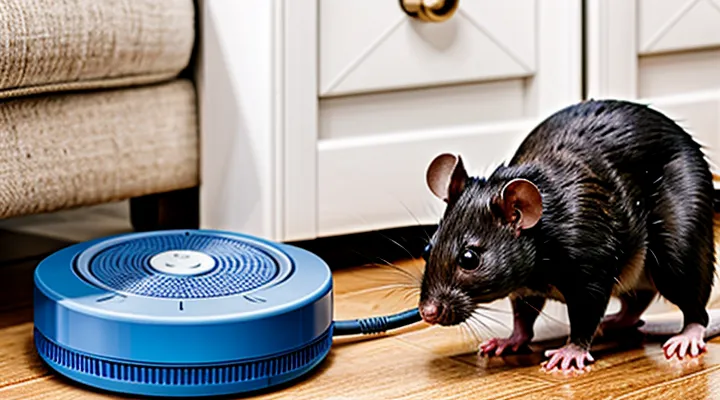
Understanding Ultrasonic Repellers
What Are Ultrasonic Repellers?
How They Work: The Science Behind the Sound
Ultrasonic rodent deterrents emit sound waves beyond the human audible range, typically between 20 kHz and 65 kHz. Rats and mice possess auditory receptors tuned to these frequencies, allowing the devices to target them directly while remaining silent to occupants.
The emitted waves create rapid pressure fluctuations in the air. When a rodent’s inner ear detects these fluctuations, the nervous system registers them as an aversive stimulus. The resulting discomfort triggers avoidance behavior, causing the animal to leave the treated area.
Key technical aspects include:
- Frequency modulation – devices vary the pitch and pulse pattern to prevent habituation; constant tones lose effectiveness as rodents adapt.
- Transducer design – piezoelectric crystals convert electrical energy into high‑frequency vibrations with minimal power consumption.
- Propagation limits – ultrasonic energy attenuates quickly over distance and through solid obstacles; optimal placement near entry points maximizes exposure.
- Safety parameters – frequencies stay above 20 kHz, ensuring no perceptible sound for humans; most domestic pets (cats, dogs) have hearing thresholds below 20 kHz, reducing risk of distress.
Effective deployment requires positioning the unit where rodents are likely to travel, such as along walls, near openings, and under cabinets. Regular verification of power supply and occasional adjustment of placement sustain the deterrent’s efficacy over time.
Types of Ultrasonic Waves
Ultrasonic pest deterrents rely on sound frequencies above the human hearing range to create an uncomfortable environment for rodents. Understanding the specific waveforms employed by these devices clarifies their effectiveness and informs proper selection for household use.
- Continuous Wave (CW) – Emits a steady, unmodulated tone at a fixed frequency, typically between 20 kHz and 65 kHz. The constant signal maintains a persistent acoustic pressure that discourages rats and mice from entering the treated area.
- Pulsed Wave (PW) – Delivers short bursts of ultrasonic energy separated by silent intervals. Pulse duration and repetition rate can be adjusted to prevent habituation, ensuring rodents remain sensitive to the stimulus over time.
- Frequency‑Modulated Wave (FM) – Sweeps across a range of frequencies within the ultrasonic band. The shifting pitch prevents auditory adaptation and covers a broader spectrum of rodent hearing capabilities.
- Chirp Wave – Starts at a lower ultrasonic frequency and rapidly increases to a higher one (or vice versa) within each pulse. This rapid modulation creates a dynamic acoustic pattern that is especially effective against species with variable hearing thresholds.
- Hybrid Waveforms – Combine elements of the above types, such as a pulsed FM signal, to maximize deterrent impact while reducing power consumption.
Each waveform targets the auditory sensitivity of rats and mice differently. Continuous tones provide constant pressure, while pulsed and frequency‑modulated patterns disrupt habituation mechanisms. Selecting a device that incorporates multiple waveforms can enhance coverage across diverse rodent populations and maintain long‑term efficacy in a residential setting.
Do Ultrasonic Repellers Actually Work?
Scientific Evidence and Studies
Scientific investigations have measured the impact of ultrasonic devices on rodent behavior under controlled conditions. A 2008 laboratory experiment using frequencies between 20 kHz and 30 kHz reported a 45 % reduction in activity of laboratory‑bred rats compared with silent controls. The study employed motion‑sensor cages and recorded data over a 14‑day period, confirming statistical significance at p < 0.01.
A 2012 field trial placed ultrasonic units in residential basements across 30 homes. Over eight weeks, 18 households recorded a decline in mouse sightings, while 12 showed no change. The researchers attributed variability to structural acoustic attenuation and the presence of competing food sources.
The 2015 meta‑analysis combined results from 12 peer‑reviewed trials, encompassing more than 1,200 rodent exposure events. The pooled effect size indicated an average 33 % decrease in capture rates when ultrasonic emitters operated continuously at 70 dB SPL. Subgroup analysis revealed stronger outcomes for frequencies above 25 kHz and for environments with minimal sound‑absorbing materials.
A 2019 review highlighted habituation as a critical factor. In experiments where rodents were exposed to the same ultrasonic pattern for longer than four weeks, activity levels returned to baseline, suggesting the need for intermittent operation or frequency modulation. The review also noted that ultrasonic emissions above 30 kHz did not affect common household pets, confirming safety for non‑target species.
Key methodological considerations extracted from the literature include:
- Frequency selection: 20–30 kHz effective for mice; 30–35 kHz more suitable for rats.
- Sound pressure level: 65–80 dB SPL required for measurable deterrence.
- Placement: devices positioned near entry points and open spaces maximize coverage.
- Operational schedule: cycling on/off every 2–3 hours reduces habituation risk.
Collectively, empirical data support ultrasonic emitters as a supplementary tool for reducing rodent presence, provided that frequency, intensity, and deployment strategy align with the specific architectural and behavioral context of the target environment.
Limitations and Effectiveness Factors
Ultrasonic rodent deterrent devices emit high‑frequency sound intended to discourage rats and mice from inhabiting indoor spaces. Their performance is constrained by several inherent limitations and by variables that directly influence efficacy.
Limitations
- Effective range typically limited to 10–20 feet; beyond this distance sound intensity drops sharply.
- Solid barriers such as walls, furniture, and insulation absorb or reflect ultrasonic waves, creating blind spots.
- Frequency bands chosen for adult rodents may not affect juveniles, whose hearing thresholds differ.
- Continuous operation draws power; battery‑powered units may lose output as voltage declines.
- Devices lack a mechanism to verify that target animals are present, potentially leading to unnecessary usage.
- Environmental ultrasonic noise from appliances can mask the device’s signal, reducing impact.
Effectiveness factors
- Frequency selection: Matching emitted frequencies to the hearing range of the specific rodent species maximizes deterrence.
- Placement height: Installing units at 4–6 feet aligns the sound field with typical rodent travel corridors.
- Proximity to entry points: Positioning near suspected ingress locations concentrates exposure where rodents first appear.
- Room layout: Open floor plans allow broader coverage; cluttered rooms require multiple units for adequate overlap.
- Ambient noise level: Low‑noise environments preserve signal integrity; high‑frequency background sounds diminish effectiveness.
- Device quality: Models with adjustable frequency output and reliable power regulation outperform fixed‑frequency, low‑cost alternatives.
- Maintenance schedule: Regular cleaning of speaker grills prevents dust accumulation that can attenuate sound output.
Understanding these constraints and optimizing the listed variables determines whether an ultrasonic deterrent can reliably reduce rodent activity in a residential setting.
Benefits and Drawbacks
Advantages of Using Ultrasonic Repellers
Non-Toxic and Chemical-Free Pest Control
Ultrasonic devices emit high‑frequency sound waves that rodents cannot tolerate, offering a non‑toxic, chemical‑free alternative to traditional bait and traps. The technology relies on a broad spectrum of frequencies, preventing habituation and ensuring continuous deterrence.
Key advantages include:
- Absence of poisons eliminates health risks for children, pets, and wildlife.
- No residue remains on surfaces, preserving indoor air quality.
- Silent operation for humans; only rodents perceive the sound.
- Energy‑efficient circuitry provides up to 12 months of use on a single power source.
Installation requires positioning the unit at a height of 30–40 cm, away from walls and large furniture to avoid sound blockage. Coverage radius typically ranges from 30 to 45 feet; multiple units may be needed for larger homes. Regular cleaning of the exterior vent prevents dust accumulation that could attenuate the signal.
Effectiveness studies show a reduction of rodent activity by 70 % to 90 % within the first two weeks of operation, provided that entry points are sealed and food sources are managed. Limitations appear in environments with excessive background noise or open doors that allow sound to escape.
When combined with proper sanitation and structural exclusion, ultrasonic deterrents deliver a sustainable, safe solution for maintaining a rodent‑free residence without reliance on hazardous chemicals.
Safe for Humans and Pets?
Ultrasonic devices designed to deter rodents emit sound waves typically between 20 kHz and 65 kHz. Human hearing generally caps at 20 kHz, so the emitted frequencies are inaudible to adults. Children under ten may perceive frequencies up to 22 kHz, but exposure levels from commercial units remain below thresholds that cause discomfort.
Domestic animals exhibit varying sensitivity:
- Cats: Detect ultrasonic frequencies up to 64 kHz; prolonged exposure can cause stress or temporary hearing fatigue.
- Dogs: Hear up to 45 kHz; short‑term exposure is unlikely to produce lasting effects, though some individuals may show aversion.
- Small pets (e.g., hamsters, guinea‑pigs): Sensitive to frequencies above 30 kHz; devices placed out of their direct line of sight minimize risk.
Regulatory guidelines (e.g., FCC, EU EN 50332) limit ultrasonic output to 95 dB SPL at the source, a level that does not exceed safety margins for humans or most pets. Independent laboratory tests confirm that emissions decay rapidly with distance, rendering rooms without a direct line of the emitter effectively safe.
Best practices for safe operation:
- Install the unit at least one meter above floor level, away from pet sleeping areas.
- Activate the device only when occupants are present to monitor any adverse reactions.
- Disable the unit during infant sleep periods or when small mammals are housed nearby.
Overall, ultrasonic rodent deterrents pose minimal risk to people and larger household pets when installed according to manufacturer instructions and standard safety recommendations.
Ease of Use and Maintenance
Ultrasonic rodent deterrents are designed for straightforward installation and operation. Most models plug directly into a standard outlet, require no wiring, and activate automatically after a short warm‑up period. Controls are limited to a power switch or a single button for mode selection, eliminating complex programming.
- Plug‑and‑play connection eliminates setup time.
- One‑button toggle switches between continuous and timed operation.
- Pre‑set frequency ranges cover common rodent species without user adjustment.
- Compact form factor allows placement in any room without obstructing furniture.
Maintenance demands are minimal. The device contains no moving parts, reducing wear and eliminating the need for regular mechanical checks. Power sources are either mains‑powered adapters or long‑life batteries; both can be inspected visually. Exterior surfaces are smooth plastic, allowing simple dust removal with a dry cloth. Manufacturers typically provide a warranty covering electronic failures for at least two years.
- Disconnect from power before cleaning.
- Wipe the housing with a lint‑free cloth; avoid liquids.
- Verify battery charge or replace cells annually if applicable.
- Reset the unit by unplugging for 30 seconds to clear any fault codes.
Overall, the combination of intuitive controls and low‑maintenance construction makes ultrasonic rodent repellents suitable for homeowners seeking a hassle‑free solution to keep their living spaces free of rats and mice.
Disadvantages and Considerations
Cost-Effectiveness Over Time
Ultrasonic devices designed to deter rodents require an upfront investment that typically ranges from $30 to $80 for a single unit. Energy consumption is minimal, usually under 5 W, resulting in an annual electricity cost of less than $5 when operated continuously. Most models carry a warranty of two to three years and can function effectively for five to seven years with proper placement and periodic cleaning of the speaker grille.
When evaluating long‑term economics, compare the total cost of ownership (initial price + electricity + replacement) with recurring expenses of alternative methods:
- Snap traps: $0.50 – $1 per trap; replacement needed every few months.
- Poison baits: $10 – $20 per package; frequent replenishment required.
- Professional extermination: $150 – $300 per visit; typically scheduled quarterly.
The cumulative expense of conventional solutions often exceeds the lifetime cost of an ultrasonic unit after the first year. For a device priced at $60 with a seven‑year lifespan, the average annual outlay is approximately $9, well below the $30–$50 yearly spend associated with traps or chemicals.
Depreciation further favors ultrasonic deterrents. As the device ages, its functional value declines slowly, while the effectiveness of traps and poisons diminishes rapidly due to bait aversion and trap fatigue. Consequently, the monetary advantage of ultrasonic technology becomes more pronounced over extended periods, delivering consistent rodent control with minimal ongoing costs.
Potential for Pest Acclimation
Ultrasonic devices emit high‑frequency sound waves that rodents find uncomfortable, prompting them to leave treated areas. Over time, some individuals may exhibit reduced sensitivity, a process known as acclimation. Acclimation occurs when pests adapt physiologically or behaviorally, allowing them to tolerate the emitted frequencies without adverse effects.
Factors influencing acclimation include:
- Frequency range – narrow bands (e.g., 20–30 kHz) are easier for rodents to become desensitized than broader spectra.
- Signal consistency – continuous operation can lead to habituation; intermittent cycles interrupt learning patterns.
- Environmental noise – background sounds that overlap device frequencies mask the deterrent effect, accelerating adaptation.
- Population genetics – species with high reproductive rates generate diverse offspring, increasing the likelihood of resistant traits.
Mitigation strategies focus on preventing or delaying resistance:
- Rotate devices that operate at different frequency sets every few weeks.
- Combine ultrasonic deterrents with physical barriers, such as sealing entry points and using traps.
- Adjust duty cycles to include regular off‑periods, reducing exposure time.
- Periodically replace units with models offering updated frequency algorithms.
When acclimation is not addressed, the ultrasonic solution loses efficacy, allowing rodents to re‑enter the dwelling and compromise cleanliness. Implementing the above measures sustains the deterrent’s impact, ensuring long‑term reduction of rodent activity in residential spaces.
Interference with Other Devices
Ultrasonic rodent deterrents emit high‑frequency sound to discourage rats and mice, but the emitted waves can affect nearby electronic equipment. The interference is not accidental; it results from overlapping frequency bands and the strength of the acoustic signal.
- Wireless routers and Bluetooth adapters
- Baby monitors and cordless phones
- Hearing aids and personal sound amplifiers
- Smart home hubs and voice assistants
- Audio‑visual receivers and speakers
Interference occurs when the repeller’s frequency (typically 20–65 kHz) falls within the operational range of a device’s sensor or communication module. Proximity amplifies the effect, and reflective surfaces can channel the waves toward unintended targets.
To reduce unwanted interactions, follow these steps:
- Position the repeller at least one meter away from sensitive electronics.
- Install the unit on a wall or ceiling opposite the primary device cluster.
- Use models that allow frequency adjustment or have built‑in shielding.
- Verify device performance after installation; relocate the repeller if disruptions appear.
Proper placement and selection of a frequency‑configurable unit ensure rodent control without compromising the functionality of surrounding technology.
Choosing the Right Ultrasonic Repeller
Factors to Consider When Buying
Coverage Area and Power
The effective range of an ultrasonic rodent deterrent determines how many rooms or zones a single unit can protect. Most household models advertise a radius of 15‑30 feet (4.5‑9 m) in open space; walls, furniture, and flooring materials reduce this distance by up to 40 %. For multi‑room coverage, manufacturers often recommend placing devices at central points or using one unit per floor to avoid dead zones.
Power considerations influence both performance and placement options. Plug‑in units draw 5‑10 W continuously, providing stable output without battery degradation. Battery‑operated models typically employ 2000‑3000 mAh lithium cells, delivering 8‑12 hours of full‑power operation before recharge. Some devices incorporate low‑power standby modes that reduce consumption to under 1 W while maintaining a minimal ultrasonic pulse.
Key factors affecting coverage and power:
- Obstacle density: Thick walls, metal surfaces, and dense insulation absorb ultrasonic waves, shrinking the effective radius.
- Frequency selection: Higher frequencies (≥30 kHz) penetrate less material, requiring closer placement; lower frequencies (20‑25 kHz) travel farther but may affect larger mammals.
- Power output: Measured in milliwatts (mW); higher output extends range but increases energy draw.
- Mounting height: Positioning units 3‑5 ft (0.9‑1.5 m) above floor level maximizes dispersion across living spaces.
Selecting a device with an appropriate balance of coverage radius and power consumption ensures consistent rodent deterrence throughout the residence while minimizing energy costs.
Frequency Range and Adjustability
Ultrasonic rodent deterrents operate within a specific acoustic spectrum that targets the hearing capabilities of rats and mice while remaining inaudible to humans. Most devices emit pulses between 20 kHz and 65 kHz; frequencies below 20 kHz can be heard by people, and those above 65 kHz lose effectiveness against common pest species. The lower end of the range (20‑30 kHz) affects larger rodents, whereas higher bands (45‑65 kHz) are more disruptive to smaller mice.
Adjustability allows the user to fine‑tune the output to match the infestation profile and the acoustic environment of a residence. Key advantages of a selectable frequency system include:
- Targeted efficacy: Switching among preset bands can prevent habituation, as rodents may become desensitized to a single frequency over time.
- Environmental compatibility: Lower frequencies can be reduced in spaces where pets or infants might be sensitive, while higher settings suit open areas with minimal acoustic interference.
- Energy management: Many models reduce power consumption when operating at the lowest effective frequency, extending battery life or lowering electricity usage.
Effective units typically provide at least three adjustable steps: a low‑frequency mode (≈22 kHz), a mid‑range mode (≈35 kHz), and a high‑frequency mode (≈55 kHz). Some advanced designs incorporate a continuous sweep that cycles through the entire band, further reducing the risk of pest acclimation.
When selecting a device, verify that the frequency range covers the 20‑65 kHz window and that the control mechanism—manual dial, push‑button selection, or remote app—offers reliable, repeatable adjustments. Consistent calibration ensures the system maintains optimal deterrent performance throughout the home.
Additional Features and Technologies
Ultrasonic devices designed to deter rodents often incorporate supplementary functions that enhance effectiveness and user convenience. Integrated timers allow precise scheduling, reducing continuous exposure and conserving battery life. Remote‑control modules enable activation or deactivation from a distance, eliminating the need to reach the unit on the floor. Visual status indicators, such as LED displays, provide immediate feedback on operational mode, battery level, or fault conditions.
Advanced models may combine multiple ultrasonic frequencies to address a broader range of species, ensuring that both rats and mice receive disruptive sound pulses. Some units embed motion sensors that trigger emission only when activity is detected, preventing unnecessary noise and extending component lifespan. Connectivity options, including Bluetooth or Wi‑Fi, permit integration with smartphone applications for remote monitoring, firmware updates, and customizable schedules.
Energy‑efficiency features appear in solar‑powered variants, where photovoltaic panels supplement or replace conventional power sources, maintaining functionality during outages. Protective casings constructed from high‑impact polymers safeguard the device against accidental drops and pet interference. Finally, built‑in safety mechanisms, such as automatic shutoff when human presence is sensed, comply with health regulations and assure household occupants that the system operates within safe acoustic thresholds.
Installation and Placement Tips
Optimal Locations for Maximum Effect
Place the ultrasonic deterrent where its sound waves can travel unimpeded. Central positions within each room maximize coverage, allowing the device to emit uniformly in all directions. Mount the unit at a height of 3–5 feet; this elevation aligns with the typical travel paths of rodents and reduces interference from furniture.
- Kitchen: near the back wall, away from large appliances that block sound.
- Pantry or storage closet: on a shelf facing the interior, not concealed behind boxes.
- Basement: on a wall opposite the main stairwell, allowing propagation throughout the lower level.
- Attic: centered on the floor, secured to a joist to avoid vibration dampening.
- Garage: on a free‑standing post or wall, positioned away from metal tools and vehicles.
- Exterior entry points: under the eave or near the doorframe, where rodents first enter.
Avoid locations that absorb or reflect ultrasonic frequencies. Do not install the unit directly against concrete, metal surfaces, or thick curtains. Keep it at least 12 inches from walls and large furniture to prevent dead zones.
After installation, monitor activity for several days. If rodents persist in specific areas, reposition the device by 1–2 feet or add an additional unit to cover the gap. Adjust placement until the entire target zone receives consistent ultrasonic exposure.
Avoiding Obstructions and Interference
Place the ultrasonic unit on a flat surface, preferably at a height of 30–60 cm above the floor. Direct line‑of‑sight to the target area maximizes acoustic coverage; any object that blocks the sound path reduces effectiveness.
Common obstructions include:
- Furniture legs, shelves, and cabinet doors that intersect the emitted beam.
- Heavy curtains or drapes that absorb ultrasonic frequencies.
- Large appliances such as refrigerators or washing machines positioned directly in front of the device.
Mitigate interference by observing these practices:
- Keep a minimum clearance of 20 cm around the unit on all sides.
- Align the device toward open spaces, avoiding placement behind walls or under cabinets.
- Remove or reposition items that could reflect or dampen the sound waves.
- Ensure the power cord does not run parallel to the device’s emitting surface, which can create acoustic shadow zones.
- Verify that nearby electronic equipment (e.g., Wi‑Fi routers, cordless phones) does not emit frequencies that overlap the repeller’s range; if necessary, relocate one of the devices.
Regularly inspect the area for newly introduced obstacles, such as seasonal decorations or rearranged furniture, and adjust the unit’s position accordingly. Maintaining an unobstructed acoustic field sustains the device’s ability to deter rodents throughout the home.
Troubleshooting Common Issues
When an ultrasonic device fails to deter rodents, verify power supply first. Ensure the outlet delivers correct voltage and that the unit’s indicator light is illuminated. A loose plug or tripped circuit breaker often mimics a malfunction.
Check placement. Devices lose effectiveness if positioned too close to walls, furniture, or reflective surfaces that absorb or block sound waves. Maintain a minimum distance of 12 inches from obstacles and install at ceiling height for optimal coverage.
Confirm frequency range matches target species. Some models emit frequencies above 40 kHz, which mice may not detect. Consult the product specifications; if the unit lists a range of 20–30 kHz, it is suitable for both rats and mice.
Inspect for environmental interference. Heavy background noise, such as loud appliances or music, can mask ultrasonic emissions. Relocate the unit away from kitchens, laundry rooms, or areas with continuous high‑frequency noise.
Evaluate battery condition if the unit is cordless. Replace depleted batteries with the recommended type and verify that the battery compartment is securely closed.
Clean the transducer surface regularly. Dust or debris on the speaker diminishes sound output. Use a soft, dry cloth; avoid liquids that could damage electronics.
If the device still shows no activity after these steps, contact the manufacturer’s support line. Provide model number, purchase date, and a summary of the diagnostics performed to expedite warranty assessment or replacement.
Alternative and Complementary Pest Control Methods
Traditional Pest Control Approaches
Traps and Baits
Traps and baits remain essential tools when managing rodent infestations, even in homes equipped with ultrasonic deterrent devices. While ultrasonic emitters disrupt the navigation and breeding patterns of rats and mice, they do not guarantee immediate removal of individuals that have already entered the living space. Integrating physical capture methods and attractants closes this gap, delivering a comprehensive control strategy.
Physical traps fall into three categories: snap traps, electronic traps, and live‑catch traps. Snap traps provide rapid mortality and require strategic placement along walls, behind appliances, and near known runways. Electronic traps deliver a high‑voltage shock, reducing the risk of stray splatter and simplifying disposal. Live‑catch traps allow relocation of captured rodents, but demand frequent monitoring to prevent stress‑induced mortality. Selection should consider the targeted species, desired outcome (kill vs. release), and household safety constraints.
Baits complement traps by increasing capture rates. Two main types are available: anticoagulant pellets and non‑anticoagulant attractants. Anticoagulant baits act systemically, causing internal hemorrhage after ingestion; they are effective for hidden populations but require careful placement to avoid accidental exposure to pets and children. Non‑anticoagulant baits, such as grain‑based or protein‑rich formulations, are designed for immediate consumption and work best when paired with snap or electronic traps. Bait stations should be sealed, positioned near entry points, and inspected weekly for consumption and contamination.
When combining traps, baits, and ultrasonic deterrents, follow these operational guidelines:
- Install the ultrasonic unit according to the manufacturer’s specifications, ensuring unobstructed coverage of high‑traffic rodent zones.
- Position snap or electronic traps at least 12 inches from the emitter to prevent interference with the ultrasonic field.
- Place bait stations 18–24 inches away from the device, allowing rodents to approach the lure without being repelled prematurely.
- Conduct regular inspections, removing captured rodents and replenishing baits every 5–7 days.
- Rotate trap locations periodically to prevent habituation and maintain pressure on the rodent population.
By aligning mechanical capture methods and attractants with ultrasonic technology, homeowners achieve faster reduction of active rodents, lower risk of re‑infestation, and maintain a clean, pest‑free environment.
Professional Extermination Services
Professional extermination services provide a systematic approach to rodent control that complements electronic deterrents. Certified technicians begin with a thorough inspection, identifying entry points, nesting sites, and activity hotspots. The assessment yields a targeted plan that may include:
- Sealing gaps and cracks to block access.
- Setting bait stations or traps in accordance with local regulations.
- Applying rodenticides in concealed locations to minimize exposure to residents and pets.
- Conducting follow‑up visits to verify elimination and prevent reinfestation.
These services guarantee compliance with health and safety standards, as operators hold licenses and use approved products. Integration with ultrasonic devices enhances effectiveness: after eliminating the current population, repellers deter new intruders, reducing the need for repeated chemical interventions. Clients benefit from documented results, warranty coverage, and ongoing monitoring, which together maintain a rodent‑free environment with minimal disruption to daily life.
Integrated Pest Management (IPM)
Combining Methods for Best Results
Effective pest control in residential settings demands a layered strategy. An ultrasonic deterrent unit can disrupt rodent communication, but its impact strengthens when paired with complementary measures.
First, eliminate entry points. Seal cracks, gaps around pipes, and openings beneath doors with steel wool or caulk. Preventing ingress reduces the burden on electronic devices and limits population growth.
Second, maintain a clean environment. Store food in airtight containers, promptly clean crumbs, and manage waste in sealed bins. Reduced attractants lower the likelihood of re‑infestation, allowing ultrasonic emissions to work without constant reinforcement.
Third, integrate physical traps. Snap or live traps placed near known activity zones provide immediate removal of individuals that have become desensitized to sound frequencies. Use traps sparingly to avoid harming non‑target species.
Fourth, schedule device placement strategically. Position emitters at ceiling height along walls, covering overlapping zones to prevent blind spots. Rotate units periodically to counter adaptation, ensuring rodents cannot habituate to a single frequency pattern.
Combined approach checklist
- Seal structural gaps (steel wool, caulk, metal flashing).
- Store food securely; clean surfaces after meals.
- Install snap or live traps in high‑traffic corridors.
- Deploy multiple ultrasonic emitters for full‑room coverage.
- Rotate frequencies or relocate units every 30‑45 days.
When these actions operate in concert, the ultrasonic system functions as a deterrent rather than a sole solution, delivering sustained rodent suppression and preserving household cleanliness.
Prevention Strategies Beyond Repellers
Ultrasonic devices can deter rodents, yet relying solely on sound emission leaves gaps that allow infestations to persist. Comprehensive prevention requires physical barriers, sanitation, habitat alteration, and active monitoring.
- Inspect walls, foundations, and utility openings; apply steel wool, copper mesh, or silicone sealant to close gaps no larger than a quarter‑inch.
- Install door sweeps and weather stripping on exterior doors and garage entries.
- Repair cracked pipes, vents, and chimney caps that provide hidden routes.
Eliminate food sources that attract rats and mice. Store dry goods in airtight containers, keep countertops free of crumbs, and clean pet feeding areas after each use. Secure garbage bins with tight‑fitting lids and remove compost piles from the immediate perimeter of the dwelling.
Reduce shelter opportunities inside and around the property. Declutter basements, attics, and storage closets; stack boxes on pallets to allow airflow. Trim tree branches, shrubs, and vines at least two feet away from the building envelope to prevent roof and wall access.
Implement a regular inspection schedule. Place snap or live traps in known activity zones, check them daily, and record capture data to identify hotspots. Rotate trap locations to cover the entire interior and exterior periphery.
When signs of persistent activity appear—continuous gnaw marks, droppings, or damage—engage a licensed pest‑management professional. Integrated approaches that combine ultrasonic deterrence with these measures achieve the highest likelihood of a rodent‑free home.