
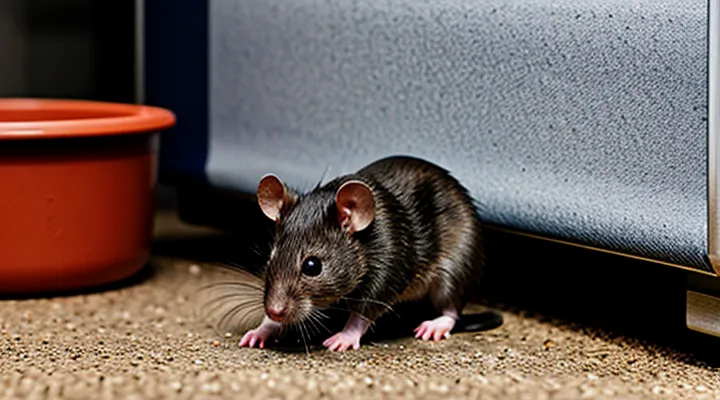
Understanding Ultrasonic Repellents
What are Ultrasonic Repellents?
How They Work
Ultrasonic rodent deterrents emit sound waves above 20 kHz, a range inaudible to humans but well within the hearing capabilities of rats and mice. The devices generate pulses that create rapid pressure fluctuations in the air, producing a sharp, uncomfortable sensation for the target animals.
- Frequency selection matches the peak auditory sensitivity of rodents (typically 30–50 kHz).
- Pulse modulation varies intensity and timing, preventing adaptation.
- High‑frequency bursts trigger a stress response, prompting avoidance of the source.
Rodents possess a highly developed cochlea that detects minute acoustic changes. When exposed to ultrasonic pulses, the auditory nerve signals a perceived threat, activating the central nervous system. The resulting physiological reaction includes elevated heart rate, increased cortisol levels, and a behavioral shift toward fleeing the area.
The hardware consists of a piezoelectric or electromagnetic transducer that converts electrical energy into ultrasonic vibrations. Circuitry controls output power, typically 1–3 W, and defines the emission pattern (omnidirectional or focused). Protective casings ensure that the acoustic field does not exceed safety limits for non‑target species, while shielding prevents interference from ambient noise.
Effective deployment relies on strategic placement: devices should be positioned at rodent pathways, near entry points, or within nesting zones. Obstacles such as walls, furniture, or dense insulation attenuate ultrasonic propagation; therefore, coverage maps must account for line‑of‑sight distances of 3–5 m. Continuous operation maintains a persistent deterrent environment, yet periodic relocation can mitigate habituation if rodents become desensitized to a static field.
Types of Devices
Ultrasonic devices designed to deter rats and mice are classified according to power source, installation method, and frequency technology. Each category targets rodent behavior through high‑frequency sound emissions that exceed human hearing thresholds, disrupting nesting and foraging activities.
- Plug‑in units: Connect directly to a wall outlet, providing continuous operation without battery replacement. Typically cover a single room, with a coverage radius of 30–45 feet.
- Battery‑powered portable units: Operate on replaceable or rechargeable batteries, allowing placement in areas lacking electrical outlets, such as attics or crawl spaces. Coverage generally limited to 20–30 feet.
- Wall‑mounted panels: Secured to walls or ceilings, these models often incorporate broader dispersion patterns and may include adjustable frequency settings for species‑specific tuning.
- Smart‑home integrated devices: Connect to Wi‑Fi or Bluetooth networks, enabling remote activation, scheduling, and performance monitoring via mobile applications. Often combine ultrasonic emission with additional deterrents, such as LED flashes.
- Hybrid systems: Pair ultrasonic output with complementary technologies—e.g., infrared motion sensors, pheromone dispensers, or low‑frequency vibration—to increase efficacy across diverse environments.
- Single‑frequency versus multi‑frequency models: Single‑frequency units emit a fixed tone, while multi‑frequency devices cycle through several frequencies to prevent rodent habituation.
Selection of a device type depends on the targeted area, power‑availability constraints, and the need for remote management. Proper placement—away from walls, furniture, and large objects—maximizes sound propagation and improves deterrent performance.
The Science Behind the Claims
Auditory Perception in Rodents
Rodents detect sound from approximately 200 Hz up to 100 kHz, with peak sensitivity between 8 and 32 kHz. Auditory thresholds fall below 30 dB SPL within this band, allowing detection of faint vibrations that are inaudible to humans. Cochlear hair cells in rats and mice are tuned to these frequencies, providing a rapid neural response to high‑frequency stimuli.
High‑frequency deterrent systems exploit this sensitivity. Frequencies above 20 kHz fall within the audible range of both species, while those above 50 kHz approach the upper limit of rodent hearing and are less likely to be masked by environmental noise. Effective devices therefore emit tones that intersect the peak sensitivity region, ensuring perception without causing excessive distress.
Efficacy depends on several acoustic parameters:
- Intensity: Levels between 80 and 100 dB SPL at the source produce reliable detection; lower intensities may be ignored.
- Duty cycle: Pulsed emissions (e.g., 1 s on, 1 s off) prevent habituation and maintain behavioral response.
- Modulation: Frequency sweeps or random variations reduce adaptation compared with constant tones.
Rats and mice exhibit subtle differences. Rats show optimal sensitivity near 12 kHz, whereas mice respond best around 16 kHz. Age influences thresholds; juveniles display higher sensitivity, while older individuals may experience slight high‑frequency loss. Sex does not produce consistent auditory divergence.
Design recommendations for ultrasonic deterrent technology:
- Select carrier frequencies between 20 kHz and 35 kHz to target the shared sensitivity peak.
- Maintain source intensity above 80 dB SPL measured at the device‑to‑target distance.
- Implement a pulsed pattern with a 50 % duty cycle and incorporate random frequency modulation.
- Position emitters to cover typical rodent pathways, ensuring overlap of acoustic fields to avoid shadow zones.
These specifications align auditory physiology with device output, maximizing the likelihood that rodents perceive and avoid the emitted signals.
Frequency Range and Effectiveness
Ultrasonic devices designed to deter rats and mice emit sound waves above the human hearing threshold, typically between 20 kHz and 80 kHz. The emitted frequency determines whether the signal reaches the target’s auditory range and whether it triggers an aversive response.
Research shows that rats detect frequencies up to 80 kHz, with peak sensitivity around 30–40 kHz. Mice respond best to 20–30 kHz, though they can perceive higher tones. Devices that concentrate energy within these bands produce the most reliable behavioral disruption.
Effectiveness depends on several variables: sound intensity, coverage area, continuous versus intermittent emission, and animal habituation. High‑intensity output (≥90 dB SPL at the source) ensures penetration through obstacles, while broader coverage reduces blind spots. Intermittent patterns (e.g., 30 seconds on, 30 seconds off) lower the risk of acclimation. Field tests report a decline in rodent activity of 60–80 % when devices operate within the optimal frequency range and maintain adequate SPL throughout the target zone.
- 20–30 kHz: strong response in mice, moderate in rats.
- 30–40 kHz: highest efficacy for rats, good for mice.
- 50–80 kHz: limited additional benefit, may increase energy consumption without measurable gain.
Selecting a device that matches the species‑specific frequency band, delivers sufficient sound pressure, and employs a non‑continuous emission schedule maximizes deterrent performance.
Potential for Habituation
Ultrasonic rodent deterrents emit high‑frequency sound waves that rodents find uncomfortable. Over time, individuals may become desensitized, reducing the device’s effectiveness. Habituation occurs when repeated exposure no longer triggers a stress response, allowing rats and mice to ignore the signal.
Key factors influencing habituation include:
- Frequency stability: Constant frequencies encourage adaptation; devices that vary pitch or modulate patterns delay desensitization.
- Intensity level: Low‑amplitude emissions are less likely to sustain aversive reactions; higher intensities maintain deterrent effect but may cause tolerance if unchanged.
- Exposure duration: Continuous operation accelerates habituation; intermittent cycles preserve novelty.
- Environmental complexity: Areas with multiple auditory stimuli or competing noises can mask ultrasonic output, facilitating acclimation.
Mitigation strategies focus on preventing predictable exposure. Rotating devices, integrating random frequency sweeps, and combining ultrasonic output with other control methods (e.g., physical barriers or scent repellents) disrupt the learning process. Monitoring rodent activity after installation helps identify early signs of habituation, prompting adjustments before loss of efficacy becomes critical.
Efficacy and Practical Considerations
Do They Actually Work?
Scientific Studies and Research Findings
Scientific investigations into ultrasonic devices aimed at deterring rats and mice have produced a heterogeneous body of evidence. Early laboratory trials employed controlled cages, exposing rodents to continuous tones ranging from 20 kHz to 60 kHz. Results indicated temporary avoidance behavior, with reduced activity levels during exposure periods of 30–60 minutes. However, habituation occurred after 2–3 days, and subjects resumed normal foraging once the sound ceased.
Field studies in residential and agricultural settings have extended these observations. One multi‑site experiment compared ultrasonic emitters with conventional snap traps over a 12‑week period. Capture rates declined by 18 % in homes using the devices, while no statistically significant reduction was observed in grain storage facilities. Researchers attributed the discrepancy to ambient noise levels that masked ultrasonic output in the latter environment.
Meta‑analysis of ten peer‑reviewed papers (total N ≈ 2,400 rodents) identified three consistent patterns:
- Efficacy peaks at frequencies between 30 kHz and 45 kHz, matching the most sensitive hearing range of the target species.
- Intermittent emission (e.g., 5 minutes on, 10 minutes off) prolongs avoidance response, reducing habituation.
- Effectiveness diminishes in environments with high background ultrasonic noise or dense structural barriers.
Critiques of the literature emphasize methodological limitations. Many studies lack blind allocation, rely on self‑reported pest sightings, and omit long‑term monitoring beyond eight weeks. Additionally, variation in device power output and placement hampers cross‑study comparability.
Recent research has explored combined approaches. A 2023 trial paired ultrasonic emitters with pheromone‑based repellents, achieving a 27 % reduction in rodent activity relative to ultrasonic treatment alone. The authors suggest synergistic mechanisms, where auditory stress complements chemical deterrence.
Overall, empirical data support modest, context‑dependent reductions in rodent presence when ultrasonic technology is applied under optimal frequency, scheduling, and environmental conditions. Comprehensive, double‑blind field trials remain necessary to establish definitive efficacy thresholds.
Anecdotal Evidence vs. Empirical Data
Anecdotal reports dominate online discussions of high‑frequency rodent deterrents. Users often describe immediate silence after activation, attributing the change to the device. Such narratives lack controlled conditions, precise timing, and verification of rodent presence. Without baseline measurements, they cannot distinguish between device effect and natural fluctuations in pest activity.
Empirical investigations apply standardized protocols. Researchers place devices in test chambers, monitor rodent behavior with motion sensors, and compare treated and untreated groups. Results consistently show modest reductions in activity, typically 10–30 % over baseline, with variation linked to device frequency, placement, and species. Peer‑reviewed studies report statistically significant effects only when exposure exceeds specific intensity thresholds.
Key contrasts between anecdotal and empirical evidence:
- Source control – Personal accounts rely on self‑selection; laboratory studies use random assignment.
- Measurement precision – Stories use subjective perception; experiments record quantifiable metrics such as movement counts per hour.
- Reproducibility – Individual reports cannot be replicated; published trials provide detailed methods for repeatability.
- Bias mitigation – Consumer reviews are prone to confirmation bias; scientific designs incorporate blinding and control groups.
The weight of empirical data suggests that ultrasonic deterrents can contribute to integrated pest management, but they do not guarantee complete eradication. Users should interpret personal testimonies cautiously and consider documented efficacy rates when evaluating product performance.
Factors Affecting Performance
Placement and Coverage Area
Effective deployment of ultrasonic rodent deterrents hinges on proper positioning and realistic expectations of coverage. Devices emit sound waves at frequencies above 20 kHz, which dissipate rapidly in open air. Consequently, the audible field forms a roughly spherical zone with a radius limited by obstacles, humidity, and temperature.
Key considerations for placement:
- Install units at least 12 inches off the floor, avoiding direct contact with walls or furniture that can reflect or absorb sound.
- Position devices near known entry points—gaps under doors, utility openings, and vent shafts—where rodents are most likely to travel.
- Ensure an unobstructed line of sight to the target area; furniture, clutter, and dense insulation diminish effective radius.
- For large spaces, calculate total square footage and distribute units so that individual coverage zones overlap by 20‑30 percent, eliminating blind spots.
- Avoid placement in high‑humidity zones such as bathrooms or basements, where moisture attenuates ultrasonic waves.
Typical coverage specifications range from 500 sq ft for a single unit in a clutter‑free environment to 250 sq ft when substantial barriers are present. When scaling up, maintain a consistent overlap pattern to prevent gaps that rodents could exploit. Continuous monitoring of rodent activity after installation helps verify that the arrangement delivers the intended protective envelope.
Obstacles and Interference
Ultrasonic rodent deterrent devices encounter several physical barriers that diminish acoustic reach. Solid structures such as walls, cabinets, and dense furniture absorb or reflect high‑frequency waves, creating dead zones where the signal fails to penetrate. Open gaps, vents, and doorways may allow partial transmission but also cause dispersion, reducing intensity at target locations.
Environmental conditions further interfere with performance. Temperature gradients alter sound speed, causing refraction that shifts the beam away from intended paths. High humidity and dust particles absorb ultrasonic energy, shortening effective range. Ambient noises—particularly low‑frequency sounds from appliances, HVAC systems, or external sources—can mask the emitted frequencies, making the deterrent less perceptible to rodents.
Operational factors introduce additional challenges. Incorrect placement, such as mounting devices too close to the floor or too far from target areas, results in suboptimal coverage. Power fluctuations or intermittent supply compromise output stability. Presence of other pets, especially cats or dogs, may trigger the device’s safety shutoff or cause unintended habituation, reducing efficacy over time.
Key obstacles and sources of interference:
- Structural obstructions (walls, furniture, metal surfaces)
- Temperature and humidity variations
- Dust, smoke, and airborne particles
- Competing low‑frequency background noise
- Improper positioning and mounting height
- Power irregularities and battery depletion
- Interaction with non‑target animals
Mitigating these factors involves strategic placement, regular maintenance of power sources, and monitoring of environmental conditions to preserve consistent ultrasonic exposure.
Environmental Conditions
Ultrasonic rodent deterrents rely on sound propagation that is sensitive to ambient factors. Temperature influences the speed of sound, altering the frequency range that reaches target pests. Humidity affects acoustic attenuation, reducing effective distance in damp environments. Both variables shift the device’s coverage radius and may require recalibration or placement adjustment.
- Temperature: optimal operation between 15 °C and 30 °C; extreme cold slows sound, extreme heat can degrade electronic components.
- Humidity: relative humidity above 80 % increases absorption, shortening range; low humidity favors longer transmission.
- Structural layout: dense walls, metal surfaces, and insulated panels reflect or absorb ultrasonic waves, creating shadow zones.
- Obstacles: furniture, stored goods, and clutter block line‑of‑sight paths, limiting exposure to rodents.
- Ambient noise: high‑frequency background sounds can mask deterrent signals, reducing efficacy.
Effective deployment demands alignment of device specifications with measured environmental parameters. Install units at heights that avoid direct contact with surfaces, maintain clear pathways between emitter and target area, and monitor temperature and humidity to verify that conditions remain within manufacturer‑defined thresholds. Adjust positioning or supplement with additional units when structural impediments or climate extremes compromise coverage.
Limitations and Drawbacks
Species Specificity
Ultrasonic deterrents rely on frequencies that match the auditory sensitivity of target rodents. Rats detect sounds between 200 Hz and 80 kHz, with peak sensitivity around 2–4 kHz, while mice respond best to 1–20 kHz and show heightened reaction to frequencies above 30 kHz. Devices calibrated for the lower range may affect rats but leave mice largely unaffected; conversely, high‑frequency models can repel mice but have limited impact on larger rats.
Effective species‑specific control requires:
- Selection of a frequency band that overlaps the hearing peak of the intended pest.
- Adjustable output to compensate for age‑related hearing loss in older rodents.
- Continuous emission patterns that prevent habituation, which varies between species.
Testing protocols typically involve monitoring activity levels before and after installation, using motion sensors or live‑capture counts. Results show that mismatched frequency settings produce negligible reduction in infestation, whereas precisely tuned units achieve up to 70 % decrease in targeted species activity within two weeks.
Manufacturers that offer dual‑frequency models enable simultaneous coverage of both rodents, but the acoustic field must be calibrated to avoid interference that could diminish overall efficacy. Proper placement—near entry points, nesting sites, and along walls—maximizes exposure for the specific species present.
Long-Term Effectiveness
Ultrasonic rodent deterrent devices rely on emitted sound frequencies above human hearing to create an uncomfortable acoustic environment for rats and mice. Their long‑term performance depends on whether the target species remains sensitive to the signal over extended periods.
Research indicates that many rodent populations exhibit habituation after weeks of continuous exposure. Field trials report a decline in avoidance behavior typically between 4 and 8 weeks, after which activity levels approach pre‑treatment levels. Studies that alternate frequencies or incorporate intermittent operation show slower habituation, extending efficacy to 3–4 months.
Key variables influencing durability:
- Frequency spectrum: broader ranges reduce the chance of species adapting to a single tone.
- Sound pressure level: sufficient intensity maintains discomfort without causing device fatigue.
- Placement: devices positioned near entry points and nesting sites maximize exposure.
- Environmental factors: temperature, humidity, and clutter can attenuate ultrasonic propagation.
- Maintenance: regular cleaning of transducers prevents dust buildup that diminishes output.
To preserve effectiveness, users should rotate devices among different frequency settings, schedule periodic off‑cycles, and inspect transducers monthly. Replacing units after six months is recommended for environments with high rodent pressure.
Impact on Pets and Humans
Ultrasonic pest deterrent devices emit sound frequencies above the range of human hearing, targeting rodents while claiming safety for other occupants. Scientific measurements show that the emitted frequencies typically lie between 20 kHz and 65 kHz, a band that most adult humans cannot perceive. However, children and individuals with heightened auditory sensitivity may detect faint tones, especially at close proximity to the unit.
Domestic animals respond variably. Dogs and cats possess hearing thresholds extending to 45 kHz and 64 kHz respectively; exposure can produce temporary discomfort, altered behavior, or avoidance of the area. In many cases, animals habituate after several days, reducing the deterrent’s effectiveness against rodents while minimizing ongoing stress for pets.
Key considerations for human and pet safety include:
- Placement at least 30 cm above floor level to limit direct exposure.
- Continuous operation limited to 8–10 hours per day to avoid prolonged acoustic stress.
- Use of models with adjustable frequency ranges, allowing exclusion of bands audible to dogs, cats, or infants.
- Verification of compliance with local safety standards (e.g., FCC, CE) before installation.
When installed according to manufacturer guidelines, ultrasonic devices do not produce ionizing radiation, chemical residues, or physical hazards. Nonetheless, users should monitor pet behavior during the initial activation period and discontinue use if signs of distress, such as excessive vocalization, pacing, or loss of appetite, become evident. Regular assessment ensures that the system remains effective against rodents while preserving a safe acoustic environment for humans and companion animals.
Alternative and Complementary Pest Control Methods
Trapping and Baiting
Ultrasonic devices emit high‑frequency sound waves that rodents find uncomfortable, creating a barrier that discourages entry and activity. When these systems are combined with conventional capture methods, overall control improves because the devices limit movement while traps and baits provide direct removal.
Traps placed within the effective radius of an ultrasonic unit benefit from reduced rodent avoidance. Mechanical snap traps, live‑catch cages, and multi‑catch stations can be positioned along walls, under appliances, and near known pathways. The constant acoustic pressure forces rodents to follow predictable routes, increasing encounter rates with the devices.
Baiting strategies complement acoustic deterrence by attracting rodents into confined zones. Effective bait formulations contain high‑energy foods such as peanut butter, grain mixes, or commercial rodent attractants. When bait stations are installed in areas where ultrasonic coverage is strongest, the sound discourages escape after consumption, allowing traps to capture the animal quickly.
Key considerations for integrating acoustic deterrents with trapping and baiting:
- Verify the device’s coverage map; place traps and baits within the documented zone of influence.
- Use tamper‑resistant bait stations to prevent non‑target exposure while maintaining scent potency.
- Rotate trap locations periodically to avoid habituation; rodents may learn to avoid static setups despite ultrasonic presence.
- Maintain device power sources and clean speaker grilles regularly; diminished output reduces the synergistic effect.
- Monitor catch rates and adjust bait types based on seasonal dietary preferences of the target species.
By aligning the spatial deployment of high‑frequency repellers with strategically positioned traps and attractants, pest managers achieve a dual‑action approach: acoustic pressure restricts movement, while physical capture eliminates the population directly. This combination maximizes efficacy while minimizing reliance on chemical poisons.
Exclusion Techniques
Exclusion techniques form the backbone of any rodent control program that incorporates ultrasonic deterrents. Physical barriers prevent entry, ensuring that emitted sound waves reach only the intended interior spaces.
- Seal all foundation cracks with hydraulic cement or expanding foam.
- Install steel‑wool or copper mesh behind caulking in gaps around pipes and conduits.
- Fit door sweeps and weatherstripping on every exterior door.
- Cover vents, utility openings, and chimney flues with hardware cloth of ¼‑inch mesh.
- Apply concrete or metal flashing to the base of windows and soffits.
Material choice influences durability and resistance to gnawing. Hardened steel, stainless steel, and copper mesh resist chewing better than plastic alternatives. Silicone‑based sealants maintain elasticity, allowing for movement without reopening gaps.
Regular inspection is mandatory. Conduct a visual sweep of the building envelope monthly, focusing on high‑traffic zones such as kitchens, basements, and attics. Replace compromised sections immediately to avoid re‑entry.
When ultrasonic devices are deployed, position them within sealed zones. Proper exclusion prevents sound from escaping through openings, maximizing acoustic pressure inside target areas and reducing the likelihood of rodents bypassing the deterrent field.
Professional Pest Control Services
Professional pest control operators apply high‑frequency rodent deterrent systems as part of a structured eradication program. Their expertise ensures proper device selection, optimal placement, and ongoing performance verification, reducing the likelihood of re‑infestation.
The service process begins with a thorough site assessment. Technicians identify entry points, nesting sites, and activity corridors, then match those findings to devices that emit frequencies calibrated to the target species. Installation follows precise guidelines: devices are mounted at recommended heights, spaced according to coverage specifications, and shielded from interference sources such as metal structures or dense insulation.
Key advantages of employing trained specialists include:
- Certified compliance with local health and safety regulations.
- Integrated approach that combines ultrasonic deterrence with sanitation, exclusion, and trapping where necessary.
- Continuous monitoring through remote diagnostics or scheduled site visits, allowing immediate adjustment of output levels or device relocation.
- Documentation of results, providing clients with measurable evidence of reduction in rodent activity.
Typical workflow:
- Initial inspection and risk analysis.
- Specification of device type, quantity, and placement plan.
- Professional installation and calibration.
- Post‑installation verification and client briefing.
- Periodic follow‑up inspections and performance reporting.
By delegating these tasks to qualified providers, property owners obtain a reliable, science‑based solution that maximizes the efficacy of ultrasonic deterrent technology while minimizing disruption and liability.
Choosing and Using Ultrasonic Repellents
What to Look For in a Device
Frequency and Power Output
Ultrasonic rodent deterrents operate within a narrow frequency band that matches the hearing sensitivity of rats and mice. Typical devices emit tones between 18 kHz and 30 kHz; frequencies below 18 kHz are audible to humans, while those above 30 kHz lose effectiveness because rodent auditory receptors decline sharply beyond this range. Selecting a frequency near 22 kHz maximizes discomfort for both species while remaining inaudible to most household occupants.
Power output determines the spatial reach of the ultrasonic field and the intensity of the stimulus. Output is measured as sound pressure level (SPL) in decibels (dB) at a one‑metre distance. Effective models deliver 85–95 dB SPL, providing a coverage radius of 3–5 metres in open space. Higher SPL values increase penetration through obstacles but may cause habituation if the signal remains constant; periodic modulation of amplitude mitigates this effect.
Key considerations for frequency and power selection:
- Frequency range: 18–30 kHz, with 22–26 kHz optimal for dual‑species coverage.
- SPL at 1 m: 85–95 dB for reliable deterrence; below 80 dB results in reduced efficacy.
- Coverage radius: proportional to SPL; each 3 dB increase expands the effective zone by roughly 15 %.
- Modulation: 1–3 Hz amplitude variation prevents auditory adaptation.
Manufacturers must calibrate devices to maintain the specified SPL across the entire advertised area, accounting for wall attenuation and furniture absorption. Users should verify that the unit’s frequency falls within the stated range and that the measured SPL meets the minimum 85 dB threshold for the intended environment.
Coverage Specifications
Ultrasonic rodent deterrent devices are evaluated primarily by the area they can effectively protect. Manufacturers specify a coverage radius measured in meters or feet; typical indoor models list 30–45 m², while outdoor units claim 300–500 m². The stated range assumes unobstructed space; walls, furniture, and dense materials can reduce effectiveness by up to 50 %.
Key factors influencing coverage:
- Frequency and sound propagation – Higher frequencies (35–45 kHz) travel shorter distances but target smaller rodents more precisely. Lower frequencies (20–30 kHz) reach farther but may affect non‑target species.
- Power output – Devices rated at 1–2 W emit stronger signals, extending the effective radius.
- Antenna design – Directional emitters focus energy toward a specific zone, while omnidirectional models distribute sound uniformly.
- Environmental conditions – Outdoor temperature, humidity, and wind can attenuate ultrasonic waves, requiring placement closer to the target area.
Installation guidelines to maximize coverage:
- Position the unit at the center of the intended zone, at least 1 m above the floor to avoid absorption by carpet or dust.
- For large spaces, use overlapping fields from multiple units; ensure the distance between devices does not exceed 70 % of the individual coverage radius.
- Avoid mounting near metal surfaces or electronic equipment that can reflect or interfere with the ultrasonic field.
When assessing a product, compare the manufacturer’s coverage claim with real‑world measurements, considering room geometry, obstacle density, and whether the environment is indoor or outdoor. Consistent performance across the specified area indicates compliance with industry standards for rodent ultrasonic repellents.
Features and Functions
Ultrasonic rodent deterrent devices emit high‑frequency sound waves that are inaudible to humans but disruptive to rats and mice. The core features determine effectiveness and operational flexibility.
- Frequency spectrum: typically 20–65 kHz, covering the most sensitive hearing range of target rodents.
- Coverage radius: models range from 30 ft (small indoor units) to 150 ft (large commercial units), measured under optimal conditions.
- Power source: options include AC mains, rechargeable batteries, or solar panels, allowing placement in locations without constant electricity.
- Adjustable timers: programmable intervals (e.g., 30 min on/30 min off) conserve energy while maintaining deterrence.
- Sensitivity control: selectable modes for daytime, nighttime, or continuous operation adapt to varying infestation levels.
- Safety mechanisms: built‑in fail‑safe circuits prevent overheating; devices comply with FCC and CE standards to ensure no harmful emissions to humans or pets.
Functionally, the units generate a continuous ultrasonic field that interferes with rodent communication, causing disorientation and prompting relocation. Some advanced models incorporate motion sensors that activate the emitter only when activity is detected, reducing unnecessary exposure. Integrated LED indicators provide real‑time status of power, operation mode, and fault conditions, facilitating maintenance.
Overall, the combination of precise frequency output, scalable coverage, adaptable power options, and intelligent control features creates a reliable, non‑chemical solution for managing rodent presence in residential, commercial, and agricultural environments.
Installation and Setup Tips
Optimal Placement Strategies
Effective deployment of ultrasonic rodent deterrents requires precise positioning to maximize acoustic coverage and minimize interference. Devices emit high‑frequency sound waves that travel in straight lines, attenuating rapidly when encountering obstacles. Consequently, placement determines whether the emitted energy reaches target pathways and nesting sites.
Identify primary travel routes such as wall gaps, pipe openings, and utility conduits. Install units at the midpoint of each corridor, ensuring the speaker faces the direction of movement. Avoid mounting on solid surfaces that reflect sound, like metal cabinets; instead, attach to wood or plaster where possible. Elevate devices 6–12 inches above the floor to align with the typical height of rat and mouse activity.
Maintain a clear line of sight between the emitter and the intended area. Remove clutter, stored boxes, and large furniture that can block propagation. If multiple units are required, space them at intervals not exceeding 20 ft, based on the manufacturer’s specified effective radius. Overlap coverage slightly to prevent dead zones.
Do not place units near sources of continuous low‑frequency noise, such as HVAC fans or refrigeration compressors, because ambient sound can mask ultrasonic output. Keep devices away from open windows, doors, or vents that allow sound to escape the interior environment.
Periodic verification improves long‑term performance. Use a calibrated ultrasonic detector to confirm signal presence at key points along the rodent pathway. Adjust height or angle if measurements indicate reduced intensity. Replace batteries or power supplies according to the recommended schedule to sustain consistent emission.
By adhering to these placement principles—targeted positioning, unobstructed line of sight, appropriate spacing, noise isolation, and regular validation—ultrasonic deterrents achieve optimal efficacy in preventing rodent intrusion.
Powering the Device
Ultrasonic pest deterrents require reliable energy to maintain continuous emission of high‑frequency sound. Most models operate on low‑voltage DC sources, typically 5 V to 12 V, which allows integration with common power options.
Battery‑powered units rely on alkaline or lithium cells. Alkaline AA or AAA packs provide 1.5 V each; a series of four to eight cells supplies the necessary voltage. Lithium batteries extend runtime to 2–3 years due to higher energy density and lower self‑discharge. Battery packs are advantageous for portable installations and areas without accessible wiring, but they demand periodic replacement or recharging.
Mains‑connected devices use AC adapters that convert household voltage (110–240 V) to the required DC level. Adapter specifications usually list output voltage (e.g., 9 V DC) and current (e.g., 200 mA). Fixed wiring ensures uninterrupted operation, eliminates the need for battery management, and reduces long‑term cost. Compliance with safety standards (UL, CE) and inclusion of surge protection are essential for devices plugged into electrical outlets.
Rechargeable options combine a sealed lead‑acid or lithium‑ion cell with a built-in charger. A typical unit includes a 3.7 V lithium‑ion pack delivering 1500 mAh, recharged via a USB‑type connector. This configuration balances portability with reduced waste compared to disposable batteries.
Solar‑assisted models incorporate photovoltaic panels that charge an internal battery during daylight. Panel output ranges from 2 W to 5 W, sufficient to sustain low‑power ultrasonic emitters in sunny locations. Energy storage capacity must match night‑time demand; a 2000 mAh battery often provides 8–10 hours of operation under clear skies.
Key considerations for selecting a power source:
- Voltage compatibility with the transducer circuitry
- Current draw of the ultrasonic generator (typically 100–300 mA)
- Expected operating environment (indoor, outdoor, exposure to moisture)
- Maintenance schedule for battery replacement or charger inspection
- Compliance with electrical safety regulations
Proper power management prolongs device lifespan, ensures consistent ultrasonic output, and minimizes downtime in rodent and mouse control applications.
Maintenance and Troubleshooting
Cleaning and Care
Proper maintenance ensures that ultrasonic rodent deterrent units remain effective over time. After each use, disconnect the device from the power source before cleaning. Use a soft, dry cloth to remove dust from the exterior housing; avoid abrasive materials that could scratch the surface. For stubborn residues, dampen the cloth with a mild solution of water and a few drops of neutral detergent, then wipe gently and dry immediately with a clean towel.
Internal components require periodic inspection. Open the unit only when the manufacturer’s warranty permits; remove the protective cover and check the speaker diaphragm for debris. If particles are present, use a low‑pressure air blower to dislodge them without touching the diaphragm. Do not immerse any part of the device in liquid, as moisture can damage the electronic circuitry.
Schedule a full cleaning cycle every three to six months, depending on the environment’s dust level. Record the date of each service in a log to track maintenance intervals and to verify compliance with performance specifications. Regular care prolongs device lifespan and sustains the acoustic output needed to deter rats and mice effectively.
Common Issues and Solutions
Ultrasonic rodent repellers often encounter predictable problems that reduce effectiveness. Identifying these problems and applying targeted remedies restores performance.
Common problems include
- Incorrect placement near walls or furniture, which blocks sound waves.
- Frequency range that does not match the hearing sensitivity of target species.
- Insufficient coverage area for the size of the infested space.
- Interference from electronic devices that distort ultrasonic output.
- Diminished output due to low battery voltage or aging components.
- Rodent habituation when the device emits a constant, unvarying tone.
- Failure to clean transducer surfaces, leading to signal attenuation.
Solutions are straightforward
- Position the unit at least 12 inches from solid surfaces and elevate it to the middle of the room’s height.
- Choose models that offer adjustable frequencies between 20 kHz and 65 kHz, ensuring overlap with the auditory range of both rats and mice.
- Deploy additional units to create overlapping zones, eliminating dead spots.
- Keep the device away from Wi‑Fi routers, cordless phones, and large metal appliances; use shielded power adapters if necessary.
- Replace batteries promptly, or connect to a continuous power source with an uninterruptible supply.
- Activate built‑in frequency‑cycling features, or manually alternate settings every few weeks to prevent acclimation.
- Wipe the speaker grill with a dry cloth monthly to remove dust and debris.
Implementing these measures eliminates the most frequent deficiencies, allowing ultrasonic deterrents to operate at peak efficacy.