
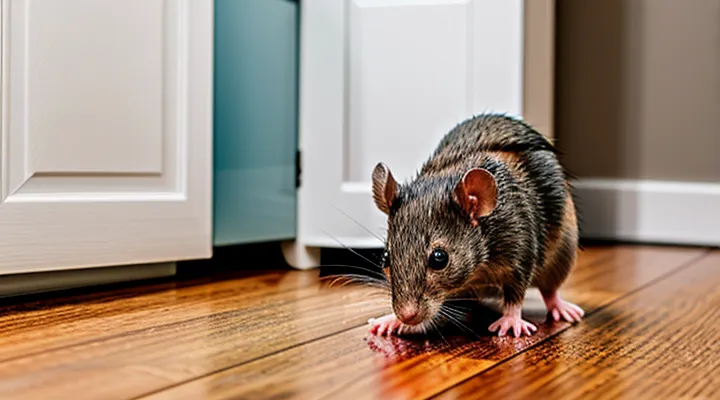
How Ultrasonic Repellers Work
The Science Behind Ultrasonic Frequencies
Ultrasonic frequencies occupy the range above 20 kHz, beyond the upper limit of human auditory perception. Rodents detect sound up to approximately 80–90 kHz, making frequencies between 30 kHz and 70 kHz particularly relevant for repellence devices.
Rodent auditory systems contain a highly sensitive cochlear region tuned to high‑frequency tones. Exposure to continuous ultrasonic emissions triggers a startle response, leading to avoidance behavior. The effect relies on the inability of the animal to habituate to rapidly varying frequencies, which prevents long‑term tolerance.
Key technical parameters influencing efficacy include:
- Frequency modulation depth (variation of 2–5 kHz around a central tone)
- Duty cycle (percentage of time the emitter is active, typically 60–80 %)
- Acoustic pressure level (measured in dB SPL, commonly 80–100 dB at 1 m)
- Attenuation characteristics of household materials (foam, wood, drywall reduce intensity by 6–12 dB per meter)
Devices designed for residential pest control integrate these parameters into compact transducers, powered by low‑voltage adapters. Safety standards require that emitted levels remain below thresholds that could affect pets or infants; most products limit output to frequencies above 30 kHz, where human and common domestic animal hearing sensitivity declines sharply.
«Ultrasonic repellent technology» therefore depends on precise control of frequency, amplitude, and temporal patterns to exploit rodent auditory vulnerabilities while maintaining a safe acoustic environment for occupants.
How Pests React to Ultrasonic Waves
Ultrasonic devices emit sound frequencies above 20 kHz, a range inaudible to humans but detectable by many small mammals. Laboratory and field observations show that rodents such as rats and mice experience immediate discomfort when exposed to these high‑frequency waves. The discomfort triggers avoidance behavior, causing the animals to vacate the treated area or to remain motionless while attempting to locate the source.
Typical reactions include:
- Rapid retreat from the emission zone within seconds of activation.
- Increased grooming and agitation, indicating sensory overload.
- Disruption of normal foraging routes, leading to reduced activity in the vicinity of the device.
- Temporary immobilization, followed by relocation to quieter zones.
Long‑term exposure may result in habituation for some individuals, especially if the ultrasonic output remains constant and predictable. Varying the frequency pattern, pulse duration, and interval between emissions decreases the likelihood of acclimatization, maintaining deterrent effectiveness.
Studies comparing ultrasonic repellents with conventional traps demonstrate comparable reductions in rodent presence when devices are installed in enclosed spaces such as basements, attics, and wall cavities. Effectiveness diminishes in open areas where sound dissipates quickly; strategic placement near entry points maximizes coverage.
Other pests, including certain insects and small reptiles, exhibit similar aversive responses, though sensitivity thresholds differ. For insects, frequencies between 30 kHz and 50 kHz produce the strongest repellent effect, while reptiles respond primarily to lower ultrasonic bands.
Overall, ultrasonic wave emission provokes a consistent avoidance response in target pests, provided the acoustic parameters are appropriately calibrated and the environment supports sustained exposure.
Benefits of Using Ultrasonic Repellers
Non-Toxic and Chemical-Free Pest Control
Non‑toxic, chemical‑free pest control addresses growing concerns about health risks and environmental impact while maintaining effective rodent management. Ultrasonic rodent deterrent devices emit high‑frequency sound waves that rodents find uncomfortable, prompting them to vacate treated areas without exposure to poisons or traps.
Key advantages include:
- Absence of toxic substances eliminates danger to children, pets, and indoor air quality.
- Sound frequencies target only rodents, preserving beneficial insects and other wildlife.
- Continuous operation provides consistent protection without the need for repeated applications.
- Installation requires only a power source and strategic placement, reducing maintenance effort.
Effective deployment relies on proper positioning. Devices should be mounted on walls at a height of 12‑18 inches, away from large furniture that could block sound propagation. Overlapping coverage zones ensure uniform field strength throughout the premises. Areas with heavy insulation or solid barriers may reduce efficacy; supplemental units can mitigate such limitations.
Safety considerations extend to human occupants. Ultrasonic emissions remain inaudible to adults and most children, while some pets with sensitive hearing may experience mild discomfort. Selecting models with adjustable intensity allows adaptation to specific environments, balancing deterrence with comfort.
Overall, non‑toxic, chemical‑free ultrasonic solutions provide a reliable alternative to traditional rodent control methods, aligning health protection with sustainable pest management practices.
Safe for Pets and Humans
The ultrasonic rodent deterrent operates within a frequency band that exceeds the auditory sensitivity of common household pets such as cats, dogs, and birds, while remaining ineffective for human hearing. This selective range prevents discomfort or stress for non‑target species, ensuring a peaceful environment for occupants.
Safety mechanisms include:
- Automatic shut‑off when a human voice or pet vocalization is detected, preventing prolonged exposure to ultrasonic energy.
- Adjustable intensity settings that allow users to match the device output to the size of the area, avoiding excessive sound levels.
- Compliance with international safety standards (e.g., IEC 60601‑1) and certification by independent testing laboratories, confirming that emissions stay within accepted limits for both humans and animals.
- Built‑in temperature monitoring to disable operation if overheating occurs, protecting nearby pets from potential heat hazards.
The device’s design eliminates the need for chemical repellents, reducing the risk of ingestion or contact poisoning for children, pets, and adults. Continuous operation is safe, as the ultrasonic waves dissipate rapidly in open air and do not accumulate to harmful levels.
Easy Installation and Maintenance
The ultrasonic rodent deterrent system is engineered for plug‑and‑play deployment. Components arrive pre‑wired; the unit mounts on a wall or ceiling with two screws, eliminating the need for professional assistance. The power cable includes a built‑in transformer, allowing direct connection to a standard outlet without additional adapters.
Maintenance requires only periodic cleaning of the exterior housing. The device contains no moving parts, so wear is limited to the ultrasonic transducer, which retains functionality for years under normal operating conditions. A simple wipe with a dry cloth removes dust that could attenuate sound emission.
Key installation steps:
- Position the unit at least one meter from walls or furniture to ensure unobstructed sound propagation.
- Align the mounting brackets with the pre‑drilled holes, insert screws, and tighten securely.
- Connect the power cord to an outlet, verify the indicator LED illuminates, and activate the device using the on/off switch.
Routine upkeep involves:
- Inspecting the surface weekly for dust accumulation.
- Cleaning the outer panel with a soft, dry cloth.
- Checking the indicator LED monthly; a dim or absent light signals the need for a power supply replacement.
The design philosophy prioritizes user‑friendly setup and minimal upkeep, delivering continuous rodent protection with negligible effort.
Choosing the Right Ultrasonic Repeller
Factors to Consider Before Purchasing
When evaluating an ultrasonic device designed to deter rodents, several technical and practical aspects determine suitability for a specific environment.
- Frequency spectrum: devices typically emit ultrasonic waves between 20 kHz and 65 kHz. Frequencies below 20 kHz become audible to humans, while higher ranges may be less effective against certain rodent species. Selecting a model that covers the optimal band for the target pest ensures maximum deterrence.
- Coverage area: manufacturers specify the radius or square footage each unit protects. For multi‑room dwellings, calculate the total area and verify that the advertised coverage aligns with floor‑plan dimensions. Overlapping zones may be necessary in larger spaces.
- Power source and energy consumption: plug‑in units draw continuous mains power, whereas battery‑operated models offer portability at the cost of shorter operational periods. Assess the availability of outlets and the convenience of periodic battery replacement.
- Safety certifications: look for compliance with regional standards such as CE, FCC, or UL. Certified devices meet electromagnetic emission limits and reduce the risk of unintended interference with other electronics.
- Warranty and support: a minimum of one‑year warranty indicates manufacturer confidence. Access to responsive customer service and clear return policies adds protection against premature failure.
- Pet compatibility: ultrasonic waves can affect small mammals, including cats and dogs. Models that provide adjustable intensity or a pet‑safe mode mitigate potential distress for household animals.
- Installation simplicity: devices requiring only a plug‑in and minimal positioning are faster to deploy. Complex mounting hardware can increase setup time and cost.
- Proven efficacy: independent laboratory tests or peer‑reviewed studies provide objective evidence of performance. Preference should be given to products with documented success rates rather than solely relying on anecdotal claims.
- Durability and environmental resistance: units intended for use in kitchens, basements, or outdoor sheds should feature moisture‑resistant housings and robust components to withstand temperature fluctuations.
- Cost‑effectiveness: compare unit price against the coverage area, warranty length, and additional features. A higher upfront cost may yield lower long‑term expenses if the device remains functional for several years.
Considering these criteria helps identify a reliable ultrasonic deterrent that aligns with the specific needs of a pest‑free household.
Types of Ultrasonic Repellers
Ultrasonic pest deterrents are categorized by power source, coverage area, and design purpose. Selecting the appropriate model depends on the target environment and the specific rodent challenge.
- Plug‑in units: connect directly to a wall outlet, provide continuous operation, and typically cover a single room or small apartment.
- Battery‑powered devices: portable, operate without external power, suitable for temporary placement in closets, garages, or outdoor sheds.
- Whole‑home systems: integrate multiple emitters linked to a central controller, deliver overlapping ultrasonic fields that span an entire dwelling.
- Specialized rodent models: emit frequencies tuned to the hearing range of rats and mice, often include additional features such as motion sensors to activate the signal only when activity is detected.
- Multi‑frequency generators: alternate between several ultrasonic tones, reduce the risk of habituation by presenting a varied acoustic pattern.
- Smart‑connected units: pair with mobile applications, allow remote scheduling, intensity adjustment, and performance monitoring.
Optimal Placement for Effectiveness
Effective deployment of an ultrasonic rodent deterrent system depends on strategic positioning. The device emits high‑frequency waves that travel in straight lines and are blocked by solid objects; therefore, placement determines coverage and pest‑free zones.
Key placement principles include:
- Install units at a height of 12–18 inches (30–45 cm) above the floor to align with the typical flight path of rodents.
- Position devices near entry points such as doorways, garage openings, and utility penetrations where rodents are likely to infiltrate.
- Ensure each unit faces open space rather than being backed against walls, cabinets, or large furniture; obstructions diminish signal propagation.
- Distribute units evenly across large rooms, maintaining a distance of 15–20 ft (4.5–6 m) between devices to avoid overlapping dead zones.
- Locate units away from metal appliances, concrete foundations, and water sources, which absorb ultrasonic energy.
Additional considerations:
- Verify continuous power supply; uninterrupted operation maximizes deterrent effect.
- Replace batteries promptly if the model relies on them, as reduced voltage weakens output.
- Conduct periodic inspections to confirm that no new obstacles have been introduced, such as piled boxes or seasonal décor, which could create shadow zones.
Adhering to these guidelines ensures that the ultrasonic deterrent system operates at peak efficiency, maintaining a pest‑free environment.
Maximizing Repeller Effectiveness
Tips for a Pest-Free Home
An ultrasonic rodent deterrent emits high‑frequency sound that rodents cannot tolerate, creating an environment hostile to rats and mice without chemical residues. Effective pest control combines this technology with sound structural and hygiene practices.
- Seal all cracks, gaps, and utility openings; use steel wool and caulk to block entry points.
- Store food in airtight containers; eliminate crumbs and spills from countertops and floors.
- Maintain regular cleaning schedules; vacuum carpets, mop hard surfaces, and dispose of waste in sealed bins.
- Keep compost piles and outdoor trash away from the building envelope; cover bins with tight‑fitting lids.
- Trim vegetation, remove debris, and keep grass short to reduce shelter for rodents near the foundation.
- Position ultrasonic devices according to manufacturer guidelines; avoid obstacles that block sound waves and replace units as recommended.
- Conduct periodic inspections for signs of activity, such as gnaw marks or droppings, and address findings promptly.
Adhering to these measures reinforces the ultrasonic system’s effectiveness, ensuring a consistently pest‑free residence.
Combining with Other Pest Control Methods
Integrating an ultrasonic rodent deterrent with additional control measures enhances overall effectiveness and reduces the likelihood of infestation persistence. The device emits high‑frequency sound that discourages rats and mice, but it does not physically eliminate individuals that have already entered the premises. Complementary tactics address this gap.
- Seal gaps, cracks, and openings in walls, foundations, and utility penetrations to block entry routes.
- Deploy snap or live traps in high‑activity zones to capture rodents that the sound field does not reach.
- Maintain rigorous sanitation by removing food residues, storing waste in sealed containers, and cleaning crumbs promptly.
- Apply targeted chemical baits in concealed locations, ensuring compliance with safety regulations and avoiding interference with the ultrasonic emitter.
- Consider biological agents, such as predatory mites, where appropriate for secondary pest species that may accompany rodent activity.
Coordination of these methods requires strategic placement: ultrasonic units should occupy central areas with unobstructed line of sight, while traps are positioned along known pathways and near concealed entry points. Sealing work precedes device installation to prevent sound leakage through newly closed gaps. Chemical baits are placed at least 30 cm away from the emitter to avoid repellent interaction.
The combined approach delivers layered protection: deterrence discourages entry, physical barriers prevent ingress, traps remove intruders, sanitation eliminates attractants, and chemicals provide a lethal fallback. This synergy maximizes pest‑free conditions while minimizing reliance on any single technique.
Addressing Common Misconceptions
Misconceptions about ultrasonic rodent deterrents often hinder adoption of a non‑chemical solution for a pest‑free home.
«The device kills rats and mice instantly» is a frequent claim. Ultrasonic emitters produce high‑frequency sound that irritates the nervous system, prompting avoidance behavior. No lethal effect occurs; the technology relies on discomfort, not extermination.
«It works only when rodents are present» suggests a reactive mechanism. Sensors are not required; continuous emission creates an environment that discourages entry. Effectiveness begins before any infestation is detectable.
«All frequencies affect all rodent species» overlooks species‑specific hearing ranges. Effective models combine multiple frequencies to cover the auditory spectrum of common pests, while avoiding frequencies outside the target range that would waste energy.
«Sanitation becomes unnecessary once the device is installed» ignores the role of food sources in attraction. Ultrasonic deterrence reduces willingness to explore, but residual crumbs or accessible waste still provide incentive for entry. Regular cleaning remains essential for long‑term control.
«Rodents quickly become habituated, rendering the device useless» misinterprets adaptation. Studies show that varying frequency patterns and intermittent cycles prevent desensitization, maintaining deterrent effect over extended periods.
Addressing these myths clarifies that ultrasonic deterrents, when selected and maintained correctly, offer a proactive, chemical‑free approach to keeping homes free of rats and mice.
Potential Drawbacks and Limitations
Understanding the Range and Obstacles
Understanding the effective distance of an ultrasonic rodent deterrent requires attention to emitted frequency, power output, and environmental conditions. Typical models cover an open‑space radius of 30‑50 feet when unobstructed. Beyond this limit, signal intensity diminishes sharply, reducing repellent efficacy.
Obstructions interfere with ultrasonic propagation. The most common barriers include:
- Solid walls and concrete partitions, which reflect or absorb sound waves.
- Metal cabinets, appliances, and large furniture that block line‑of‑sight transmission.
- Dense insulation materials (e.g., fiberglass, foam) that dampen acoustic energy.
- Open doors and windows, which allow the wave to escape the intended area.
Flooring type influences vertical dispersion. Hardwood or tile surfaces facilitate upward reflection, extending coverage to higher levels, whereas carpeted floors absorb a portion of the signal, shortening vertical reach.
Placement strategy mitigates obstacle impact. Position the device at central height, away from direct contact with walls, and ensure a clear path to target zones. In multi‑room settings, multiple units may be required to maintain consistent coverage, especially where structural partitions exceed the device’s nominal range.
Not a One-Size-Fits-All Solution
Ultrasonic devices that target rodents rely on frequency ranges calibrated for specific species. Effectiveness varies with animal size, hearing sensitivity, and behavioral patterns. Consequently, a single product cannot guarantee universal success across all environments.
Key variables influencing performance include:
- Species differences: rats and mice respond to distinct frequency bands; a device tuned for mice may have limited impact on larger rats.
- Habitat characteristics: open spaces allow sound propagation, while cluttered interiors absorb ultrasonic waves, reducing reach.
- Ambient noise levels: background sounds above the ultrasonic threshold can interfere with device output, diminishing efficacy.
- Power source stability: fluctuations in voltage affect signal consistency, influencing deterrent reliability.
Manufacturers often market a single model as a comprehensive solution, yet field tests reveal inconsistent results when conditions deviate from optimal parameters. Selecting a device that matches the target pest’s auditory range and the specific layout of the dwelling improves outcomes. In scenarios where ultrasonic technology proves insufficient, supplemental methods such as sealing entry points or employing bait stations become necessary.
When to Consider Alternatives
Ultrasonic devices deter rodents by emitting high‑frequency sound waves that irritate pests without harming humans or pets. Their effectiveness depends on species sensitivity, environmental conditions, and proper placement.
When the following factors are present, alternative pest‑control methods should be evaluated:
- Persistent infestations despite continuous operation of the ultrasonic unit.
- Presence of rodent species known to exhibit low sensitivity to ultrasonic frequencies, such as certain strains of Norway rats.
- Structural obstacles that block sound propagation, including thick walls, dense insulation, or multiple floor levels.
- Situations requiring immediate reduction of rodent activity, for example, before food storage or during seasonal migrations.
- Regulatory or health‑safety constraints that limit the use of electronic emitters in specific facilities, such as hospitals or food‑processing plants.
In these scenarios, options such as mechanical traps, exclusion techniques, or professional baiting programs provide reliable control. Selecting the appropriate method involves assessing infestation severity, building layout, and compliance requirements, then implementing the most effective solution.