
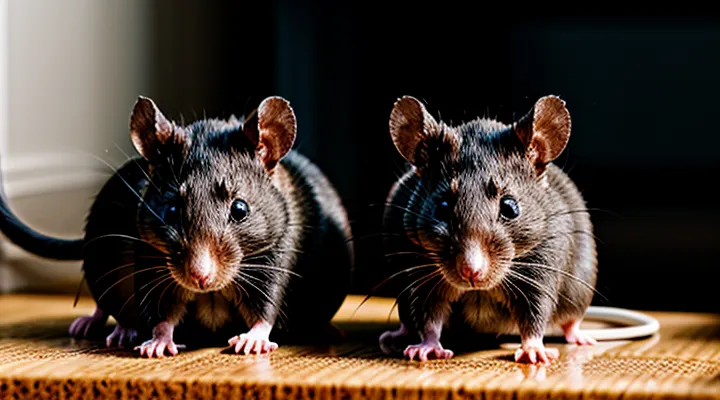
How Ultrasonic Devices Work
The Science Behind Ultrasonic Frequencies
Ultrasonic pest control devices emit sound waves above the upper limit of human hearing, typically ranging from 20 kHz to 60 kHz. Rodents possess an auditory range extending to approximately 80–90 kHz, allowing them to detect these high‑frequency signals. When a device operates within the sensitive band of 30–50 kHz, the emitted oscillations stimulate the cochlear hair cells of rats and mice, causing discomfort and disorientation. The physiological response originates from rapid pressure fluctuations that exceed the tolerance of the inner ear’s mechanical structures, leading to a temporary loss of equilibrium and avoidance behavior.
The effectiveness of ultrasonic emissions depends on several physical parameters:
- Frequency selection: aligns with the peak auditory sensitivity of target species.
- Amplitude (sound pressure level): must surpass the hearing threshold without causing structural damage to the device.
- Modulation pattern: continuous tones versus intermittent bursts influence habituation rates.
- Propagation medium: air density and temperature affect wave attenuation, limiting effective range to a few meters.
Rodent auditory systems differ from those of humans in both frequency range and temporal resolution. The basilar membrane in rodent cochleae is tuned to higher frequencies, and neural processing pathways respond more rapidly to sudden acoustic changes. Consequently, ultrasonic bursts can trigger a startle reflex, prompting immediate retreat from the source area.
Long‑term exposure can lead to habituation, where rodents adapt to the constant presence of the sound. To mitigate this, devices often incorporate random frequency sweeps and variable pulse intervals, preventing the auditory system from establishing a predictable pattern. Scientific studies demonstrate that such adaptive algorithms maintain deterrent efficacy over extended periods, whereas static tones lose impact within weeks.
In practice, successful deployment requires placement at points where rodents travel, ensuring line‑of‑sight transmission and minimizing obstacles that reflect or absorb ultrasonic energy. Proper installation, combined with an understanding of the underlying acoustic principles, maximizes the likelihood of sustained rodent avoidance.
Target Pests: Rats and Mice Specificity
Ultrasonic repellents target rodents by emitting sound waves beyond human hearing, typically between 20 kHz and 65 kHz. Rats respond to frequencies around 30 kHz, while mice are more sensitive to higher tones near 45 kHz. Devices calibrated to cover this spectrum affect both species without influencing non‑target insects that operate at lower frequencies.
Key factors that determine specificity:
- Frequency range: inclusion of 30–45 kHz ensures activity against both rats and mice.
- Pulse pattern: intermittent bursts prevent habituation, maintaining effectiveness.
- Coverage area: a radius of 15–20 ft per unit provides sufficient overlap in typical residential or commercial settings.
Choosing a unit that lists these parameters guarantees that the emitted ultrasound aligns with the auditory thresholds of the intended pests, maximizing deterrence while minimizing impact on other wildlife.
Advantages of Ultrasonic Pest Repellers
Non-Toxic and Chemical-Free
Ultrasonic pest control units provide a method for rodent management that does not rely on poisons or sprays. The devices emit high‑frequency sound waves that irritate rats and mice, prompting them to vacate the area. Because the technology operates without toxic substances, it eliminates risks associated with chemical exposure for humans, pets, and wildlife.
Key characteristics of a non‑toxic ultrasonic system include:
- Emission of frequencies above 20 kHz, beyond human hearing range.
- Continuous operation powered by standard AC outlets or battery packs.
- Adjustable timers or automatic shut‑off to conserve energy.
- Compatibility with indoor and outdoor environments when housed in weather‑resistant enclosures.
When selecting a model, consider the following criteria:
- Coverage radius that matches the target space (e.g., 1,200 sq ft for a typical kitchen).
- Frequency range that covers both adult rodents and juveniles.
- Warranty period and availability of customer support.
- Independent test results confirming efficacy without chemical agents.
Installation requires placement at least 12 inches from walls or furniture to prevent sound reflection. Devices should be positioned where rodents travel, such as along baseboards, under cabinets, or near entry points. Regular monitoring of activity levels helps determine whether additional units are needed to maintain a chemical‑free environment.
Safe for Humans and Pets
Ultrasonic rodent repellents operate by emitting high‑frequency sound waves that are inaudible to most humans but uncomfortable for rats and mice. Safety for occupants and companion animals depends on frequency range, intensity, and device design.
Key safety characteristics:
- Frequency below 20 kHz, the upper limit of human hearing, eliminates audible disturbance.
- Sound pressure level limited to 85 dB SPL at one meter prevents auditory stress for pets capable of hearing higher frequencies.
- Automatic shut‑off after a predetermined interval reduces continuous exposure.
- Built‑in timers allow scheduling during periods when humans and pets are absent.
- Certification by recognized safety standards (e.g., FCC, CE) confirms compliance with electromagnetic emission limits.
When selecting a unit, verify that the manufacturer provides a safety data sheet, lists the exact frequency and SPL values, and references independent laboratory testing. Install devices at least 30 cm away from pet feeding areas, bedding, and human sleeping zones to minimize incidental exposure. Regularly inspect for malfunctioning emitters, as a defective unit may produce audible tones or excessive intensity.
Proper use of ultrasonic repellents maintains rodent control without compromising the auditory health of people or the well‑being of dogs, cats, and small mammals.
Easy to Install and Maintain
Ultrasonic pest control units designed for rodent management are engineered for straightforward mounting and routine upkeep. Most models feature a compact housing with pre‑drilled holes that align with standard wall studs or ceiling joists, allowing a single screwdriver and a few screws to secure the device. The power connection typically uses a universal plug, eliminating the need for specialized adapters or wiring.
Maintenance requirements are limited to periodic cleaning and battery replacement, if the unit is not hard‑wired. Dust accumulation on the transducer surface reduces acoustic output; wiping the exterior with a dry cloth every two to three months restores optimal performance. Battery‑operated models use readily available alkaline cells; swapping them involves opening a small compartment and inserting fresh batteries in the indicated polarity.
Key advantages of this design approach include:
- Minimal installation time, often under ten minutes per unit.
- No professional electrician or contractor needed.
- Simple visual inspection to confirm correct placement and operation.
- Low‑cost consumables (batteries, cleaning cloth) with long shelf life.
By adhering to these guidelines, users can deploy ultrasonic repellents quickly across residential or commercial spaces and maintain effective rodent deterrence with minimal effort.
Disadvantages and Limitations
Effectiveness in Different Environments
Ultrasonic pest‑control units generate high‑frequency sound waves that rodents cannot hear, disrupting their nervous system and deterring activity. Effectiveness varies markedly with environmental conditions, making placement and selection critical for reliable results.
In residential interiors, solid walls and closed doors confine the sound field, allowing concentrations of up to 80 dB at the source. Devices positioned at ground level, near entry points, and away from large furniture provide the greatest coverage. Open‑plan layouts reduce reflections, extending the audible zone but also diluting intensity; multiple units may be required to maintain deterrent levels.
Commercial kitchens and warehouses present high ambient noise and temperature fluctuations. Ultrasonic emitters rated for 40–70 °C retain output power, yet metal shelving and equipment create acoustic dead zones. Installing units above ceiling height or mounting them on walls adjacent to loading docks mitigates shadowed areas.
Outdoor or semi‑outdoor settings introduce wind, precipitation, and vegetation, all of which absorb or scatter ultrasonic waves. Effectiveness drops sharply beyond 3 m in windy conditions; waterproof models with higher output (≥90 dB) and directional speakers improve performance. Positioning devices near burrow entrances or along fence lines concentrates energy where rodents are most active.
Key factors influencing performance:
- Frequency range (20–45 kHz); higher frequencies affect smaller rodents but attenuate faster.
- Output intensity; measured at 1 m, higher dB levels compensate for absorption.
- Placement height; 0.5–1 m above floor targets rodent pathways.
- Environmental obstacles; metal, concrete, and dense foliage create attenuation zones.
- Ambient temperature and humidity; extreme values reduce transducer efficiency.
Selecting models that match the specific setting—indoor, commercial, or outdoor—combined with strategic positioning yields the most consistent deterrence of rats and mice.
Potential for Pest Acclimation
Ultrasonic emitters generate high‑frequency sound waves that rodents cannot hear, intending to disrupt their nervous system and deter occupancy. Over time, populations may exhibit reduced sensitivity, a process known as habituation. Evidence shows that exposure to constant frequencies can lead to neural adaptation, diminishing the repellent effect.
Key factors influencing acclimation include:
- Frequency range: narrow bands (e.g., 20–30 kHz) are more prone to desensitization than devices offering multiple or rotating frequencies.
- Exposure duration: continuous operation accelerates adaptation; intermittent cycles slow the process.
- Species variation: Norway rats, roof rats, and house mice differ in auditory thresholds, affecting susceptibility.
- Environmental complexity: cluttered spaces reflect and scatter sound, creating dead zones that facilitate learning of safe zones.
Mitigation strategies focus on device selection and deployment. Models that cycle through several frequencies, incorporate random pulse patterns, or combine ultrasonic output with other deterrents (e.g., vibration or scent) maintain efficacy longer. Users should position units to avoid overlapping dead zones and rotate placement periodically to prevent localized acclimation.
When evaluating purchases, prioritize specifications that list frequency modulation, adjustable timers, and coverage area validated by independent testing. Regular performance checks—monitoring rodent activity after installation—help determine when devices lose effectiveness and require repositioning or replacement.
Range and Obstruction Issues
Ultrasonic pest control units emit sound waves at frequencies above human hearing, typically 20–65 kHz. The effective radius rarely exceeds 4 m in open space; most models guarantee coverage of 2–3 m. Manufacturers base this specification on laboratory measurements that assume unobstructed propagation.
Obstructions dramatically reduce performance. Dense materials—concrete, brick, thick glass—reflect or absorb ultrasonic energy, creating dead zones. Soft furnishings, carpeting, and plastic panels attenuate the signal to a lesser extent but still diminish reach. Open doorways and large gaps restore coverage, while closed compartments isolate the emitted field.
Optimal placement mitigates obstruction effects:
- Mount the device on a wall at the height of rodent activity (approximately 20–30 cm above the floor).
- Direct the speaker toward the primary travel path, avoiding placement behind large furniture or appliances.
- Ensure at least a 30‑cm clearance on all sides to prevent acoustic shadowing.
- In multi‑room environments, install additional units to bridge gaps created by interior walls.
When selecting a system, verify the advertised coverage area and compare it with the actual floor plan. Assess wall composition, furniture density, and potential acoustic barriers before finalizing the purchase. Adjust the number of devices accordingly to maintain continuous ultrasonic exposure throughout the target zone.
Choosing the Right Ultrasonic Device
Key Features to Consider
When choosing an ultrasonic repeller for rats and mice, focus on specifications that directly affect performance and reliability.
- Frequency range: devices must emit frequencies above 20 kHz, preferably 20‑65 kHz, to target rodent hearing.
- Coverage area: square footage rating should match the intended room or outdoor zone; overlapping units may be required for larger spaces.
- Power source: assess battery life, plug‑in options, and energy‑saving modes to ensure uninterrupted operation.
- Timer and scheduling: programmable intervals allow periods of silence, conserving power and reducing habituation.
- Safety mechanisms: automatic shut‑off when humans or pets are detected prevents unintended exposure.
- Build quality: rugged housing and water‑resistant seals extend lifespan in garages, basements, or sheds.
- Warranty and support: longer warranty periods and accessible customer service reduce long‑term risk.
- Regulatory compliance: certification (e.g., FCC, CE) confirms adherence to emission standards.
Each feature influences the device’s ability to deter rodents effectively. A suitable frequency ensures the target species perceives the sound; adequate coverage guarantees no refuge zones. Reliable power and scheduling maintain consistent deterrence while minimizing energy waste. Safety features protect occupants, and durable construction sustains performance in harsh environments. Warranty coverage and compliance provide assurance of quality and legal conformity.
Frequency Range and Intensity
Ultrasonic rodent repellents operate within a narrowly defined acoustic spectrum. Most devices emit tones between 20 kHz and 65 kHz; frequencies below 20 kHz are audible to humans, while tones above 65 kHz lose efficacy against rats and mice because the animals’ hearing sensitivity declines sharply beyond this limit. Studies show peak aversive response occurs near 30–40 kHz, matching the peak auditory range of common rodent species.
Effective devices generate sound pressure levels (SPL) sufficient to provoke a discomfort reaction without exceeding safety thresholds for humans and domestic pets. Typical SPL values range from 85 dB to 110 dB at a distance of 1 meter. Levels below 80 dB rarely produce measurable behavioral change, whereas SPLs above 120 dB may cause hearing damage to non‑target animals. Manufacturers calibrate output to stay within the 85–110 dB window, ensuring regulatory compliance and user safety.
When selecting a unit, verify the following specifications:
- Frequency coverage: 20 kHz – 65 kHz, with a dominant peak at 30–40 kHz.
- SPL at 1 m: 85 dB – 110 dB, measured with a calibrated sound level meter.
- Adjustable frequency or multi‑tone mode to prevent habituation.
- Continuous operation rating: minimum 8 hours per day without degradation of output.
Compliance with occupational safety standards (e.g., OSHA, EU Directive 2003/10/EC) requires documented SPL testing and labeling of audible frequencies. Devices lacking certified measurements may fail to deliver the intended deterrent effect and could pose health risks.
Coverage Area
When selecting an ultrasonic repeller, the effective coverage area determines how many units are needed to protect a given space. Manufacturers usually specify a radius in square meters or feet; this figure reflects the distance at which the emitted frequencies remain disruptive to rodents.
Key variables influencing coverage:
- Obstacle density – walls, furniture, and insulation absorb or reflect ultrasonic waves, shortening the usable range.
- Ceiling height – higher ceilings increase the volume that a single device must fill, often reducing practical reach.
- Device power output – higher wattage units emit stronger signals, extending the radius but may consume more electricity.
- Frequency range – broader spectra can affect a wider variety of species, but some frequencies attenuate more quickly through air.
For open-plan areas with minimal obstructions, a single unit rated for 150 m² may suffice. In multi‑room apartments, placing a device in each major room ensures overlapping fields and eliminates dead zones. Warehouses or large storage facilities typically require a network of devices spaced at intervals that maintain at least 80 % of the advertised range between units.
Calculating the number of units involves dividing the total floor area by the effective coverage per device, then adjusting for layout complexity. Example: a 300 m² office with several interior walls may need three devices rated for 120 m² each, positioned to create overlapping zones.
Proper installation enhances performance. Mount devices on walls or ceilings at a height of 2–2.5 m, orienting the speaker toward open space. Avoid direct contact with surfaces that could dampen vibrations. Periodic verification—using a handheld ultrasonic detector—confirms that signal strength remains within the expected radius.
Understanding and respecting the coverage specifications prevents under‑deployment, which leads to persistent rodent activity, and over‑deployment, which increases cost without additional benefit.
Power Source and Energy Efficiency
Ultrasonic rodent repellents rely on a stable power supply to generate frequencies above 20 kHz, which deters rats and mice without audible disturbance. The most common sources are:
- Mains‑connected adapters (100‑240 V AC) delivering continuous output, eliminating downtime but requiring permanent placement near an outlet.
- Alkaline or lithium primary batteries, offering portability and ease of installation; typical models consume 0.5‑1 W, providing 6‑12 months of operation depending on capacity.
- Rechargeable lithium‑ion packs, balancing longevity and environmental impact; a 2000 mAh unit sustains operation for approximately 400 hours before recharging is required.
- Solar panels integrated with battery storage, suitable for outdoor or remote settings; efficiency depends on sunlight exposure, with average daily generation of 0.5‑1 Wh per 10 cm² panel.
Energy efficiency directly influences operating costs and device reliability. Designs that employ pulse‑modulated output reduce average power draw by 30‑50 % while maintaining effective frequency range. Low‑leakage standby circuitry limits idle consumption to under 0.1 W, extending battery life. Selecting units with Energy Star‑equivalent ratings ensures that the acoustic transducer operates at optimal conversion efficiency, typically exceeding 70 % of input electrical power. Proper placement—away from obstructions and within the advertised coverage radius—prevents unnecessary power loss caused by signal attenuation. Regular maintenance, such as cleaning transducer surfaces and verifying battery contacts, preserves performance and prevents premature energy depletion.
Types of Ultrasonic Repellers
Ultrasonic repellers designed for rodent control emit high‑frequency sound waves that are inaudible to humans but distress rodents, prompting them to vacate treated areas. The devices differ primarily in coverage method, power source, and frequency modulation, which influences effectiveness across diverse environments.
- Plug‑in units – connect directly to an electrical outlet, provide continuous operation, and typically cover a radius of 30–50 feet. Suitable for indoor spaces such as kitchens, pantries, and basements.
- Battery‑powered handheld devices – portable, operate on AA or rechargeable batteries, and cover a smaller area of 10–20 feet. Ideal for temporary deployment in garages, sheds, or outdoor perimeters.
- Solar‑charged outdoor models – incorporate a solar panel to sustain power, offer weather‑resistant casings, and protect zones up to 100 feet. Designed for gardens, fences, and agricultural structures.
- Multi‑frequency emitters – alternate between several ultrasonic ranges (e.g., 20 kHz, 30 kHz, 40 kHz) to prevent rodents from habituating to a single tone. Often integrated into both plug‑in and battery versions.
- Smart networked systems – connect to Wi‑Fi or Bluetooth, allow remote monitoring, scheduling, and adjustment of intensity via a mobile app. Provide comprehensive coverage when multiple units are linked.
Selection should align with the target area’s size, power availability, and the need for mobility or remote management. Proper placement—away from large objects that block sound waves—maximizes the repellent field and ensures consistent performance against rats and mice.
Plug-in Devices
Plug‑in ultrasonic units are compact, wall‑mounted emitters designed to emit high‑frequency sound waves that rodents cannot tolerate. The devices draw power directly from a standard electrical outlet, eliminating the need for batteries or external power sources. Their small footprint allows placement near entry points, along walls, or beneath cabinets where rats and mice travel.
When selecting a plug‑in model, consider the following factors:
- Frequency range: 20–65 kHz covers most rodent hearing thresholds; devices that sweep across this spectrum increase coverage.
- Coverage area: manufacturers specify square footage; choose a unit that exceeds the size of the target zone.
- Adjustable timer: programmable on/off cycles conserve energy and prevent habituation.
- Safety certifications: CE, UL, or RoHS compliance ensures reliable operation and reduces fire risk.
- Warranty length: longer terms indicate confidence in component durability.
Installation requires positioning the emitter at least 12 inches from the wall to avoid sound reflection, and keeping it free of obstacles that could block the acoustic field. Avoid placing the unit near large metal objects, as they may dampen the ultrasonic output. After placement, run the device for a minimum of 48 hours to assess activity reduction; monitor for any signs of continued rodent presence and adjust location accordingly.
Maintenance consists of periodic cleaning of the grill to prevent dust accumulation, which can attenuate sound transmission. Replace the unit if the output power diminishes, typically after 2–3 years of continuous use. Compatibility with smart plugs enables remote scheduling, allowing precise control over exposure periods.
Effectiveness studies show that continuous ultrasonic emission reduces rodent activity by 30–70 % in confined environments. Success depends on proper coverage, avoidance of acoustic shielding, and integration with other control measures such as sealing entry points. Plug‑in devices provide a low‑maintenance, chemical‑free option for managing infestations when deployed according to these guidelines.
Battery-Operated Units
Battery‑operated ultrasonic units provide a portable solution for rodent deterrence, allowing placement in locations without access to mains electricity. Their compact design enables use in closets, garages, sheds, and outdoor structures where wiring would be impractical.
These devices emit sound waves in the 20–65 kHz range, a spectrum that rats and mice perceive as uncomfortable while remaining inaudible to humans. Effective models deliver at least 90 dB SPL at the source and maintain a minimum coverage radius of 20 ft. Lithium‑ion or alkaline batteries power the emitter for 30–60 days, depending on usage intensity and ambient temperature. A built‑in low‑battery indicator prevents unexpected shutdown.
When selecting a battery‑driven ultrasonic deterrent, evaluate the following factors:
- Frequency range that matches the target species’ hearing sensitivity.
- Coverage radius relative to the area to be protected.
- Battery type, expected lifespan, and replacement cost.
- Presence of an automatic shut‑off timer to conserve power during daylight hours.
- Certification (e.g., FCC, CE) confirming compliance with emission standards.
- Warranty length and availability of customer support.
Installation requires positioning the unit at least 12 inches from walls or furniture to avoid acoustic interference. Mount the device on a flat surface using the supplied bracket or place it on a stable shelf. Activate the unit, then set the timer to operate during nocturnal periods when rodents are most active. Ensure the device remains upright; tilting can distort the ultrasonic field.
Routine maintenance consists of replacing depleted batteries promptly and cleaning the emitter surface with a dry cloth to remove dust that may attenuate sound output. If the device fails to emit a steady tone, verify battery polarity, inspect for physical damage, and consult the manufacturer’s troubleshooting guide.
Performance data indicate a 40–70 % reduction in rodent activity within the treated zone, provided the unit is correctly positioned and operated continuously during peak activity hours. Effectiveness diminishes in open environments with high ambient noise or when obstacles block the ultrasonic beam. Complementary measures—such as sealing entry points and removing food sources—enhance overall control outcomes.
Solar-Powered Options
Solar‑powered ultrasonic repellents combine renewable energy with high‑frequency sound emission to deter rodents without relying on grid electricity. The solar panel converts sunlight into electrical power that drives the ultrasonic transducer, allowing continuous operation in outdoor or semi‑outdoor locations such as gardens, sheds, and barns.
Key advantages include:
- Independence from wiring and battery replacement, reducing long‑term maintenance costs.
- Ability to position units in remote areas where power access is limited.
- Environmental benefit of using clean energy, lowering carbon footprint.
When selecting a solar model, evaluate the following criteria:
- Panel wattage and placement requirements; ensure sufficient sunlight exposure for the intended location.
- Output frequency range, typically 20–65 kHz, which covers the hearing spectrum of rats and mice. 3‑4. Coverage radius; larger areas may need multiple units with overlapping fields.
- Weather resistance rating (IP65 or higher) to guarantee performance under rain, dust, and temperature fluctuations.
- Warranty period and availability of replacement parts.
Installation steps are straightforward: mount the solar panel on a south‑facing surface at an angle matching the local latitude, connect the panel to the unit’s built‑in battery, and attach the ultrasonic emitter at a height of 1–2 m above ground. After positioning, activate the device; most models include an indicator confirming charge level and operational status.
Regular inspection of the panel for shading or debris ensures optimal energy capture. Battery health should be checked quarterly; most solar units incorporate charge‑control circuitry that prolongs battery life, but replacement may be necessary after three to five years of continuous use.
Brands and Models Comparison
When selecting an ultrasonic repeller, evaluate frequency range, coverage area, power source, warranty length, and price to match the infestation level and installation environment.
-
PestReject Ultra
• Frequency: 22–65 kHz, covers 1,200 sq ft
• Power: AC adapter, optional battery backup
• Warranty: 2 years
• Price: $79.99 -
Victor PestChaser VCO
• Frequency: 20–70 kHz, covers 1,500 sq ft
• Power: Plug‑in, built‑in surge protection
• Warranty: 1 year
• Price: $69.95 -
T3‑R Triple‑Wave
• Frequency: 20–65 kHz, three distinct wave patterns, covers 2,000 sq ft
• Power: AC with battery backup, LED status indicator
• Warranty: 3 years
• Price: $99.00 -
Hoont Indoor/Outdoor
• Frequency: 20–100 kHz, waterproof housing, covers 2,500 sq ft outdoors and 1,200 sq ft indoors
• Power: Solar panel optional, AC mains primary
• Warranty: 2 years
• Price: $119.99 -
MaxMice Ultra‑Quiet
• Frequency: 18–65 kHz, silent mode, covers 1,000 sq ft
• Power: Plug‑in, auto‑shutdown after 8 hours
• Warranty: 1 year
• Price: $59.95
Comparison factors:
- Coverage – Larger areas reduce the number of units required; Hoont and T3‑R provide the widest reach.
- Frequency breadth – Wider ranges may affect more rodent species; Victor and Hoont span the broadest spectrum.
- Power flexibility – Battery backup or solar options improve reliability during outages; PestReject Ultra and Hoont include such features.
- Warranty – Longer warranties indicate manufacturer confidence; T3‑R leads with three years.
- Cost efficiency – Divide price by coverage area to gauge value; MaxMice Ultra‑Quiet offers the lowest cost per square foot, while Hoont delivers premium outdoor capability at a higher price.
Prioritize models that meet the specific spatial requirements, power‑availability constraints, and durability expectations of the intended deployment.
Effective Placement and Installation
Strategic Device Positioning
Effective use of ultrasonic repellents requires deliberate placement to ensure continuous coverage of rodent pathways. Position devices where sound waves can travel unobstructed, avoiding barriers such as walls, furniture, or dense insulation that attenuate ultrasonic frequencies.
Key considerations for optimal positioning include:
- Install units near entry points, including doorways, cracks, and gaps in foundations, to intercept rodents before they penetrate interior spaces.
- Place devices at a height of 12–18 inches above the floor, matching the typical travel level of rats and mice.
- Ensure a minimum distance of 3–4 feet between units to prevent overlapping zones that diminish acoustic intensity.
- Avoid locations near metal surfaces, large appliances, or electronic equipment that may reflect or absorb ultrasonic waves.
Maintain a clear line of sight between the emitter and target area; corners and enclosed cabinets should be equipped with dedicated units or supplemental devices. Regularly verify that the device’s indicator confirms active emission, and adjust placement if performance indicators suggest reduced output.
When selecting a system, evaluate the coverage radius advertised by the manufacturer and compare it with the dimensions of the intended area. Align the number of units with the total floor space, adding extra devices in larger rooms or multi‑level structures to preserve consistent acoustic pressure throughout the environment.
Avoiding Obstructions
When selecting an ultrasonic pest‑control unit, verify that the model specifies a wide, unobstructed coverage area. Devices emit high‑frequency sound waves that travel in straight lines; any solid barrier reduces effective range and creates silent zones where rodents can remain undetected.
Place the unit at least 12 inches away from walls, cabinets, or large furniture. Direct line of sight to the target area should be clear for the duration of operation. Avoid installing near metal surfaces, as they can reflect or absorb ultrasonic energy, diminishing the signal’s intensity.
Key considerations for avoiding obstructions:
- Keep the device at least one foot from any barrier that could block sound propagation.
- Position the unit on a stable, flat surface to prevent vibration that might alter the emission pattern.
- Ensure the area is free of clutter such as piles of boxes, rugs, or plant pots that could create acoustic shadows.
- Avoid placement behind doors that remain closed; open doors or gaps allow the waves to pass into adjacent rooms.
During installation, conduct a simple test: activate the unit and walk around the intended coverage zone, listening for the faint high‑frequency tone with a smartphone app or dedicated detector. If the tone weakens or disappears behind a specific object, relocate the device or remove the obstruction.
Regularly inspect the environment for new obstacles that may have been introduced after purchase—rearranged furniture, added shelving, or accumulated debris can compromise performance. Maintaining a clear path for ultrasonic emissions maximizes the device’s ability to deter rats and mice throughout the treated space.
Optimal Number of Devices for Coverage
When selecting ultrasonic repellents for rodents, the quantity required depends on the physical characteristics of the target space and the technical specifications of each unit.
The primary determinants are:
- Effective radius: Manufacturers specify a maximum coverage radius (e.g., 30 m²). Multiply this value by the number of devices, but do not exceed the total area of the environment.
- Floor plan complexity: Walls, furniture, and other solid obstacles attenuate ultrasonic waves. In rooms with multiple partitions, plan for overlapping zones to avoid blind spots.
- Ceiling height: Higher ceilings dilute sound intensity. For ceilings above 2.5 m, increase the device count by 15–20 % to maintain efficacy.
- Device placement: Position units at a height of 1.5–2 m, facing corners or central points. Uniform distribution minimizes dead zones.
- Power source and continuous operation: Battery‑powered units may require fewer devices if placed strategically, whereas plug‑in models can be deployed more densely without concern for battery life.
A practical method for calculation:
- Measure the total usable floor area (in square meters).
- Divide the area by the advertised effective radius of a single unit.
- Add 10 % to the result if the space contains more than two solid barriers.
- Round up to the nearest whole number.
Example: A 120 m² warehouse with an ultrasonic unit rated for 25 m² per device.
120 ÷ 25 = 4.8 → 5 devices.
The warehouse includes three interior walls, so add 10 %: 5 × 1.10 ≈ 5.5 → round up to 6 devices.
Deploy the devices according to the placement guidelines, verify coverage with a handheld ultrasonic detector, and adjust the count if any zones remain below the recommended intensity threshold. This systematic approach ensures sufficient overlap, maximizes efficacy, and avoids unnecessary expenditure.
Maximizing Effectiveness
Combining with Other Pest Control Methods
Ultrasonic pest repellents emit high‑frequency sound that rodents cannot tolerate, but their effectiveness can be limited by environmental factors such as furniture placement, wall thickness, and open doors. Integrating these devices with additional control tactics enhances overall success and reduces the likelihood of a persistent infestation.
Key complementary methods include:
- Snap traps or live‑catch traps placed along known runways; traps provide immediate reduction of the existing population while the ultrasonic unit deters new arrivals.
- Sealing entry points with steel wool, caulk, or metal flashing; eliminating gaps removes the primary route rodents use to enter the protected area, allowing the sound device to focus on interior spaces.
- Sanitation measures such as proper food storage, regular waste removal, and elimination of water sources; depriving rodents of sustenance lowers attraction to the site, increasing the deterrent effect of the ultrasonic system.
- Rodent‑resistant building materials (e.g., concrete floors, metal conduits) installed during renovation; these structures complement the acoustic barrier by presenting a physical obstacle.
- Chemical baits used sparingly and in accordance with safety regulations; baits can target hidden nests while the ultrasonic unit discourages surface activity.
When deploying a combined approach, position the ultrasonic emitter centrally, ensuring unobstructed coverage of the target area. Align trap locations with zones where the sound intensity diminishes, typically near walls or corners. Conduct regular inspections to verify that entry seals remain intact and that traps are functional. Document observations of rodent activity to adjust device settings or reposition supplementary tools as needed.
A coordinated strategy that merges acoustic deterrence with mechanical, structural, and environmental controls delivers a more reliable reduction of rat and mouse presence than any single method alone.
Regular Monitoring and Adjustment
Effective rodent control with ultrasonic repellents depends on continuous observation and fine‑tuning of device settings. After installation, check each unit weekly for signs of activity, such as gnaw marks, droppings, or audible disturbances. Record observations in a simple log to identify patterns and to determine whether the emitters are reaching the intended coverage area.
When the log indicates persistent activity, adjust the system as follows:
- Relocate devices to eliminate dead zones; place emitters at least 12 inches off the floor and away from solid barriers that block sound waves.
- Increase the number of units in high‑traffic zones, ensuring overlapping fields without exceeding the manufacturer’s maximum density.
- Modify the frequency cycling if the model allows; alternating between 20–30 kHz can prevent rodents from acclimating.
- Verify power supply stability; replace batteries or check wiring if voltage drops are detected.
Periodic verification of ultrasonic output with a calibrated detector confirms that the devices maintain the specified intensity. Conduct measurements quarterly, or after any power interruption, to ensure compliance with the product’s performance specifications.
Integrating these monitoring steps into the maintenance routine preserves the efficacy of the ultrasonic solution, reduces the likelihood of infestation resurgence, and maximizes the return on the initial investment.
Maintaining a Clean Environment
A clean environment maximizes the effectiveness of ultrasonic rodent repellents. Food residues, water spills, and clutter provide shelter and attract rats and mice, reducing the acoustic field’s reach. Regular sanitation removes these attractants and prevents interference with sound propagation.
Key maintenance actions:
- Sweep floors and vacuum carpets daily to eliminate crumbs and droppings.
- Wipe countertops, shelves, and appliance exteriors with a mild detergent after meals.
- Store dry goods in sealed containers; inspect packaging for damage.
- Empty trash bins nightly and use lids that close tightly.
- Keep storage areas organized; remove cardboard boxes and paper piles that can serve as nesting material.
Device placement also depends on cleanliness. Install units away from heavy dust accumulation and ensure vents remain unobstructed. Periodically dust the speaker grill with a soft brush or compressed air to avoid acoustic attenuation.
Consistent cleaning supports the ultrasonic system’s coverage, sustains low rodent activity, and extends the device’s operational lifespan.
Common Misconceptions and Facts
Do Ultrasonic Devices Really Work?
Ultrasonic emitters generate sound frequencies above 20 kHz, a range that rodents cannot consciously perceive. Laboratory studies confirm that exposure disrupts rodent communication and can induce stress‑related behaviors, but the effect diminishes once the animals habituate to a constant signal.
Field trials in residential and commercial settings reveal mixed outcomes. Success rates depend on variables such as device placement, frequency modulation, and the target species’ acclimation speed. Devices that sweep across a range of frequencies and include motion‑activated activation tend to maintain efficacy longer than static‑tone models.
Key factors influencing performance:
- Coverage area – Effective radius typically 15–30 ft; obstacles reduce reach.
- Frequency range – 20–65 kHz covers most rodent hearing sensitivities.
- Signal pattern – Pulsed or varying tones prevent rapid habituation.
- Installation height – Placement 2–3 ft above floor maximizes exposure.
Consumer reports indicate that ultrasonic units often serve as a supplemental deterrent rather than a standalone solution. Integrating them with exclusion methods, sanitation practices, and, when necessary, trapping yields the most reliable reduction in rodent activity.
Myths About Pest Resistance
Ultrasonic repellents are often promoted as a universal solution for rodent control, yet several persistent misconceptions distort consumer expectations.
-
Myth 1: Rodents quickly develop immunity to ultrasonic frequencies.
Scientific studies show that habituation occurs only when devices emit a single, unvarying tone. Modern units rotate frequencies and incorporate random intervals, preventing adaptation. -
Myth 2: All ultrasonic products work equally well in any environment.
Effectiveness depends on factors such as ceiling height, wall material, and ambient noise. Devices calibrated for residential ceilings may lose potency in warehouses or industrial sheds where sound absorption differs. -
Myth 3: A single unit can protect an entire building.
Ultrasonic waves travel limited distances (typically 15‑30 feet) and are blocked by solid obstacles. Comprehensive coverage requires strategic placement, often multiple units, to eliminate blind spots. -
Myth 4: Ultrasonic devices eliminate the need for any other control measures.
Integrated pest management recommends combining ultrasonic deterrents with sanitation, sealing entry points, and, when necessary, traps or bait stations. Relying solely on sound devices leaves populations unchecked if environmental conditions degrade performance.
Understanding these misconceptions guides purchasers toward realistic expectations, proper installation, and complementary strategies that enhance overall rodent management.
Long-Term Solutions vs. Temporary Fixes
Ultrasonic repellents emit high‑frequency sound waves that rodents find uncomfortable. Devices are marketed for indoor and outdoor use, often with claims of immediate pest reduction.
Temporary implementations typically involve plug‑in units placed in a single room. They rely on battery power or low‑capacity adapters, provide coverage of only a few meters, and lack mechanisms for frequency adjustment. Performance declines as batteries discharge or as rodents habituate to the signal. Replacement or relocation occurs frequently, generating recurring expenses.
Long‑term strategies incorporate professionally installed systems that connect to the building’s electrical network, covering extensive zones through multiple emitters. Adjustable frequency ranges counter habituation, while periodic diagnostics verify output levels. Integration with sealing, sanitation, and trapping measures creates redundancy, reducing reliance on acoustic deterrence alone. Maintenance contracts ensure firmware updates and component replacement, extending functional lifespan beyond several years.
Key distinctions:
- Coverage: single‑room vs. multi‑zone
- Power source: disposable batteries vs. hard‑wired with backup
- Frequency management: fixed vs. programmable and adaptive
- Maintenance: user‑initiated replacement vs. scheduled service
- Cost trajectory: short‑term outlay repeated often vs. higher initial investment amortized over time
Choosing a solution that aligns with sustained pest management goals eliminates the need for repeated purchases and minimizes the risk of ineffective control.
Troubleshooting and FAQs
Device Not Working
When an ultrasonic rodent repeller fails to emit sound, the first step is to verify the power source. Check that the outlet supplies voltage, replace the plug if necessary, and confirm that any built‑in battery is fully charged or correctly installed.
Next, inspect the unit for physical damage. Cracks in the housing, loose wires, or water exposure often cause malfunction. Clean the surface with a dry cloth; moisture can short internal components.
If the device includes a control panel, reset it according to the manufacturer’s instructions. A factory reset clears stored errors and reinitializes the frequency generator.
Should the unit still remain silent, test the ultrasonic output with a handheld detector or a smartphone app capable of detecting high‑frequency sound. Absence of a signal confirms internal failure.
When internal faults are identified, consider the following actions:
- Contact the seller’s support line for warranty verification.
- Request a replacement unit if the warranty period is active.
- Return the product to the retailer for a refund or exchange.
If the warranty has expired, evaluate the cost of professional repair versus purchasing a new model. In most cases, replacement is more economical because the ultrasonic transducer is a consumable component.
Before acquiring a new device, confirm compatibility with the intended environment: ceiling height, wall material, and coverage radius. Ensure the model provides a clear specification of frequency range (typically 20–65 kHz) and power rating, which affect efficacy against rats and mice.
Finally, document the failure mode and any corrective steps taken. This record assists future troubleshooting and supports claims with manufacturers or retailers.
Pests Still Present
Despite the deployment of ultrasonic repellents, rodent activity can persist in many environments. The technology emits high‑frequency sound waves that rodents find uncomfortable, yet several factors limit its effectiveness.
First, ultrasonic waves travel in straight lines and are blocked by solid objects such as walls, furniture, and insulation. This creates blind spots where rodents can hide and continue to forage. Second, the audible range of most devices diminishes rapidly with distance; the effective radius rarely exceeds a few meters. Third, rodents can become habituated to the constant frequency, especially if the signal does not vary or is left on continuously. Fourth, environmental conditions—high humidity, temperature fluctuations, and ambient noise—can interfere with signal propagation, reducing the deterrent effect.
To mitigate these shortcomings, consider the following measures:
- Position devices at the height of rodent pathways (typically 12–18 inches above the floor) and ensure line‑of‑sight coverage across all entry points.
- Use multiple units to create overlapping zones, eliminating dead zones created by obstacles.
- Rotate frequencies or employ models with automatic frequency modulation to prevent habituation.
- Complement ultrasonic repellents with mechanical exclusion methods (seal gaps, install door sweeps) and sanitation practices (remove food sources, manage waste).
When selecting a system, verify the manufacturer’s specifications for coverage area, frequency range, and warranty. Test the unit in situ for at least 48 hours, monitoring for continued signs of activity such as droppings, gnaw marks, or nesting material. If evidence persists, reassess placement, add additional devices, or integrate alternative control strategies.
Noise Concerns
Ultrasonic pest repellents emit sound frequencies above the range of human hearing, typically between 20 kHz and 65 kHz. While the devices are marketed as silent to occupants, the acoustic output can still affect nearby animals and sensitive equipment.
The primary noise‑related issues include:
- Audible leakage: Some units produce harmonic frequencies that fall within the 20 Hz–20 kHz band, creating a faint hum audible to humans, especially in quiet environments.
- Pet disturbance: Dogs and cats can perceive frequencies up to 45 kHz; exposure to continuous ultrasonic emission may cause stress, anxiety, or avoidance behavior.
- Interference with electronics: High‑frequency transducers can generate electromagnetic noise, potentially disrupting wireless devices or hearing‑aid equipment.
- Regulatory limits: Many jurisdictions set maximum permissible sound pressure levels (SPL) for consumer devices; manufacturers must certify compliance with standards such as IEC 60268‑22.
When selecting a device, verify the following specifications:
- Measured SPL at 1 m distance: Values below 30 dB(A) indicate minimal audible spillover.
- Frequency range and modulation pattern: Devices that sweep frequencies reduce the likelihood of harmonic overlap and habituation.
- Certification labels: Look for CE, FCC, or RoHS markings confirming adherence to noise and safety regulations.
Proper installation mitigates noise concerns. Position the unit at least 30 cm from walls or furniture to prevent sound reflection, and avoid placement near pet sleeping areas. Periodic testing with a calibrated ultrasonic meter confirms that emissions remain within the declared limits.
Understanding these factors ensures that ultrasonic pest control solutions function effectively without creating unwanted acoustic disturbances for humans, pets, or surrounding technology.