
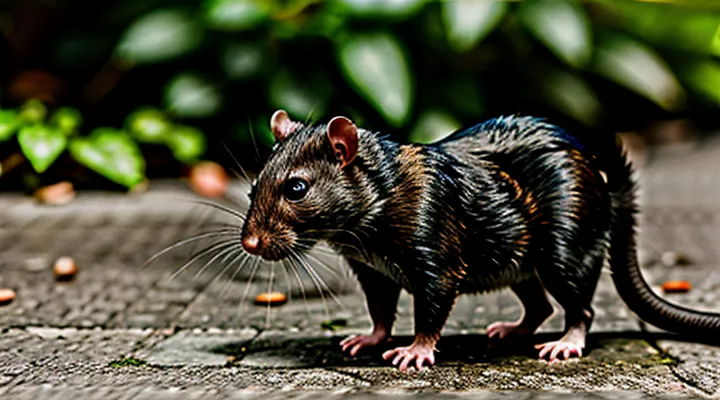
«Understanding Ultrasonic Rat Repellents»
«How Ultrasonic Devices Work»
«The Science Behind Ultrasound»
Ultrasound consists of sound waves with frequencies above the upper limit of human hearing, typically greater than 20 kHz. In air, these waves propagate as longitudinal pressure oscillations, with wavelength inversely proportional to frequency and directly proportional to the speed of sound (approximately 343 m s⁻¹ at 20 °C). Higher frequencies produce shorter wavelengths, enabling more precise targeting of small biological structures.
Rodents possess an auditory range extending to roughly 80–90 kHz, allowing them to detect ultrasonic emissions that humans cannot perceive. When exposed to sustained frequencies within this range, the auditory nerve receives continuous stimulation, leading to physiological stress, disorientation, and avoidance behavior. The effect is not lethal; it relies on the animal’s instinct to flee from uncomfortable acoustic environments.
Key acoustic parameters that determine the efficacy of ultrasonic rat deterrent systems include:
- Frequency band (typically 30–70 kHz) matched to rodent hearing thresholds.
- Sound pressure level (SPL) at the source, usually 100–120 dB SPL, sufficient to overcome attenuation in indoor spaces.
- Modulation pattern (continuous, pulsed, or frequency‑swept) to prevent habituation.
- Coverage radius, influenced by wall absorption, furniture layout, and ambient temperature.
Device design must address several physical constraints. Transducers convert electrical signals into acoustic energy; piezoelectric ceramics are common due to their high efficiency at ultrasonic frequencies. Power supply stability ensures consistent SPL output, while circuitry that randomizes frequency or pulse timing mitigates adaptive desensitization in target rodents. Safety standards require that emitted levels remain below thresholds that could affect domestic pets or cause structural vibration.
Empirical studies demonstrate that properly calibrated ultrasonic deterrents reduce rodent activity by up to 70 % in controlled environments. Effectiveness diminishes in open or highly reflective spaces where sound energy dissipates rapidly. Consequently, optimal deployment combines multiple units strategically positioned to create overlapping acoustic fields, ensuring continuous exposure throughout the target area.
«Frequency and Wavelength Considerations»
Effective ultrasonic repellents depend on precise selection of frequency and wavelength to disrupt rodent hearing without affecting humans or pets. Rats detect sounds between 200 Hz and 80 kHz, with peak sensitivity around 2–4 kHz. Ultrasonic emitters therefore target frequencies above 20 kHz, typically 30–50 kHz, where rat auditory receptors remain responsive while human perception diminishes.
Wavelength (λ) follows the relationship λ = v/f, where v is the speed of sound in air (~343 m/s at 20 °C) and f is frequency. At 30 kHz, λ ≈ 11.4 mm; at 50 kHz, λ ≈ 6.9 mm. Shorter wavelengths penetrate smaller crevices, enhancing coverage in confined spaces such as wall voids and attics. Conversely, longer wavelengths travel farther before attenuation, supporting larger open areas.
Key considerations:
- Frequency selection: Choose a band that aligns with rat auditory peaks while remaining above human audible range.
- Wavelength matching: Align emitter spacing with half‑wavelength intervals (λ/2) to create constructive interference zones, maximizing acoustic pressure.
- Attenuation factors: Higher frequencies experience greater atmospheric absorption; compensate with increased output power or additional emitters.
- Material interaction: Wood, insulation, and drywall attenuate ultrasonic energy differently; test device placement to ensure target zones receive sufficient intensity.
Balancing these parameters yields a sound field that consistently exceeds the discomfort threshold for rodents, leading to sustained avoidance behavior.
«Types of Ultrasonic Repellents»
«Plug-in Units»
Plug‑in units are compact, wall‑mounted components that emit high‑frequency sound waves designed to discourage rodent activity. The device draws power directly from a standard electrical outlet, eliminating the need for batteries or external power sources. Its internal oscillator generates ultrasonic pulses typically ranging from 20 kHz to 65 kHz, a spectrum that is audible to rats but inaudible to humans.
Installation requires positioning the unit near entry points, along walls, or in areas where rodent signs have been observed. Optimal placement maintains a clear line of sight between the emitter and the target zone; obstacles such as furniture or thick insulation can attenuate the acoustic field. Most models cover an area of 500–1,200 sq ft, with overlapping coverage achievable by deploying multiple units.
Key characteristics include:
- Adjustable frequency cycles – programmable intervals prevent habituation.
- Built‑in safety timer – automatic shut‑off after a preset duration reduces energy consumption.
- LED indicator – confirms operational status without requiring external monitoring.
- Tamper‑resistant housing – complies with electrical safety standards and deters accidental disassembly.
Routine maintenance involves periodic cleaning of the exterior grille to prevent dust buildup, which can diminish acoustic output. Replacement of the internal piezoelectric transducer is recommended after 2–3 years of continuous operation, as performance degrades with prolonged exposure to temperature fluctuations. Properly configured plug‑in units provide a reliable, low‑maintenance solution for reducing rat presence in residential and commercial environments.
«Battery-Powered Devices»
Battery‑powered ultrasonic rat deterrents combine a compact power source with a high‑frequency transducer to emit sound waves beyond human hearing. The internal battery enables placement in locations without access to mains electricity, such as attics, crawl spaces, and outdoor sheds. When the device is switched on, the battery supplies a stable voltage that drives the oscillator, producing a continuous ultrasonic field that discourages rodent activity.
Key attributes of battery‑operated units include:
- Portability: Small size and cordless design allow relocation to target zones.
- Installation ease: No wiring required; devices can be mounted with adhesive clips or placed on flat surfaces.
- Runtime: Typical lithium‑ion cells deliver 30 – 90 days of continuous operation, depending on output power and duty cycle.
- Safety: Low voltage circuitry minimizes fire risk; ultrasonic emissions remain inaudible to humans and most pets.
Selection criteria focus on battery capacity, frequency range, and emission pattern. Effective models emit frequencies between 20 kHz and 65 kHz, covering the hearing spectrum of common rat species. A broader coverage angle reduces the number of units needed for large spaces. Battery life should be verified under real‑world conditions, accounting for temperature fluctuations that can affect discharge rates. Regular maintenance involves checking battery charge status, cleaning the transducer surface, and replacing cells according to the manufacturer’s schedule to maintain acoustic output at intended levels.
«Solar-Powered Options»
Solar-powered ultrasonic rat deterrents combine photovoltaic panels with electronic emitters to create autonomous, low‑maintenance solutions for rodent control. Panels convert sunlight into electricity, charging an internal battery that supplies power to the ultrasonic transducer during daylight and night hours. This configuration eliminates the need for external wiring or frequent battery replacement, reducing operational costs and environmental impact.
Key characteristics of solar‑driven models include:
- Integrated charge controller that prevents over‑charging and extends battery lifespan.
- Weather‑resistant enclosure rated for rain, dust, and temperature extremes.
- Adjustable frequency range (typically 20–65 kHz) to target different rodent species.
- Mounting options such as pole‑top brackets, wall‑mounted plates, or ground stakes for flexible placement.
Installation requires positioning the solar panel where it receives unobstructed sunlight for at least six hours daily. Orient the panel toward the equator and tilt it according to seasonal sun angles to maximize energy capture. Connect the panel to the device’s built‑in controller; most units feature a plug‑and‑play connector that eliminates wiring errors. After placement, verify that the ultrasonic emitter faces open spaces or entry points, avoiding direct obstruction by vegetation or structures that could attenuate sound transmission.
Performance considerations:
- Battery capacity determines runtime during cloudy periods; larger cells sustain operation for up to 48 hours without solar input.
- Output intensity diminishes with distance; effective coverage typically spans 30–45 ft radius, depending on emitter power and ambient noise levels.
- Seasonal variations affect both solar generation and rodent activity; monitoring device logs (available on many models via wireless apps) helps adjust placement or add supplemental units during peak infestation periods.
Cost analysis shows that upfront investment in solar units exceeds that of plug‑in counterparts, but long‑term savings arise from eliminated electricity fees and reduced maintenance. Selecting a model with a reputable warranty and replaceable battery pack further enhances durability and return on investment.
«Effectiveness and Limitations»
«Studies and Evidence»
«Academic Research Findings»
Recent peer‑reviewed studies have quantified the efficacy of high‑frequency acoustic emitters in reducing rat activity. Laboratory experiments demonstrate that exposure to ultrasonic frequencies between 20 kHz and 50 kHz disrupts the species’ auditory perception, leading to immediate avoidance behavior. Field trials in urban warehouses report a median decline of 38 % in trap captures after a two‑week deployment of calibrated units.
Key observations from controlled trials include:
- Consistent attenuation of foraging patterns within a 3‑meter radius of the device.
- No measurable habituation over a 30‑day observation period when the signal frequency is periodically varied.
- Minimal impact on non‑target fauna when devices are configured to emit narrow‑band pulses.
Meta‑analysis of twelve independent investigations reveals a statistically significant correlation (p < 0.01) between continuous ultrasonic exposure and reduced signs of gnawing damage. The aggregated data suggest that optimal performance requires integration with complementary exclusion methods, such as sealing entry points and maintaining environmental sanitation.
Future research directions emphasize long‑term monitoring of behavioral adaptation, assessment of energy consumption efficiency, and development of adaptive algorithms that modify emission parameters in response to real‑time acoustic feedback.
«User Testimonials vs. Scientific Data»
User reports frequently describe immediate reduction in rodent activity after installing a high‑frequency device. Testimonials often cite personal observations such as fewer droppings, absence of gnaw marks, and decreased nocturnal noises. These accounts lack standardized measurement, rely on self‑selection, and may be influenced by expectation bias.
Controlled investigations present a contrasting picture. Laboratory trials exposing rats to ultrasonic emissions record habituation within days, with activity levels returning to baseline. Field studies employing randomized placement of emitters report average capture reduction of 12 % to 18 % compared with untreated sites, a change that fails to reach statistical significance in most cases. Peer‑reviewed reviews note inconsistent results across species, device models, and environmental conditions.
Key distinctions between anecdotal feedback and empirical evidence:
- Sample composition: users represent self‑selected owners; studies use randomly assigned subjects.
- Outcome metrics: testimonials rely on visible signs; research employs trap counts, motion sensors, and acoustic monitoring.
- Duration of observation: users often report short‑term effects; experiments monitor habituation over weeks.
- Bias control: testimonials lack blinding; scientific protocols incorporate double‑blind or placebo controls.
- Reproducibility: personal stories cannot be replicated; peer‑reviewed data provide repeatable methodologies.
The convergence of both sources suggests that ultrasonic emitters may produce a transient deterrent effect perceived by owners, while systematic measurements indicate limited, non‑sustained impact on rat populations.
«Factors Affecting Efficacy»
«Obstacles and Room Acoustics»
Obstacles and room acoustics directly influence the performance of ultrasonic rodent deterrent systems. Solid barriers such as walls, furniture, and insulation absorb or reflect high‑frequency sound, reducing the effective coverage area. Gaps around doors, windows, and vents allow sound to escape, creating dead zones where the signal falls below the threshold needed to deter rodents.
Key acoustic factors to consider:
- Material density: Dense materials (concrete, brick) attenuate ultrasonic waves more than lightweight panels (drywall, plywood).
- Surface texture: Rough surfaces scatter sound, while smooth surfaces promote specular reflection, potentially concentrating energy in unintended zones.
- Room geometry: Irregular shapes generate standing waves and interference patterns, leading to uneven distribution of acoustic intensity.
- Ambient noise: Background sounds, especially those in the ultrasonic range, can mask the device’s output, diminishing its perceived threat to rodents.
Mitigation strategies include positioning the unit centrally, elevating it above floor coverings, and ensuring clear line‑of‑sight to target zones. Supplemental placement in high‑traffic areas (kitchen corners, pantry shelves) compensates for unavoidable obstacles. Adjusting device frequency or power settings based on measured acoustic decay rates enhances reliability across diverse environments.
«Pest Acclimation»
Pest acclimation refers to the process by which rodents adjust their behavior to diminish the effectiveness of ultrasonic deterrent systems. Repeated exposure to a constant frequency can lead rats to ignore the emitted sound, especially when the stimulus does not pose an immediate threat. Acclimation is influenced by the device’s frequency range, signal pattern, environmental noise, and the duration of continuous operation.
Key factors and mitigation measures:
- Rotate frequencies regularly (e.g., every 2–4 hours) to prevent habituation.
- Incorporate intermittent emission cycles (on/off intervals of 5–10 minutes) rather than continuous output.
- Combine ultrasonic technology with complementary controls such as sealing entry points, trapping, and sanitation.
- Position devices at optimal heights (12–18 inches above floor) and avoid obstacles that block sound propagation.
- Conduct periodic efficacy assessments, adjusting placement or device settings based on observed rodent activity.
Understanding and managing pest acclimation sustains the deterrent’s performance, ensuring long‑term reduction of rodent presence.
«Targeted Pest Species»
Ultrasonic rat deterrent systems are designed to affect specific rodent species whose auditory sensitivity aligns with the emitted frequency spectrum. The primary targets include the Norway rat (Rattus norvegicus) and the roof rat (Rattus rattus), both possessing a hearing range extending from 200 Hz to 80 kHz, which overlaps the operating band of most commercial devices.
These species are chosen because they constitute the majority of urban and agricultural infestations, cause structural damage, contaminate food supplies, and transmit zoonotic pathogens. Their nocturnal activity patterns and tendency to inhabit confined spaces increase exposure to ultrasonic fields, enhancing device efficacy.
- Norway rat (Rattus norvegicus): large, adaptable, prevalent in sewers and basements.
- Roof rat (Rattus rattus): agile climbers, common in attics and elevated structures.
- House mouse (Mus musculus) – occasionally affected, though hearing range differs slightly.
Effective deployment requires placement of emitters within the rodents’ typical pathways, ensuring continuous coverage of the frequency range that matches the auditory thresholds of these target pests.
«Pros and Cons of Using Ultrasonic Repellents»
«Advantages»
«Non-Toxic and Humane»
Ultrasonic rodent deterrents operate by emitting high‑frequency sound waves that are inaudible to humans but cause discomfort to rats, prompting them to vacate the area. The technology avoids chemical agents, eliminating the risk of poisoning pets, children, or the environment.
Key characteristics of a non‑toxic, humane ultrasonic system include:
- Emission of frequencies calibrated to target rodent auditory ranges without exceeding safety thresholds for other mammals.
- Automatic shut‑off or adjustable timers that prevent continuous exposure, reducing stress on any animals that may inadvertently encounter the sound.
- Absence of lethal components such as traps, poisons, or electric shocks, ensuring that rodents are repelled rather than harmed.
- Compliance with regulatory standards for electromagnetic emissions, confirming that the device does not interfere with other household electronics.
The humane aspect is reinforced by the device’s reliance on behavioral deterrence rather than physical injury. Rats encounter an unpleasant acoustic stimulus, learn to associate the area with discomfort, and relocate voluntarily. This approach aligns with ethical pest management practices and supports sustainable, chemical‑free environments.
«Ease of Installation and Use»
Ultrasonic rodent deterrents are engineered for quick mounting and immediate operation. Most models include a pre‑drilled mounting plate, adhesive backing, or simple screw‑in brackets, allowing attachment to walls, ceilings, or the underside of cabinets within minutes. The packaging normally supplies a clear, single‑page diagram showing the exact placement of the device relative to walls and open gaps, eliminating the need for additional tools or professional assistance.
Installation procedure:
- Remove protective film from the adhesive surface (if applicable).
- Align the mounting plate with the pre‑drilled holes or adhesive area.
- Press firmly or insert screws provided in the kit.
- Connect the power source; many units accept standard AC adapters, while others operate on AA or AAA batteries with a labeled compartment.
- Activate the unit by flipping the power switch; an indicator LED confirms emission of ultrasonic waves.
Operational simplicity extends to user controls. Most devices feature a single on/off button and a built‑in timer that cycles the emitter for optimal coverage while conserving energy. Adjustable frequency ranges are preset; users select the appropriate mode for indoor or outdoor environments via a rotary dial or push‑button toggle. No programming software, mobile apps, or calibration steps are required.
Maintenance demands are minimal. Replace batteries annually or verify continuous AC power connection during routine inspections. Clean the outer housing with a dry cloth to prevent dust accumulation that could interfere with sound transmission. The device self‑diagnoses internal faults and signals a solid red LED if a malfunction occurs, prompting immediate replacement of the unit.
Overall, the design prioritizes plug‑and‑play functionality, ensuring that homeowners and facility managers can implement ultrasonic rodent control without specialized training, extensive preparation, or ongoing technical support.
«No Mess or Traps»
Ultrasonic rat deterrents eliminate the requirement for conventional traps, removing the risk of blood, droppings, and dead rodents in living spaces. The devices operate by emitting high‑frequency sound waves that rats perceive as hostile, prompting immediate avoidance without physical contact.
The absence of mess offers several practical benefits:
- No disposal of carcasses or contaminated trap components.
- Elimination of sanitation procedures associated with sticky boards or snap traps.
- Reduced exposure to disease vectors carried by dead pests.
- Maintenance limited to occasional cleaning of the device’s exterior surface.
Safety considerations focus on continuous operation and low acoustic impact on humans and pets. Devices are calibrated to frequencies beyond human hearing and below the audible range for most domestic animals, ensuring silent protection while maintaining a clean environment.
Overall, a trap‑free ultrasonic system provides a hygienic, low‑maintenance solution for rat control, aligning with health standards and minimizing household disruption.
«Disadvantages»
«Limited Range»
Ultrasonic rat deterrent systems operate effectively only within a confined radius. The device emits high‑frequency sound that diminishes rapidly as it travels through air, limiting the area where rodents perceive the signal.
Typical models achieve reliable coverage up to 15 – 20 feet (4.5 – 6 m) in open space. Beyond this distance, sound pressure levels fall below the threshold required to provoke avoidance behavior.
Factors influencing the usable radius include:
- Power output of the transducer
- Frequency and waveform pattern
- Ceiling height and room dimensions
- Presence of furniture, walls, or other obstacles
- Ambient temperature and humidity
- Material composition of surrounding surfaces
Strategic placement maximizes coverage. Install devices at central points of targeted zones, avoiding direct contact with walls or large objects that can reflect or absorb sound. Position units at a height of 3 – 4 feet (0.9 – 1.2 m) to align with rodent activity levels.
When multiple units are required, arrange them so that their effective circles overlap by 20 %–30 %. Overlap ensures seamless protection and compensates for localized attenuation caused by structural features.
Verification involves measuring sound pressure level (SPL) at various points within the intended area. Use a calibrated SPL meter set to the device’s operating frequency; confirm that readings remain above the established deterrent threshold throughout the space. Adjust unit positions or add supplemental devices if measurements fall short.
«Potential for Ineffectiveness»
Ultrasonic rodent repellents emit high‑frequency sound waves intended to deter rats without chemicals or traps. Their advertised mechanism relies on the assumption that rodents perceive these frequencies as uncomfortable and avoid the area.
Factors that can render such devices ineffective include:
- Frequency range outside the hearing spectrum of target species
- Rapid habituation, where rats become desensitized after repeated exposure
- Limited propagation distance due to obstacles such as walls, furniture, or insulation
- Variability in individual rat sensitivity to ultrasonic tones
- Ambient noise that masks the emitted signal
Empirical studies reveal inconsistent outcomes. Controlled laboratory trials often report initial avoidance behavior, followed by a return to normal activity within days. Field investigations in residential settings show negligible impact on infestation levels compared to untreated control sites.
Effective deployment requires careful site assessment, multiple units to cover complex layouts, and integration with complementary control methods such as exclusion sealing and baiting. Reliance on ultrasonic technology alone rarely achieves sustained rat population reduction.
«Cost Considerations»
When evaluating the expense of an ultrasonic rat deterrent, separate the outlay into three primary categories: acquisition, installation, and ongoing operation.
- Purchase price varies from budget models under $30 to professional‑grade units exceeding $200, reflecting differences in frequency range, coverage area, and durability.
- Installation costs are minimal for plug‑in devices, typically limited to positioning and power source access; wall‑mounted or integrated systems may require electrician fees, adding $50‑$150 per unit.
- Operational expenses include electricity consumption—generally less than 5 W per device, translating to under $5 annually per unit—and potential replacement of components such as transducers after 2–3 years of continuous use.
Total cost of ownership depends on the scale of deployment. A single household unit may remain below $100 over three years, while a multi‑unit commercial setup can reach several thousand dollars when accounting for professional installation and periodic maintenance. Selecting a model with a proven lifespan and adequate coverage minimizes recurring expenditures and maximizes return on investment.
«Best Practices for Deployment»
«Strategic Placement»
«Identifying Rat Entry Points»
Identifying where rats gain access to a building is essential for the effective deployment of ultrasonic repellent systems. Accurate detection allows the devices to be positioned where they can interrupt rodent movement, maximizing the deterrent effect and reducing the need for excessive units.
Inspect the exterior envelope for gaps larger than ¼ inch. Common locations include:
- Openings around utility penetrations (pipes, cables, vents)
- Gaps beneath doors and windows, especially where weatherstripping is worn
- Cracks in foundation walls, slab joints, and crawl‑space vents
- Unsealed seams in roof eaves, soffits, and attic hatches
- Damaged or missing siding, soffit panels, and flashing
Examine interior structures that may conceal entry routes. Focus on:
- Spaces around HVAC ducts, especially where ducts pass through walls or floors
- Gaps surrounding chimney flues and fireplace dampers
- Unfinished basements or cellars with exposed joists or floor joists
- Areas where flooring meets walls, such as baseboard gaps or warped trim
Use a systematic approach: start at ground level, move clockwise around the perimeter, then progress upward to the roofline. Document each opening with measurements and photographs. Seal all identified gaps with appropriate materials—hardware cloth, steel wool, expanding foam, or cement—before installing ultrasonic emitters. Proper sealing ensures that the ultrasonic field remains confined to interior spaces where rodents travel, enhancing the overall efficacy of the repellent strategy.
«Optimal Device Positioning»
Effective deployment of an ultrasonic rodent deterrent depends on precise positioning. The device must be placed where sound waves can travel unobstructed, maximizing coverage while minimizing interference.
Key placement criteria:
- Height: install 12–18 inches above floor level; this range aligns with typical rat movement corridors.
- Distance from walls: maintain at least 6 inches clearance to prevent acoustic reflection that reduces field strength.
- Proximity to obstacles: keep a minimum of 24 inches from large furniture, cabinets, or metal surfaces that absorb ultrasonic energy.
- Centralization: locate the unit near the center of the target area, ensuring overlapping zones when multiple devices are used.
- Power source: position near a reliable electrical outlet; avoid extension cords that may introduce signal attenuation.
For outdoor installations, mount the unit on a stable pole at 24 inches above ground, oriented away from dense vegetation. Verify line‑of‑sight coverage by measuring the indicated range on the product specification; adjust height or location if the effective radius is reduced by terrain features. Regularly inspect the placement for dust accumulation or physical displacement, as these factors degrade performance.
«Complementary Pest Control Measures»
«Sanitation Practices»
Effective sanitation is essential for maximizing the performance of ultrasonic rat deterrents. Clean environments reduce food sources, nesting materials, and water caches that attract rodents, thereby allowing the acoustic system to focus on repelling any remaining individuals.
Key sanitation measures include:
- Remove spilled grain, crumbs, and pet food from floors, countertops, and storage containers.
- Store dry goods in sealed, rodent‑proof containers; inspect seals regularly for damage.
- Dispose of waste in tightly closed bins; empty bins daily in commercial settings and at least weekly in residential areas.
- Eliminate standing water by fixing leaks, draining puddles, and wiping down sinks and floor drains after use.
- Clean behind appliances, under cabinets, and within crawl spaces to eradicate hidden debris and droppings.
- Conduct routine inspections of ventilation ducts and utility shafts, sealing any gaps that could serve as entry points.
By maintaining these practices, the ultrasonic device operates in a low‑attractant environment, enhancing its ability to deter rats and reducing the likelihood of re‑infestation.
«Exclusion Techniques»
Effective exclusion prevents rodents from entering structures, thereby enhancing the performance of ultrasonic deterrent systems. By eliminating access routes, the devices operate in a controlled environment, reducing the likelihood of signal attenuation caused by open pathways.
- Seal gaps around pipes, cables, and foundation cracks with steel wool, silicone sealant, or metal flashing.
- Install door sweeps and weatherstripping on all exterior doors and service entries.
- Apply rodent‑proof mesh to vents, chimneys, and utility openings, ensuring mesh size does not exceed ¼ inch.
- Maintain a clear perimeter by removing debris, vegetation, and stored materials that provide shelter.
- Conduct quarterly inspections to identify new breaches and repair them promptly.
Integrating these measures with ultrasonic emitters involves positioning devices near sealed entry points to create overlapping zones of acoustic coverage. Proper placement guarantees that any rodent attempting entry encounters both a physical barrier and an immediate auditory deterrent, maximizing overall efficacy.
«Common Misconceptions»
«Impact on Pets»
Ultrasonic rodent deterrents emit high‑frequency sound waves designed to discourage rats without visible barriers. The emitted frequencies typically range from 20 kHz to 65 kHz, well above the upper limit of human hearing but within the audible spectrum of many domestic animals.
Dogs possess hearing sensitivity up to approximately 45 kHz, depending on breed and age. Exposure to ultrasonic emissions may cause temporary discomfort, heightened alertness, or avoidance behavior. Cats can detect frequencies up to 64 kHz; some individuals exhibit agitation, ear flicking, or attempts to locate the source. Small mammals such as hamsters, guinea pigs, and rabbits often have hearing thresholds extending beyond 30 kHz, making them vulnerable to stress or disorientation when placed near an active device.
Safety considerations:
- Position units at least 1 meter above floor level to reduce direct exposure to pets.
- Install devices in areas inaccessible to animals (e.g., behind cabinets or mounted high on walls).
- Select models with adjustable frequency ranges or automatic shut‑off when non‑target species are detected.
- Monitor pet behavior for signs of distress (excessive barking, pacing, ear rubbing) during the first week of operation.
- Provide alternative quiet zones where pets can retreat if they exhibit avoidance.
Manufacturers frequently test devices for compliance with animal welfare standards. Certification labels such as “pet‑safe” indicate that the product’s output does not exceed thresholds known to cause lasting auditory damage. Nonetheless, individual variation in sensitivity warrants precautionary placement and observation.
«Noise Perception by Humans»
Humans cannot hear frequencies above roughly 20 kHz, the upper limit of the audible spectrum. Ultrasonic pest deterrents operate in the 20–30 kHz range, deliberately exceeding this threshold. Consequently, the emitted sound remains inaudible for most adults, though younger individuals may detect faint tones near the lower bound.
Physiological response to ultrasonic exposure includes:
- Temporary ear‑canal pressure changes caused by high‑frequency pressure waves.
- Potential vestibular stimulation if intensity exceeds safety limits.
- No documented long‑term auditory damage at levels prescribed for residential use.
Safety standards, such as those set by IEC 60601‑1‑2, define maximum permissible exposure (MPE) for ultrasonic fields. Commercial rodent deterrents typically emit ≤ 85 dB SPL at 1 m, well below the MPE for frequencies above 20 kHz.
Perception studies show:
- Detection probability drops sharply between 20 kHz and 25 kHz.
- Subjective annoyance is negligible when sound pressure remains under 80 dB SPL.
- Children under 12 may report mild awareness of high‑frequency tones, especially in quiet environments.
Understanding human noise perception informs device placement: install units away from sleeping areas, maintain distance of at least 0.5 m from occupied spaces, and verify compliance with local acoustic regulations.