
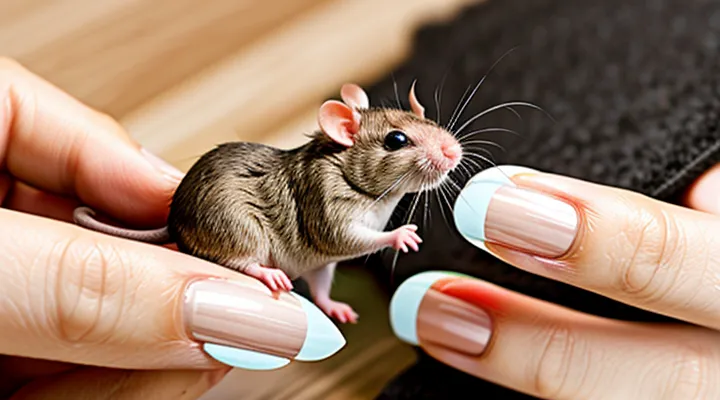
Why Trim Rat Nails?
Health Benefits
Regular nail maintenance for rats contributes directly to physical well‑being. Short, smooth claws eliminate sharp edges that can puncture skin or cause accidental self‑injury during climbing or grooming.
Key health advantages include:
- Decreased risk of bacterial and fungal infections caused by torn or overgrown nails.
- Improved locomotion; shortened claws allow natural foot placement, reducing strain on joints and muscles.
- Enhanced skeletal health; proper nail length prevents abnormal pressure on toe bones, supporting normal growth.
- Better overall hygiene; trimmed nails reduce accumulation of debris and fecal matter, lowering odor and contamination in the cage environment.
- Lowered stress levels; rats experience fewer painful encounters with cage furnishings, leading to steadier weight gain and more consistent activity patterns.
Implementing a systematic trimming routine therefore safeguards the animal’s physiological functions, minimizes veterinary interventions, and maintains a clean, stable habitat.
Preventing Scratches and Injuries
Proper rat nail trimming reduces the risk of accidental scratches and injuries for both the animal and its caretaker. Sharp claws can puncture skin, cause bleeding, and introduce infection. Maintaining short, smooth nails eliminates these hazards.
Before beginning, gather a pair of small animal nail clippers, a styptic powder or cornstarch, and a secure holding device such as a soft towel or specialized rat restrainer. Ensure the work area is well‑lit and free of distractions.
- Secure the rat gently but firmly, exposing the paws without causing stress.
- Examine each nail; the clear, pinkish portion (the quick) is visible in light‑colored nails. In dark nails, trim only the tip to avoid cutting the quick.
- Clip a small segment—no more than 1 mm—at a time, rotating the clipper to achieve a clean cut.
- After each clip, press a small amount of styptic powder onto the cut edge to stop bleeding if it occurs.
- Repeat the process for all four paws, alternating sides to keep the rat calm.
Regular trimming, performed weekly or bi‑weekly depending on nail growth, maintains a safe length. If a nail is accidentally over‑trimmed, apply pressure with sterile gauze until bleeding stops, then monitor for signs of infection. Frequent observation of the rat’s gait and behavior helps detect any discomfort early.
By following these precise steps, caretakers minimize the potential for scratches, protect skin integrity, and promote overall health for both rat and handler.
Improving Rat Comfort
When trimming a rat’s nails, the animal’s comfort determines the success of the procedure and reduces the risk of injury. A calm environment, proper handling, and post‑trimming care create a stress‑free experience for both pet and owner.
Maintain a quiet space free of sudden noises and bright lights. Allow the rat to acclimate to the work area for several minutes before beginning. Use a soft, non‑slipping surface such as a silicone mat to prevent slipping and to give the rat a stable footing.
- Hold the rat gently but securely, supporting the body with one hand while the other hand steadies the foot.
- Apply a small amount of veterinary‑grade lubricant to the nail tip to ease the clipper’s entry.
- Clip only the transparent portion of the nail; avoid the pink, blood‑filled area.
- Immediately after clipping, press a sterile styptic powder or cornstarch onto the cut edge to stop any bleed.
After the session, offer a favorite treat and a brief period of unrestricted movement in a familiar enclosure. Regularly inspect the paws for signs of irritation or over‑growth, adjusting the trimming schedule as needed. Consistent attention to these comfort measures ensures the rat remains healthy and cooperative during nail maintenance.
Gathering Your Tools
Nail Clippers
Human Nail Clippers
Human nail clippers are the most reliable instrument for cutting rat claws when precision and safety are required. The tool’s straight, beveled blades create a clean incision, minimizing the risk of splintering the delicate keratin. The built‑in lever amplifies hand pressure, allowing a firm grip on the tiny toe without excessive force.
When preparing a rat for nail trimming, follow these steps:
- Secure the animal gently but firmly, using a soft towel or a specialized restraint device.
- Inspect each claw; identify the transparent, pinkish area (the quick) and avoid it.
- Position the clipper so the blade contacts the tip of the claw, just beyond the quick.
- Apply steady pressure until the blade snaps cleanly; release immediately to prevent crushing.
- Examine the cut edge for smoothness; repeat for any remaining claws.
Key features of a suitable clipper include stainless‑steel construction for durability, a non‑slip handle for control, and a curvature that matches the natural angle of rodent nails. Models with a safety guard are preferable, as they reduce the chance of accidental injury to the animal or the operator. Regular cleaning with antiseptic solution prevents bacterial buildup and maintains cutting efficiency.
Proper selection and use of human nail clippers streamline the trimming process, delivering consistent results while preserving the rat’s comfort and health.
Small Pet Nail Clippers
Small pet nail clippers are essential tools for safely shortening a rat’s claws. Their compact size fits comfortably in a hand, allowing precise control over the cutting edge. The blades are typically stainless steel, providing durability and resistance to corrosion, while a spring‑loaded mechanism returns the cutter to the open position after each trim, reducing hand fatigue.
When selecting a pair for rat nail care, consider the following attributes:
- Blade length of 1‑2 mm for fine cuts.
- Rounded tip to prevent accidental puncture of delicate tissue.
- Ergonomic grip that fits a small hand.
- Non‑slip surface for stable handling.
Proper technique minimizes stress for the animal. Hold the rat gently but securely, exposing the nail by pulling back the toe pad. Position the clipper so the blade meets the translucent portion of the nail, avoiding the pink quick. Apply steady pressure until the nail snaps cleanly, then release. Repeat for each digit, checking for smooth edges after every cut.
After use, clean the blades with warm, soapy water and dry thoroughly to prevent rust. Store the clippers in a protective case to keep the cutting edge sharp. Regular maintenance extends the tool’s lifespan and ensures consistent performance for future trimming sessions.
Styptic Powder or Cornstarch
When a rat’s nail is clipped, even a small incision can cause bleeding that lasts several minutes. Applying a hemostatic agent immediately stops the flow and reduces stress for both animal and handler. Two common options are styptic powder and cornstarch; each has distinct properties and proper usage techniques.
Styptic powder contains a mineral compound, typically aluminum sulfate, that contracts blood vessels and accelerates clot formation. To use it, dip a clean cotton swab into the powder, then press the swab gently against the bleeding tip for no more than five seconds. The powder should form a grayish crust that seals the wound. Discard any excess powder to prevent irritation of surrounding fur.
Cornstarch works as a mechanical absorbent. Sprinkle a small amount directly onto the bleeding nail tip, then apply light pressure with a sterile gauze pad for a few seconds. The starch absorbs blood and creates a temporary barrier, allowing natural clotting to occur. After the bleeding stops, brush away residual starch to avoid clumping in the rat’s bedding.
Advantages and considerations:
-
Styptic powder
- Rapid clotting within seconds
- May cause mild skin irritation if overapplied
- Requires a dedicated applicator to avoid cross‑contamination
-
Cornstarch
- Readily available, inexpensive
- Slower clotting compared to mineral agents
- Safe for repeated use, but less effective on larger vessels
For optimal results, keep both agents on hand. Use styptic powder for immediate control of brisk bleeding, and reserve cornstarch for minor oozing or when a milder option is preferred. After treatment, monitor the nail for continued bleeding; if bleeding persists beyond two minutes, reapply the chosen agent or seek veterinary assistance.
Towel or Blanket
A clean, absorbent towel or a soft blanket serves as the primary surface for securing a rat during nail trimming. The material should be large enough to wrap the animal comfortably while providing a stable base that prevents slipping.
- Choose a towel made of cotton or microfiber; both absorb moisture and resist tearing.
- If a blanket is preferred, select a fleece or low‑pile fabric that does not shed fibers.
- Lay the chosen item on a flat, non‑slippery surface such as a tabletop or a grooming mat.
- Dampen the towel or blanket lightly with warm water to relax the rat’s muscles and reduce stress.
- Place the rat in the center, then gently fold the edges over the body, leaving the paws exposed for access.
The chosen fabric must withstand repeated washing, as blood or nail dust can accumulate. After each session, launder the towel or blanket at a temperature of at least 60 °C to eliminate bacteria. Regular inspection for wear ensures the material remains effective and safe for future grooming.
Treats
Treats serve as an effective tool for encouraging cooperation while trimming a rat’s nails. A small, high‑value reward creates a positive association, reduces stress, and makes the animal more likely to remain still during the procedure.
- Soft fruit pieces (e.g., banana, apple)
- Low‑fat cheese cubes
- Commercial rodent biscuits
- Small pieces of cooked chicken or turkey
When using treats, follow these steps:
- Offer a treat before handling to establish a calm baseline.
- Apply a second treat while gently securing the rat’s paw, ensuring the animal focuses on the food rather than the clippers.
- Deliver a final treat immediately after the nail is clipped, reinforcing the successful outcome.
Select treats that are easy to chew, low in sugar, and free of additives that could cause digestive upset. Avoid overly sticky or hard foods that might interfere with grip or cause injury. Limit the total amount to prevent weight gain; a single bite per session is sufficient.
Consistent use of appropriate treats builds a routine in which the rat anticipates a brief reward after each nail‑trimming session, ultimately simplifying the grooming process and maintaining the animal’s health.
Preparing for the Trim
Creating a Calm Environment
A calm environment is essential for safe and effective rat nail trimming. The animal’s stress level directly influences its willingness to remain still, which reduces the risk of accidental cuts.
Begin by selecting a quiet room away from loud appliances and foot traffic. Close windows to block sudden noises, and turn off televisions or radios. Dim lighting minimizes visual stimulation without compromising visibility; a focused lamp provides adequate illumination on the paws.
Prepare the work surface with a non‑slippery mat. Lay a soft towel on the mat to cushion the rat and prevent it from sliding. Keep all tools—nail clippers, gauze, and a styptic powder—within arm’s reach to avoid unnecessary movements.
Use a gentle handling technique:
- Hold the rat’s body with one hand, supporting the neck and back.
- With the other hand, gently extend a paw, exposing the nail.
- Apply a light pressure to the toe pad to separate the nail from the quick.
Maintain a steady voice, speaking in low tones throughout the procedure. Soft vocalizations can reassure the rat and mask ambient sounds.
After each cut, inspect the nail for any signs of bleeding. If bleeding occurs, apply a small amount of styptic powder and press a gauze pad for a few seconds. Return the rat to its cage promptly, allowing it to settle in a familiar environment.
Conclude the session by rewarding the rat with a treat and a brief period of calm handling. This reinforces the positive association with nail trimming and encourages cooperation in future sessions.
Acclimating Your Rat to Handling
Proper handling prepares a rat for nail maintenance, minimizes stress, and reduces the risk of injury during trimming. Consistent, gentle interaction builds trust, allowing the animal to remain calm when its paws are examined.
Create a predictable environment. Keep the cage in a quiet area, limit sudden noises, and handle the rat at the same time each day. Use a soft towel or a small fleece blanket as a surface for the rat to sit on while you work. Have treats ready to reward cooperative behavior.
- Approach the rat slowly, allowing it to sniff your hand before any contact.
- Place one hand flat on the rat’s back, supporting the body without restricting breathing.
- With the other hand, gently lift a front paw, exposing the toes. If the rat resists, pause and offer a treat before retrying.
- Hold the paw for a few seconds, then release. Repeat the process with each paw over several sessions.
- Gradually increase the duration of each handling episode, aiming for 2–3 minutes per session after a week of practice.
- Pair each successful handling attempt with a small piece of favorite food, reinforcing positive association.
Observe the rat’s body language. Flattened ears, rapid breathing, or vigorous attempts to escape indicate discomfort; reduce session length and return to basic exposure steps. Consistent practice, calm movements, and timely rewards produce a rat that accepts handling without fear, facilitating safe and efficient nail trimming.
Practicing Without Clipping
Practicing the technique of trimming rat nails without making actual cuts builds confidence and refines motor control. Begin by assembling all tools—nail clippers, a small restraining cup, and a soft towel—so that hand placement remains consistent during rehearsal. Hold the restraining cup as you would with a live animal, then simulate the grip on a dummy paw made from silicone or a rolled piece of soft foam. Repeating this motion trains the thumb‑index coordination needed to apply precise pressure without damaging the nail bed.
- Position the simulated paw on a stable surface; align the clipper blades at a 45‑degree angle to the nail’s curvature.
- Practice opening and closing the clippers slowly, noting the force required to snap the blades.
- Observe the visual cue of the clipper’s tip meeting the nail edge; stop the motion before the tip reaches the quick in the dummy model.
- Record the time taken for each simulated cut; aim for a steady, repeatable duration of 1–2 seconds.
After mastering the dry run, transition to a live rat with the same hand positions and tool handling. The prior rehearsal reduces hesitation, ensures consistent pressure, and minimizes the risk of accidental clipping. Regular non‑cutting practice maintains proficiency, especially for handlers who trim infrequently.
The Trimming Process
Holding Your Rat Securely
A secure grip prevents injury to both the animal and the handler during nail trimming. The rat must feel restrained but not threatened; confidence in the hold reduces stress and allows precise cutting.
Prepare a clean, flat surface and gather the following items: a soft towel or small blanket, a pair of veterinary‑grade nail clippers, a styptic powder for accidental bleeding, and a gentle voice cue. Ensure the towel is free of loose threads that could entangle the paws.
The restraining method proceeds in three stages:
- Wrap the rat – lay the towel on the work area, place the rat in the center, and gently fold the edges over the body, leaving the head exposed. The fabric should be snug enough to limit movement without compressing the chest.
- Secure the front paws – with one hand, hold the forepaws against the towel, using the thumb and forefinger to apply light pressure near the base of each paw. This steadies the digits while keeping blood flow intact.
- Stabilize the hind limbs – use the opposite hand to support the hindquarters, sliding the towel’s remaining edge under the hind paws. Maintain a firm but relaxed grip; the rat’s tail can be gently guided away from the clippers.
During the procedure, keep the rat’s eyes on a fixed point and speak softly. If the animal struggles, pause, reassess the wrap tension, and resume only when the grip feels secure. This approach minimizes the risk of slipping or accidental cuts, ensuring a clean, efficient nail trim.
Identifying the Quick
When trimming a rat’s claws, the quick is the vascular tissue that runs inside the nail. Cutting into the quick causes bleeding and pain, so precise identification is essential.
- Hold the rat gently but securely; the paw should be relaxed.
- Examine the nail under good lighting. In light‑colored nails, the quick appears as a pinkish line extending from the base toward the tip. In dark nails, the quick is less visible; gently press the nail tip with a blunt instrument to reveal a slight translucency where the quick ends.
- Use a magnifying lens if necessary. The boundary between the quick and the keratinized portion is marked by a subtle change in color and texture.
- If uncertainty remains, trim only the distal half of the nail. Repeated trimming will gradually shorten the quick, making future identification easier.
Recognizing the quick reduces the risk of injury and promotes faster healing if accidental cuts occur. Regular observation and conservative trimming maintain nail health without compromising the rat’s comfort.
The Clipping Technique
Small, Controlled Snips
Small, controlled snips are the cornerstone of a successful rat nail trimming process. Precise cuts prevent splitting, reduce bleeding, and keep the animal calm.
Key considerations
- Use a pair of straight‑edge, sharp nail clippers designed for rodents.
- Hold the rat gently but firmly, supporting the body with one hand while the other guides the clippers.
- Identify the nail’s quick, the pink vascular tissue visible through the translucent nail. Avoid the quick to minimize pain and hemorrhage.
Technique
- Position the clipper blades parallel to the nail’s curvature.
- Apply a smooth, brief pressure to remove only the tip, no more than 1–2 mm per cut.
- Release the pressure immediately after the snip; do not linger on the nail.
- Inspect the cut edge; if a sharp point remains, repeat the controlled snip on that segment.
Safety measures
- Perform trimming in a well‑lit area to enhance visibility of the quick.
- Keep styptic powder or a hemostatic agent nearby for accidental quick contact.
- Limit each session to a few nails; allow the rat to recover before proceeding with the remainder.
By adhering to these precise, limited motions, the operator achieves clean, painless nail reduction while preserving the rat’s health and comfort.
Avoiding the Quick
When clipping a rat’s nails, the most common source of pain and bleeding is accidental contact with the quick, the vascular tissue that runs beneath the nail tip. Precise identification of the safe cutting zone prevents trauma and reduces the need for veterinary intervention.
- Examine the nail in natural light; the quick appears as a pink or dark line extending from the base toward the tip.
- For light‑colored nails, the quick is visible as a distinct pink band; for dark nails, trim only the clear, translucent tip.
- Use a small, sharp nail clipper designed for rodents; apply steady pressure to cut no more than 1 mm beyond the visible tip.
- If uncertainty remains, trim a fraction of a millimeter, then re‑examine the nail; repeat until the desired length is reached.
- Keep styptic powder or cornstarch nearby to control minor bleeding should the quick be nicked inadvertently.
Regular, brief trimming sessions allow the quick to recede gradually, making future cuts safer. Maintaining a calm environment and handling the rat gently further reduces stress, ensuring accurate cuts and healthy nails.
What to Do if You Cut Too Deep
If a rat’s nail is trimmed too deep, bleeding can start within seconds. Immediate control of the flow prevents excessive loss and reduces stress for the animal.
- Apply gentle pressure with a clean, dry gauze pad for 1–2 minutes.
- If bleeding persists, add a small amount of styptic powder or a commercially available styptic pencil directly to the wound.
- Maintain pressure for an additional 30–60 seconds until the blood stops.
After the bleeding stops, clean the area with a mild antiseptic solution, such as diluted chlorhexidine. Pat the nail dry with a sterile gauze, then monitor for signs of infection: swelling, redness, or discharge. Keep the rat’s cage dry and limit activity that could strain the injured toe for 24–48 hours.
Seek veterinary assistance if any of the following occur:
- Bleeding continues after repeated pressure and styptic application.
- The nail appears torn or the quick is exposed.
- The rat shows signs of pain, limping, or behavioral changes.
Prompt, precise action and vigilant aftercare minimize complications and support rapid recovery.
Post-Trim Care
Rewarding Your Rat
Rewarding a rat immediately after nail trimming reinforces the calm behavior required for future sessions. The association between the procedure and a positive outcome reduces stress and encourages cooperation.
Effective rewards fall into three categories:
- Small pieces of high‑value food such as a fragment of fresh fruit, a few seeds, or a tiny amount of commercial rodent treat.
- Brief periods of gentle handling, including soft petting or a short hand‑out session.
- Enrichment items like a new chew toy, a tunnel segment, or a puzzle feeder introduced for a few minutes.
Deliver the chosen reward within seconds of completing the trim. Use a portion size that satisfies the rat without causing over‑eating; a bite‑sized treat is sufficient. Follow the reward with a short, calm interaction to solidify the positive link.
Maintain consistency by offering the same type of reward for each trimming event, then introduce occasional variations to keep the rat engaged. Record which incentives produce the strongest response and adjust the schedule accordingly.
Avoid sugary or high‑fat treats that could affect health, and ensure any new toys are safe, free of sharp edges, and appropriate for the rat’s size. Regularly clean and inspect enrichment items to prevent contamination.
Observing for Bleeding or Discomfort
During a rat nail‑clipping session, immediate visual checks are essential. Look for any red fluid emerging from the cut surface; even a few drops indicate that the quick, the vascular core of the nail, has been breached. If blood appears, apply gentle pressure with a clean, absorbent material until it stops, then assess whether the nail needs further trimming or if the session should be paused.
Observe the animal’s behavior for signs of pain. Rapid limb withdrawal, vocalizations, or attempts to bite the clipped area suggest discomfort. Also monitor for swelling or discoloration around the nail bed, which may develop within minutes after the cut.
Key indicators to watch:
- Fresh blood on the nail or surrounding fur
- Sudden, sharp limb movement during or after clipping
- Audible squeaks or growls linked to the procedure
- Swelling, redness, or bruising around the nail
If any of these are present, cease trimming, treat the wound, and allow recovery before proceeding further. Consistent monitoring reduces the risk of prolonged injury and promotes a safe clipping routine.
Regular Maintenance Schedule
A consistent trimming routine prevents overgrowth, reduces injury risk, and supports overall health in pet rodents.
Trim rat nails according to the following timetable:
- Weekly check – Inspect each paw for length, texture, and signs of cracking. If the nail extends beyond the toe pad, schedule a trim within the next 24 hours.
- Bi‑weekly trim – Use a small animal nail clipper to shorten the tip by no more than 1 mm. Avoid the quick, which appears as a pink line in light‑colored nails.
- Monthly review – Weigh the animal, record nail length, and adjust clipping frequency if growth rate changes. Document any bleeding incidents and corrective actions.
- Quarterly health assessment – Include nail condition in the veterinary check‑up. Request professional evaluation if nails become deformed or excessively thick.
Maintain a simple log: date, nail length measurement, tool used, and observations. Consistent entries reveal patterns, enable timely interventions, and provide useful data for veterinary consultations.
Troubleshooting and Tips
Dealing with Uncooperative Rats
When a rat resists handling, nail trimming becomes risky for both the animal and the caretaker. Success depends on establishing a calm environment, using appropriate restraint, and applying precise technique.
First, create a quiet area free of sudden noises. Dim lighting reduces stress. Place a soft towel on a flat surface; the towel acts as a temporary cage that prevents the rat from slipping while allowing quick access to its paws.
Second, employ gentle restraint. Hold the rat behind the shoulders with one hand, thumb and forefinger forming a secure but not crushing grip. The other hand supports the hindquarters. This position keeps the spine aligned and limits sudden movements.
Third, locate the nail’s growth point. The visible pink area (the quick) contains blood vessels and nerves. Trim only the transparent tip, leaving at least 1 mm of the nail intact. Cutting into the quick causes bleeding and reinforces fear.
Fourth, use a high‑quality, sharp nail clipper designed for small mammals. Apply steady pressure and release in a single motion. If the clipper slips, pause, reassess the grip, and retry.
Fifth, address bleeding immediately. Press a small piece of sterile gauze or a styptic powder directly onto the cut for 10–15 seconds. Verify that bleeding stops before proceeding to the next nail.
Sixth, repeat the process for each paw, alternating sides to prevent fatigue. Limit the session to 5–7 minutes; longer attempts increase agitation. If the rat becomes overly stressed, pause, offer a brief rest, and resume later or on the following day.
Key points to remember:
- Quiet, controlled setting
- Proper towel restraint
- Thumb‑forefinger grip behind shoulders
- Clip only the clear nail tip
- Immediate hemostasis for any bleeding
- Short, incremental sessions
Consistent application of these steps reduces resistance, minimizes injury, and builds the rat’s tolerance to handling, ultimately simplifying future nail maintenance.
Seeking Professional Help
Professional assistance becomes necessary when a rat’s nails are overgrown, bleed frequently, or cause gait abnormalities. These conditions indicate that self‑trimming may pose a risk of injury or infection.
Professional services provide precise cutting, reduced stress for the animal, and immediate treatment of any complications. Trained technicians use sterilized tools and understand species‑specific anatomy, which minimizes pain and prevents damage to the quick.
When choosing a provider, consider the following criteria:
- Certified veterinary technician or licensed exotic‑animal specialist.
- Documented experience with rodents, especially rats.
- Clean, well‑maintained facility with disposable or autoclaved instruments.
- Positive client reviews or referrals from a veterinarian.
During a professional session, the practitioner conducts a visual inspection, trims the nail to the appropriate length, and applies a mild antiseptic if needed. Aftercare instructions include monitoring for swelling, limiting climbing activity for 24 hours, and scheduling regular check‑ups to maintain nail health.
Alternative Nail Care Methods
Rough Surfaces
When trimming a rat’s nails, the condition of the work surface directly influences precision and safety. Rough textures increase the likelihood of slipping, which can cause accidental injury to the animal or the handler. Selecting an appropriate surface mitigates these risks.
A stable, smooth platform should be placed on a non‑slip mat. If a rough surface is unavoidable, apply a thin layer of medical‑grade silicone or a disposable adhesive pad to create a uniform base. Ensure the pad adheres firmly and does not shift during the procedure.
Key considerations for managing uneven work areas:
- Inspect the surface for debris, cracks, or irregularities before each session.
- Use a low‑profile, non‑reflective surface to reduce visual distortion.
- Position the rat on its back with the forepaws gently restrained; a soft towel can provide additional friction without adding roughness.
- Keep trimming tools (e.g., stainless‑steel nail clippers) within easy reach to avoid unnecessary movements.
If a rough surface cannot be eliminated, adopt the following technique:
- Place a disposable, textured pad over the area.
- Secure the pad with a small clamp or medical tape.
- Align the rat’s paw on the pad, ensuring the nail tip is visible.
- Trim the nail by cutting no more than 1 mm beyond the transparent quick, then release the clamp promptly.
After each trimming session, clean the surface with an alcohol‑based disinfectant and replace disposable pads to maintain hygiene and consistent texture. This routine preserves the integrity of the work area and supports repeatable, accurate nail clipping for rats.
Playtime Enrichment
Playtime enrichment provides the mental and physical stimulation that reduces a rat’s anxiety during nail‑clipping sessions. Engaging the animal with novel toys, tunnels, and foraging puzzles before handling creates a calm state, allowing the caretaker to focus on precise cutting without the animal’s sudden movements.
Effective enrichment strategies include:
- Rotating small chewable objects every few days to maintain interest.
- Introducing a maze of cardboard tubes that encourages exploration and gentle stretching of the limbs.
- Offering a timed treat dispenser that requires the rat to manipulate a lever, promoting fine‑motor coordination.
- Scheduling brief, interactive sessions with a soft brush to familiarize the rat with tactile contact.
Integrating these activities into the routine shortens the adjustment period for nail maintenance, improves the quality of the cut, and minimizes the risk of injury to both rat and handler.