
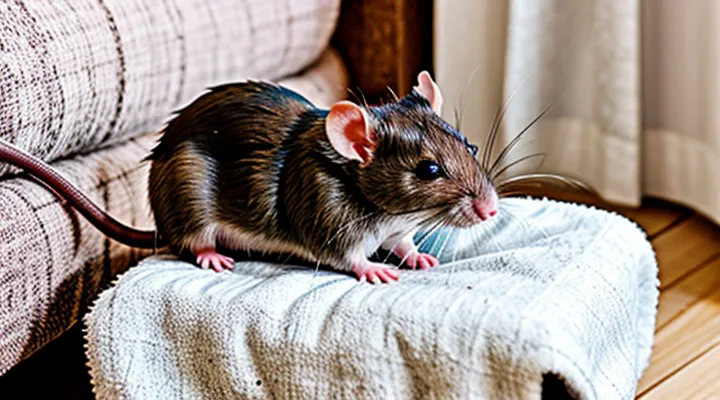
Understanding Rat Colds
Recognizing the Symptoms
Early Signs
Rats with an emerging respiratory infection often display subtle changes before a full‑blown cold develops. Recognizing these early indicators enables timely home care and reduces the risk of complications.
- Nasal discharge that is clear or slightly cloudy, appearing on the whiskers or around the nostrils.
- Slightly reduced activity level; the rat may linger in the corner of the cage rather than explore.
- Audible wheezing or soft clicking sounds during breathing, especially when the animal is at rest.
- Occasional sneezing episodes, more frequent than occasional grooming noises.
- Slightly damp fur around the face, indicating increased mucus production.
Additional observations that merit attention include a modest drop in food or water intake and a mild increase in grooming of the nose area. Monitoring temperature and humidity within the enclosure can help distinguish normal seasonal changes from pathological signs. Prompt identification of these symptoms supports effective home treatment measures such as humidified air, saline nasal rinses, and supportive nutrition.
Advanced Symptoms
Rats with progressing respiratory infections exhibit signs that go beyond mild nasal discharge and occasional sneezing. Recognize these advanced manifestations promptly to prevent deterioration.
- Labored breathing, characterized by rapid, shallow breaths or visible flaring of the nostrils.
- Persistent coughing, often dry and hacking, indicating irritation of the lower airway.
- Wheezing or rattling sounds audible without a stethoscope, suggesting airway obstruction.
- Nasal discharge that changes from clear to thick, yellow‑green, or blood‑tinged, reflecting secondary bacterial involvement.
- Reduced activity levels, lethargy, and loss of appetite, signaling systemic impact.
- Fever, detectable by a rectal temperature exceeding the normal range of 99‑101 °F (37.2‑38.3 °C).
- Ocular discharge or swelling around the eyes, indicating spread of infection to adjacent tissues.
These indicators warrant immediate veterinary consultation and supportive care at home, such as maintaining a warm, humid environment, ensuring hydration, and administering prescribed medications. Continuous monitoring of symptom progression is essential for effective management.
Differentiating from Other Illnesses
Rats with a mild upper‑respiratory infection display specific signs that set the condition apart from other common ailments. Recognizing these differences guides effective home care and prevents unnecessary escalation.
- Nasal discharge: Clear or slightly cloudy mucus, often accompanied by frequent sneezing. In contrast, purulent, yellow‑green discharge suggests a bacterial infection such as pneumonia.
- Breathing pattern: Slightly rapid, shallow breaths without audible wheezing. Persistent wheezing, labored effort, or audible rattling indicates lower‑respiratory involvement or bronchitis.
- Eye condition: Mild watery eyes may accompany a cold. Conjunctival swelling, redness, or discharge points to ocular infection or allergic reaction.
- Behavioral changes: Reduced activity, mild lethargy, and occasional loss of appetite are typical. Severe anorexia, weight loss, or aggressive self‑grooming of the snout often signal dental disease or gastrointestinal distress.
- Temperature: Normal body temperature (≈101 °F) with a cold. Fever (temperature above 103 °F) generally accompanies more serious infections.
When evaluating a pet rat at home, compare observed symptoms against this checklist. If signs align with a simple cold—clear discharge, mild respiratory changes, and stable temperature—supportive measures such as humidified air, a warm environment, and hydration are appropriate. Presence of pus, fever, pronounced wheezing, or rapid health decline warrants veterinary assessment to rule out pneumonia, dental abscesses, or systemic illness.
Home Care Strategies
Creating a Comfortable Environment
Temperature and Humidity
Maintain a stable ambient temperature to support a recovering rat’s immune function. Aim for a consistent range of 20‑24 °C (68‑75 °F); temperatures below this threshold can increase metabolic stress, while higher levels may exacerbate dehydration. Use a thermometer placed at the cage level to monitor fluctuations and adjust heating pads or room heating accordingly. Avoid direct drafts that could cause rapid cooling of the animal’s extremities.
Control humidity to prevent the respiratory tract from drying out, which hinders mucus clearance. Target a relative humidity of 45‑55 %. A hygrometer positioned near the enclosure provides real‑time data. If humidity falls below the desired range, introduce a humidifier set to a low output or place a shallow water dish inside the cage, ensuring the water source is changed daily to prevent bacterial growth.
Key environmental parameters:
- Temperature: 20‑24 °C (68‑75 °F) ± 1 °C
- Relative humidity: 45‑55 %
- No drafts or direct airflow across the cage
- Daily verification of thermometer and hygrometer readings
Adjustments should be made promptly when measurements deviate from the specified limits. Consistent environmental conditions reduce additional physiological strain, allowing the rat’s respiratory system to recover more efficiently.
Bedding and Nesting Material
Providing a warm, dry, and low‑dust environment is essential when a pet rat suffers from a respiratory infection. Bedding directly influences temperature regulation and air quality; poor choices can exacerbate congestion and prolong recovery.
- Untreated shredded paper (e.g., plain printer paper, newspaper without ink)
- Unbleached cotton towels or fleece blankets
- Soft wood pulp bedding labeled “low dust”
- Hemp or straw bundles, provided they are clean and dry
These materials retain heat, absorb moisture, and release minimal particles. Replace them daily or whenever dampness appears. Wash reusable items in hot water, dry thoroughly, and ensure no residual scent or detergent remains.
Construct a nest by layering the selected bedding into a shallow corner of the cage. Shape the material into a cup‑like structure that the rat can curl into. Position the nest away from direct drafts, near a heat source such as a low‑wattage ceramic heater set to a safe temperature.
Avoid cedar, pine, or scented bedding because aromatic oils irritate the respiratory tract. Do not use clumping cat litter or any material that fragments into fine dust. Regular inspection for mold, urine saturation, or strong odors prevents secondary infections.
By maintaining clean, insulating bedding and a well‑formed nest, the rat experiences reduced stress on the respiratory system, supporting faster recovery.
Nutritional Support
Hydration Techniques
Adequate fluid intake is essential for a rat recovering from an upper‑respiratory infection. Dehydration accelerates tissue damage, impairs mucociliary clearance, and prolongs illness.
- Provide a clean water bottle with a low‑profile sipper; replace water twice daily to ensure freshness.
- Add a few drops of unsweetened fruit juice or diluted electrolyte solution (e.g., Pedialyte at 1:4 ratio) to encourage drinking without upsetting the stomach.
- Offer moist foods such as softened pellets, plain oatmeal, or canned pumpkin; these increase fluid consumption while supplying nutrients.
- Administer small volumes (0.2–0.3 ml) of sterile saline or commercial oral rehydration fluid via a 1 ml syringe placed gently into the side of the mouth; repeat every 4–6 hours if the rat refuses water.
- Maintain ambient humidity between 50–60 % with a room humidifier; higher moisture levels reduce nasal crusting and improve inhalation of water vapor.
- Monitor urine output and skin turgor; a decrease in wet spots on bedding or a sluggish skin pinch indicates dehydration.
Observe the rat for signs of worsening condition—lethargy, sunken eyes, or weight loss exceeding 5 % of body mass. If any appear, consult a veterinarian promptly. Consistent hydration, combined with a warm, draft‑free environment, supports immune function and accelerates recovery.
Appetite Stimulation
When a pet rat suffers from a respiratory infection, reduced food intake can impede recovery. Maintaining adequate nutrition supplies energy for immune function and prevents weight loss that may worsen the condition. Directly addressing loss of appetite should be a priority in any home‑based care plan.
Effective methods to stimulate a rat’s appetite include:
- Offering fresh, high‑protein foods such as boiled egg, cooked chicken, or low‑fat cottage cheese in small, frequent portions.
- Adding a few drops of unsweetened fruit juice or a thin broth to regular pellets to enhance scent and flavor.
- Providing warm, moist foods (e.g., oatmeal softened with water) to increase palatability and ease chewing for a congested animal.
- Introducing novel treats like small pieces of banana or apple, ensuring they are bite‑size to prevent choking.
- Using commercially available appetite‑enhancing supplements formulated for small rodents, following dosage instructions precisely.
Monitor intake closely; if a rat refuses all offerings for more than 24 hours, consult a veterinarian promptly. Early nutritional support reduces the risk of complications and accelerates convalescence.
Air Quality and Ventilation
Dust Reduction
Dust can aggravate respiratory symptoms in a pet rat recovering from a cold. Reducing airborne particles creates a cleaner environment that supports faster healing and minimizes the risk of secondary infections.
- Remove all bedding that sheds fibers; opt for paper‑based or fleece options that produce little dust.
- Clean the cage daily with mild, fragrance‑free soap and rinse thoroughly to eliminate residue.
- Vacuum the room surrounding the cage using a HEPA‑rated vacuum cleaner; empty the canister outside the home.
- Install a small air purifier equipped with a HEPA filter near the cage; run it continuously while the rat is housed.
- Avoid aerosol sprays, scented candles, and incense, as they introduce additional particulates.
- Wash your hands after handling the rat and before entering other areas of the house to prevent dust transfer.
Maintain low humidity (40‑50 %) to discourage mold growth, which can also contribute to respiratory irritation. Regularly inspect the cage for signs of dust accumulation and address them promptly. These steps create a low‑dust environment that directly benefits a rat’s nasal passages and overall respiratory health during convalescence.
Avoiding Irritants
When a pet rat shows signs of a respiratory infection, the surrounding environment can either support recovery or aggravate symptoms. Irritants that provoke nasal congestion, coughing, or sneezing must be eliminated to give the animal the best chance of healing.
Reduce airborne particles by keeping the cage free of dust and bedding fragments. Use a low‑dust substrate such as paper‑based pellets, and replace soiled bedding daily. Vacuum the room with a HEPA‑filtered unit to capture lingering particles that could be inhaled.
Avoid strong odors that irritate the nasal passages. Eliminate scented candles, incense, essential‑oil diffusers, and heavily perfumed cleaners. When cleaning the cage, choose fragrance‑free, non‑toxic solutions and rinse thoroughly to remove residue.
Maintain stable temperature and humidity. Prevent drafts from open windows, fans, or air‑condition vents that blow directly onto the cage. Aim for a consistent ambient temperature between 68–74 °F (20–23 °C) and humidity around 50 %. A small humidifier set to a low output can keep the air moist without creating dampness that encourages mold.
Limit exposure to chemicals. Keep aerosol sprays, disinfectants, and nicotine smoke out of the rat’s environment. Store all cleaning agents in sealed containers and use them only after the cage has been removed from the room.
Practical checklist
- Choose low‑dust bedding; replace daily.
- Use HEPA filtration for room air.
- Remove scented candles, incense, and essential‑oil diffusers.
- Clean with fragrance‑free, non‑toxic solutions; rinse well.
- Shield the cage from direct drafts; maintain 68–74 °F (20–23 °C).
- Keep humidity near 50 % with a gentle humidifier.
- Prohibit aerosol sprays, disinfectants, and tobacco smoke in the vicinity.
By systematically removing these aggravating factors, the rat’s respiratory system can focus on recovery, reducing the duration and severity of the cold.
When to Seek Veterinary Care
Red Flag Symptoms
When a pet rat shows signs of a respiratory infection, certain symptoms indicate that home care is insufficient and immediate veterinary attention is required.
Severe or rapidly worsening signs suggest complications such as pneumonia, secondary infection, or systemic illness. These red‑flag indicators include:
- Open‑mouth breathing or audible wheezing
- Persistent nasal discharge that is thick, blood‑stained, or foul‑smelling
- Sudden loss of balance, staggering, or inability to move normally
- Marked lethargy, unresponsiveness, or prolonged periods of immobility
- Complete refusal to eat or drink, leading to rapid weight loss
- Fever exceeding normal rat body temperature (approximately 99–101 °F / 37–38 °C)
- Swelling around the eyes, nose, or throat
- Bloody or excessive eye discharge
- Sudden onset of diarrhea or abnormal stool consistency
Presence of any of these signs warrants prompt veterinary evaluation. Delaying professional care can result in irreversible damage or death. Early intervention improves prognosis, reduces suffering, and prevents spread of infection to other rodents in the household.
Persistent or Worsening Conditions
When a pet rat shows a cold, the illness may appear to improve before it actually resolves. Persistent or worsening signs indicate that home care alone is insufficient and professional intervention is required.
Common indicators that the condition is not stabilizing include:
- Nasal discharge that becomes thicker, darker, or foul‑smelling.
- Persistent sneezing or coughing that continues for more than 48 hours.
- Loss of appetite lasting beyond two days, accompanied by noticeable weight loss.
- Lethargy, reduced activity, or difficulty moving, especially if the rat remains on the cage floor.
- Fever, identified by a warm ear base or a temperature above 101 °F (38.3 °C) when measured rectally.
- Swelling around the eyes or muzzle, suggesting secondary infection.
If any of these symptoms are observed, the following actions are recommended:
- Isolate the affected rat to prevent spread to cage mates.
- Maintain a stable, warm environment (ambient temperature 70‑75 °F or 21‑24 °C) and ensure adequate humidity (40‑60 %).
- Provide easy‑to‑eat, high‑calorie foods such as soft pellets, mealworms, or a warmed mixture of baby food.
- Offer fresh water with an electrolyte supplement designed for small mammals.
- Contact a veterinarian experienced with rodents promptly; request a full examination, possible radiographs, and appropriate antibiotics or supportive therapy.
Monitoring should continue at least twice daily. Record temperature, food intake, and behavior changes. A rapid decline—such as sudden collapse, seizures, or inability to breathe—requires immediate emergency care.
By recognizing persistent or deteriorating signs and responding without delay, owners can prevent complications, reduce suffering, and increase the likelihood of a full recovery.
Preparing for a Vet Visit
When a rat exhibits nasal discharge, sneezing, or lethargy, a veterinary assessment becomes necessary. Proper preparation maximizes diagnostic accuracy and reduces stress for the animal.
Record observable details before the appointment. Include:
- Duration of symptoms
- Frequency of sneezing or coughing
- Changes in appetite or water consumption
- Activity level and any weight loss
- Environmental temperature and humidity
Choose a secure carrier that allows ventilation without drafts. Place a familiar nesting material inside to provide comfort. Keep the carrier in a warm, quiet area during transport and avoid sudden temperature shifts.
Gather all relevant documentation. Bring previous medical records, vaccination history, and a list of any over‑the‑counter or prescription medications currently administered. Note any recent changes in diet or housing conditions, as these can influence respiratory health.
Prepare concise questions for the veterinarian. Examples include:
- What diagnostic tests are recommended for respiratory infection?
- Which treatment options are appropriate for a small rodent?
- How should the home environment be adjusted during recovery?
By compiling accurate observations, ensuring safe transport, and supplying complete medical information, the vet visit proceeds efficiently, supporting the rat’s swift return to health.