
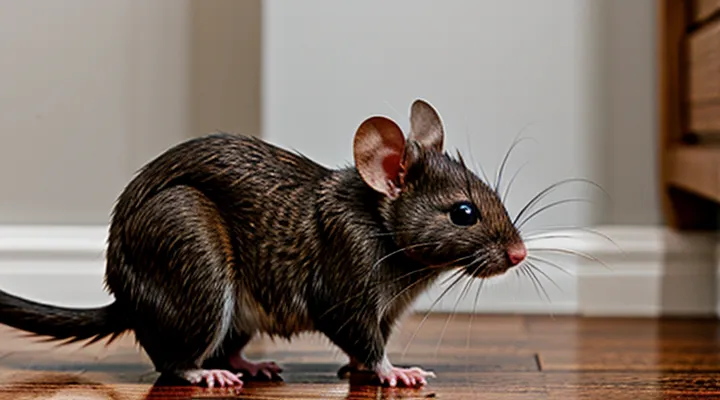
Understanding Your Rat
Rat Behavior Basics
Rats are highly social mammals that establish clear hierarchies within groups. Dominance is expressed through posture, grooming, and occasional mild aggression, while subordinate individuals display retreating behavior and submissive postures. Understanding these dynamics prevents conflicts during taming and encourages cooperation.
Activity patterns align with crepuscular and nocturnal cycles; most movement, exploration, and play occur during twilight and night hours. Providing enrichment during these periods satisfies natural curiosity and reduces stress.
Communication relies on scent marking, ultrasonic vocalizations, and body language. Scent glands located on the cheeks and anal region deposit odors that convey identity and status. Ultrasonic calls, inaudible to humans, signal alarm or social bonding. Visible cues include ear position, whisker orientation, and tail movement.
Key behavioral indicators relevant to taming:
- Approach behavior – forward movement with relaxed body signals willingness to interact.
- Grooming – self‑cleaning and mutual grooming indicate comfort; sudden cessation may signal anxiety.
- Cheek pouches – expanded cheeks suggest excitement or anticipation of food.
- Tail posture – a relaxed, slightly curved tail denotes calm; a stiff, elevated tail can indicate alertness or agitation.
- Vocalizations – soft chirps accompany contentment; high‑pitched squeaks often precede defensive actions.
Recognizing these signs enables precise timing of handling, reward delivery, and environmental adjustments, thereby facilitating a systematic approach to domestication of ornamental rats.
Reading Rat Body Language
Reading rat body language is essential for successful handling and training. Subtle cues reveal stress, curiosity, confidence, and readiness to cooperate.
Key indicators include:
- Ear position: forward ears signal alertness; flattened ears indicate fear or submission.
- Tail movement: a relaxed, gently swaying tail shows comfort; rapid flicking suggests agitation.
- Whisker orientation: whiskers forward denote interest; whiskers pressed against the face denote defensive posture.
- Body posture: a low, crouched stance with tucked abdomen reflects anxiety; an upright, stretched posture conveys confidence.
- Vocalizations: soft chirps accompany contentment; loud squeaks or chattering denote distress or aggression.
- Paw placement: relaxed paws spread slightly; clenched or retracted paws signal tension.
Observe these signals before initiating any training step. Adjust handling techniques to match the rat’s current state, reducing stress and fostering trust. Consistent interpretation of body language accelerates progress toward a well‑behaved, decorative companion.
Preparing for Taming
Creating a Safe Environment
Creating a secure habitat is the foundation of successful rat training. The enclosure must be escape‑proof, with smooth walls and a tightly fitting lid. Stainless‑steel wire mesh should have openings no larger than ¼ inch to prevent accidental exits.
- Choose a cage of at least 2 sq ft per rat; larger spaces reduce stress.
- Line the floor with absorbent, dust‑free bedding such as paper pulp; avoid cedar or pine, which release harmful oils.
- Maintain ambient temperature between 18 °C and 24 °C; use a thermostat‑controlled heater in colder climates.
- Provide a consistent light cycle of 12 hours, using low‑intensity LED fixtures to mimic natural daylight.
- Install ventilation slots near the top of the cage, ensuring fresh air without creating drafts.
Enrichment items must be securely attached. Climbing ropes, chew blocks, and hideaways should be inspected weekly for signs of wear. All objects must be free of toxic coatings and small detachable parts.
Cleaning protocols require daily spot‑cleaning of waste and a full substrate change every 7 days. Disinfect the cage with a dilute solution of veterinary‑grade disinfectant, rinsing thoroughly to eliminate residue.
Health monitoring includes weekly weight checks and observation of behavior. Any signs of respiratory distress, fur loss, or lethargy demand immediate veterinary assessment.
By adhering to these specifications, the environment remains safe, hygienic, and conducive to the gradual domestication of ornamental rats.
Essential Supplies for Taming
Choosing the Right Cage
Selecting an appropriate enclosure is essential for the health and behavior of a decorative rat undergoing taming. The cage must provide sufficient space, secure ventilation, and safe construction to support both physical activity and mental stimulation.
- « cage size »: minimum floor area 2 sq ft (≈0.19 m²) per animal; larger dimensions reduce stress and encourage exploration.
- « ventilation »: multiple openings or mesh panels ensure air exchange without drafts; avoid solid walls that trap heat.
- « material »: stainless steel or powder‑coated metal resists chewing and corrosion; avoid untreated wood that can splinter.
- « accessibility »: removable doors and a wide front panel simplify cleaning and handling; latch mechanisms should be rat‑proof.
- « enrichment hooks »: built‑in brackets allow attachment of climbing ropes, tunnels, and toys, fostering natural foraging behavior.
Additional considerations include placement on a stable, level surface away from direct sunlight and household hazards. Regular cleaning schedules extend the cage’s lifespan and maintain hygiene, further supporting the rat’s well‑being throughout the taming process.
Selecting Appropriate Bedding
Choosing the right substrate is essential for a decorative rat’s comfort and behavior during training. Proper bedding supports hygiene, reduces stress, and encourages natural activities, which in turn facilitates reliable handling.
Key criteria for substrate selection include absorbency, low dust production, non‑toxicity, and ease of cleaning. The material must retain moisture from urine without becoming soggy, while allowing the animal to burrow or nest without respiratory irritation. Avoid products containing aromatic oils or chemically treated fibers, as these can provoke allergic reactions.
Recommended substrates:
- Paper‑based pellets or shredded paper; highly absorbent, virtually dust‑free, biodegradable.
- Untreated wood shavings from aspen or pine; moderate absorbency, natural texture, suitable for burrowing.
- Coconut fibre (coir); excellent moisture control, soft nesting surface, minimal dust.
Maintenance guidelines:
- Replace soiled bedding at least twice weekly; increase frequency during hot weather or after extensive nesting.
- Separate waste from clean material using a two‑layer system: a lower tray for absorbent material, an upper layer for nesting.
- Clean the enclosure with a mild, unscented disinfectant; rinse thoroughly before adding fresh substrate.
Adhering to these practices ensures a healthy environment, promotes natural behaviors, and enhances the effectiveness of the taming process.
Providing Enrichment Toys
Enrichment toys provide necessary mental stimulation for decorative rats during the taming process, reducing stress and encouraging natural foraging behavior. Proper selection and regular rotation of these items support consistent engagement and prevent habituation.
- Puzzle feeders that release small food portions when manipulated
- Chewable wooden blocks with embedded tunnels
- Suspended climbing ropes or ladders attached to the cage interior
- Interactive balls containing hidden treats
- Textured mats offering varied tactile experiences
When choosing toys, prioritize materials that are non‑toxic, easy to clean, and sized appropriately for the animal’s paws. Introduce one new item at a time, observe interaction for 15–30 minutes, and note any signs of disinterest or aggression. Rotate the collection every 3–4 days to maintain novelty.
Safety checks should include examination for splintered wood, loose cords, or small detachable parts that could be ingested. Replace damaged items promptly and store unused toys in a dry, dust‑free container to preserve hygiene.
The Taming Process: Step-by-Step
The Initial Acclimation Period
The initial acclimation period establishes the foundation for successful domestication of a decorative rat. During the first 7‑10 days, the animal adjusts to a new environment, diet, and handling routine. Minimal stress and consistent conditions promote rapid adaptation.
Key elements of this phase include:
- Habitat preparation – Provide a spacious cage with soft bedding, hiding places, and a stable temperature between 20 °C and 24 °C. Ensure ventilation without drafts.
- Dietary transition – Offer a balanced commercial rodent pellet alongside fresh vegetables. Introduce new foods gradually to prevent gastrointestinal upset.
- Observation routine – Conduct brief, daily visual checks for signs of illness, such as lethargy, abnormal respiration, or changes in coat condition. Record observations in a log.
- Gentle handling – Begin with short, calm hand introductions. Allow the rat to approach voluntarily, rewarding calm behavior with treats. Extend handling sessions by a few minutes each day.
Consistent implementation of these practices reduces anxiety, encourages trust, and prepares the rat for more advanced training stages. Failure to maintain stable conditions during this period often results in prolonged fear responses and hindered progress.
Gentle Introduction Techniques
Scent Familiarization
Scent familiarization forms the foundation of a decorative rat’s acceptance of its new environment. The animal relies heavily on olfactory cues to assess safety, locate resources, and recognize its caretaker. Introducing a consistent, pleasant aroma reduces stress and encourages exploratory behavior.
The process begins with selecting a neutral, rat‑safe scent such as lavender or chamomile essential oil diluted to a concentration of 0.5 % in water. Apply the solution to a small cotton pad placed in the cage for 10‑15 minutes, then remove the pad. Observe the rat’s reaction; curiosity and gentle sniffing indicate acceptance, while avoidance suggests the need for a milder scent.
Key steps for effective scent familiarization:
- Choose a non‑irritating, natural fragrance.
- Dilute the scent to a low concentration.
- Introduce the scented element for a limited exposure period.
- Rotate scents weekly to prevent habituation.
- Monitor behavior and adjust concentration accordingly.
Consistent exposure paired with gentle handling reinforces the association between the caretaker’s scent and a safe environment. Over several weeks, the rat will display reduced vigilance and increased willingness to interact, supporting the broader objective of successful domestication.
Voice Association
Voice association refers to the deliberate pairing of specific auditory cues with desired behavioral responses in a decorative rat. By consistently presenting a distinct sound before a rewarding action, the animal learns to link the tone with a positive outcome, facilitating smoother handling and training.
Implementing voice association within the taming process involves several precise steps:
- Choose a clear, consistent sound – a short melodic chime or a gentle click.
- Introduce the sound immediately prior to offering a treat or gentle petting.
- Repeat the pairing multiple times during each training session, maintaining identical volume and timing.
- Observe the rat’s anticipatory posture; signs include ear forward movement and slight whisker twitch.
- Gradually reduce the treat while preserving the sound, reinforcing the auditory cue as the primary motivator.
Consistent application of these steps conditions the rat to respond to the cue alone, reducing reliance on visual prompts and enhancing overall compliance during handling. The result is a more predictable and cooperative animal, essential for successful domestication of ornamental rodents.
Hand-Feeding and Trust Building
Offering Treats
Offering treats constitutes the primary method for establishing trust with a decorative rat. Consistency, timing, and appropriate selection of food items determine the effectiveness of this approach.
Begin each session by presenting a small portion of a preferred treat within the rat’s enclosure. Observe the animal’s response; acceptance indicates readiness for subsequent interactions. If the rat hesitates, reduce the quantity and repeat after a brief interval.
Key considerations for treat selection:
- High‑protein options such as boiled egg yolk, cooked chicken, or low‑fat cheese.
- Fresh fruits and vegetables, limited to small pieces of apple, carrot, or cucumber.
- Commercial rodent treats formulated without excessive sugar or additives.
Guidelines for optimal use:
- Limit each offering to a bite‑sized piece to prevent overfeeding.
- Maintain a regular schedule, delivering treats at the same time daily.
- Rotate varieties to sustain interest and provide balanced nutrition.
- Store treats in airtight containers to preserve freshness and prevent contamination.
Gradual increase in treat frequency, paired with gentle hand‑feeding, reinforces positive association. Over time, the rat will approach voluntarily, facilitating further training steps such as handling and enclosure exploration.
Gradual Hand Interaction
Gradual hand interaction constitutes a critical phase in the domestication of a decorative rat. The process builds trust, minimizes stress, and prepares the animal for more advanced training tasks.
The progression follows a clear sequence:
- Begin with passive observation. Place the hand near the cage without direct contact for several minutes each day, allowing the rat to become accustomed to the presence of a human limb.
- Introduce brief, gentle touches. Lightly tap the cage wall or offer a fingertip brush on the rat’s back for a few seconds, retreating before any sign of agitation.
- Extend contact duration. Increase the time of contact by a few seconds each session, ensuring the rat remains relaxed and does not attempt to flee.
- Encourage voluntary approach. Position a treat on the open palm, waiting for the rat to step onto the hand of its own accord before rewarding.
- Transition to free‑hand handling. Lift the rat gently, supporting the torso and hindquarters, and hold for short intervals, gradually extending the period as confidence grows.
Consistency in timing, environment, and handling technique enhances the effectiveness of each step. Conduct sessions in a quiet area, avoid sudden movements, and maintain a calm voice. Limit interactions to five‑minute periods to prevent fatigue, and repeat the routine daily.
Successful implementation results in a rat that readily accepts hand contact, demonstrates reduced flight response, and is prepared for subsequent training modules such as leash walking or decorative display handling.
Encouraging Physical Contact
Gentle Stroking
Gentle stroking establishes a calm connection between the handler and the ornamental rat, reducing fear and encouraging cooperation.
Effective stroking follows a predictable sequence:
- Approach the rat from the side, keeping movements slow and deliberate.
- Extend a fingertip lightly, allowing the animal to sniff before contact.
- Apply a soft, rhythmic motion along the back, avoiding rapid pressure changes.
- Observe ear position and whisker orientation; relaxed ears and forward‑pointed whiskers indicate acceptance.
- Gradually increase the duration of each session, maintaining the same gentle pressure.
Additional considerations enhance the technique:
- Conduct sessions in a quiet environment to limit external stressors.
- Use a hand that is clean and free of strong scents, preventing sensory distraction.
- Pair stroking with a calm voice, speaking at a low volume to reinforce tranquility.
- Record the rat’s response patterns, adjusting speed and pressure to match individual preferences.
Consistent application of these practices accelerates the taming process, resulting in a confident, cooperative decorative rat.
Lap Time and Play
Effective training of a decorative rat relies on two measurable components: the duration of each lap session and the quality of interactive play.
Lap time defines the period in which the animal remains focused on a specific task, such as navigating a miniature obstacle course or following a scent trail. Short, consistent intervals prevent fatigue and reinforce learning. Recommended parameters include:
- Sessions lasting 5–10 minutes, adjusted according to the rat’s age and stamina.
- Rest periods of equal length between laps to maintain engagement.
- Gradual extension of lap duration by 1–2 minutes each week, ensuring steady progress without overstress.
Play complements lap time by providing mental stimulation and strengthening the bond between caretaker and pet. Structured play activities should incorporate:
- Puzzle toys that require problem‑solving to access treats.
- Gentle tug‑of‑war with soft cords, encouraging safe grasping.
- Rotating enrichment objects to avoid habituation.
Monitoring both lap time and play intensity yields quantifiable data for adjusting the training regimen, leading to a well‑behaved, confident decorative rat.
Dealing with Common Taming Challenges
Nibbling and Biting
Nibbling and biting represent common exploratory and defensive actions in decorative rats during the taming process. These behaviors serve as primary communication methods, indicating curiosity, discomfort, or the need for boundaries.
Understanding the triggers behind nibbling and biting allows the handler to intervene effectively. Typical causes include unfamiliar environments, sudden movements, and insufficient socialization. Recognizing the signal prevents escalation and promotes trust.
Practical measures to manage nibbling and biting:
- Provide a calm, predictable setting; remove loud noises and abrupt lighting changes.
- Introduce handling sessions gradually, beginning with brief, gentle touch and extending duration as the rat shows tolerance.
- Offer appropriate chew objects, such as untreated wood blocks, to satisfy the natural urge to gnaw without targeting the handler.
- Apply consistent verbal cues, for example «no bite», paired with a gentle, firm withdrawal of the hand when the rat attempts to bite.
- Reward calm interaction with small food treats, reinforcing non‑aggressive behavior.
Monitoring the rat’s body language—flattened ears, tense whiskers, or rapid tail flicks—alerts the handler to rising tension before nibbling becomes biting. Adjusting the approach in response to these signals maintains a steady progression toward a well‑behaved, decorative companion.
Fear and Shyness
Fear and shyness manifest in decorative rats as hesitation to approach unfamiliar objects, avoidance of human contact, and rapid retreat when startled. These responses stem from innate survival mechanisms and can impede progress in a taming program.
Observable indicators include flattened ears, reduced movement, lowered body posture, and vocalizations such as soft squeaks. Recognizing these signals enables the caretaker to adjust handling techniques before stress escalates.
Effective reduction of fear and shyness relies on gradual exposure and consistent reassurance. Recommended actions:
- Introduce a single, non‑threatening object each session; maintain presence for several minutes before removal.
- Offer preferred food items from a hand-held feeder to associate human proximity with positive outcomes.
- Employ slow, deliberate movements; avoid sudden gestures that trigger startle reflexes.
- Conduct brief handling periods, extending duration only after the rat exhibits relaxed posture.
- Maintain a predictable routine, ensuring the rat can anticipate the timing of interactions.
Applying these steps systematically fosters confidence, diminishes avoidance behavior, and supports the overall objective of domesticating a decorative rat.
Overcoming Skittishness
A decorative rat that reacts quickly to sudden movements or unfamiliar sounds displays skittish behavior, which hampers progress toward reliable companionship. Reducing fear responses requires consistent, low‑stress exposure and gradual confidence building.
- Provide a safe enclosure with multiple hiding spots; allow the rat to retreat voluntarily.
- Introduce gentle hand movements from a distance, increasing proximity only after calm observation.
- Offer favorite treats during each interaction, linking human presence with positive outcomes.
- Maintain a predictable routine; irregular feeding or handling times reinforce anxiety.
- Limit ambient noise and bright lighting; create a quiet, dim environment during training sessions.
Consistent application of these measures lowers reactivity, encourages exploration, and establishes a foundation for more advanced handling techniques. The resulting trust enables smoother integration of decorative rats into daily activities.
Maintaining a Tamed Rat
Continued Socialization
Continued socialization solidifies the bond formed during the initial taming phase and prevents regression into fear or aggression. Regular, predictable interactions teach the rat to view human presence as safe and rewarding.
- Daily handling sessions of 5‑10 minutes, gradually increasing duration as tolerance improves.
- Gentle exposure to varied stimuli: soft music, unfamiliar scents, and controlled movement of household objects.
- Interaction with multiple household members to diversify social cues and reduce attachment to a single caretaker.
Observe body language for signs of comfort or stress. Relaxed posture, grooming, and active exploration indicate progress; flattened ears, rapid breathing, or retreating behavior signal the need to reduce intensity or pause the session.
Maintain a consistent schedule, alternating active periods with quiet rest intervals. Consistency reinforces trust, while brief pauses allow the rat to process experiences without becoming overwhelmed. Adjust frequency based on age and temperament, recognizing that younger rats may require more frequent, shorter sessions, whereas mature individuals often benefit from longer, less frequent interactions.
Sustained socialization creates a resilient, confident pet capable of thriving in a domestic environment and responding positively to routine handling.
Recognizing Signs of Stress or Illness
Recognizing stress or illness in a decorative rat is essential for successful taming. Observable indicators fall into three categories: behavioral changes, physical symptoms, and appetite alterations.
- Behavioral changes: aggression toward familiar handlers, sudden withdrawal from interaction, excessive grooming or self‑biting, and repetitive pacing. - Physical symptoms: ruffled fur, discharge from eyes or nose, abnormal respiration (rapid or labored breathing), trembling, and swelling of limbs or abdomen. - Appetite alterations: refusal to eat or drink, sudden weight loss, or selective feeding on only a few food items.
When multiple signs appear concurrently, immediate veterinary assessment is advised. Early detection prevents escalation of health issues and supports a calmer, more cooperative animal during training sessions. Regular monitoring of these markers, combined with a stable environment, enhances the likelihood of a well‑adjusted, stress‑free companion.
Advanced Training and Tricks
Advanced training for a decorative rat focuses on precision, reliability, and enrichment. Mastery of complex behaviors enhances the animal’s appeal and strengthens the bond with its keeper.
Key components include:
- Clicker conditioning – pair a distinct sound with a reward to mark desired actions. Begin with simple cues, then integrate multiple steps.
- Target training – teach the rat to touch a designated object, such as a small stick, using successive approximations. Once the target is mastered, expand to moving targets and directional commands.
- Obstacle navigation – construct a miniature maze with varied textures and elevations. Reinforce successful traversal with high‑value treats, gradually increasing difficulty and reducing prompts.
- Retrieval drills – introduce lightweight items (e.g., cotton balls) and reward the rat for transporting them to a specified location. Progress to sequential retrieval of several objects.
- Social cue response – use hand signals combined with vocal cues to signal pause, turn, or return. Consistency in timing and tone ensures rapid comprehension.
Maintenance of advanced skills requires regular, short sessions (5–10 minutes) three times weekly. Rotate exercises to prevent habituation and sustain mental stimulation. Monitor health indicators; any decline in appetite or activity may signal overtraining.
Safety considerations:
- Ensure all equipment is free of sharp edges and toxic materials.
- Keep the training environment quiet to avoid stress‑inducing stimuli.
- Use only nutritionally appropriate rewards, limiting frequency to maintain dietary balance.
By adhering to these structured methods, a decorative rat can perform sophisticated tricks reliably, contributing to an engaging and aesthetically pleasing display.