
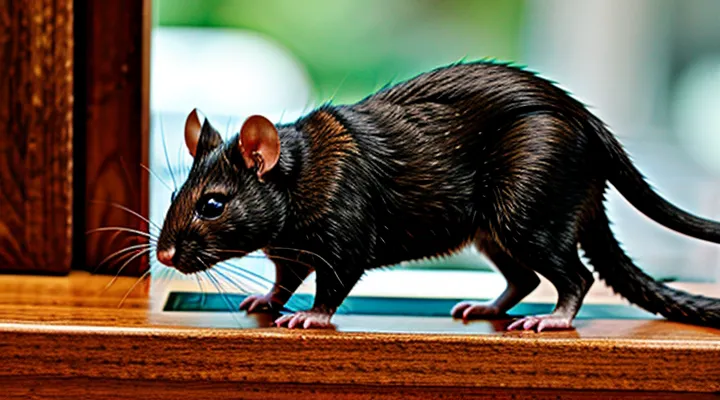
The Nutritional Needs of Decorative Rats
Essential Nutrients
Protein
Protein content determines the nutritional balance of any grain‑based meal offered to ornamental rodents. Adequate protein supports tissue repair, fur quality, and immune function, all of which influence the visual appeal of decorative rats.
Typical protein levels for a suitable porridge range from 12 % to 18 % of the total weight. Values below this range may lead to dull coat and reduced activity; values above may cause excess weight gain and kidney strain. Adjust the formulation to stay within the recommended interval for optimal appearance and health.
Common protein ingredients for rat porridge include:
- Cooked egg white, finely shredded
- Low‑fat cottage cheese, crumbled
- Defatted soy flour, sifted
- Cooked lentils, mashed
- White‑fish powder, blended
When incorporating protein, distribute it evenly throughout the mixture to prevent clumping. Combine the protein source with cooked oatmeal or millet, add a modest amount of vegetable puree for moisture, and cool the porridge before serving. Regular monitoring of body condition and coat sheen ensures the diet remains effective for decorative purposes.
Carbohydrates
Carbohydrates supply the primary energy required for the metabolic activities of ornamental rodents, supporting active movement and the maintenance of vibrant fur. Rapidly digestible starches elevate blood glucose, while complex polysaccharides provide a steadier release, reducing the risk of metabolic spikes that can affect coat quality.
Key carbohydrate sources appropriate for porridge formulations include:
- Oats, whole‑grain, low‑glycemic, rich in soluble fiber;
- Barley, malted, moderate‑glycemic, contributes beta‑glucan;
- Millet, gluten‑free, high‑amylopectin, promotes texture variety;
- Rice, short‑grain, easily digestible, suitable for sensitive digestive systems;
- Quinoa, pseudo‑cereal, contains both starch and protein, enhances nutritional balance.
When preparing porridge, combine the chosen grain with a water‑to‑grain ratio of 3 : 1, simmer until a creamy consistency is achieved, then cool to room temperature before serving. Adding a modest amount of vegetable puree introduces additional vitamins without compromising carbohydrate integrity. Monitoring portion size—approximately 15 g of dry grain per 100 g body weight per day—prevents overconsumption and supports optimal coat condition.
Fats
Fats contribute essential energy and influence the consistency of grain‑based meals prepared for ornamental rodents. Proper selection and proportion of lipids ensure a smooth texture, enhance palatability, and support the maintenance of a glossy coat.
Common lipid categories suitable for inclusion are:
- Saturated fats, such as butter or coconut oil, provide firmness at lower temperatures.
- Monounsaturated fats, exemplified by olive oil, improve mouthfeel without excessive heaviness.
- Polyunsaturated fats, including flaxseed and fish oils, supply omega‑3 and omega‑6 fatty acids beneficial for skin and fur health.
- Medium‑chain triglycerides, found in certain specialty oils, deliver rapid energy release.
Functional impacts of fats in porridge mixtures include:
- Increasing caloric density, allowing smaller serving volumes while meeting metabolic demands.
- Modifying viscosity, preventing excessive firmness that could impede chewing.
- Enhancing aroma, encouraging voluntary consumption by visually appealing rodents.
- Supplying essential fatty acids that contribute to epidermal integrity and coat sheen.
Inclusion guidelines recommend that lipids constitute no more than 5–10 % of the total weight of the prepared meal. Excessive fat may lead to spoilage, elevate the risk of gastrointestinal upset, and obscure the visual appeal of the dish. Freshness should be verified by checking for off‑odors and discoloration before mixing.
Appropriate fat sources for decorative rat porridges are:
- Flaxseed oil – rich in α‑linolenic acid, supports coat luster.
- Fish oil – provides EPA and DHA, promotes skin health.
- Coconut oil – solid at room temperature, adds structure.
- Olive oil – mild flavor, balances texture.
- Butter – traditional saturated fat, improves mouthfeel when used sparingly.
Regular monitoring of the prepared mixture’s consistency and the rodents’ condition ensures that the selected fats fulfill both nutritional and aesthetic objectives.
Vitamins and Minerals
Grain‑based porridges designed for ornamental rodents must supply a balanced profile of micronutrients to support growth, coat quality, and skeletal health. Adequate levels of vitamin A promote epithelial integrity and visual function; vitamin D facilitates calcium absorption; vitamin E acts as an antioxidant protecting cell membranes. Vitamin C, although not essential for most rodents, can aid stress resilience when included in fortified blends.
Key minerals include calcium, phosphorus, magnesium, and potassium. Calcium, paired with phosphorus in a ratio near 1 : 1, ensures proper bone mineralization. Magnesium contributes to enzymatic activity and nerve conduction. Potassium balances intracellular fluid and supports cardiac rhythm. Trace elements such as zinc, iron, and selenium are required in minute amounts for immune competence and metabolic regulation.
Typical nutrient composition for a suitable porridge might be presented as follows:
- «Vitamin A»: 1 500 IU per kg
- «Vitamin D3»: 300 IU per kg
- «Vitamin E»: 50 IU per kg
- «Calcium»: 1.2 % by weight
- «Phosphorus»: 1.0 % by weight
- «Magnesium»: 0.3 % by weight
- «Potassium»: 0.5 % by weight
- «Zinc»: 30 mg per kg
- «Iron»: 80 mg per kg
- «Selenium»: 0.2 mg per kg
Formulating porridges with these concentrations provides the essential vitamins and minerals required for the health and aesthetic appeal of decorative rats.
Digestive System Considerations
Sensitive Stomachs
Rats kept for ornamental purposes often have delicate digestive systems that require low‑residue, easily assimilated meals. Porridge formulations must avoid coarse grains, excessive fats, and artificial additives that can provoke irritation or upset.
Key nutritional parameters include:
- High‑quality, finely milled oats or rice as the carbohydrate base;
- Minimal protein content (5‑8 % of the mixture) sourced from egg‑white powder or soy isolate;
- Inclusion of a modest amount of soluble fiber such as psyllium husk (no more than 1 % of total weight);
- Absence of added sugars, salts, or preservatives.
Recommended porridges for sensitive‑stomach ornamental rodents:
- White rice porridge – cooked with water, cooled, mixed with a pinch of calcium carbonate;
- Fine oat gruel – prepared with skimmed milk, fortified with vitamin E;
- Barley‑based mash – blended with boiled pumpkin puree for gentle bulk;
- Millet‑rice blend – equal parts, steamed, combined with a teaspoon of ground flaxseed.
Preparation guidelines: cook the grain component until fully soft, allow it to reach body temperature, and serve in small, frequent portions (5–7 g per feeding). Store leftovers in a sealed container for no longer than 24 hours to prevent bacterial growth. Regular monitoring of fecal consistency ensures the chosen porridge maintains gastrointestinal stability.
Avoiding Indigestion
Choosing grain‑based meals for ornamental rodents demands attention to digestive tolerance. High‑fiber cereals, excessive fat, and sudden ingredient changes increase the risk of stomach upset.
Key factors that prevent digestive disturbance:
- Select low‑sugar, low‑fat grains such as oatmeal, barley, or millet.
- Ensure a smooth texture; blend dry grains with warm water to create a semi‑liquid consistency.
- Limit serving size to 1–2 tablespoons per feeding, adjusted for the animal’s weight.
- Maintain a regular feeding schedule; avoid gaps longer than 12 hours.
- Provide constant access to fresh, clean water to aid nutrient absorption.
Implementing these measures reduces the likelihood of «indigestion» and supports optimal health in decorative rats.
Understanding Porridge Bases
Grains Suitable for Rats
Oats
Oats provide a balanced source of carbohydrates, soluble fiber, and moderate protein, meeting the energy requirements of ornamental rodents. The grain delivers B‑vitamins, iron, and magnesium, supporting metabolic processes and coat health.
A soft, creamy texture results from simmering rolled oats in water at a 1 : 3 ratio for 5–7 minutes. After cooking, the porridge cools to room temperature, allowing it to retain shape when molded into decorative forms that complement cage aesthetics.
Preparation steps:
- Measure rolled oats and water; maintain a 1 : 3 proportion.
- Bring to a boil, reduce heat, and simmer until the mixture thickens.
- Remove from heat, let cool to approximately 22 °C.
- Optionally blend with finely chopped vegetables or safe herbs for added variety.
- Serve in small, shallow dishes to prevent spillage.
Avoid additives such as sugar, salt, or artificial flavorings, as they may cause digestive upset. Ensure fresh water is always available, and replace leftover porridge within 24 hours to maintain hygiene.
Barley
Barley provides a dense, easily digestible base for porridge intended for ornamental rodents. Its high fiber content supports gastrointestinal motility, while moderate protein levels contribute to tissue maintenance.
The grain contains approximately 12 % protein, 28 % carbohydrates, and 2 % fat per 100 g dry weight. Soluble beta‑glucans offer prebiotic effects, and essential minerals such as phosphorus, magnesium, and selenium appear in bioavailable forms.
To prepare a suitable mash, rinse barley thoroughly, then simmer in water at a 1:3 grain‑to‑liquid ratio. Maintain a gentle boil for 30–40 minutes until the kernels soften but retain shape. Cool the mixture to ambient temperature before offering to the animals.
Benefits for decorative rats include:
- Stable energy release from complex carbohydrates
- Enhanced satiety due to viscous fiber
- Support for coat quality through mineral provision
- Reduced incidence of dental overgrowth when combined with appropriate chew items
Store uncooked barley in an airtight container within a cool, dry environment. Use within six months to prevent rancidity and preserve nutritional integrity.
Rice
Rice serves as a versatile foundation for grain‑based meals designed for ornamental rodents. Its neutral flavor accommodates a wide range of additives without overwhelming the animal’s palate.
Nutritional composition includes readily digestible carbohydrates, modest protein content, and low fat levels. The carbohydrate profile supplies steady energy, while the protein contributes to tissue maintenance. Absence of strong aromatics reduces the risk of odor accumulation in display environments.
Preparation guidelines emphasize consistency and safety. Cook rice until fully softened, then dilute with warm water or low‑sodium broth to achieve a porridge‑like texture. Target viscosity allows easy consumption while preventing splatter that could mar enclosure aesthetics. Cool the mixture to body temperature before serving to avoid thermal stress.
Key advantages for decorative rats:
- Soft texture supports dental health by reducing excessive chewing wear.
- Light color highlights the animal’s coat, enhancing visual appeal.
- Minimal scent preserves the cleanliness of exhibition areas.
Regular inclusion of rice porridge, balanced with appropriate protein sources and fiber, contributes to sustained vitality and the striking appearance expected in display settings.
Millet
Millet offers a high‑energy carbohydrate source with low fat content, making it an appropriate base for small‑animal porridges. The grain’s fine texture can be ground to a smooth consistency, facilitating easy consumption by decorative rats that prefer soft foods. Its protein level, approximately 11 % by weight, contributes to muscle maintenance without overwhelming the diet.
Key preparation guidelines include:
- Rinse millet thoroughly to remove dust and potential contaminants.
- Cook in water at a ratio of 1 part millet to 3 parts liquid, simmering until the grains become tender and the mixture reaches a porridge‑like viscosity.
- Cool to room temperature before serving to prevent thermal injury.
Nutrient enhancement can be achieved by incorporating small quantities of:
- Vitamin‑rich vegetables such as finely grated carrot or spinach.
- Calcium sources like powdered eggshell or mineralized rodent supplements.
- Low‑sugar fruit purees for palatability, ensuring total sugar does not exceed 5 % of the final mixture.
Storage recommendations:
- Transfer prepared millet porridge to airtight containers.
- Refrigerate for up to 48 hours; discard if odor changes or mold appears.
- Freeze in portion‑size containers for longer preservation, thawing overnight in the refrigerator before use.
Safety considerations:
- Avoid adding sweeteners, honey, or syrups, which can promote dental decay.
- Ensure no added salt, as excessive sodium poses health risks for small rodents.
- Verify that all supplemental ingredients are free from toxic compounds such as oxalates or high‑levels of oxalic acid.
Millet’s digestibility, balanced nutrient profile, and adaptability to flavor enhancements make it a reliable component of a decorative rat’s porridge regimen.
Grains to Avoid
Uncooked Grains
Uncooked grains serve as the fundamental component for creating porridge suitable for ornamental rodents. Their raw state preserves natural starches, fiber, and micronutrients, providing a balanced base that can be adjusted with liquid, supplements, or flavoring agents.
- Oats — high in soluble fiber, moderate protein; absorbs water quickly, yielding a smooth consistency.
- Barley — rich in beta‑glucan, offers a slightly chewy texture when hydrated; supports digestive health.
- Millet — light digestibility, low allergen potential; produces a fine, creamy porridge after soaking.
- Quinoa — complete protein profile, contains essential amino acids; requires thorough rinsing to remove saponins before use.
- Buckwheat — gluten‑free, high in antioxidants; creates a mildly nutty flavor when cooked from raw grains.
Preparation guidelines emphasize precise water‑to‑grain ratios and controlled temperature. A standard protocol recommends a 3 : 1 liquid‑to‑grain proportion, gradual heating to 80 °C, and a simmering period of 10–15 minutes. Stirring at one‑minute intervals prevents clumping and ensures uniform gelatinization of starches.
Storage of uncooked grains demands airtight containers in a cool, dry environment. Moisture ingress accelerates sprouting and microbial growth, compromising safety for decorative rats. Periodic inspection for insect infestation or discoloration safeguards feed quality.
«Uncooked grains offer a versatile foundation for porridge formulation, enabling precise nutritional tailoring for ornamental rodents».
Spiced Grains
Spiced grains enhance the visual appeal and aromatic experience of porridge intended for ornamental rodents. Selecting appropriate grain bases and complementary spices ensures a balanced texture, vivid coloration, and safe consumption.
Grain bases suitable for decorative rat porridge include:
- Millet, light in color, readily absorbs flavor compounds.
- Barley, medium‑sized kernels, provides a creamy consistency.
- Quinoa, naturally bright, adds a subtle nutty note.
- Oats, rolled or steel‑cut, offer a smooth, glossy surface.
Spices that complement these grains while remaining non‑toxic:
- Cinnamon, ground fine, contributes warm hue without overwhelming aroma.
- Cardamom, powdered, imparts citrus‑like brightness.
- Turmeric, finely milled, delivers golden coloration and mild earthiness.
- Anise seed, crushed, offers sweet licorice fragrance.
Preparation guidelines:
- Rinse grain thoroughly to remove dust and potential contaminants.
- Cook grain in water or low‑sodium broth until soft but not mushy; excess moisture reduces visual definition.
- Introduce spices during the final five minutes of cooking to preserve volatile oils.
- Cool porridge to room temperature before serving to prevent thermal stress on delicate fur and skin.
Storage recommendations:
- Transfer cooled porridge to airtight containers.
- Refrigerate for up to three days; discard after signs of spoilage.
- Freeze in portion‑sized packs for longer preservation; thaw gently before reheating.
Safety considerations:
- Verify that each spice is approved for rodent consumption; avoid nutmeg, clove, and large quantities of pepper.
- Monitor individual rats for signs of intolerance, such as reduced appetite or digestive upset.
- Rotate grain‑spice combinations weekly to prevent nutritional imbalances and maintain interest.
By adhering to these specifications, spiced grain porridge can serve as both a decorative element and a palatable, health‑supporting feed for ornamental rats.
Preparing Porridges for Optimal Health
Cooking Methods
Boiling
Boiling provides a reliable method for preparing smooth, nutrient‑dense porridges suited to ornamental rats. The process ensures uniform gelatinisation of starches, creating a texture that is easy for small mammals to ingest and digest.
Key parameters include water‑to‑grain ratio, temperature control, and cooking duration. A typical proportion of 4 parts liquid to 1 part grain yields a creamy consistency without excess moisture. Maintaining a rolling boil at 100 °C for 5–7 minutes fully activates the starch while preserving essential vitamins.
- Measure grain and liquid accurately.
- Bring liquid to a vigorous boil.
- Introduce grain gradually while stirring to prevent clumping.
- Reduce heat to maintain a gentle boil; continue stirring for the prescribed time.
- Remove from heat, cover, and let stand for 2 minutes to achieve final thickness.
Temperature stability prevents scorching and maintains nutritional quality. Over‑boiling leads to a thin, watery porridge; under‑cooking results in a gritty texture that may deter consumption. Properly boiled porridge supports healthy coat condition and active behavior in decorative rodents.
Soaking
Soaking («soaking») prepares grains for porridge intended for ornamental rodents by softening the outer layer and initiating enzymatic activity. The process improves texture, reduces cooking time, and enhances nutrient bioavailability, which benefits the delicate digestive systems of decorative rats.
Key advantages include:
- Increased hydration of starches, leading to smoother consistency after cooking.
- Activation of amylase, which breaks down complex carbohydrates into simpler sugars.
- Reduction of antinutritional factors such as phytic acid, facilitating mineral absorption.
Procedure:
- Select whole grains appropriate for rodent diets, such as rolled oats, millet, or quinoa.
- Rinse grains under cool running water to remove surface dust.
- Submerge grains in cold water at a ratio of 1 part grain to 3 parts water.
- Maintain temperature between 4 °C and 10 °C to prevent premature fermentation.
- Allow soaking for 4–12 hours, depending on grain size; larger kernels require longer periods.
- Drain excess water, rinse briefly, and proceed to cooking.
Recommendations:
- Use freshly filtered water to avoid mineral buildup.
- Rotate grain varieties weekly to provide a balanced amino‑acid profile.
- Store soaked grains in a sealed container at refrigeration temperature for no more than 24 hours before cooking.
- Discard any grains that develop off‑odors or visible mold during soaking.
Ingredient Ratios
Grain to Liquid
The conversion of dry cereals into a fluid medium creates a suitable base for ornamental rodent porridges. The method labeled «Grain to Liquid» provides a reliable framework for preparing consistent, palatable meals that enhance the visual appeal of decorative rats while meeting their dietary needs.
Selection of grains focuses on fine‑textured varieties that absorb water readily and produce a smooth consistency. Preferred options include milled oat, rice flour, barley meal and quinoa semolina. Each offers a neutral flavor profile, low allergenic potential and a balanced proportion of carbohydrates, protein and fiber.
The conversion procedure follows these steps:
- Measure grain portion at a ratio of 1 part dry to 4 parts water, adjusting for desired thickness.
- Combine grain and water in a heat‑resistant vessel.
- Bring mixture to a gentle boil, maintaining a steady temperature of 90–95 °C.
- Stir continuously for 3–5 minutes until granules dissolve completely, forming a homogeneous liquid.
- Cool to a temperature of 20–25 °C before serving to prevent thermal stress.
Texture control requires monitoring viscosity; a spoon‑drip test should leave a thin, flowing stream without clumping. Nutritional balance can be refined by adding powdered egg white for protein, finely grated carrot for vitamins, and a pinch of calcium carbonate for skeletal health. The resulting porridge remains stable for up to four hours when stored at a cool temperature, ensuring consistent quality for display and feeding.
Additives
Additives enhance the suitability of grain‑based meals prepared for ornamental rodents. Proper selection influences nutrition, palatability, texture, and visual appeal without compromising health.
Key categories include:
- Nutritional supplements – vitamin‑C powder, calcium carbonate, omega‑3 oil; address specific dietary requirements.
- Flavor enhancers – natural fruit essences, low‑sugar honey, mild herb extracts; increase acceptance.
- Texture modifiers – gelatin, agar, finely ground oat bran; adjust consistency for easy consumption.
- Color agents – beetroot powder, spirulina, turmeric; provide attractive hues that complement decorative themes.
Selection criteria emphasize safety, bioavailability, and compatibility with the base porridge. Ingredients must be free of toxic compounds, sourced from reputable suppliers, and used within recommended dosage ranges. Balancing macro‑ and micronutrients prevents deficiencies while maintaining the desired aesthetic.
Practical formulation example: combine rolled millet, fortified oat flour, a pinch of calcium carbonate, a dash of blueberry extract, and a teaspoon of beetroot powder. Mix thoroughly, add warm water to achieve a smooth consistency, and allow the mixture to set briefly before serving. This composition delivers essential nutrients, a pleasant taste, a velvety mouthfeel, and a visually engaging deep red shade suitable for display‑oriented rodents.
Adding Nutritional Enhancers
Cooked Vegetables
Cooked vegetables enhance the nutritional profile and palatability of grain blends designed for ornamental rodents. Softened fibers complement the smooth consistency of porridge, while preserving essential vitamins and minerals.
Suitable vegetables include:
- Carrot, finely diced and steamed
- Sweet potato, boiled and mashed
- Pea, lightly cooked and pureed
- Zucchini, sautéed briefly
- Spinach, wilted and chopped
Preparation methods prioritize texture uniformity and nutrient retention. Blanching preserves color and reduces bitterness; steaming prevents nutrient loss more effectively than boiling. After cooking, vegetables should be cooled to room temperature, then incorporated into the porridge base in a ratio of approximately 1 part vegetable to 3 parts grain mixture.
Texture integration requires the vegetable component to be evenly dispersed, preventing clumps that could deter consumption. Pureeing or mashing creates a homogeneous mixture, while coarse chopping offers occasional contrast for tactile stimulation.
Practical guidelines advise:
- Use fresh, organic produce to minimize pesticide exposure.
- Store cooked vegetables in airtight containers for no longer than 48 hours.
- Test the final mixture for temperature before offering it to the rats to avoid thermal stress.
By adhering to these practices, cooked vegetables become a reliable element in crafting suitable porridge formulations for decorative rats.
Fruits in Moderation
When planning grain‑based meals for ornamental rodents, fruit inclusion must be limited to prevent digestive upset and nutritional imbalance. Small, seed‑free varieties provide vitamins without excess sugar.
Recommended fruit selections and portions per serving:
- «Apple» – finely diced, no more than ½ teaspoon.
- «Blueberry» – whole, up to 3 berries.
- «Pear» – peeled, ¼ teaspoon.
- «Strawberry» – hulled, ¼ teaspoon.
Each fruit portion should be mixed into a base of cooked oat or barley porridge that contains adequate fiber and protein. The fruit should be added after the porridge cools to a safe temperature, ensuring the mixture remains palatable and safe for chewing.
Monitoring weight and stool consistency after introducing fruit helps confirm that the moderation level remains appropriate. Adjust quantities downward if any signs of soft stool or reduced activity appear.
Protein Sources
Protein requirements are critical for the health and coat quality of ornamental rodents. Adequate protein supports muscle development, fur integrity, and immune function.
Key protein ingredients suitable for inclusion in grain‑based porridges include:
- Soy isolate – high‑quality plant protein, low in fat, easily digestible.
- Whey concentrate – animal‑derived protein rich in essential amino acids, promotes rapid tissue repair.
- Egg powder – complete protein source, provides choline for neural health.
- Fish meal – concentrated marine protein, supplies omega‑3 fatty acids and minerals.
- Insect meal (e.g., cricket or mealworm) – sustainable protein, contains exogenous enzymes and micronutrients.
Optimal inclusion rates range from 15 % to 25 % of the total dry matter, adjusted according to age, activity level, and reproductive status. Monitoring nitrogen balance ensures that protein supply meets metabolic demand without excess, which could stress renal function. Regular formulation reviews maintain nutritional adequacy while preserving the porridge’s texture and palatability.
Porridge Recipes and Variations
Basic Oat Porridge
Preparation Steps
The procedure details the preparation of grain‑based meals intended for ornamental rodents.
Ingredients include rolled oats, barley flakes, finely milled millet, water, a pinch of calcium powder, and a small amount of vegetable puree for color contrast. Measure each component precisely; typical ratios are 2 parts oats, 1 part barley, 0.5 part millet, 3 parts water, 0.1 part calcium, and 0.2 part puree.
- Combine dry grains in a stainless‑steel bowl; stir until evenly distributed.
- Dissolve calcium powder in warm water, then gradually pour the solution over the grain mixture while stirring to prevent clumping.
- Heat the combined mixture on low flame, maintaining a gentle simmer for 8–10 minutes; monitor temperature to stay below 85 °C to preserve nutrient integrity.
- Introduce vegetable puree during the final two minutes of cooking; blend thoroughly to achieve a uniform hue.
- Remove the pot from heat; allow the porridge to cool to ambient temperature, approximately 22 °C, before serving.
Final step: Transfer the cooled porridge into individual feeding trays, ensuring each portion is level and free of foreign particles. Store any surplus in a sealed container at refrigeration temperature (4 °C) and use within 48 hours.
Serving Suggestions
When presenting grain‑based porridges for ornamental rodents, prioritize visual appeal and nutritional balance. Serve the porridge at a lukewarm temperature to preserve texture while avoiding thermal stress. Portion size should correspond to the animal’s weight, typically one to two tablespoons per 100 g of body mass, ensuring satiety without excess caloric load.
Recommended accompaniments enhance both aesthetics and diet:
- Finely diced carrot or beetroot ribbons, arranged in a spiral pattern.
- Sprinkled toasted millet flakes for crisp contrast.
- A thin drizzle of unsweetened apple puree, applied with a fine brush.
- Small edible flower petals, such as violets or calendula, positioned at the rim of the dish.
Presentation vessels influence perception; shallow ceramic plates with muted colors allow the porridge’s hue to stand out. For themed displays, match the plate’s tone to the animal’s coat, creating a harmonious tableau. Serve each portion on a clean surface, remove any excess liquid, and replace the dish within a two‑hour window to maintain freshness.
Multi-Grain Porridge
Combining Grains
Combining multiple grain varieties creates porridge textures that support the health and aesthetic presentation of ornamental rodents. Different grains contribute distinct fiber content, moisture retention, and visual contrast, allowing caretakers to tailor meals that complement the animals’ coat coloration and activity levels.
Effective grain blends balance soluble and insoluble fibers, provide consistent energy release, and maintain structural integrity when mixed with liquids. Recommended proportions include:
- 40 % rolled oats for smooth consistency and gentle energy supply.
- 30 % millet flakes for bright visual specks and rapid carbohydrate availability.
- 20 % barley groats for increased bulk and prolonged satiety.
- 10 % finely ground quinoa for protein enrichment and subtle nutty flavor.
Integrating the grains requires thorough mixing of dry components before gradual incorporation of warm water or low‑fat milk. Uniform hydration prevents clumping and ensures each bite contains the intended grain ratio. Adding a pinch of calcium carbonate or a vitamin‑mineral supplement after hydration completes the nutritional profile without altering texture.
Regular rotation of grain blends, such as substituting a portion of oats with rye or incorporating amaranth, sustains dietary variety and reduces the risk of monotony‑related digestive issues. Monitoring porridge firmness after cooling confirms suitability for decorative rats, whose delicate dentition benefits from a soft yet slightly structured meal.
Enhanced Nutrition
Enhanced nutrition for ornamental rodents requires careful selection of grain‑based meals that provide balanced macronutrients and essential micronutrients. Protein levels should range from 18 % to 22 % of the dry matter, sourced from high‑quality legumes or animal‑derived isolates, to support tissue repair and growth. Complex carbohydrates, such as rolled oats or barley, deliver sustained energy while maintaining gastrointestinal health.
Key micronutrients include:
- Calcium‑phosphorus ratio of 1.2 : 1, achieved with fortified wheat germ or bone meal powder.
- Vitamin A (5 000 IU/kg) for ocular health and coat brilliance.
- Vitamin E (150 IU/kg) to protect cellular membranes from oxidative stress.
- B‑complex complex (thiamine, riboflavin, niacin) at levels meeting the National Research Council recommendations for small mammals.
- Trace minerals—zinc, selenium, manganese—provided through mineral premixes designed for rodent consumption.
Inclusion of soluble fiber, such as psyllium husk, at 3 % of the formulation promotes intestinal motility and prevents impaction. Omega‑3 fatty acids from flaxseed oil, incorporated at 1 % of the total mix, enhance anti‑inflammatory response and contribute to a glossy fur appearance.
Processing methods that preserve nutrient integrity, such as low‑temperature extrusion, ensure that heat‑sensitive vitamins remain bioavailable. Regular analysis of batch composition verifies compliance with nutritional specifications and prevents deficiencies that could compromise the aesthetic and physiological condition of decorative rats.
Special Considerations
Porridge for Young Rats
Young ornamental rats require a grain‑based meal that supplies energy, protein, and essential micronutrients for rapid growth. The porridge must be soft enough for developing incisors, yet nutritionally dense to support skeletal and neural development.
Proteins should represent 18‑22 % of the dry matter, sourced from whey, soy isolate, or finely ground insect meal. Carbohydrates, primarily from oat or barley flakes, provide sustained energy. Added fats, such as linseed oil, deliver omega‑3 fatty acids crucial for membrane formation. Micronutrient fortification includes calcium‑phosphate balance, vitamin E, and B‑complex vitamins to prevent deficiencies.
Recommended formulations:
- 45 % rolled oats, lightly toasted
- 30 % whey protein concentrate
- 10 % finely ground soy isolate
- 5 % linseed oil, emulsified
- 5 % calcium‑phosphate blend with vitamin D3
- 5 % vitamin‑mineral premix (including vitamin E, B‑complex, zinc)
Preparation instructions call for gradual hydration of the dry mix with warm (35‑40 °C) water until a thick, spoon‑able consistency is achieved. Stir continuously to avoid clumps, then allow the porridge to cool to room temperature before serving.
Store the dry blend in an airtight container at 4‑8 °C; prepared porridge should be consumed within four hours to preserve nutrient integrity and prevent microbial growth. Feedings are best divided into three equal portions per day, matching the natural foraging pattern of juvenile decorative rats.
Porridge for Senior Rats
Senior rats require increased protein, reduced fiber, and stable caloric intake to maintain muscle mass and digestive health. Porridge formulations that meet these criteria support longevity and aesthetic presentation in ornamental rodents.
Key components for an optimal senior rat porridge:
- Cooked oatmeal blended with low‑fat cottage cheese; provides digestible carbohydrates and high‑quality protein.
- Mashed sweet potato mixed with a tablespoon of plain yogurt; supplies beta‑carotene, vitamins A and C, and probiotic cultures.
- Quinoa porridge combined with finely ground boiled egg; delivers essential amino acids and iron without excess fat.
- Barley gruel enriched with a pinch of calcium carbonate; reinforces skeletal strength and prevents osteoporosis.
Supplementary additives should be limited to:
- Ground linseed (1 % of total weight) for omega‑3 fatty acids, enhancing coat shine.
- A few drops of kelp extract for iodine, supporting thyroid function.
- No added sugars or artificial flavorings, which can exacerbate age‑related metabolic disorders.
Feeding schedule: offer a measured portion twice daily, allowing a 12‑hour interval to stabilize blood glucose levels. Monitor body condition regularly; adjust porridge consistency if dental wear impedes mastication.
Porridge for Ill Rats
Ill decorative rats recovering from illness require a porridge that supplies easily digestible energy, hydration, and immune support. The formulation must avoid harsh fibers and high‑fat ingredients that could aggravate gastrointestinal distress.
Key nutritional components:
- Soft carbohydrate base (e.g., finely milled oatmeal or rice flour) providing 60 % of caloric content.
- Moderate protein source (e.g., boiled egg white or whey isolate) supplying 15–20 % of calories.
- Gentle fat component (e.g., a teaspoon of olive oil) limited to 5 % of calories.
- Electrolyte blend (sodium, potassium, magnesium) to counteract dehydration.
- Vitamin‑mineral complex enriched with vitamin C, B‑complex, and zinc for immune reinforcement.
Texture must remain smooth and spoon‑soft, allowing the rat to consume without chewing. Temperature should be warm (≈37 °C) to encourage intake and promote gut motility.
Preparation steps:
- Combine dry ingredients, stir in liquid (warm water or low‑sodium broth) until a homogeneous paste forms.
- Incorporate protein and fat sources, mix thoroughly.
- Add electrolyte solution and vitamin‑mineral powder, blend until fully dissolved.
- Cool to target temperature, serve immediately or store in a sealed container for no more than 12 hours refrigerated.
Safety measures include verifying ingredient freshness, avoiding added sugars or artificial sweeteners, and monitoring the rat’s response for signs of intolerance. Adjust formulation based on veterinary guidance and the animal’s specific health condition.
Common Mistakes and Troubleshooting
Overfeeding
Portion Control
Portion control ensures that decorative rats receive sufficient nutrition without excess calories, supporting optimal coat condition and activity levels. Precise serving sizes prevent overfeeding, which can lead to weight gain and reduced mobility.
A reliable method for measuring porridge portions involves using a kitchen scale. Weigh the dry ingredient to the recommended gram amount for the animal’s weight class, then add water or milk at a 1:2 ratio to achieve a smooth consistency. Serve the mixture within 30 minutes of preparation to maintain texture and palatability.
Key guidelines for daily porridge allocation:
- Small rats (≤ 150 g): 5–7 g dry oats or barley per meal, divided into two servings.
- Medium rats (151–250 g): 8–10 g dry grains per meal, divided into two servings.
- Large rats (≥ 251 g): 11–14 g dry grains per meal, divided into two servings.
Adjust portions based on activity level and seasonal temperature changes; higher activity or cooler environments may warrant a modest increase of 10 % in grain weight.
Monitoring techniques include weekly weighing and visual assessment of body condition. A stable weight curve indicates appropriate portion sizing, while rapid gains or losses signal the need for recalibration. Recording daily intake in a logbook simplifies trend analysis and supports consistent feeding practices.
Frequency
Frequency determines nutritional balance and aesthetic maintenance for ornamental rodents. Optimal intervals prevent over‑consumption, ensure texture stability, and support coat coloration.
- Light oat‑based porridge – feed twice daily, morning and evening, 30 g per session.
- Barley‑infused blend – feed three times daily, 20 g each, spaced at 6‑hour intervals.
- Millet‑rich mixture – feed once daily, 50 g in the early afternoon, after activity peak.
Monitoring should occur at least once every 12 hours. Observe porridge consistency, moisture level, and residue accumulation. Adjust intervals promptly when signs of spoilage or reduced intake appear. Regular assessment preserves both health and visual appeal of the decorative rats.
Unsuitable Ingredients
Avoiding Sugars
Avoiding sugars is a fundamental consideration when preparing porridge for ornamental rodents. Excessive glucose and fructose interfere with metabolic balance, accelerate dental decay, and diminish coat sheen, which directly affects the visual appeal of the animals.
Consequences of sugar inclusion:
- Elevated blood‑sugar levels predispose to insulin resistance.
- Acidic by‑products erode incisor enamel.
- Rapid fermentation in the gut produces gas and disrupts digestion.
- High‑glycemic load reduces the intensity of natural fur coloration.
Low‑sugar porridge bases suitable for decorative rats include:
- Rolled oats, prepared with water or unsweetened almond milk.
- Cooked barley, offering soluble fiber without added sweetness.
- Millet flakes, providing a light texture and minimal carbohydrate spikes.
- Quinoa, delivering protein and complex carbohydrates in a sugar‑free form.
When a mild sweet taste is desired, replace sucrose with alternatives that do not raise glycemic response:
- A pinch of ground cinnamon, which adds aroma and modest sweetness.
- Unsweetened applesauce, used sparingly for moisture and natural flavor.
- Stevia leaf powder, providing intense sweetness at negligible caloric content.
Implementing a sugar‑free regimen preserves dental health, stabilizes metabolic function, and enhances the visual quality of the rats’ fur. Continuous monitoring of ingredient lists ensures that hidden sugars, such as maltodextrin or honey, remain excluded from the diet.
Avoiding Dairy
Choosing porridge ingredients that exclude dairy protects the health of ornamental rodents. Lactose intolerance is common among rats; undigested lactose can cause gastrointestinal distress, reduced nutrient absorption, and increased susceptibility to infection. Eliminating milk, cheese, butter, and cream from recipes removes these risks.
Suitable alternatives provide comparable texture and flavor while maintaining nutritional balance:
- Oatmeal prepared with water or low‑sodium broth; adds soluble fiber and B‑vitamins.
- Rice porridge cooked in vegetable stock; supplies easily digestible carbohydrates and minerals.
- Barley gruel mixed with finely chopped carrots; contributes beta‑glucan and beta‑carotene.
- Quinoa flakes blended with mashed sweet potato; delivers complete protein and antioxidants.
When formulating the final dish, consider these guidelines:
- Verify that all added toppings, such as fruits or nuts, are free of hidden dairy derivatives.
- Maintain a temperature below 40 °C before serving to prevent heat‑induced protein denaturation.
- Observe the rat’s behavior after consumption; signs of discomfort indicate a need for further ingredient adjustment.
Consistent exclusion of dairy from decorative rat porridge supports optimal digestion, enhances longevity, and preserves the aesthetic appeal of the animals.
Storage and Hygiene
Freshness
Freshness determines the sensory appeal and safety of porridges intended for ornamental rodents. When a porridge retains its original aroma, texture, and nutrient profile, it supports the visual and olfactory themes of decorative displays while preventing spoilage‑related health risks.
Key indicators of freshness include:
- Bright, unblemished color indicating minimal oxidation.
- Consistent, smooth consistency without separation or clumping.
- Absence of off‑odors, such as sour or rancid notes, which signal microbial activity.
- Measurable moisture content within the range specified for the grain blend.
Proper storage practices preserve these qualities. Airtight containers, refrigeration at 4 °C (39 °F) or lower, and protection from direct light extend the usable period. Regular rotation of stock, with older batches placed at the front, ensures that the freshest product reaches the display first.
When selecting a porridge for decorative rodents, prioritize batches that meet the freshness criteria outlined above. This approach guarantees that the final presentation remains vibrant, safe, and aligned with the aesthetic objectives of the exhibit.
Contamination Prevention
When preparing grain‑based meals for ornamental rodents, strict contamination prevention safeguards both animal health and aesthetic presentation. Contaminants such as molds, mycotoxins, and foreign particles compromise texture, flavor, and visual appeal, potentially causing illness in the animals and diminishing decorative value.
Key preventive measures include:
- Store dry ingredients in airtight containers made of food‑grade material; keep containers sealed after each use.
- Maintain storage temperature below 20 °C and humidity under 60 % to inhibit fungal growth.
- Rotate stock on a first‑in, first‑out basis; discard batches older than six months.
- Perform routine visual inspections for discoloration, clumping, or insect activity before mixing.
- Use certified, low‑moisture grains and flours that meet established safety standards.
- Implement a clean‑room protocol during preparation: sanitize work surfaces, tools, and utensils with approved disinfectants.
- Employ dedicated equipment for rodent feed to avoid cross‑contamination with human food processing lines.
Documentation of each step—storage conditions, batch numbers, inspection results—provides traceability and facilitates rapid response if contamination is detected. Regular microbiological testing of bulk ingredients confirms compliance with safety thresholds.
By adhering to these protocols, producers ensure that decorative rodent porridges remain free of harmful agents, preserving both the health of the animals and the visual integrity of the display.