
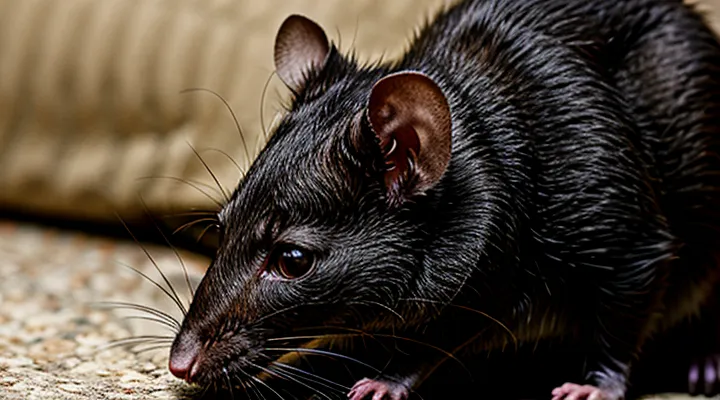
What are Subcutaneous Mites?
Common Species Affecting Rats
Rats commonly host several subcutaneous mite species that cause dermatological lesions, systemic irritation, and secondary infections. Identification of the causative mite is essential for effective therapeutic protocols and biosecurity measures.
- Liponyssus muris – a burrowing mite that penetrates the dermis, producing nodular swellings and pruritus. Infestations frequently appear in dense colony environments where humidity exceeds 60 %.
- Myobia musculi – a hair‑shaft mite that embeds its mouthparts in the subcutis, leading to alopecia and erythema. Transmission occurs through direct contact or contaminated bedding.
- Radfordia ensifera – a fur‑associated mite capable of migrating into the subdermal tissue, generating cyst‑like formations. Outbreaks are linked to inadequate sanitation and overcrowding.
- Ornithonyssus bacoti – primarily a surface‑dwelling parasite but capable of penetrating the skin under stress conditions, causing dermatitis and systemic signs. Presence is common in facilities with mixed‑species rodent populations.
Accurate species determination relies on microscopic examination of skin scrapings or biopsy specimens, followed by morphological or molecular analysis. Prompt selection of acaricidal agents—such as ivermectin, selamectin, or milbemycin oxime—must consider the specific mite’s susceptibility profile to avoid resistance development. Integrated prevention strategies include strict quarantine of new arrivals, regular environmental cleaning, humidity control, and routine health monitoring to detect early infestations.
Life Cycle and Transmission
The subcutaneous mite that infests laboratory and pet rats follows a rapid, direct development cycle. Adult females deposit eggs on the host’s skin surface; each egg hatches within 2–3 days into a six-legged larva. The larva molts to an eight‑legged protonymph after 2 days, then to a deutonymph within another 2 days, and finally to a mature adult after a further 3–4 days. The entire cycle is completed in approximately 10 days under optimal temperature (22‑28 °C) and humidity (>70 %). Adult mites live on the host for 2–3 weeks, during which females can produce 30–50 eggs, ensuring exponential population growth if left unchecked.
Transmission occurs primarily through:
- Direct skin‑to‑skin contact between infected and susceptible rats during grooming or mating.
- Indirect contact with contaminated bedding, nesting material, or cage surfaces that retain viable mites for up to 5 days.
- Vertical passage from dam to offspring via the birth canal or immediate post‑natal grooming.
Environmental factors such as high humidity and overcrowding accelerate both development and spread. Preventive measures must therefore target the elimination of fomites, control of ambient conditions, and strict quarantine of newly introduced animals.
Recognizing Symptoms
Early Signs of Infestation
Early detection of subcutaneous mite infection in laboratory and pet rats relies on observable changes that precede severe dermatological lesions. Affected animals often exhibit subtle alterations in behavior and physical condition before overt skin damage becomes apparent.
Typical early indicators include:
- Decreased grooming activity, leading to a dull coat.
- Localized swelling or firmness beneath the skin, especially over the dorsal neck and shoulder region.
- Reduced weight gain or mild weight loss despite adequate nutrition.
- Slight increase in respiratory rate, reflecting systemic stress.
- Occasional scratching or mild biting at specific sites, without obvious crusting or alopecia.
Advanced Stages of Mite Infestation
In the later phase of a subcutaneous mite outbreak, rats exhibit extensive dermal lesions, severe alopecia, and thickened skin folds. Infested areas become ulcerated, often harboring secondary bacterial infections that accelerate weight loss and reduce feed intake. Systemic signs include lethargy, hypothermia, and anemia due to chronic blood loss from mite feeding.
Pathological examination reveals hyperkeratosis, epidermal hyperplasia, and deep dermal infiltration by mite tunnels. Histology shows inflammatory infiltrates rich in neutrophils and macrophages, with occasional eosinophils indicating hypersensitivity. Persistent infestation compromises the integumentary barrier, facilitating opportunistic pathogens such as Staphylococcus aureus and Pseudomonas spp.
Diagnostic challenges increase as lesions become confluent and mites embed deeper, reducing the efficacy of standard skin scrapings. Advanced detection methods include:
- Dermal biopsy with microscopic identification of mite stages.
- PCR assays targeting mite-specific mitochondrial DNA.
- Infrared thermography to locate hyperthermic foci associated with inflammation.
Therapeutic options narrow at this stage. Effective interventions involve:
- Systemic acaricides with proven penetration (e.g., ivermectin at 0.4 mg/kg subcutaneously, repeated after 7 days).
- Broad-spectrum antibiotics to address secondary bacterial infections (e.g., enrofloxacin 10 mg/kg intramuscularly, twice daily for 5 days).
- Topical antiseptics (chlorhexidine solution) applied to ulcerated zones to reduce colonization.
- Supportive care: fluid therapy, high-calorie diets, and environmental warming to counter hypothermia.
Prevention of recurrence demands strict biosecurity and colony management:
- Quarantine new arrivals for at least 30 days, with prophylactic acaricide treatment.
- Regular environmental decontamination using vaporized hydrogen peroxide.
- Routine health monitoring, including monthly skin examinations and PCR screening of sentinel animals.
- Maintenance of optimal humidity (45‑55 %) and temperature (22‑24 °C) to discourage mite proliferation.
Failure to address advanced infestation promptly results in increased morbidity, reduced breeding performance, and potential loss of entire colonies. Immediate, integrated therapeutic and preventive measures are essential to restore health and prevent future outbreaks.
Diagnosis of Subcutaneous Mites
Physical Examination and Visual Cues
Physical examination is the primary method for identifying subcutaneous mite infection in rats. Direct visual inspection reveals characteristic skin alterations. Typical external signs include:
- Localized thickening of the dermis, often forming firm, raised nodules.
- Focal alopecia surrounding the nodules, with hair loss that may be patchy or concentric.
- Crusting or hyperkeratotic plaques that develop as the mite burrows deeper.
- Redness or erythema limited to the affected area, sometimes accompanied by mild edema.
- Excessive grooming or scratching behavior, indicating discomfort.
Palpation adds diagnostic value. When gently pressed, the nodules feel firm yet slightly compressible, and a subtle movement may be felt as the mite shifts within the subcutaneous tissue. The surrounding skin may be warm to the touch, reflecting localized inflammation.
Observation of the rat’s posture and movement can provide indirect cues. Rats with advanced infestation often adopt a hunched stance to protect painful regions and may exhibit reduced activity or reluctance to explore the cage.
Systematic assessment—combining visual inspection, tactile evaluation, and behavioral monitoring—enables early detection, which is critical for timely therapeutic intervention and for implementing control measures that limit spread within a colony.
Microscopic Examination of Skin Samples
Microscopic examination of skin specimens provides definitive confirmation of subcutaneous mite infestations in laboratory rats and guides therapeutic choices.
Skin biopsies are obtained from the dorsal flank or ventral abdomen under anesthesia, using a 4‑mm punch or scalpel excision. Samples include epidermis, dermis, and underlying subcutis to capture the full depth of mite penetration.
Specimens are fixed in 10 % neutral buffered formalin for 24 hours, then processed through graded alcohols, cleared in xylene, and embedded in paraffin. Sections cut at 5 µm thickness are mounted on glass slides.
Staining protocols employed include:
- Hematoxylin‑eosin (H&E) for general tissue architecture and mite morphology.
- Giemsa for enhanced visualization of internal structures such as gut and reproductive organs.
- Periodic acid‑Schiff (PAS) for detection of cuticular glycoproteins.
Under light microscopy, adult mites appear as elongated, ovoid bodies measuring 150–250 µm, with a distinct cephalothorax, gnathosoma, and posterior opisthosoma. Leg pairs are clearly visible, and the cuticle exhibits a striated pattern. Immature stages (larvae, nymphs) are smaller (50–100 µm) and lack fully developed leg segments. Identification relies on these morphological criteria combined with the presence of surrounding inflammatory infiltrates and granulomatous reactions.
Quantitative assessment involves counting mites per high‑power field (HPF) across multiple sections. Thresholds of ≥5 mites/HPF typically indicate severe infestation, prompting systemic acaricide therapy, whereas lower counts may be managed with topical agents. Correlation of mite density with clinical signs (e.g., alopecia, pruritus) refines dosage and duration of treatment.
Routine microscopic screening of colony animals enables early detection of subclinical infections, supporting biosecurity measures such as quarantine, environmental decontamination, and targeted prophylaxis. Regular surveillance reduces the risk of outbreak and minimizes the need for extensive therapeutic interventions.
Treatment Options for Mite Infestation
Topical Treatments
Topical acaricides remain the primary intervention for managing skin‑dwelling mites in laboratory rats. Direct application to the affected area ensures rapid contact with the parasite, minimizes systemic exposure, and facilitates precise dosing.
Commonly employed agents include:
- Ivermectin lotion – 1 % solution applied once daily for three consecutive days; effective against most ectoparasites, with a safety margin in rodents up to 200 µg/kg.
- Selamectin spray – 0.8 % formulation, single dose of 0.2 mg/kg; provides extended protection for up to four weeks and is approved for use in small mammals.
- Fipronil gel – 0.05 % concentration, applied at 0.1 ml per 100 g body weight; highly potent against mites, but requires careful handling due to toxicity at higher doses.
- Amitraz ointment – 0.25 % preparation, applied twice weekly for two weeks; effective for resistant infestations, but may cause local irritation.
Application protocol:
- Restrain the rat gently to expose the dorsal flank or the site of visible lesions.
- Clean the skin with a mild antiseptic solution; allow it to dry.
- Dispense the recommended volume of the topical product using a calibrated pipette or spray nozzle.
- Massage the area lightly to ensure even distribution; avoid contact with eyes and mucous membranes.
- Monitor the animal for adverse reactions for at least 30 minutes post‑application.
Efficacy considerations:
- Treatment success is typically observed within 48–72 hours, with complete eradication confirmed by microscopic examination of skin scrapings after one week.
- Re‑infestation risk diminishes when topical therapy is combined with environmental decontamination (e.g., cage sanitization, bedding replacement) and quarantine of affected colonies.
- Resistance development has been reported for fipronil and amitraz; rotating between agents or integrating systemic options can mitigate this risk.
Safety notes:
- Do not exceed recommended dosages; overdose may cause neurotoxicity, especially with ivermectin and selamectin.
- Store products at temperatures below 25 °C; protect from light to maintain potency.
- Personal protective equipment (gloves, lab coat) is mandatory during preparation and application to prevent accidental exposure.
Systemic Medications
Systemic agents provide reliable control of subcutaneous mite infestations in laboratory and pet rats when topical treatments are impractical or insufficient. Oral ivermectin, administered at 0.2 mg/kg once daily for three consecutive days, achieves rapid mite mortality and reduces recurrence. Albendazole, given at 25 mg/kg orally every 12 hours for five days, interferes with parasite microtubule formation and is effective against resistant strains. Doramectin, delivered subcutaneously at 0.5 mg/kg weekly for two weeks, offers prolonged plasma concentrations that suppress reinfestation. Moxidectin, dosed at 0.1 mg/kg orally once, provides extended activity lasting up to four weeks, suitable for prophylactic schedules.
Key considerations for systemic therapy include:
- Absorption: Lipophilic compounds such as ivermectin and moxidectin achieve high bioavailability after oral administration; ensure fasting status to avoid reduced uptake.
- Safety: Monitor for neurotoxicity, especially in neonates and pregnant females; adjust dosage by body weight and avoid exceeding recommended intervals.
- Resistance management: Rotate between drug classes annually; combine with environmental sanitation to limit selection pressure.
- Drug interactions: Avoid concurrent administration of cytochrome‑P450 inducers, which may lower plasma levels of macrocyclic lactones.
Preventive protocols rely on periodic dosing of a long‑acting agent, typically moxidectin every 30 days, combined with routine health monitoring and habitat decontamination. Regular fecal examinations and skin scrapings confirm efficacy and guide adjustments in treatment frequency.
Environmental Decontamination
Effective environmental decontamination is a cornerstone of controlling subcutaneous mite infestations in laboratory rats. Removing viable parasites from cages, bedding, and surrounding equipment eliminates a primary source of reinfection and supports therapeutic measures.
- Remove all organic material (bedding, food residues, droppings) from cages before cleaning.
- Disassemble cage components (bars, lids, water bottles) and soak in a detergent solution for at least 10 minutes.
- Rinse thoroughly with hot water (≥ 60 °C) to dissolve residual detergent.
- Apply a validated acaricidal disinfectant (e.g., 0.5 % benzalkonium chloride, 2 % chlorhexidine, or 0.1 % permethrin) to all surfaces. Follow manufacturer‑specified contact time, typically 15–30 minutes.
- Air‑dry components in a laminar flow cabinet or under filtered airflow to prevent recontamination.
Physical methods complement chemical treatment. Autoclaving cage accessories at 121 °C for 30 minutes guarantees sterility. Ultraviolet irradiation of work surfaces for 10 minutes reduces surface mite load. Replacing disposable bedding with sterilized, low‑dust alternatives minimizes habitat suitability for mites.
Verification procedures include weekly swab sampling of cage interiors and environmental monitoring plates placed in the animal room. Samples are examined microscopically for mite presence; a negative result for two consecutive weeks confirms decontamination efficacy. Documentation of cleaning cycles, disinfectant concentrations, and verification outcomes is required for compliance with institutional biosecurity protocols.
Preventing Mite Infestation
Maintaining Optimal Hygiene
Effective control of subcutaneous mite infestations in laboratory rats depends on rigorous hygiene practices. Clean environments reduce mite survival, limit reinfestation, and support therapeutic outcomes.
Routine cage sanitation should include daily removal of soiled bedding, weekly full cage change, and immediate disposal of waste. Surfaces must be scrubbed with a detergent solution before disinfection. Equipment such as water bottles, feeders, and enrichment items require separate cleaning cycles to prevent cross‑contamination.
Disinfection protocols must employ agents proven against arthropod eggs and larvae. Recommended steps are:
- Apply a 0.5 % chlorhexidine solution to all cage components; allow a contact time of at least 10 minutes.
- Follow with a 2 % quaternary ammonium compound; ensure complete coverage.
- Rinse with sterile water to eliminate residue that could irritate rodents.
Personnel hygiene contributes directly to colony health. Staff should:
- Wear dedicated lab coats and gloves when handling cages.
- Change gloves between cages and wash hands with antimicrobial soap before exiting the animal room.
- Use shoe covers that are replaced daily.
Environmental monitoring must record cleaning dates, disinfectant concentrations, and any observed mite activity. Regular audits of these records enable early detection of protocol deviations and facilitate corrective actions. Maintaining these standards creates a hostile environment for mites, enhances treatment efficacy, and safeguards the integrity of experimental data.
Quarantine for New Rats
Quarantine is the primary barrier against introducing subcutaneous mite infestations into an established rat colony. New arrivals should be isolated from the resident population for a minimum of 30 days, a period that exceeds the mite’s life cycle and allows detection of late‑stage symptoms.
During isolation, each rat must be housed in a dedicated cage with separate bedding, food, and water supplies. The environment should be maintained at a temperature of 20‑22 °C and relative humidity of 45‑55 % to discourage mite development. Daily visual inspections for skin lesions, alopecia, or excessive scratching are essential; any suspect animal must be removed for diagnostic testing.
A recommended quarantine protocol includes:
- Initial health assessment – physical exam, weight measurement, and skin scrape for microscopic evaluation.
- Environmental sanitation – sterilize cages, replace bedding, and disinfect surfaces with an acaricide‑approved solution.
- Monitoring schedule – record observations twice daily; document any changes in behavior or coat condition.
- Diagnostic confirmation – perform skin scrapings or PCR testing at day 14 and day 30 to verify the absence of mites.
- Decision point – if tests are negative, integrate the rat into the main colony; if positive, initiate treatment and dispose of contaminated materials according to bio‑security guidelines.
All personnel handling quarantined rats must wear disposable gloves and change footwear before entering the main facility to prevent cross‑contamination. Record‑keeping of quarantine dates, test results, and observations ensures traceability and supports rapid response if an infestation emerges later.
Regular Veterinary Check-ups
Regular veterinary examinations provide the most reliable method for early detection of subcutaneous mite infestations in laboratory and pet rats. During each visit, a veterinarian conducts a thorough physical inspection, focusing on skin integrity, fur condition, and the presence of nodules or dermatitis that may indicate mite activity. Microscopic analysis of skin scrapings or ear canal samples, performed routinely, confirms the species involved and guides appropriate therapeutic choices.
Consistent check‑ups enable timely intervention, which reduces the severity of clinical signs and limits the spread of mites within a colony. They also allow veterinarians to assess the effectiveness of ongoing treatments, adjust dosages, and monitor for adverse reactions. In addition, periodic health assessments facilitate the implementation of environmental controls, such as sanitation protocols and quarantine measures for newly introduced animals.
Key benefits of scheduled veterinary visits include:
- Early identification of subclinical infestations before visible lesions develop.
- Verification of treatment success through follow‑up diagnostics.
- Guidance on preventive strategies, including habitat management and rodent husbandry best practices.
- Documentation of health trends that inform long‑term colony health policies.
Maintaining a strict schedule of examinations, typically every 4–6 weeks for breeding colonies and every 8–12 weeks for individual pets, ensures that mite‑related problems are addressed promptly and that overall rat health remains optimal.
Potential Complications and Prognosis
Secondary Infections
Subcutaneous mite infestation in rats frequently compromises skin integrity, creating portals for opportunistic microorganisms. Bacterial agents such as Staphylococcus aureus, Streptococcus spp., and Pseudomonas aeruginosa commonly colonize the compromised dermis, while fungal organisms like Candida albicans and dermatophytes may follow prolonged moisture accumulation. These secondary infections exacerbate inflammation, delay wound healing, and increase mortality risk.
Effective management requires simultaneous eradication of mites and control of secondary pathogens. Antimicrobial therapy should be guided by culture and sensitivity results; empiric choices include:
- Broad‑spectrum injectable antibiotics (e.g., enrofloxacin, cefovecin) for systemic involvement.
- Topical antiseptics (chlorhexidine, povidone‑iodine) applied to lesions twice daily.
- Antifungal agents (e.g., itraconazole, terbinafine) for confirmed fungal colonization.
Adjunctive measures enhance treatment outcomes. Regular grooming removes crusted debris, reducing bacterial load. Environmental sanitation—daily cage cleaning, bedding replacement, and humidity control—prevents moisture buildup that favors fungal growth. Immunomodulatory support, such as vitamin C supplementation, can improve host resistance during recovery.
Prevention of secondary infections hinges on early mite control. Systemic acaricides (e.g., ivermectin, selamectin) administered according to weight‑based dosing schedules eliminate the primary parasite, limiting skin disruption. Post‑treatment monitoring includes weekly inspection for erythema, exudate, or odor, allowing prompt intervention before secondary pathogens become established.
Long-term Health Impacts
Infestation of laboratory rats by subcutaneous mites produces persistent physiological disturbances that extend beyond the acute phase of infection. Chronic dermal lesions often become portals for secondary bacterial invasion, leading to prolonged inflammatory responses and tissue fibrosis. Persistent immune activation can alter cytokine profiles, resulting in heightened susceptibility to unrelated pathogens and reduced vaccine efficacy.
Key long‑term health impacts include:
- Progressive weight loss and impaired growth rates, detectable over several weeks despite adequate nutrition.
- Reproductive dysfunction, characterized by decreased fertility, irregular estrous cycles, and reduced litter size.
- Hematological anomalies such as anemia and leukocytosis, reflecting ongoing systemic inflammation.
- Organ-specific pathology, notably hepatic and renal degeneration linked to chronic inflammatory mediators.
- Behavioral changes, including decreased exploratory activity and increased stress‑related grooming, which may affect experimental outcomes.
These sequelae compromise colony stability and data integrity. Routine monitoring, early therapeutic intervention, and stringent biosecurity measures are essential to mitigate chronic effects, preserve animal welfare, and maintain the reliability of research findings.
Owner's Role in Recovery and Prevention
Owners must detect early signs of skin mite infestation in rats. Visible swelling, hair loss, or skin discoloration warrants immediate veterinary consultation. Prompt diagnosis shortens recovery time and reduces parasite spread.
Effective treatment hinges on owner compliance with medication protocols. After a veterinarian prescribes antiparasitic agents, owners should:
- Administer the exact dose at the prescribed intervals.
- Complete the full course, even if symptoms improve.
- Record each administration to track adherence.
Prevention requires ongoing environmental management. Owners should:
- Clean cages and accessories with disinfectants proven effective against arthropods.
- Replace bedding regularly and avoid reuse of contaminated material.
- Quarantine new rats for at least two weeks and inspect them for mites before introduction to the main colony.
Monitoring post‑treatment health is essential. Owners must observe rats for relapse indicators, such as renewed swelling or itching, and report any recurrence to the veterinarian without delay. Consistent vigilance protects both individual animals and the broader rat population from reinfestation.