
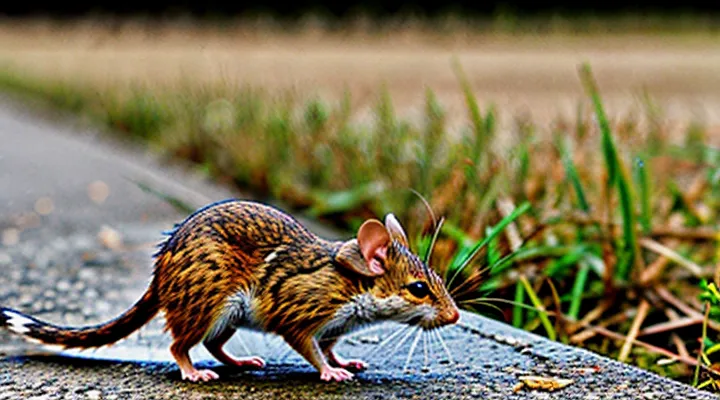
Understanding Field Mice and Their Vulnerabilities
Habitat and Behavior of Field Mice
Typical Habitats
Field mice occupy environments that provide cover, food, and easy access to burrowing material. Primary settings include open grasslands, cultivated fields, forest margins, and low‑lying riparian zones. Each of these habitats presents distinct structural features that influence mouse vulnerability to severe weather events.
- Grasslands: Dense herbaceous cover offers protection from predators but offers limited shelter against high winds and heavy rain, which can collapse surface nests and saturate ground litter.
- Cultivated fields: Seasonal planting cycles create temporary shelter in crop residues; however, irrigation channels and drainage ditches become conduits for rapid flooding during storms.
- Forest edges: Leaf litter and fallen logs supply nesting material, yet wind‑driven debris can block burrow entrances, while canopy gaps allow direct exposure to precipitation.
- Riparian zones: Moist soils support abundant vegetation and insect prey, yet proximity to water bodies raises the risk of inundation and erosion of burrow stability during intense rainfall.
Storm-driven hazards—such as flash flooding, wind‑blown debris, and sudden temperature drops—interact with these habitats to disrupt foraging patterns, increase predation exposure, and compromise burrow integrity. Understanding the specific characteristics of each environment enables targeted conservation measures that mitigate weather‑related mortality in field mouse populations.
Burrowing Habits
Field mice construct intricate burrow systems that consist of entrance tunnels, vertical shafts, and deep nesting chambers. Soil composition, moisture content, and vegetation cover dictate tunnel stability and depth, typically ranging from 30 cm to over 1 m below the surface.
During intense weather events, burrows provide partial protection against wind and precipitation, yet excess water can infiltrate low‑lying entrances, flooding chambers and reducing oxygen availability. Rapid soil saturation may cause tunnel collapse, exposing mice to predators and increasing mortality. The effectiveness of a burrow in storm conditions depends on three factors: entrance elevation, chamber depth, and substrate drainage capacity.
- Entrance elevation: positioned above typical runoff lines to limit water entry.
- Chamber depth: deeper chambers maintain stable temperature and remain above flood levels.
- Substrate drainage: loose, well‑aerated soils promote rapid water percolation and reduce pooling.
Field mice adjust burrow design in response to local topography and seasonal precipitation patterns. In regions prone to frequent storms, individuals preferentially select sites with sloping terrain and coarse, sandy soils that enhance drainage. Nesting chambers are often situated near the base of vertical shafts, where structural support from surrounding earth mitigates collapse risk.
Conservation measures that preserve natural ground cover and maintain heterogeneous soil structures support the construction of resilient burrow networks. Managing grazing intensity and preventing soil compaction sustain the microhabitats necessary for effective storm avoidance by field mice.
Reproductive Strategies
Field mice confront severe weather events that can destroy habitats and reduce food availability. Their survival depends on reproductive tactics that compensate for sudden population losses.
- High fecundity: females produce litters of 5‑9 pups, allowing rapid population recovery after storm‑induced mortality.
- Multiple breeding cycles: breeding season extends from early spring to late autumn, with intervals of 20‑30 days between litters, ensuring several generations within a single year.
- Early sexual maturity: juveniles reach reproductive age at 6‑8 weeks, shortening the gap between birth and contribution to the gene pool.
- Flexible nesting: nests are built in concealed locations such as dense vegetation, underground burrows, or abandoned rodent tunnels, reducing exposure to wind and precipitation.
- Synchronised breeding peaks: populations concentrate breeding efforts during periods of stable weather, then shift to opportunistic reproduction when conditions improve after a storm.
- Dispersal of offspring: pups are weaned quickly and encouraged to disperse, spreading genetic material across a broader area and decreasing the risk of localized catastrophic loss.
These strategies collectively buffer field mouse populations against the unpredictable and destructive nature of severe weather, maintaining ecological resilience despite frequent environmental disturbances.
The Nature of Storms
Types of Storms Affecting Terrestrial Environments
Storms present diverse hazards for ground‑dwelling rodents, influencing survival and habitat integrity. Understanding each storm category clarifies the specific pressures faced by field mice.
- Thunderstorms – Intense rainfall and rapid temperature shifts saturate soil, reduce burrow ventilation, and increase predation risk as mice emerge to avoid flooding.
- Hailstorms – Frozen precipitation damages vegetation cover, exposing mice to predators and destroying seed stores essential for winter foraging.
- Tornadoes – Violent wind vortices uproot grasses and litter, collapse burrows, and scatter populations, leading to heightened competition for remaining resources.
- Straight‑line windstorms – Sustained high winds erode topsoil, flatten protective ground cover, and cause desiccation of nests.
- Blizzards – Heavy snowfall and subzero temperatures blanket ground, impede locomotion, and limit access to food, while deep snow compresses tunnels and reduces oxygen exchange.
- Dust storms – Strong gusts lift fine particles, impair respiratory function, and coat fur, lowering thermoregulation efficiency.
Each storm type alters the terrestrial environment in ways that directly challenge the physiological tolerance, foraging ability, and shelter stability of field mice, thereby shaping population dynamics across seasons.
Characteristics of Severe Weather Events
Severe weather events present immediate physical challenges to small terrestrial rodents. Rapid shifts in atmospheric conditions generate forces that exceed the tolerance limits of field mice, directly influencing survival rates and population dynamics.
- Intense wind gusts: produce ground turbulence, displace litter and burrow entrances, increase exposure to predators.
- Heavy precipitation: saturates soil, collapses tunnel systems, raises the risk of hypothermia and fungal infections.
- Extreme temperature fluctuations: cause heat stress during sudden warm fronts and frost injury during abrupt cold snaps.
- Lightning strikes: generate localized fires, destroy vegetation cover that provides shelter and foraging grounds.
- Hail and sleet: damage plant stems and seed heads, reduce food availability and create physical injury to exposed individuals.
Each characteristic imposes a distinct hazard. Wind-driven debris can obstruct escape routes, while flooded burrows force mice to relocate into less protected areas. Temperature extremes accelerate metabolic demands, leading to rapid depletion of energy reserves. Fire and hail diminish both shelter and food sources, compelling rodents to compete for limited resources and increasing susceptibility to predation.
Effective wildlife management requires systematic monitoring of these meteorological parameters. Early detection of severe wind events, precipitation thresholds, and temperature spikes enables timely habitat reinforcement, such as stabilizing burrow entrances and providing artificial cover. Integrating weather data with population surveys improves predictive models of rodent mortality, supporting proactive conservation measures.
Direct Threats to Field Mice from Storms
Flooding and Drowning Risks
Water Ingress into Burrows
Heavy precipitation associated with severe weather can flood the underground tunnels that field mice use for shelter, foraging, and rearing young. When water infiltrates burrow entrances, the soil matrix becomes saturated, reducing the structural integrity of tunnel walls and increasing the risk of collapse. Continuous moisture also lowers oxygen levels within chambers, creating hypoxic conditions that impair respiration and reduce activity.
Key physiological and ecological impacts of burrow flooding include:
- Rapid loss of body heat due to conductive cooling, leading to hypothermia.
- Displacement of individuals from nesting sites, forcing exposure on the surface where predation risk rises.
- Increased susceptibility to fungal and bacterial infections in damp environments.
- Disruption of food storage, as cached seeds and insects become moldy or washed away.
Field mice respond to rising water levels through behavioral adjustments. They may relocate to higher ground, construct auxiliary tunnels with steeper inclines, or seal compromised sections using compacted soil and plant material. These actions require additional energy expenditure and can reduce reproductive output.
Long‑term population effects depend on storm frequency and intensity. Repeated inundation events can lower survival rates, diminish recruitment, and alter community composition by favoring species with more flood‑resistant burrowing strategies. Monitoring soil moisture and burrow occupancy during storm seasons provides essential data for predicting demographic shifts and informing habitat management practices.
Surface Water Accumulation
Surface water pooling after heavy precipitation creates immediate hazards for field mice. Rapidly rising puddles can drown individuals unable to escape, especially juveniles lacking strong swimming ability. Saturated ground also collapses burrow entrances, exposing occupants to predators and cold stress.
Key consequences of accumulated runoff include:
- Loss of dry refuge: flattened vegetation and flooded tunnels remove shelter, forcing mice into open areas.
- Impaired foraging: water‑logged seeds and insects become inaccessible, reducing food intake.
- Increased disease exposure: standing water fosters parasites and pathogens that contaminate the mice’s environment.
Storm‑driven runoff also alters landscape structure. Erosion reshapes microhabitats, while temporary water bodies may persist for days, extending the period of risk. Field mice that remain near higher ground or construct deeper burrows experience lower mortality rates, indicating the importance of topographical variation in mitigating surface water threats.
Disruption of Food Sources
Storms alter the availability of food for field mice through several mechanisms. Heavy rainfall saturates soil, drowning seed caches and forcing mice to abandon stored provisions. Wind gusts flatten low‑lying vegetation, eliminating seed heads and fresh shoots that constitute the primary diet of these rodents. Flooded burrow entrances expose stored grains to moisture, accelerating spoilage and reducing nutritional value.
Additional effects arise from the indirect impact of storms on the broader ecosystem. Disruption of plant phenology delays seed production, shortening the period during which mice can replenish their stores. Insect populations, a supplemental protein source, decline sharply after prolonged wet conditions, limiting alternative prey. The combined loss of seeds, vegetation, and invertebrates forces mice to expand foraging ranges, increasing exposure to predators and competition.
Key outcomes of food‑source disruption include:
- Reduced body mass and reproductive output.
- Elevated mortality during the post‑storm recovery period.
- Increased reliance on suboptimal food items, such as bark or carrion.
Understanding these dynamics clarifies how severe weather events directly compromise the sustenance of field mice, amplifying the overall risk profile for the species.
Hypothermia and Exposure
Loss of Nest Insulation
Nest insulation provides field mice with a stable micro‑climate, retaining heat during cold periods and preventing excess moisture when precipitation occurs. The material—typically dry grasses, leaves, and shredded plant fibers—creates a barrier against ambient temperature fluctuations and water ingress.
Storm conditions, especially high winds and heavy rain, displace or saturate insulation. Wind strips loose fibers from the nest surface, while rain penetrates gaps, soaking the inner layers. Flood‑level water can submerge nests entirely, eliminating the insulating air space that maintains warmth.
- Rapid heat loss forces mice to increase metabolic activity, depleting stored energy reserves.
- Moisture accumulation lowers body temperature, leading to hypothermia.
- Damp insulation promotes fungal growth, increasing the risk of respiratory infections.
- Compromised nests become more visible to predators, as wet material clings to the animal’s fur and creates movement cues.
- Frequent rebuilding consumes time and resources, reducing time available for foraging and reproduction.
Field mice respond by selecting elevated sites, reinforcing nests with water‑resistant materials, and constructing secondary shelters. These strategies mitigate insulation loss but require additional effort and material, influencing overall survival rates during severe weather events.
Reduced Body Temperature
Reduced body temperature is a primary physiological response of field mice exposed to severe weather events. When a storm brings prolonged cold, wind, and precipitation, heat loss exceeds metabolic heat production, driving core temperature toward hypothermic levels.
The drop in temperature impairs enzymatic activity, slows muscle contraction, and depresses neural function. Consequences include:
- Diminished foraging efficiency, leading to reduced energy intake.
- Impaired thermoregulation, causing a feedback loop of further heat loss.
- Lowered immune competence, increasing susceptibility to opportunistic pathogens.
- Decreased reproductive hormone production, delaying breeding cycles.
Field mice mitigate temperature decline through behavioral adjustments. They seek insulated burrows, aggregate in communal nests, and increase shivering thermogenesis. Physiologically, they elevate brown adipose tissue activity and mobilize glycogen stores to generate heat.
Survival under storm conditions depends on the balance between external heat loss and internal heat generation. Persistent hypothermia reduces locomotor performance, elevates predation risk, and can result in mortality if ambient temperatures remain below the thermoneutral zone for extended periods.
Effective conservation strategies focus on preserving natural shelter sites, maintaining ground cover that reduces wind exposure, and monitoring climate patterns that predict prolonged cold spells.
Exposure to Wind and Rain
Field mice encounter direct exposure to wind and rain during storm events, resulting in rapid body‑temperature loss and increased metabolic demand. Moisture saturates fur, diminishing its insulating properties and forcing the animal to expend energy on thermoregulation. Prolonged exposure can lead to hypothermia, reduced foraging efficiency, and heightened mortality rates.
Wind intensifies the effects of precipitation by stripping away retained heat and dislodging soil and leaf litter that serve as natural cover. Gusts can displace nests, expose individuals to predators, and impair locomotion. The combination of wind‑driven chill and wet fur accelerates dehydration, as evaporative loss rises sharply.
Key physiological and ecological consequences of wind and rain exposure include:
- Decreased core temperature, prompting emergency shivering and glycogen consumption.
- Impaired immune function, making mice more susceptible to bacterial and fungal infections.
- Elevated predation risk due to reduced concealment and slower escape responses.
- Disruption of reproductive cycles, as stress hormones interfere with breeding readiness.
Effective mitigation relies on the availability of sheltered microhabitats, such as burrows, dense vegetation, and debris piles. These structures provide windbreaks and retain dry substrate, allowing mice to maintain thermal balance and conserve energy until adverse conditions subside.
Habitat Destruction and Displacement
Damage to Vegetation
Storms dramatically alter plant communities that support field mice. High winds and heavy precipitation remove leaves, break stems, and uproot seedlings, directly reducing the cover and foraging material essential for these rodents.
- Loss of ground cover exposes mice to predators and temperature extremes.
- Destruction of seed-producing plants lowers food availability during critical breeding periods.
- Soil erosion caused by runoff diminishes seed germination sites, delaying vegetation recovery.
- Flooding saturates burrow systems, forcing mice to abandon nests and increasing mortality.
The cumulative effect of vegetation damage reduces population stability and hampers long‑term survival of field mice in storm‑prone habitats.
Burrow Collapse
Burrowing rodents depend on underground tunnels for shelter, temperature regulation, and protection from predators. When severe weather systems bring intense rainfall, high winds, or rapid temperature shifts, the structural integrity of these tunnels can be compromised. Saturated soil loses cohesion, reducing the load‑bearing capacity of the surrounding earth and increasing the likelihood of tunnel roof failure. Wind‑driven erosion can remove surface material, exposing burrow entrances to collapse.
Key mechanisms behind burrow failure during storms include:
- Soil saturation: Excess water fills pore spaces, diminishing friction between particles and causing the tunnel ceiling to sag or give way.
- Hydrostatic pressure: Rising groundwater exerts upward force on tunnel walls, pushing them outward and creating fissures.
- Surface runoff: Rapid water flow erodes soil around entrances, undermining support and leading to sudden collapse.
- Freeze‑thaw cycles: Post‑storm temperature drops freeze infiltrated water, expanding it and cracking tunnel walls.
Consequences for field mice are immediate. A collapsed burrow eliminates a safe nesting site, exposing individuals to predation and temperature extremes. Displacement forces mice to seek alternative shelters, often in less suitable habitats where food availability is lower and competition higher. Rebuilding efforts require substantial energy expenditure, reducing reproductive output and increasing mortality risk.
Mitigation strategies focus on habitat management. Maintaining vegetation cover stabilizes soil, reduces runoff velocity, and enhances water infiltration rates. Installing artificial nesting boxes or shallow ground shelters provides temporary refuge during peak storm periods. Monitoring soil moisture levels in known mouse colonies allows early detection of conditions that precede collapse, enabling timely intervention.
Forced Migration
Storms compel field mice to abandon established burrows, driving rapid, involuntary relocation across the landscape. Intense precipitation saturates soil, collapses tunnels, and creates surface water that renders typical foraging routes impassable. High‑velocity winds dislodge surface nests and scatter individuals into unfamiliar terrain.
The forced movement triggers several immediate challenges.
- Exposure to predators increases as mice traverse open ground.
- Energy reserves deplete while searching for new shelter, reducing reproductive output.
- Social groups fragment, causing temporary spikes in population density at limited safe sites.
Long‑term ecological consequences emerge from repeated displacement events. Genetic diversity may decline when surviving individuals form isolated colonies, heightening susceptibility to disease. Altered distribution patterns shift competitive balances, allowing opportunistic species to occupy vacated niches. Soil aeration and seed dispersal rates adjust in response to changed burrowing activity, influencing vegetation dynamics.
Mitigation strategies focus on preserving microhabitats that retain moisture without flooding, reinforcing burrow stability through vegetation buffers, and monitoring population genetics to detect bottleneck effects. These measures reduce the severity of storm‑induced migration and support the resilience of field mouse populations.
Increased Predation Post-Storm
Vulnerability of Displaced Mice
Displaced field mice experience heightened exposure to environmental extremes during severe weather events. Loss of burrow structures eliminates thermal insulation, leaving individuals subject to rapid temperature fluctuations that can exceed physiological limits. The absence of stable cover also increases the likelihood of direct injury from wind‑driven debris and flooding.
Vulnerability intensifies as predators exploit the open terrain created by storm‑induced habitat disruption. Without the concealment of vegetation or underground passages, mice become more visible and accessible to avian raptors, snakes, and carnivorous mammals. The reduced availability of foraging sites further compromises energy reserves, accelerating mortality risk.
Key factors contributing to the fragility of displaced mice include:
- Immediate exposure to wind and rain that erodes body heat
- Inability to retreat to secure burrows or nests
- Elevated predation pressure in exposed fields
- Diminished access to food and water sources
- Increased susceptibility to disease due to stress and weakened immunity
These elements collectively undermine survival prospects for field mice forced to relocate by storm‑driven disturbances.
Enhanced Visibility for Predators
Storm conditions often clear atmospheric moisture, reducing haze and increasing light penetration across open fields. This heightened clarity allows raptors, foxes, and other visual hunters to detect the subtle movements of field mice from greater distances. The combination of wind‑driven foliage motion and brightened backgrounds creates contrast that accentuates the silhouette of small mammals, making them more conspicuous against the terrain.
Key consequences of improved predator sightlines during storms include:
- Expanded detection radius for aerial and terrestrial hunters, leading to earlier attack initiation.
- Shortened escape latency for mice, as the window for evasive maneuvers narrows.
- Increased predation success rates, reflected in higher mortality statistics recorded during periods of sustained precipitation and wind.
Adaptations such as burrow depth, nocturnal activity, and reliance on ground cover become critical under these conditions, mitigating the elevated risk posed by clearer visual environments.
Reduced Cover
Reduced cover denotes the loss or thinning of vegetation, litter, and other structural elements that normally provide field mice with shelter from environmental extremes. When storms diminish these features, the habitat’s protective capacity declines sharply.
Exposure to wind and precipitation increases dramatically in open areas. Field mice experience rapid body‑temperature loss, heightened risk of hypothermia, and reduced ability to maintain dry nesting sites. Direct contact with heavy rain can lead to mortality through drowning or fungal infections.
The absence of dense cover also elevates predation pressure. Open terrain improves predator visibility, allowing raptors, snakes, and carnivorous mammals to locate and capture prey more efficiently. Displacement becomes common as mice abandon unsuitable patches, leading to overcrowding in remaining refuges and intensified competition for food.
Mitigation actions include:
- Preserving and restoring native grasses and shrubs before storm season.
- Installing artificial shelters such as brush piles or nest boxes to compensate for lost vegetation.
- Managing land use to limit excessive mowing or grazing that strips cover.
- Monitoring post‑storm habitat conditions to identify and address gaps promptly.
Indirect Impacts and Long-Term Consequences
Food Scarcity and Resource Depletion
Destruction of Plant Life
Storms can decimate vegetation, eliminating the primary food source for field mice and removing cover that protects them from predators. When high winds and heavy precipitation uproot grasses, seedlings, and herbaceous plants, the resulting loss of biomass directly reduces the availability of seeds and shoots that constitute the mice’s diet. Simultaneously, the disappearance of ground cover exposes individuals to increased predation risk and temperature extremes.
The cascade of effects stemming from plant destruction includes:
- Immediate decline in seed and leaf consumption, leading to weight loss and reduced reproductive output.
- Disruption of burrow stability as root systems that reinforce soil structures are torn away, causing tunnel collapse.
- Heightened exposure to aerial and terrestrial predators due to the absence of vegetative concealment.
- Increased competition for the remaining limited resources, forcing mice to expand their foraging range and encounter additional hazards.
Long‑term consequences involve population contraction in affected areas, altered community dynamics, and potential shifts in species distribution as mice relocate to habitats with sufficient plant cover.
Contamination of Food Stores
Severe weather events can breach the integrity of grain and seed caches that field mice rely on for survival. Flooding, wind‑driven debris, and rapid temperature shifts often introduce foreign substances into these stores, creating a direct health threat for the rodents.
Common pathways of contamination include:
- Water ingress that dissolves nutrients and promotes bacterial growth.
- Soil or leaf litter carried by gusts, introducing parasites and fungi.
- Chemical runoff from nearby agricultural fields, depositing pesticides or fertilizers.
- Physical damage that exposes stored food to airborne spores and insects.
Ingestion of polluted provisions reduces the nutritional value of the diet and increases exposure to toxins. Pathogens proliferating in damp, contaminated stores can cause gastrointestinal illness, while chemical residues may impair reproductive function and weaken immune defenses. The combined effect lowers survival rates during periods when alternative food sources are scarce.
Preventive measures focus on protecting storage sites from environmental intrusion. Strategies include elevating caches above flood levels, sealing containers with weather‑resistant materials, and conducting regular inspections for mold, moisture, or foreign debris. Prompt removal of compromised supplies limits pathogen spread and preserves the quality of the remaining food.
Reduced Insect Populations
Reduced insect populations intensify the challenges field mice face during severe weather events. Storms disrupt ground‑dwelling insect habitats, causing mortality and limiting reproductive cycles. Flooded soils and wind‑blown debris diminish leaf litter and soil moisture, conditions essential for many arthropods.
Consequences for field mice include:
- Lowered protein intake, directly affecting growth rates.
- Decreased energy reserves, reducing ability to maintain body temperature during cold fronts.
- Limited prey availability for lactating females, leading to smaller litter sizes.
- Increased competition for remaining insects, raising stress levels and susceptibility to disease.
These factors compound the direct physical threats of storms, such as habitat loss and exposure, creating a multifaceted risk profile for field mouse populations.
Disease Transmission
Contaminated Water Sources
Storms generate runoff that mixes agricultural chemicals, sewage, and sediment, turning shallow ponds and ditches into toxic reservoirs. Field mice, which rely on these water bodies for drinking and foraging, encounter heightened exposure to hazardous substances during and after severe weather events.
Contamination pathways include:
- Leaching of pesticides from nearby fields into puddles and burrow water.
- Overflow of livestock waste lagoons, introducing pathogenic bacteria and ammonia.
- Erosion‑driven sedimentation that carries heavy metals such as lead and cadmium.
- Displacement of industrial runoff containing petroleum hydrocarbons.
Physiological effects observed in field mice exposed to polluted water are:
- Gastrointestinal ulceration and hemorrhage caused by acidic runoff.
- Renal dysfunction linked to heavy‑metal accumulation.
- Immunosuppression resulting from bacterial endotoxins, increasing susceptibility to secondary infections.
- Reduced reproductive success due to endocrine‑disrupting compounds.
Population‑level consequences manifest as lower survival rates, altered foraging behavior to avoid contaminated sites, and potential local declines when water sources remain compromised for extended periods. Monitoring water quality after storms and providing clean water points can mitigate these risks.
Increased Contact with Pathogens
Storm-driven environmental changes force field mice into habitats where pathogen loads rise sharply. Floodwaters transport bacteria, viruses, and parasites from soil and standing water onto the ground surface, creating a contaminated foraging zone. The resulting moisture elevates survival rates of agents such as Salmonella, Yersinia, and hantavirus, extending the window for infection.
Increased aggregation among mice during storm events intensifies direct transmission. Crowding in limited shelter reduces spacing, facilitating oral‑fecal exchange and aerosol spread of respiratory pathogens. Stress induced by extreme weather suppresses immune function, lowering resistance to opportunistic infections.
Key pathways of heightened pathogen contact include:
- Waterborne exposure: ingestion of contaminated runoff or drinking from flooded pools.
- Soil disturbance: uprooted vegetation and exposed burrow walls release dormant spores and cysts.
- Social interaction: forced cohabitation in shallow refuges raises contact frequency.
- Vector activity: storms boost populations of ectoparasites (mites, fleas) that act as mechanical carriers.
Collectively, these mechanisms convert severe weather from a physical threat into a catalyst for disease transmission, markedly increasing mortality risk among field mouse populations.
Stress-Induced Immunosuppression
Storm events generate acute environmental stress for field mice, triggering hormonal cascades that suppress immune function. Elevated corticosterone levels reduce lymphocyte proliferation and impair cytokine production, creating a measurable decline in both innate and adaptive defenses.
The suppression originates from hypothalamic‑pituitary‑adrenal activation. Glucocorticoids bind to immune cell receptors, inhibit NF‑κB signaling, and promote apoptosis of naïve T cells. Concurrently, sympathetic nervous system discharge releases norepinephrine, which further dampens macrophage activity.
Resulting immunosuppression increases vulnerability to bacterial, viral, and fungal pathogens commonly present in flood‑saturated soils. Field mice exhibit higher infection rates for Salmonella spp., hantavirus, and dermatophytes during and after severe weather episodes. Mortality spikes correlate with reduced splenic NK cell counts and diminished serum IgG concentrations.
Storm‑related factors amplify the impact:
- Rapid temperature drops lower metabolic rates, extending glucocorticoid exposure.
- Waterlogged burrows elevate pathogen loads, providing direct transmission routes.
- Displacement forces mice into unfamiliar habitats, exposing them to novel parasites.
Research indicates that short‑term nutritional supplementation with antioxidants (e.g., vitamin E) partially restores leukocyte function in stressed individuals. Long‑term monitoring of immune markers in populations experiencing frequent storms informs conservation strategies aimed at mitigating disease outbreaks.
Population Dynamics
Short-Term Mortality Rates
Short‑term mortality rates quantify the proportion of field mice that die within days to weeks after a storm event. Researchers calculate the metric by comparing pre‑storm population estimates with counts obtained shortly after the disturbance.
Empirical surveys in temperate grasslands report mortality ranging from 15 % to 45 % depending on storm intensity, duration, and habitat moisture. Low‑intensity thunderstorms typically produce 10 %–20 % loss, whereas severe convective systems with heavy rain and strong gusts can exceed 40 % mortality.
Key drivers of immediate deaths include:
- Rapid flooding of burrow entrances, causing drowning or forced emergence into exposed conditions.
- High‑velocity wind delivering debris that crushes individuals or blocks escape routes.
- Sudden temperature drops leading to hypothermia, especially for juveniles.
- Elevated predation pressure as predators exploit displaced or disoriented mice.
Elevated short‑term mortality compresses cohort size, reduces reproductive output, and can trigger delayed population rebounds or local extirpation if successive storms occur before recovery. Monitoring these rates provides essential input for predictive models of field‑mouse dynamics under increasing storm frequency.
Long-Term Reproductive Success
Severe weather events impose immediate mortality on field mice, reducing the number of breeding individuals available each season. Flooding and wind damage destroy nests, displace juveniles, and limit access to shelter, forcing survivors to allocate energy to thermoregulation and predator avoidance rather than reproduction.
Long‑term reproductive outcomes reflect several interconnected processes:
- Reduced litter size: Stress hormones triggered by storm exposure suppress ovulation and fetal development, leading to smaller broods.
- Delayed breeding onset: Habitat loss postpones the establishment of territories, pushing first estrus cycles later in the year.
- Lower juvenile survival: Wet ground and scarce cover increase predation risk, decreasing the proportion of offspring that reach maturity.
- Genetic bottlenecks: High adult mortality concentrates breeding among a limited set of survivors, reducing genetic diversity and resilience to future disturbances.
Cumulative effects manifest as slower population recovery after each storm season. Repeated events can shift age structure toward older individuals, diminish overall fecundity, and create cyclic declines that persist for multiple years. Monitoring reproductive metrics—litter counts, breeding dates, and juvenile survival rates—provides early indicators of population trajectories under recurring storm pressure.
Mitigation strategies focus on enhancing microhabitat stability: retaining vegetation buffers, constructing artificial burrows, and preserving dry refuges reduce the direct impact of floods and wind. By addressing the specific pathways through which storms compromise reproductive success, conservation programs can sustain field mouse populations despite increasing frequency of extreme weather.
Genetic Bottlenecks
Severe weather events can cause sudden reductions in field‑mouse populations, creating genetic bottlenecks that diminish allelic diversity. When a storm destroys habitat patches, survivors are often confined to isolated refuges, limiting mate choice and reducing gene flow. The resulting narrow gene pool increases susceptibility to disease, reduces adaptive potential, and accelerates inbreeding depression.
Reduced genetic variation hinders the ability of populations to respond to subsequent environmental stresses. Traits that confer resistance to parasites, tolerance of temperature extremes, or efficient foraging become less prevalent. Consequently, recovery after the storm may be slower, and local extinction risk rises.
Key outcomes of bottleneck events include:
- Loss of rare alleles that could support future adaptation
- Elevated homozygosity leading to expression of deleterious recessive traits
- Decreased overall fitness measured by reproductive success and survival rates
Management strategies that maintain connectivity among habitat fragments mitigate bottleneck effects. Corridors that enable dispersal before, during, and after storms preserve genetic exchange, sustaining population resilience in the face of natural hazards.