
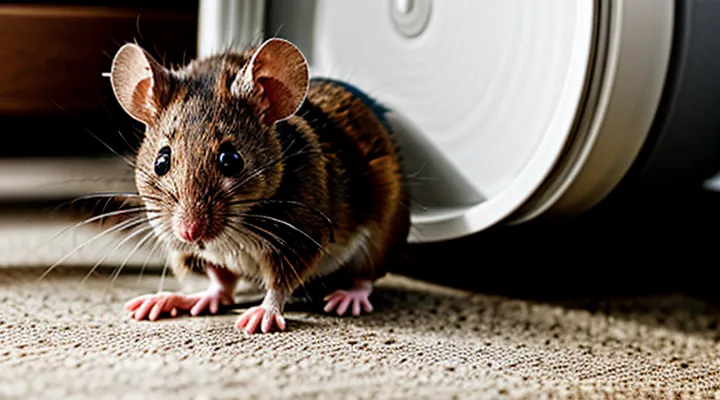
Understanding House Mouse Infestations
The Nature of House Mice
Biology and Behavior
House mice (Mus musculus) possess a reproductive system that enables swift population expansion. Females reach sexual maturity at five weeks, can produce up to ten litters per year, and each litter contains three to fourteen offspring. This high breeding frequency creates a constant source of new individuals capable of entering residential structures.
The species exhibits omnivorous foraging behavior, consuming grains, protein, fats, and waste. Preference for high‑calorie foods drives mice toward kitchens, pantries, and garbage receptacles. Their ability to exploit a wide range of food items reduces dependence on specific resources, facilitating colonization of diverse indoor environments.
Nesting habits focus on concealed, warm locations. Mice select cavities behind walls, under floorboards, and within insulation, where temperature remains stable. Access points as small as 6 mm allow entry through cracks, gaps around pipes, and poorly sealed doors, providing direct pathways to suitable shelter.
Social organization centers on a dominant male and a hierarchy of subordinate individuals. Groups maintain territories that overlap with human structures, prompting regular exploratory excursions. These movements increase the likelihood of individuals locating new entryways and establishing additional colonies.
Communication relies on scent marking and ultrasonic vocalizations. Pheromone trails convey information about food sources and nesting sites, while vocal signals coordinate group activity. These mechanisms enhance collective awareness of available resources and promote coordinated expansion into adjacent spaces.
Key biological and behavioral traits that contribute to infestation sources:
- Rapid reproductive cycle and large litter sizes
- Broad diet that includes stored human foods and waste
- Preference for warm, concealed nesting sites within building structures
- Ability to enter through minute openings
- Hierarchical social structure encouraging exploration
- Chemical and acoustic signaling that directs individuals to favorable locations
Understanding these characteristics clarifies how house mice locate, enter, and thrive in residential settings, directly linking their biology and behavior to the factors that generate mouse problems in homes.
Reproductive Potential
House mice reproduce rapidly, creating a primary mechanism for population expansion that fuels indoor invasions. Females reach sexual maturity at 5–6 weeks, allowing breeding cycles to commence shortly after colonization of a new site. Gestation lasts approximately 19–21 days, and each litter typically contains 5–8 pups; under optimal conditions litters may exceed ten offspring. After weaning, juveniles become fertile within three weeks, enabling successive generations to develop within a single season.
Key reproductive characteristics that amplify infestation risk include:
- Multiple breeding cycles per year (3–5 in temperate regions, up to 10 in warm climates)
- Short inter‑litter intervals (approximately 25 days)
- High survivorship of neonates when shelter and food are abundant
Environmental factors directly influence these parameters. Access to stored grain, waste, or pet food raises body condition scores, which in turn increase litter size and frequency. Temperature stability inside buildings eliminates seasonal breeding pauses, sustaining continuous reproduction. Structural gaps that provide nesting sites protect young from predators and extreme weather, further elevating survival rates.
The combined effect of early maturity, brief gestation, and frequent, sizable litters yields exponential population growth. A single breeding pair can generate several hundred individuals within six months, surpassing the threshold at which visible signs of infestation emerge. Consequently, reproductive potential serves as a decisive driver behind the emergence and persistence of mouse problems in residential and commercial premises.
Primary Entry Points for House Mice
Structural Vulnerabilities of Homes
Gaps and Cracks in Foundations
Gaps and cracks in a building’s foundation provide direct pathways for house mice to move from the surrounding soil into interior spaces. These openings often form around utility penetrations, poorly sealed pipe sleeves, or settlement-induced fissures. Even openings as small as a quarter‑inch can accommodate a mouse, allowing repeated ingress and establishing a persistent population.
Structural movement, moisture expansion, and inadequate construction practices contribute to the creation of these breaches. Soil pressure against a slab can force cracks to widen over time, while temperature fluctuations cause concrete to contract and open seams. Unsealed joints around foundations and crawl‑space vents further increase vulnerability.
Effective control begins with identification and remediation. Recommended actions include:
- Inspect the perimeter of the foundation for visible fissures, gaps around pipes, and deteriorated sealants.
- Apply hydraulic cement or epoxy filler to seal cracks larger than 2 mm; use expanding foam for irregular gaps.
- Install metal flashing or stainless‑steel mesh over utility penetrations to block rodent entry while maintaining service access.
- Ensure proper grading and drainage to keep soil moisture low, reducing pressure that drives cracks.
- Conduct periodic re‑inspection after seasonal temperature changes to confirm that repairs remain intact.
By eliminating these structural entry points, the likelihood of mouse intrusion drops sharply, addressing a primary driver of indoor rodent activity.
Unsealed Pipe and Wire Openings
Unsealed openings around plumbing and electrical conduits create direct pathways for house mice to infiltrate residential structures. These gaps often occur where pipes, cables, or conduit sleeves pass through walls, floors, or foundations, leaving gaps as large as a quarter‑inch. Mice exploit such spaces because they require minimal clearance to squeeze through, and the openings are typically located near food sources and shelter.
Key attributes that make pipe and wire openings vulnerable include:
- Size: openings exceeding 0.25 in (6 mm) accommodate adult mice without resistance.
- Location: gaps near kitchens, pantries, or utility rooms provide immediate access to nutrition.
- Material: unfinished mortar, cracked caulk, or deteriorated insulation fails to seal the perimeter of the conduit.
- Frequency: multiple penetrations throughout a building increase the probability of successful entry.
Effective control begins with a systematic inspection of all utility penetrations. Seal each opening using steel wool, copper mesh, or expanding foam, then cover with cement, silicone, or metal flashing to prevent re‑entry. Replace damaged pipe sleeves and install conduit sealants rated for pest exclusion. Regular maintenance of these barriers ensures long‑term protection against mouse intrusion.
Damaged Roofs and Eaves
Damaged roofs and eaves create direct pathways for house mice to enter buildings. Cracks, missing shingles, and loose soffits expose interior spaces to exterior environments, allowing rodents to slip through gaps as small as a quarter‑inch. These openings also provide sheltered routes that bypass exterior barriers, facilitating rapid colonization of attic and ceiling cavities.
Key effects of compromised roofing structures include:
- Unprotected entry points that bypass typical exclusion methods.
- Accumulation of debris and insulation material beneath damaged sections, offering food sources and nesting material.
- Increased moisture levels from leaks, creating favorable microclimates for mouse survival and reproduction.
- Reduced structural integrity that can be further degraded by rodent activity, leading to a feedback loop of worsening damage.
Repairing roof defects and sealing eaves eliminates the primary access routes, removes hidden food supplies, and restores an environment hostile to mouse habitation. Regular inspections and prompt maintenance of roofing components are essential components of an effective rodent‑prevention strategy.
Loose-fitting Doors and Windows
Loose-fitting doors and windows create gaps that allow house mice to enter residential structures. Mice exploit openings as small as a quarter of an inch; a misaligned frame or warped panel provides sufficient access. The presence of such gaps correlates with increased indoor activity because mice can move freely between the exterior and interior, seeking shelter, food, and nesting material.
Typical entry points include:
- Gaps around door hinges or thresholds
- Spaces between window sashes and frames
- Unsealed cracks at the perimeter of door and window openings
- Overlaps where weatherstripping is missing or deteriorated
These openings also serve as conduits for rodents to follow scent trails left by conspecifics, facilitating repeated invasions. Once inside, mice can exploit structural voids to establish burrows, leading to contamination of surfaces and damage to wiring or insulation.
Mitigation measures focus on eliminating the physical pathways:
- Inspect all exterior doors and windows for uneven gaps; use a flashlight to detect darkness at the edges.
- Install or replace weatherstripping with a material that compresses tightly against the frame.
- Apply steel wool or copper mesh to seal cracks that cannot be covered by standard caulk.
- Use expanding foam sealant for larger voids, ensuring it adheres to both wood and metal surfaces.
- Verify that door sweeps are correctly positioned and make full contact with the floor.
Regular maintenance—rechecking seals after seasonal temperature shifts or after renovations—prevents the reformation of entry points. By securing doors and windows, the primary route for mouse intrusion is removed, reducing the likelihood of infestation.
Utility and Service Pathways
Gaps Around Utilities Entering Buildings
Gaps surrounding utility penetrations—pipes, cables, vent ducts, and conduit sleeves—provide direct pathways for house mice to infiltrate structures. The small size of these openings, often less than a centimeter, matches the mouse’s ability to compress its body and squeeze through narrow spaces, allowing unnoticed entry from exterior environments.
Typical utility entry points that create vulnerabilities include:
- Water supply lines and shut‑off valves
- Sewer and drainage pipes
- Electrical conduit bundles
- Gas lines and meter housings
- HVAC ductwork and exhaust vents
- Cable TV and internet cabling sleeves
Each of these points can develop cracks, gaps around clamps, or deteriorated sealants over time. Moisture, temperature fluctuations, and building settlement exacerbate the formation of openings, while the constant movement of utilities can disturb existing seals, further enlarging entry routes.
Mice exploit these gaps not only for access but also for shelter and food sources. Utility spaces often contain insulation, wiring, and accumulated debris, providing safe nesting sites. Proximity to water lines offers a reliable moisture source, supporting mouse survival and reproduction.
Preventive measures focus on eliminating the physical routes:
- Inspect all utility penetrations during construction and retrofits; install steel or copper flashing with overlapping seams.
- Apply high‑quality, rodent‑resistant sealants (e.g., silicone‑based or polyurethane) around pipe collars and conduit entries.
- Use expandable foam or cementitious caulk to fill irregular gaps.
- Install metal mesh or hardware cloth (¼‑inch gauge) around larger openings before sealing.
- Conduct regular maintenance checks to detect seal degradation, especially after renovations or severe weather events.
By systematically sealing utility gaps, property owners reduce the primary conduit through which house mice gain entry, thereby limiting infestation risk and associated health concerns.
Sewer and Drain Access
Sewer and drain systems provide direct routes for house mice to move from external environments into residential spaces. These pathways connect garbage collection areas, street gutters, and underground utility networks, allowing rodents to bypass typical building barriers.
Mice are drawn to sewers and drains because they contain consistent moisture, organic debris, and occasional food residues. The darkness and confined spaces offer shelter from predators and temperature extremes, supporting breeding and population growth.
Entry points arise from structural deficiencies such as cracked pipe joints, unsealed vent caps, and deteriorated waterproofing around access hatches. Gaps around pipe sleeves and improperly fitted clean‑out covers create openings large enough for a mouse to squeeze through.
Preventive actions:
- Inspect all sewer and drain openings quarterly for cracks or gaps.
- Install metal mesh or stainless‑steel screens on vent openings and clean‑out covers.
- Apply silicone or expanding foam sealant around pipe penetrations in walls and floors.
- Ensure proper drainage to eliminate standing water and reduce moisture accumulation.
- Conduct regular maintenance of garbage disposal units connected to the plumbing system.
Implementing these measures reduces the likelihood that sewers and drains serve as conduits for mouse intrusion.
Ventilation Systems and Vents
Ventilation ducts and exterior vents create direct routes for house mice to infiltrate interior spaces. Gaps around duct collars, unsecured vent covers, and unsealed penetrations provide openings large enough for rodents to squeeze through. Once inside, the network of ducts connects rooms, closets, and attics, allowing mice to travel unseen and establish nests near heat sources and food supplies.
Typical vulnerabilities include:
- Loose or missing metal flashing around roof vents, leaving a clear gap.
- Damaged or rusted vent louvers that fail to close properly.
- Improperly fitted duct sleeves that do not meet building code specifications.
- Accumulated insulation or debris that masks entry points during inspections.
Effective control measures focus on sealing all access points with steel wool, hardware cloth, or expanding foam rated for pest exclusion, then reinforcing vent covers with tamper‑resistant screws. Regular inspections of ductwork and vent assemblies, especially after renovations or severe weather, ensure that new gaps are detected and repaired before they become pathways for infestation.
Attractants That Draw Mice Indoors
Food Sources
Accessible Food Storage
Accessible food storage provides a direct attractant for house mice, creating a reliable source of nutrition that supports population growth and encourages entry into residential structures. When food is left within easy reach, mice can locate, harvest, and transport it with minimal effort, sustaining their presence and facilitating breeding cycles.
- Unsealed packaging allows scent diffusion, signaling food availability to rodents.
- Open pantry shelves expose bulk items, increasing the number of accessible feeding sites.
- Floor‑level storage places food within the typical foraging range of mice, eliminating the need for climbing.
- Frequent restocking introduces fresh odors and reduces the time food remains protected.
- Moist environments near stored goods promote spoilage, generating additional olfactory cues that attract mice.
The presence of readily available nourishment accelerates infestation development and complicates control measures. Effective mitigation focuses on eliminating these access points:
- Use airtight containers made of metal or heavy‑wall plastic.
- Store items on elevated shelves, preferably above 1.5 m from the floor.
- Maintain a strict schedule for cleaning spills and discarding expired products.
- Implement a “first‑in, first‑out” inventory system to prevent prolonged exposure of food.
- Inspect storage areas regularly for signs of gnawing or contamination and seal any openings promptly.
Pet Food Left Out
Leaving pet food exposed creates a reliable food source that encourages house mice to enter homes. The scent of protein and carbohydrate residues spreads quickly, drawing rodents from surrounding walls, attics, and outdoor areas. Mice can locate food through keen olfactory senses, and a constant supply eliminates the need for them to forage elsewhere, increasing the likelihood of establishing a permanent presence.
Key mechanisms by which unattended pet food fuels infestations include:
- Attraction: Strong aromas act as a beacon, prompting mice to explore nearby entry points.
- Sustenance: Continuous access supports breeding cycles, allowing rapid population growth.
- Habitat establishment: Food availability near nesting sites encourages mice to set up nests in walls, cabinets, or insulation.
- Spread: Mice transport food crumbs to hidden corners, contaminating surfaces and creating secondary attractants for other pests.
Mitigation requires immediate removal of uneaten food, secure storage in airtight containers, and regular cleaning of feeding areas. Consistent practice eliminates the primary lure that drives mouse activity and helps maintain a rodent‑free environment.
Unsecured Garbage Bins
Unsecured garbage bins provide easy access to food residues, creating an attractive foraging site for house mice. When lids are loose or bins are left open, mice can enter, feed, and use the material as nesting material, establishing a foothold near residential structures.
Food waste in exposed containers supplies the high‑calorie diet mice need for rapid reproduction. Moisture from decomposing organic matter enhances the suitability of the environment, while the clutter around bins offers shelter from predators and harsh weather. These conditions reduce the distance mice must travel to reach indoor areas, increasing the likelihood of infestation.
Effective control focuses on eliminating the bin-related entry points and food sources:
- Secure lids with tight‑locking mechanisms or bungee cords.
- Position bins away from building foundations, maintaining at least a two‑meter clearance.
- Empty bins daily and clean residues from the exterior surface.
- Use metal or heavy‑duty plastic containers that resist chewing.
- Install motion‑activated deterrents or ultrasonic devices near bin stations.
By restricting access to unsecured waste, the primary attractant for house mice is removed, decreasing the probability of indoor colonisation.
Crumbs and Spills
Crumbs left on countertops, floors, or in cabinets provide a readily accessible energy source for house mice. Even minute particles contain sufficient nutrients to sustain a small population, encouraging regular foraging trips and establishing a feeding zone near the source.
Spills of liquids such as sugary drinks, oil, or broth introduce moisture and additional calories. Moist environments facilitate bacterial growth, which further attracts rodents seeking both water and protein. Frequent, unattended spills create a localized resource hub that reduces the distance mice must travel to obtain sustenance.
- Food particles on surfaces act as immediate attractants.
- Sticky residues from spills retain scent trails, guiding other mice.
- Moisture from liquid spills satisfies the species’ water requirement.
- Accumulated debris in hard‑to‑reach areas provides shelter and nesting material.
- Repeated exposure to food sources lowers the threshold for colony establishment.
Effective control relies on eliminating these resources. Promptly wipe surfaces after meals, store dry goods in sealed containers, and clean up spills before they dry. Regular inspection of hidden corners and under appliances prevents the buildup of debris that could sustain a mouse population.
Water Sources
Leaky Faucets and Pipes
Leaking faucets and pipes supply a reliable water source that encourages mice to enter and remain in a residence. Continuous drips create standing water that satisfies the rodents’ hydration needs without requiring them to search for natural sources.
Persistent moisture from a faucet leak also softens surrounding materials, making it easier for mice to gnaw through wood, insulation, or drywall. The resulting gaps serve as entry points and pathways, facilitating movement throughout the structure.
Water that seeps from cracked or corroded pipes infiltrates wall cavities, raising humidity levels and degrading structural components. Elevated moisture promotes mold growth, which attracts insects that become additional food for mice, thereby reinforcing the infestation cycle.
Preventive actions
- Repair all faucet drips promptly.
- Replace or seal damaged pipe sections.
- Inspect under sinks, behind appliances, and in crawl spaces for hidden leaks.
- Use moisture meters to detect hidden dampness.
- Maintain proper ventilation to reduce humidity in vulnerable areas.
Condensation from Appliances
Condensation generated by household appliances creates an environment that supports mouse activity. Moisture settles on surfaces, softens insulation, and encourages the growth of mold and insects, which serve as additional food sources for rodents.
Excess humidity from appliances also damages structural components. Wet wood and cardboard weaken, forming hidden pathways that mice exploit to move between rooms. Persistent dampness attracts insects, providing prey that sustains mouse populations.
Typical sources of appliance‑related condensation include:
- Dishwashers that leak or run without proper venting
- Washing machines with faulty seals or drainage issues
- Refrigerators with ice buildup on coils
- Dehumidifiers that malfunction and overflow
- Bathroom exhaust fans that fail to remove steam
Mitigation requires targeted actions. Install and maintain proper venting for all moisture‑producing devices. Promptly repair leaks, clean condensate trays, and ensure drainage systems function correctly. Use a hygrometer to monitor indoor humidity, keeping levels below 50 %. Apply sealant to gaps around appliance openings, and regularly inspect insulation for signs of water damage. These steps reduce moisture availability and deny mice the conditions they need to establish infestations.
Pet Water Bowls
Pet water bowls provide a reliable moisture source that can draw house mice into domestic environments. Mice seek out fresh water for drinking and for cooling their nests; an unattended bowl creates a low‑effort supply, especially when placed near food storage or sleeping areas.
Key ways water bowls contribute to mouse presence:
- Stagnant water encourages bacterial growth, producing odors that attract rodents.
- Bowls left on the floor become accessible to mice that can climb or gnaw through surrounding materials.
- Leaking or overflowing bowls increase humidity, softening building materials and facilitating gnawing pathways.
- Placement near cracks, gaps, or under furniture offers mice concealed routes to reach the water source.
Mitigation measures focus on eliminating the bowl as an attraction point:
- Use spill‑proof designs with secure lids to prevent leaks.
- Position bowls on elevated, non‑absorbent surfaces away from walls and baseboards.
- Replace water daily; clean bowls with disinfectant each refill.
- Inspect surrounding areas for signs of gnawing or droppings and seal entry points promptly.
By managing water bowl hygiene and location, homeowners reduce one of the primary factors that sustain mouse activity within a residence.
Shelter and Harborage
Clutter and Storage Areas
Clutter creates concealed pathways and nesting sites that attract house mice. Piles of newspapers, clothing, cardboard boxes, and miscellaneous items conceal entry points, reduce visibility of traps, and provide insulation against temperature fluctuations. When storage areas are overloaded, mice can move freely behind and beneath objects, establishing colonies without detection.
Key ways clutter and storage contribute to infestations:
- Accumulated debris offers food residues and shelter, supporting reproduction.
- Stacked cardboard or paper supplies easy-to-chew material for building nests.
- Overcrowded spaces limit airflow, creating a stable micro‑environment favorable to rodents.
- Disorganized layouts impede regular inspection and cleaning, allowing populations to grow unnoticed.
Wall Voids and Attics
Wall voids provide protected pathways that connect exterior openings with interior rooms. Mice exploit gaps around plumbing, electrical conduits, and foundation cracks to enter these cavities. Once inside, the insulated space offers stable temperature, limited predator access, and proximity to food sources such as wiring insulation and stored pantry items. Typical entry points include:
- Unsealed gaps around utility penetrations
- Gaps beneath exterior siding or brick veneer
- Cracks in foundation walls or slab edges
Attic spaces attract mice for similar reasons. Roof vents, eaves, and chimney flues often lack adequate screening, allowing rodents to climb and gain access. The attic’s warm, dry environment supports nesting, while stored items—clothing, insulation, or seasonal supplies—provide shelter and food. Critical vulnerabilities consist of:
- Unscreened roof vents and gable openings
- Damaged or missing soffit vent screens
- Openings around attic access doors or pull‑down stairs
Both wall voids and attics serve as primary conduits for mouse entry, facilitating movement throughout a structure and establishing breeding sites. Effective mitigation requires sealing all identified gaps, installing rodent‑proof mesh on vents, and maintaining regular inspections to detect new breaches before populations establish.
Basements and Crawl Spaces
Basements and crawl spaces provide shelter, easy access to structural voids, and proximity to external environments, making them frequent origins of mouse activity in residential buildings. Moisture accumulation in these areas creates a favorable microclimate for rodents, while stored items such as cardboard boxes, insulation, and debris supply food and nesting material. Gaps around utility penetrations, foundation cracks, and unsealed vents serve as entry points; even small openings as narrow as ¼ inch permit mice to infiltrate. Poor ventilation and inadequate lighting further encourage habitation, as darkness reduces predator exposure and conserves heat.
Key conditions that attract mice to lower-level spaces include:
- Persistent dampness from leaks or inadequate drainage
- Accumulated clutter offering concealment and sustenance
- Unsealed cracks in concrete or masonry foundations
- Openings around plumbing, electrical conduits, and HVAC ducts
- Direct access to exterior soil or crawl‑space vents
Addressing these factors reduces infestation risk. Sealing all penetrations with steel wool or metal mesh, repairing foundation cracks, installing proper vapor barriers, and maintaining a dry, organized environment limit the attractiveness of basements and crawl spaces to house mice. Regular inspections of these zones detect early signs of activity, enabling prompt intervention before populations expand throughout the dwelling.
Gardens and Landscaping Near Structures
Gardens and landscaping adjacent to buildings provide abundant shelter, food, and travel routes for house mice, directly contributing to indoor infestations. Dense vegetation creates hidden pathways that connect exterior habitats with structural gaps such as foundation cracks, utility penetrations, and under‑door thresholds. Overgrown shrubs and groundcover can conceal mouse nests, while compost piles, fruit trees, and vegetable beds supply continuous nutrition, encouraging population growth near the residence.
Key factors that increase the risk of mouse entry from garden environments include:
- Gaps larger than ¼ inch in the building envelope, especially near garden features, allowing rodents to squeeze through.
- Mulch or wood chips placed directly against foundations, offering moist, insulated nesting material.
- Irrigation systems that produce standing water or excess moisture, creating favorable conditions for rodent activity.
- Unsecured compost bins and fallen fruit, providing readily available food sources.
- Low‑lying fences or trellises that bridge the gap between garden and structure, serving as climbing aids.
Effective mitigation requires eliminating these attractions and barriers. Maintain a clear perimeter of at least 12 inches between mulch and the building, regularly trim vegetation to prevent overgrowth, seal all openings in the foundation and utility entries, and store compost in rodent‑proof containers. By managing garden and landscaping elements, the likelihood of mice moving from outdoor habitats into homes is substantially reduced.
Environmental and Seasonal Factors
Seasonal Changes and Weather
Colder Temperatures
Cold weather compels house mice to abandon external burrows and seek refuge inside human structures. As ambient temperatures drop, their metabolic rate rises, increasing the need for stable, warm environments that support survival and reproduction.
- Indoor heating creates a temperature gradient that attracts mice from colder exterior zones.
- Reduced availability of natural food sources forces mice to explore stored provisions in kitchens, pantries, and garbage containers.
- Diminished ground cover and leaf litter eliminates protective cover, making open ground hazardous and prompting entry through cracks, gaps, and utility openings.
- Seasonal changes in vegetation limit shelter options, driving mice to exploit structural voids such as wall cavities, attics, and basements.
Effective control measures focus on limiting access points, reinforcing insulation around foundations, and managing indoor food waste to reduce the appeal of heated interiors during winter months.
Heavy Rainfall or Flooding
Heavy rainfall and flooding create conditions that drive house mice into human structures. Saturated ground forces rodents to abandon burrows and seek dry shelter, often found in basements, crawl spaces, and utility rooms. Flooded vegetation and food sources become inaccessible, prompting mice to move toward stored provisions in homes.
Key mechanisms include:
- Loss of outdoor nesting sites due to waterlogged soil.
- Disruption of natural foraging routes, leading to increased indoor activity.
- Compromised building integrity; water can erode foundations and sealants, opening gaps for entry.
- Accumulation of debris and moisture inside structures, providing favorable nesting material and humidity for reproduction.
These factors collectively elevate the likelihood of mouse presence after severe precipitation events. Prompt inspection of exterior walls, sealing of cracks, and removal of standing water reduce the risk of infestation.
Drought Conditions
Drought reduces natural water sources, prompting house mice to move toward human structures where moisture is more reliable. The scarcity of surface water forces rodents to explore buildings for leaks, condensation, and stored liquids, increasing the likelihood of entry.
Limited vegetation and seed production during dry periods diminish the availability of food in the wild. Mice respond by seeking alternative supplies, often found in kitchens, pantries, and stored grain, which draws them closer to homes.
Reduced predator activity in arid environments contributes to higher mouse populations. With fewer natural controls, rodent numbers rise, amplifying pressure on surrounding habitats and encouraging migration into residential areas.
The combined effect of water scarcity, food shortage, and weakened predation creates a strong incentive for house mice to infiltrate human dwellings during drought conditions.
Key mechanisms linking drought to mouse infestations
- Search for reliable water sources inside structures
- Pursuit of stored food items as wild supplies dwindle
- Population growth due to decreased predator presence
- Increased movement across larger territories in search of resources
Proximity to Outdoor Habitats
Nearby Fields and Woodlands
Nearby agricultural fields and surrounding woodlands create conditions that favor house mouse populations and facilitate their entry into residential structures. Open crops supply abundant seeds, grains, and insects, while forested edges offer dense cover and nesting sites. The proximity of these habitats reduces the distance mice must travel to locate human dwellings, increasing the likelihood of infestation.
Key mechanisms linking external habitats to indoor mouse presence include:
- Food spillover – Residual harvests, fallen fruit, and stored feed attract mice, which then explore adjacent buildings in search of additional resources.
- Shelter continuity – Dense vegetation, hedgerows, and brush piles provide safe travel corridors, allowing mice to move undetected from fields or woods to house foundations.
- Population pressure – High reproductive rates in rich outdoor environments generate surplus individuals that disperse outward, seeking new territories within homes.
- Structural access points – Gaps in foundations, utility penetrations, and unsecured doors serve as entryways that mice readily exploit when outdoor habitats are within a short radius.
Effective control measures focus on reducing the attractiveness of surrounding land and limiting ingress routes. Strategies include regular removal of crop residues, trimming vegetation to create a clear perimeter, sealing cracks and openings in the building envelope, and installing physical barriers such as metal flashing at utility entry points. Continuous monitoring of field and woodland edges can identify early signs of mouse activity, enabling prompt intervention before indoor colonization occurs.
Unkempt Yards
Unkept yards create conditions that encourage house mice to establish colonies near human dwellings. Overgrown grass, tangled shrubs, and piles of leaf litter supply concealment from predators and harsh weather. Loose debris, such as broken pallets, discarded building materials, and unused garden tools, offers nesting sites that are difficult to detect during routine inspections.
Key contributors within an untended yard include:
- Dense vegetation that forms continuous cover and enables mice to travel undisturbed.
- Accumulated trash or compost without secure lids, providing a steady food supply.
- Stacked firewood or pallets left on the ground, serving as shelter and launch points for interior entry.
- Standing water in clogged gutters or puddles, supporting insects that further attract rodents.
- Unsecured animal feed or birdseed, delivering additional nourishment.
Maintaining a tidy exterior eliminates these attractants. Regular mowing, trimming, and removal of rubbish reduce shelter opportunities. Store firewood off the ground, seal compost containers, and keep feed sources inaccessible. By denying mice the resources they seek in an unkempt yard, the likelihood of them infiltrating the home diminishes markedly.
Neighboring Infestations
Neighboring infestations frequently serve as a direct source of house mouse entry. Mice readily move from an adjacent property when structural connections exist, such as shared walls, utility lines, or foundation cracks. Open or poorly sealed doors and windows create pathways that encourage migration, especially during periods of food scarcity or extreme weather.
Typical mechanisms include:
- Wall voids and gaps – Mice travel through cavities that link two buildings, exploiting any breach in insulation or drywall.
- Utility conduits – Electrical, plumbing, and ventilation shafts often extend across property boundaries, providing unobstructed routes.
- Exterior structures – Decks, sheds, and fences that touch or overhang neighboring homes act as bridges for rodent movement.
- Shared landscaping – Dense vegetation or mulch adjacent to a neighbor’s yard can conceal mouse activity and facilitate crossing.
Identifying these connections requires systematic inspection of exterior and interior surfaces, focusing on points where structures meet. Sealing gaps with steel wool, caulking, or metal flashing eliminates most transit routes. Installing door sweeps and maintaining a clear perimeter reduces the likelihood of rodents entering from adjacent properties. Regular monitoring of neighboring sites, combined with prompt repair of identified breaches, limits cross‑infestation and supports long‑term control.