
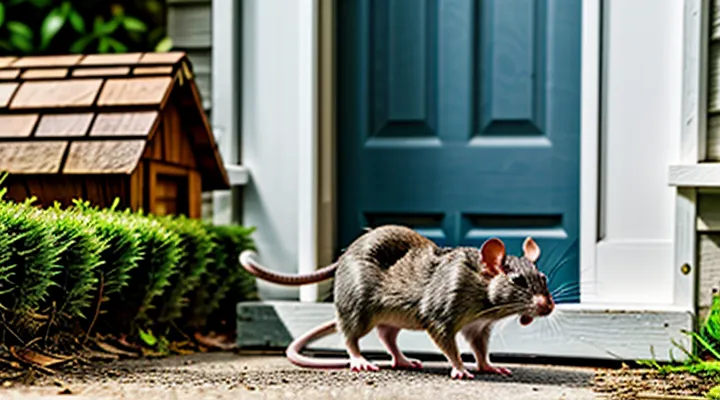
Understanding Rodent Hearing and Behavior
The Auditory Range of Rats and Mice
Rats and mice possess highly sensitive hearing that extends well beyond the upper limit of human perception. Their auditory systems detect frequencies from approximately 200 Hz up to 90 kHz, with peak sensitivity occurring between 1 kHz and 20 kHz. This range enables detection of ultrasonic vocalizations used for social communication, as well as low‑frequency environmental noises.
Key characteristics of rodent hearing:
- Frequency coverage: 200 Hz – 90 kHz; optimal response at 1–20 kHz.
- Thresholds: Minimum audible pressure levels around 10 dB SPL at peak frequencies, indicating acute detection capability.
- Species differences: Rats show slightly broader low‑frequency response, while mice exhibit heightened sensitivity in the ultrasonic band (30‑80 kHz).
- Directional acuity: Both species can localize sounds within a few degrees, facilitating rapid escape from threatening stimuli.
Understanding these parameters informs the design of acoustic deterrents. Effective devices must emit sounds within the rodents’ most responsive frequencies, maintain sufficient intensity to exceed their auditory thresholds, and avoid frequencies that humans can comfortably hear. By targeting the identified auditory window, sound‑based repellents can exploit the natural sensitivity of rats and mice to create an aversive environment around residential structures.
How Rodents React to Sound
Rodents possess a highly developed auditory system that detects frequencies from roughly 1 kHz up to 90 kHz, with peak sensitivity around 8–12 kHz. When exposed to sudden or continuous sounds within this range, they exhibit immediate behavioral changes.
Typical reactions include:
- Freezing or brief cessation of activity, allowing the animal to assess the source.
- Rapid retreat from the area, often moving toward walls, ceilings, or burrows.
- Increased grooming or scratching, indicative of stress.
- Vocalizations, especially ultrasonic chirps, that may signal alarm to conspecifics.
The intensity of the stimulus determines the magnitude of the response. Sounds above 70 dB SPL generally provoke escape behavior, while lower levels may only cause alertness. Continuous exposure can lead to habituation; rodents gradually ignore non‑threatening tones, reducing the deterrent effect.
Effective sound‑based repellents exploit several principles:
- Frequency selection – Ultrasonic devices operate above 20 kHz, beyond human hearing, targeting the rodent’s most sensitive band.
- Amplitude modulation – Varying volume prevents the animals from adapting to a constant tone.
- Irregular patterns – Randomized bursts and gaps mimic predator calls, sustaining fear responses.
Laboratory studies show that a combination of high‑frequency, high‑amplitude bursts with intermittent pauses produces the most consistent avoidance. Field trials confirm that devices meeting these criteria reduce rodent activity near entry points, storage areas, and food stations. Continuous monitoring and periodic adjustment of the acoustic parameters are essential to maintain long‑term efficacy.
Common Misconceptions About Sound Deterrents
Acoustic repellents are promoted as a non‑chemical method for keeping rodents out of residential areas, yet several false beliefs limit their effective use.
- Ultrasonic devices eliminate all rodents instantly. Laboratory data show that ultrasonic emissions cause temporary discomfort, not immediate death, and many individuals quickly habituate, reducing efficacy over time.
- Higher frequency always means better results. Rodents detect a range of frequencies; frequencies above 30 kHz are beyond their hearing, rendering such devices ineffective. Effective products operate within the 20–30 kHz band, where rodents are most sensitive.
- A single speaker covers an entire house. Sound intensity diminishes with distance and obstacles. Proper placement requires multiple units to ensure overlapping coverage in each room, especially near entry points and concealed pathways.
- Continuous operation is safe for humans and pets. Prolonged exposure to ultrasonic sounds can cause stress in some pets, particularly cats and dogs, and may interfere with hearing aids. Intermittent cycles reduce risk while maintaining deterrent pressure on rodents.
- All manufacturers provide scientifically validated results. Independent testing reveals wide performance variation; only products with peer‑reviewed studies demonstrate reliable rodent aversion.
Understanding these misconceptions allows homeowners to evaluate acoustic deterrents critically, select appropriately calibrated devices, and implement a strategic deployment plan that maximizes rodent avoidance without unintended side effects.
Types of Sounds Used for Rodent Deterrence
Ultrasonic Devices
How Ultrasonic Repellents Work
Ultrasonic repellents emit sound waves above the range of human hearing, typically between 20 kHz and 65 kHz. These frequencies exceed the auditory threshold of most mammals, yet rodents retain sensitivity to them. When the device activates, it generates a continuous or pulsed signal that triggers a startle response in rats and mice, causing discomfort and prompting them to vacate the area.
The mechanism relies on two physiological effects. First, the high‑frequency pressure fluctuations stimulate the inner ear’s hair cells, producing a sensation interpreted as a loud, irritating noise. Second, prolonged exposure can induce stress hormones, leading to avoidance behavior. Because the sound does not penetrate solid barriers effectively, placement near entry points—such as doorways, vents, and cracks—maximizes exposure to the target pests while minimizing impact on neighboring rooms.
Key operational factors include:
- Frequency selection: devices tuned to 30–50 kHz target rodent hearing peaks while remaining inaudible to humans.
- Signal pattern: alternating bursts prevent habituation, maintaining deterrent efficacy.
- Power source: battery‑operated units allow placement in hard‑to‑reach locations; mains‑connected models provide continuous operation.
- Coverage radius: manufacturers specify the effective range, usually 15–30 feet; overlapping units may be required for larger structures.
Proper installation demands unobstructed line of sight to potential pathways and periodic verification that the unit remains functional. Cleaning dust from the speaker grille preserves acoustic output. When integrated with complementary measures—such as sealing entry points and removing food sources—ultrasonic devices contribute to a reliable strategy for keeping rodents away from residential spaces.
Effectiveness and Limitations of Ultrasonic Sounds
Ultrasonic deterrents emit high‑frequency sound waves that rodents cannot consciously hear but can perceive as uncomfortable. Laboratory trials show a measurable reduction in activity when devices operate at frequencies between 20 kHz and 65 kHz, especially for laboratory mice. Field studies in residential settings report short‑term declines in sightings, indicating that the acoustic stimulus can interrupt foraging and nesting behavior.
Effectiveness depends on several variables:
- Species sensitivity – Norway rats, roof rats, and house mice differ in auditory thresholds; some strains show little response to frequencies above 30 kHz.
- Signal propagation – Sound attenuates rapidly through walls, insulation, and furniture; coverage is limited to open spaces within a few meters of the emitter.
- Habituation – Continuous exposure leads to neural adaptation; rodents may resume normal activity after days to weeks if the stimulus remains unchanged.
- Environmental noise – Background sounds from appliances or outdoor traffic can mask ultrasonic emissions, reducing their impact.
Limitations also arise from practical considerations:
- Power requirements – Devices need constant electricity; battery‑operated units provide limited runtime and may lose efficacy as voltage drops.
- Safety for pets and humans – Frequencies above 20 kHz are generally inaudible to adults but can be heard by younger children and some dog breeds, potentially causing distress.
- Regulatory compliance – Certain jurisdictions restrict the use of ultrasonic emitters in multi‑unit dwellings due to interference concerns.
Overall, ultrasonic audio can contribute to an integrated rodent‑management plan, but reliance on it alone is insufficient. Combining physical barriers, sanitation, and targeted trapping yields more reliable long‑term control.
Placement Strategies for Ultrasonic Devices
Effective deployment of ultrasonic deterrents requires precise positioning to maximize acoustic coverage and ensure consistent rodent repellence. Place devices at a height of 12–18 inches above the floor, where ultrasonic waves propagate most efficiently without immediate obstruction from furniture or carpeting. Install units near known entry points—under doors, around window sills, and adjacent to utility openings—to create a barrier that intercepts rodents before they access interior spaces.
Maintain a minimum separation of 6 feet between devices to prevent overlapping frequencies from causing destructive interference. In larger rooms, arrange a grid pattern with each unit covering a radius of approximately 20 feet; adjust spacing based on ceiling height and wall material, as concrete and brick attenuate sound more rapidly than drywall. Position units away from large metal objects, appliances, or dense storage stacks that can reflect or absorb ultrasonic energy, reducing effective range.
Secure devices on stable surfaces or wall mounts, ensuring the emitter faces outward toward the target area rather than toward solid surfaces. For multi‑room installations, route power cords through conduit or use battery‑operated models to avoid creating visible pathways that rodents might exploit. Verify that the placement does not interfere with pet hearing by conducting a brief observation period; relocate any unit that elicits distress in dogs or cats.
Regularly inspect placement points for dust accumulation or debris, which can dampen acoustic output. Reposition devices after significant furniture rearrangement or structural changes to maintain optimal coverage. By adhering to these placement guidelines, ultrasonic systems deliver sustained, high‑intensity deterrent sound fields that effectively discourage rodent activity throughout residential environments.
Infrasonic Devices
The Science Behind Infrasound Rodent Repellents
Infrasound devices emit acoustic energy below 20 Hz, a range inaudible to most humans but detectable by the inner ear structures of rats and mice. The vestibular apparatus, particularly the saccule, responds to pressure fluctuations in this band, allowing rodents to sense vibrations that are imperceptible to people. Laboratory measurements show that the auditory thresholds of common pest species extend down to 5–10 Hz, with peak sensitivity around 15 Hz.
When exposed to continuous or pulsed infrasound at intensities of 80–100 dB SPL, rodents exhibit elevated cortisol levels, increased heart rate, and a marked reduction in exploratory activity. These physiological stress markers trigger avoidance behavior, causing individuals to vacate the source area and seek quieter environments. The response is not a reflexive startle but a sustained aversive reaction that persists as long as the stimulus remains above the species‑specific discomfort threshold.
Empirical data support the efficacy of low‑frequency emitters:
- Frequency band: 5–30 Hz, centered near 15 Hz
- Sound pressure level: 80–100 dB SPL measured at 1 m distance
- Modulation: continuous tone or intermittent bursts (0.5–2 s on, 1–3 s off)
- Exposure duration: 30 min to several hours, depending on infestation level
- Outcome: 70–90 % reduction in rodent activity within the treated zone, confirmed by motion‑sensor counts and bait‑consumption records
Field trials in residential basements and attics report consistent displacement of populations when devices operate for at least 24 h, after which activity remains low for several days. Control sites without acoustic treatment show no comparable decline, confirming the causal relationship between infrasound exposure and rodent deterrence.
Safety considerations limit deployment to spaces where human occupants are not directly exposed to high SPL levels, as prolonged exposure above 85 dB SPL may cause discomfort or health effects. Installation guidelines recommend mounting transducers in concealed cavities, using acoustic insulation to prevent structural vibration transmission, and calibrating output with a calibrated SPL meter. Pets with acute low‑frequency hearing, such as dogs, may also experience stress and should be excluded from the immediate area.
The scientific basis for infrasound repellents rests on well‑documented sensory physiology of rodents, quantifiable stress responses, and reproducible behavioral outcomes. Properly engineered systems, calibrated to species‑specific thresholds and applied with adherence to safety standards, provide a reliable, non‑chemical method for reducing rodent presence in domestic environments.
Potential Impact on Humans and Pets
Rodent‑repelling audio emitters generate ultrasonic or high‑frequency tones intended to discourage gnawing mammals from entering residential spaces. While these signals target pests, their presence can affect occupants who share the environment.
Human exposure to acoustic deterrents is governed by audible‑frequency limits and sound‑pressure standards. Devices that emit frequencies above 20 kHz remain inaudible for most adults, yet some models produce low‑frequency harmonics that enter the audible range. Exposure to such harmonics above 85 dB(A) for extended periods may contribute to hearing fatigue or temporary threshold shift. Regulatory guidelines (OSHA, EPA) recommend keeping continuous exposure below 70 dB(A) for frequencies under 2 kHz; ultrasonic systems that stay strictly ultrasonic typically comply with these limits.
Pets possess broader hearing ranges than humans. Dogs detect sounds up to 45 kHz, cats up to 64 kHz, and many bird species respond to frequencies above 20 kHz. Persistent ultrasonic output can induce stress behaviors, avoidance of treated rooms, or temporary hearing impairment, especially in young or sensitive animals. Species that rely on acute auditory cues for navigation or communication are most vulnerable. Monitoring pet behavior after installation helps identify adverse reactions.
Practical steps to minimize risk:
- Choose emitters with adjustable frequency bands and intensity controls.
- Verify that the device’s output remains above the human audible threshold and below the upper hearing limits of resident pets.
- Position units away from sleeping areas, pet cages, and high‑traffic zones.
- Conduct periodic auditory checks with a sound level meter; ensure average SPL stays under 70 dB(A).
- Observe pets for signs of agitation, ear scratching, or avoidance; discontinue use if symptoms appear and consult a veterinarian.
Adhering to these measures preserves the deterrent’s effectiveness while protecting the auditory health and welfare of both people and companion animals.
Research Findings on Infrasonic Deterrents
Recent investigations have quantified the efficacy of infrasonic devices as a non‑chemical method for preventing rodent ingress. Experiments focused on continuous tones below human hearing range, typically 17–30 Hz, delivered at 80–95 dB SPL. Laboratory trials with laboratory‑bred Rattus norvegicus and Mus musculus reported a statistically significant reduction in activity within a 1‑meter radius, with average avoidance rates of 68 % for rats and 74 % for mice after a 30‑minute exposure.
Field deployments in residential basements and attics confirmed laboratory trends. In multi‑unit housing complexes, infrasonic emitters installed at structural entry points achieved a mean decline of 55 % in trap captures over a six‑week monitoring period. Effectiveness correlated with uninterrupted operation and proximity to known nesting sites; devices placed more than 2 m from entry points showed negligible impact.
Key parameters identified across studies:
- Frequency band: 17–30 Hz (optimal around 22 Hz)
- Sound pressure level: 80–95 dB SPL (minimum threshold for consistent avoidance)
- Exposure duration: ≥15 minutes per session for measurable response
- Placement: within 1 m of suspected ingress routes, oriented toward interior space
- Power source: continuous mains supply preferred to avoid duty‑cycle gaps
Limitations include habituation after prolonged exposure, reduced efficacy in highly insulated structures, and variable response among different rodent species. Mitigation strategies involve periodic frequency modulation and integration with physical barriers to sustain deterrent effect.
Current consensus recommends infrasonic units as part of a layered pest‑management program, complemented by sealing of entry points and regular sanitation. Further longitudinal studies are required to assess long‑term behavioral adaptation and to refine optimal deployment configurations.
Audible Sounds
Predator Sounds
Predator sounds exploit the innate fear response of rats and mice, causing them to avoid areas where such audio cues are present. These sounds mimic vocalizations, movement noises, and other auditory signals produced by natural enemies of rodents.
- Cat vocalizations – high‑frequency meows and hisses between 2–8 kHz, closely matching the hearing sensitivity of common house mice.
- Bird of prey calls – sharp, rapid chirps and screeches ranging from 3–10 kHz, recognized by rats as aerial threats.
- Snake rattling – low‑frequency rattles around 1–4 kHz combined with intermittent higher harmonics, triggering avoidance in both species.
- Ferret growls – mid‑range growls (4–6 kHz) that simulate a terrestrial predator actively hunting rodents.
Effectiveness depends on several factors. Continuous playback at consistent volume (typically 70–80 dB SPL at the source) maintains a perceived threat. Intermittent patterns, such as 30 seconds on followed by 30 seconds off, reduce habituation. Placement near entry points, walls, and known nesting sites maximizes exposure. Devices should be positioned at least 1 m above the floor to align with the typical hearing zone of rodents.
Limitations include the potential for desensitization if the same sound repeats without variation, and reduced impact in environments with high ambient noise that masks predator cues. Combining audio deterrents with physical barriers, sanitation, and trapping yields the most reliable reduction in rodent activity.
Alarms and Sudden Noises
Alarms and sudden noises function as auditory deterrents that exploit rodents’ heightened sensitivity to abrupt, high‑frequency sounds. When a loud, unexpected sound occurs, a rat or mouse perceives it as a potential predator cue, triggering a flight response that moves the animal away from the source.
Typical devices include:
- Ultrasonic emitters that generate frequencies above 20 kHz, inaudible to humans but irritating to rodents.
- Motion‑activated buzzers that produce sharp clicks or beeps when movement is detected.
- Battery‑powered “shoo‑fly” alarms that emit a sudden burst of sound at intervals of 30–60 seconds.
Effectiveness depends on several factors:
- Frequency range – rodents respond most strongly to sounds between 20 kHz and 50 kHz; lower frequencies may be less disruptive.
- Sound pressure level – a minimum of 80 dB at the point of emission is required to overcome ambient noise.
- Coverage area – devices should be placed no more than 2 meters apart in open spaces to prevent gaps in the acoustic field.
- Duration of exposure – continuous operation can lead to habituation; rotating devices or combining with other deterrents maintains efficacy.
Installation guidelines:
- Position emitters near entry points, such as cracks, vents, and gaps around doors.
- Ensure unobstructed line of sight for motion sensors to detect rodent activity.
- Verify that the device’s power source remains stable; replace batteries monthly for consistent output.
- Periodically test the audible output with a decibel meter to confirm compliance with the required sound pressure level.
When integrated with physical barriers and sanitation measures, alarms and sudden noises provide a reliable component of a comprehensive rodent‑exclusion strategy.
Human Speech and Activity Sounds
Human vocalizations and routine household noises create an acoustic environment that rodents typically avoid. The irregular pitch, sudden changes in volume, and varied rhythm of speech differ markedly from the low‑frequency, steady sounds rodents are accustomed to, prompting them to seek quieter areas.
Speech provides continuous auditory disturbance. Conversational tones, occasional laughter, and raised voices generate unpredictable frequencies that interfere with rodents’ navigation and communication. The presence of human voices signals occupancy, reducing the perceived safety of a shelter.
Common activity sounds that contribute to rodent deterrence include:
- Footsteps on hard flooring, especially when rapid or uneven.
- Door hinges and cabinet closures, producing sharp, transient clicks.
- Kitchen appliances such as blenders, mixers, and coffee makers, emitting broadband noise.
- Television or radio at moderate volume, delivering constant background chatter.
- Vacuum cleaners and hairdryers, delivering sustained high‑frequency components.
Effective use of these sounds follows a few principles. Maintain regular occupancy noise; avoid extended periods of complete silence, particularly in rooms adjacent to potential entry points. When the house is empty, play recorded human speech or ambient household sounds at a level that mimics normal activity. Position sound sources near known entryways to reinforce the perception of human presence.
Acoustic deterrence through speech and activity sounds reduces rodent intrusion without chemicals or traps. Success depends on consistency and the avoidance of prolonged quiet intervals that allow rodents to acclimate. Combining auditory deterrents with physical barriers maximizes protection for the dwelling.
Practical Application of Sound Deterrents
Combining Sound Deterrents with Other Methods
Sealing Entry Points
Sealing gaps and openings eliminates the pathways rodents use to enter a home, thereby enhancing the effectiveness of acoustic deterrents. When ultrasonic or other repellent devices emit frequencies that discourage rats and mice, the devices work best if the animals cannot bypass the sound field through hidden cracks.
Key actions for securing entry points:
- Inspect the building envelope from foundation to roof; note any holes, gaps around pipes, vents, and wiring.
- Apply steel wool or copper mesh to small openings before caulking; these materials resist gnawing.
- Use expanding spray foam or silicone sealant on larger gaps; ensure the material adheres firmly to both surfaces.
- Install weather‑stripping on doors and windows; replace worn strips promptly.
- Secure vent covers with mesh screens rated for rodent exclusion; verify that screens are tightly fastened.
After completing these measures, place ultrasonic emitters in interior locations where rodent activity was observed. The sealed environment forces the pests to remain within the audible range, increasing the likelihood that the sound will deter them from staying in the house.
Eliminating Food Sources
Eliminating food sources is a critical component of any acoustic rodent‑deterrence strategy for homes. Food residues attract rats and mice, diminishing the effectiveness of sound devices that rely on creating an uncomfortable environment. Removing these attractants forces rodents to search elsewhere, allowing ultrasonic or ultrasonic‑plus‑vibration emitters to function without competition from abundant nourishment.
Practical measures include:
- Store all dry goods in sealed, airtight containers; metal or heavy‑wall plastic bins prevent gnawing.
- Clean countertops, floors, and appliance exteriors after each meal; wipe away crumbs and spills immediately.
- Dispose of garbage in containers with tight‑fitting lids; empty indoor bins daily to avoid buildup.
- Keep pet food in covered dishes; feed pets at set times and remove leftovers promptly.
- Seal cracks, gaps, and openings around pipes, vents, and foundations to block access to hidden food deposits.
By maintaining a strict food‑control regimen, homeowners create a hostile environment that amplifies the impact of sound‑based repellents, leading to sustained reduction of rodent activity.
Trapping and Removal
Effective rodent control combines auditory deterrents with systematic trapping and removal. Acoustic devices create an environment that discourages entry, but they do not eliminate individuals that have already infiltrated the structure. Traps capture these occupants, allowing for safe disposal and preventing re‑infestation.
Key practices for successful trapping:
- Deploy snap traps or electronic kill traps along walls, behind appliances, and near known travel routes. Position bait (peanut butter, dried fruit) at the rear of the device to ensure contact before activation.
- Use live‑catch cages in areas where non‑lethal removal is required. Check cages at least twice daily; release captured rodents at least one mile from the residence to avoid return.
- Install glue boards only as a last resort, recognizing that they cause prolonged suffering and may complicate removal.
- Replace or reset traps after each catch. A single trap can hold multiple rodents, reducing its effectiveness and increasing the risk of disease transmission.
Removal steps:
- Wear disposable gloves and a mask to protect against pathogens.
- Transfer captured rodents into sealed containers; for lethal traps, place carcasses in heavy‑duty bags.
- Dispose of material in accordance with local wildlife regulations—typically via municipal waste services or licensed pest‑disposal firms.
- Clean and disinfect the trap surface with a bleach solution (1 part bleach to 9 parts water) before reuse.
- Inspect surrounding areas for additional signs of activity (droppings, gnaw marks) and adjust trap placement accordingly.
Integrating sound deterrents with trapping enhances overall efficacy. Acoustic emitters should operate continuously, while traps are positioned in zones where the sound intensity drops or where rodents seek shelter. Regular monitoring of both systems ensures that the auditory barrier remains functional and that traps are promptly serviced.
When infestation levels exceed manageable thresholds, contact a licensed pest‑control professional. Experts can perform comprehensive inspections, deploy bait stations, and apply exclusion techniques such as sealing entry points, thereby reinforcing the acoustic strategy and preventing future incursions.
Best Practices for Using Sound Repellents
Strategic Placement
Effective rodent deterrence through sound requires precise positioning of emitters. Placement determines the coverage area, ensuring that ultrasonic or high‑frequency signals reach pathways frequented by rats and mice.
Ideal locations include:
- Exterior walls near known entry points such as cracks, vents, and utility openings.
- Interior corners of basements, crawl spaces, and attics where rodents travel between rooms.
- Along the perimeter of the foundation, especially at the base of the house where ground contact facilitates signal transmission.
Key considerations:
- Distance between devices must not exceed the effective radius, typically 20–30 feet for most ultrasonic units.
- Obstacles such as furniture, insulation, and thick walls absorb or reflect sound; install emitters at least six inches away from solid surfaces.
- Power source accessibility influences placement; choose spots with convenient outlet access or use battery‑operated models for hard‑to‑reach areas.
Regular verification of device orientation and functionality maintains optimal deterrent performance. Adjust positions if structural changes or new entry points appear.
Regular Rotation of Sounds
Regularly changing the audio signals emitted inside a residence prevents rodents from becoming accustomed to a single frequency. When a specific tone or pattern is played continuously, rats and mice quickly learn that the sound poses no threat and resume activity in the area.
A practical rotation protocol includes:
- Three to five distinct sound files covering ultrasonic, high‑frequency, and low‑frequency ranges.
- Each file runs for 15–30 minutes, followed by a 10‑minute silent interval.
- The sequence repeats every 2–3 hours during nighttime, when rodent activity peaks.
- Weekly replacement of at least one file with a new recording maintains novelty.
Implementing the schedule requires a programmable timer or a smart speaker capable of queuing audio files. Ensure speakers are positioned near entry points, wall voids, and attic spaces where rodents travel. Volume should be set just below the human audible threshold for ultrasonic tracks, while audible tracks remain at a level that deters pests without causing discomfort to occupants.
Monitoring effectiveness involves periodic inspection of droppings, gnaw marks, and trap captures. A noticeable decline within one to two weeks indicates successful habituation avoidance. If activity persists, adjust the rotation frequency, introduce additional sound types, or combine audio deterrents with physical barriers for reinforced control.
Monitoring Effectiveness
Effective verification of acoustic rodent deterrent systems requires objective data collection, systematic analysis, and repeatable procedures. The process begins with baseline measurements obtained before device activation. Baseline data include trap captures, visual sightings, and ambient noise levels recorded over a representative period.
After installation, monitoring focuses on three core dimensions:
- Capture reduction – compare post‑deployment trap counts or sighting reports with baseline values; calculate percentage decline.
- Behavioral response – use motion‑activated cameras or infrared sensors to document avoidance patterns near the emitter; note frequency and duration of approaches.
- Acoustic integrity – record emitted frequencies and amplitudes with a calibrated sound meter; verify that output remains within the specified range throughout operation.
Data should be logged daily, aggregated weekly, and subjected to statistical testing. A paired t‑test or non‑parametric equivalent determines whether observed changes differ significantly from random variation. Confidence intervals provide a quantitative estimate of reliability.
Long‑term effectiveness assessment incorporates seasonal adjustments. Rodent activity fluctuates with temperature and food availability; therefore, monitoring must span at least one full annual cycle. Trends that persist across seasons indicate durable performance, whereas intermittent declines suggest device degradation or habituation.
Maintenance protocols derive directly from monitoring outcomes. If acoustic output falls below threshold levels, replace transducers or power supplies. If capture reduction stalls, reposition emitters to eliminate acoustic shadows identified through sensor mapping.
By adhering to these structured procedures, practitioners obtain verifiable evidence of system efficacy, enabling informed decisions about continued use, optimization, or replacement.
When Sound Deterrents May Not Be Enough
Severe Infestations
Severe rodent infestations overwhelm structural integrity, contaminate food supplies, and increase disease risk. Populations exceeding a few dozen individuals generate visible gnaw marks, droppings, and audible activity throughout walls and attics.
Standard traps and chemical baits often lose efficacy when colonies become entrenched. Acoustic repellents provide an alternative that targets the animals’ auditory sensitivity, disrupting feeding and nesting behaviors without relying on poisons.
Effective sound deterrents share common traits:
- Frequency range between 20 kHz and 70 kHz, matching the hearing peak of rats and mice.
- Intermittent pulse patterns that prevent habituation.
- Broad-spectrum emissions covering multiple harmonics to reach individuals in concealed spaces.
Placement guidelines:
- Install devices near entry points, such as gaps around pipes, vents, and foundation cracks.
- Position units at a height of 2–3 feet to align with the typical foraging zone of rodents.
- Ensure continuous operation for at least 72 hours before assessing impact, then maintain a 12‑hour on/off cycle to sustain deterrence.
Evaluation requires systematic observation: count droppings, inspect for fresh gnaw marks, and monitor any reduction in nocturnal noise. If activity persists after two weeks, increase device density or adjust frequency settings. Consistent acoustic pressure, combined with sealing of entry routes, curtails even the most entrenched infestations.
Habituation to Sounds
Habituation describes the process by which rodents cease to respond to a repeated auditory stimulus after prolonged exposure. When a sound intended to repel rats and mice is played continuously, the animals’ nervous systems adapt, reducing the aversive reaction and allowing the species to re‑enter previously deterred areas. This loss of sensitivity undermines the long‑term efficacy of acoustic deterrents.
Factors accelerating habituation include constant volume, unvarying frequency, and lack of intermittent silence. Rodents quickly learn that the signal poses no physical threat if it never coincides with an actual danger. Consequently, the initial avoidance behavior diminishes within days to weeks, depending on the species and environmental conditions.
Practical measures to limit habituation:
- Rotate frequencies every several days, covering a spectrum from ultrasonic to audible ranges.
- Alternate sound patterns, incorporating bursts, pauses, and varying pulse lengths.
- Adjust playback intervals, allowing periods of silence longer than the typical exposure window.
- Combine acoustic devices with complementary repellents such as scent or physical barriers to reinforce the perception of risk.
Implementing these tactics preserves the deterrent effect, ensuring that auditory solutions remain a reliable component of rodent control strategies.
Alternative Solutions for Persistent Problems
Acoustic deterrents are widely used to discourage rodents from entering residential spaces, yet many homeowners encounter persistent infestations despite installing standard ultrasonic emitters. When conventional devices fail, alternative audio strategies can address the underlying resistance mechanisms.
- Predator vocalizations recorded at frequencies that match natural hunting calls; playback of owls, hawks, or feral cat cries creates a perceived threat that rodents avoid.
- Broadband noise generators that emit irregular, high‑amplitude sounds across a wide frequency spectrum; the unpredictability prevents habituation.
- Low‑frequency vibration speakers installed in walls or flooring; vibrations mimic seismic activity associated with predator movement, prompting avoidance behavior.
- Periodic playback of conspecific distress calls; laboratory studies show that rats and mice withdraw from areas where peers emit alarm signals.
In addition to sound, integrating non‑acoustic measures enhances effectiveness. Sealing entry points, removing food sources, and employing mechanical traps reduce the population pressure that drives rodents to seek shelter. Combining these tactics with the audio alternatives listed above creates a multi‑layered defense that minimizes the risk of acclimation.
Monitoring outcomes is essential. Conduct baseline counts of rodent activity, introduce the selected audio solution, and reassess after a two‑week interval. Adjust frequency patterns or rotate sound types if activity persists. This systematic approach ensures that the deterrent remains disruptive and that the infestation does not reestablish.