
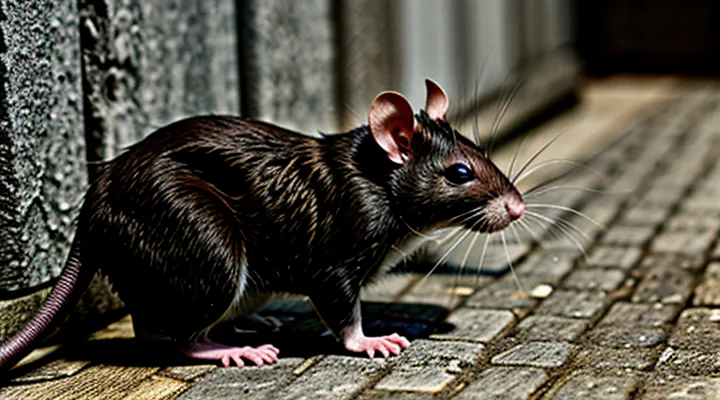
The Vocal Repertoire of Rats
Understanding Rat Communication
Why Rats Make Sounds
Rats produce vocalizations for several functional reasons that directly affect survival and social organization.
- Alarm calls: High‑frequency squeaks alert conspecifics to predators or sudden threats, prompting immediate flight or defensive behavior.
- Territorial signals: Low‑frequency chirps and ultrasonic pulses mark occupied burrows, reducing the likelihood of intrusions from rival individuals.
- Maternal communication: Nursing mothers emit soft, rhythmic sounds that guide pups to the teats and reinforce attachment, while pups respond with ultrasonic whines to signal hunger or distress.
- Social bonding: Mid‑range vocalizations during grooming or communal nesting strengthen group cohesion and coordinate cooperative activities.
- Exploratory feedback: Rats emit brief, modulated clicks while investigating novel objects, providing self‑monitoring information that aids in assessing safety and resource value.
Each sound type corresponds to a specific context, allowing rats to convey information efficiently without visual cues. The acoustic repertoire thus serves as a primary channel for risk assessment, resource allocation, and maintenance of hierarchical structures within rat populations.
Types of Rat Vocalizations
Rats communicate through a range of vocal signals that differ in frequency, duration, and purpose. Researchers identify several distinct categories, each linked to specific behaviors and environmental cues.
- Ultrasonic chirps (≈ 50–80 kHz): Emitted during exploration, social bonding, and anticipation of reward; signal excitement and curiosity.
- Ultrasonic squeaks (≈ 20–30 kHz): Produced when a rat is threatened or stressed; function as alarm calls to warn conspecifics.
- Low‑frequency squeals (≈ 4–12 kHz): Associated with aggressive encounters and territorial disputes; convey dominance or submission.
- Short bursts of broadband noise (≈ 10–30 kHz): Occur during mating rituals; facilitate courtship and synchronization of reproductive activity.
- Purr‑like vocalizations (≈ 10–15 kHz, rhythmic): Observed in mother‑infant interactions; reinforce attachment and soothe offspring.
Each vocal type conveys precise information that influences group dynamics, predator avoidance, and reproductive success. Understanding these signals enhances interpretation of rat behavior in laboratory and field settings.
Common Rat Sounds and Their Interpretations
Ultrasonic Vocalizations («USVs»)
50-kHz USVs: Indicators of Positive States
Rats emit ultrasonic vocalizations (USVs) centered around 50 kHz during situations that reflect a positive emotional state. These calls are brief, frequency-modulated bursts that can exceed 100 kHz in peak frequency but remain most intense near 50 kHz. Acoustic recordings show a consistent pattern of harmonic structure and rapid frequency sweeps, distinguishing them from the lower-frequency, distress-related calls.
Evidence links 50‑kHz USVs to reward processing. Experiments using intracranial self‑stimulation, food delivery, and social play consistently trigger an increase in call rate. Pharmacological manipulation of dopaminergic pathways alters both the frequency and quantity of these vocalizations, confirming a neurochemical basis for their production.
Key behavioral contexts that elicit 50‑kHz USVs include:
- Play – spontaneous bouts of rough-and-tumble interaction among juveniles generate high call densities.
- Mating – male rats produce a surge of calls when presented with estrous females, facilitating courtship.
- Food reward – presentation of palatable food or anticipation of a reward leads to rapid vocalization onset.
- Drug reinforcement – administration of psychostimulants such as amphetamine produces a dose‑dependent increase in call emission.
Physiological measurements demonstrate that call production coincides with elevated heart rate and increased respiration, reflecting heightened arousal. Simultaneous brain‑recording studies reveal synchronized activity in the nucleus accumbens and ventral tegmental area during vocal bouts, supporting the association with positive affective states.
In research settings, 50‑kHz USVs serve as a reliable, non‑invasive indicator of affective valence. Quantifying call frequency, duration, and spectral features enables objective assessment of welfare, drug efficacy, and the impact of genetic modifications on reward circuitry.
22-kHz USVs: Indicators of Negative States
Rats emit ultrasonic vocalizations that fall into two distinct frequency bands: low‑frequency calls around 22 kHz and high‑frequency calls near 50 kHz. The low‑frequency range is consistently associated with aversive conditions, whereas the high‑frequency range signals positive social interactions.
The 22‑kHz calls are characterized by a narrow bandwidth centered near 22 kHz, durations from 300 ms to several seconds, and relatively low amplitude compared with 50‑kHz calls. Modulation patterns often include a gradual decline in frequency and amplitude toward the end of the call.
Typical triggers for 22‑kHz vocalizations include:
- Exposure to predator odor or direct predator presence
- Administration of painful stimuli (e.g., foot shock, inflammatory agents)
- Social defeat or aggressive encounters with conspecifics
- Withdrawal from addictive substances or drug‑induced aversive states
Physiological responses accompanying these calls comprise elevated corticosterone levels, increased heart rate, and activation of the amygdala and periaqueductal gray. Behavioral observations show reduced locomotion, freezing, and heightened vigilance during emission.
Researchers use 22‑kHz USVs as reliable biomarkers for negative affect in laboratory settings. Detection relies on ultrasonic microphones coupled with spectrographic analysis software, allowing quantification of call rate, duration, and spectral features. These measurements support pharmacological screening, neurocircuit mapping, and the assessment of anxiety‑like states in rodent models.
Audible Sounds
Squeaks
Rats emit a range of squeaks that convey specific information about their internal state and external environment. Each squeak varies in frequency, duration, and amplitude, allowing observers to differentiate among contexts such as distress, aggression, and social interaction.
- High‑frequency, short‑duration squeaks (above 20 kHz, lasting less than 100 ms) appear during sudden threats; they trigger rapid escape responses in conspecifics.
- Mid‑frequency, repetitive squeaks (10–20 kHz, 200–400 ms) accompany aggressive encounters; they precede lunging or biting behavior.
- Low‑frequency, prolonged squeaks (below 10 kHz, over 500 ms) emerge during grooming or mating rituals; they reinforce affiliative bonds.
Acoustic analysis shows that louder, more modulated squeaks correlate with heightened arousal levels, as measured by elevated heart rate and cortisol. Playback experiments confirm that naïve rats adjust their behavior in accordance with the squeak type they hear, demonstrating a direct link between vocal pattern and functional outcome.
In laboratory settings, precise identification of squeak categories enhances the accuracy of behavioral assays, improves welfare monitoring, and supports the development of automated detection algorithms.
Chattering
Rats produce a rapid series of high‑frequency clicks known as chattering. The sound consists of brief, repetitive pulses ranging from 30 to 80 kHz, often audible as a faint, crackling noise when recorded with ultrasonic equipment. Chattering occurs when the vocal cords vibrate at a rate that exceeds the human hearing threshold, requiring specialized microphones for accurate capture.
Research identifies three primary situations in which rats emit chattering:
- Exploratory behavior – during investigation of novel objects or environments, chattering signals heightened arousal and information gathering.
- Social interaction – when approaching conspecifics, especially during play or grooming, the vocalization facilitates recognition and coordination.
- Stress response – exposure to mild stressors, such as brief handling or cage disturbances, triggers chattering as an immediate alert to peers.
Acoustic analysis shows that chattering frequency and pulse rate increase proportionally with the animal’s level of excitement. Neurophysiological studies link the emission to activation of the periaqueductal gray and limbic structures, indicating that the sound serves both affective and communicative functions.
Interpretation of chattering in laboratory settings provides a reliable indicator of rat emotional state. Automated detection algorithms can differentiate chattering from other ultrasonic calls, enabling real‑time monitoring of welfare and behavioral experiments.
Hissing
Rats emit a sharp, low‑frequency hiss when they perceive a threat or experience heightened aggression. The sound typically lasts 0.2–1 seconds and is produced by rapid vibration of the glottis, often accompanied by raised fur and a defensive posture.
Key interpretations of hissing include:
- Immediate warning to conspecifics or predators; the acoustic signal deters approach without physical confrontation.
- Indicator of territorial disputes; dominant individuals use hissing to assert control over a resource or nesting site.
- Response to handling or confinement; laboratory rats frequently hiss when restrained, reflecting stress that can affect physiological measurements.
Researchers monitor hissing frequency and intensity to assess welfare and social hierarchy in colonies. Elevated hiss rates correlate with increased cortisol levels and reduced exploratory behavior, providing a non‑invasive metric for stress assessment.
In field observations, hissing precedes aggressive chases or bite attempts, allowing observers to predict escalation. Acoustic analysis shows that hiss amplitude rises with the animal’s body size, offering a reliable cue for assessing the relative strength of opponents.
Understanding the functional role of hissing enhances interpretation of rat communication networks and improves management strategies in both laboratory and pest‑control contexts.
Factors Influencing Rat Sounds
Age and Development
Rat vocalizations change markedly as individuals progress from birth to adulthood, providing a reliable indicator of developmental stage.
Newborns emit high‑frequency ultrasonic calls when separated from the dam. These calls typically range from 40 to 80 kHz, last 10–100 ms, and occur in bursts that peak within the first two weeks of life. The frequency and rate of emission decline sharply after post‑natal day 12, reflecting reduced dependence on maternal contact.
Juvenile rats begin to produce longer, lower‑frequency sounds during social play and exploration. Calls shift toward 30–50 kHz, with increased harmonic structure and modulation depth. The repertoire expands to include “chitter” and “trill” types that convey peer status and aggression.
Adults generate a diverse set of vocalizations linked to specific contexts: distress calls (≈ 22 kHz, prolonged duration), mating trills (≈ 50 kHz, rapid repetition), and territorial warnings (≈ 30 kHz, variable amplitude). Acoustic parameters such as bandwidth, entropy, and inter‑call interval become more stable and context‑dependent.
Key acoustic changes across development:
- Frequency range: neonatal > juvenile > adult (high to moderate)
- Call duration: short bursts → longer, structured sequences
- Harmonic content: minimal → pronounced with age
- Context specificity: maternal separation → peer interaction → reproductive and defensive situations
Understanding these age‑related modifications enables precise interpretation of rat acoustic signals and supports experimental designs that distinguish developmental effects from pathological or environmental influences.
Social Context
Rats emit a variety of vocalizations that convey information about hierarchy, reproductive status, and threat levels within their colonies. High‑frequency ultrasonic calls, often beyond human hearing, appear during mating encounters and signal readiness to copulate. Lower‑frequency chirps accompany aggressive encounters, marking the caller as dominant or warning rivals.
- Ultrasonic “plectrum” calls: emitted by males during courtship, trigger female approach behavior.
- Short, broadband “alarm” squeaks: produced when a predator is detected, elicit immediate flight or freezing responses from nearby conspecifics.
- Low‑frequency “submission” grunts: observed in subordinate individuals after defeat, reduce further aggression from dominant rats.
Social context determines the acoustic structure of each call. In densely populated burrow systems, rats rely on these sounds to maintain group cohesion, coordinate foraging, and allocate nesting space. When individuals are isolated, vocal output shifts toward distress frequencies, prompting rescue attempts from group members if audible.
Research indicates that vocal patterns adjust rapidly to changes in group composition. Introduction of a new male triggers an increase in aggressive chirps, while removal of a dominant individual leads to a temporary rise in submissive grunts among former subordinates. These dynamic adjustments enable the colony to reestablish stability without physical confrontation.
The functional significance of rat vocalizations extends to disease monitoring. Elevated alarm call rates correlate with increased pathogen load in the environment, prompting heightened grooming and nest sanitation behaviors among group members. Consequently, acoustic signals serve as an early warning system that influences collective health management.
Environmental Stressors
Rats emit a range of vocalizations that reflect their physiological and psychological state. Environmental stressors alter these acoustic signals, providing researchers with measurable indicators of distress.
- High ambient temperature
- Low humidity
- Excessive lighting or sudden light changes
- Chemical irritants (e.g., ammonia, pesticide residues)
- Noise pollution (continuous or intermittent)
- Limited space or overcrowding
- Inconsistent food or water supply
- Predator scent exposure
Elevated temperature increases the frequency and duration of ultrasonic squeaks associated with agitation. Low humidity intensifies the amplitude of broadband calls, signaling respiratory discomfort. Sudden light shifts trigger brief, high‑pitch chirps that precede escape attempts. Chemical irritants provoke repetitive, low‑frequency grunts linked to nociceptive processing. Persistent background noise suppresses normal social chatter, replacing it with sharp, isolated calls that indicate heightened vigilance. Overcrowding generates frequent, overlapping ultrasonic bursts that correlate with competitive aggression. Irregular feeding schedules produce intermittent, short bursts of 22‑kHz vocalizations interpreted as frustration. Predator odors elicit a distinct pattern of long, modulated calls that precede freezing behavior.
Experimental observations confirm that each stressor produces a reproducible acoustic signature. Quantitative analysis of these signatures enables objective assessment of welfare conditions and supports the development of mitigation strategies in laboratory and urban settings.
Interpreting Rat Sounds: A Guide for Owners and Researchers
Observing Body Language Alongside Vocalizations
Rats convey information through a combination of acoustic signals and visible postural cues. Each vocal type—such as ultrasonic squeaks, low‑frequency chirps, and broadband calls—appears alongside specific body configurations that sharpen the message.
- Ultrasonic squeaks: head lowered, ears flattened, tail tucked; indicate distress or predator detection.
- Low‑frequency chirps: neck extended, whiskers forward, tail raised; accompany social investigation or mating interest.
- Broadband calls: body swaying, rapid foot stamping, fur puffed; accompany aggressive encounters or territorial displays.
Simultaneous observation of these parameters allows precise decoding of intent. When a high‑frequency squeak occurs with a tucked tail, the rat is likely experiencing acute fear; the same squeak paired with an upright posture suggests a warning directed at conspecifics. Conversely, a low‑frequency chirp without accompanying aggressive posture signals curiosity rather than hostility.
Integrating vocal and postural data enhances experimental reliability. Behavioral assays that record sound alone risk misclassifying ambiguous calls; adding video analysis of limb movement, ear position, and tail orientation resolves such ambiguities. In laboratory settings, this dual‑modal approach improves welfare monitoring by detecting early signs of stress before physiological markers emerge.
Overall, the synergy of sound and body language provides a comprehensive framework for interpreting rat communication, supporting both scientific inquiry and humane animal management.
When to Seek Veterinary Advice
Rat vocalizations provide insight into health status. High‑pitched squeaks, chattering, and ultrasonic calls often signal discomfort, pain, or respiratory distress. When these sounds accompany any of the following conditions, immediate veterinary consultation is warranted:
- Persistent wheezing or labored breathing.
- Sudden change in vocal tone, such as a low, guttural growl.
- Continuous whining or crying that does not subside with normal handling.
- Visible signs of injury, swelling, or discharge from the ears, nose, or mouth.
- Loss of appetite, weight loss, or lethargy occurring alongside abnormal noises.
If a rat exhibits any combination of these indicators, delay increases the risk of severe complications. Contact a qualified small‑animal veterinarian promptly, provide a detailed description of the sounds heard, and arrange for a physical examination. Early professional assessment improves prognosis and supports optimal recovery.
The Science Behind Rat Vocalizations
Brain Regions Involved in Sound Production
Rats generate a wide range of acoustic signals, from low‑frequency squeaks to ultrasonic vocalizations. Production of these sounds engages a network of brain structures that coordinate respiratory, laryngeal, and motor control.
The core circuitry includes:
- Primary motor cortex – initiates voluntary laryngeal movements, modulates timing of vocal bursts.
- Premotor and supplementary motor areas – plan complex sequences, integrate sensory feedback.
- Basal ganglia (striatum, globus pallidus) – regulate initiation and selection of vocal patterns, adjust intensity.
- Brainstem vocal nuclei – the nucleus ambiguus and the retroambiguus region drive laryngeal muscle activity; the periaqueductal gray (PAG) acts as a command center that gates vocal output.
- Auditory cortex – processes self‑generated sounds, provides real‑time feedback for pitch and amplitude adjustments.
- Amygdala – links emotional state to vocal expression, influencing call type and urgency.
- Hypothalamus – orchestrates hormonal and autonomic influences that affect vocal effort during social or stress‑related encounters.
These regions interact through descending pathways that synchronize respiration with phonation. Disruption of any node—e.g., lesions in the PAG or basal ganglia—produces measurable deficits in call frequency, duration, or context‑appropriateness. Consequently, the rat vocal apparatus exemplifies a tightly coupled sensorimotor loop, where cortical planning, subcortical gating, and brainstem execution collectively shape acoustic communication.
Chemical Influences on Rat Calls
Rats emit a wide range of vocalizations that convey information about social status, reproductive state, and environmental threats. The acoustic structure of these calls is highly sensitive to internal biochemical conditions, allowing researchers to infer physiological status from sound patterns.
Key chemical agents that modify rat vocal output include:
- Gonadal steroids – Elevated testosterone increases the frequency and duration of ultrasonic mating calls; estradiol shifts call pitch upward during estrus.
- Stress hormones – Corticosterone spikes produce harsher, lower‑frequency distress calls, often accompanied by increased call rate.
- Neurotransmitters – Dopamine agonists amplify the amplitude of reward‑related chirps; serotonin antagonists suppress ultrasonic emissions during social interaction.
- Metabolic by‑products – Elevated blood lactate correlates with slower, more monotonic calls during intense exercise or hypoxia.
Experimental manipulation of these substances demonstrates causal links between chemical state and vocal behavior. Intraperitoneal injection of testosterone in male rats, for example, reliably triggers a surge in 50‑kHz ultrasonic bursts within ten minutes, while adrenalectomy reduces the intensity of alarm calls under predator exposure.
Field recordings combined with blood sampling enable quantitative models that predict hormone concentrations from acoustic features. Such models have improved the accuracy of non‑invasive monitoring in laboratory colonies and may inform pest‑control strategies that exploit call alterations to disrupt breeding or induce stress responses.