
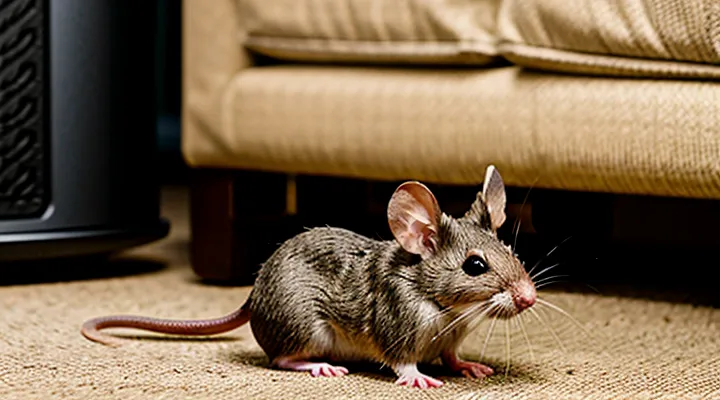
The Elusive Scratching and Scurrying
Distinguishing Mice from Other Pests
Rodent activity often produces audible cues that differ from those of insects, cockroaches, or larger mammals. Recognizing these cues enables targeted control measures and prevents unnecessary pesticide use.
Key auditory characteristics of mice include:
- High‑pitched squeaks or chirps, typically 4–8 kHz, emitted during social interaction or distress.
- Rapid, repetitive scratching on wood, drywall, or insulation, producing a sharp, staccato sound.
- Light, intermittent scurrying on hard surfaces, creating a faint, rustling noise distinct from the heavier thuds of rats.
Contrasting sounds from other pests:
- Cockroaches generate faint, irregular tapping when disturbed, lacking the consistent pitch of mouse vocalizations.
- Insects such as beetles produce continuous, low‑frequency rustling, often accompanied by wing beats.
- Larger mammals (e.g., raccoons) create deep, resonant thumps and heavy footfalls, easily separated from the delicate noises of mice.
By matching observed sounds to these patterns, professionals can confirm mouse presence while excluding alternative infestations, ensuring appropriate remediation strategies.
When Scratching Becomes Concerning
Auditory evidence of rodent activity often manifests as intermittent scratching against structural surfaces. The sound originates from mice navigating confined spaces, gnawing or repositioning nesting material, and can be detected without visual confirmation.
When the scratching pattern escalates, it signals a shift from occasional movement to sustained occupancy. Indicators of heightened concern include:
- Repetition at regular intervals (e.g., every few minutes) over several hours.
- Intensified volume, suggesting larger individuals or multiple occupants.
- Expansion of the affected area, with scratches heard in adjacent rooms or floors.
- Correlation with other signs such as droppings, urine odor, or gnaw marks.
Persistent or amplified scratching warrants immediate intervention. Recommended steps are:
- Seal entry points larger than ¼ inch to prevent further ingress.
- Deploy traps or bait stations positioned near the identified noise source.
- Conduct a thorough inspection of insulation, wiring, and stored goods for damage.
- Engage a professional pest‑control service if the infestation appears extensive or if structural compromise is evident.
Prompt response to these auditory warnings reduces the risk of property damage, disease transmission, and long‑term habitation by the rodents.
Understanding Mouse Vocalizations
High-Pitched Squeaks and Chirps
High‑pitched squeaks and chirps are the primary acoustic signatures produced by mice during movement, grooming, and vocal communication. These sounds typically occupy the 8–20 kHz range, above the threshold of most human hearing but detectable with standard ultrasonic detectors. The frequency peaks are sharp, lasting milliseconds, and often repeat in rapid succession when a mouse traverses confined spaces.
Key acoustic traits include:
- Frequency band: 8 kHz to 20 kHz, with peak energy around 12–15 kHz.
- Duration: 5–30 ms per pulse, forming clusters of 3–10 pulses.
- Pattern: Regular intervals of 0.1–0.5 s when the animal is active; irregular bursts during agitation.
- Amplitude: 40–70 dB SPL measured at 0.5 m, decreasing sharply with distance.
Detection devices capture these parameters and convert them into visual or audible alerts. Proper placement of sensors—along walls, near entry points, and under furniture—maximizes capture of the narrow‑beam emissions. Calibration against known mouse calls reduces false positives from insects or electronic equipment, which generally emit lower frequencies or longer pulse trains.
Interpretation of the recorded data enables precise localization. A consistent cluster of high‑frequency pulses indicates a live mouse within a few meters, while sporadic, low‑intensity chirps suggest transient activity or a passing animal. Combining acoustic evidence with visual signs (droppings, gnaw marks) confirms infestation and guides targeted control measures.
The Frequency and Context of Mouse Sounds
Mice communicate primarily through ultrasonic vocalizations that exceed the human hearing range, typically between 40 kHz and 110 kHz. When a mouse encounters a threat, explores a novel environment, or engages in social interaction, the emitted sounds shift in frequency and pattern, providing reliable cues for detection.
- Threat response: Short, broadband clicks around 70–80 kHz, lasting 5–10 ms, appear when a mouse perceives a predator or sudden disturbance.
- Exploratory activity: Continuous, lower‑amplitude tones near 50 kHz accompany movement through unfamiliar spaces, indicating heightened alertness.
- Social signaling: Repetitive, high‑frequency chirps (90–100 kHz) occur during mating rituals or territorial disputes, often synchronized with specific behaviors.
Recording equipment calibrated to capture frequencies above 30 kHz reliably registers these emissions. Analyzing spectrograms reveals distinct temporal structures that differentiate threat‑related clicks from exploratory tones, enabling precise identification of mouse presence without visual observation.
Beyond Sound: Other Indicators of Mouse Activity
Droppings and Gnaw Marks
Droppings and gnaw marks provide concrete evidence of rodent activity that complements acoustic cues. Fresh droppings are typically 1–3 mm long, dark, and contain a small amount of undigested material. Their presence in pantry shelves, behind appliances, or along baseboards indicates recent foraging. Accumulations exceeding a few pellets suggest an established population.
Gnaw marks reveal feeding and nesting behavior. Characteristic shallow, crescent‑shaped cuts appear on wood, plastic, or electrical wiring. The width of a bite usually matches the animal’s incisors, ranging from 2 mm in juveniles to 4 mm in adults. Repeated gnawing on insulation or cables can cause fire hazards and signal the need for immediate intervention.
Key identification points:
- Size and shape of feces correspond to species and age.
- Location of droppings aligns with food sources and travel routes.
- Bite marks show consistent spacing and depth.
- Presence of both signs in the same area strengthens the diagnosis of infestation.
Monitoring these physical traces alongside any audible scratching or scurrying allows for accurate assessment of mouse presence and informs targeted control measures.
Unpleasant Odors and Nests
Mice produce distinct odors that accompany their nesting activity. These scents arise from urine, feces, and secretions from scent glands, creating a sharp, ammonia‑like smell that differs from typical household odors. Detecting such an odor indicates that a rodent has established a breeding or foraging site.
Nesting material further confirms presence. Mice collect shredded paper, fabric fibers, insulation, and dried plant matter, arranging them into compact, irregular piles. These nests emit a musty odor as moisture and bacterial growth develop within the concealed structure.
Key observations for identification:
- Persistent, pungent smell near walls, cabinets, or concealed spaces.
- Accumulation of fine, dark droppings intermingled with nesting debris.
- Visible clumps of shredded material, often positioned in corners, behind appliances, or within wall voids.
When these olfactory and visual signs appear together with audible scurrying, the likelihood of an active infestation rises sharply. Prompt inspection of the identified zones can locate the nest, allowing targeted remediation.
Investigating Suspicious Noises
Pinpointing the Source of Sounds
Detecting a rodent’s presence through audible cues requires precise identification of the sound’s origin. The process begins with isolating the frequency range typical of mouse activity, usually between 4 kHz and 12 kHz. Use a calibrated microphone or a handheld ultrasonic detector to capture the signal, then analyze the waveform with spectral software to confirm the characteristic pattern of squeaks, footfalls, or gnawing.
Once the signal is verified, narrow the source location by employing the following steps:
- Position the detector at a fixed point and record the sound intensity.
- Move the device incrementally (e.g., 0.5 m intervals) along each axis, noting the point of maximum amplitude.
- Plot the intensity readings on a simple grid to visualize the gradient.
- Identify the intersection of the highest values; this marks the probable origin zone.
After triangulation, inspect the identified area for physical evidence such as droppings, gnaw marks, or nesting material. Combine auditory data with visual inspection to confirm mouse activity and to plan targeted control measures.
Utilizing Listening Devices for Confirmation
Listening devices equipped with sensitive microphones can verify rodent activity by capturing characteristic noises such as squeaks, scratching, and movement within concealed spaces. Position the sensor near potential entry points—holes, wall voids, or attic panels—to maximize acoustic capture. Verify the device’s frequency response covers 2 kHz to 20 kHz, the typical range of mouse vocalizations and footfall sounds.
Key steps for reliable confirmation:
- Calibrate the recorder in a quiet environment to establish a baseline noise floor.
- Deploy the unit for a minimum of 30 minutes during periods of low ambient activity (late night or early morning).
- Review recordings with spectrogram software; look for repeated short-duration pulses (0.1–0.5 s) at 4–8 kHz, indicating vocalizations, and irregular broadband bursts above 10 kHz, representing scurrying.
- Correlate acoustic events with visual inspections of droppings, gnaw marks, or nesting material to eliminate false positives.
Multiple devices can be synchronized to triangulate sound sources, improving location accuracy. Use battery-powered models with low self-noise to avoid interference. Store recordings in lossless format (e.g., WAV) for forensic analysis and future reference.
Immediate Actions Upon Detection
Early Steps for Rodent Control
Listening for faint scratching, high‑pitched squeaks, or rustling within walls provides the first reliable indication that a mouse is present. These sounds typically occur at night when rodents are most active and can be heard through ceilings, floorboards, or cabinetry.
To act on acoustic evidence, follow these early control steps:
- Conduct a systematic auditory sweep of each room after dark, noting any consistent or intermittent noises.
- Examine nearby areas for droppings, gnaw marks, or grease smears that corroborate the audible signs.
- Identify and seal all potential entry points, including gaps around pipes, vents, and baseboards, using steel wool, caulk, or metal flashing.
- Deploy snap traps or live‑catch devices along established travel routes, positioning them perpendicular to walls where sounds originate.
- Maintain a clean environment by storing food in sealed containers, promptly cleaning crumbs, and removing clutter that offers shelter.
Implementing these measures promptly after detecting mouse sounds reduces population growth and limits damage to structures and stored goods.
When to Seek Professional Assistance
Detecting the subtle rustle of rodents in walls or ceilings often indicates an infestation that requires expert intervention. Homeowners should contact a licensed pest‑control provider under the following conditions:
- Persistent noises lasting more than a few days, suggesting a growing population.
- Audible activity during daylight hours, implying that mice have become accustomed to human presence.
- Evidence of structural damage, such as gnawed insulation, wiring, or wooden framing.
- Presence of droppings, urine stains, or strong odor accompanying the sounds.
- Inability to locate entry points despite thorough inspection.
When any of these signs appear, professional assessment ensures accurate identification, safe removal, and implementation of preventive measures that mitigate health risks and property loss. Delay increases the likelihood of disease transmission, fire hazards from chewed electrical components, and costly repairs. Prompt engagement with trained specialists secures effective resolution.