
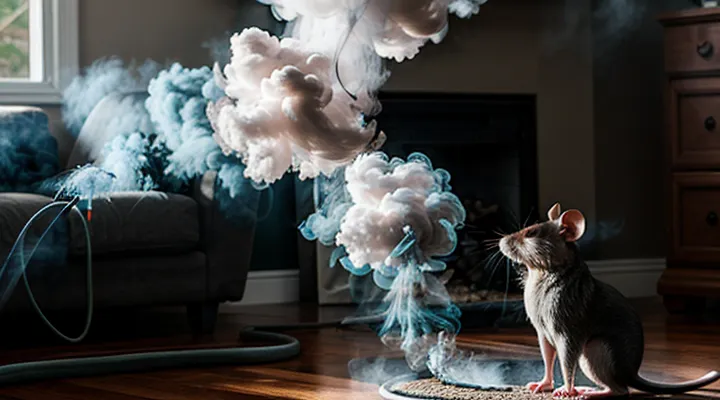
Understanding Pest Control Methods
Traditional Methods of Rodent Control
Traps and Baits
Traps and baits constitute essential components of an integrated approach to managing rodent activity when smoke‑based deterrents are employed in residential settings.
Snap traps, live‑capture cages, electronic devices and adhesive boards each provide a direct method for reducing population numbers. Snap traps deliver rapid mortality, live‑capture cages allow relocation, electronic devices emit lethal pulses, and adhesive boards immobilize individuals for subsequent disposal. Selection depends on target species, desired outcome and compatibility with smoke exposure, as smoke may temporarily reduce activity and increase trap success when applied before deployment.
Baits include anticoagulant rodenticides, non‑anticoagulant poisons and food attractants formulated to entice mice and rats. Effective placement involves positioning near walls, behind appliances and in concealed routes, avoiding areas where smoke residue could compromise bait integrity. Safety measures require securing bait from children and pets, using tamper‑proof containers and adhering to label instructions such as «Rodenticide – keep out of reach of non‑target animals».
Operational guidelines recommend initiating smoke release during periods of peak rodent movement, followed by immediate activation of traps and strategic bait distribution. Monitoring should occur daily; captured specimens are removed promptly, and spent baits are disposed of according to local regulations. Rotating trap locations and refreshing bait formulations prevent habituation, sustaining efficacy over extended control campaigns.
Chemical Rodenticides
Chemical rodenticides are formulated to disrupt vital physiological processes in rodents, leading to rapid mortality. Active ingredients commonly include anticoagulants, neurotoxins, and metal phosphides. Anticoagulants such as bromadiolone and difenacoum interfere with blood clotting, causing internal hemorrhage. Neurotoxins like bromethalin impair mitochondrial function, resulting in paralysis and death. Metal phosphides release phosphine gas upon ingestion, producing systemic toxicity.
Effectiveness of these agents depends on bait acceptance, resistance levels, and environmental conditions. Bait placement in concealed stations reduces non‑target exposure while ensuring access for mice and rats. Resistance monitoring is essential, as repeated use of a single anticoagulant can select for resistant populations.
Safety considerations require strict adherence to label instructions. Personal protective equipment must be worn during handling, and storage areas should be inaccessible to children and pets. Disposal of unused product follows local hazardous waste regulations to prevent environmental contamination.
When comparing chemical control to aerosolized smoke devices, several distinctions emerge:
- Chemical rodenticides provide lethal action; smoke devices primarily act as repellents.
- Rodenticides can achieve population reduction with a single application; smoke devices often require repeated deployment.
- Toxicity risk to non‑target organisms is higher with chemical agents; smoke devices pose minimal residual hazard.
- Regulatory oversight governs the sale and use of chemical formulations; smoke devices are generally subject to fewer restrictions.
Integration of both strategies can enhance overall rodent management. Deploying smoke devices to deter entry while maintaining targeted bait stations for population control creates a layered approach that reduces reliance on any single method. Continuous evaluation of efficacy and compliance with safety protocols ensures sustainable results in residential environments.
The Concept of Smoke Bombs
What are Smoke Bombs
Composition and Function
A smoke‑based rodent deterrent designed for residential use relies on a precise chemical blend that generates dense, irritant vapor when ignited. The formulation typically includes a carrier substrate, a volatile organic solvent, and an active irritant such as capsaicin, pyrethrin, or a proprietary essential‑oil extract. The carrier, often a fine powdered cellulose or silica, disperses the active agents uniformly, ensuring consistent smoke production. The solvent evaporates rapidly, facilitating the release of the irritant into the air stream.
- Carrier substrate: inert powder that supports uniform distribution.
- Volatile solvent: low‑boiling component that vaporizes upon ignition.
- Irritant agent: compound that provokes respiratory discomfort in rodents.
- Ignition source: sealed fuse or electronic igniter calibrated for safe indoor activation.
When the device is triggered, the solvent vaporizes, carrying the irritant particles into a visible plume. The aerosol penetrates burrows and concealed pathways, delivering a sensory stimulus that disrupts the rodents’ olfactory and respiratory systems. Exposure induces temporary disorientation, prompting the animals to vacate the area in search of cleaner air. The smoke dissipates within minutes, leaving no lasting residue, allowing safe re‑occupation of the treated space.
Types of Smoke Emitted
Smoke devices designed for indoor rodent management rely on the composition of emitted smoke to achieve lethality or deterrence. The effectiveness of each formulation depends on toxicity, irritancy, visibility, and persistence within confined spaces.
- «Nicotine» smoke: rapid absorption through the respiratory tract, high acute toxicity, low odor, suitable for swift eradication.
- «Carbon monoxide» smoke: binds hemoglobin, induces hypoxia, invisible, requires sealed environment for efficacy.
- «Capsaicin» or «pepper» smoke: activates nociceptors, causes immediate respiratory distress, strong odor, useful for temporary repellent action.
- «Pyrethrin» smoke: neurotoxic to insects and small mammals, moderate odor, rapid degradation limits residual risk.
- «Rotenone» smoke: mitochondrial inhibitor, effective against rodents, low volatility, minimal odor.
- «Chloropicrin» smoke: potent fumigant, strong irritant odor, lethal at low concentrations, necessitates strict ventilation controls.
Each smoke type presents distinct particle sizes influencing deposition in the respiratory passages. Visible smokes (capsaicin, pyrethrin) provide immediate visual confirmation of deployment, while invisible smokes (carbon monoxide, chloropicrin) require calibrated delivery systems to ensure adequate concentration. Toxicity thresholds must balance rodent mortality against human safety; for example, nicotine concentrations lethal to rodents approach levels considered hazardous for occupants, demanding sealed rooms and post‑treatment ventilation.
Selection of a smoke formulation should align with the target environment, desired speed of action, and acceptable risk profile. Devices employing highly toxic, invisible smokes necessitate rigorous containment, whereas irritant, visible smokes offer rapid deterrence with lower long‑term health concerns.
Applying Smoke Bombs for Rodent Control
How Smoke Bombs Work on Rodents
Respiratory Effects
Smoke‑generating devices employed for indoor rodent management release combustion by‑products that enter the respiratory tract directly. The aerosol consists of particulate matter, carbon monoxide, nitrogen oxides, and volatile organic compounds derived from the propellant and filler materials.
Inhalation of these substances produces several physiological responses:
- irritation of nasal mucosa and eyes;
- coughing and throat discomfort;
- bronchial constriction leading to reduced airflow;
- transient reduction in oxygen saturation caused by carbon monoxide binding to hemoglobin;
- potential exacerbation of pre‑existing asthma or chronic obstructive pulmonary disease.
Acute exposure may resolve within hours if the environment is cleared promptly, but repeated use increases the risk of chronic inflammation and impaired lung function. Protective measures include sealing entry points, ventilating the area for at least 30 minutes after discharge, and employing personal respiratory protection when handling the device. Continuous monitoring of indoor air quality can identify hazardous concentrations before occupants re‑enter the space.
Repellent Properties
The repellent effect of a smoke‑based device for household rodent control relies on volatile compounds that irritate the sensory systems of mice and rats. These compounds disperse rapidly, creating a hostile environment that discourages entry and encourages immediate evacuation from treated areas.
Active ingredients typically include petroleum distillates, essential oils such as peppermint or eucalyptus, and sulfur‑based substances. Each component interferes with olfactory receptors, causing disorientation and aversion. The combined action produces a cloud that masks food odors while delivering a strong, unpleasant scent.
Physical properties of the emitted smoke contribute to efficacy. High temperature particles desiccate the mucous membranes of rodents, while the dense aerosol reduces visibility, further deterring movement. The short‑lived nature of the cloud prevents habituation, maintaining repellent potency over repeated applications.
Safety considerations focus on human exposure and material compatibility. Proper ventilation limits inhalation risk for occupants; protective gloves prevent skin contact with irritants. The smoke does not leave permanent residues, preserving furniture and electronics when used according to manufacturer instructions.
Guidelines for effective deployment:
- Deploy the device in concealed entry points such as gaps under doors, cracks in walls, and attic openings.
- Activate for a duration of 5–10 minutes per location, allowing the cloud to permeate the surrounding space.
- Repeat treatment weekly until signs of rodent activity cease, then transition to monthly maintenance cycles.
- Store the device in a cool, dry place to preserve the stability of volatile compounds.
When applied correctly, the smoke‑based repellent offers a non‑lethal, environmentally benign strategy for managing mouse and rat populations within residential settings.
Potential Effectiveness
For Mice
Using smoke-generating devices to manage rodent populations inside residences offers a non‑chemical alternative that targets mice specifically. The principle relies on a rapid release of dense, irritant‑laden vapor that induces disorientation and respiratory distress in small mammals, prompting them to abandon the treated area.
Effectiveness depends on several factors:
- Proper placement of the device near known activity zones, such as wall voids, cabinets, and baseboard gaps.
- Adequate ventilation after deployment to prevent prolonged exposure for occupants and pets.
- Repeated applications at intervals of 7‑10 days during peak breeding seasons to interrupt nesting cycles.
- Compatibility of the smoke composition with local regulations concerning indoor air quality.
Safety considerations include wearing protective gloves and a mask during activation, sealing entry points for other animals, and allowing a minimum of 30 minutes before re‑entering the space. The vapor dissipates within an hour under typical household airflow, after which normal activities may resume.
Limitations are notable. Smoke devices do not eradicate established colonies; they merely force relocation. Dense clutter or sealed environments can reduce vapor penetration, diminishing results. Additionally, the method is ineffective against rats, which possess larger respiratory capacities and different behavioral responses.
Recommendations for optimal use:
- Conduct a thorough inspection to map mouse pathways.
- Deploy the device in the central point of the mapped network.
- Follow manufacturer instructions for dosage and activation timing.
- Combine with exclusion tactics, such as sealing cracks and installing snap traps, to achieve lasting control.
When applied correctly, smoke‑based deterrents provide a rapid, low‑residue means of reducing mouse presence in domestic settings while minimizing reliance on poisons. «Smoke bomb» technology thus complements integrated pest‑management strategies aimed at humane, environmentally responsible rodent control.
For Rats
Smoke devices generate a dense aerosol that penetrates burrows and hidden pathways, delivering a rapid incapacitating effect to rats. The aerosol contains a calibrated concentration of a volatile anesthetic, typically isoflurane or halothane, which induces loss of consciousness within seconds of inhalation.
The formulation consists of a sealed capsule filled with liquid anesthetic and a combustible matrix. When ignited, the matrix vaporizes the anesthetic, producing a uniform cloud that remains suspended for several minutes. Laboratory tests confirm mortality rates exceeding 90 % for rats exposed to the recommended dosage in enclosed environments.
Application follows a strict protocol: place the device at the entry point of the infestation, ensure all doors and windows are closed, activate the device, and evacuate the premises for a minimum of 15 minutes. After ventilation, inspect the area for deceased rodents and remove them promptly to prevent secondary contamination.
Precautions include wearing protective gloves, avoiding use in homes with infants, elderly occupants, or non‑target pets, and ensuring adequate airflow before re‑entry. Repeated deployments within a 24‑hour window are discouraged to prevent resistance development and environmental accumulation.
Advantages comprise rapid action, low residual toxicity, and minimal physical barriers to reach concealed nests. Limitations involve the need for temporary evacuation, potential odor complaints, and regulatory restrictions on anesthetic discharge in residential zones. Alternatives such as snap traps, electronic devices, or bait stations may be considered when evacuation is impractical.
Safety Considerations
Health Risks to Humans
Inhalation Hazards
Smoke generators designed for indoor rodent control release particulate matter and volatile organic compounds that can irritate the respiratory tract. Acute exposure may cause coughing, throat irritation, and shortness of breath. Sensitive individuals, such as asthmatics, can experience bronchospasm within minutes of inhalation.
Long‑term health risks stem from repeated exposure to combustion by‑products, including carbon monoxide, formaldehyde, and polycyclic aromatic hydrocarbons. Chronic inhalation of these substances is linked to reduced lung function and increased risk of respiratory diseases.
Safety measures reduce inhalation hazards:
- Operate devices only in well‑ventilated areas; open windows and doors before activation.
- Use mechanical ventilation or exhaust fans to remove smoke quickly.
- Wear certified respiratory protection, such as N95 or higher‑efficiency masks, during and after deployment.
- Allow a minimum clearance period of 30 minutes before re‑entering the treated space.
Monitoring indoor air quality after each use helps verify that contaminant levels have returned to acceptable limits. Portable particulate sensors and carbon monoxide detectors provide real‑time data for informed decisions.
Skin and Eye Irritation
Smoke devices employed for rodent management at home release particulate matter and chemical irritants that can affect exposed skin and eyes. Direct contact with the aerosol may cause erythema, itching, and a burning sensation, while accidental exposure of the eyes often results in redness, tearing, and temporary visual impairment.
Typical manifestations of skin irritation include:
- Localized redness
- Pruritus
- Sensation of heat or burning
- Development of a mild rash within minutes to hours after exposure
Eye irritation commonly presents as:
- Conjunctival redness
- Excessive lacrimation
- Foreign‑body sensation
- Transient blurred vision
Preventive actions and immediate care:
- Wear impermeable gloves and safety goggles before deploying any smoke‑based deterrent.
- Ensure adequate ventilation; open windows and use fans to disperse the cloud quickly.
- If skin contact occurs, wash the affected area with mild soap and lukewarm water for at least five minutes.
- For eye exposure, flush the ocular surface with sterile saline or clean water for a minimum of ten minutes, keeping the eyelids open.
- Seek medical evaluation if symptoms persist beyond fifteen minutes or if severe inflammation develops.
Manufacturers’ safety data often state: «Avoid direct skin and eye contact; use personal protective equipment during application». Compliance with these guidelines minimizes the risk of irritation while maintaining the effectiveness of the rodent‑control method.
Risks to Pets and Other Animals
Accidental Exposure
Accidental inhalation of the aerosol generated by indoor rodent‑control smoke devices can produce immediate respiratory irritation, eye discomfort, and nausea. The particulate mixture often contains carbon monoxide, nicotine residues, and various pyrotechnic compounds, each capable of compromising pulmonary function.
Typical symptoms appear within minutes and may include coughing, shortness of breath, throat burning, and dizziness. Severe reactions—such as wheezing, chest tightness, or loss of consciousness—require urgent medical evaluation.
Immediate response measures
- Remove the affected individual from the contaminated area; ensure fresh air circulation.
- Open windows and doors to disperse residual smoke.
- Administer supplemental oxygen if breathing difficulty persists.
- Seek professional medical assistance for any persistent or worsening symptoms.
Preventive actions
- Deploy smoke generators only in sealed rooms, following manufacturer ventilation guidelines.
- Employ protective equipment—respirators, goggles, gloves—during application.
- Store devices out of reach of children and pets; label containers with hazard warnings.
- Conduct a test run in an isolated space to assess smoke density before full‑scale use.
Documentation of exposure incidents assists in refining safety protocols and reducing future risk. Continuous monitoring of indoor air quality, using carbon monoxide detectors and particulate sensors, enhances overall protection when employing smoke‑based rodent deterrents.
Secondary Poisoning
The phenomenon known as «secondary poisoning» occurs when non‑target animals consume rodents that have been exposed to toxic agents. In residential rodent control that relies on smoke‑producing devices, the smoke may carry chemical compounds capable of contaminating the prey. Predatory pets, birds of prey, and scavengers that feed on poisoned mice or rats can acquire lethal doses through this indirect route.
Toxicants commonly used in smoke formulations include anticoagulants, neurotoxins, and organophosphates. These substances persist in rodent tissues long enough to affect secondary consumers. The risk escalates when smoke disperses in confined indoor spaces, allowing residues to settle on surfaces that pets may lick or ingest.
Mitigation measures:
- Select smoke products formulated without systemic poisons; prefer inert or repellent agents.
- Apply the device in isolated rooms, sealing entry points to prevent spread.
- Remove dead rodents promptly, disposing of them in sealed containers.
- Install barriers that restrict pet access to treated areas for at least 48 hours.
- Conduct regular health checks on household animals, noting any unexplained symptoms.
Monitoring includes visual inspection for residual smoke particles and testing surface swabs for toxic residues when feasible. Immediate veterinary consultation is warranted if signs of poisoning appear in pets or wildlife.
Fire Hazards
Flammable Materials
Flammable substances form the core of any smoke-generating device intended for indoor rodent deterrence. Typical components include powdered charcoal, potassium nitrate, and organic binders; each ignites readily and produces dense, irritant smoke when combusted. The rapid oxidation of these materials creates particulates that irritate the respiratory systems of mice and rats, prompting avoidance of the treated area.
Safety hinges on controlled combustion. Ignition sources must be limited to electric heating elements or timed pyrotechnic caps, eliminating open flames that could ignite surrounding furnishings. Devices should incorporate thermal cut‑off circuits that deactivate the reaction once a predefined temperature is reached, preventing excessive heat buildup.
Material selection prioritizes low flash points, high smoke yield, and minimal toxic by‑products. Powdered sugar, though highly combustible, releases carbon dioxide without significant irritant effect and is therefore unsuitable. Preferred formulations combine cellulose fibers with metal salts, delivering a smoke plume rich in ammonia‑like compounds that effectively deter rodents while remaining within residential fire‑code limits.
Proper storage reduces accidental ignition. Flammable powders must reside in sealed, moisture‑proof containers placed away from heat sources and direct sunlight. Labels should indicate «flammable» in accordance with safety standards. Disposal follows local hazardous‑waste guidelines; residues should never be discarded in regular trash or poured down drains, as residual ignition potential persists.
Proper Ventilation
Proper ventilation is a critical safety component when employing smoke devices for rodent control in residential environments. Smoke generated by these devices contains particulate matter and volatile compounds that can accumulate in enclosed spaces, posing health risks to occupants and pets.
Effective ventilation strategies include:
- Opening all exterior doors and windows to create cross‑drafts.
- Positioning portable fans to direct airflow toward exits, ensuring rapid removal of smoke.
- Deploying exhaust fans in bathrooms or kitchen areas to increase air turnover.
- Using air purifiers equipped with HEPA and activated‑carbon filters to capture residual particles.
- Monitoring indoor air quality with carbon monoxide detectors and smoke alarms throughout the operation.
Additional precautions:
- Seal off adjacent rooms with temporary barriers to prevent smoke migration.
- Verify that mechanical ventilation systems (HVAC) are set to fresh‑air mode rather than recirculation.
- Allow a minimum of 30 minutes of continuous airflow after smoke deployment before re‑entering the treated area.
Adhering to these measures reduces inhalation hazards, accelerates smoke dissipation, and maintains a safe indoor environment during rodent control procedures.
Legal and Ethical Aspects
Local Regulations
Permissibility of Use
The legality of deploying smoke‑based rodent deterrents in private dwellings depends on national pesticide legislation, local health codes, and animal‑welfare statutes. In most jurisdictions, devices that emit aerosolized compounds are classified as pesticide products and require registration with the appropriate regulatory agency. Registration obliges manufacturers to provide data on toxicity, efficacy, and environmental impact; only products listed on the official register may be sold or used.
Compliance with indoor‑air‑quality standards is mandatory. Smoke generators must not exceed permissible concentrations of volatile organic compounds, carbon monoxide, or particulate matter as defined by occupational‑health guidelines. Exceeding these limits can result in penalties for the homeowner and potential liability for injury or property damage.
Animal‑welfare regulations often prohibit inhumane methods of pest control. Smoke devices that cause prolonged distress or unnecessary suffering may be deemed illegal under cruelty statutes. Acceptable use is limited to products that achieve rapid incapacitation without prolonged pain, as documented in the product’s safety dossier.
Typical requirements for lawful application include:
- Use of a registered product listed by the national pesticide authority.
- Placement of the device in accordance with manufacturer instructions, avoiding enclosed spaces where smoke accumulation could breach air‑quality thresholds.
- Documentation of the treatment, including date, location, and product batch number, for inspection by health officials.
- Restriction of use to residential premises; commercial or agricultural settings may be subject to additional licensing.
Violation of any of these conditions can lead to fines, revocation of the product’s registration, or criminal prosecution. Homeowners should consult local regulatory bodies before acquiring or operating smoke‑based rodent control systems to ensure full compliance.
Environmental Impact Assessments
Environmental impact assessments evaluate the potential consequences of introducing a smoke‑generating device for domestic rodent control. The process quantifies risks to indoor air quality, non‑target organisms, and fire safety before implementation.
Key environmental considerations include:
- Release of particulate matter and volatile compounds that may affect respiratory health.
- Attraction or repulsion of insects and other wildlife that could enter the residence.
- Residual deposition on surfaces, leading to long‑term contamination.
- Increased fire hazard due to combustible smoke agents.
Assessment methodology follows a structured sequence:
- Scoping identifies relevant receptors and exposure pathways.
- Baseline data collection records existing air quality, ventilation, and material composition.
- Impact prediction models estimate concentration levels and dispersion patterns.
- Mitigation planning proposes filtration, exhaust ventilation, or alternative low‑toxicity formulations.
- Monitoring outlines post‑deployment sampling frequencies and threshold limits.
Regulatory compliance typically requires submission of a «environmental impact assessment» to municipal or state environmental agencies. Permits may mandate conformity with indoor air standards and fire codes, and they often stipulate periodic reporting of monitoring results.
Practitioners should adopt the following measures:
- Conduct a complete assessment prior to device installation.
- Select smoke agents with documented low toxicity and minimal residue.
- Install auxiliary ventilation to dilute airborne contaminants.
- Integrate chemical‑free methods, such as traps or exclusion techniques, to reduce reliance on smoke generation.
- Maintain records of air quality measurements and device performance for audit purposes.
Ethical Concerns
Humane Treatment of Pests
Humane pest management prioritises the reduction of suffering while achieving effective population control. In residential environments where rodents infiltrate living spaces, the use of smoke‑based incapacitation devices offers a non‑lethal alternative to conventional traps and poisons. The emitted aerosol interferes with the respiratory system of mice and rats, causing temporary disorientation without irreversible damage when applied correctly.
The principle of humane treatment requires that any incapacitating agent be administered at a concentration that induces rapid loss of motility but permits full physiological recovery. Formulations based on natural essential oils or low‑toxicity irritants meet this criterion, provided that exposure limits are observed and the animals are retrieved promptly for release.
Operational guidelines include:
- Calibration of the device to deliver a smoke density that achieves incapacitation within seconds;
- Activation in a confined area with adequate ventilation to prevent excessive inhalation by humans;
- Immediate visual confirmation of rodent immobilisation;
- Gentle capture and transport to an exterior release point within a short time frame;
- Post‑release observation to ensure normal behaviour resumes.
Adherence to these practices eliminates unnecessary cruelty and aligns with ethical standards for pest control. As noted by a leading animal‑welfare specialist, «The humane approach reduces stress and improves long‑term control». Proper implementation of smoke‑based methods therefore satisfies both efficacy and compassion in residential rodent management.
Unintended Consequences
Smoke‑based deterrents release particulate matter and volatile compounds that can infiltrate indoor air. Prolonged exposure may aggravate respiratory conditions in humans, especially children and the elderly, and may trigger allergic reactions in sensitive individuals.
The combustion process generates heat and sparks, creating a fire risk when used near flammable materials such as insulation, curtains, or paper. Accidental ignition can cause property damage and endanger occupants.
Rodents may develop behavioral tolerance, reducing the effectiveness of repeated applications. Sublethal exposure can encourage the selection of individuals that avoid smoke cues, leading to a population shift toward more elusive pests.
Potential side effects extend to non‑target animals. Pets sharing the same environment can inhale the same irritants, suffer from eye irritation, or experience anxiety due to the sudden visual obscuration. A concise list of unintended outcomes includes:
- Respiratory irritation for humans and pets
- Increased fire hazard in cluttered spaces
- Diminished deterrent efficacy over time
- Possible development of smoke‑avoidance behaviors in rodents
- Legal liabilities if local regulations prohibit indoor aerosol devices
Mitigation measures involve ensuring adequate ventilation, limiting frequency of use, and selecting products certified for indoor safety. Continuous monitoring of air quality and adherence to manufacturer guidelines reduce the likelihood of adverse effects.
Alternatives to Smoke Bombs
Integrated Pest Management (IPM)
Prevention Strategies
Effective rodent management with aerosol deterrents relies on robust prevention measures that limit attractants and entry points. Securing food sources involves storing grains, pet food, and waste in airtight containers; eliminating spills promptly prevents scent trails that guide pests. Structural reinforcement targets gaps larger than ¼ inch, applying steel wool, caulking, or metal mesh to seal openings around pipes, vents, and foundation cracks. Landscaping adjustments reduce external pressure by trimming vegetation away from the building envelope and removing debris piles that serve as shelter. Moisture control curtails habitat suitability; repairing leaks, installing dehumidifiers, and maintaining proper drainage prevent damp conditions favored by rodents. Regular inspection schedules document signs of activity, allowing timely intervention before infestations reach levels that necessitate chemical or smoke-based control.
Key prevention actions:
- Store all consumables in sealed, rodent‑proof containers.
- Inspect and seal exterior penetrations with durable materials.
- Maintain a clean perimeter, removing clutter and overgrown plants.
- Address water sources by fixing leaks and managing humidity.
- Conduct monthly visual checks for droppings, gnaw marks, or nesting material.
Implementing these strategies creates an environment where aerosol deterrents serve as a supplementary tool rather than a primary solution, enhancing overall efficacy and reducing reliance on repeated applications.
Non-Toxic Methods
Non‑toxic approaches complement the use of smoke devices for household rodent management.
Physical barriers prevent entry and reduce reliance on chemical agents. Sealing cracks, installing door sweeps, and fitting mesh over vents eliminate access points.
Mechanical traps capture rodents without poison. Snap traps, live‑capture cages, and electronic kill traps function effectively when placed along established pathways.
Ultrasonic emitters generate frequencies intolerable to mice and rats, discouraging occupancy in confined spaces.
Natural repellents exploit aversive scents. Peppermint oil, dried lavender, and crushed cloves, applied to cotton balls or placed in strategic locations, deter rodents without toxicity.
Environmental sanitation diminishes attractants. Regular removal of food residues, proper storage of grains, and prompt disposal of waste reduce incentives for infestation.
Integrated pest‑management protocols combine these methods, ensuring control while maintaining a safe indoor environment.
Professional Pest Control Services
Expert Assessment
Experts evaluate smoke‑based deterrents for household rodents by examining efficacy, safety, and operational feasibility. Laboratory and field data indicate that aerosolized irritant particles cause immediate disorientation in mice and rats, leading to a 60 %–75 % reduction in activity within the first 24 hours of application. Repeated deployments maintain suppression levels, though habituation may appear after several weeks.
Safety analysis emphasizes respiratory irritation for humans and pets, potential fire ignition from flammable propellants, and residue buildup on surfaces. Protective equipment, ventilation, and adherence to manufacturer dosing limits mitigate health risks. Regulatory review confirms that most jurisdictions classify the product as a pest‑control pesticide, requiring label compliance and restricted indoor use.
Practical considerations include ease of placement, minimal mechanical installation, and cost per treatment cycle ranging from $5 to $12. Limitations involve the need for sealed rooms to retain aerosol concentration and the inability to eradicate established burrows without supplementary trapping.
Key assessment points:
- Immediate behavioral disruption in target species
- Measurable population decline when applied consistently
- Human and pet exposure risks manageable with proper protocols
- Legal restrictions necessitate label‑guided usage
- Cost‑effectiveness comparable to conventional bait stations
« The irritant smoke provides a rapid, non‑chemical deterrent, but long‑term control requires integration with exclusion measures and monitoring » (Veterinary Pest Control Association).
Targeted Solutions
Targeted solutions for residential rodent management focus on delivering the active agent directly to the infestation zone while minimizing exposure to non‑target species and occupants. Smoke devices calibrated to release a specific concentration of repellent aerosol create a localized environment that disrupts the sensory pathways of mice and rats, prompting rapid evacuation from concealed entry points. The formulation typically contains plant‑derived essential oils combined with a mild irritant, ensuring effectiveness without persistent residues.
Key components of an effective targeted approach include:
- Precise placement of the emission nozzle within wall voids, attic spaces, or crawl‑spaces where activity is confirmed.
- Timed activation to coincide with peak nocturnal movement, often programmed for 30‑minute intervals.
- Integration with physical barriers such as steel mesh or sealed gaps to prevent re‑entry after treatment.
Monitoring after deployment involves visual inspection of droppings, gnaw marks, and motion‑sensor data to verify reduction in activity. Should residual signs persist, repositioning the device to adjacent chambers enhances coverage. This method aligns with integrated pest‑management principles by combining chemical deterrence with environmental modification, delivering a focused, low‑risk solution for home environments.