
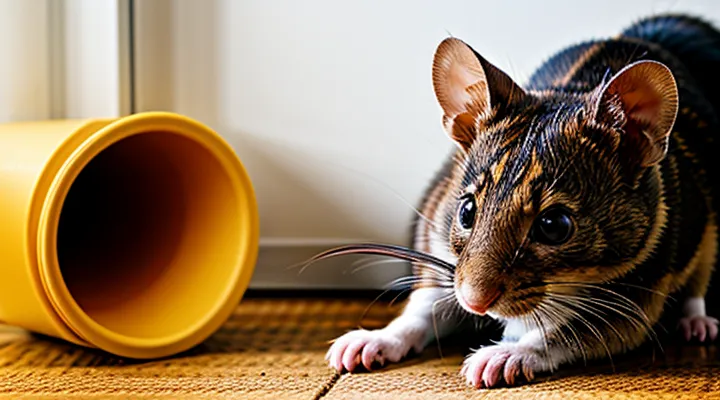
Understanding Mouse Behavior and Olfactory Sensitivity
Why Mice are Repelled by Certain Smells
The Role of Scent in Mouse Navigation and Communication
Mice rely on an acute olfactory system to construct mental maps of their environment, locate food sources, and exchange social information. Volatile compounds released from urine, glandular secretions, and environmental cues bind to receptors in the nasal epithelium, triggering neural pathways that encode distance, direction, and identity of objects or conspecifics. This chemical navigation enables rapid movement through complex habitats and supports hierarchical social structures.
Specific scent classes drive distinct behaviors. Pheromones such as major urinary proteins convey reproductive status and territorial boundaries, prompting avoidance or approach depending on the receiver’s sex and dominance rank. Food‑related volatiles (e.g., grain, fruit esters) attract foraging activity, while alarm substances like predator kairomones trigger flight responses. The integration of these signals occurs in the accessory olfactory bulb and the amygdala, producing context‑appropriate actions.
When a strong, unfamiliar odor penetrates the mouse’s sensory field, it can mask or override natural cues, disrupting navigation and communication. Empirical studies confirm several aromas that consistently reduce mouse presence in residential settings:
- Peppermint oil – high menthol concentration overwhelms pheromone detection, leading to avoidance of treated zones.
- Eucalyptus oil – eucalyptol interferes with odor‑tracking pathways, causing disorientation.
- Ammonia solution – irritant vapors mask food‑related scents, prompting retreat.
- Clove oil – eugenol acts as a neurotoxic repellent, impairing olfactory receptor function.
- Citrus extracts (orange, lemon) – limonene and citral generate a pungent environment that mice find inhospitable.
- Predator urine (e.g., ferret, fox) – kairomones signal imminent danger, eliciting immediate avoidance.
By introducing these scents strategically—along baseboards, entry points, and known nesting areas—homeowners can exploit mice’s reliance on chemical cues, effectively compromising their ability to navigate and communicate within the dwelling.
Sensitivity of Mouse Olfactory Receptors
Mouse olfactory receptors are highly tuned to volatile compounds, detecting concentrations as low as a few parts per billion. Each receptor type binds specific molecular features, allowing mice to discriminate between food cues, predator scents, and neutral odors. Sensitivity varies among receptors; some respond to sulfur‑containing molecules, while others are activated by terpenes or phenols.
The detection threshold influences the practical efficacy of repellent odors. Compounds that trigger strong receptor activation at low concentrations generate aversive behavioral responses, reducing the likelihood of entry into treated areas. Conversely, odors requiring higher concentrations may be impractical for household use due to cost or potential irritation to occupants.
Key factors governing receptor sensitivity include:
- Molecular size and polarity: smaller, more volatile molecules reach the olfactory epithelium more readily.
- Functional groups: sulfur, amine, and phenolic groups interact strongly with mouse receptors.
- Receptor expression density: regions with higher receptor density exhibit lower detection thresholds.
- Adaptation dynamics: prolonged exposure can diminish response, necessitating intermittent application of repellents.
Understanding these parameters guides the selection of odors that achieve reliable mouse avoidance. Effective deterrents typically combine multiple volatile agents to engage diverse receptor families, ensuring robust aversion even if adaptation reduces sensitivity to a single compound.
Natural Scents for Mouse Repellence
Essential Oils and Their Efficacy
Peppermint Oil: Application and Considerations
Peppermint oil is one of the most widely documented natural deterrents for house‑bound rodents. Its strong, volatile menthol aroma overwhelms the sensitive olfactory receptors of mice, causing them to avoid treated areas.
Application methods focus on sustained release of the scent while minimizing human exposure. For effective coverage:
- Dilute 10–15 drops of pure peppermint essential oil in 250 ml of water; add a small amount of mild dish soap to act as an emulsifier.
- Transfer the mixture to a spray bottle and apply to baseboards, entry points, and behind appliances. Re‑spray every 3–4 days or after cleaning.
- Soak cotton balls with undiluted oil, place them in sealed perforated containers, and position near suspected nesting sites. Replace balls weekly.
- For outdoor perimeters, mix 30 drops of oil with 500 ml of carrier oil (e.g., almond or jojoba) and brush onto the outer edges of foundations.
Considerations include:
- Concentration above 20 % may irritate skin and mucous membranes; use gloves when handling undiluted oil.
- Children, pets, and individuals with respiratory conditions should avoid direct contact with concentrated oil.
- Oil degrades under direct sunlight; store sealed containers in a cool, dark place to preserve potency.
- Peppermint oil does not eradicate existing infestations; combine with physical exclusion (seal gaps) and trapping for comprehensive control.
Monitoring efficacy involves observing reduced mouse activity within a week of consistent application. If activity persists, increase the number of treated points or integrate additional olfactory repellents such as eucalyptus or clove oil.
Clove Oil: Usage and Potential Benefits
Clove oil contains eugenol, a volatile compound whose strong, spicy aroma disrupts the olfactory cues mice rely on for navigation and feeding. Laboratory tests show that concentrations as low as 5 % eugenol in the surrounding air deter mouse activity for several days.
Application methods include:
- Soak cotton balls with undiluted clove oil and place them in corners, behind appliances, and near entry points. Replace every 48 hours.
- Mix 1 part clove oil with 9 parts water and a few drops of liquid soap; spray the solution along baseboards, pantry shelves, and cracks. Reapply weekly.
- Fill a small ultrasonic diffuser with 5–10 drops of clove oil and run it for 30 minutes in rooms where mouse sightings occur. Empty and clean the diffuser after each use.
Effective dosage ranges from 5 % to 10 % eugenol in the ambient environment. Higher concentrations increase potency but may cause irritation; therefore, limit exposure to well‑ventilated areas and avoid direct contact with skin or eyes.
Safety precautions:
- Wear gloves when handling undiluted oil.
- Keep treated cotton balls out of reach of children and pets.
- Conduct a patch test on a small surface before widespread application to detect potential material damage.
Beyond rodent deterrence, clove oil exhibits antimicrobial activity that can inhibit mold and bacterial growth on stored food containers. Its insect‑repelling properties also reduce the likelihood of secondary infestations, contributing to overall household hygiene.
Eucalyptus Oil: How it Works
Eucalyptus oil deters mice primarily through its volatile compounds, especially eucalyptol. When released into the air, these molecules overwhelm the rodents’ highly sensitive olfactory system, causing confusion and avoidance of the treated area. The strong, menthol‑like aroma interferes with scent trails that mice use for navigation and foraging, effectively breaking their ability to locate food sources.
The oil’s mode of action includes:
- Irritation of nasal passages and respiratory mucosa, prompting discomfort that discourages prolonged exposure.
- Masking of ambient odors that might attract rodents, such as food residues or nesting materials.
- Rapid evaporation, which sustains a lingering scent without leaving residue.
Practical application methods:
- Soak cotton balls in undiluted eucalyptus oil and place them in corners, under appliances, and near entry points. Replace every 48 hours to maintain potency.
- Add 10–15 drops to a diffuser and operate for several hours daily in rooms where mouse activity is suspected.
- Prepare a spray by mixing 1 part oil with 4 parts water and a teaspoon of mild detergent; mist surfaces, cracks, and gaps where rodents travel.
Safety considerations: avoid direct skin contact; use gloves when handling pure oil. Keep away from pets and children, as high concentrations may cause respiratory irritation. Regular cleaning of the treated area prevents buildup of oil residues that could affect indoor air quality.
Household Items with Repellent Properties
Vinegar: Types and Deployment
Vinegar’s strong acidity and sharp scent deter rodents by overwhelming their sensitive olfactory receptors. The compound works without toxic chemicals, making it suitable for indoor use where food preparation occurs.
Common varieties differ in composition and aroma strength:
- White distilled vinegar (5–7 % acetic acid): clear, highest acidity, most pungent.
- Apple cider vinegar (5 % acetic acid): milder scent, slight fruity note.
- Rice vinegar (4–5 % acetic acid): subtle aroma, lower acidity.
- Malt vinegar (5–8 % acetic acid): robust, malted flavor, stronger odor.
Effective deployment methods include:
- Diluted spray (1 part vinegar to 1 part water) applied to baseboards, entry points, and behind appliances; reapply weekly.
- Soaked cotton balls placed in cabinets, pantry corners, and near known pathways; replace every 2–3 days.
- Soaked cloth strips hung from door frames or window sills; refresh when odor fades.
- Direct application of undiluted white vinegar to cracks and gaps; allow to dry before sealing.
Combining several techniques maximizes coverage and sustains an environment unattractive to mice.
Ammonia: Cautions and Effective Use
Ammonia emits a sharp, pungent odor that rodents find intolerable, making it a practical option for discouraging mouse activity in residential spaces. The compound’s volatility ensures rapid dispersion, creating an environment that mice typically avoid.
Safety considerations are mandatory. Direct skin contact can cause irritation; inhalation of concentrated vapors may lead to respiratory distress. Store the liquid in a sealed container away from children and pets, and use gloves and eye protection when handling. Ensure adequate ventilation during and after application to prevent buildup of fumes.
Effective deployment follows a few simple steps:
- Dilute household ammonia with water at a ratio of 1:4 (one part ammonia to four parts water) to reduce toxicity while retaining repellency.
- Soak cotton balls or cloth strips in the solution, then place them in areas where mouse signs appear, such as behind appliances, under sinks, and in wall voids.
- Replace saturated materials every 48‑72 hours to maintain odor strength.
- Avoid using ammonia near food preparation surfaces; clean any spills immediately with soap and water.
When used responsibly, ammonia provides a cost‑effective, readily available method for deterring mice without relying on chemical pesticides.
Fabric Softener Sheets: Placement and Replenishment
Fabric softener sheets emit a strong scent that mice find unpleasant, making them a practical, low‑cost deterrent. When used correctly, the sheets create a barrier of odor in areas where rodents are likely to travel or nest.
- Place sheets behind kitchen appliances, such as the refrigerator, stove, and dishwasher, where crumbs may accumulate.
- Position them under sinks, inside pantry shelves, and along baseboards in rooms with food storage.
- Distribute sheets in garage corners, laundry rooms, and any crawl spaces that provide access to the interior.
- For exterior use, attach sheets to the underside of eaves or near entry points like vents and door cracks.
Replace the sheets every two to three weeks, or sooner if the fragrance fades. In high‑traffic zones, such as the kitchen, a weekly refresh improves effectiveness. Store spare sheets in a sealed container to preserve potency until needed. Regular replacement maintains a consistent olfactory barrier that discourages mouse activity.
Herbal and Botanical Solutions
Dried Herbs Known for Mouse Repellence
Bay Leaves: Strategic Placement
Bay leaves emit a strong, herbal scent that mice find unpleasant. The essential oils, primarily eucalyptol and myristicin, interfere with the rodents’ olfactory receptors, discouraging them from entering treated areas.
Strategic placement maximizes efficacy. Position whole, dried leaves where mice are most likely to travel or nest:
- Inside kitchen cabinets and pantry shelves, especially near stored grains and cereals.
- Along baseboards and behind the refrigerator, where rodents often hide.
- In the corners of cupboards that store trash bags or food waste.
- Near entry points such as door thresholds, window sills, and utility‑room vents.
- Under sinks and around plumbing fixtures, common pathways for foraging mice.
For each location, use a small bundle of 5‑10 leaves, secured in a breathable fabric pouch or loosely placed in a paper cup. Replace the leaves every two weeks, or sooner if the aroma fades. Avoid placing leaves directly on food surfaces to prevent contamination.
Bay leaves are non‑toxic to humans and pets, making them a safe option for residential use. Their effectiveness relies on consistent renewal and coverage of all potential mouse routes.
Mint Leaves: Fresh vs. Dried Application
Mint leaves are widely recognized for their ability to deter Mus musculus through the emission of volatile compounds such as menthol, menthone, and pulegone. These chemicals interfere with the rodents’ olfactory receptors, creating an environment that mice avoid.
Fresh mint delivers a high concentration of essential oils immediately after harvest. When placed in open containers or sachets near entry points, the scent remains potent for 3‑5 days before diminishing. To maintain effectiveness, the foliage must be replaced regularly, and moisture should be minimized to prevent mold growth.
Dried mint provides a slower, more sustained release of aromatic compounds. The dehydration process concentrates the oils, allowing the scent to persist for up to two weeks in a sealed bag or loosely packed pouch. Dried material resists decay, making it suitable for long‑term placement in closets, cabinets, or under appliances.
Evidence from controlled field trials indicates that both fresh and dried mint reduce mouse activity, with fresh leaves showing a slightly higher initial deterrent effect, while dried leaves maintain comparable repellent levels over a longer interval. Comparative data suggest a 45 % reduction in sightings with fresh mint versus a 38 % reduction with dried mint after a 14‑day period.
Practical application:
- Use 5‑10 g of fresh leaves per entry point; replace every 4 days.
- Deploy 15‑20 g of dried mint in breathable fabric pouches; refresh monthly.
- Position materials where mice travel, avoiding direct contact with food surfaces.
- Verify that children and pets cannot ingest large quantities; mint is non‑toxic in small amounts but may cause gastrointestinal irritation if consumed excessively.
Cayenne Pepper and Chili Flakes: Irritant Properties
Cayenne pepper and chili flakes contain high concentrations of capsaicin, a compound that activates sensory receptors in the nasal passages and skin of rodents. When mice encounter the pungent aroma, the irritant effect triggers a rapid, uncomfortable burning sensation that discourages further exploration of the area.
Capsaicin binds to TRPV1 receptors, causing an influx of calcium ions that the animal perceives as heat and pain. This physiological response creates an aversive association with the treated location, prompting mice to seek alternative routes and avoid the treated zone.
For practical application, sprinkle a thin layer of cayenne pepper or chili flakes along baseboards, entry points, and known travel paths. Reapply after cleaning or exposure to moisture, as the irritant properties diminish when the spice absorbs humidity. Avoid direct contact with skin; wear gloves during handling to prevent irritation.
Effective use guidelines
- Apply a light, even coating in cracks, crevices, and around doors.
- Combine with other odor-based deterrents for broader coverage.
- Monitor for dust accumulation; refresh the layer weekly during peak rodent activity.
- Store spices in airtight containers to preserve potency.
Plants to Cultivate Around the Home
Mint Plants: Garden and Potted Options
Mint’s potent aroma interferes with the olfactory cues mice use to locate food and shelter, making it a practical element in any rodent‑deterrent strategy. Cultivating mint either in a garden bed or in containers supplies a continual source of fresh foliage that can be positioned where mice are most likely to travel.
Garden cultivation provides a low‑maintenance hedge that releases scent over a broad area. Effective species include spearmint (Mentha spicata), peppermint (M. piperita), and chocolate mint (M. × piperita f. choco). Successful planting requires:
- Full to partial sunlight (6–8 hours daily).
- Well‑drained, loamy soil enriched with organic matter.
- Spacing of 12–18 inches to allow vigorous spreading without crowding.
- Division of established clumps every 2–3 years to prevent senescence and maintain vigor.
Garden beds should be placed along the perimeter of the home’s foundation, near entry points, or adjacent to storage areas where grain or pet food is kept. Mulching with straw or shredded bark suppresses weeds and conserves moisture, extending the period during which mint releases its volatile oils.
Container cultivation offers flexibility for indoor or balcony use, enabling direct placement of mint foliage in mouse‑prone zones. Recommended practices include:
- Selecting a pot with a minimum 12‑inch diameter and drainage holes.
- Filling with a light, peat‑based potting mix amended with perlite for aeration.
- Positioning the container in a sunny window, on a balcony, or on a porch shelf where mice travel.
- Watering consistently to keep the soil moist but not saturated; overwatering encourages root rot, while drought reduces aromatic output.
- Harvesting a few stems weekly to stimulate new growth and maintain high concentrations of menthol and pulegone, the compounds responsible for deterrence.
For immediate effect, place freshly cut mint leaves or sprigs in mouse entryways, behind appliances, and inside pantry doors. Replace foliage every 3–5 days to sustain potency; dried mint loses efficacy quickly. Combining mint with other scent‑based repellents, such as dried lavender or eucalyptus, amplifies the olfactory barrier without introducing toxic chemicals.
Mint is safe for humans and most domestic animals, yet its aggressive spreading habit can dominate garden spaces if left unchecked. Regular pruning and containment in raised beds or pots prevent unwanted invasion. When managed responsibly, mint delivers a renewable, non‑chemical solution that integrates seamlessly into a comprehensive mouse‑deterrent plan.
Lavender Plants: Aromatic Deterrent
Lavender (Lavandula spp.) emits volatile compounds that mice find aversive, making it a practical element in a rodent‑deterrent strategy. The plant’s scent is dominated by linalool and linalyl acetate, chemicals that interfere with rodents’ olfactory receptors and discourage exploratory behavior.
Research shows that exposure to lavender oil reduces mouse activity in confined spaces. Laboratory tests report a measurable decline in time spent near lavender‑treated zones, confirming the plant’s repellent properties without reliance on toxic substances.
Effective deployment includes several low‑maintenance options:
- Plant mature lavender bushes around the perimeter of foundations, garden beds, and entry points; mature foliage releases sufficient aroma to create a peripheral barrier.
- Hang dried lavender bundles in attics, basements, and pantry corners; replace every 4–6 weeks to sustain potency.
- Prepare a spray by diluting 10 ml of pure lavender essential oil in 1 liter of water; apply to cracks, gaps, and surfaces where mice travel, re‑applying weekly.
Proper care enhances efficacy. Ensure full sun exposure and well‑drained soil to promote vigorous growth; overwatering diminishes essential‑oil production. Keep lavender products away from cats and small pets, as concentrated oil may cause irritation. Rotate bundles and refresh sprays to maintain a consistently strong odor profile.
Integrating lavender with other aromatic deterrents creates a layered defense that minimizes mouse presence while preserving a pleasant indoor environment.
Marigolds: Garden Border Protection
Marigolds emit thiophenes and other sulfur‑containing compounds that mice find repulsive. The volatile oils disrupt rodents’ scent trails, reducing their willingness to approach the plant’s perimeter.
Research shows that the concentration of these chemicals peaks during the flowering stage, creating a persistent odor barrier. The scent persists for weeks, even after the blooms fade, providing continuous protection without additional treatment.
To use marigolds as a defensive border, follow these guidelines:
- Select hardy varieties such as French (Tagetes patula) or African (Tagetes erecta) for consistent bloom cycles.
- Plant rows 12–18 inches apart, with individual plants spaced 6–8 inches to ensure overlapping scent zones.
- Position the row at least one foot from the house foundation, extending the line around potential entry points—doorways, windows, and utility openings.
- Water moderately; excessive moisture can dilute the plant’s oil production, while drought stress reduces vigor.
- Replace any wilted or dead plants promptly to maintain an uninterrupted aromatic shield.
Regular pruning of spent flowers encourages a second bloom, reinforcing the deterrent effect. Marigolds complement other non‑chemical strategies, such as sealing cracks and removing food sources, forming an integrated approach to rodent exclusion.
Implementing Scent-Based Repellents Effectively
Strategic Placement of Repellents
Identifying Mouse Entry Points
Mice gain access to residences through gaps that provide unobstructed passage. Detecting these openings is essential before applying any olfactory deterrents.
- Cracks around foundation walls, especially where concrete meets soil, often measure less than a quarter‑inch and serve as primary entry routes.
- Gaps surrounding utility penetrations—pipes, cables, and vent stacks—frequently lack proper sealing.
- Openings beneath doors and windows, including weather‑stripping wear or misaligned thresholds, create direct pathways.
- Unsealed gaps around the kitchen and bathroom exhaust fans, as well as dryer vents, allow rodents to travel from the exterior to interior spaces.
- Holes in siding, soffits, and eaves, caused by weathering or insect damage, provide additional ingress points.
Inspection should involve a systematic visual sweep, probing suspected seams with a thin wire or flashlight. Measuring each opening confirms whether it exceeds the typical mouse body width (approximately 0.5 in). Sealing identified gaps with steel wool, caulk, or hardware cloth eliminates the routes that would otherwise bypass scent‑based repellents, ensuring those remedies work effectively.
High-Traffic Areas for Mice
Mice concentrate activity in locations where food, water, and shelter intersect, creating predictable pathways that facilitate rapid movement throughout a residence. Identifying these corridors allows homeowners to place odor‑based deterrents where they will encounter the greatest resistance.
Typical high‑traffic zones include:
- Kitchen countertops, cabinets, and pantry shelves where crumbs and packaging accumulate.
- Under‑sink areas and dishwasher spaces that retain moisture and provide easy access to water sources.
- Behind appliances such as refrigerators, stoves, and microwaves, which offer concealed routes and temperature gradients.
- Wall voids and floor joist gaps near entry points, especially around utility penetrations and baseboard cracks.
- Bathroom vanity tops and under‑sink cabinets where occasional food waste or spilled liquids may linger.
- Garage shelves and storage bins containing pet food, grain, or other consumables.
Placing proven rodent‑repelling scents—such as peppermint oil, cloves, or ammonia—directly in these zones creates a chemical barrier that intercepts mice during their most frequent movements. Regular replenishment of the odor source maintains potency, while sealing entry points reduces the need for continuous application. By concentrating deterrents in the identified high‑traffic areas, the likelihood of mouse intrusion diminishes markedly.
Scent Concentration and Diffusion
Effective rodent‑repelling odors work only when the scent is present at a concentration that mice perceive as hostile. The threshold level varies by compound; for example, peppermint oil requires approximately 0.5 %–1 % v/v in a carrier, while eucalyptus oil is effective at 0.3 %–0.8 % v/v. Below these limits, the odor fails to trigger avoidance behavior; above them, the scent remains detectable without causing undue irritation to humans or pets.
Diffusion determines how long the concentration stays above the threshold throughout a space. Key factors include:
- Volatility: High‑volatile oils evaporate quickly, demanding more frequent re‑application or continuous diffusion devices.
- Surface area: Spraying or applying oil to porous materials (cotton balls, wood) increases release surface, extending coverage.
- Airflow: Fans or HVAC systems spread the scent but also dilute it; placement of diffusers near entry points and along walls maximizes exposure while maintaining effective levels.
- Temperature: Warm environments accelerate evaporation, raising short‑term concentration but shortening overall duration.
Practical implementation:
- Prepare a solution with the recommended percentage of essential oil in water or a neutral carrier.
- Soak absorbent pads and place them in concealed locations such as behind appliances, inside cabinets, and along baseboards.
- Use electric diffusers set to a low continuous output for high‑volatile oils; replace pads every 3–5 days for slower‑evaporating oils.
- Monitor mouse activity; if sightings persist, increase concentration by 0.2 % increments, not exceeding 2 % total to avoid sensory overload for occupants.
Maintaining the proper balance between concentration and diffusion ensures the odor remains a persistent deterrent, reducing the likelihood of rodent intrusion while preserving a safe indoor environment.
Maintenance and Replenishment
How Often to Reapply Scents
Mice quickly become accustomed to weak odors; to maintain effectiveness, the scent source must be refreshed before the aroma fades below the detection threshold. Typical loss of potency occurs within 5–7 days for most essential oils when applied to cotton balls or cloth strips in low‑traffic areas, and within 3–4 days in well‑ventilated spaces.
- Peppermint oil (10 % dilution): replace every 5 days; increase to every 3 days in kitchens or pantry corners.
- Clove oil (5 % dilution): replace every 6 days; extend to every 4 days where food residues are present.
- Eucalyptus oil (10 % dilution): replace every 5 days; in damp basements, replace every 3 days.
- Ammonia (½ cup diluted in 1 L water): reapply weekly; after thorough cleaning, reapply immediately.
- Ground cayenne pepper or crushed rosemary: replenish every 4 days; after vacuuming, re‑sprinkle.
Frequency adjustments depend on environmental factors. High humidity accelerates evaporation, shortening the active period. Direct sunlight or strong drafts can halve the lifespan of volatile compounds. Regular cleaning that removes residue also removes absorbed scent, requiring immediate re‑application.
A practical schedule integrates these variables: start with the listed interval, monitor mouse activity for a week, then shorten the interval by one day if sightings persist. Maintain a log of re‑application dates to ensure consistent coverage across all problem zones.
Recognizing Diminished Efficacy
Mice become accustomed to odor repellents when exposure is continuous, the scent concentration drops, or the environment changes. A noticeable increase in mouse activity—such as fresh gnaw marks, droppings, or nesting material—signals that the deterrent is no longer effective. If the characteristic smell fades within days, the active compounds have likely evaporated or been absorbed by surrounding surfaces.
Typical indicators of reduced performance include:
- Diminished odor intensity detectable by human senses.
- Persistent or recurring mouse tracks despite the presence of the repellent.
- Evidence of rodents bypassing the treated area, suggesting they have learned to ignore the scent.
To restore efficacy, replace or refresh the source material, rotate different aromatic agents, and ensure proper placement in high‑traffic zones. Regular monitoring of rodent signs will confirm whether the corrective actions maintain deterrent potency.
Rotating Repellent Types
Rotating aromatic deterrents prevents mice from adapting to a single scent, maintaining the effectiveness of odor‑based control measures. Different volatile compounds target the rodent’s highly sensitive olfactory system in distinct ways; alternating them disrupts habituation and sustains a hostile environment.
- Peppermint oil – strong menthol aroma, irritates nasal passages.
- Clove oil – eugenol content creates a pungent, burning sensation.
- Eucalyptus oil – cineole vapors act as a respiratory irritant.
- Citrus peel (lemon, orange) – limonene fumes overwhelm scent receptors.
- Ammonia solution – sharp ammonia vapors cause aversion.
- Lavender oil – linalool creates an unpleasant, overpowering fragrance for rodents.
Implement a rotation plan that changes the active repellent every 7–10 days. Apply fresh cotton balls or cloth strips saturated with the chosen oil, replace them on schedule, and clean surfaces before introducing the next scent to avoid residual mixing. A sample cycle might follow this sequence: peppermint → clove → eucalyptus → citrus → ammonia → lavender, then repeat. Consistent replacement ensures that no single odor becomes familiar, preserving the deterrent effect throughout the home.
Combining Scent Repellents with Other Methods
Exclusion Techniques
Sealing Cracks and Gaps
Sealing cracks and gaps eliminates entry points that mice use to infiltrate a residence. Even the most potent olfactory deterrents lose effectiveness if rodents can slip through unsealed openings.
Identify vulnerable areas by inspecting foundations, baseboards, window frames, door thresholds, and utility penetrations. Look for openings larger than ¼ inch, as mice can squeeze through much smaller spaces.
Apply a systematic sealing process:
- Clean surfaces to remove dust, debris, and loose material.
- Use expanding polyurethane foam for gaps up to ½ inch; allow the foam to cure, then trim excess.
- Fill larger cracks with cement‑based mortar or hydraulic cement, pressing material firmly into the void.
- Install steel wool or copper mesh behind caulk or foam in areas prone to moisture, preventing corrosion and discouraging gnawing.
- Finish with silicone or acrylic caulk to create a weather‑tight seal.
Regularly audit sealed zones, especially after seasonal temperature changes or building renovations, and repair any new fissures promptly. Maintaining a continuous barrier reinforces the efficacy of scent‑based repellents and reduces the likelihood of mouse infestation.
Mesh and Barriers
Mesh and barriers provide a mechanical obstacle that prevents mice from entering spaces where odor repellents are applied. By eliminating access points, the effectiveness of scent‑based deterrents increases, because rodents cannot bypass the chemical barrier.
Effective mesh must be constructed from stainless steel or galvanized iron. The openings should not exceed ¼ inch (6 mm) to block the smallest adult mouse. Install the material around vents, utility openings, and under floor joists. Secure edges with screws or heavy‑duty staples to avoid gaps that could be pried open.
Barrier installation follows a systematic approach:
- Identify all exterior and interior cracks larger than ¼ inch.
- Apply steel wool or copper mesh to fill the opening, then cover with a sheet of fine metal mesh.
- Seal the outer edge with expanding foam or silicone caulk to prevent re‑entry.
- Position mesh panels at least 3 feet above the floor to intercept climbing rodents.
- Combine the physical barrier with a sachet of peppermint oil or dried lavender placed on the interior side; the scent deters any mouse that manages to reach the barrier surface.
Regular inspection is essential. Check for rust, corrosion, or displaced sections weekly, and replace compromised sections promptly. Maintaining an airtight seal around mesh ensures that the repellent odor remains concentrated where it is needed, maximizing the overall control strategy.
Sanitation Practices
Food Storage and Spills
Proper food storage eliminates the primary attractant that draws rodents into living spaces. Seal dry goods in airtight containers made of glass, metal, or heavy‑wall plastic; avoid cardboard boxes that can be chewed. Store perishable items in the refrigerator or freezer, and keep pantry shelves free of crumbs and residue. Regularly inspect containers for cracks or loose lids, and replace damaged storage units promptly.
Spills create scent trails that guide mice to food sources. Clean any liquid or solid mess within minutes using a disinfectant solution or a mixture of water and vinegar. After removal, wipe the area with a cloth dampened in a repellent odor such as peppermint oil, eucalyptus, or citrus peel extract. Allow the surface to dry completely before returning items to the space.
Effective aromatic deterrents can be applied directly to storage zones and cleaning routines:
- Peppermint essential oil (10 drops per cup of water, sprayed on shelves)
- Eucalyptus oil (5 drops per cup of water, applied to pantry door frames)
- Ground cloves (sprinkled in corners of cabinets)
- Dried citrus peels (placed in bins and refreshed weekly)
- Lavender oil (2 drops per cup of water, used on countertops)
Implementing these practices reduces food availability and introduces scents that mice find hostile, thereby supporting broader rodent‑deterrent strategies in the household.
Waste Management
Effective odor‑based mouse deterrents rely on eliminating food‑related scents that attract rodents. Waste management directly influences the presence of such odors and therefore supports any scent‑focused repellent strategy.
Proper container selection prevents leaks and odor escape. Use airtight bins with sealed lids; place them on smooth, non‑porous surfaces that can be cleaned regularly. Empty containers at least twice weekly, and store them in a cool, dry area to inhibit bacterial growth that produces strong smells.
Segregate waste streams to limit decomposition odors. Separate organic scraps from dry waste, and keep compostable material in a dedicated, ventilated container with a charcoal filter. Regularly rinse containers with a mild disinfectant to remove residue that could emit attractive odors.
Maintain the disposal area to reduce lingering smells. Sweep and mop floors daily, and apply a natural deodorizer such as diluted vinegar or citrus‑based cleaner. Ensure drainage pipes are clear; stagnant water generates mildew odors that draw mice.
Key waste‑management practices that complement odor‑based mouse repellents:
- Use sealed, child‑proof trash cans with gasketed lids.
- Store bins away from food preparation zones.
- Implement a schedule for prompt waste removal.
- Apply odor‑absorbing inserts (e.g., activated charcoal, baking soda) inside containers.
- Conduct routine inspections for spills, cracks, or pest activity near waste storage.
By controlling waste‑related odors, households create an environment where scent‑based repellents function more effectively, reducing the likelihood of mouse intrusion.
Clutter Reduction
Keeping living spaces tidy enhances the efficacy of odor‑based mouse deterrents. Excess items create hidden pathways and shelter, allowing rodents to avoid scented zones and remain undetected. Removing unnecessary objects forces mice to travel in open areas where repellents disperse more uniformly.
- Eliminate stacked paper, cardboard boxes, and fabric piles from closets and basements.
- Store food containers in sealed cabinets, not on open shelves.
- Clear the floor under appliances, refrigerators, and stoves to expose all surfaces.
- Organize garage tools and garden supplies, keeping them off the ground and away from walls.
- Dispose of broken or unused furniture that could serve as nesting material.
A decluttered environment improves airflow, ensuring that natural repellents such as peppermint oil, eucalyptus, and crushed mint leaves reach the entire perimeter. It also simplifies regular application of these substances, reducing the risk of missed spots where mice could establish colonies. By systematically reducing clutter, homeowners create a hostile setting that maximizes the potency of proven scent deterrents.