
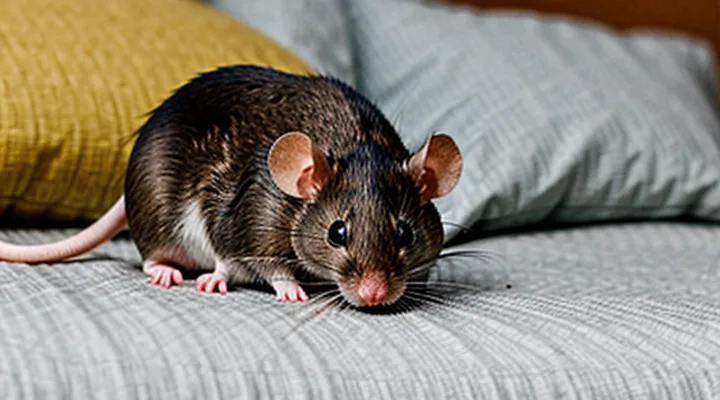
Physiological Aspects of Rodent Sleep
Sleep Stages in Mice and Rats
NREM Sleep Characteristics
NREM (non‑rapid eye movement) sleep in laboratory mice and rats is characterized by high‑amplitude, low‑frequency electroencephalographic (EEG) activity, predominantly in the delta (0.5–4 Hz) range, accompanied by a marked reduction in muscle tone without the atonia seen in REM sleep. The EEG pattern is stable across the light phase, reflecting consolidated sleep bouts.
Typical NREM duration constitutes 70–80 % of total sleep time in adult rodents. In mice, daily NREM amounts range from 4 to 6 hours, while rats exhibit 5 to 7 hours, with longer bouts during the light period and fragmented episodes during the dark period. Species differences include:
- Mice: shorter NREM episodes (average 1–3 minutes) and higher bout frequency.
- Rats: longer episodes (average 3–5 minutes) with fewer interruptions.
Physiological markers of NREM include:
- Decreased heart rate and respiratory rate relative to wakefulness.
- Lower body temperature, typically 1–2 °C below the active phase baseline.
- Reduced locomotor activity, evident in infrared motion sensors.
Developmental progression shows a gradual increase in NREM proportion from neonatal stages (≈50 % of sleep) to adulthood, accompanied by a shift toward longer, more consolidated bouts. Aging leads to fragmented NREM architecture, reduced delta power, and a decline in total NREM time by 10–15 % in senescent rodents.
REM Sleep Characteristics
Rapid eye movement (REM) sleep in laboratory rodents exhibits distinct electrophysiological and behavioral signatures. In both mice and rats, REM periods constitute roughly 20–30 % of total sleep time, though the exact proportion varies with age, strain, and environmental conditions. Electroencephalographic recordings reveal low-amplitude, high-frequency cortical activity comparable to wakefulness, while the hippocampus shows prominent theta oscillations (6–9 Hz in mice, 7–9 Hz in rats). Muscle tone is markedly reduced, producing the characteristic atonia that distinguishes REM from non‑REM stages. Bilateral eye movements are observable with infrared video tracking and correspond to bursts of pontine activity.
Key characteristics of rodent REM sleep include:
- Episode duration: Average REM bouts last 30–120 seconds in mice and 60–180 seconds in rats; longer episodes appear during the dark phase when overall sleep pressure is lower.
- Frequency: Mice exhibit 4–6 REM episodes per 24 hours; rats display 6–9 episodes, with a higher density during the early night.
- Circadian modulation: REM occurrence peaks in the middle of the active period, aligning with the trough of slow-wave activity.
- Developmental trajectory: Neonatal rodents show a higher REM proportion (>50 % of total sleep), which declines to adult levels by postnatal day 30 in mice and day 45 in rats.
- Pharmacological sensitivity: Muscarinic antagonists (e.g., scopolamine) suppress REM, whereas cholinergic agonists (e.g., carbachol) increase episode frequency and length.
Measurement techniques rely on simultaneous EEG, electromyogram (EMG), and video monitoring to confirm the triad of cortical activation, muscle atonia, and ocular movements. Data from genetically modified lines indicate that mutations affecting cholinergic or monoaminergic pathways alter REM architecture, providing insight into the neurochemical control of this state.
Overall, REM sleep in mice and rats is defined by brief, frequent episodes of cortical activation, theta rhythm dominance, muscular paralysis, and rapid eye movements, all modulated by circadian timing, developmental stage, and neuropharmacology.
Neural Mechanisms of Sleep Regulation
Brain Regions Involved in Sleep-Wake Cycle
The murine sleep‑wake system relies on a network of nuclei that generate, maintain, and terminate sleep states. The ventrolateral preoptic area (VLPO) of the hypothalamus contains GABAergic neurons that suppress arousal centers, promoting non‑rapid eye movement (NREM) sleep. Adjacent orexin‑producing neurons in the lateral hypothalamus provide excitatory drive to wake‑promoting structures; loss of orexin signaling shortens wake periods and fragments sleep.
Brainstem nuclei contribute to state transitions. The locus coeruleus releases norepinephrine during wakefulness, enhancing cortical activation. Dorsal raphe nuclei supply serotonin, supporting wake stability and modulating NREM depth. The pedunculopontine and laterodorsal tegmental nuclei discharge acetylcholine, facilitating rapid eye movement (REM) sleep and cortical desynchronization.
Thalamic relay nuclei relay sensory information to the cortex; during NREM, thalamocortical neurons adopt burst firing, generating slow oscillations characteristic of deep sleep. The basal forebrain contains cholinergic and GABAergic populations that influence cortical arousal and REM generation.
Circadian timing originates in the suprachiasmatic nucleus (SCN) of the hypothalamus, which synchronizes sleep propensity to the light‑dark cycle through projections to the VLPO and orexin neurons. The paraventricular nucleus integrates autonomic and endocrine signals, adjusting sleep architecture in response to metabolic cues.
Key regions and primary neurotransmitter actions:
- VLPO (GABA) – inhibits arousal centers, initiates NREM.
- Lateral hypothalamus (orexin) – excites wake‑promoting nuclei.
- Locus coeruleus (norepinephrine) – sustains wakefulness.
- Dorsal raphe (serotonin) – supports wake and modulates NREM.
- Pedunculopontine/ laterodorsal tegmental nuclei (acetylcholine) – drives REM.
- Thalamic relay nuclei (glutamate) – generate spindle activity in NREM.
- Basal forebrain (acetylcholine, GABA) – regulates cortical activation.
- SCN (peptidergic signals) – aligns sleep timing with environmental light.
In mice and rats, the anatomical organization mirrors that of other mammals, yet species‑specific variations exist in the density of orexin neurons and the proportion of REM sleep, influencing overall sleep duration and fragmentation patterns observed in experimental studies.
Neurotransmitters and Hormones
Rodent sleep exhibits polyphasic organization, with total daily sleep time ranging from 10 to 14 hours in mice and 12 to 15 hours in rats. Sleep cycles alternate between non‑rapid eye movement (NREM) and rapid eye movement (REM) phases, each lasting 1–2 minutes in mice and 2–3 minutes in rats. Cycle frequency increases during the light phase, when rodents are most inactive.
Neurotransmitters governing these patterns include:
- γ‑Aminobutyric acid (GABA): suppresses arousal nuclei, promotes NREM stability.
- Glutamate: activates wake‑promoting circuits, reduces NREM duration when elevated.
- Acetylcholine: enhances REM initiation, increases cortical activation during REM.
- Norepinephrine: maintains wakefulness, diminishes REM occurrence.
- Serotonin: supports NREM maintenance, inhibits REM entry.
- Orexin (hypocretin): sustains wakefulness, prevents premature transitions to sleep.
- Histamine: reinforces alertness, reduces overall sleep time.
Hormonal signals synchronize sleep with circadian and metabolic states:
- Melatonin: peaks during the dark period, facilitates sleep onset and consolidates NREM.
- Corticosterone: rises before the active phase, promotes wakefulness; low levels correlate with deep NREM.
- Adenosine: accumulates during wakefulness, drives sleep pressure, particularly NREM.
- Prolactin: elevates during REM, may modulate REM intensity.
- Growth hormone: released during deep NREM, contributes to restorative processes.
The interaction between neurotransmitters and hormones forms feedback loops. Elevated adenosine enhances GABAergic activity, reinforcing NREM, while melatonin suppresses orexin release, reducing wake drive. Corticosterone fluctuations modulate norepinephrine output, shaping the balance between wake and sleep. Experimental manipulation of any component—pharmacological agonists, receptor antagonists, or hormone supplementation—produces predictable shifts in sleep architecture, confirming the mechanistic link between chemical signaling and sleep duration in these species.
Sleep Patterns and Duration
Circadian Rhythms and Sleep Timing
Diurnal vs. Nocturnal Activity
Mice and rats exhibit distinct temporal patterns of activity that shape their sleep architecture. Mice are strictly nocturnal, initiating locomotion and foraging shortly after lights off and maintaining high vigilance throughout the dark phase. Rats display a broader range: many laboratory strains are primarily nocturnal, while some exhibit crepuscular peaks at dawn and dusk, resulting in intermittent bouts of activity interleaved with rest periods.
During the light phase, both species enter prolonged sleep periods. Mice typically accumulate 10–12 hours of sleep, divided into short rapid eye movement (REM) episodes (1–2 minutes) and longer non‑REM intervals (5–20 minutes). Rats achieve 12–14 hours of total sleep, with REM episodes lasting 2–3 minutes and non‑REM phases extending up to 30 minutes. The distribution of sleep bouts aligns with the species’ activity schedule: maximal sleep occurs when ambient illumination is high, and wakefulness dominates during darkness.
Physiological markers differentiate the two chronotypes. Nocturnal mice show peak melatonin and corticosterone levels during the early dark period, coinciding with heightened locomotor output. Nocturnal or crepuscular rats present a delayed melatonin surge, often peaking near the transition to darkness, while corticosterone rises later in the night. Electroencephalographic recordings reveal higher theta power during active phases and dominant delta activity during rest, consistent across both species but shifted according to their activity timing.
Key distinctions relevant to experimental planning:
- Activity onset: mice → lights‑off; rats → lights‑off (nocturnal) or lights‑on/off transitions (crepuscular).
- Total sleep duration: mice ≈10–12 h; rats ≈12–14 h.
- REM episode length: mice 1–2 min; rats 2–3 min.
- Hormonal peaks: melatonin and corticosterone align with species‑specific active periods.
Understanding these temporal patterns ensures accurate timing of behavioral assays, pharmacological interventions, and physiological measurements in rodent sleep research.
Impact of Light-Dark Cycles
Light‑dark cycles provide the primary zeitgeber that synchronizes the endogenous circadian system of laboratory rodents. Exposure to a 12 h light/12 h dark schedule entrains the suprachiasmatic nucleus, producing a predictable onset of nocturnal activity and consolidated sleep during the light phase. When the cycle is altered—by extending light, shortening darkness, or introducing phase shifts—sleep latency, bout length, and total sleep time change proportionally.
Key effects of cycle manipulation include:
- Phase advancement (earlier lights‑on) shortens the duration of the active period, leading to earlier sleep onset and reduced REM episodes.
- Phase delay (later lights‑off) prolongs the active phase, increasing wakefulness and fragmenting non‑REM sleep.
- Constant darkness eliminates external cues, causing free‑running rhythms with longer, less stable sleep episodes.
- Constant light suppresses melatonin release, reduces overall sleep time, and increases sleep fragmentation.
Mice generally exhibit a shorter intrinsic circadian period (~23.5 h) than rats (~24.2 h), making them more sensitive to minor adjustments in light timing. Consequently, a 1‑hour shift in the light transition produces a larger relative change in mouse sleep architecture than in rats. Light intensity also matters: dim illumination (≤5 lux) maintains entrainment while preserving sleep depth, whereas bright light (>300 lux) can suppress REM sleep and elevate cortical arousal.
Experimental protocols must standardize photoperiod length, onset/offset timing, and illumination levels to ensure reproducibility. Reporting these parameters alongside sleep metrics enables accurate comparison across studies and species.
Factors Influencing Sleep Duration
Age-Related Changes
Age influences both the architecture and the total amount of sleep in laboratory rodents. Young adult mice (2–4 months) and rats (3–5 months) typically exhibit a biphasic pattern of rapid eye movement (REM) and non‑REM (NREM) sleep, with NREM occupying 70–80 % of total sleep time and REM comprising 20–30 %. As animals age, the proportion of NREM declines while REM episodes become shorter and less frequent.
Key age‑related alterations include:
- Decrease in total sleep time by 10–20 % in rodents older than 18 months.
- Reduction of NREM bout length; average NREM episodes shorten from ~10 min in young adults to 4–5 min in aged subjects.
- Fragmentation of sleep, reflected by an increase in the number of transitions between sleep stages.
- Attenuation of slow‑wave activity (0.5–4 Hz) during NREM, indicating diminished cortical synchrony.
- Delayed onset of sleep after the dark‑phase onset, with latency extending by 30–45 min in elderly animals.
Physiological mechanisms underlying these changes involve altered neurotransmitter release, decreased sensitivity of GABAergic pathways, and age‑dependent degeneration of hypothalamic sleep‑regulating nuclei. Structural brain modifications, such as reduced dendritic spine density in the prefrontal cortex, contribute to the observed decline in slow‑wave power.
Experimental implications are substantial. Age‑matched control groups are essential when evaluating pharmacological agents or genetic manipulations that affect sleep. Failure to account for the natural progression of sleep patterns with age may confound interpretation of results and obscure treatment efficacy.
Environmental Factors
Environmental conditions exert measurable effects on the sleep architecture of laboratory mice and rats. Researchers control these variables to obtain reproducible data on sleep duration and stage distribution.
Light exposure determines the circadian drive that synchronizes sleep–wake cycles. Constant darkness lengthens total sleep time, whereas prolonged light periods suppress rapid eye movement (REM) sleep. Light intensity above 200 lux can disrupt the onset of non‑REM (NREM) sleep, while dim illumination (≤5 lux) supports normal sleep patterns.
Ambient temperature influences thermoregulatory demands that compete with sleep regulation. Within the thermoneutral zone (30 °C for mice, 28 °C for rats) NREM sleep is maximized; temperatures below 20 °C increase wakefulness to generate heat, and temperatures above 35 °C produce fragmented sleep and frequent arousals.
Acoustic and vibratory stimuli affect sleep stability. Continuous background noise exceeding 55 dB SPL reduces REM sleep by up to 15 % and increases micro‑arousals. Sudden disturbances above 70 dB SPL cause immediate awakenings and prolong latency to the next sleep episode.
Housing density and environmental enrichment modify social stress and physical comfort, which in turn alter sleep metrics. Group housing (3–5 animals per cage) maintains normal sleep duration, whereas isolation reduces total sleep time by 10–20 %. Access to nesting material lowers sleep latency and increases deep NREM sleep.
Air quality parameters such as relative humidity and gas concentrations modulate respiratory drive during sleep. Relative humidity between 40 % and 60 % supports stable sleep; lower humidity accelerates wake bouts. Accumulation of ammonia above 10 ppm or carbon dioxide above 2000 ppm shortens REM bouts and elevates arousal frequency.
Key environmental determinants of rodent sleep
- Photoperiod and light intensity
- Ambient temperature within the thermoneutral range
- Continuous and intermittent noise levels
- Social housing conditions and enrichment items
- Relative humidity and indoor air pollutant concentrations
Precise regulation of these factors is essential for consistent assessment of sleep characteristics and duration in mice and rats.
Genetic Predisposition
Genetic background strongly influences sleep architecture in laboratory rodents. Inbred mouse strains differ markedly in total sleep time, proportion of rapid‑eye‑movement (REM) sleep, and the duration of individual sleep bouts. C57BL/6J mice typically maintain approximately 12 hours of sleep per 24‑hour cycle with fragmented REM episodes, while BALB/cJ mice show shorter REM periods and a higher frequency of brief awakenings. Comparable strain‑specific patterns occur in rats; Sprague‑Dawley rats exhibit longer consolidated non‑REM episodes than Wistar rats, which display more frequent transitions between sleep stages.
Key genetic effects on rodent sleep include:
- Variation in circadian clock genes (e.g., Clock, Bmal1) that alter the timing of sleep onset and offset.
- Polymorphisms in neurotransmitter‑related genes (e.g., Gabra1, Htr1a) that modify REM duration and sleep fragmentation.
- Mutations affecting orexin signaling pathways that influence total sleep amount and stability of non‑REM sleep.
- Strain‑specific expression of sleep‑regulating microRNAs that fine‑tune sleep‑stage transitions.
These genetic determinants interact with environmental factors, yet their contribution to sleep characteristics and duration remains measurable across controlled laboratory conditions. Understanding strain‑dependent genetic predispositions enables precise selection of rodent models for investigations of sleep physiology and related disorders.
Species-Specific Differences
Mouse Sleep Patterns
Mouse sleep exhibits a polyphasic organization, with multiple bouts distributed across the light‑dark cycle. In standard laboratory conditions, nocturnal strains display a predominance of sleep during the light phase, accounting for roughly 60–70 % of total daily time. Wakefulness concentrates in the dark period, interspersed with brief, fragmented sleep episodes.
Key attributes of mouse sleep include:
- Duration of bouts: Average non‑rapid eye movement (NREM) episodes last 1–3 minutes, while rapid eye movement (REM) periods are typically 10–30 seconds.
- Frequency: Mice initiate 10–15 NREM bouts per hour during the light phase; REM episodes occur every 4–6 minutes.
- Total daily sleep: Laboratory mice accumulate 12–14 hours of sleep per 24‑hour cycle, with minor variation among strains.
Electroencephalographic recordings reveal a characteristic progression from high‑amplitude, low‑frequency NREM activity to low‑amplitude, high‑frequency REM patterns. Sleep pressure, measured by slow‑wave activity, builds during wakefulness and dissipates rapidly after each NREM episode, reflecting an efficient homeostatic regulation.
Genetic and environmental manipulations modulate these parameters. For instance, deletion of the orexin receptor reduces total sleep time by 15 % and shortens NREM bout length, whereas enrichment of the housing environment extends REM duration by approximately 20 %. These findings underscore the sensitivity of mouse sleep architecture to both intrinsic and extrinsic factors.
Rat Sleep Patterns
Rats exhibit a polyphasic sleep organization, dividing rest into multiple episodes throughout the 24‑hour cycle. During the dark phase, when rats are most active, they allocate approximately 10–12 % of the time to sleep, whereas the light phase contains the majority of rest periods, accounting for 60–70 % of total sleep time. Each sleep episode lasts 2–5 minutes on average, with brief awakenings separating them.
Rapid eye movement (REM) sleep represents 15–25 % of total sleep time in adult rats. REM bouts are short, typically 10–30 seconds, and occur predominantly in the early light phase. Non‑REM (NREM) sleep dominates the remaining portion, characterized by high-amplitude, low-frequency electroencephalographic activity. Age influences the proportion of REM sleep, which declines from 30 % in juveniles to under 20 % in older animals.
Factors that modify rat sleep patterns include:
- Light‑dark cycle intensity and timing
- Ambient temperature and humidity
- Cage enrichment and social housing conditions
- Food availability and feeding schedule
- Exposure to stressors such as handling or noise
These variables can shift episode frequency, duration, and the balance between REM and NREM states, underscoring the need for controlled environmental parameters when investigating rodent sleep physiology.
Methodologies for Sleep Study
Techniques for Sleep Monitoring
EEG and EMG Recordings
Electroencephalography (EEG) and electromyography (EMG) constitute the primary neurophysiological tools for quantifying sleep architecture in laboratory mice and rats. EEG electrodes are implanted over cortical regions—commonly frontal and parietal sites—to capture voltage fluctuations that differentiate wakefulness, non‑rapid eye movement (NREM) sleep, and rapid eye movement (REM) sleep. EMG electrodes, placed in the nuchal musculature, record muscle tone, providing a reliable indicator of behavioral state transitions: high tone during wakefulness, reduced tone during NREM, and near‑absence of tone during REM.
Signal acquisition follows these standards:
- Sampling rate: 250–1 000 Hz to preserve spindle and ripple frequencies.
- Band‑pass filtering: 0.5–30 Hz for EEG, 10–100 Hz for EMG.
- Amplification: gain adjusted to maintain signal within 0.1–1 V range without saturation.
Data segmentation into 10‑second epochs enables automated scoring algorithms to assign each epoch to a specific sleep stage based on predefined spectral criteria (e.g., delta power dominance for NREM, theta dominance for REM) and EMG amplitude thresholds.
Typical implantation procedure involves stereotaxic placement of stainless‑steel screw electrodes for EEG and insulated wire electrodes for EMG, secured with dental acrylic. Post‑operative recovery of 7–10 days ensures stable baseline recordings. Chronic telemetry systems permit continuous monitoring over weeks, allowing precise measurement of total sleep time, bout length, and circadian distribution in both species.
Analysis pipelines integrate spectral power calculations, bout detection, and statistical comparison across experimental groups. Consistent electrode placement, uniform filtering parameters, and validated scoring rules are essential for reproducible determination of sleep duration and its underlying neurophysiological signatures in rodents.
Actigraphy
Actigraphy provides a non‑invasive means of recording locomotor activity that correlates with sleep–wake states in laboratory mice and rats. Small, lightweight accelerometers are affixed to the animal’s flank or collar, allowing continuous data acquisition over days to weeks without restraining the subject.
Key aspects of rodent actigraphy include:
- Signal acquisition: Tri‑axial accelerometers detect movement thresholds; periods of low activity are classified as presumptive sleep, while higher activity denotes wakefulness.
- Temporal resolution: Sampling rates typically range from 1 Hz to 10 Hz, yielding epoch lengths of 10–30 seconds, sufficient to capture rapid transitions characteristic of rodent sleep.
- Data processing: Automated algorithms apply activity‑count thresholds and bout‑length criteria to segment sleep episodes, generate total sleep time, sleep latency, and fragmentation indices.
- Duration of monitoring: Devices operate for up to several weeks on a single battery charge, supporting longitudinal studies of circadian rhythm alterations, pharmacological interventions, or genetic manipulations.
Advantages of actigraphy in rodent research are its minimal impact on natural behavior, compatibility with home‑cage environments, and scalability for large cohorts. Limitations include reduced specificity compared with electroencephalography; actigraphy cannot differentiate rapid eye movement (REM) from non‑REM sleep, and brief micro‑arousals may be missed when activity falls below detection thresholds.
Best practices to enhance reliability:
- Validate actigraphic scoring against polysomnographic recordings in a representative subset of animals.
- Calibrate activity thresholds for each strain, age group, and experimental condition.
- Maintain consistent housing lighting cycles and minimize external vibrations that could confound motion detection.
When applied correctly, actigraphy yields robust quantitative metrics of sleep duration and architecture in mice and rats, facilitating high‑throughput investigations of sleep regulation without the invasiveness of electrophysiological methods.
Data Analysis and Interpretation
Analysis of rodent sleep relies on precise quantification of state transitions, bout lengths, and total sleep time. Data originate from electrophysiological recordings (EEG/EMG), video monitoring, or locomotor activity sensors, typically sampled at 250–500 Hz for continuous periods ranging from several hours to multiple days.
Pre‑processing includes band‑pass filtering (0.5–30 Hz for EEG), removal of movement artifacts, and segmentation into 10‑ or 20‑second epochs. Each epoch receives a state label (wake, non‑REM, REM) according to established scoring criteria. Automated classifiers are calibrated against manual scoring to maintain inter‑rater reliability above 0.90.
Statistical evaluation proceeds as follows:
- Descriptive metrics: mean duration, median bout length, coefficient of variation for each state.
- Distribution analysis: Kolmogorov–Smirnov test to assess normality; non‑parametric alternatives (Mann‑Whitney U) when appropriate.
- Comparative testing: two‑way ANOVA (species × sex) with post‑hoc Tukey correction for multiple comparisons.
- Time‑series modeling: cosinor analysis to extract circadian amplitude and phase; spectral density estimation for ultradian rhythms.
Interpretation of results focuses on:
- Sleep architecture: proportion of REM versus non‑REM, transitions per hour, and stability of bout sequences.
- Fragmentation indices: frequency of brief awakenings, average inter‑bout interval, and correlation with stress markers.
- Circadian alignment: phase shift relative to light‑dark cycle, amplitude reduction in aged cohorts, and impact of pharmacological interventions.
Reporting standards require:
- Sample size, inclusion/exclusion criteria, and strain details.
- Median and interquartile range alongside mean ± SD for skewed data.
- Effect sizes (Cohen’s d) and 95 % confidence intervals for all significant comparisons.
- Software versions and parameter settings for preprocessing pipelines.
Consistent application of these analytical procedures enables reliable cross‑species comparisons and supports mechanistic insights into sleep regulation in laboratory rodents.
Clinical and Research Significance
Sleep Disturbances in Rodent Models
Modeling Human Sleep Disorders
Rodent sleep exhibits a polyphasic structure, alternating short bouts of rapid eye movement (REM) and non‑REM (NREM) states throughout the 24‑hour cycle. Typical total sleep time ranges from 10 to 14 hours in mice and 12 to 15 hours in rats, with each episode lasting 1–5 minutes for REM and 5–20 minutes for NREM. These temporal patterns are quantifiable through electroencephalography (EEG) and electromyography (EMG), providing high‑resolution data on sleep architecture.
The reproducibility of rodent sleep cycles enables precise modeling of human sleep disorders. Key applications include:
- Insomnia models: Sleep deprivation protocols or pharmacological agents reduce total sleep time and increase sleep latency, mirroring chronic insomnia symptoms.
- Narcolepsy models: Genetic deletion of orexin/hypocretin neurons produces abrupt transitions to REM sleep, reproducing cataplexy and excessive daytime sleepiness.
- Obstructive sleep apnea models: Surgical implantation of tracheal constriction devices generates intermittent hypoxia and fragmented sleep, reflecting apnea‑induced arousals.
- Circadian rhythm disorders: Manipulation of light‑dark schedules or clock‑gene knockouts disrupts the phase and period of sleep, facilitating study of delayed‑phase and non‑24‑hour syndromes.
Translational relevance stems from shared neurochemical pathways, such as GABAergic, cholinergic, and monoaminergic systems, which regulate sleep–wake transitions in both rodents and humans. Pharmacological testing in rodents—using hypnotics, stimulants, or orexin antagonists—provides dose‑response data that predict human efficacy and side‑effect profiles.
Limitations of rodent models include species‑specific differences in sleep bout duration, the predominance of polyphasic sleep, and variations in brain structure. Researchers mitigate these constraints by calibrating experimental conditions, employing multiple strains, and integrating data from larger mammals when necessary.
Overall, systematic exploitation of mouse and rat sleep characteristics furnishes a controllable platform for dissecting the pathophysiology of human sleep disorders and for evaluating therapeutic interventions with measurable outcomes.
Impact of Stress and Disease
Stress exposure rapidly reshapes sleep patterns in laboratory rodents. Acute restraint, chronic social defeat, and unpredictable mild stress each suppress rapid eye movement (REM) sleep, decrease total sleep time, and increase the number of brief awakenings. The magnitude of these changes correlates with corticosterone levels measured concurrently.
Disease models produce distinct alterations in sleep architecture. Neurodegenerative models (e.g., transgenic mice expressing mutant α‑synuclein) exhibit prolonged latency to NREM onset and fragmented REM episodes. Metabolic disease models (e.g., diet‑induced obesity) show reduced REM proportion and extended NREM bouts during the light phase. Infectious disease models (e.g., lipopolysaccharide challenge) generate a marked decrease in overall sleep duration, followed by a rebound increase in NREM sleep during recovery.
Combined stress and disease conditions amplify sleep disturbances. Animals subjected to chronic stress while carrying a neurodegenerative mutation display additive reductions in REM duration and heightened sleep fragmentation compared with either condition alone. Similar synergistic effects appear in diabetic rodents exposed to social stress, leading to prolonged sleep latency and irregular circadian distribution of sleep.
Accurate quantification of these effects relies on continuous polysomnographic recordings. Electroencephalogram and electromyogram signals collected over 24‑hour cycles permit calculation of:
- Total sleep time (minutes per 24 h)
- NREM and REM episode lengths (seconds)
- Sleep bout frequency (episodes per hour)
- Latency to sleep onset (minutes)
Strain‑specific baseline values must be established because C57BL/6J mice, Sprague‑Dawley rats, and other common lines differ in intrinsic sleep duration and responsiveness to stressors. Standardizing housing conditions, handling protocols, and recording parameters reduces variability and enhances reproducibility across studies.
Pharmacological Interventions and Research
Pharmacological manipulation provides a primary method for probing sleep regulation in laboratory rodents, allowing precise assessment of drug‑induced changes in sleep architecture and total sleep time. Rodent models offer reproducible baseline sleep patterns, facilitating comparison across experimental groups and enabling identification of mechanisms that may translate to human sleep disorders.
Key classes of compounds used to modify sleep in mice and rats include:
- Benzodiazepine‑type hypnotics (e.g., diazepam, midazolam) – increase non‑rapid eye movement (NREM) duration, shorten latency to sleep onset, and reduce rapid eye movement (REM) episodes.
- Non‑benzodiazepine sedative‑hypnotics (e.g., zolpidem, eszopiclone) – selectively enhance NREM stability with modest effects on REM suppression.
- Stimulants (e.g., caffeine, modafinil) – decrease total sleep time, extend wake bouts, and shift circadian phase when administered at subjective night.
- Orexin receptor antagonists (e.g., suvorexant) – promote sleep onset and sustain NREM periods without markedly altering REM proportion.
- Adenosine agonists (e.g., N6‑propyladenosine) – mimic sleep pressure, extending NREM duration and reducing sleep latency.
Experimental design must control for strain‑specific baseline sleep, dosing schedule relative to the animal’s circadian cycle, and route of administration to avoid confounding stress responses. Continuous electroencephalographic (EEG) and electromyographic (EMG) recordings provide quantitative metrics of sleep stage transitions, while video monitoring corroborates behavioral correlates of sleep–wake states. Pharmacokinetic profiling ensures that plasma concentrations align with observed electrophysiological effects.
Recent investigations demonstrate that selective modulation of GABA‑A receptor subunits alters the proportion of slow‑wave activity without affecting REM architecture, suggesting targeted therapeutic avenues for disorders characterized by fragmented deep sleep. Parallel studies with orexin antagonists reveal dose‑dependent preservation of sleep continuity, supporting their potential for treating insomnia with minimal rebound wakefulness. These findings reinforce the translational value of rodent pharmacology for developing agents that fine‑tune sleep duration and quality in clinical populations.