
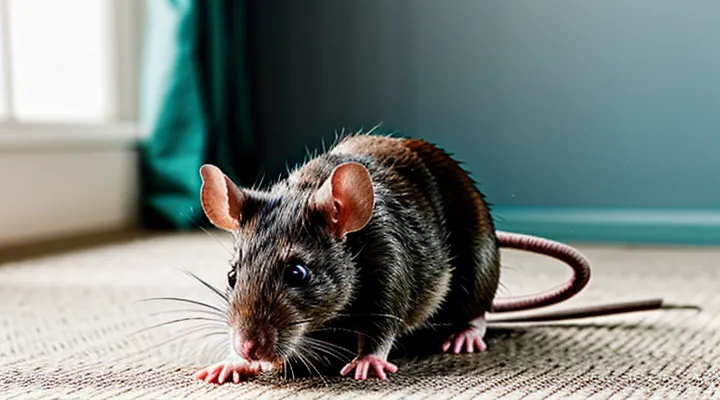
Understanding the Rat's Natural Behavior
Rats maintain a consistent routine of exploration, grooming, eating, and social contact; deviations from this pattern often signal severe health decline. Recognizing the baseline allows caretakers to identify subtle shifts that precede fatal outcomes.
Typical behavior includes:
- Frequent movement throughout the cage, especially during the dark phase.
- Regular self‑grooming, resulting in a clean coat.
- Steady consumption of solid food and water.
- Interaction with cage mates, such as huddling or play.
- Construction and maintenance of a nest using bedding material.
When a rat is approaching the end of life, these activities change markedly:
- Profound inactivity or prolonged periods of immobility.
- Absent or minimal grooming, leading to a ragged appearance.
- Drastic reduction or complete cessation of food and water intake.
- Withdrawal from peers, isolation in a corner or beneath bedding.
- Abnormal posture, such as a hunched back or extended limbs, and tremors.
- Irregular breathing patterns, audible wheezing, or sudden respiratory pauses.
Monitoring these indicators against the animal’s usual conduct provides a reliable method for early detection of life‑threatening conditions. Prompt veterinary assessment should follow any combination of the listed abnormalities.
Subtle Changes in Daily Habits
Appetite and Thirst Fluctuations
Decreased Food Intake
Rats that are approaching the end of life often reduce their food consumption dramatically. The change is detectable within hours to days and signals a shift in metabolic priorities. A healthy adult rat typically eats 5–7 g of chow per 100 g of body weight each day; a sudden drop to less than 50 % of this amount warrants immediate attention.
Observation of feeding behavior provides concrete data:
- Quantity of food left in the bowl after a 24‑hour period.
- Frequency of visits to the feeder, noted by counting each approach.
- Presence of partially eaten pellets, indicating loss of interest rather than difficulty swallowing.
- Weight loss measured on a calibrated scale; a loss of more than 5 % of body weight within 48 hours correlates with severe illness.
Physiological mechanisms underlying reduced intake include gastrointestinal distress, organ failure, and systemic infection. These conditions impair appetite centers in the brain and diminish the animal’s ability to process nutrients. In terminal stages, the body conserves energy by shutting down non‑essential functions, resulting in voluntary abstention from food.
When decreased consumption is confirmed, supportive measures may include offering highly palatable, soft foods such as soaked pellets or baby formula, and ensuring constant access to fresh water. If the rat refuses all nourishment, the decline signals that death is imminent, and humane euthanasia should be considered to prevent prolonged suffering.
Reduced Water Consumption
Reduced water consumption is a reliable indicator that a rat’s health is deteriorating. When a rodent drinks less than half of its usual daily volume, the likelihood of a life‑threatening condition increases sharply.
A healthy adult rat typically ingests 30–50 ml of water per 100 g of body weight each day. Consumption below this range, especially a rapid decline over 24–48 hours, signals an emerging problem. Caretakers should weigh the water bottle before and after each day to detect changes as small as 5 ml.
Common causes of decreased intake include:
- Dehydration from gastrointestinal loss or fever
- Renal or hepatic failure reducing the body’s ability to regulate fluid balance
- Severe respiratory infection limiting the animal’s ability to drink
- Pain or dental disease making the act of drinking uncomfortable
- Neurological impairment affecting thirst perception
Persistent reduction, coupled with other signs such as lethargy, weight loss, or abnormal posture, often precedes fatal outcomes. The pattern of intake can help differentiate transient illness from terminal decline; a sustained drop of more than 50 % for two consecutive days is strongly associated with imminent death.
Immediate actions:
- Record exact water consumption for at least three days to establish a trend.
- Offer fresh, cool water in a shallow dish to encourage drinking.
- Provide moist foods (e.g., fruit or softened pellets) to increase fluid intake indirectly.
- Contact a veterinarian without delay; intravenous or subcutaneous fluids may be required to prevent irreversible dehydration.
Monitoring water intake closely, alongside other clinical observations, enables early recognition of a rat’s critical condition and informs timely veterinary intervention.
Activity Level Decline
Lethargy and Inactivity
Lethargy and inactivity are among the most reliable indicators that a rat is approaching the end of life. A healthy rat typically displays bursts of movement, rapid exploration, and frequent grooming. When these behaviors diminish sharply, the animal may spend the majority of time lying motionless, often in a corner or nest, with minimal response to stimuli. The transition from occasional rest to prolonged inactivity usually occurs within a short period, reflecting systemic failure.
Key observations include:
- Persistent lying down with little to no attempts to stand or move.
- Reduced or absent grooming, leading to a dull, unkempt coat.
- Lack of interest in food, water, or environmental enrichment, even when offered.
- Minimal reaction to handling, vocalization, or gentle prodding.
These signs, when combined with other physiological changes such as weight loss, respiratory difficulty, or altered posture, strongly suggest that the rat is nearing death. Prompt veterinary assessment is advisable to confirm prognosis and discuss humane end‑of‑life care.
Reluctance to Play
Reluctance to engage in typical play behavior often signals a serious health decline in a rat. When a normally active rodent avoids running on wheels, climbing structures, or interacting with cage mates, this withdrawal may indicate pain, weakness, or systemic failure.
Key observations that accompany reduced play include:
- Decreased frequency of spontaneous activity, even during peak light periods.
- Hesitation or refusal to climb ladders, tunnels, or explore new objects.
- Preference for resting in secluded corners rather than joining communal areas.
- Lack of response to familiar toys or enrichment items that previously elicited interest.
These patterns, especially when combined with other physiological changes such as weight loss, labored breathing, or altered grooming, warrant immediate veterinary assessment. Prompt attention can clarify whether the behavior reflects reversible discomfort or an advanced stage of decline.
Altered Grooming Habits
Unkempt or Matted Fur
Rats maintain a sleek, glossy coat through regular self‑grooming. When the fur becomes unkempt or develops mats, the animal is often unable or unwilling to groom, which signals a serious health problem.
Typical characteristics of a deteriorating coat include:
- Clumped sections that feel stiff to the touch
- Dull, lack‑of‑shine appearance compared to the normal sheen
- Uneven length, with some hairs noticeably shorter or broken
- Patches of fur missing or thinning, especially around the head and rear
These changes usually arise from dehydration, severe malnutrition, pain, or neurological impairment. Rapid development of matting indicates that the rat’s condition is progressing quickly and may be life‑threatening. Immediate veterinary assessment is required when unkempt or matted fur is observed, as it often precedes other critical signs of decline.
Excessive Grooming (in specific areas)
Excessive grooming, especially focused on the face, ears, tail base, and genital region, often signals severe distress in a rat. When a normally tidy animal begins to obsessively lick or bite these areas, the behavior typically reflects pain, infection, or neurological dysfunction.
Key observations:
- Persistent licking or chewing of one spot for more than a few minutes.
- Redness, swelling, or raw skin at the groomed site.
- Hair loss or scabs developing around the affected area.
- Audible teeth grinding or squeaking while grooming.
Underlying causes include dental problems, abscesses, parasites, or internal organ failure that produce referred pain. Neurological disorders, such as seizures or spinal injury, can also trigger compulsive grooming as the rat attempts to relieve abnormal sensations.
When excessive grooming appears, immediate action is required. Isolate the rat, examine the skin for lesions, and consult a veterinarian. Early intervention may prevent further deterioration, but if the behavior persists despite treatment, it often indicates a terminal condition.
Physical Signs of Distress
Respiratory Issues
Labored Breathing
Labored breathing in a rodent signals severe distress and often precedes death. The animal’s respiratory effort becomes visibly exaggerated: chest muscles contract rapidly, abdominal movement is shallow, and the nostrils flare with each inhale. Audible wheezing, rattling, or a high‑pitched gasp may accompany the effort, especially when the rat is at rest.
Key indicators include:
- Irregular rhythm: breaths vary in length and depth, sometimes pausing for several seconds.
- Increased rate: normal respiration (80–150 breaths per minute) escalates to 200+ breaths per minute.
- Visible effort: the rib cage lifts noticeably, and the abdomen may bob in a “see‑saw” motion.
- Audible sounds: harsh or whistling noises emerge from the airway.
Underlying causes often involve pulmonary congestion, heart failure, severe infection, or toxic exposure. When labored breathing appears, immediate assessment is critical: check for nasal discharge, cyanosis of the gums, and reduced activity. Supportive measures—such as providing a warm, quiet environment, ensuring unobstructed airflow, and limiting handling—may alleviate stress but rarely reverse terminal progression.
Recognizing these respiratory changes promptly enables caretakers to make humane decisions regarding euthanasia or palliative care, preventing unnecessary suffering.
«Porphyrin Staining» Around Nose and Eyes
Porphyrin staining appears as reddish‑brown secretions that accumulate around a rat’s nostrils and eyes. The pigment is a by‑product of the lacrimal and Harderian glands, released when the animal experiences stress, pain, or systemic illness. In a healthy rat, occasional clear tear droplets may be observed, but persistent, thick, rust‑colored material signals a physiological disturbance.
The staining typically originates from the following mechanisms:
- Elevated cortisol levels trigger glandular hyperactivity, increasing porphyrin output.
- Respiratory or ocular infections irritate the mucous membranes, prompting excess secretion.
- Severe dehydration reduces tear dilution, causing pigment to concentrate and dry on the fur.
When porphyrin deposits become prominent, they often coincide with additional clinical signs: lethargy, loss of appetite, weight loss, or abnormal breathing patterns. The presence of staining alone does not confirm imminent death, but it serves as an early indicator that the rat’s homeostasis is compromised and immediate veterinary assessment is warranted.
Effective monitoring includes:
- Daily visual inspection of the nose and peri‑ocular region for color change or crust formation.
- Recording the consistency of the material; a sticky, gelatinous texture suggests acute distress, while a dry scab points to chronic issues.
- Correlating staining with behavioral changes such as reduced activity or altered grooming habits.
Prompt intervention—hydration support, analgesia, and treatment of underlying infection—can mitigate the progression of porphyrin staining and improve the animal’s prognosis. Ignoring the symptom may allow systemic deterioration to advance unchecked, increasing the risk of fatal outcome.
Sneezing and Congestion
Sneezing in a rat may indicate respiratory infection, allergic reaction, or exposure to irritants. Frequent, loud sneezes accompanied by nasal discharge suggest that the airway is compromised. When sneezing occurs repeatedly over several hours, monitor the animal for additional signs such as lethargy, loss of appetite, or labored breathing.
Congestion presents as swollen nasal passages, clear or purulent discharge, and difficulty inhaling. Rats rely on unobstructed nasal airflow for thermoregulation; obstruction can lead to rapid dehydration and reduced oxygen intake. Observe the following indicators:
- Nasal flaring or visible swelling around the snout
- Persistent mucus that stains the fur or bedding
- Audible wheezing or harsh breathing sounds
- Inability to groom or eat due to blocked nostrils
The combination of continuous sneezing and marked congestion often precedes severe systemic decline. Immediate veterinary assessment is essential; delayed treatment can accelerate progression toward fatal outcomes.
Weight Loss and Body Condition
Visible Ribs and Spine
Visible ribs and a protruding spine are among the most immediate indicators that a rat is approaching the end of its life. When a rodent’s body fat stores diminish rapidly, the skeletal structure becomes discernible through the skin. This condition usually results from prolonged illness, severe malnutrition, or advanced organ failure.
Key observations:
- Ribs appear as a clear, raised line along the sides of the thorax, often extending from the sternum to the posterior end.
- The lumbar and dorsal vertebrae form a noticeable ridge along the back, sometimes accompanied by a shallow groove where the spine should be covered by muscle.
- The skin over the ribs and spine may be thin, translucent, and easily punctured, indicating loss of protective tissue.
- The animal may display a hunched posture, with the spine curving downward as abdominal muscles weaken.
These physical signs typically coincide with other critical symptoms, such as lethargy, reduced appetite, and abnormal breathing. Their presence signals that the rat’s physiological reserves have been exhausted, and humane euthanasia should be considered to prevent unnecessary suffering.
Sunken Flanks
Sunken flanks appear as a noticeable indentation along the sides of a rat’s abdomen, often visible when the animal is lifted or placed on a flat surface. This condition results from loss of subcutaneous fat and muscle mass, typically caused by prolonged malnutrition, severe gastrointestinal disease, or organ failure. The reduction in tissue volume creates a hollowed appearance that contrasts sharply with the normal rounded outline of a healthy rodent.
The presence of sunken flanks signals a critical decline in physiological reserves. When combined with additional indicators—such as lethargy, reduced grooming, weight loss exceeding 10 % of body mass, and abnormal respiration—the likelihood that the rat is approaching the end of life increases substantially. Immediate veterinary assessment is advisable to determine whether the condition is reversible or indicative of terminal illness.
Key points for caretakers:
- Observe the animal’s side profile while it stands or lies on its side; a concave line indicates tissue depletion.
- Measure body weight regularly; a rapid drop corroborates visual signs.
- Check for accompanying symptoms (e.g., dehydration, diarrhea, abnormal stool) to assess overall health status.
- Contact a veterinarian promptly if sunken flanks develop alongside other severe signs, as timely intervention may prevent irreversible deterioration.
Changes in Droppings and Urine
Diarrhea or Constipation
Gastrointestinal abnormalities often precede fatal conditions in rats; both excessive watery stools and the inability to pass feces signal serious health decline.
Diarrhea appears as frequent, loose, or liquid droppings, sometimes accompanied by mucus or blood. The stool may be uncolored or have a strong odor. Observe for dehydration signs such as skin tenting, sunken eyes, or lethargy. Rapid weight loss and reduced food intake commonly accompany persistent diarrhea.
Constipation manifests as hard, dry pellets that are infrequently produced. Rats may strain without producing feces, display a swollen abdomen, or exhibit a hunched posture. Lack of normal fecal output for more than 24–48 hours, coupled with reduced grooming and decreased activity, indicates a critical blockage or ileus.
Key observations for both conditions:
- Frequency change (increase or decrease) compared to normal output
- Consistency shift (watery, mucus‑laden, or hard, dry)
- Presence of blood or abnormal color
- Associated behavioral changes (lethargy, reduced appetite, grooming decline)
- Physical signs of dehydration or abdominal distension
When any of these indicators emerge, immediate veterinary assessment is required. Prompt fluid therapy, dietary adjustment, and diagnostic testing (radiography, fecal analysis) can differentiate reversible infection from irreversible organ failure. Delayed intervention often leads to rapid deterioration and death.
Discolored or Infrequent Urination
Discolored or infrequent urination often signals a severe health decline in a rat. Normal urine is clear to pale yellow; any shift toward red, brown, cloudy, or strong ammonia odor suggests internal bleeding, liver dysfunction, or urinary tract infection. A noticeable reduction in output—fewer than two small voids per day or a complete absence for 24 hours—indicates dehydration, kidney failure, or systemic shock.
Key observations:
- Urine color: pink, red, brown, or milky
- Odor: pungent, foul, or markedly stronger than usual
- Frequency: less than half of typical daily voids, or no urination for a full day
- Volume: markedly reduced stream, droplets instead of normal flow
Possible underlying conditions:
- Acute renal insufficiency leading to toxin buildup
- Hemorrhage in the urinary tract or abdominal cavity
- Severe infection causing inflammation of the bladder or kidneys
- Advanced liver disease affecting bile pigments in urine
- Dehydration from vomiting, diarrhea, or reduced fluid intake
Immediate actions:
- Record color, odor, and frequency changes.
- Offer fresh water and a wet food source to encourage fluid intake.
- Monitor for additional signs such as lethargy, loss of appetite, or abnormal breathing.
- Contact a veterinarian promptly; provide detailed observations to aid diagnosis.
Prompt recognition of these urinary abnormalities can accelerate medical intervention and may prevent a fatal outcome.
Swellings and Lumps
Tumors on the Body
Tumors visible on a rat’s skin or beneath the fur often signal advanced disease and possible imminent death. Their appearance, growth rate, and associated symptoms provide reliable information for caretakers.
External tumors may present as:
- Raised, firm masses that differ in color from surrounding tissue.
- Ulcerated or necrotic surfaces that bleed or emit foul odor.
- Rapid enlargement over days to weeks, indicating aggressive cell proliferation.
Internal tumors, though not directly observable, produce secondary signs:
- Persistent weight loss despite normal feeding.
- Labored breathing or reduced activity due to organ compression.
- Abdominal distension caused by fluid accumulation or tumor growth.
When a rat exhibits any combination of these indicators, immediate veterinary assessment is essential. Early detection can clarify prognosis, guide humane decision‑making, and prevent unnecessary suffering.
Abscesses or Infections
Abscesses and infections are among the most immediate threats to a rat’s survival. Swelling that feels firm or fluctuant, often accompanied by a reddish or purplish hue, signals localized tissue damage. A sudden increase in size, heat on the surface, or the presence of pus indicates that bacterial growth is overwhelming the immune response.
Key observations include:
- Persistent licking or gnawing at a specific area, suggesting discomfort.
- Unexplained loss of appetite or weight despite normal feeding conditions.
- Fever, detectable by a slight elevation in body temperature or lethargy.
- Discharge from wounds, nasal passages, or eyes, often thin, cloudy, or blood‑tinged.
- Changes in grooming behavior, such as neglect of a previously well‑maintained coat.
When an abscess ruptures, the rat may exhibit rapid deterioration: shock, collapsed posture, and a marked decline in activity within hours. Systemic infection (sepsis) can manifest as a rapid heart rate, shallow breathing, and cold extremities. In such cases, the condition typically progresses to death without prompt veterinary intervention.
Early detection relies on regular visual inspections and gentle palpation of the body. Any abnormal mass or persistent inflammation warrants immediate veterinary assessment to determine whether antimicrobial treatment can reverse the process or if the prognosis is terminal.
Eye and Ear Health
Cloudy or Sunken Eyes
Cloudy or sunken eyes are among the most reliable visual cues that a rat’s health is rapidly declining. The cornea may appear milky, gray, or yellowed, indicating fluid accumulation, severe infection, or liver dysfunction. Sunken eyes present as a noticeable recession of the orbital tissue, often accompanied by a loss of the glossy sheen normally seen in a healthy animal. Both conditions reflect systemic failure: dehydration, metabolic imbalance, or advanced organ disease reduce the fluid volume in the eye and surrounding tissues.
Key observations:
- Cornea loses transparency, becoming opaque or tinted.
- Eyelids may not close fully, and the eye surface feels dry to the touch.
- The eye socket appears deeper than usual; the surrounding fur may look lax.
- Rapid onset suggests an acute crisis, whereas gradual progression points to chronic decline.
When these signs appear, immediate veterinary assessment is essential. Fluid therapy may reverse dehydration, but persistent opacity or recession despite treatment usually signals irreversible damage. Monitoring eye condition alongside other symptoms—such as lethargy, weight loss, or abnormal breathing—provides a comprehensive picture of the rat’s prognosis.
Discharge from Eyes or Ears
Discharge from a rat’s eyes or ears signals a serious health problem that may precede death. Normal secretions are clear, thin, and occasional; any deviation warrants close observation.
Abnormal discharge presents as:
- Color change: yellow, green, or brown fluid indicates bacterial infection or internal organ failure.
- Consistency: thick, pus‑like material suggests severe inflammation or abscess formation.
- Quantity: continuous dripping or flooding overwhelms the animal’s ability to keep the area clean.
- Odor: foul smell points to necrotic tissue or advanced infection.
Accompanying signs often include:
- Swelling or redness around the affected area.
- Scratching, rubbing, or head shaking that fails to stop.
- Lethargy, loss of appetite, or rapid weight loss.
When discharge appears, immediate steps are:
- Isolate the rat to prevent stress and contamination.
- Gently clean the area with sterile saline; avoid harsh chemicals.
- Record the discharge’s color, volume, and odor for veterinary assessment.
- Contact a qualified veterinarian within 24 hours, especially if the fluid is purulent or the rat shows additional systemic symptoms.
Persistent or worsening discharge, combined with other deteriorating conditions, strongly indicates that the animal is approaching the end of its life cycle. Prompt professional evaluation can confirm the prognosis and provide appropriate palliative care.
Head Tilt
A head tilt, or unilateral vestibular dysfunction, appears when a rat cannot maintain normal alignment of its skull with the body. The condition manifests as a persistent inclination of the head to one side, often accompanied by circling, loss of balance, and difficulty navigating narrow spaces. Observation of a steady tilt, rather than occasional wobble, indicates a neurological problem rather than temporary disorientation.
Common causes include inner‑ear infections, traumatic injury, neoplasia, and toxic exposure. Infections such as bacterial otitis media produce inflammation that disrupts the vestibular apparatus, while tumors in the brainstem or cerebellum directly impair balance centers. Exposure to rodenticide or certain antibiotics can damage cranial nerves, leading to similar symptoms.
When assessing a rat, look for the following accompanying signs:
- Persistent leaning of the head toward one side
- Circular movement in the direction of the tilt
- Inability to right itself when placed on its back
- Reduced appetite and weight loss
- Abnormal eye movements (nystagmus) or drooping eyelids
These indicators together suggest a serious health decline. Immediate veterinary evaluation is advised because some underlying causes, such as bacterial infections, respond to antimicrobial therapy if treated early, whereas others, like advanced neoplasia, have a poor prognosis. Delay in treatment often results in rapid deterioration and eventual death.
Management focuses on diagnosing the underlying etiology through otoscopic examination, imaging, and laboratory tests, followed by targeted therapy. Supportive care—hydration, easy‑to‑eat food, and a stable environment—helps maintain quality of life while treatment proceeds. Absence of improvement within 24–48 hours typically warrants humane euthanasia to prevent unnecessary suffering.
Behavioral Indicators of Severe Illness
Hiding and Isolation
Rats that are seriously ill often withdraw from normal activity patterns. Instead of exploring the cage, they remain motionless in corners, burrows, or beneath objects. This behavior signals that the animal is conserving energy and avoiding stimuli that could cause stress.
Key observations of hiding and isolation include:
- Preference for dark, concealed areas over open spaces.
- Reduced interaction with cage mates; the rat may refuse to groom or share food.
- Persistent staying in a single spot for hours, even when food or water is nearby.
- Decreased responsiveness to routine handling; the rat may bite or flee only when forced.
These changes differ from typical shy behavior, which is temporary and occurs mainly during new or loud events. In a dying rat, the withdrawal is constant, intensifies as the condition worsens, and is accompanied by other terminal signs such as weight loss, labored breathing, and loss of coordination. Monitoring the extent and consistency of hiding helps caregivers assess the severity of the decline and make timely decisions about care.
Aggression or Unusual Timidity
Aggression or marked timidity often signals severe health decline in a rat. When an animal that normally exhibits balanced curiosity becomes unusually hostile, biting or lunging without provocation, the nervous system may be reacting to pain, infection, or organ failure. Conversely, a rat that normally explores its environment may retreat, freeze, or hide for prolonged periods, indicating weakness, fever, or internal distress.
Key observations include:
- Sudden escalation of biting, hissing, or charging toward caretakers or cage mates.
- Persistent avoidance of food, water, or social interaction, far beyond normal shyness.
- Rapid weight loss accompanying the change in demeanor.
- Labored breathing or irregular heart rate observed during aggressive or withdrawn episodes.
- Lack of response to familiar stimuli, such as familiar scents or handling, coupled with heightened defensiveness.
These behavioral shifts reflect systemic compromise and should prompt immediate veterinary assessment. Early intervention may alleviate suffering, but persistent aggression or extreme timidity often forecasts a terminal trajectory.
Lack of Response to Stimuli
A rat that no longer reacts to touch, sound, or light is exhibiting a critical indicator of terminal decline. Normal rodents quickly withdraw from a gentle paw pressure, startle at sudden noises, and track moving objects. When these reflexes disappear, the nervous system is failing, metabolism is collapsing, and the animal’s capacity for self‑preservation is gone.
Observable patterns include:
- Absence of withdrawal: a light press on the back or tail elicits no flinch or movement.
- No startle response: clapping, tapping the cage, or a brief vocal cue fails to produce a startled pause or escape attempt.
- Lack of visual tracking: the rat does not follow a moving pen or a hand across its field of view.
- Unresponsiveness to handling: attempts to lift or reposition the animal meet with complete stillness, not the usual resistance or squeak.
These deficits often appear together and progress rapidly. A single missed reaction may be transient, but consistent non‑responsiveness across multiple stimuli within a short period (hours to a day) signals imminent death.
Veterinary assessment should focus on confirming the absence of reflexes, checking for additional terminal signs (e.g., severe hypothermia, cyanotic gums), and determining whether humane euthanasia is required. Immediate supportive care offers limited benefit once the central nervous system has ceased responding.
Repetitive or Pacing Behaviors
Repetitive or pacing behaviors often appear when a rat’s health deteriorates sharply. The animal may run back and forth along the cage bars, circle the same spot repeatedly, or engage in constant grooming that does not lead to a clean coat. Such actions differ from normal exploratory activity by their intensity, lack of purpose, and persistence even when resources such as food and water are readily available.
Key observations include:
- Continuous movement without rest periods lasting several minutes to hours.
- Repeated circling of a single area rather than varied exploration of the enclosure.
- Grooming that becomes frantic, with the rat pulling at its fur or skin without achieving a tidy appearance.
- Absence of normal social interaction; the rat may isolate itself while maintaining the repetitive pattern.
These patterns usually signal severe discomfort, pain, or neurological distress. They may result from hypoxia, organ failure, or advanced infection, all of which can precipitate a rapid decline. When such behaviors emerge, assess additional clinical signs—such as loss of appetite, weight loss, or abnormal respiration—to confirm a critical condition.
Immediate steps:
- Minimize stress by providing a quiet, temperature‑controlled environment.
- Offer soft bedding and easy access to water and food, but do not force intake.
- Consult a veterinarian promptly; detailed description of the pacing pattern aids diagnosis and humane decision‑making.
Monitoring for repetitive or pacing activity alongside other deteriorating indicators enables timely recognition that the rat is approaching the end of life.
Muscle Weakness or Incoordination
Muscle weakness and loss of coordination are critical indicators that a rat is approaching the end of life. Weakness appears as reduced ability to support body weight, resulting in a flattened posture when the animal is placed on a flat surface. The rat may struggle to climb onto objects, hesitate before moving, or collapse after brief attempts to stand. Incoordination manifests as stumbling, frequent falling, or an inability to navigate familiar pathways. The animal may display a wobbling gait, irregular paw placement, or drag one or more limbs.
Observable patterns include:
- Persistent low‑level activity followed by sudden collapse.
- Uneven or shuffling steps, especially on smooth surfaces.
- Difficulty grasping or holding food, leading to reduced intake.
- Inability to maintain balance on elevated platforms or cages.
Underlying conditions that produce these signs often involve neuromuscular degeneration, severe metabolic disturbances, or advanced organ failure. When weakness progresses, respiration may become shallow, and the rat may adopt a curled, immobile posture to conserve energy.
Prompt assessment should focus on:
- Monitoring frequency and severity of falls.
- Measuring grip strength by gently pulling the tail and noting resistance.
- Recording changes in locomotion over a 24‑hour period.
- Evaluating appetite and hydration, as diminished intake accelerates decline.
If these observations intensify within a short timeframe, the prognosis is poor, and humane euthanasia should be considered to prevent unnecessary suffering.
When to Seek Veterinary Care
Recognizing Emergency Situations
Rats can deteriorate rapidly; recognizing a crisis is essential for timely intervention. Immediate attention is required when any of the following occurs:
- Sudden inability to move or stand, suggesting severe neurological impairment or spinal injury.
- Profuse bleeding from wounds, digestive tract, or oral cavity, indicating internal or external hemorrhage.
- Respiratory distress marked by rapid, shallow breaths, audible wheezing, or open-mouth breathing.
- Extreme lethargy coupled with loss of appetite for more than 24 hours, pointing to systemic failure.
- Persistent vomiting or diarrhea with blood, signifying gastrointestinal rupture or severe infection.
- Seizures lasting longer than a minute or recurring without recovery, reflecting acute toxin exposure or brain injury.
- Swelling or bulging abdomen, which may signal organ rupture or internal blockage.
When any of these signs appear, isolate the rat, keep it warm, and contact a qualified exotic‑animal veterinarian within hours. Provide the professional with a detailed account of symptoms, duration, and recent environmental changes. Immediate veterinary care can differentiate reversible emergencies from irreversible decline and improve the likelihood of survival.
Preparing for a Vet Visit
When a rodent shows progressive weakness, loss of appetite, labored breathing, or discoloration of the skin, immediate veterinary assessment becomes critical. Preparing for that appointment maximizes the chances of accurate diagnosis and humane care.
First, document observable changes. Write down the date each symptom appeared, its frequency, and any triggers such as diet alterations or environmental stressors. Include measurements of weight loss, noting the rat’s baseline weight if known.
Second, gather relevant records. Bring previous health certificates, vaccination history, and any prior laboratory results. If the rat has been on medication, list dosage, administration times, and the duration of treatment.
Third, arrange safe transport. Use a well‑ventilated carrier with soft bedding to reduce stress. Place a small water dish with a few drops of electrolyte solution if the animal can drink, but avoid offering food that could spill. Secure the carrier to prevent movement during travel.
Fourth, prepare questions for the veterinarian. Typical inquiries include:
- Which diagnostic tests are recommended given the observed signs?
- What pain management options are available?
- How will treatment affect the rat’s quality of life?
- What signs indicate the need for euthanasia to prevent suffering?
Finally, consider the environment after the visit. Clean the cage, replace bedding, and ensure the temperature remains stable. Monitor the rat closely for any new or worsening symptoms and report them promptly to the clinic.
By systematically recording symptoms, assembling medical history, ensuring low‑stress transport, and engaging the veterinarian with focused questions, owners can facilitate timely, compassionate care for a seriously ill rat.
Comforting a Sick Rat at Home
When a rat shows signs of severe illness, immediate home care can reduce stress and improve comfort. Begin by creating a quiet, warm enclosure away from drafts and loud noises. Use a soft, clean bedding material that does not release fibers; replace it frequently to keep the area dry and odor‑free.
Provide easy access to fresh water. If the rat struggles to drink, offer water with a syringe (without needle) or a shallow dish that allows gentle sipping. Hydration supports organ function and may prevent further decline.
Offer nutrient‑dense, easily digestible foods such as softened pellets, cooked egg white, or a small portion of plain yogurt. Warm the food slightly to enhance aroma and encourage intake. Monitor consumption; any refusal over several hours warrants veterinary consultation.
Gentle handling minimizes pain. Support the rat’s body with both hands, avoiding pressure on the abdomen or limbs. Limit handling sessions to a few minutes, allowing the animal to rest between interactions.
Observe and record key indicators: body temperature, breathing rate, eye clarity, and stool consistency. Write observations in a notebook to share with a veterinarian, ensuring accurate assessment of the condition’s progression.
If the rat’s condition deteriorates rapidly—marked lethargy, uncontrolled bleeding, or inability to breathe—seek emergency veterinary care without delay.