
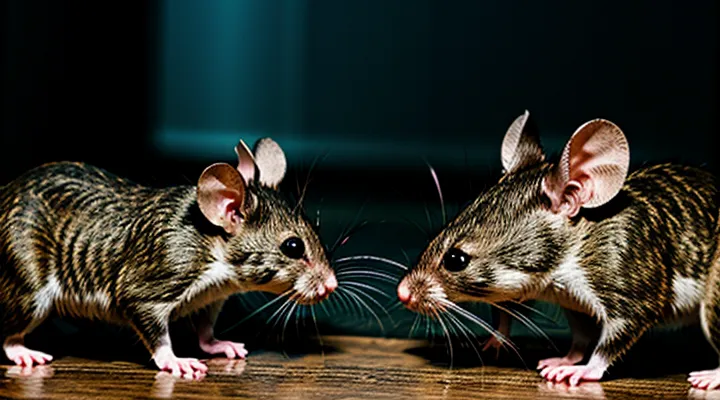
General Interpretations of Rodents in Dreams
«Negative Connotations»
Dreams that feature mice or rats frequently convey adverse symbolism. The presence of these small mammals often signals underlying anxieties, loss of control, or perceived threats within the subconscious.
Typical negative associations include:
- «Disease» or contamination, reflecting concerns about health or impurity.
- «Betrayal» or deceit, suggesting distrust toward close relationships.
- «Powerlessness» or loss of authority, indicating feelings of being overwhelmed.
- «Fear of poverty» or scarcity, symbolizing financial insecurity.
- «Hidden danger» or lurking menace, representing unresolved conflicts.
Interpretation of such imagery relies on personal context, yet the recurrent theme of distress remains consistent across cultural analyses. Recognizing these connotations can aid in confronting the underlying issues that the dream surface.
«Positive or Neutral Symbolism»
Dreams that include small rodents often convey messages that are neither threatening nor ominous. The presence of mice or rats can signify subtle shifts in personal dynamics, practical concerns, or latent abilities that merit attention.
When the symbolism leans toward a positive or neutral interpretation, the dream may reflect:
- Emerging resourcefulness; the animal’s survival instincts mirror the dreamer’s capacity to navigate minor challenges.
- Hidden potential; unnoticed talents become apparent, suggesting readiness for development.
- Social harmony; the creature’s unobtrusive nature points to peaceful coexistence within a community or workplace.
- Adaptability; quick adjustments to changing circumstances are highlighted, encouraging flexible responses.
Additionally, the dream may act as a reminder to acknowledge overlooked details. Small, seemingly insignificant elements in waking life can influence outcomes, and the rodent’s appearance underscores the value of paying attention to minutiae.
In therapeutic contexts, analysts interpret the imagery as an invitation to explore underlying instincts without fear of danger. The animal’s modest size and non‑aggressive behavior support a reading that emphasizes growth, learning, and balanced interaction with one’s environment.
Overall, the dream’s message aligns with constructive self‑assessment and the cultivation of practical skills, reinforcing a perspective that views these nocturnal visitors as symbols of quiet strength and nuanced awareness.
Specific Meanings of Seeing Mice in a Dream
«Small Problems and Annoyances»
Dreams featuring mice or rats often signal concerns that appear insignificant yet persistently disrupt daily routine. These nocturnal images act as metaphors for minor grievances that accumulate beneath the surface of conscious awareness.
When the subconscious projects such rodents, it draws attention to trivial conflicts, overlooked responsibilities, or repetitive irritations. The creature’s size mirrors the perceived modesty of the issue, while its presence in the dreamscape amplifies the emotional charge attached to the annoyance.
Typical manifestations include:
- Unfinished tasks that linger on a to‑do list
- Recurrent minor arguments with colleagues or family members
- Persistent background noises that break concentration
- Small financial discrepancies, such as unnoticed fees
Interpretation benefits from a systematic review of recent circumstances. Identify any recurring nuisance, assess its impact on emotional equilibrium, and consider whether the dream’s setting—cluttered rooms, hidden corners, or open fields—correlates with the context of the irritation. Addressing the underlying annoyance often reduces the frequency of rodent‑related dream imagery and restores mental clarity.
«Feelings of Insignificance or Vulnerability»
Dreams featuring small rodents often trigger «Feelings of Insigniveness or Vulnerability». Such emotions reflect an inner perception of powerlessness, typically linked to situations where personal influence feels limited. The symbolism of mice and rats highlights aspects of self‑esteem that are being questioned, prompting the subconscious to draw attention to hidden anxieties.
Key psychological interpretations include:
- Perceived loss of control in professional or social environments; the animal’s timid nature mirrors the dreamer’s sense of marginalization.
- Emerging doubts about competence; the creature’s survival tactics suggest an unconscious evaluation of one’s own coping strategies.
- Exposure to criticism or neglect; the nocturnal habits of rats evoke feelings of being observed from the shadows, intensifying vulnerability.
When these dreams recur, they often signal a need to reassess boundaries and reinforce personal agency. Strategies such as setting clear objectives, seeking constructive feedback, and practicing assertive communication can mitigate the underlying sense of insignificance. Recognizing the rodent’s symbolic role transforms the dream from a passive warning into an actionable insight.
«Hidden Fears or Anxieties»
Dreams that feature mice or rats often serve as mirrors of concealed emotional states. The presence of these small, elusive creatures signals that the subconscious mind is drawing attention to underlying tensions that remain unacknowledged during waking hours.
- Appearance of rodents correlates with fear of loss of control.
- Scurrying behavior reflects avoidance of confronting uncomfortable truths.
- Persistent sightings suggest lingering stress that resists rational explanation.
The symbolism aligns closely with anxiety patterns that operate beneath conscious awareness. Specific triggers include:
- Situations that evoke feelings of vulnerability, such as interpersonal conflict or professional uncertainty.
- Environments perceived as cluttered or chaotic, mirroring the unpredictable movement of rodents.
- Recurrent thoughts about health or safety, which the mind may encode as pest‑related imagery.
Understanding this symbolism enables targeted coping strategies. Techniques such as systematic desensitization, mindfulness meditation, and structured problem‑solving can reduce the intensity of the hidden fears. Recognizing the dream’s message facilitates proactive management of the anxieties that fuel the nocturnal appearance of mice and rats.
«Opportunity and Resourcefulness»
Dreams that feature small rodents frequently serve as symbolic alerts to untapped possibilities. The presence of mice or rats signals situations where latent chances await recognition, prompting the sleeper to scan the environment for openings that may otherwise remain invisible.
Opportunity emerges in two forms. First, the animal’s swift movement suggests fleeting moments that require prompt action. Second, the creature’s modest size implies that seemingly minor prospects can expand into significant outcomes when seized. Both aspects encourage vigilance toward subtle shifts in personal or professional contexts.
Resourcefulness appears as an intrinsic lesson embedded in the nocturnal scene. The rodent’s reputation for navigating tight spaces and finding nourishment in scarce conditions mirrors the mind’s capacity to devise creative solutions under constraints. The dream therefore reinforces the value of adaptability, encouraging the development of strategies that transform limited resources into effective results.
Key implications include:
- Recognition of brief, low‑profile opportunities that demand immediate response.
- Adoption of inventive problem‑solving tactics modeled on the animal’s survival instincts.
- Reframing challenges as chances to demonstrate cleverness and efficiency.
By interpreting the rodent motif through the lenses of opportunity and resourcefulness, the dream offers a concise framework for turning hidden potential into concrete achievement. «The mouse whispers of possibilities, the rat teaches the art of clever survival».
Specific Meanings of Seeing Rats in a Dream
«Deception and Betrayal»
Dreams in which mice or rats appear often signal hidden threats to personal integrity. The presence of these small rodents can mirror situations where trust is compromised and falsehoods are concealed. When the subconscious projects rodents, it frequently highlights subtle manipulations that erode confidence in relationships or professional environments.
Key aspects of the deceptive dimension include:
- Concealed motives: Rodents move silently, representing intentions that remain unseen until their impact becomes evident.
- Gradual erosion: Small, persistent actions resemble the way a rodent gnaws at structures, symbolizing the slow breakdown of trust.
- Social camouflage: The ability of mice and rats to blend into surroundings reflects how betrayers mask their true agendas behind ordinary behavior.
Psychological interpretation links the rodent imagery to a warning signal. The mind alerts the dreamer to scrutinize alliances, verify information sources, and re‑evaluate commitments that may be compromised. Recognizing the symbol encourages proactive measures, such as establishing clear boundaries and seeking corroborating evidence before accepting claims at face value.
In professional contexts, the dream motif suggests vigilance against corporate espionage, insider manipulation, or covert sabotage. In personal relationships, it calls attention to partners or friends who may be presenting a façade while undermining confidence.
Overall, the rodent dream symbol functions as an internal alarm, urging the individual to detect and address «Deception and Betrayal» before it expands into larger damage.
«Disease and Contamination»
Dreams featuring mice or rats often signal subconscious concerns about health hazards. The presence of these animals invokes their real‑world reputation as vectors for illness, prompting the mind to flag potential threats to bodily well‑being.
Rodents routinely harbor bacteria, viruses, and parasites. Their capacity to spread plague, leptospirosis, hantavirus, and salmonella creates a strong associative link between the animal and disease. When such creatures appear in sleep imagery, the brain may be processing fears of infection, either literal or metaphorical.
Key disease‑related interpretations include:
- Awareness of exposure to pathogens in the immediate environment.
- Anxiety about compromised immunity or declining health.
- Perceived vulnerability to contagion through close contact with others.
- Symbolic representation of “toxic” relationships or habits.
Contamination extends beyond physical germs. The dream may reflect feelings of impurity in personal spaces, such as a cluttered home or workplace, suggesting that the dreamer perceives the surrounding area as unsanitary or morally compromised. This perception can drive a subconscious urge to cleanse, reorganize, or distance oneself from sources of decay.
Addressing the symbolism involves practical steps: improving hygiene, reviewing recent health screenings, and eliminating sources of actual rodent infestation. By aligning external conditions with the subconscious warning, the unsettling imagery can be transformed into a catalyst for healthier living conditions.
«Guilt and Shame»
Dreams featuring small rodents frequently evoke intense emotional reactions. Guilt appears when the dreamer associates the animal with personal failings or concealed wrongdoing. The presence of a mouse may signal remorse over minor oversights, while a rat often points to anxiety about more serious breaches of trust.
Shame emerges when the rodent represents perceived inadequacy or fear of judgment. A mouse scurrying away can illustrate embarrassment about vulnerability, whereas a rat lurking in shadow may reflect dread of social rejection.
These symbols operate through contrast: mice embody innocence corrupted by guilt, rats embody contempt triggered by shame. The dream narrative amplifies the inner conflict by presenting the creature’s behavior—hiding, fleeing, or confronting the dreamer—as a mirror of the subconscious emotional state.
Practical interpretation:
- Identify the specific rodent; mouse suggests minor guilt, rat suggests deeper shame.
- Observe the animal’s actions; avoidance indicates denial, confrontation indicates acknowledgment.
- Reflect on recent situations involving responsibility or public perception; link them to the dream imagery.
- Consider corrective steps: address the underlying mistake for guilt, rebuild self‑esteem for shame.
«Resilience and Survival»
Dreams featuring small rodents often surface during periods of heightened pressure. The presence of mice or rats signals an unconscious appraisal of one’s capacity to endure adversity. When the mind projects these creatures, it highlights adaptive strategies that have historically ensured survival in hostile environments.
The symbolism aligns with core aspects of resilience:
- Rapid assessment of threat, mirroring rodents’ instinctive vigilance.
- Resourceful navigation of limited spaces, reflecting the ability to find alternatives when conventional routes are blocked.
- Persistent activity despite danger, illustrating endurance under continuous stress.
Interpretation of such dreams suggests that the sleeper is either developing or reaffirming these traits. The subconscious may be rehearsing coping mechanisms, reinforcing confidence in one’s ability to recover from setbacks.
Practical takeaways include:
- Recognize moments of discomfort as opportunities to strengthen adaptive responses.
- Apply the rodent’s agility by seeking unconventional solutions when obstacles arise.
- Maintain consistent effort, even when progress appears incremental, to sustain momentum.
Overall, the dream’s rodent imagery serves as a reminder that resilience and survival are not abstract ideals but tangible skills encoded in everyday perception. The mind’s selection of these animals underscores an innate readiness to persist, adapt, and thrive despite challenges.
The Influence of Context on Dream Interpretation
«Behavior of the Rodents»
Rodent activity in nocturnal environments often includes foraging, gnawing, and territorial marking. In the context of sleep imagery, these actions translate into symbolic representations of hidden concerns, persistent problems, or the need to assert control over a situation. Observing a mouse scurrying across a dream scene may suggest a minor, yet recurring issue that requires attention, while a rat’s presence can signal a more entrenched, potentially threatening element.
Key aspects of rodent conduct that influence interpretation:
- Scavenging behavior – indicates resource acquisition or survival strategies.
- Gnawing on objects – reflects attempts to break through barriers or reshape circumstances.
- Social hierarchy displays – convey power dynamics and status negotiations.
- Rapid, erratic movement – symbolizes anxiety, urgency, or uncontrolled thoughts.
- Nest‑building activity – denotes preparation, planning, or the establishment of a safe base.
Dream narratives featuring these animals often mirror the sleeper’s subconscious assessment of personal boundaries, hidden threats, and adaptive responses. Recognizing the specific conduct displayed by the rodents provides a clearer framework for decoding the underlying message.
«Your Emotional Reaction to the Rodents»
Encountering mice or rats while asleep often triggers a vivid emotional response. The nature of that response provides insight into underlying psychological currents.
Common reactions include:
- «fear» – signals perceived threats, may reflect anxiety about loss of control or impending danger.
- «disgust» – indicates aversion to situations perceived as unclean or morally compromising.
- «curiosity» – suggests a willingness to explore hidden aspects of the self, possibly related to undisclosed talents or suppressed memories.
- «indifference» – points to emotional detachment, potentially signifying resilience or numbness toward stressors.
Interpretation of each reaction depends on personal context. Persistent fear aligns with chronic stressors, whereas recurring curiosity may accompany periods of personal growth. Disgust often correlates with recent experiences of betrayal or contamination, while indifference can accompany burnout or emotional exhaustion.
Assessing the intensity, frequency, and accompanying dream details refines the analysis. Strong, recurring emotions merit deeper exploration, possibly through journaling or professional consultation. Moderate, occasional responses typically reflect transient concerns that resolve with lifestyle adjustments.
«The Environment of the Dream»
The setting in which rodents emerge shapes the symbolic weight of the vision. A cramped kitchen, piled dishes, and dim lighting suggest neglect or hidden disorder. An attic filled with dust and cobwebs evokes forgotten memories or suppressed concerns. Open fields under a bleak sky convey exposure to external threats or a sense of vulnerability.
Sensory details reinforce interpretation. Flickering neon or harsh fluorescent light creates a clinical atmosphere, often linked to analysis or scrutiny. Soft rustling, distant squeaks, or a faint odor of mildew intensify feelings of unease, directing attention to underlying anxiety.
Common environmental cues include:
- Confined spaces such as basements or closets, indicating restriction or concealed aspects of the psyche.
- Cluttered surfaces with scattered objects, reflecting mental overload or unresolved tasks.
- Natural settings like gardens or sewers, pointing to primal instincts or the need for cleansing.
- Presence of water, whether stagnant puddles or flowing streams, symbolizing emotional flow or stagnation.
The ambient context modifies the message conveyed by the rodents. In tidy, well‑lit rooms, the creatures may represent minor irritations that can be managed. In chaotic, shadowed environments, they signal deeper disturbances demanding attention. Recognizing the dream’s surroundings allows a more precise assessment of the underlying concerns.
«Your Personal Relationship with Rodents»
Dreams featuring mice or rats reflect the dreamer’s personal relationship with these animals. Emotional responses recorded during waking life—fear, disgust, affection, or indifference—translate directly into the dream narrative, shaping the symbolic meaning.
Typical personal experiences include:
- Childhood exposure to rodents in the home or school environment.
- Ownership of pet mice, rats, or hamsters.
- Cultural narratives that portray rodents as pests, messengers, or symbols of resourcefulness.
Each experience assigns a specific emotional charge to the animal. When a dream evokes fear, the underlying association likely stems from negative encounters or culturally reinforced aversion. A dream that elicits curiosity or comfort suggests a positive or neutral interaction, such as pet ownership or a childhood memory of observing rodents harmlessly.
Interpretation guidelines:
- Identify the dominant emotion felt toward rodents in waking life.
- Align that emotion with the dream’s tone—anxiety indicates unresolved threats; calm denotes adaptability or hidden strengths.
- Consider recent events that may have reactivated the personal rodent narrative, such as a visit to a laboratory, a news story, or a conversation about pest control.
By mapping personal attitudes onto the dream content, the symbolic message becomes a direct reflection of the dreamer’s inner relationship with rodents.
Cultural and Historical Perspectives
«Ancient Beliefs»
Ancient cultures linked rodents in dreams to specific omens and moral lessons. In Mesopotamian omen literature, a mouse appearing at night signified hidden danger to household wealth, while a rat crossing a threshold foretold disputes among family members. Egyptian dream manuals described a flood of rats as a warning of impending pestilence, urging the dreamer to perform purification rites.
Greek philosophers treated dream rodents as reflections of personal vices. Plato’s “Republic” mentions that a dreaming mouse represents unchecked appetites, suggesting the need for self‑discipline. In Roman augury, a rat gnawing grain symbolised loss of resources, prompting preventive measures in agriculture.
Across Asian traditions, rodent visions carried distinct connotations. In early Chinese texts, the appearance of a mouse indicated modest prosperity and the potential for careful savings, whereas a swarm of rats warned of political instability and the rise of conspirators. Hindu scriptures describe a dreaming rat as an embodiment of the deity Kali’s mischievous aspect, urging the sleeper to confront hidden fears.
Key points summarised:
- Mesopotamia: hidden danger, familial conflict
- Egypt: pestilence warning, purification rites
- Greece: moral excess, self‑discipline
- Rome: resource loss, agricultural caution
- China: modest wealth, political unrest
- India: confrontation of fear, divine mischief
These ancient interpretations provide a framework for understanding how rodent imagery in sleep was employed to guide personal conduct, anticipate external threats, and maintain social order.
«Modern Psychological Views»
Modern psychology treats nocturnal visions of rodents as symbolic indicators of inner states. Empirical studies link such imagery to emotional processing, threat perception, and memory consolidation.
Freudian analysis interprets mouse or rat figures as representations of repressed urges or unresolved conflicts. The animal’s small size often denotes feelings of vulnerability, while its nocturnal habits suggest hidden aspects of the psyche.
Jungian theory categorizes rodent motifs within the archetype of the “shadow.” The creature embodies suppressed instincts, prompting integration of unconscious material into conscious awareness.
Cognitive‑behavioral perspectives view these dreams as by‑products of stress‑induced cognition. Heightened anxiety can trigger associative networks that pair rodents with recent experiences of contamination, disease, or loss of control.
Neurobiological research associates rodent imagery with activation of the amygdala during REM sleep. This activation supports threat‑related memory processing, reinforcing adaptive responses to perceived danger.
Key observations from contemporary scholarship:
- Rodent symbols correlate with heightened emotional arousal.
- Interpretations vary across theoretical frameworks, yet all emphasize personal relevance.
- Dream content reflects current stressors, health concerns, or unresolved interpersonal issues.
- Therapeutic exploration of these images can facilitate insight into underlying anxieties.