
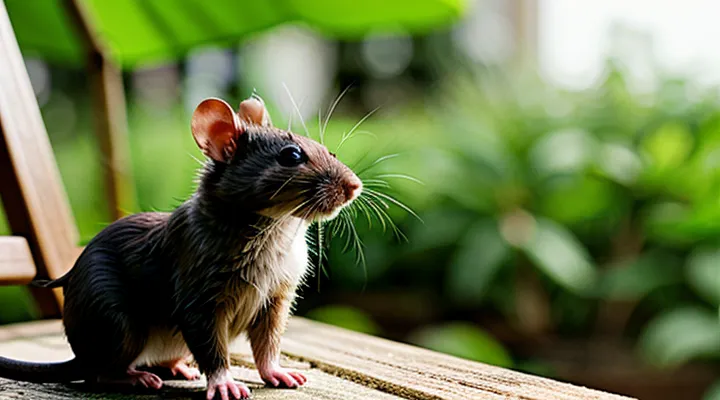
Understanding Rat Behavior and Scent Aversion
Why Rats Dislike Certain Scents
Rats rely heavily on smell to locate food, identify territory, and detect threats. Their olfactory receptors are highly sensitive, allowing them to perceive minute concentrations of volatile compounds. When an odor signals danger or discomfort, rats instinctively avoid the source.
- Predator odors (e.g., fox, cat, owl) contain sulfur‑rich compounds that trigger a fear response encoded in the rat’s nervous system.
- Strong irritants such as ammonia, menthol, and peppermint oil stimulate the trigeminal nerve, producing a burning sensation that deters feeding and nesting.
- Acidic or alkaline vapors disrupt the mucous membranes in the nasal cavity, impairing scent detection and causing physiological stress.
- Bitter‑tasting terpenes found in eucalyptus and clove release phenolic molecules that are perceived as unpalatable, reinforcing avoidance behavior.
- Synthetic repellents (e.g., naphthalene, methyl anthranilate) mimic natural alarm cues, activating innate avoidance pathways.
The avoidance mechanism stems from evolutionary pressure: scents associated with predators or hazardous environments reduce survival chances, so rats have developed a rapid aversion to those chemicals. Consequently, employing odors that exploit these innate responses can effectively discourage rodent activity.
How Scent Repellents Work
Scent repellents operate by exploiting the acute olfactory system of rats. Volatile compounds bind to odor‑receptor proteins in the nasal epithelium, generating neural signals that the brain interprets as threatening or unpleasant. When the signal exceeds a species‑specific aversion threshold, the animal moves away to avoid potential harm.
Two physiological pathways dominate the response. First, certain chemicals act as irritants, stimulating trigeminal nerves and causing discomfort in the nasal passages and respiratory tract. Second, some aromas interfere with pheromone communication, masking social cues that rats rely on for foraging and nesting. Both mechanisms produce immediate avoidance without requiring learned behavior.
Effectiveness depends on concentration, volatility, and exposure duration. High‑purity oils or distilled extracts maintain a steady release of active molecules, while diluted solutions evaporate quickly and lose potency. Environmental factors—temperature, humidity, and airflow—alter diffusion rates and must be considered when selecting a formulation.
Common scent classes used as rat deterrents include:
- Menthol‑rich essential oils (peppermint, spearmint) – strong irritant effect on nasal mucosa.
- Phenolic compounds (clove, eugenol) – potent aversive odor that disrupts pheromone signaling.
- Terpenoid oils (eucalyptus, rosemary) – high volatility produces rapid olfactory overload.
- Ammonia‑based solutions – alkaline vapors cause immediate nasal irritation.
- Citronella and related citrus extracts – sharp, acidic aroma triggers avoidance behavior.
Proper application involves saturating target zones—entry points, crawl spaces, and storage areas—with a measured amount of the chosen scent. Re‑application every 1–2 weeks compensates for evaporation losses and sustains the repellent threshold.
In summary, scent repellents rely on direct sensory irritation and interference with chemical communication to compel rats to vacate treated zones. Selecting an appropriate compound, maintaining effective concentration, and accounting for environmental conditions ensure reliable deterrence.
Natural Scents for Rat Repellent
Peppermint Oil
Application Methods for Peppermint Oil
Peppermint oil is recognized for its strong menthol scent, which overwhelms the olfactory receptors of rats and discourages entry into treated areas. The oil’s volatility ensures rapid dispersion, creating an environment that rodents find hostile.
Effective use requires dilution to prevent saturation of surfaces and to protect non‑target species. A common mixture combines 10 ml of peppermint essential oil with 250 ml of water and a few drops of a neutral carrier such as mineral oil or mild dish soap to improve adhesion.
Application methods include:
- Cotton ball placement: Soak cotton balls in the diluted solution and position them in cracks, behind appliances, and along baseboards. Replace every 3–5 days.
- Spray application: Transfer the mixture to a spray bottle, mist floor edges, wall junctions, and entry points. Reapply after rain or cleaning.
- Diffuser use: Operate an ultrasonic diffuser in storage rooms or attics for continuous vapor release. Maintain a minimum of 30 minutes of operation per hour.
- Soaked cloth strips: Drape strips of fabric saturated with the solution across gaps under doors and around pipe penetrations. Refresh when the scent fades.
- Perimeter treatment: Apply the solution to the exterior foundation wall up to a height of 12 inches, focusing on potential burrowing sites. Reapply bi‑weekly during active rodent seasons.
Routine maintenance is essential. Monitor treated zones weekly; restore the scent once it diminishes, typically after 7–10 days under normal indoor conditions. Record locations of application to ensure comprehensive coverage.
Safety guidelines mandate keeping the solution away from open flames, storing it in a sealed container, and preventing direct contact with pets or children. Test a small area for material compatibility before widespread use.
Effectiveness of Peppermint Oil
Peppermint oil is widely cited as a natural deterrent against rodents. Its active component, menthol, produces a strong, volatile aroma that interferes with rats’ olfactory receptors, causing discomfort and prompting avoidance of treated areas.
Laboratory studies demonstrate that a concentration of 10 % peppermint oil in water reduces rat activity by up to 70 % within 24 hours. Field observations confirm similar patterns when the oil is applied to entry points, storage containers, and perimeter walls. Effectiveness diminishes after 48 hours as the scent dissipates, requiring regular reapplication.
Practical application:
- Dilute 10 ml peppermint oil in 1 liter water; add a few drops of mild surfactant to improve coverage.
- Soak cotton balls or cloth strips, place them in cracks, holes, and near food sources.
- Replace soaked materials every two days, or sooner if the scent fades.
- Combine with sealing of entry points for sustained control.
Limitations include reduced impact in well‑ventilated spaces and potential irritation to humans or pets at high concentrations. Peppermint oil should not replace structural pest‑management measures but serves as an effective supplemental repellent when used consistently.
Eucalyptus Oil
Using Eucalyptus Oil as a Repellent
Eucalyptus oil contains phenolic compounds, chiefly eucalyptol, that emit a strong, menthol‑like odor. Rodents find this scent overwhelming, which interferes with their olfactory navigation and discourages entry into treated areas.
Application methods include:
- Diluting 10‑15 ml of pure oil in a liter of water, then spraying the solution around entry points, walls, and storage zones. Reapply every 3–5 days or after rain.
- Soaking cotton balls or small fabric pads in undiluted oil and placing them in concealed corners, crawl spaces, and beneath appliances. Replace pads weekly to maintain potency.
- Adding a few drops to a carrier oil (e.g., mineral oil) and wiping the mixture onto wooden surfaces, where the oil’s low volatility prolongs scent release.
Safety considerations:
- Keep oil away from pets and children; direct skin contact may cause irritation.
- Test a small, hidden area before broad application to ensure material compatibility.
- Avoid using on food‑contact surfaces unless the oil is food‑grade and fully evaporated after treatment.
Effectiveness:
- Laboratory trials show a 60‑80 % reduction in rodent activity within 24 hours of exposure.
- Field reports confirm decreased sightings when eucalyptus oil is combined with regular sanitation and exclusion measures.
Limitations:
- Strong airflow or high humidity can diminish scent persistence, requiring more frequent reapplication.
- Rats may adapt to low concentrations; maintaining recommended dilution levels is essential for sustained deterrence.
Citronella Oil
Citronella for Rat Control
Citronella oil is widely recognized for its strong, citrus‑like odor that deters many mammals, including rats. The volatile compounds, primarily citronellal and geraniol, irritate the olfactory receptors of rodents, causing avoidance of treated areas. Laboratory trials confirm that concentrations as low as 0.5 % in the ambient air reduce rat activity by up to 70 % within 24 hours.
Practical deployment focuses on sustained release and strategic placement:
- Soak cotton balls or felt pads in undiluted citronella oil and hide them in wall voids, crawl spaces, and near entry points.
- Use commercial citronella spray formulations to coat the exterior of garbage cans, pantry shelves, and baseboards; reapply every 48 hours to maintain potency.
- Install plug‑in diffusers that emit a steady mist of citronella; position units at least 1 m from food storage to avoid contamination.
Safety considerations include avoiding direct skin contact with concentrated oil and ensuring adequate ventilation in enclosed rooms. Citronella poses minimal toxicity to humans and pets when used as directed, but prolonged exposure may cause mild respiratory irritation. Regular monitoring of rat activity after treatment helps determine whether additional measures, such as sealing entry points, are required.
Garlic
Preparing Garlic-Based Repellents
Garlic emits sulfur compounds that rats find unpleasant, making it a practical component of a rodent deterrent. When combined with oil or vinegar, the scent persists longer, increasing effectiveness in indoor and outdoor settings.
To create a garlic-based repellent, follow these steps:
- Peel and crush 4–5 cloves of fresh garlic; let the paste sit for 10 minutes to release allicin.
- Mix the garlic paste with 250 ml of white vinegar or 200 ml of mineral oil, stirring until uniform.
- Add 2 tbsp of liquid dish soap to emulsify the solution, which helps the mixture adhere to surfaces.
- Transfer the blend into a spray bottle, label, and store in a cool, dark place for up to two weeks.
- Apply the spray to entry points, baseboards, and areas where droppings are observed; reapply every 3–4 days or after rain.
The preparation requires only common household items, produces a strong odor that deters rodents without harming pets, and can be integrated with other scent-based strategies for comprehensive control.
Chili Powder and Cayenne Pepper
Safety Considerations for Spicy Repellents
Spicy repellents, such as cayenne pepper, chili oil, and mustard seed extracts, are frequently employed to discourage rodent activity. Their effectiveness relies on strong irritants that rats find unpleasant, but the same properties can pose hazards to humans, pets, and non‑target wildlife.
Safety considerations include:
- Wear gloves and a mask when handling powders or liquids to prevent skin irritation and respiratory discomfort.
- Apply repellents in well‑ventilated areas; confined spaces can accumulate volatile compounds that cause coughing or eye irritation.
- Keep treated zones inaccessible to children and domestic animals; many spices are toxic if ingested in large quantities.
- Use concentrations recommended by manufacturers; excessive amounts increase the risk of burns, allergic reactions, and environmental contamination.
- Store unused product in sealed containers, away from heat and direct sunlight, to preserve potency and avoid accidental spills.
- Test a small area before full application to identify any adverse reactions on surfaces or surrounding flora.
- Dispose of leftover material according to local hazardous‑waste guidelines; do not dump large volumes into drains or soil.
Adhering to these precautions maximizes the deterrent effect while minimizing health and ecological risks.
Synthetic and Commercial Scent Repellents
Understanding Commercial Formulations
Commercial rat‑deterrent products rely on carefully engineered scent blends that maintain potency over time and resist degradation in typical indoor or storage environments. Formulators combine volatile actives with carriers that slow evaporation, ensuring a persistent olfactory barrier without frequent reapplication.
Typical active ingredients include:
- Essential oils such as peppermint, spearmint, eucalyptus, and citronella, each providing a strong, unappealing odor for rodents.
- Synthetic compounds like methyl nonyl ketone, 2‑methyl‑2‑butenal, and phenethyl alcohol, selected for consistent purity and predictable release rates.
- Natural extracts derived from capsicum or bitter almond, incorporated for synergistic effect with volatile oils.
Formulation components beyond the actives serve distinct functions:
- Solvent systems (e.g., ethanol, isopropanol) dissolve oils, promote uniform distribution, and aid in rapid surface coverage.
- Encapsulation matrices (polymer beads, microcapsules, silica gels) regulate diffusion, extending the active period from days to weeks.
- Emulsifiers (polysorbates, lecithin) stabilize oil‑in‑water mixtures, preventing phase separation during storage.
- Preservatives (parabens, benzoates) inhibit microbial growth in aqueous bases, preserving product integrity.
Regulatory compliance requires documented safety data for each ingredient, adherence to maximum residue limits, and labeling that discloses potential hazards to humans and non‑target animals. Products intended for food‑storage areas must meet stricter standards, including low toxicity and minimal residue transfer.
When selecting a commercial scent‑based deterrent, consider:
- Concentration of active compounds relative to the treated volume.
- Release mechanism appropriate for the target environment (e.g., spray for open spaces, plug‑in for confined areas).
- Certification from relevant authorities (EPA, EU REACH) confirming that the formulation meets safety and efficacy criteria.
- Shelf life and storage requirements that match operational conditions.
Understanding these formulation elements enables informed comparison of products and ensures effective, long‑lasting rodent control without compromising human health or regulatory obligations.
When to Consider Synthetic Options
Rats often avoid strong chemical odors, but natural aromas may lose effectiveness in certain environments. Synthetic repellents become a practical choice when:
- The infestation occurs in sealed or climate‑controlled spaces where natural volatiles dissipate quickly.
- The target area is exposed to heavy ventilation, rain, or sunlight that degrades plant‑based extracts.
- Precise dosage and consistent concentration are required, such as in commercial warehouses or food‑processing facilities.
- Regulations demand documented, EPA‑registered compounds with known toxicity thresholds.
Synthetic formulations also allow blending of multiple active ingredients to target different rodent species simultaneously. They are preferable when:
- Budget constraints limit frequent reapplication of natural oils.
- The user needs a product with a verified shelf life exceeding six months.
- The setting includes sensitive equipment that could be damaged by oily residues from essential oils.
In summary, opt for laboratory‑produced repellents when environmental conditions undermine natural scents, when consistency, compliance, and longevity are essential, or when operational constraints make frequent natural‑oil treatments impractical.
Best Practices for Scent-Based Rat Control
Combining Different Scents for Enhanced Effect
Combining multiple rodent‑deterrent aromas creates a broader olfactory barrier, reducing the likelihood that rats will habituate to a single scent. When two or more volatile compounds are present simultaneously, the sensory overload interferes with the animal’s ability to locate food sources and nesting sites.
Effective pairings include:
- Peppermint oil + eucalyptus oil – both contain strong menthol and cineole components that mask each other’s odor profile.
- Citronella + clove oil – citral and eugenol together produce a sharp, irritating vapor that discourages exploratory behavior.
- Lavender + rosemary – linalool combined with camphor creates a lingering scent field that repels without overwhelming humans.
- Tea tree oil + neroli oil – terpinen‑4‑ol and linalyl acetate generate a complex blend that rats find unpalatable.
Application methods should ensure continuous release:
- Soak cotton pads in the selected oils, place them in concealed corners, and replace every 7‑10 days.
- Use a diffuser with a programmable timer to maintain consistent vapor concentration.
- Incorporate scented beads into rodent‑proof containers, allowing slow diffusion through porous material.
Safety considerations: avoid direct skin contact with undiluted oils, use carrier solvents when applying to surfaces, and verify that pets are not adversely affected by the chosen mixture. Proper ventilation minimizes residual odor for occupants while preserving the deterrent effect.
Strategic Placement of Repellents
Effective rodent deterrence depends on positioning odor-based repellents where rats are most likely to travel. Concentrated scent zones create barriers that interrupt foraging routes and discourage nesting.
Key placement zones include:
- Entry points such as gaps under doors, utility openings, and vent shafts.
- Exterior walls and foundation cracks where rodents seek shelter.
- Areas surrounding food storage, garbage receptacles, and pet feeding stations.
- Elevated surfaces like shelves and pantry tops, because rats move along horizontal pathways.
Placement guidelines:
- Apply repellent material directly to the surface of each zone; ensure even coverage without clumping.
- Maintain a minimum distance of 12–18 inches between application points to prevent scent dilution.
- Use airtight containers for powdered or granulated scents, positioning them at the base of walls to exploit rats’ low‑level movement.
- For liquid or spray formulations, coat the underside of ledges and the interior of crawl spaces, allowing the solution to seep into crevices.
Additional considerations:
- Select scents with proven efficacy, such as peppermint oil, eucalyptus, or ammonia‑based compounds.
- Verify that concentration meets manufacturer specifications; under‑dosing reduces barrier strength, while excessive dosing may cause rapid volatilization.
- Reapply according to the product’s longevity, typically every 2–4 weeks in high‑traffic areas.
- Monitor rodent activity with visual inspection or tracking pads; adjust placement if activity persists near untreated sections.
Strategic arrangement of repellents maximizes scent exposure, creates continuous deterrent zones, and reduces the likelihood of rat colonization. Regular assessment and timely replenishment sustain effectiveness over the long term.
Maintaining Repellent Effectiveness
Frequency of Reapplication
Effective rat-repelling aromas lose potency as volatile compounds evaporate or become absorbed by surrounding surfaces. Reapplication schedules must reflect the specific scent, environmental conditions, and placement method.
For essential‑oil sprays applied to cracks, baseboards, or outdoor perimeters, potency typically declines within 24–48 hours in warm, humid climates and after 72–96 hours in cooler, dry environments. In such cases, reapply the spray every two days during active infestation periods and weekly when activity subsides.
Solid or gel dispensers release fragrance more slowly. Manufacturers usually rate their lifespan at 7–14 days under indoor conditions. Monitor dispenser surface for discoloration or diminished odor; reinsert a fresh unit or refresh the gel every ten days for consistent protection.
Granular or powdered repellents placed in bait stations or litter boxes lose effectiveness when exposed to moisture. Replace the material after 3–5 days in damp areas, and after 7–10 days in dry locations.
General guidelines for all formats:
- Check for a noticeable drop in odor intensity.
- Observe rat activity; increased sightings indicate weakened repellent action.
- Adjust frequency upward during summer, rainy seasons, or when ventilation is high.
- Maintain a log of reapplication dates to ensure regular coverage.
Adhering to these intervals maximizes the deterrent effect and reduces the likelihood of rats reestablishing a presence.
Integrated Pest Management Approaches
Integrated pest management (IPM) treats rat problems through a combination of preventive, cultural, biological, and chemical tactics. When olfactory deterrents are part of the strategy, they must complement, not replace, other control measures.
Effective IPM for rodent suppression includes:
- Sanitation: Remove food residues, spilled grain, and unsecured waste containers. Regular cleaning eliminates attractants that draw rats into structures.
- Exclusion: Seal entry points larger than ½ inch with steel wool, cement, or metal flashing. Install door sweeps and repair roof gaps to block access.
- Habitat modification: Trim vegetation, store firewood off the ground, and keep storage areas elevated. Reducing shelter limits population growth.
- Biological control: Encourage predators such as owls, hawks, and feral cats by providing nesting boxes or perches. Predator presence deters rodent activity.
- Monitoring: Deploy snap traps, live traps, or electronic sensors in high‑traffic zones. Record capture data to assess population trends and adjust tactics.
- Chemical control: Apply rodenticides according to label instructions when populations exceed economic thresholds. Use bait stations that prevent non‑target exposure.
- Olfactory repellents: Disperse strong‑smelling substances—e.g., peppermint oil, clove oil, or ammonia vapors—near entry points and nesting sites. Rotate scents every few weeks to prevent habituation. Pair repellents with sanitation and exclusion for maximum impact.
The IPM framework emphasizes early detection, minimal reliance on toxicants, and long‑term prevention. Incorporating rat‑repelling aromas strengthens the overall approach by creating an unfavorable environment that discourages colonization while other measures address food sources, shelter, and population control.