
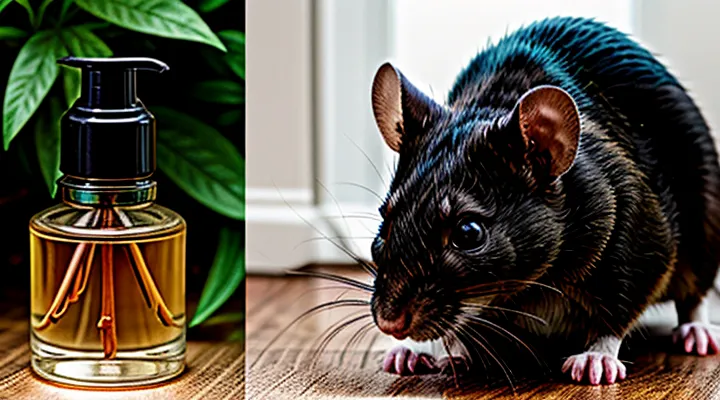
Understanding Rodent Olfactory Sensitivity
The Physiology of Mouse and Rat Noses
Mice and rats possess highly specialized nasal structures that determine their response to chemical deterrents. The nasal cavity contains a complex arrangement of turbinate bones covered by olfactory epithelium, which houses millions of sensory neurons. Each neuron expresses a distinct olfactory receptor protein, allowing detection of a broad spectrum of volatile compounds at concentrations as low as parts per billion.
Key physiological features include:
- Olfactory epithelium surface area: Expanded by convoluted turbinate folds, increasing contact with inhaled air.
- Receptor diversity: Over 1,100 functional receptor genes in rats and about 1,000 in mice, providing fine discrimination of odorants.
- Signal transduction speed: Binding of an odor molecule triggers a cascade that generates action potentials within milliseconds, prompting rapid behavioral responses.
- Vomeronasal organ (VNO): Located at the base of the nasal septum, this accessory chemosensory organ detects non-volatile pheromones and certain deterrent compounds, influencing avoidance behavior.
Airflow through the nasal passages follows a laminar pattern that directs odorants onto the olfactory epithelium. The high vascularization of the mucosa maintains a moist environment essential for receptor function. After receptor activation, signals travel via the olfactory nerve to the olfactory bulb, where pattern recognition circuits evaluate the stimulus and initiate appropriate motor responses, such as fleeing or freezing.
Understanding these mechanisms clarifies why specific aromatic substances—particularly those with strong, unpleasant odors for rodents—can effectively deter infestation. Compounds that exceed the detection thresholds of the abundant receptors or that activate the VNO’s avoidance pathways produce immediate aversive reactions, reducing the likelihood of rodent entry and habitation.
How Strong Scents Overwhelm Pests
Strong odors saturate the nasal receptors of mice and rats, causing a temporary loss of scent discrimination. When volatile compounds reach concentrations that exceed the detection threshold, the neural signals become chaotic, preventing the animals from locating food, nesting sites, or safe pathways. This sensory overload triggers avoidance behavior and can drive pests out of treated areas.
Key mechanisms include:
- Receptor desensitization: High‑level molecules bind to olfactory receptors continuously, leading to rapid adaptation and reduced ability to process additional cues.
- Neural interference: Simultaneous activation of multiple receptor types creates conflicting signals in the olfactory bulb, impairing navigation.
- Stress response: Persistent unpleasant odors stimulate the sympathetic nervous system, producing agitation that discourages lingering.
Effective high‑intensity scents commonly employed are:
- Peppermint oil (Mentha piperita): Contains menthol and menthone; concentrations above 5 % v/v produce immediate repellent effects.
- Eucalyptus oil (Eucalyptus globulus): Rich in eucalyptol; effective at 3–4 % v/v when applied to cotton pads or spray solutions.
- Clove oil (Syzygium aromaticum): High eugenol content; 2 % v/v solutions create a sharp, lingering aroma.
- Ammonia: Inorganic vapor; 10 % aqueous solution generates a pungent environment intolerable to rodents.
- Citrus peel extracts (limonene): 4 % v/v formulations maintain a strong, citrusy odor that overwhelms rodent olfactory pathways.
Application guidelines:
- Distribute scent sources uniformly along walls, entry points, and known travel routes; gaps larger than 30 cm reduce efficacy.
- Replenish volatile agents every 48–72 hours, as evaporation diminishes concentration and restores normal olfactory function.
- Combine multiple strong scents in a rotating schedule to prevent habituation; alternating peppermint and eucalyptus every three days maintains sensory overload.
By maintaining odor concentrations above the perceptual saturation point, these powerful scents create an environment where rodents cannot reliably interpret olfactory cues, leading to sustained displacement from infested spaces.
Distinguishing «Repellent» Scents from «Masking» Scents
Repellent scents are chemicals that rodents detect as threatening or unpleasant, triggering avoidance behavior. These compounds interfere with the olfactory receptors that mice and rats rely on for locating food, shelter, and mates. Common repellent agents include peppermint oil, eucalyptus, clove, and capsicum extracts; they possess volatile molecules that elicit a strong aversive response even at low concentrations. Effectiveness depends on sustained release, proper placement near entry points, and periodic renewal to counteract degradation.
Masking scents function by overwhelming the rodent’s sense of smell with strong, neutral odors that hide the presence of attractants such as food residues or nesting material. Unlike repellents, masking agents do not inherently repel; they merely reduce the detectability of cues that would otherwise draw rodents. Typical masking substances are synthetic fragrance blends, ammonia solutions, or strong-smelling household cleaners. Their success hinges on consistent coverage of the target area and frequent reapplication, as the masking effect dissipates quickly.
Key distinctions:
- Mechanism: Repellents activate aversion pathways; masking scents obscure attractant signals.
- Duration: Repellents often provide longer-lasting deterrence when encapsulated; masking scents require frequent renewal.
- Application focus: Repellents are placed at points of entry or travel routes; masking agents are applied directly over potential food sources or waste zones.
- Effectiveness assessment: Repellents can be measured by reduced rodent activity; masking efficacy is evaluated by decreased detection of attractants, not necessarily by observed avoidance.
Top Natural Scents for Rodent Deterrence
Essential Oils Proven Effective
Peppermint Oil: Application and Concentration
Peppermint oil is widely recognized for its strong, volatile compounds that deter both mice and rats. Research indicates that the menthol and menthone components interfere with the rodents’ sensory receptors, reducing their willingness to enter treated areas.
Effective concentration ranges from 5 % to 10 % of pure peppermint oil diluted in a carrier such as water, alcohol, or a neutral oil. Concentrations below 5 % may lose potency, while solutions exceeding 10 % can cause skin irritation in humans and pets.
Application methods:
- Mix the chosen concentration in a spray bottle; add 50 ml of carrier to 2.5 ml (5 %) or 5 ml (10 %) peppermint oil.
- Spray the solution on entry points, baseboards, and interior surfaces where rodent activity is observed.
- Reapply every 3–4 days, or after cleaning, to maintain the scent’s intensity.
- For continuous exposure, soak cotton balls in the diluted oil and place them in sealed containers near potential nesting sites; replace the cotton balls weekly.
Safety considerations include wearing gloves during preparation, avoiding direct contact with eyes, and storing the mixture in a cool, dark place to prevent degradation. Do not apply undiluted oil on fabrics or surfaces that may be damaged by strong solvents. Regular monitoring of rodent activity will help adjust concentration and frequency for optimal results.
Citronella and Eucalyptus: Secondary Repellents
Citronella and eucalyptus are frequently cited as supplementary aromatic agents for deterring mice and rats. Both oils possess volatile compounds that interfere with the rodents’ olfactory receptors, creating an environment that rodents tend to avoid.
Citronella’s primary active component, citronellal, produces a sharp, citrus-like scent that masks food odors and disrupts scent trails. Eucalyptus oil, rich in eucalyptol (cineole), emits a potent, mentholated aroma that similarly obscures chemical cues used by rodents for navigation and foraging.
Typical application methods
- Soak cotton balls or fabric strips in undiluted oil and place them in corners, under appliances, or near entry points.
- Mix a measured quantity of oil with water (approximately 10 ml oil per liter of water) and spray the solution on baseboards, shelving, and exterior walls.
- Incorporate a few drops of oil into commercially available rodent‑repellent granules or pellets for extended release.
Advantages
- Readily available in most hardware or grocery stores.
- Non‑toxic to humans and pets when used according to manufacturer guidelines.
- Easy to replace; effectiveness persists for several days before volatilization reduces potency.
Limitations
- Effectiveness diminishes rapidly in well‑ventilated spaces; frequent reapplication is required.
- May not provide complete protection in heavily infested structures; best used in conjunction with primary deterrents such as predator‑derived scents or ultrasonic devices.
- Strong fragrance can be irritating to individuals with respiratory sensitivities; proper ventilation is advisable.
When integrating citronella or eucalyptus into a broader rodent‑deterrent strategy, monitor rodent activity for at least two weeks to assess impact. Adjust placement density and reapplication frequency based on observed results. Combining these secondary aromatic agents with rigorous sanitation and structural sealing maximizes overall efficacy.
Clove Oil and Spices: Potent Solutions
Clove oil, derived from the dried flower buds of Syzygium aromaticum, contains eugenol—a potent aromatic compound that irritates the sensory receptors of rodents. Laboratory studies demonstrate that eugenol disrupts the olfactory pathways mice and rats rely on for navigation and foraging, prompting avoidance behavior. The oil’s volatility ensures rapid dispersion in confined spaces, making it effective for short‑term repellent applications.
Spices such as cinnamon, black pepper, and nutmeg possess strong essential oils (cinnamaldehyde, piperine, and myristicin, respectively) that produce similar sensory overload in rodents. These substances emit pungent vapors that interfere with the animals’ ability to detect food sources, leading to reduced activity in treated zones. Field observations confirm that continuous exposure to these spices lowers infestation rates in storage facilities and residential basements.
Practical deployment of clove oil and complementary spices follows a few reliable procedures:
- Dilute clove oil with a carrier (e.g., water or mineral oil) at a ratio of 1 %–2 % before spraying onto surfaces near entry points.
- Place cotton balls soaked in undiluted clove oil in corners, under appliances, and inside wall voids; replace every 3–5 days to maintain potency.
- Sprinkle ground cinnamon, pepper, or nutmeg along baseboards, gaps, and crawl spaces; refresh weekly to counteract volatilization.
- Combine oil‑based sprays with dry spice powders for layered protection, ensuring no direct contact with foodstuffs.
Safety considerations include keeping concentrated clove oil away from pets and children, using gloves during handling, and ventilating treated areas after application. When applied correctly, clove oil and the listed spices provide a chemical‑free, cost‑effective method to deter rodent activity without reliance on toxic poisons.
Plant-Based Repellents (Non-Oils)
Chili Peppers and Capsaicin Products
Chili peppers contain capsaicin, a compound that irritates the sensory receptors of rodents. When rodents encounter capsaicin, they experience a burning sensation that discourages further exploration of the treated area. This aversive response makes capsaicin‑based products a practical component of rodent deterrent strategies.
Capsaicin can be delivered in several formats:
- Powdered dried pepper applied to cracks, crevices, and entry points.
- Oil blends sprayed on surfaces, stored food containers, or outdoor perimeters.
- Commercial granules or pellets placed in bait stations, formulated to release a steady scent.
Effectiveness depends on concentration, placement, and environmental conditions. High‑temperature climates may diminish potency as capsaicin evaporates more quickly, while humid settings can enhance scent retention. Regular reapplication, typically every two to three weeks, maintains deterrent strength.
Safety considerations include:
- Avoiding direct contact with skin and eyes; protective gloves and goggles are recommended during handling.
- Keeping products away from children and domestic animals, as ingestion can cause gastrointestinal irritation.
- Using only products labeled for rodent control to prevent unintended exposure to non‑target species.
Limitations are notable. Capsaicin does not kill rodents; it merely creates an unpleasant environment. Persistent infestations may require complementary measures such as sealing entry points, sanitation, and, when necessary, professional extermination. Integration of capsaicin with other olfactory repellents can improve overall efficacy, providing a multi‑sensory barrier that reduces the likelihood of rodents adapting to a single scent source.
Onion and Garlic Derivatives
Onion and garlic derivatives repel rodents primarily through volatile sulfur compounds such as allyl sulfide, diallyl disulfide, and allicin. These chemicals irritate the highly sensitive olfactory receptors of mice and rats, producing an aversive response that discourages entry and foraging.
Efficacy depends on concentration, exposure duration, and environmental conditions. Freshly crushed garlic releases allicin at levels sufficient to deter activity for several hours, while powdered onion retains enough sulfides to maintain a moderate repellent effect for up to 48 hours when applied to surfaces.
Practical deployment methods include:
- Sprinkling dried garlic or onion powder along baseboards, entry points, and nesting sites.
- Preparing a spray by mixing minced garlic or onion with water (1 part material to 4 parts water), allowing it to steep for 15 minutes, then straining and applying with a pump bottle.
- Embedding small sachets of powdered garlic or onion in cloth bags and positioning them in cabinets, cupboards, or under appliances.
Limitations involve rapid dissipation of odor in well‑ventilated areas and potential attraction of insects or pets sensitive to strong aromas. Regular reapplication, typically every 24–48 hours, sustains deterrent potency. Use of food‑grade derivatives eliminates toxicity concerns for humans and domestic animals when applied according to recommended concentrations.
Household Item Deterrents
Ammonia and Bleach Considerations
Ammonia and bleach are among the strongest chemical odors available for rodent deterrence, yet their use demands strict safety protocols. Ammonia vapor irritates the respiratory system of mice and rats, causing avoidance behavior when applied at concentrations of 5‑10 % in water. Bleach (sodium hypochlorite) releases chlorine gas that produces a sharp, repellent smell; a solution of 1‑2 % effectively discourages rodent activity. Both agents must be applied in well‑ventilated areas to prevent hazardous exposure to humans and pets.
Key considerations for employing these chemicals include:
- Concentration control: Maintain recommended dilution ratios; excess strength increases health risk without improving repellent effect.
- Application frequency: Reapply every 3‑5 days, as odor intensity diminishes rapidly with evaporation.
- Surface compatibility: Avoid use on porous materials that absorb liquid, which can cause lingering fumes and material damage.
- Protective equipment: Wear gloves, goggles, and respirators during mixing and spraying.
- Storage safety: Keep containers sealed, away from heat sources, and labeled to prevent accidental ingestion or misuse.
- Interaction with other agents: Do not mix ammonia and bleach; the reaction produces toxic chloramine vapors.
Adhering to these guidelines maximizes rodent deterrence while minimizing health hazards and environmental impact.
Used Coffee Grounds and Their Utility
Used coffee grounds emit a strong, bitter aroma that rodents find unpleasant. The residual caffeine and phenolic compounds act as natural deterrents, making the material suitable for inclusion in odor‑based rodent control strategies.
Application methods:
- Spread a thin layer of dry grounds along entry points, baseboards, and near food storage areas. Replace weekly to maintain potency.
- Mix equal parts grounds with powdered diatomaceous earth; the blend adds a physical barrier while preserving the scent.
- Place small, breathable fabric sachets filled with grounds inside cabinets or under appliances; sachets release scent gradually without creating mess.
Effectiveness considerations:
- Freshly used grounds retain higher caffeine levels; older grounds lose potency after two weeks of exposure to air.
- Moisture reduces odor release; ensure grounds are fully dried before deployment.
- Grounds attract insects such as flies; monitor for secondary pest activity and adjust placement if necessary.
Safety profile:
- Non‑toxic to humans and pets when used in typical household quantities.
- No residue remains on surfaces after removal, allowing reuse of treated areas without cleaning.
Overall, used coffee grounds provide a low‑cost, readily available component of scent‑based rodent deterrent programs, especially when combined with complementary physical barriers.
Methods for Deploying Scent Barriers
Maximizing Scent Diffusion
Using Cotton Balls and Saturated Materials
Cotton balls serve as a simple delivery system for rodent‑repelling aromas. By saturating the fibers with essential oils or concentrated extracts known to deter mice and rats, the scent is released slowly, creating a persistent barrier around entry points, storage areas, and nesting sites.
Effective preparation includes:
- Selecting a potent oil such as peppermint, eucalyptus, or clove; concentration should be at least 10 % for reliable diffusion.
- Dipping each cotton ball until fully soaked, then allowing excess liquid to drip off to prevent pooling.
- Placing balls in sealed, breathable containers (e.g., perforated plastic jars) to protect against moisture while maintaining airflow.
- Positioning the containers at intervals of 1–2 feet along walls, behind appliances, and near known activity zones; replace every 7–10 days to sustain potency.
When using alternative saturated materials—lint‑free cloth strips, gauze pads, or sponge pieces—the same principles apply: ensure even absorption, prevent direct contact with food surfaces, and monitor for loss of fragrance intensity. Consistent replacement and strategic placement maximize the deterrent effect while minimizing waste.
Placement Strategies in Entry Points
Effective scent deployment hinges on precise positioning at structural vulnerabilities. Identify all potential ingress sites—gaps around doors, utility penetrations, foundation cracks, and ventilation openings. Apply repellent sources directly within these openings to create a barrier that rodents encounter before entry.
- Insert sachets or cotton balls soaked in essential oil blends into door sweeps and threshold gaps; secure with tape to prevent displacement.
- Place scented pads behind baseboard cutouts and within wall cavities adjacent to known rodent pathways; refresh every two weeks.
- Deploy aerosol or gel dispensers in crawl‑space vents, ensuring the outlet faces outward to force scent into the surrounding soil.
- Attach drip‑feed dispensers to pipe sleeves and conduit sleeves, allowing continuous low‑dose emission where rodents commonly travel.
- Embed scented granules in sealing foam used to fill small cracks; the foam acts as both a physical seal and a scent reservoir.
Maintain a schedule for inspection and replenishment, verifying that each entry point retains an active scent concentration. Replace depleted sources promptly to sustain deterrent efficacy.
Frequency of Reapplication
Effective odor-based rodent deterrents lose potency as volatile compounds evaporate or degrade. Reapplication timing determines whether the scent remains at concentrations that discourage mice and rats from entering treated zones.
Factors influencing reapplication intervals include:
- Compound volatility – highly volatile essential oils (e.g., peppermint, eucalyptus) dissipate within hours to a few days, requiring more frequent renewal.
- Environmental conditions – high temperature, low humidity, and strong airflow accelerate evaporation, shortening effective duration.
- Application surface – porous materials absorb scent, reducing airborne availability, while smooth surfaces allow longer persistence.
- Target species activity – periods of heightened rodent foraging (e.g., early evening) may demand a fresh layer before peak activity.
Recommended schedules based on typical indoor and outdoor scenarios:
- High‑volatility sprays on exposed indoor surfaces – reapply every 24–48 hours.
- Medium‑volatility granules or soaked cotton placed in sheltered corners – reapply every 5–7 days.
- Low‑volatility pellets or polymer‑encapsulated formulations – reapply every 2–3 weeks, adjusting for extreme heat or ventilation.
Monitoring guidelines:
- Observe rodent signs (droppings, gnaw marks) weekly; a resurgence indicates scent concentration has fallen below deterrent levels.
- Conduct visual checks for discoloration or odor loss on treated items; replace or refresh as soon as the scent becomes faint.
- Record reapplication dates in a log to maintain consistent coverage and to evaluate the efficacy of each product type.
Adhering to these intervals sustains a hostile olfactory environment for rodents, reducing the likelihood of infestation recurrence.
Combining Scents for Enhanced Effectiveness
Combining several rodent‑repelling aromas can produce a stronger deterrent than any single scent. When two or more volatile compounds interact, they may mask each other’s weaknesses, extend the active period, and create a more complex odor profile that rodents find difficult to habituate to.
Key principles for effective blends:
- Pair a strong, irritant scent (e.g., peppermint oil) with a volatile, masking scent (e.g., eucalyptus) to maintain intensity while reducing rapid dissipation.
- Use a base of long‑lasting oil (such as citronella) together with a short‑acting stimulant (like clove) to achieve immediate impact and prolonged protection.
- Apply a small proportion of a neutral carrier (e.g., almond oil) to improve diffusion and prevent premature evaporation.
Practical formulation examples:
- 30 % peppermint, 20 % eucalyptus, 40 % citronella, 10 % carrier.
- 25 % clove, 35 % rosemary, 30 % spearmint, 10 % carrier.
Optimal results arise from testing ratios in the specific environment, monitoring rodent activity, and adjusting concentrations to maintain a consistently unpleasant olfactory zone.
Safety Protocols and Limitations of Scent Control
Pet and Child Safety Concerns
Rodent-repelling aromas often contain essential oils, plant extracts, or synthetic compounds designed to deter mice and rats through strong odors. While effective for pest control, these substances can pose risks to pets and children if not applied correctly.
Potential hazards include respiratory irritation, skin sensitization, and accidental ingestion. Cats and dogs may react to concentrated essential oils such as peppermint, eucalyptus, or citronella, exhibiting coughing, sneezing, or drooling. Young children, especially those who crawl or put objects in their mouths, may come into direct contact with treated surfaces or inhaled vapors, leading to nausea or gastrointestinal distress.
Safety measures:
- Apply products only in areas inaccessible to pets and children, such as behind appliances, under cabinets, or in sealed rodent-proof traps.
- Use diluted formulations when recommended by the manufacturer; avoid undiluted oils on fabrics or floors.
- Store all containers out of reach, preferably in locked cabinets.
- Conduct a brief test on a small, hidden surface to confirm no discoloration or damage before full application.
- Monitor pets for signs of discomfort after treatment; discontinue use and seek veterinary advice if symptoms appear.
- Choose products specifically labeled as pet‑safe and child‑friendly; verify that active ingredients are listed and reviewed by regulatory agencies.
When these precautions are observed, rodent-repelling scents can reduce infestations without compromising the health of household members.
Dealing with High Rodent Infestations
Severe rodent populations demand immediate, measurable actions. Chemical and botanical odorants provide a non‑toxic avenue for reducing activity levels in infested zones.
Key odorants with documented repellent effects include:
- Peppermint oil – high menthol concentration disrupts olfactory cues.
- Eucalyptus oil – phenolic compounds interfere with scent tracking.
- Citronella – volatile terpenes create an inhospitable atmosphere.
- Clove oil – eugenol acts as a neurotoxic deterrent at low concentrations.
- Ammonia – strong ammonia fumes trigger avoidance behavior.
Effective deployment in high‑infestation scenarios follows a systematic protocol:
- Conduct a thorough inspection to map entry points and nesting sites.
- Apply concentrated oil solutions to cotton balls, cloth strips, or spray formulations.
- Position treated media near identified pathways, under appliances, and within wall voids.
- Refresh applications every 7–10 days, or after cleaning, to maintain volatile potency.
- Combine odorants with physical exclusion measures—seal gaps, install door sweeps, and repair structural breaches.
- Implement rigorous sanitation: eliminate food residues, store waste in sealed containers, and reduce clutter that offers shelter.
Monitoring must include regular trap checks and visual surveys to assess activity decline. If rodent signs persist after two weeks of sustained odorant use, augment the regimen with professional baiting or mechanical traps.
A concise action plan:
- Identify hot spots → apply scent devices → refresh on schedule → enforce exclusion → evaluate results → adjust tactics.
Common Mistakes That Reduce Repellency
Odor-based repellents work only when the scent reaches the target species at a concentration that triggers avoidance. Misapplication, dilution, or inconsistent exposure quickly nullifies their effect.
- Applying too little product: insufficient quantity fails to create a detectable barrier, allowing rodents to ignore the scent.
- Over‑diluting concentrated formulas: adding excessive water or carrier reduces potency below the threshold needed for aversion.
- Placing repellents in dry, sealed areas: lack of airflow prevents the odor from dispersing throughout the infestation zone.
- Using expired or degraded compounds: chemical breakdown diminishes the active components that rodents find repulsive.
- Ignoring placement strategy: positioning near food sources or entry points without covering surrounding pathways leaves gaps that rodents exploit.
- Relying on a single scent: many species quickly habituate; rotating or combining multiple strong odors maintains effectiveness.
- Failing to refresh applications: volatile compounds evaporate; without regular re‑application the deterrent dissipates.
- Mixing incompatible repellents: chemical interactions can neutralize active ingredients, lowering overall repellency.
Correcting these errors—ensuring adequate dosage, proper dilution, strategic placement, regular renewal, and appropriate scent rotation—maximizes the deterrent power of aromatic rodent repellents.
Integrating Scents with Exclusion Techniques
Effective rodent control combines odor deterrents with physical exclusion. Aromatic compounds such as peppermint oil, clove oil, and ammonia create an environment rodents avoid, but scent alone cannot prevent determined individuals from entering a structure. Integrating scent application with sealing methods enhances reliability and reduces reliance on chemical exposure.
Sealing gaps, installing door sweeps, and repairing foundation cracks eliminate pathways that rodents exploit. Applying repellents to these barriers adds a secondary deterrent: the scent lingers where contact occurs, discouraging re‑entry. This dual approach limits both attraction and access, leading to sustained population decline.
Key integration steps:
- Identify all potential entry points through visual inspection and infrared detection.
- Apply a thin layer of chosen repellent (e.g., diluted peppermint oil) to the interior surface of each gap before closure.
- Use steel wool, copper mesh, or expanding foam to fill openings, then seal with caulk or metal flashing.
- Install door sweeps and weather stripping, then treat the exposed edges with a persistent odor source.
- Maintain repellent efficacy by reapplying every 2–4 weeks, especially after cleaning or weather events.
- Monitor activity with motion sensors or tracking powder; adjust barrier locations and scent concentrations as needed.
Combining odor deterrents with robust exclusion creates a comprehensive barrier that reduces rodent ingress, minimizes reliance on traps, and supports long‑term pest management objectives.