
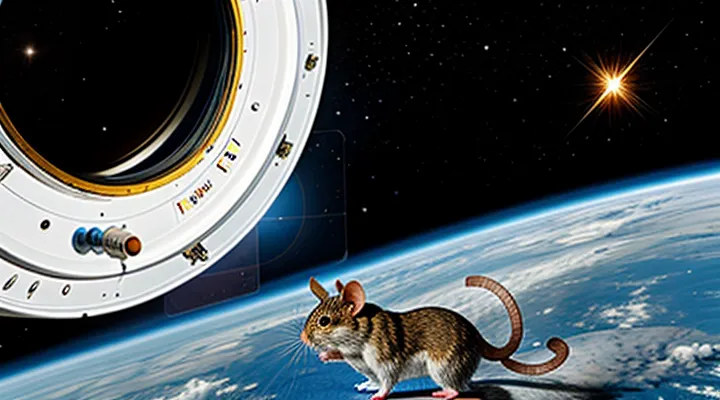
The Dawn of Space Biology: Why Mice?
Historical Context of Animal Research in Space
Early Animal Missions and Their Significance
Early spaceflights carried living organisms to assess the hazards of launch, microgravity, and radiation. The first successful animal mission launched a canine aboard a satellite in 1957, demonstrating that a living creature could survive orbital conditions and return vital physiological data. Subsequent missions incorporated primates, insects, and rodents, each providing distinct insights into cardiovascular regulation, vestibular function, and metabolic adaptation.
Key contributions of these pioneering experiments include:
- Validation of life‑support systems, confirming that oxygen delivery, waste removal, and temperature control functioned reliably in orbit.
- Baseline measurements of stress hormones and immune responses, establishing reference points for later mammalian studies.
- Identification of vestibular disturbances, leading to the development of countermeasures against motion sickness and disorientation.
When rodents entered the orbital research program, their small size, rapid reproductive cycle, and well‑characterized genetics allowed precise manipulation of experimental variables. Early mouse missions revealed alterations in bone density, muscle mass, and gene expression that informed the design of long‑duration human habitat modules. The cumulative data from these animal flights created a foundation for contemporary rodent studies aboard satellites, ensuring that experimental protocols address the specific challenges of spaceflight biology.
Advantages of Mice as Model Organisms
Genetic Homogeneity and Manipulability
Researchers select mouse strains with identical genetic backgrounds to ensure that physiological responses to microgravity are not confounded by genetic variation. Inbred lines such as C57BL/6J produce consistent body weight, metabolic rate, and immune profile across individuals, which is critical when the number of animals per mission is limited by payload constraints. Uniform genetics also simplify statistical analysis, allowing subtle space‑induced effects to be detected with greater confidence.
Genetic manipulability expands the investigative scope of orbital studies. Established techniques—including targeted knockouts, conditional alleles, and CRISPR‑mediated edits—enable precise disruption or activation of genes implicated in bone density, muscle atrophy, circadian rhythm, and stress response. Reporter constructs provide real‑time readouts of cellular signaling pathways, while inducible systems allow temporal control of gene expression during distinct flight phases.
Key benefits of combining homogeneity and manipulability in spaceflight experiments:
- Reduced inter‑subject variability enhances reproducibility across missions.
- Small cohorts yield statistically robust data, optimizing the use of limited launch resources.
- Targeted genetic modifications isolate specific biological mechanisms, accelerating hypothesis testing.
- Integrated reporter lines generate quantitative biomarkers without invasive sampling, preserving animal welfare in the confined environment.
Collectively, genetically uniform and easily edited mouse models constitute a reliable platform for dissecting the molecular consequences of space travel, supporting the development of countermeasures for human health in orbit.
Small Size and Cost-Effectiveness
Mice occupy a fraction of the volume required for larger animal studies, allowing a single satellite to transport several independent experiments. Their compact bodies fit within standard CubeSat dimensions, reducing the need for extensive structural reinforcement and enabling the inclusion of additional scientific instruments without exceeding launch mass limits.
The reduced mass translates directly into lower launch expenses. A typical mouse payload adds only a few kilograms, which can be accommodated on commercial rides that charge per kilogram. Consequently, research teams can conduct multiple trials per mission, spreading fixed costs across a broader data set and improving the return on investment.
Key advantages of using small laboratory rodents in orbital research include:
- Minimal structural support requirements
- Compatibility with low‑cost launch vehicles
- Ability to execute parallel studies within a single flight
- Enhanced flexibility in experiment design due to available space for ancillary equipment
These factors make mice an economically viable model for investigating physiological responses to microgravity, radiation, and other space‑related stressors.
Unveiling the Microgravity Impact: Key Research Areas
Musculoskeletal System Adaptations
Bone Density Loss and Osteoporosis
Microgravity induces rapid bone mineral loss, mirroring early stages of osteoporosis. Experiments with laboratory rodents aboard orbital platforms quantify this process through dual‑energy X‑ray absorptiometry and micro‑computed tomography, revealing reductions of up to 15 % in trabecular thickness after a two‑week flight.
Key observations from mouse studies include:
- Decreased expression of osteoblast‑specific genes (Runx2, Osterix) and elevated markers of bone resorption (RANKL, cathepsin K).
- Altered calcium homeostasis, evident from reduced serum 1,25‑dihydroxyvitamin D levels.
- Disruption of mechanotransduction pathways, particularly the Wnt/β‑catenin signaling cascade.
These physiological changes are reproducible across multiple missions, providing a controlled model for human skeletal deconditioning. Researchers test countermeasures such as:
- Resistive exercise devices that generate axial loading.
- Pharmacological agents (bisphosphonates, sclerostin antibodies) administered before and during flight.
- Nutritional adjustments, including increased dietary calcium and vitamin D supplementation.
Data indicate that resistive loading restores up to 70 % of lost bone volume, while combined pharmacological and nutritional protocols enhance mineral density by 5–8 % relative to untreated controls. The mouse model’s short life cycle permits longitudinal assessment of recovery post‑flight, showing partial restoration of trabecular architecture within four weeks of re‑exposure to Earth’s gravity.
Collectively, rodent spaceflight research delineates the cellular mechanisms of microgravity‑induced bone loss and validates interventions that may mitigate osteoporosis risk for astronauts and terrestrial patients alike.
Muscle Atrophy and Weakness
Microgravity induces rapid loss of skeletal muscle mass in rodents, mirroring the decline observed in human astronauts. Studies aboard orbital platforms have quantified reductions in fiber cross‑sectional area, with decreases of 15–25 % after a two‑week flight. The primary drivers are diminished mechanical loading and altered protein turnover, characterized by suppressed synthesis pathways (e.g., Akt/mTOR) and heightened proteolysis (e.g., ubiquitin‑proteasome system).
Key observations from mouse missions include:
- Down‑regulation of myosin heavy chain isoforms associated with slow‑twitch fibers.
- Elevated expression of atrogenes such as MuRF1 and Atrogin‑1.
- Impaired calcium handling due to reduced sarcoplasmic reticulum Ca²⁺‑ATPase activity.
Countermeasure experiments have tested interventions that mitigate weakness:
- Resistive exercise devices: Daily loading cycles restore up to 80 % of pre‑flight muscle thickness.
- Pharmacological agents: Administration of selective androgen receptor modulators preserves protein synthesis rates.
- Nutritional strategies: High‑leucine diets sustain mTOR signaling during weightless conditions.
Post‑flight analyses reveal partial recovery of muscle architecture within four weeks of terrestrial re‑acclimation, yet functional deficits persist unless targeted rehabilitation is applied. Ongoing research integrates telemetry‑based electromyography to monitor real‑time muscular activity, enabling adaptive countermeasure protocols during future long‑duration missions.
Cardiovascular Changes in Space
Fluid Shifts and Heart Remodeling
Mice are employed in orbital research because their cardiovascular system responds rapidly to microgravity, allowing precise assessment of fluid redistribution and cardiac adaptation.
Microgravity induces cephalad fluid shift, reducing lower‑body venous capacitance and increasing central blood volume. In rodents, this shift is quantified by:
- Invasive pressure transducers measuring central venous pressure.
- Ultrasonographic assessment of inferior vena cava diameter.
- Plasma protein concentration changes indicating hemoconcentration.
Elevated central volume imposes sustained preload on the heart, triggering remodeling. Histological analysis of mouse hearts after 10–30 days in orbit reveals:
- Left ventricular wall thinning and chamber dilation.
- Myocyte atrophy accompanied by increased interstitial collagen deposition.
- Up‑regulation of fetal gene program markers (ANP, BNP, β‑MHC).
Functional evaluation using telemetry‑based electrocardiography and echocardiography shows reduced stroke volume, lower ejection fraction, and altered heart‑rate variability, confirming compromised contractility.
Experimental protocols typically include baseline measurements on Earth, in‑flight data acquisition through miniaturized imaging and telemetry modules, and post‑flight tissue analysis. Parallel ground‑based hind‑limb unloading models provide control data for isolating gravity‑specific effects.
Findings from rodent orbital studies inform countermeasure development for astronauts. Pharmacologic agents targeting the renin‑angiotensin system and tailored exercise regimens have demonstrated partial reversal of remodeling in mice, suggesting translational potential for human spaceflight health programs.
Neurological and Behavioral Effects
Vestibular System Dysfunction
Rodent spaceflight studies frequently include evaluation of the vestibular system because microgravity removes the usual otolithic cues that guide balance and spatial orientation. Mice provide a compact model for detecting alterations in vestibular function that could translate to astronaut health risks.
During orbital missions, mice exhibit signs of vestibular dysfunction such as reduced righting reflexes, abnormal swimming patterns, and altered locomotor coordination. Histological analyses reveal degeneration of hair cells in the utricle and saccule, as well as changes in the vestibular nuclei of the brainstem. Gene‑expression profiling shows up‑regulation of stress‑related pathways and down‑regulation of otolith‑specific proteins.
Experiments are conducted aboard low‑Earth‑orbit satellites equipped with individual housing modules, automated feeding systems, and video‑tracking cameras. Each mouse undergoes pre‑flight baseline testing, in‑flight monitoring, and post‑flight assessments. The protocol includes:
- Pre‑flight vestibular‑evoked potentials to establish reference values.
- In‑flight video analysis of head‑tilt angles and gait symmetry.
- Post‑flight rotarod and balance‑beam tests to quantify functional recovery.
Key findings from recent missions include:
- A 30 % decrease in vestibular‑evoked potential amplitude after 10 days in microgravity.
- Significant loss of stereocilia bundles in the utricle (average reduction of 22 %).
- Partial recovery of balance performance within two weeks of return, while hair‑cell loss persists.
These results indicate that microgravity induces both functional and structural vestibular deficits in mice, providing a rapid screening platform for countermeasure development. Pharmacological agents that stabilize hair‑cell integrity and exercise regimens that stimulate vestibular inputs are being evaluated in subsequent flights. Data derived from rodent models inform risk assessments for human crew members and guide the design of onboard rehabilitation protocols.
Circadian Rhythm Disruptions
Spaceflight subjects mice to altered light‑dark cycles, microgravity, and confined habitats, all of which can disturb their intrinsic circadian clocks. Disruption manifests as shifted activity peaks, altered hormone secretion, and changes in gene expression linked to the sup‑synchronizing mechanisms that regulate daily physiology.
Researchers monitor circadian integrity through several objective measures:
- Wheel‑running or infrared motion sensors record locomotor activity patterns, revealing phase delays or fragmentation.
- Serial sampling of plasma melatonin and corticosterone levels provides biochemical markers of rhythm amplitude and timing.
- Tissue biopsies analyzed by quantitative PCR assess expression of core clock genes (Clock, Bmal1, Per, Cry) across multiple organs.
Findings from orbital missions indicate that microgravity reduces the robustness of rhythmic activity, often extending the free‑running period by 0.2–0.5 hours. Simultaneously, melatonin rhythms display diminished peaks, suggesting weakened nocturnal signaling. Gene‑expression profiles reveal desynchronization between central suprachiasmatic nucleus clocks and peripheral tissues, potentially compromising metabolic homeostasis and immune function.
These observations inform countermeasure development. Strategies under evaluation include programmable LED lighting that mimics Earth‑like photoperiods, timed administration of melatonin analogs, and scheduled exercise bouts to reinforce entrainment cues. Successful implementation aims to preserve rhythmic stability, thereby enhancing the health and experimental reliability of rodent models during extended missions.
Reproductive and Developmental Biology
Impact on Fertility and Embryonic Development
Space‑based rodent research has produced measurable effects on reproductive function. Studies aboard orbital habitats reveal alterations in hormone levels, gamete quality, and embryonic growth that differ from ground‑based controls.
Male mice exhibit reduced sperm motility and increased DNA fragmentation after exposure to microgravity. Hormonal assays show suppressed testosterone peaks during the flight period, correlating with lower epididymal sperm counts. Post‑flight breeding trials record a 15‑20 % decline in successful fertilizations compared with identical cohorts housed on Earth.
Female rodents experience disrupted estrous cycles. Vaginal cytology indicates prolonged diestrus phases, and serum estradiol concentrations drop by roughly 30 % during orbital residence. When mating occurs in orbit, implantation rates decline, and embryos display delayed blastocyst formation.
Key observations from recent missions include:
- Decreased litter size (average reduction of 1.2 pups per dam).
- Higher incidence of skeletal malformations in fetuses, notably reduced ossification in forelimb bones.
- Altered gene expression in placental tissue, with up‑regulation of stress‑response pathways and down‑regulation of growth‑factor genes.
- Persistent epigenetic marks in offspring, detectable in DNA methylation patterns of stress‑related loci.
These findings suggest that the space environment imposes physiological stress on the reproductive axis, affecting both gamete integrity and developmental trajectories. Continued longitudinal studies are essential to determine whether observed deficits are transient adaptations or represent lasting reproductive risks for mammals in prolonged microgravity.
The Mechanics of Space Experiments: From Launch to Lab
Housing and Life Support Systems for Rodents
Specialized Cages and Environmental Controls
Specialized enclosures for rodent research aboard orbiting platforms combine lightweight alloys with modular inserts to secure animals during launch, microgravity, and re‑entry. The primary cage body conforms to the International Space Station’s standard payload dimensions, while interior panels feature detachable compartments that allow individual housing, sample collection, and quick replacement without exposing the crew to contaminants. Fastening mechanisms employ redundant latches and magnetic seals to prevent accidental opening under varying acceleration forces.
Environmental regulation systems integrated into each unit maintain physiological homeostasis. Sensors continuously monitor temperature (22 ± 2 °C), relative humidity (30–70 %), carbon dioxide concentration (<0.5 %), and atmospheric pressure, feeding data to a closed‑loop controller that adjusts heating elements, humidifiers, and vent valves. LED arrays provide a 12‑hour light/dark cycle calibrated to the mission’s circadian schedule, while waste trays use absorbent gels and micro‑filters to contain urine and feces, reducing microbial proliferation and preventing fluid migration in microgravity.
Key design elements:
- Dual‑layer walls: outer aluminum shell for structural integrity, inner polymer liner for easy cleaning.
- Integrated telemetry: real‑time transmission of environmental parameters to ground stations.
- Automated feeding: calibrated dispensers delivering powdered diet at scheduled intervals.
- Redundant power: primary connection to spacecraft bus plus backup battery pack for uninterrupted operation.
Experimental Protocols and Data Collection
In-flight Monitoring and Sample Acquisition
In space‑based rodent research, continuous assessment of physiological status is essential for interpreting experimental outcomes. Onboard platforms integrate miniature telemetry units that record heart rate, respiration, body temperature, and activity levels. Data are transmitted to ground stations in real time, allowing immediate detection of abnormal trends.
Video monitoring provides visual confirmation of behavior, locomotion patterns, and cage interactions. Cameras positioned at multiple angles capture high‑resolution footage, which is archived for post‑flight analysis. Automated image‑processing algorithms quantify gait, grooming, and social behaviors without human bias.
Sample acquisition occurs through two complementary approaches:
- Automated collection modules: sealed chambers withdraw blood, urine, and feces at predefined intervals, preserving sterility and preventing contamination.
- Manual retrieval: crew members extract tissue biopsies or whole‑organ samples using disposable instruments during scheduled EVA‑compatible operations.
- Preservation systems: rapid freezing or chemical fixation stabilizes metabolites and nucleic acids, ensuring integrity for downstream molecular assays.
Returned samples undergo multiplexed analyses, including hormone profiling, gene expression studies, and histopathology, linking in‑flight physiological data to cellular responses. The integration of real‑time monitoring and systematic sample collection creates a comprehensive dataset that elucidates how microgravity influences mammalian biology.
Post-Flight Analysis and Ground Controls
Replicating Space Conditions on Earth
Scientists reproduce orbital conditions on Earth to evaluate rodent responses before launch. Controlled environments allow systematic variation of each factor, ensuring data comparability with actual spaceflight.
-
Microgravity simulation
• Rotating wall vessels create continuous low‑shear suspension, mimicking weightlessness.
• Two‑axis clinostats generate constant rotation, nullifying gravitational vectors.
• Parabolic flight campaigns provide short‑duration free‑fall for acute testing. -
Radiation exposure
• Gamma irradiators deliver uniform dose rates for background radiation studies.
• Proton and heavy‑ion beam lines reproduce solar particle events and galactic cosmic rays. -
Habitat parameters
• sealed chambers maintain reduced atmospheric pressure and elevated CO₂ levels.
• Automated lighting cycles enforce altered circadian rhythms.
• Temperature and humidity controls replicate spacecraft thermal regulation.
Complex experiments combine these variables within integrated ground‑based habitats. Validation against orbital data confirms that simulated conditions accurately reflect in‑flight physiology, supporting the design of future mouse missions.
Ethical Considerations and Future Directions
Animal Welfare in Spaceflight
Minimizing Stress and Ensuring Humane Treatment
Scientists conducting rodent research aboard orbital platforms implement strict protocols to reduce physiological and psychological stress while guaranteeing humane care.
Key practices include:
- Gradual acclimation to the launch environment through simulated vibration and noise exposure before flight.
- Habitat modules equipped with temperature, humidity, and CO₂ regulation that mirror optimal laboratory conditions.
- Automated feeding and watering systems delivering nutritionally balanced diets at regular intervals, eliminating interruptions caused by microgravity.
- Soft‑material bedding and nesting material to allow natural burrowing behavior, supporting comfort and thermoregulation.
- Continuous video monitoring paired with telemetry that records heart rate, locomotor activity, and cortisol levels, enabling immediate intervention if distress indicators arise.
- Pre‑flight health assessments performed by veterinary specialists, with only individuals meeting rigorous physiological criteria cleared for launch.
- Post‑flight veterinary care following standardized humane endpoints, including analgesia protocols and euthanasia procedures compliant with institutional animal care and use committee (IACUC) guidelines.
These measures collectively ensure that experimental data reflect genuine biological responses rather than artifacts of stress, while upholding the ethical standards required for vertebrate research in space.
Translating Rodent Findings to Human Health
Implications for Astronaut Health and Long-Duration Missions
Rodent studies conducted aboard orbital platforms provide the most direct physiological data on how mammalian bodies respond to microgravity. The findings translate into concrete risk assessments for crew members undertaking extended flights, because mouse organ systems share fundamental regulatory pathways with humans.
Key health domains affected by prolonged weightlessness, as revealed by these experiments, include:
- Loss of bone density and muscle mass, driven by altered mechanical loading and disrupted signaling cascades.
- Modulation of immune cell function, manifested in reduced pathogen resistance and altered cytokine profiles.
- Cardiovascular deconditioning, evident in diminished vascular tone and orthostatic intolerance upon re‑entry.
- Neurobehavioral changes, such as impaired vestibular processing and heightened stress hormone levels.
These outcomes inform countermeasure development. Pharmacological agents that preserve bone turnover, targeted exercise regimens that restore muscular load, and immunomodulatory protocols designed to sustain immune competence are being refined based on rodent data. Additionally, telemetry from mouse habitats enables real‑time monitoring of physiological markers, allowing early detection of adverse trends during missions.
Integrating rodent-derived insights into astronaut health management reduces uncertainty for missions beyond low Earth orbit. By aligning preventive strategies with empirically validated biological responses, space agencies can enhance crew safety and mission success on journeys lasting months or years.
Innovations in Space Rodentology
Advanced Technologies and Future Research Avenues
Advanced hardware now permits continuous monitoring of rodent physiology aboard orbital platforms. Compact life‑support modules integrate temperature control, waste management, and automated feeding within a mass under 1 kg, enabling payloads to accommodate several specimens per launch. High‑resolution video and infrared sensors feed real‑time data to ground stations via low‑latency telemetry, while onboard processors apply machine‑learning algorithms to detect abnormal behavior instantly. Miniaturized biosensors record cardiovascular, metabolic, and hormonal signals, transmitting encrypted streams that synchronize with Earth‑based databases for seamless longitudinal analysis. Gene‑editing tools, such as CRISPR‑Cas systems packaged in viral vectors, are deployed in situ, allowing researchers to induce targeted mutations and assess their impact under microgravity without returning the animals to Earth.
Future investigations will exploit these capabilities through several strategic directions:
- Extended-duration studies: Multi‑month missions to evaluate cumulative effects on skeletal, muscular, and immune systems across several reproductive cycles.
- Multi‑omics integration: Simultaneous collection of transcriptomic, proteomic, and metabolomic profiles from blood, tissue, and fecal samples, correlated with environmental parameters.
- Organ‑on‑a‑chip platforms: Co‑culture of mouse-derived organoids within microfluidic chambers, linked to the animal’s circulatory system to model organ‑specific responses.
- Artificial gravity experiments: Rotating habitats providing partial gravity levels to isolate the contribution of reduced mechanical loading from other space factors.
- Autonomous experiment design: Reinforcement‑learning agents that adjust environmental variables (light, diet, stressors) in response to physiological feedback, optimizing data yield while preserving animal welfare.
Implementation of these technologies will expand the scientific return of rodent research in orbit, delivering granular insight into the biological challenges of prolonged spaceflight and informing countermeasure development for future crewed missions.