
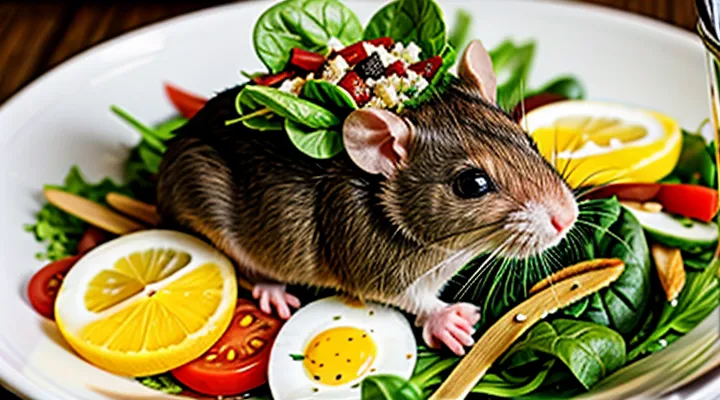
Salad in Rat Menu: A Nutritional Debate
The Rat's Natural Diet
Foraging Behavior and Omnivorous Nature
Rats exhibit opportunistic foraging that combines scavenging, exploration, and food caching. Their sensory systems detect texture, moisture, and chemical cues, prompting investigation of plant matter alongside typical protein sources. This flexibility enables rapid adaptation to varied environments, from urban sewers to agricultural fields.
Key aspects of rat foraging relevant to dietary decisions include:
- Preference for high‑energy items but willingness to ingest low‑calorie vegetation when available.
- Ability to process cellulose through gut microbiota, extracting modest nutrients from leafy material.
- Seasonal shifts toward plant consumption during periods of reduced animal prey abundance.
Omnivory underpins the species’ ecological success. Rats consume insects, carrion, grains, and fresh greens, balancing macronutrient intake to meet metabolic demands. Incorporating salad components into a controlled diet aligns with their natural propensity to sample plant tissue, potentially improving dietary fiber intake and gut health without compromising caloric requirements.
When evaluating the inclusion of leafy greens in a rat menu, consider the following criteria:
- Nutrient profile of the salad ingredients (vitamin content, fiber, low fat).
- Palatability testing to confirm acceptance and avoid food aversion.
- Monitoring of weight and health markers to ensure balanced energy consumption.
Empirical observations confirm that rats readily explore and ingest salad leaves when presented alongside conventional feed. Their omnivorous nature supports the practical feasibility of adding such items, provided that nutritional balance and safety standards are maintained.
Nutritional Needs of Pet Rats
Pet rats require a diet that supplies protein, fat, carbohydrates, fiber, vitamins, and minerals in precise ratios. Commercially formulated rat blocks deliver consistent levels of protein (15‑20 % of calories) and essential amino acids, while providing balanced calcium‑phosphorus ratios (approximately 1:1). Fresh foods supplement these blocks by adding micronutrients and variety, but they must be selected carefully to avoid nutritional imbalances.
Key nutrients and typical sources for rats include:
- Protein: cooked egg, plain yogurt, lean meat, insects.
- Fat: small amounts of seed oils, nuts (unsalted, in moderation).
- Carbohydrates: whole grains, oats, barley.
- Fiber: timothy hay, shredded wheat, cooked sweet potato.
- Vitamin C: citrus slices, strawberries (limited to prevent acidity).
- Vitamin A & K: carrots, pumpkin, kale, collard greens.
- Calcium & Phosphorus: calcium‑rich vegetables (broccoli, bok choy) and fortified blocks; avoid excessive calcium from dairy to prevent urinary stones.
- Water: fresh, clean supply at all times.
Leafy greens commonly found in salads—such as lettuce, spinach, and arugula—offer fiber and vitamins but differ in suitability:
- Romaine lettuce provides low‑calorie bulk and moderate vitamin A; safe as a daily supplement in small pieces.
- Iceberg lettuce contains minimal nutrients; inclusion offers little benefit.
- Spinach is rich in oxalates, which can precipitate kidney stones; limit to occasional treats.
- Arugula delivers glucosinolates that may irritate the digestive tract if overfed; use sparingly.
Incorporating salad components should follow these guidelines:
- Offer no more than 10 % of total daily intake as fresh vegetables.
- Provide a variety of greens to balance vitamin and mineral profiles.
- Wash all produce thoroughly to remove pesticide residues.
- Introduce new items gradually, monitoring for digestive upset.
When these parameters are observed, leafy vegetables can complement a rat’s diet without compromising health. Excessive salad consumption, especially of high‑oxalate or low‑nutrient greens, risks nutrient deficiencies and urinary complications. Therefore, a measured inclusion of appropriate salad ingredients aligns with the nutritional requirements of pet rats.
The Pros of Including Salad
Essential Vitamins and Minerals
Vitamin K
Vitamin K is essential for blood coagulation and bone metabolism in rodents. Dietary sources include leafy greens, cruciferous vegetables, and certain herbs, all of which are typical components of a salad offered to rats.
Key physiological effects of Vitamin K for rats:
- Activation of clotting factors (II, VII, IX, X) through γ‑carboxylation.
- Regulation of osteocalcin, influencing bone mineralization.
- Modulation of calcium homeostasis, supporting skeletal health.
- Potential anti‑inflammatory action via inhibition of nuclear factor‑κB pathways.
Rats synthesize Vitamin K2 (menaquinone) through gut microbiota, yet endogenous production may not meet the full requirement, especially under high‑stress or rapid‑growth conditions. Supplementing the diet with fresh greens can raise circulating Vitamin K levels, reducing the risk of hemorrhagic events and supporting skeletal development.
Considerations for inclusion in a rat salad:
- Ensure greens are washed to remove pesticides and contaminants.
- Provide a variety of species (e.g., kale, spinach, broccoli) to deliver both K1 (phylloquinone) and K2 precursors.
- Limit portions to avoid excess fiber that could disrupt digestion.
- Monitor for signs of hypercoagulability in rats with underlying clotting disorders; adjust intake accordingly.
Overall, incorporating Vitamin K‑rich vegetables into a rat’s salad aligns with nutritional standards for laboratory and pet rodents, contributing to hemostatic stability and skeletal integrity.
Folic Acid
Folic acid (vitamin B9) functions as a co‑enzyme in one‑carbon transfer reactions, supporting nucleotide synthesis, amino‑acid metabolism, and methylation processes. Deficiency impairs cell division and can lead to anemia, reduced growth, and compromised immune function.
Rats require adequate folate for rapid tissue turnover and reproductive health. Leafy vegetables commonly offered as salad components—such as spinach, romaine lettuce, and kale—contain measurable amounts of natural folates, contributing to the animal’s total intake without the need for synthetic supplementation when diets are balanced.
Typical folate concentrations in salad greens range from 30 µg per 100 g (lettuce) to over 150 µg per 100 g (kale). When combined with a standard laboratory chow providing approximately 2 mg of folic acid per kilogram of diet, inclusion of a modest salad portion (20–30 g per day) can raise total intake by 0.6–4.5 µg, aligning with the recommended daily allowance for adult rats (≈2 mg kg⁻¹ diet).
Key considerations for adding salad to a rat menu:
- Verify that total folate from all sources meets, but does not exceed, the species‑specific upper limit (≈5 mg kg⁻¹ diet) to avoid potential toxicity.
- Monitor for signs of excess intake, such as reduced appetite or gastrointestinal disturbance, especially when fortified feeds are used concurrently.
- Ensure salad freshness; wilted or contaminated greens may introduce pathogens that outweigh folate benefits.
- Adjust portion size based on the rat’s age, reproductive status, and overall diet composition to maintain target folate levels.
Incorporating salad provides natural folate, supports metabolic health, and can enhance diet variety, provided that quantitative guidelines are observed.
Hydration Benefits
Including raw vegetables in a rodent feeding program introduces a source of free water that supplements drinking supply. Fresh greens typically contain 80‑95 % moisture, delivering fluid directly to the gastrointestinal tract without reliance on external water containers.
Hydration advantages of this addition are:
- Immediate fluid intake during mastication reduces the time between water consumption and absorption.
- Elevated intestinal moisture supports optimal peristaltic activity, lowering the risk of impaction.
- Consistent moisture delivery stabilizes electrolyte balance by providing trace minerals dissolved in the plant’s natural juices.
- Reduced reliance on standing water diminishes contamination opportunities, decreasing pathogen exposure.
Adequate fluid provision through salad components enhances overall physiological stability, making the option a practical element of a balanced rodent menu.
Enrichment and Chewing Opportunities
Including leafy greens in a rat’s diet provides both mental stimulation and dental wear. Fresh vegetables introduce texture variation, encouraging the animal to manipulate and gnaw, which mirrors natural foraging behavior and helps maintain incisor length.
- Increased chewing activity reduces the risk of overgrown teeth.
- Moisture content supports hydration, lessening reliance on water bottles.
- Fiber promotes gastrointestinal motility and produces fecal bulk, aiding gut health.
- Novelty of flavor and shape enhances environmental enrichment, preventing stereotypic behaviors.
Potential drawbacks require careful management.
- Rapid spoilage can introduce pathogens; daily replacement is necessary.
- High water content may dilute caloric intake if not balanced with energy‑dense foods.
- Certain leafy varieties contain oxalates or alkaloids that could be harmful in excess.
- Overconsumption may lead to soft stools, indicating the need for portion control.
A balanced approach integrates modest portions of washed, pesticide‑free greens with a staple diet of pellets, protein sources, and chewable items such as wooden blocks. Monitoring weight, coat condition, and dental health determines the appropriate frequency and quantity for each individual.
The Cons and Risks of Including Salad
Oxalates and Their Impact
Spinach
Spinach offers a high concentration of vitamins A, C, K, and folate, which support visual health, immune function, and blood clotting in rodents. Its mineral profile includes iron, calcium, and magnesium, contributing to bone development and oxygen transport. The leaf’s fiber content promotes gastrointestinal motility, helping prevent constipation common in captive rats.
Potential concerns involve oxalic acid, which can bind calcium and reduce its absorption. Excessive intake may predispose rats to urinary stone formation, especially in individuals with a history of renal issues. Monitoring portion size—approximately 2–3 grams of fresh spinach per 100 g of body weight—mitigates this risk.
Practical guidelines for inclusion:
- Wash thoroughly to remove pesticide residues.
- Blanch briefly (1–2 minutes) to lower oxalic acid levels without destroying heat‑sensitive nutrients.
- Mix with other low‑oxalate greens (e.g., romaine lettuce, kale) to diversify the diet and balance mineral intake.
- Offer fresh spinach no more than three times per week, alternating with alternative vegetables.
When integrated following these parameters, spinach enhances the nutritional breadth of a rat’s salad offering while maintaining safety standards.
Swiss Chard
Swiss chard offers a balanced source of nutrients that can complement a rodent’s salad. The leaf provides vitamin A, vitamin K, vitamin C, calcium, magnesium, and dietary fiber while contributing minimal calories. Its mineral composition supports bone health and metabolic functions.
Key nutritional components of Swiss chard:
- Vitamin A (β‑carotene) – supports vision and immune response.
- Vitamin K – essential for blood clotting.
- Vitamin C – antioxidant, promotes tissue repair.
- Calcium – contributes to skeletal development.
- Magnesium – involved in enzymatic reactions.
- Fiber – aids gastrointestinal motility.
Oxalic acid is present in noticeable concentrations; excessive intake can impair calcium absorption and increase the risk of renal crystal formation. Limiting chard to no more than 10 % of the total salad weight mitigates this risk while preserving its benefits.
Rats typically accept tender greens; Swiss chard’s soft stems and broad leaves encourage consumption. Chopping the leaves into bite‑size pieces improves handling and reduces choking hazards.
Preparation recommendations:
- Rinse thoroughly under running water to remove soil and potential pesticide residues.
- Remove thick central ribs; retain the softer leaf portions.
- Chop into 1–2 cm fragments.
- Combine with other low‑oxalate greens (e.g., romaine lettuce, bok choy) to diversify texture and flavor.
- Serve fresh; discard leftovers after 24 hours to prevent spoilage.
Incorporating Swiss chard within a controlled proportion of a rat’s salad delivers essential micronutrients without compromising safety, provided the guidelines above are observed.
Goitrogens and Thyroid Health
Kale
Kale (Brassica oleracea var. sabellica) offers a high concentration of vitamins A, C, and K, as well as calcium, potassium, and dietary fiber. These nutrients support bone development, immune function, and gastrointestinal health in rodents.
Digestibility studies indicate that rats efficiently ferment kale fiber, promoting beneficial gut microbiota. However, kale contains oxalic acid, which can bind calcium and form insoluble complexes. Excessive oxalate intake may increase the risk of renal stone formation in susceptible individuals.
Practical guidelines for incorporating kale into a rat’s diet:
- Wash thoroughly to remove pesticide residues.
- Chop into bite‑size pieces to prevent choking.
- Offer fresh leaves no more than 10 % of total daily food volume.
- Rotate with other leafy greens to balance oxalate exposure.
- Monitor urine calcium levels in long‑term feeding trials.
When prepared according to these parameters, kale provides a nutrient‑dense component that can enhance a balanced salad offering for rats.
Broccoli
Broccoli is frequently considered for inclusion in a rodent salad because it supplies a range of nutrients that complement typical grain‑based diets. Its composition includes dietary fiber, vitamin C, vitamin K, calcium, and potassium, each contributing to physiological functions relevant to small mammals.
- Fiber: promotes gastrointestinal motility and supports microbial balance.
- Vitamin C: compensates for the limited synthesis capacity in laboratory strains.
- Calcium: assists skeletal development and metabolic signaling.
- Potassium: aids electrolyte regulation.
Rats tolerate both raw and lightly steamed broccoli, yet raw florets contain glucosinolates that may cause mild irritation when consumed in large quantities. Brief steaming (2–3 minutes) reduces anti‑nutrient levels while preserving texture and most vitamins. Overcooking degrades heat‑sensitive nutrients and makes the vegetable less appealing.
Taste trials indicate a preference for crisp, mildly bitter textures; rats often sample broccoli before rejecting it if the flavor is too strong. Offering small, bite‑size pieces encourages exploration without overwhelming the palate.
For balanced inclusion, limit broccoli to 5–10 % of the total salad mass, rotate with other leafy greens, and monitor body weight and stool consistency. This approach integrates the vegetable’s nutritional benefits while minimizing potential digestive discomfort.
Pesticide Residues
Pesticide residues are chemical compounds that remain on plant material after agricultural treatment. They include organophosphates, carbamates, pyrethroids, neonicotinoids and fungicides. Residue levels are expressed in milligrams per kilogram of fresh weight and are subject to maximum residue limits (MRLs) established by regulatory agencies.
For rodents, ingestion of contaminated salad can exceed toxic thresholds. Acute toxicity manifests as cholinergic crisis, respiratory depression or seizures, depending on the pesticide class. Sub‑lethal exposure may impair growth, alter gut microbiota, and affect behavioral assays used in research. Dose‑response data for rats indicate that chronic exposure to residues below MRLs can still produce measurable physiological changes.
Detection relies on laboratory techniques such as gas chromatography–mass spectrometry (GC‑MS) and liquid chromatography–tandem mass spectrometry (LC‑MS/MS). These methods achieve detection limits of 0.01 mg kg⁻¹, enabling verification of compliance with MRLs. Sample preparation typically involves homogenization, solvent extraction, and cleanup with solid‑phase extraction cartridges.
Mitigation measures include:
- Selecting certified organic produce to eliminate synthetic pesticide applications.
- Applying rigorous washing protocols: multiple rinses with potable water followed by a brief soak in a mild surfactant solution.
- Conducting batch testing of salad supplies using accredited analytical laboratories.
- Implementing a rotation of vegetable types to reduce cumulative exposure to a single pesticide class.
Considering the potential for pesticide residues to influence rat health and experimental outcomes, residue management must be integral to any decision about incorporating salad into a rodent feeding program.
Digestive Upset
Excessive Fiber
Including raw greens in a rodent feeding plan introduces a substantial amount of dietary fiber. Rats process fiber differently from humans; their gastrointestinal tract tolerates moderate levels but reacts adversely when intake exceeds physiological limits.
Fiber that surpasses the optimal range leads to rapid transit time, reduced nutrient absorption, and potential dehydration. The stomach may experience distension, while the cecum enlarges to accommodate bulk, increasing the risk of impaction.
- Accelerated intestinal motility reduces time for enzymatic digestion.
- Dilution of essential vitamins and minerals hampers growth and reproduction.
- Excessive bulk can cause fecal blockage, requiring veterinary intervention.
- Fluid imbalance arises from increased water binding within the lumen.
To mitigate these risks, limit leafy components to no more than 5 % of the total daily ration by weight. Substitute a portion of greens with low‑fiber vegetables such as carrots or bell peppers. Monitor stool consistency and body weight regularly; any sign of soft or watery feces indicates the need to reduce fiber further. Adjust the menu incrementally, allowing the microbiota to adapt without overwhelming the digestive system.
Bloating and Diarrhea
Salad components are high in fiber and water, factors that can alter a rat’s gastrointestinal function. Excessive soluble fiber may increase gas production, leading to abdominal distension. Insoluble fiber accelerates transit, which can precipitate loose stools or diarrhea, especially when the animal’s microbiota is not accustomed to large amounts of raw plant material.
Potential mechanisms:
- Fermentation of carbohydrates by gut bacteria generates volatile compounds that expand the intestinal lumen.
- Rapid passage through the colon reduces water absorption, resulting in watery feces.
- Sudden dietary shifts disrupt the balance of beneficial microbes, compromising mucosal integrity.
Clinical signs to monitor include visible abdominal swelling, frequent small stools, and a change in stool consistency from firm to liquid. Persistent episodes may indicate intolerance or a need to adjust the diet composition.
Management strategies:
- Introduce greens gradually, starting with 5 % of total daily intake and increasing by 2–3 % weekly.
- Select low‑FODMAP vegetables such as cucumber or lettuce, avoiding cruciferous or high‑sugar varieties.
- Ensure consistent access to clean water to support proper hydration and stool formation.
- Observe stool patterns for at least three days after each dietary adjustment; reduce or eliminate the offending item if bloating or diarrhea persists.
Incorporating salad can provide essential vitamins and minerals, but the risk of gastrointestinal upset requires careful portion control, gradual introduction, and ongoing observation of stool quality.
Best Practices for Feeding Salad to Rats
Safe Salad Greens
Romaine Lettuce
Romaine lettuce offers a high water content and a modest amount of fiber, which can aid digestion in rodents. Its crisp texture provides a natural chewing stimulus, supporting dental health by encouraging gnawing activity. Nutritionally, romaine supplies vitamins A, K, and C, as well as folate and potassium, all of which contribute to overall physiological balance in rats.
When incorporating romaine into a rodent diet, consider the following points:
- Portion size – limit to no more than 5 % of total daily intake to prevent excessive water consumption and potential digestive upset.
- Freshness – serve only washed, pesticide‑free leaves; discard wilted or bruised portions to avoid bacterial growth.
- Preparation – tear or chop into bite‑size pieces to facilitate handling and reduce choking risk.
- Monitoring – observe for signs of gastrointestinal distress; adjust quantity if loose stools appear.
Potential drawbacks include a low caloric density, which means romaine should complement, not replace, protein‑rich foods and energy‑dense staples. Additionally, prolonged feeding of large amounts may dilute essential nutrients if not balanced with a varied diet.
Overall, romaine lettuce can be a suitable component of a rat’s menu when offered in controlled amounts, prepared hygienically, and integrated with other nutritional sources.
Arugula
Arugula (Eruca vesicaria) offers a compact source of nutrients suitable for inclusion in a rodent diet. The leafy green delivers high levels of vitamin K, moderate vitamin C, calcium, and potassium while providing dietary fiber with minimal caloric load. Its natural peppery flavor may stimulate palatability for rats accustomed to bland fare.
Digestive tolerance in rats is generally favorable when arugula is offered raw and finely chopped. The plant’s cell wall structure yields quick fermentation, supporting gut microbiota activity. However, arugula contains oxalic acid; excessive consumption can increase the risk of calcium oxalate crystal formation. Limiting intake to 5 % of total daily feed weight mitigates this concern.
Practical guidelines for arugula integration:
- Wash thoroughly to remove pesticide residues.
- Trim stems, retain tender leaves.
- Introduce gradually, monitoring for gastrointestinal upset.
- Rotate with other leafy greens to ensure a balanced micronutrient profile.
When applied within the recommended proportion, arugula contributes essential vitamins and fiber without compromising health, supporting the argument for a modest salad component in a rat feeding program.
Dandelion Greens
Dandelion greens offer a high concentration of vitamins A, C, and K, along with calcium, potassium, and dietary fiber. Their bitter flavor stimulates chewing activity, which can aid dental health in rodents. Nutrient density and low calorie content make them a viable supplement when balancing a rat’s overall diet.
Key considerations for inclusion:
- Safety: Fresh, pesticide‑free leaves are essential; wild foraging introduces the risk of contaminants. Wash thoroughly and inspect for mold before serving.
- Digestibility: Rats tolerate the fibrous texture well, but excessive amounts may cause loose stools. A daily portion of 1–2 grams per 100 g body weight is advisable.
- Palatability: The natural bitterness may be off‑putting for some individuals. Mixing chopped greens with familiar foods can improve acceptance.
- Nutrient balance: Dandelion greens complement protein‑rich staples such as grains and insects, preventing deficiencies in micronutrients without displacing essential macronutrients.
When evaluating the proposal to add a salad component to a rat feeding regimen, dandelion greens satisfy nutritional criteria, present manageable safety requirements, and support oral health. Their measured inclusion can enhance dietary variety while maintaining the caloric and protein targets typical for laboratory or pet rats.
Preparing Salad for Rats
Washing Thoroughly
Including raw vegetables in a rodent feeding program demands strict hygiene. Salad components carry soil, microbial contaminants, and chemical residues that can compromise health. Thorough cleaning eliminates these hazards, making the produce safe for consumption.
Effective cleaning follows a defined sequence:
- Rinse each leaf under running water to dislodge loose particles.
- Submerge leaves in a solution of one part distilled white vinegar to three parts water; agitate for two minutes.
- Scrub sturdier items (e.g., carrots, cucumbers) with a soft brush.
- Rinse again with clean water to remove residual vinegar.
- Pat dry with a clean cloth or spin in a salad spinner.
Implementing this protocol reduces pathogen load by up to 99 %, lowers pesticide exposure, and minimizes digestive upset in rats. Consequently, the hygiene standard supports the decision to incorporate salad into the menu, provided the washing process is consistently applied.
Chopping into Small Pieces
Chopping salad into uniformly small pieces directly influences the texture and digestibility of a rodent diet. Small fragments increase surface area, allowing enzymes to access nutrients more efficiently and reducing the risk of choking. Uniform size also simplifies mixing with other feed components, ensuring consistent distribution of vitamins and minerals throughout each portion.
Key considerations for incorporating finely diced salad into a rat menu:
- Nutrient availability – Reduced particle size enhances absorption of water‑soluble vitamins such as vitamin C and folate.
- Palatability – Rats prefer bite‑sized portions; overly large leaves may be rejected or cause waste.
- Shelf stability – Smaller pieces lose moisture faster, extending storage time when kept in a dry environment.
- Safety – Cutting eliminates tough stems and thick veins that could cause oral injuries.
When preparing the salad, follow a three‑step protocol:
- Rinse thoroughly to remove contaminants, then pat dry.
- Trim and discard fibrous stems, then use a chef’s knife to dice the leaves into pieces no larger than 2‑3 mm.
- Combine the diced salad with other feed items in a calibrated mixer to achieve a homogeneous blend.
Implementing precise chopping aligns with dietary standards for laboratory rodents, supporting optimal growth, health, and experimental reliability.
Moderation and Frequency
Including fresh vegetables in a rodent feeding plan requires careful control of portion size and service interval. Small quantities—approximately 5–10 % of total daily intake—provide fiber and micronutrients without displacing essential protein and fat sources. Offering salad more than three times per week can lead to excess moisture in the digestive tract and increase the risk of spoilage, especially in warm environments.
Guidelines for optimal use:
- Serve a single, bite‑sized portion per feeding session.
- Rotate salad types weekly to prevent nutrient imbalances.
- Limit servings to three to four days per week, interspersed with dry feedings.
- Monitor stool consistency and body condition; adjust frequency if diarrhea or weight loss appears.
Consistent application of these parameters maintains nutritional balance while preserving the health benefits associated with leafy greens.
Monitoring for Adverse Reactions
Including fresh greens in a rodent feeding program introduces variables that can trigger physiological disturbances. Systematic observation of each animal after diet modification provides the primary data needed to assess safety. Baseline measurements taken before the change establish reference points for comparison.
- Record body weight daily; deviations beyond ±5 % of baseline indicate possible intolerance.
- Monitor food intake; sudden reduction may signal palatability issues or gastrointestinal upset.
- Observe behavior for signs of lethargy, hyperactivity, or abnormal grooming.
- Conduct stool analysis; presence of blood, mucus, or altered consistency suggests digestive irritation.
- Perform hematology and serum chemistry at 24 h, 72 h, and one week post‑introduction; elevations in inflammatory markers or liver enzymes reveal systemic effects.
- Document any mortality or morbidity events with precise timing relative to the dietary change.
Alternatives to Fresh Salad
Commercially Available Rat Foods
Commercially available rat foods fall into three primary categories: complete pelleted diets, mixed seed or grain blends, and fresh food supplements. Pelleted formulas combine protein, fiber, vitamins, and minerals in a balanced ratio, packaged in airtight containers to preserve stability. Seed blends provide high-energy carbohydrates and occasional fats, often sold in bulk bags with ingredient lists that highlight sunflower seeds, millet, and corn.
Fresh food supplements include pre‑cut vegetables, fruits, and leafy greens marketed specifically for rodents. Packaging typically indicates recommended portion sizes, shelf life after opening, and any washing or preparation instructions. Nutrient profiles list levels of vitamin C, calcium, and dietary fiber, enabling precise dietary adjustments.
Treat items such as dried insects, chew sticks, and fortified biscuits appear in retail aisles and online catalogs. Labels disclose protein sources (e.g., mealworms, crickets), calcium‑phosphorus ratios, and added supplements like omega‑3 fatty acids. These products serve as occasional enrichment rather than staple nutrition.
Manufacturers provide feeding guidelines that reference the animal’s age, weight, and activity level. Guidelines suggest integrating fresh greens at a defined percentage of total intake, often between 5 % and 10 % of daily calories. This recommendation directly informs decisions about adding salad components to a rat’s diet.
Other Safe Vegetable Options
Carrots
Carrots provide a high concentration of beta‑carotene, which rats convert to vitamin A, a nutrient essential for vision and immune function. A 100‑gram serving supplies approximately 8 mg of vitamin A, 6 g of dietary fiber, and modest amounts of potassium and vitamin C.
The texture of raw carrot pieces is firm, encouraging gnawing behavior that supports dental health. When cooked, carrots become softer, reducing the risk of choking while still delivering comparable nutrient levels.
Potential drawbacks include the sugar content; a 100‑gram portion contains about 4.7 g of natural sugars, which may contribute to weight gain if offered excessively. Additionally, carrots lack protein and essential fatty acids, so they cannot replace the primary protein sources required in a rat’s diet.
Considerations for inclusion in a rodent salad
- Nutrient contribution – vitamin A, fiber, potassium, vitamin C
- Behavioral benefit – promotes chewing, helps maintain tooth length
- Preparation – offer raw, diced pieces for dental work; steam lightly if dental issues exist
- Portion control – limit to 10–15 g per day to avoid excess sugar
- Complementarity – combine with protein‑rich foods (e.g., cooked eggs, lean meat) and healthy fats (e.g., small amounts of seed oil) to achieve a balanced meal
Integrating carrots into a rat’s salad can enhance visual health and dental maintenance when used in moderate quantities and paired with adequate protein and fat sources.
Bell Peppers
Bell peppers contribute a distinct crunch and mild sweetness that can enhance a rodent salad intended for laboratory or pet rats. Their high water content (approximately 92 %) adds moisture, preventing the mixture from becoming overly dry, while the fibrous texture supports dental wear, a natural requirement for gnawing rodents.
Nutritional profile includes:
- Vitamin C: 80 mg per 100 g, supporting antioxidant defenses.
- Vitamin A (beta‑carotene): 313 µg per 100 g, aiding visual health.
- Folate: 10 µg per 100 g, essential for cell division.
- Dietary fiber: 1.7 g per 100 g, promoting gastrointestinal motility.
Safety considerations:
- Raw bell peppers contain negligible toxic compounds; they are routinely used in rodent husbandry.
- Seeds and stems should be removed to avoid choking hazards.
- Over‑feeding may lead to excess moisture in the enclosure, encouraging mold growth; portion control mitigates this risk.
Preparation guidelines:
- Wash thoroughly under running water.
- Trim stems and discard seeds.
- Cut into bite‑size cubes (approximately 0.5 cm).
- Mix with other salad components immediately before serving to preserve texture.
Potential drawbacks:
- High moisture can dilute the overall caloric density of the salad, requiring adjustment of supplementary feed.
- Some rats may exhibit selective feeding, discarding the pepper pieces; observation of intake patterns is advisable.
Overall, bell peppers provide valuable nutrients, texture, and palatability for a rat‑focused salad, provided they are prepared correctly and incorporated in balanced proportions.
Professional and Owner Perspectives
Veterinary Recommendations
Veterinary guidance on adding leafy greens to a rat’s diet focuses on nutrient balance, safety, and practicality. Greens supply vitamin C, A, K, and dietary fiber, which support immune function, vision, blood clotting, and gastrointestinal health. Excessive oxalate‑rich vegetables, such as spinach, may precipitate kidney stones; pesticide residues can cause toxicity.
Recommendations:
- Offer washed, pesticide‑free greens no more than 10 % of total daily intake.
- Preferred varieties: romaine lettuce, kale, cilantro, parsley, and carrot tops, each low in oxalates and high in essential vitamins.
- Limit high‑oxalate options (spinach, beet greens) to occasional treats, not exceeding 1 % of the diet.
- Provide small, bite‑size portions (approximately ½ gram per 100 g body weight) once or twice weekly.
- Introduce new greens gradually, observing for changes in stool consistency, appetite, or signs of gastrointestinal distress.
If a rat exhibits diarrhea, weight loss, or reduced activity after green consumption, discontinue the offending item and consult a veterinarian. Regular health checks should include assessment of renal function when greens are a regular component of the diet.
Experienced Rat Owner Advice
Experienced rat owners recognize that leafy greens can provide essential nutrients, but successful inclusion depends on selection, preparation, and monitoring.
Select varieties low in oxalates and calcium to prevent kidney strain. Safe options include romaine lettuce, kale leaves, and mustard greens. Avoid spinach, beet greens, and Swiss chard, which contain high levels of oxalates that may exacerbate urinary issues.
Prepare greens by washing thoroughly, removing tough stems, and cutting into bite‑size pieces. Offer a small portion (approximately one teaspoon per 100 g of body weight) once or twice weekly. Observe the rat’s reaction for the first 24 hours; any signs of diarrhea or reduced appetite require immediate removal.
Integrate greens with a balanced base diet of high‑quality pellets, occasional protein treats, and fresh water. Rotate different greens to prevent monotony and to broaden the nutrient profile.
Key guidelines for implementation:
- Choose low‑oxalate, low‑calcium greens.
- Wash and trim before serving.
- Limit portion size to a few teaspoons per week.
- Monitor health indicators after introduction.
- Adjust or discontinue if adverse effects appear.
Following these practices ensures that greens contribute beneficial vitamins and fiber without compromising the rat’s health.