
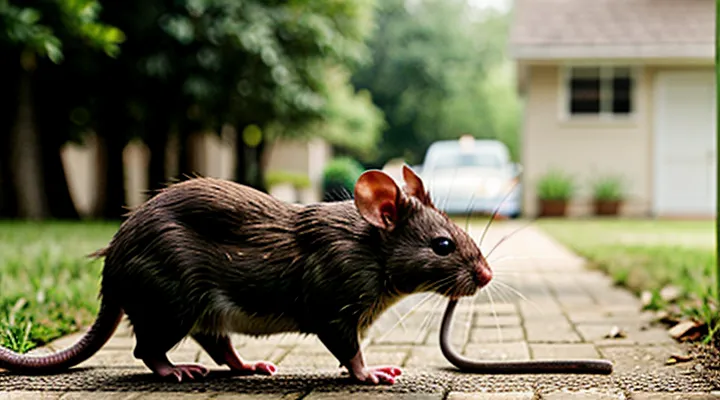
Understanding the Rat Problem
Why Rats Are a Threat
Health Risks
Rodent control procedures can expose operators and residents to several health hazards. Chemical agents used to terminate rats often contain anticoagulants, neurotoxins, or organophosphates. Inhalation, skin contact, or accidental ingestion of these substances may cause poisoning, respiratory irritation, or organ damage. Dead rodents release pathogens such as leptospira, hantavirus, and salmonella; handling carcasses without protective equipment can transmit infections through cuts, mucous membranes, or contaminated surfaces. Physical traps that snap or crush can generate splatter of bodily fluids, increasing the risk of bacterial exposure, and may cause injuries if mishandled.
- Anticoagulant poisoning: nausea, bleeding, kidney impairment.
- Neurotoxic exposure: dizziness, tremors, seizures.
- Respiratory irritation: coughing, bronchospasm from aerosolized powders.
- Zoonotic infection: fever, kidney failure, pulmonary syndrome after contact with contaminated tissues.
- Mechanical injury: lacerations, puncture wounds from trap components.
Mitigation requires strict adherence to personal protective equipment, including gloves, goggles, and respirators, and the use of sealed bait stations to limit direct contact. Disposal of carcasses should follow biohazard protocols, employing double‑bagging and autoclaving or incineration. Ventilation of treated areas reduces inhalation risk, while thorough handwashing after handling prevents secondary contamination. Regular training on safe handling procedures minimizes accidental exposure and ensures compliance with occupational health standards.
Property Damage
Rats cause structural and material losses that can compromise building integrity, electrical systems, and stored goods. Their gnawing behavior damages wood, insulation, wiring, and plastic components, creating fire hazards and costly repairs. Moisture‑absorbing species also contaminate surfaces, leading to mold growth and degradation of finishes.
Effective, low‑risk rodent control methods reduce these losses by preventing contact between rodents and vulnerable assets. Strategies include:
- Sealing entry points with steel‑wool or cement‑based caulk to block gnawing pathways.
- Installing snap traps or electronic devices in concealed locations to limit accidental damage to furnishings.
- Employing bait stations with tamper‑proof covers to protect non‑target items while delivering lethal agents directly to rodents.
- Conducting regular inspections of insulation, wiring, and storage areas to identify early signs of infestation and intervene before extensive damage occurs.
By integrating physical barriers, targeted lethal tools, and systematic monitoring, property owners can minimize repair expenses and maintain safe, functional environments while eliminating rat populations.
Identifying Rat Infestation
Signs of Rats
Recognizing rat activity is essential for implementing effective, low‑risk control measures.
- Dark, pellet‑shaped droppings, ¼‑inch long, found along walls, in cabinets, or near food sources.
- Gnaw marks on wood, plastic, wiring, or packaging, typically ¼‑inch wide with clean cuts.
- Nests constructed from shredded paper, fabric, insulation, or dried vegetation, located in hidden corners, attics, or crawl spaces.
- Visible tracks or footprints in dust, flour, or soft soil, often accompanied by greasy smears.
- Scratching or scurrying sounds, especially at night, emanating from walls, ceilings, or concealed chambers.
- Streaks or spots of urine, which may discolor surfaces and emit a strong, musky odor.
Early identification of these indicators enables prompt selection of safe, targeted eradication techniques, minimizing exposure to hazardous chemicals and reducing the likelihood of secondary damage to property or non‑target species.
Common Entry Points
Rats exploit structural weaknesses to reach interior spaces, making identification of these pathways essential for any effective eradication strategy.
Typical ingress locations include:
- Gaps beneath exterior doors and sliding windows, often less than an inch wide.
- Openings around utility lines, such as electrical conduits, plumbing stacks, and cable entries.
- Unsealed vents, dryer exhausts, and chimney flues.
- Cracks in foundation walls, basement floors, and slab joints.
- Roof eaves, soffits, and fascia where siding is missing or damaged.
- Sewer and storm‑drain connections lacking proper covers.
- Pipe penetrations through walls and floors that are not wrapped with metal flashing.
- Attic hatch or access panel without a tight seal.
- Crawl‑space doors and vents left uncovered.
Securing each point involves installing metal flashing, steel wool, or hardware cloth, and applying expanding foam where appropriate. Regular inspection of building envelopes, especially after weather events, prevents new breaches from forming.
By systematically eliminating these entry routes, control agents can be positioned directly at the source, ensuring that lethal interventions remain confined to target areas and do not pose unnecessary risk to non‑target species or occupants.
Humane and Safe Control Methods
Exclusion and Prevention
Sealing Entry Points
Sealing entry points prevents rats from accessing structures, reducing the need for lethal interventions. Identify all potential openings, including gaps around pipes, vents, doors, and foundation cracks. Inspect both interior and exterior walls, attic spaces, and crawl zones.
Measure each opening and select appropriate materials—steel wool, copper mesh, cement, or expanding foam—based on size and location. Apply steel wool or mesh to larger gaps, then cover with caulk or concrete to create a durable barrier. Use expanding foam for irregular voids, ensuring it expands fully before curing.
Secure doors and windows with weatherstripping that closes tightly when shut. Install door sweeps on exterior doors to block the lower perimeter. Verify that screens on vents and utility openings are intact; replace torn sections with metal mesh.
Perform a final walkthrough after repairs. Confirm that no new gaps have formed and that all sealed areas are smooth, without protruding material that could attract rodents. Regularly inspect sealed points, especially after seasonal temperature changes, to maintain integrity.
Eliminating Food and Water Sources
Eliminating food and water sources deprives rats of the sustenance needed for survival, thereby reducing population pressure and the likelihood of human‑rat encounters. Removing these resources creates an environment where rodents cannot establish colonies, complementing other humane control strategies.
- Store dry goods in airtight containers; discard any opened packages that show signs of contamination.
- Keep countertops, floors, and sinks clean of crumbs and spills; wipe surfaces after each use.
- Seal trash cans with tight‑fitting lids; empty waste daily to prevent accumulation.
- Repair leaks in pipes, faucets, and appliances; eliminate standing water in sinks, basins, and pet dishes.
- Restrict outdoor feeding stations for pets and wildlife; use feeders that limit spillage.
Additional measures include positioning bait stations away from food preparation areas to avoid accidental consumption, and conducting regular inspections of storage areas for hidden food remnants. Consistent enforcement of these practices sustains a hostile environment for rats, enhancing the effectiveness of safe eradication protocols.
Proper Waste Management
Proper waste management is a critical component of any rodent control program that involves lethal methods. Failure to handle carcasses and contaminated materials correctly can create secondary health hazards, attract scavengers, and compromise the effectiveness of the control effort.
After a rat is dispatched, the carcass must be placed in a sealed, puncture‑resistant container. The container should be labeled with the date of disposal and stored in a cool, dry area until it can be transferred to an authorized waste processing facility. Personnel handling the material must wear disposable gloves and protective eyewear to prevent direct contact with pathogens.
Key steps for safe disposal include:
- Transport the sealed container in a dedicated, leak‑proof carrier.
- Deliver the waste to a licensed animal carcass disposal service within 48 hours.
- Record the transfer details in a logbook, noting the carrier, destination, and date.
- Clean and disinfect all equipment and surfaces that came into contact with the carcass using an EPA‑approved disinfectant.
Continuous documentation of waste handling procedures supports regulatory compliance and provides traceability in case of an outbreak investigation. Implementing these practices eliminates residual risk and maintains the overall integrity of the rat elimination strategy.
Trapping Methods
Snap Traps
Snap traps provide rapid, mechanical termination of rats without chemical exposure. The device consists of a spring‑loaded bar that closes over the animal’s neck when triggered by pressure on the bait platform. Construction typically involves a wooden or plastic base, a steel spring, and a metal trigger plate. Proper placement aligns the trap’s mouth with the rat’s natural travel route, increasing capture efficiency.
Key safety practices:
- Wear thick‑walled gloves when loading or resetting traps to prevent accidental closure.
- Position traps away from children, pets, and non‑target wildlife; secure them on flat surfaces to avoid tipping.
- Use fresh, high‑protein bait (e.g., peanut butter or dried meat) to attract rats quickly and limit lure duration.
- Inspect traps before each deployment for rust, broken springs, or worn components; replace damaged units immediately.
- After a kill, wear gloves, place the trap in a sealable plastic bag, and dispose of the carcass in a sealed trash container.
Maintenance guidelines:
- Clean the base with a mild detergent after each use to remove blood residue and reduce odor.
- Apply a thin coat of corrosion‑inhibiting oil to the spring and trigger mechanism monthly.
- Store traps in a dry environment, preferably within a locked cabinet, to prevent unauthorized access.
Electronic Traps
Electronic traps provide rapid, contact‑free termination of rats while minimizing exposure to poisons and manual handling. The device delivers a high‑voltage shock through a conductive plate; when a rat steps onto the plate, the circuit completes and an instantaneous pulse induces fatal cardiac arrest. The enclosure confines the animal, preventing escape and protecting occupants from disease vectors.
Key characteristics of effective electronic traps include:
- Voltage range of 5,000–10,000 V, sufficient to ensure immediate lethality.
- Enclosed chamber with one‑way entry to prevent human or pet contact.
- Battery or mains power options for flexibility in placement.
- Audible or visual indicator confirming activation and completion of the cycle.
- Easy‑to‑clean interior, allowing disposal of carcasses without disassembly.
Selection criteria focus on safety certifications, power source reliability, and capacity relative to infestation level. Models with sealed wiring and insulated housing meet occupational safety standards, reducing risk of accidental discharge. For high‑traffic areas, traps with larger chambers and multiple entry points improve capture rates.
Installation requires positioning the trap along established runways, near food sources, or adjacent to wall voids. Secure the unit to a stable surface, verify power connection, and test the indicator before activation. Routine maintenance consists of cleaning debris after each capture, checking battery charge or power supply, and inspecting the conductive plates for wear. Proper upkeep preserves efficacy and extends device lifespan, ensuring consistent, humane control of rat populations.
Live Traps «Catch and Release Guidelines»
Live traps provide a humane alternative for rodent control when removal without lethal means is required. Proper use of these devices minimizes stress for the animal and reduces the risk of injury to both the rat and the handler.
Select a trap that fits the target size, offers a secure latch, and allows ventilation. Position the trap along established pathways, near walls, or close to food sources. Bait with a small quantity of high‑fat food such as peanut butter or cheese; avoid excessive amounts that may cause spillage and attract other pests.
Check traps at least once every twelve hours. Prompt inspection prevents prolonged confinement, which can lead to dehydration, overheating, or trauma. When a rat is captured, wear disposable gloves, gently close the latch, and place the trap in an insulated container to reduce stress during transport.
Release guidelines:
- Transport the trap to a location at least three miles from the capture site, preferably in a wooded area with natural cover and access to water.
- Open the trap on level ground, allowing the animal to exit downward to avoid climbing back into the device.
- Observe the rat for a brief period to confirm successful release; then retrieve the trap and disinfect it with a suitable sanitizer before reuse.
Maintain records of capture dates, locations, and release sites. This data supports ongoing monitoring and compliance with local wildlife regulations. Regular cleaning of traps eliminates scent trails that could deter future captures and prevents disease transmission.
Natural Deterrents
Peppermint Oil
Peppermint oil functions as a non‑toxic rodent deterrent by delivering a strong menthol scent that overwhelms the olfactory receptors of rats. The volatile compounds irritate nasal passages, discouraging entry into treated areas without causing physical harm.
- Dilute 10 ml of pure peppermint essential oil in 1 liter of water.
- Add 2 ml of mild dish‑soap to act as an emulsifier.
- Apply the solution to entry points, baseboards, and interior walls using a spray bottle.
- Reapply every 3–4 days, or after heavy cleaning, to maintain concentration.
The method avoids chemical residues, reduces risk to humans and pets, and complies with indoor air quality standards. Effectiveness diminishes in high‑humidity environments; supplemental mechanical traps may be required in such conditions. Direct ingestion of undiluted oil poses toxicity risks, so storage must be out of reach of children and animals. Proper ventilation during application limits inhalation exposure.
Ultrasonic Devices
Ultrasonic devices emit high‑frequency sound waves that exceed the auditory range of humans but fall within the sensitivity of rats, causing discomfort and encouraging them to vacate treated areas. The technology relies on continuous or intermittent emission of frequencies typically between 20 kHz and 65 kHz, with modulation patterns designed to prevent habituation.
Effectiveness depends on several variables. Laboratory studies demonstrate a 60‑80 % reduction in rat activity when devices are positioned within 1 m of target zones, provided that obstacles do not block sound propagation. Open‑plan spaces and cluttered environments diminish performance. Ultrasonic exposure does not result in mortality; instead, it functions as a deterrent that drives rodents toward alternative pathways or traps.
Human safety is ensured because the emitted frequencies remain inaudible and do not interfere with common electronic equipment. Domestic pets such as cats and dogs, whose hearing extends into the ultrasonic range, may experience temporary irritation; manufacturers recommend models with adjustable output levels to mitigate this risk. No chemical residues or waste are produced, aligning with environmental regulations.
Practical implementation guidelines:
- Install one unit for every 150 ft² of floor space; increase density in multi‑room layouts.
- Place devices at least 6 in. above the floor and away from solid barriers to maximize coverage.
- Use power outlets with surge protection; avoid placement near large metal objects that reflect sound.
- Conduct a weekly visual inspection of the housing; replace units after 12 months of continuous operation or when output power declines.
- Complement ultrasonic deterrence with sealing of entry points and placement of conventional traps for comprehensive control.
Adherence to these parameters delivers a non‑lethal, low‑maintenance solution for managing rat populations while preserving human and pet well‑being.
Predatory Scents
Predatory scents exploit the innate fear response of rats to odors associated with natural predators, providing a non‑toxic approach to rodent eradication. When a rat detects such a scent, it experiences heightened stress, loss of confidence in its environment, and an increased likelihood of abandoning the area or succumbing to secondary hazards such as traps or reduced feeding.
Key characteristics of effective predatory scents include:
- Species‑specificity – odors derived from fox, ferret, or owl secretions trigger the strongest aversion in Rattus spp.
- Volatility – compounds must disperse rapidly to reach concealed nesting sites.
- Stability – formulations should retain potency under typical storage conditions (temperature, humidity).
Application methods:
- Scent‑impregnated bait stations – place absorbent pads soaked in diluted predator urine near entry points; replace pads every 48 hours to maintain concentration.
- Aerosol dispersal – use timed release devices that emit a fine mist of synthetic ferret pheromones throughout infested structures.
- Surface treatment – coat interior walls and ceiling joists with a thin layer of predator‑derived oil, allowing the odor to linger without damaging building materials.
Safety considerations:
- Avoid direct skin contact with concentrated extracts; wear gloves and protective eyewear during handling.
- Ensure ventilation in occupied spaces to prevent respiratory irritation in humans and non‑target pets.
- Store sealed containers away from children and food supplies.
Effectiveness data indicate a 60‑80 % reduction in rat activity within three days of deployment, provided that scent sources are refreshed according to the recommended schedule. Limitations include diminished impact in heavily cluttered environments where airflow is restricted and the potential for habituation if the same scent is used continuously without rotation.
Strategic integration of predatory odors with mechanical traps or exclusion measures maximizes lethality while preserving a low‑risk profile for occupants and the surrounding ecosystem.
Chemical-Free Solutions for Eradication
Baits and Lures
Non-Toxic Baits
Non‑toxic baits provide an effective means of controlling rat populations while minimizing risk to humans, pets, and the environment. These products combine attractants with agents that disrupt the rodent’s physiology without relying on hazardous chemicals. The result is a humane, regulatory‑compliant solution suitable for residential, commercial, and agricultural settings.
Common categories of non‑toxic baits include:
- Enzyme‑based formulations – contain proteins that interfere with digestive processes, leading to gradual mortality.
- Biological agents – use naturally occurring microorganisms such as Bacillus thuringiensis that target rodent gut flora.
- Mechanical traps with scented lures – employ strong attractants (e.g., grain, fruit extracts) to draw rats into devices that immobilize them without poison.
- Plant‑derived toxins – incorporate compounds like ricinoleic acid from castor oil, which are lethal to rodents but exhibit low toxicity to other species.
Effective deployment requires proper placement, regular monitoring, and adherence to label instructions. Baits should be positioned along established runways, near food sources, and in concealed locations to maximize contact. Replacement intervals depend on environmental conditions and observed activity levels; a typical schedule ranges from weekly checks to bi‑weekly replenishment.
Advantages of non‑toxic baits encompass reduced secondary poisoning, compliance with stringent health regulations, and lower public concern. By selecting products that meet certified safety standards, operators ensure consistent rat control while protecting non‑target organisms and preserving ecosystem integrity.
Homemade Bait Recipes
Effective rodent control often relies on bait that attracts and eliminates rats while minimizing risk to humans and non‑target animals. Homemade formulations allow precise adjustment of potency and reduce dependence on commercial products.
Safety measures are essential when preparing and deploying any toxic mixture. Wear disposable gloves, eye protection, and a mask to prevent skin contact and inhalation. Store prepared bait in sealed, clearly labeled containers out of reach of children and pets. Use only in traps that prevent accidental exposure, and dispose of spent bait according to local hazardous‑waste regulations.
-
Peanut butter–cornmeal blend
- 2 parts smooth peanut butter
- 1 part fine cornmeal
- ½ part powdered rodenticide (e.g., zinc phosphide)
Mix until uniform, shape into small pellets, and place at the rear of a snap trap.
-
Sugar‑borax mixture
- 1 cup granulated sugar
- ¼ cup borax powder
- ¼ cup water
Dissolve sugar and borax in water, allow to thicken, then form thin strips. Position strips on a live‑catch cage.
-
Tomato‑milk bait
- 1 cup canned tomato juice
- 2 tablespoons powdered milk
- ¼ cup powdered anticoagulant rodenticide
Stir ingredients to a smooth paste, apply a pea‑sized amount to the trigger mechanism of a mechanical trap.
Apply bait during evening hours when rat activity peaks. Place a single dose per trap to avoid overexposure. Check traps at least twice daily; remove dead rodents promptly, then reapply fresh bait if necessary. Rotate formulations weekly to prevent bait aversion.
After each use, clean traps with a mild detergent, rinse with water, and allow to dry completely before re‑baiting. Dispose of contaminated gloves and cleaning cloths in sealed bags. Maintain a log of bait types, dates of use, and observed efficacy to refine future applications.
Environmental Modifications
Habitat Removal
Habitat removal reduces the availability of shelter, food, and nesting sites, thereby lowering rat populations without direct lethal action. By eliminating clutter, sealing entry points, and maintaining clean surfaces, the environment becomes inhospitable, prompting rodents to disperse or seek alternative habitats.
Key actions for effective habitat removal include:
- Declutter storage areas, removing piles of cardboard, fabric, or debris where rats can hide.
- Repair structural gaps, installing metal flashings or steel wool in gaps larger than ¼ inch.
- Store food in sealed containers and promptly clean spills to deny access to edible sources.
- Manage waste by using tightly fitting lids on trash bins and removing garbage regularly.
- Trim vegetation and keep landscaping away from building foundations to limit cover and travel routes.
Consistent implementation of these measures creates a hostile setting for rats, supporting safe population control while minimizing reliance on toxic or lethal interventions.
Yard Maintenance
Effective yard upkeep directly limits rat presence and supports humane control practices. Routine removal of food debris, including fallen fruit and uncovered garbage, eliminates primary attractants. Secure compost containers with tight-fitting lids prevent access to organic waste.
Maintaining vegetation at a manageable height reduces shelter opportunities. Trim grass, shrubs, and groundcover to expose ground surfaces. Eliminate standing water by repairing irrigation leaks and clearing clogged drains; moisture attracts rodents and sustains populations.
Inspect structures for gaps around pipes, vents, and foundation seams. Apply durable sealants or metal flashing to block entry routes. Keep gutters free of leaves and debris to avoid nesting sites.
Implement a weekly inspection schedule. Record observations of rodent signs—droppings, gnaw marks, burrows—and adjust maintenance tasks accordingly. Consistent upkeep diminishes reliance on lethal devices and promotes a safer environment for residents and wildlife.
Professional Pest Control «When to Call the Experts»
Integrated Pest Management «IPM»
Assessment and Planning
Effective rodent control begins with a systematic assessment of the environment and a detailed implementation plan. The process identifies infestation scope, evaluates hazards, and aligns chosen techniques with safety regulations and ethical standards.
Key components of the assessment and planning phase include:
- Site inspection – Document structural features, access points, and food sources that support rat activity.
- Population estimation – Use visual counts, tracking stations, or bait consumption data to gauge numbers and distribution.
- Hazard analysis – Identify chemical, biological, or mechanical risks to humans, pets, and non‑target wildlife.
- Method selection – Match control options (e.g., sealed traps, low‑toxicity baits, electronic devices) to the risk profile and regulatory constraints.
- Regulatory compliance – Verify that chosen methods meet local public‑health codes and pesticide‑use statutes.
- Resource allocation – Determine required equipment, personnel qualifications, and budget limits.
- Timeline development – Establish milestones for initial deployment, monitoring, and follow‑up actions.
The plan should incorporate measurable objectives, such as reducing activity signs by a specific percentage within a set period, and define verification procedures like periodic inspections and data logging. Continuous review allows adjustments based on observed efficacy and emerging safety considerations.
Implementation and Monitoring
Effective deployment of rodent control measures requires clear planning and continuous assessment. Prior to action, identify infestation zones through visual inspection and bait station placement. Choose control products that meet regulatory safety standards and are appropriate for the target environment, such as sealed snap traps, electronic devices, or approved anticoagulant baits. Follow manufacturer instructions for dosage, placement density, and exposure limits to protect non‑target species and human occupants.
Implementation steps:
- Conduct a site survey to map entry points, food sources, and harborage areas.
- Install selected devices at least 10 cm from walls and in concealed locations to maximize contact.
- Label each station with a unique identifier and the date of installation.
- Record initial device count, type, and placement coordinates in a logbook or digital database.
Monitoring protocol:
- Inspect stations daily for activity indicators, such as trigger marks or bait depletion.
- Replace or reposition devices that show reduced effectiveness or signs of tampering.
- Document each inspection, noting captured specimens, device condition, and any environmental changes.
- Perform weekly data analysis to calculate capture rates, identify hotspots, and adjust device density accordingly.
Long‑term oversight includes quarterly audits of the entire system, verification of compliance with health and safety regulations, and periodic training refreshers for personnel responsible for maintenance. Continuous documentation ensures traceability, facilitates regulatory reporting, and supports evidence‑based refinement of the control strategy.
Choosing a Professional Service
Licensing and Certification
Licensing and certification govern the application of humane rodent control techniques that minimize risk to humans, non‑target species, and the environment. Regulatory agencies require practitioners to obtain a pest‑control license before performing lethal interventions on rats. The license validates that the holder has completed accredited training covering species identification, selection of approved toxicants, dosage calculations, and emergency response procedures.
Certification programs supplement licensing by confirming proficiency in specific methods, such as CO₂‑based euthanasia, snap traps meeting humane standards, and sealed bait delivery systems. Certified personnel must demonstrate:
- Mastery of label instructions for registered rodenticides
- Ability to conduct risk assessments for residential and industrial settings
- Knowledge of personal protective equipment requirements and decontamination protocols
- Documentation skills for traceability of product use and disposal
Renewal cycles typically span one to three years, during which holders must submit continuing‑education credits that address updates to safety regulations, emerging control technologies, and changes in permissible chemical formulations. Failure to maintain valid credentials results in revocation of operational privileges and potential civil penalties.
Humane Practices
Humane practices for controlling rodent populations prioritize rapid loss of consciousness and minimal distress. Effective techniques combine regulatory compliance, operator training, and equipment designed to deliver instantaneous impact.
Key components include:
- Approved lethal devices: CO₂ chambers, electric snap traps, and cartridge‑filled pneumatic devices meet legal standards and produce immediate incapacitation when used correctly.
- Proper placement: Position traps along established pathways, near food sources, and in concealed areas to increase capture rates while reducing non‑target exposure.
- Regular maintenance: Inspect devices before each use, replace worn parts, and ensure batteries or gas cartridges are within service life to prevent malfunction.
- Operator certification: Mandatory training programs cover anatomy, device handling, and emergency procedures, ensuring personnel can execute euthanasia without hesitation.
Documentation requirements mandate recording date, location, device type, and number of rodents removed. Accurate logs support traceability and facilitate population monitoring.
When humane methods are implemented consistently, they reduce suffering, lower the risk of disease transmission, and align with ethical standards endorsed by veterinary and pest‑management authorities.