
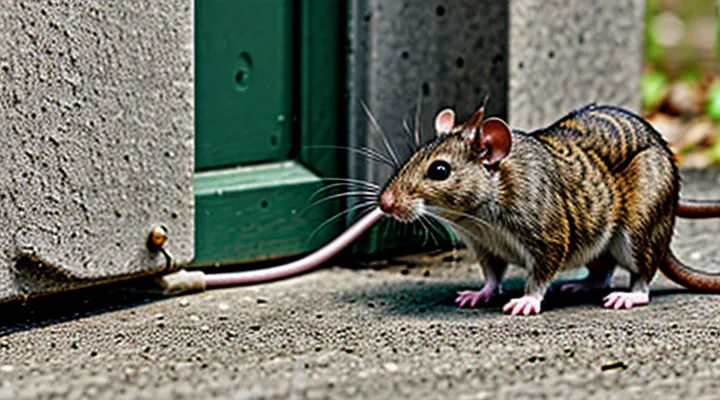
The Silent Threat: Rodents as Vectors of Disease
Direct Disease Transmission from Rodents
Bites and Scratches: A Direct Path to Infection
Rodent bites and scratches provide a direct conduit for pathogenic microorganisms to enter human tissue, bypassing the skin’s natural barrier. The puncture wound creates a moist, anaerobic environment that supports bacterial proliferation, while the trauma disrupts local immune defenses.
Common infections transmitted through these injuries include:
- Leptospira spp. – causes leptospirosis, presenting with fever, myalgia, and potential renal failure.
- Streptobacillus moniliformis – responsible for rat‑bite fever, characterized by fever, rash, and arthritis.
- Bartonella henselae – may lead to cat‑scratch disease‑like symptoms when rodents serve as reservoirs.
- Salmonella spp. – can result in gastroenteritis after ingestion of contaminated wound exudate.
- Hantavirus – although primarily aerosol‑borne, direct contact with infected saliva can trigger hemorrhagic fever with renal syndrome.
Risk factors that increase infection probability are:
- Deep or multiple punctures that retain foreign material.
- Delayed wound cleaning or inadequate antiseptic use.
- Immunocompromised status of the victim.
- Presence of underlying skin conditions that compromise barrier integrity.
Effective management requires immediate debridement, thorough irrigation with sterile saline, and administration of broad‑spectrum antibiotics targeting gram‑negative and anaerobic organisms. Tetanus prophylaxis must be assessed, and serologic testing for specific rodent‑borne pathogens should follow if systemic signs develop.
Prevention strategies focus on minimizing exposure: securing food storage, sealing entry points, and employing integrated pest‑management practices to reduce rodent populations in residential and occupational settings. Personal protective equipment, such as thick gloves, limits direct contact during necessary rodent handling.
Contaminated Food and Water: Hidden Dangers
Rodents frequently infiltrate storage areas, kitchens, and water sources, introducing pathogens that compromise food safety and drinking water quality. Their droppings, urine, and fur carry bacteria such as Salmonella, E. coli O157:H7, and Leptospira, as well as viruses like hantavirus. These microorganisms survive on contaminated surfaces, multiply in moist environments, and can be transferred to consumables through direct contact or via vectors such as insects.
Key pathways of contamination include:
- Direct contact: Mice and rats gnaw packaging, breach seals, and leave waste on exposed food.
- Water intrusion: Burrowing activity creates openings in pipelines and storage tanks, allowing urine and feces to mix with potable water.
- Cross‑contamination: Rodent‑infested areas serve as reservoirs for pathogens that spread to clean zones via equipment, hands, or cleaning cloths.
Health consequences range from acute gastroenteritis and renal failure to severe respiratory illness and hemorrhagic fever. Outbreaks often trace back to low‑level, chronic exposure rather than a single incident, making detection difficult until symptoms manifest in multiple individuals.
Mitigation measures rely on integrated pest management:
- Seal entry points with metal flashing or concrete.
- Install tamper‑proof lids on waste containers and food storage units.
- Conduct routine inspections of water lines for signs of gnaw marks or leakage.
- Employ bait stations and traps in accordance with regulatory guidelines.
- Implement strict sanitation protocols, including regular disinfection of surfaces that rodents may contact.
Effective control of rodent‑related contamination protects both the food supply chain and public health, reducing the hidden risk of disease transmission through everyday consumables.
Indirect Disease Transmission from Rodents
Fleas, Ticks, and Mites: The Unseen Carriers
Rodents frequently host external parasites that act as vectors for pathogens affecting human health. Fleas, ticks, and mites attach to mice and rats, acquire infectious agents, and transfer them during brief feeding events.
Fleas transmit bacterial agents such as Yersinia pestis, the causative organism of plague, and Rickettsia typhi, responsible for murine typhus. They also carry tapeworm larvae (Hymenolepis spp.) that can develop in the human intestine after ingestion of contaminated material.
Ticks collected from rodent hosts are competent vectors for several viruses and bacteria, including:
- Borrelia burgdorferi (Lyme disease)
- Anaplasma phagocytophilum (anaplasmosis)
- Crimean‑Congo hemorrhagic fever virus
Mites, particularly those of the genus Ornithonyssus and Laelaps, serve as reservoirs for rickettsial organisms and can cause dermatitis through direct skin irritation. Some species transmit Rickettsia spp. that lead to febrile illnesses.
Human exposure occurs via:
- Contact with infested rodents in residential or occupational settings
- Handling of contaminated bedding, food stores, or waste
- Outdoor activities in areas with high rodent activity
Control measures focus on integrated pest management: eliminating rodent harborage, applying targeted acaricides, and maintaining sanitation to reduce parasite populations. Prompt identification and treatment of ectoparasite‑borne infections are essential to mitigate health risks associated with these hidden carriers.
Contaminated Surfaces: Spreading Pathogens Through Contact
Rodents frequently traverse kitchen counters, pantry shelves, and food preparation areas, leaving saliva, urine, and feces on surfaces that humans touch. These contaminants create reservoirs for disease agents that can survive for days, especially in moist or organic residues.
Common pathogens transferred through contaminated surfaces include:
- Salmonella spp.: causes gastrointestinal illness, can persist on stainless steel and plastic.
- Leptospira interrogans: responsible for leptospirosis, remains viable in wet spots for weeks.
- Hantavirus strains: associated with hemorrhagic fever, survives on hard surfaces for up to 48 hours.
- Streptobacillus moniliformis: the agent of rat‑bite fever, transfers via droplet deposition on tabletop surfaces.
When a person touches a tainted surface and subsequently contacts food, mouth, or mucous membranes, the pathogen is introduced into the body. The risk escalates in environments lacking routine sanitation, such as warehouses, restaurants, and residential kitchens with visible rodent activity.
Effective mitigation requires:
- Immediate removal of droppings and urine with disposable gloves.
- Disinfection of all exposed surfaces using EPA‑registered rodent‑borne pathogen cleaners.
- Installation of physical barriers—door sweeps, sealed entry points—to prevent rodent ingress.
- Regular inspection schedules to detect and address infestations before contamination spreads.
By maintaining clean, sealed surfaces, the transmission pathway from rodent to human through contact is substantially reduced.
Structural Damage and Economic Impact
Damage to Property
Gnawing Hazards: Wires, Pipes, and Structural Integrity
Rodents’ incessant gnawing creates direct threats to electrical, plumbing, and building stability. Chewed insulation exposes live conductors, increasing the likelihood of short circuits and electrical fires. Damaged pipes allow leaks, fostering mold growth and compromising water quality. Structural components such as timber joists, drywall, and concrete reinforcement suffer weakening when gnawed, which can reduce load‑bearing capacity and precipitate collapse.
Key consequences of rodent chewing include:
- Electrical failures: shorted wires, overloaded circuits, fire hazards.
- Water system breaches: pipe perforation, pressure loss, costly repairs.
- Compromised integrity: reduced strength of support beams, increased risk of structural deformation.
Preventive measures focus on sealing entry points, installing rodent‑proof materials, and conducting regular inspections to detect early signs of damage. Prompt remediation limits repair costs and protects human safety.
Nesting Behavior: Insulation and Hidden Damage
Mice and rats construct nests to maintain a stable microclimate, using shredded material, insulation, and debris. The nests retain heat, allowing rodents to survive in colder environments and to remain active within human dwellings throughout the year.
The insulating properties of these nests create several problems for occupants:
- Elevated indoor temperatures increase heating or cooling demands, raising energy consumption.
- Accumulated debris clogs ventilation ducts, reducing airflow and encouraging mold growth.
- Nest material can obstruct sensors in fire alarms or carbon‑monoxide detectors, compromising safety systems.
Rodent nests also produce concealed structural damage. Continuous gnawing weakens electrical wiring, leading to short circuits or fire hazards. Burrowing through insulation and drywall creates hidden gaps that allow further infiltration of pests and moisture, accelerating rot in wooden framing. Excrement and urine deposited in nests contaminate surfaces, posing health risks through bacterial and viral agents.
Agricultural Losses and Food Contamination
Crop Destruction: A Threat to Food Security
Rodents such as mice and rats cause extensive damage to cultivated fields, directly reducing the quantity and quality of harvested produce. Their gnawing habits compromise plant stems, roots, and stored grains, leading to immediate loss of yield and increased susceptibility to fungal and bacterial infections.
Key mechanisms of crop damage include:
- Consumption of seeds and seedlings, which eliminates potential harvest before plants mature.
- Burrowing that disrupts soil structure, impairs water infiltration, and creates entry points for weeds and pathogens.
- Contamination of stored grains with urine, feces, and hair, rendering the product unsafe for consumption and triggering costly decontamination processes.
Economic consequences extend beyond immediate loss. Farmers face higher production costs due to the need for rodent control measures, such as traps, baits, and structural modifications. Market prices may rise when regional supply diminishes, affecting food affordability for consumers.
Food security is jeopardized when rodent activity repeatedly lowers output in staple crops. Persistent pressure on agricultural systems can force reliance on imports, strain national reserves, and undermine resilience against other environmental stresses. Effective management of rodent populations therefore constitutes a critical component of strategies aimed at safeguarding food supplies.
Stored Food Contamination: Economic and Health Risks
Rodent activity in storage facilities introduces pathogens, toxins, and physical debris into bulk commodities, directly compromising product integrity. The presence of urine, feces, and gnaw marks creates conditions for bacterial proliferation, while contaminated packaging may spread allergens and mycotoxins throughout the supply chain.
- Financial loss from discarded inventory can exceed 5 % of total stock value in high‑risk sectors.
- Production delays arise when contaminated batches trigger mandatory testing and recall procedures.
- Insurance premiums increase as insurers adjust risk assessments for facilities with documented rodent infestations.
Human exposure to contaminated food supplies yields acute and chronic health effects. Ingested bacterial agents such as Salmonella and E. coli cause gastrointestinal illness, dehydration, and, in severe cases, organ failure. Chronic exposure to low‑level toxins, including aflatoxins introduced by rodent‑carried mold spores, elevates cancer risk and impairs immune function. Vulnerable populations—children, the elderly, and immunocompromised individuals—experience higher morbidity rates.
Effective control measures combine structural exclusion, regular sanitation, and integrated pest‑management monitoring. Sealing entry points, maintaining temperature and humidity thresholds that deter rodent breeding, and employing real‑time detection devices reduce contamination incidents and protect both economic assets and public health.
Mitigation and Prevention Strategies
Rodent Control in Urban and Rural Areas
Integrated Pest Management: A Holistic Approach
Rodents transmit pathogens, contaminate food supplies, and cause structural damage, creating direct health and economic risks for people. Effective control must address the full spectrum of these hazards rather than relying on isolated tactics.
Integrated pest management (IPM) provides a comprehensive framework that combines multiple tactics to suppress rodent populations while minimizing adverse side effects. The approach follows a systematic sequence:
- Monitoring and identification – regular inspection of premises, use of traps and tracking devices to locate activity hotspots and determine species.
- Sanitation and habitat modification – removal of food residues, proper waste storage, and elimination of shelter opportunities such as clutter, cracks, and gaps.
- Exclusion – sealing entry points with durable materials, installing door sweeps, and maintaining building integrity to prevent ingress.
- Mechanical control – deployment of snap traps, live‑catch devices, and electronic deterrents in targeted zones.
- Biological control – encouragement of natural predators, such as barn owls or feral cats, where appropriate and legal.
- Chemical control – application of rodenticides strictly as a last resort, following label instructions, and integrating bait stations with secure containment to reduce non‑target exposure.
The IPM model reduces the likelihood of rodent resistance, limits environmental contamination, and often lowers long‑term expenses by focusing on prevention. Implementation begins with a baseline assessment, followed by a customized action plan that prioritizes non‑chemical measures, monitors outcomes, and adjusts tactics based on real‑time data. Continuous documentation and staff training ensure sustained effectiveness and compliance with health regulations.
Baits and Traps: Effective Eradication Methods
Effective rodent control relies on two complementary strategies: chemical baits and mechanical traps. Each method demands precise selection, correct deployment, and ongoing assessment to achieve reliable eradication.
Chemical baits target the population through ingestion of toxic compounds. Anticoagulants such as brodifacoum and difethialone disrupt blood clotting, leading to death after a single dose. Acute toxins like zinc phosphide release phosphine gas in the stomach, causing rapid mortality. Optimal bait placement involves positioning stations along established runways, near walls, and adjacent to food sources, while shielding stations from non‑target species with tamper‑resistant designs. Regular rotation of active ingredients prevents resistance development. Monitoring consumption rates and verifying mortality through tracking tunnels confirm efficacy.
Mechanical traps provide immediate removal and visual confirmation of kills. Snap traps, constructed from hardened steel, deliver lethal force when triggered by a rodent’s forward motion. Electronic traps administer a high‑voltage shock, ensuring instantaneous death and facilitating easy disposal. Live‑capture cages enable relocation, though they require immediate processing to avoid suffering. Effective deployment follows these steps:
- Identify high‑traffic zones by inspecting droppings, gnaw marks, and burrow entrances.
- Position traps perpendicular to walls, with the trigger end facing the rodent’s approach.
- Use appropriate bait—peanut butter, sunflower seed, or dried fruit—to increase capture rates.
- Check traps at least twice daily; replace bait and reset mechanisms promptly.
Integration of baits and traps maximizes control. Initial baiting reduces overall numbers, allowing traps to target survivors and verify elimination. Documentation of bait consumption, trap success, and environmental conditions guides adjustments and supports compliance with health‑safety regulations. Continuous sanitation—sealing entry points, removing food residues, and maintaining dry conditions—prevents reinfestation and sustains long‑term protection.
Personal Protective Measures
Sanitation and Hygiene: Reducing Attractants
Effective sanitation directly limits food, water, and shelter sources that attract commensal rodents. Prompt removal of spilled grains, pet food, and uncovered waste eliminates primary nutritional incentives. Regular disposal of garbage in sealed containers prevents nocturnal foraging and reduces population growth.
Maintaining dry environments curtails water availability. Repairing leaking pipes, clearing standing water from basements, and using dehumidifiers in damp areas remove essential hydration points. Implementing routine inspections of building interiors and exteriors identifies moisture problems before they become rodent habitats.
Structural hygiene complements these measures. Sealing cracks, gaps around utility lines, and openings under doors blocks entry routes. Installing door sweeps and metal mesh over vents prevents interior colonization. Routine cleaning of storage rooms, kitchens, and dining facilities removes residual crumbs and residues that sustain rodent activity.
Key actions for reducing attractants:
- Store dry goods in airtight containers.
- Empty trash bins daily; use lids that close securely.
- Clean spills immediately; mop floors with detergent.
- Inspect and repair plumbing leaks weekly.
- Conduct monthly visual surveys for signs of gnawing or droppings.
- Apply rodent‑proof screens to vents and exhaust fans.
Consistent application of these sanitation practices lowers the likelihood of rodent intrusion, thereby diminishing the health risks associated with disease transmission and contamination.
Home Maintenance: Sealing Entry Points
Sealing gaps, cracks, and openings in a residence blocks the primary routes mice and rats use to gain access, directly reducing the risk of infestation and the associated health hazards. Properly closed entry points prevent rodents from entering food storage areas, nesting sites, and utility spaces, limiting disease transmission, structural damage, and contamination of household supplies.
Effective sealing involves the following actions:
- Inspect the building envelope for gaps around doors, windows, vents, and utility penetrations; measure each opening.
- Apply steel wool or copper mesh to small holes before applying sealant; rodents cannot gnaw through metal.
- Use high‑quality silicone, polyurethane, or expanding foam to fill larger gaps; ensure the material remains flexible for structural movement.
- Replace damaged weatherstripping on doors and windows; install tight‑fitting sweeps on exterior doors.
- Secure vents with metal screens of appropriate mesh size; verify that chimney caps and dryer exhausts are intact.
- Re‑seal foundation cracks with hydraulic cement; prioritize areas where soil contacts the structure.
Regularly review sealed areas, especially after seasonal temperature shifts, to maintain barriers and sustain protection against rodent intrusion.
The Psychological and Social Impact of Rodents
Fear and Stress: The Emotional Toll
Phobias and Anxiety: Living with Rodent Infestations
Rodent infestations generate intense fear and chronic anxiety for many individuals, often manifesting as musophobia or specific rodent phobia. Symptoms include rapid heartbeat, shortness of breath, avoidance of affected areas, and intrusive thoughts about contamination or disease transmission. Persistent exposure can exacerbate generalized anxiety disorder, reduce sleep quality, and impair occupational performance.
Psychological impact derives from both perceived and actual health risks. Studies link rodent‑borne pathogens such as hantavirus and leptospirosis to heightened threat perception, which amplifies stress responses. The combination of visual cues—droppings, gnaw marks, movement in shadows—and olfactory signals—urine, nesting material—triggers the amygdala, reinforcing fear circuits.
Effective management requires a two‑fold approach: environmental control and therapeutic intervention.
- Eliminate food sources, seal entry points, and employ professional extermination to remove the infestation.
- Conduct regular sanitation to reduce residual odor and visual evidence.
- Implement cognitive‑behavioral therapy (CBT) to reframe catastrophic thoughts and desensitize the fear response.
- Consider exposure therapy under clinical supervision, gradually introducing controlled rodent‑related stimuli.
- Use anxiolytic medication when acute panic symptoms impede daily functioning, following psychiatric evaluation.
Support networks—family, coworkers, and community resources—provide additional resilience. Reporting infestations to public health agencies ensures systematic monitoring and reduces the likelihood of recurrence, thereby lowering the long‑term anxiety burden associated with rodent presence.
Disruption of Daily Life: The Constant Battle
Rodents infiltrate residential and commercial spaces, turning ordinary routines into a continual struggle for control. Their ability to slip through minute gaps forces occupants to allocate time and resources to monitoring, trapping, and cleaning, diverting attention from work, study, and leisure activities.
Typical consequences include:
- Contaminated food supplies caused by gnawing, droppings, and urine, leading to immediate disposal and replacement costs.
- Damage to wiring, insulation, and structural components, resulting in repairs that interrupt daily schedules.
- Elevated stress levels among occupants, which impair concentration and reduce productivity.
- Increased expenditure on extermination services, equipment, and preventive modifications.
The persistence of rodent activity demands a systematic response. Regular inspection of entry points, sealing of cracks, and maintenance of hygienic conditions reduce the likelihood of re‑infestation. When sightings occur, swift deployment of traps or bait stations, combined with professional pest‑management expertise, restores normalcy more efficiently than ad‑hoc attempts. Continuous vigilance transforms the battle from reactive to preventive, preserving the stability of everyday life.
Public Health Implications
Community-Wide Outbreaks: A Silent Epidemic
Rodent populations generate community-wide health crises by carrying pathogens that spread silently through shared environments. In densely populated areas, mice and rats infiltrate food storage, water systems, and waste disposal sites, creating vectors for bacteria, viruses, and parasites that affect large numbers of people without obvious early signs.
Key disease agents transmitted by these mammals include:
- Bacteria: Salmonella spp., Leptospira spp., Streptobacillus moniliformis (rat‑bite fever)
- Viruses: Hantavirus, Lassa fever virus, Seoul virus (hemorrhagic fever with renal syndrome)
- Parasites: Toxoplasma gondii, Echinococcus spp., various intestinal nematodes
Transmission pathways rely on contamination of food, water, and surfaces with urine, feces, or saliva. Aerosolized particles from dried rodent droppings can be inhaled, while direct bites introduce pathogens into the bloodstream. These mechanisms operate across entire neighborhoods, often remaining undetected until clusters of illness emerge.
Epidemiological data reveal that outbreaks typically follow conditions that favor rodent proliferation: inadequate sanitation, abundant food waste, and structural deficiencies in buildings. Seasonal surges in rodent activity correspond with spikes in reported cases of leptospirosis and hantavirus pulmonary syndrome, underscoring the link between environmental management and disease incidence.
Effective mitigation requires coordinated public‑health strategies:
- Environmental sanitation: Secure waste containers, eliminate standing water, and seal entry points in residential and commercial structures.
- Surveillance: Conduct regular rodent population assessments and pathogen testing in high‑risk zones.
- Community education: Provide clear guidance on safe food storage, proper cleaning of contaminated areas, and prompt medical evaluation of suspected exposures.
- Integrated pest management: Deploy a combination of trapping, baiting, and habitat modification while minimizing reliance on chemical controls.
By addressing these factors systematically, health authorities can disrupt the silent spread of rodent‑borne diseases and protect entire populations from a pervasive, yet often overlooked, epidemic.
Economic Burden of Infestations: Healthcare Costs and Productivity Losses
Rodent infestations impose a measurable financial strain on societies through two primary channels: medical expenses and reduced labor efficiency.
Healthcare costs arise from direct and indirect consequences of rodent‑borne pathogens. Hospital admissions for diseases such as leptospirosis, hantavirus pulmonary syndrome, and salmonellosis generate average treatment bills ranging from $5,000 to $30,000 per case, depending on severity and length of stay. Outpatient visits, prescription medications, and diagnostic testing add an estimated $1.2 billion annually in the United States alone. In addition, preventive measures—routine pest‑control services, community education programs, and sanitation upgrades—contribute roughly $800 million each year to public‑health budgets.
Productivity losses stem from absenteeism, presenteeism, and contamination of work environments. Studies linking rodent sightings in office buildings to employee sick‑days report an average increase of 1.4 absent days per worker per year, translating to a cost of $250 per employee when accounting for wages and replacement staffing. Food‑processing facilities experience average production downtimes of 12 hours per infestation event, resulting in revenue losses of $150,000 per incident. Cumulatively, these disruptions account for an estimated $3.5 billion in diminished output across sectors that store or handle food, pharmaceuticals, and other vulnerable commodities.
Key figures summarizing the economic impact:
- Direct medical expenditures: $2 billion (treatment) + $800 million (prevention)
- Indirect costs from work disruption: $3.5 billion
- Total annual burden: approximately $6.3 billion
Mitigating these expenses requires integrated pest‑management strategies, early detection systems, and coordinated public‑health interventions that target both disease transmission and operational interference caused by rodents.