
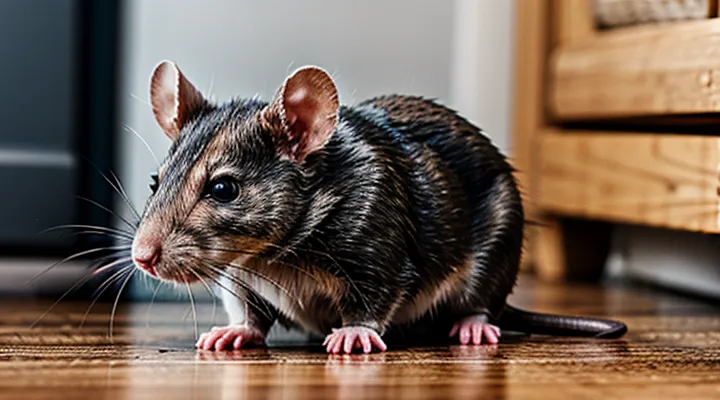
Understanding the Threat: Rat-Borne Diseases
How Domestic Pets Can Contract Rat-Borne Diseases
Direct Contact with Rats
Direct contact with rats provides a primary pathway for pathogens to move from wild rodents to household animals. When a pet bites, scratches, or ingests a rat, or when its fur or paws become contaminated, infectious agents can be introduced without intermediary vectors.
Common zoonotic agents transmitted through this route include:
- Leptospira spp. – bacterial spirochetes causing leptospirosis, which may lead to kidney failure and liver dysfunction.
- Salmonella enterica – bacteria that provoke gastrointestinal distress, fever, and dehydration.
- Streptobacillus moniliformis – the causative agent of rat‑bite fever, presenting with fever, joint pain, and rash.
- Hantavirus – a virus capable of causing severe respiratory illness and hemorrhagic fever with renal syndrome.
Clinical signs in pets often mimic other infections, making diagnosis challenging. Symptoms may encompass:
- Persistent fever
- Lethargy and loss of appetite
- Diarrhea or vomiting
- Joint swelling or lameness
- Hematuria or proteinuria (in cases of leptospirosis)
Preventive actions focus on eliminating opportunities for direct interaction:
- Secure food storage and waste containers to deter rodent attraction.
- Inspect and repair structural gaps that allow rat entry.
- Supervise outdoor activities, especially in areas with known rodent activity.
- Conduct regular health screenings for pets that have encountered rodents, including serologic tests for leptospirosis and hantavirus.
Prompt veterinary evaluation and appropriate antimicrobial or antiviral therapy reduce morbidity and limit further spread to humans and other animals.
Indirect Contact: Contaminated Food and Water
Rodent excreta frequently contaminate pet food and drinking water, creating a covert pathway for disease transmission. Pathogens such as Salmonella enterica, Leptospira spp., and hantaviruses survive in spilled kibble, wet feed, and standing water that have been accessed by rats. When a dog or cat ingests these contaminated resources, the organisms bypass direct contact and establish infection through the gastrointestinal or mucosal surfaces.
Typical outcomes include acute gastroenteritis, renal failure, or respiratory distress, depending on the pathogen involved. Laboratory confirmation often reveals bacterial cultures from feces or serological evidence of exposure. The incubation period varies from hours to weeks, complicating diagnosis when exposure history lacks overt rodent sightings.
Preventive actions focus on eliminating indirect exposure:
- Store dry food in sealed, rodent‑proof containers; discard any material that shows signs of gnawing or droppings.
- Keep water bowls on elevated platforms; replace water daily and clean bowls with disinfectant at least once per day.
- Inspect feeding areas for gnaw marks, urine stains, or droppings; seal entry points with steel mesh or concrete.
- Use commercially prepared, heat‑treated wet foods rather than raw or home‑prepared meals that may attract rodents.
- Implement regular pest‑control measures, including bait stations placed away from pet zones.
By maintaining strict hygiene and securing food and water supplies, owners reduce the likelihood that rodent‑borne agents reach their companion animals through indirect contact.
Vectors: Fleas, Ticks, and Mosquitos
Fleas serve as primary mechanical carriers of several rodent‑borne bacteria and parasites. When a flea feeds on an infected rat, it can acquire pathogens such as Yersinia pestis or Rickettsia spp. Subsequent bites on dogs or cats introduce these agents directly into the host’s bloodstream, often resulting in febrile illness, lymphadenitis, or severe systemic infection. Effective control requires regular flea‑preventive treatments and prompt removal of infestations from the animal’s environment.
Ticks function as biological vectors, permitting pathogen replication within their tissues before transmission. Species such as Ixodes ricinus and Rhipicephalus sanguineus commonly attach to rodents, acquiring agents like Borrelia burgdorferi or Anaplasma phagocytophilum. When the same tick later feeds on a pet, it injects infectious material, potentially causing Lyme disease, anaplasmosis, or other tick‑borne syndromes. Preventive measures include acaricide collars, environmental tick management, and routine inspection of the animal’s coat.
Mosquitoes act as aerial conduits for viral and protozoal agents originating in rat populations. Species that breed in stagnant water near urban habitats may ingest pathogens such as Leptospira spp. or arboviruses while feeding on infected rodents. Subsequent blood meals on dogs or cats transmit these organisms, leading to leptospirosis, encephalitis, or hemorrhagic fever. Protection strategies encompass indoor housing during peak mosquito activity, insecticidal treatments, and elimination of standing water sources.
Key preventive actions
- Administer veterinary‑approved flea and tick preventatives on a regular schedule.
- Conduct weekly visual checks for ectoparasites on pets and remove any found.
- Maintain clean, dry living areas; eliminate rodent harborage and standing water.
- Vaccinate pets against diseases known to be transmitted by these vectors where available.
By addressing each vector’s specific transmission pathway, owners can substantially reduce the likelihood of rodent‑derived infections in their companion animals.
Common Rat-Borne Diseases Affecting Pets
Leptospirosis
Leptospirosis is a bacterial disease transmitted primarily through the urine of infected rodents, especially rats, and can affect dogs, cats, and other household animals. The pathogen, Leptospira spp., survives in moist environments such as puddles, soil, and standing water, creating a direct exposure route for pets that drink or walk through contaminated areas.
Typical clinical manifestations in dogs include fever, lethargy, vomiting, jaundice, and renal failure; cats may show milder signs or remain asymptomatic while still shedding bacteria. Diagnosis relies on serologic testing, polymerase chain reaction (PCR) of blood or urine, and, when necessary, culture of the organism. Prompt antimicrobial therapy—commonly doxycycline or penicillin—reduces disease severity and limits bacterial shedding.
Preventive actions reduce the likelihood of infection:
- Restrict pet access to areas with standing water or recent rodent activity.
- Maintain clean, rodent‑free indoor and outdoor spaces through proper waste management and sealed food storage.
- Provide regular vaccination for dogs where licensed vaccines are available.
- Conduct routine veterinary examinations to detect early signs and perform screening in high‑risk regions.
Veterinary professionals advise owners to monitor water sources, control rodent populations, and vaccinate eligible animals as the most effective strategy to protect domestic pets from leptospirosis and its potential complications.
Symptoms in Dogs
Rodents serve as reservoirs for several pathogens that can infect dogs, producing distinct clinical manifestations. Recognizing these signs enables prompt veterinary intervention and reduces disease progression.
Typical manifestations include:
- Fever exceeding 39 °C (102 °F)
- Lethargy and reduced activity
- Loss of appetite
- Vomiting or diarrhea, possibly with blood
- Jaundice or yellowing of the gums
- Increased thirst and urination
- Coughing, nasal discharge, or difficulty breathing
- Muscle pain or stiffness, especially in the hind limbs
- Swollen lymph nodes, particularly around the neck and groin
- Skin lesions or ulcerative wounds at bite sites
Veterinary assessment should follow the appearance of any combination of these symptoms, especially after known exposure to rats or contaminated environments. Diagnostic protocols commonly involve blood chemistry panels, serologic tests for leptospirosis and rat‑bite fever, and imaging studies to evaluate pulmonary involvement. Immediate antimicrobial therapy and supportive care improve outcomes, while regular pest control and vaccination where available mitigate future incidents.
Symptoms in Cats
Rats can transmit a range of pathogens to cats, including bacteria such as Leptospira, parasites like Toxoplasma gondii, and viruses such as hantavirus. Infection often manifests through observable clinical signs. Recognizing these signs enables timely veterinary intervention.
Common symptoms in cats include:
- Fever exceeding 103 °F (39.5 °C)
- Lethargy or reduced activity
- Loss of appetite
- Vomiting or diarrhea, sometimes with blood
- Respiratory distress, coughing, or nasal discharge
- Neurological signs: tremors, seizures, or disorientation
- Jaundice or pale mucous membranes indicating liver involvement
- Unexplained weight loss
- Skin lesions or ulcerated bites at entry sites
Less frequent manifestations may involve kidney dysfunction (increased thirst and urination) or ocular irritation (conjunctivitis). Presence of multiple signs, especially fever combined with gastrointestinal or respiratory disturbances, warrants immediate diagnostic testing for rodent‑associated agents. Early detection improves prognosis and reduces the likelihood of severe complications.
Prevention and Treatment
Rodent‑borne pathogens pose a significant threat to household animals. Effective management relies on two complementary actions: preventing exposure and providing prompt therapeutic intervention.
Preventive measures
- Secure food storage and waste disposal to eliminate attractants.
- Seal entry points, install mesh screens, and maintain a clean yard to block rodent ingress.
- Conduct regular inspections for signs of rodent activity and intervene with traps or professional extermination.
- Keep pet bedding, toys, and feeding areas inaccessible to rodents.
- Ensure vaccinations cover common zoonotic agents such as leptospirosis and rabies where applicable.
- Quarantine new animals and perform veterinary screening before integration.
Early detection
- Monitor for fever, lethargy, loss of appetite, gastrointestinal upset, or respiratory distress.
- Perform diagnostic testing (PCR, serology, culture) when clinical signs align with rodent‑associated infections.
Therapeutic protocols
- Initiate antimicrobial therapy based on culture results or established guidelines for bacterial agents.
- Apply antiparasitic treatment for ecto‑ and endoparasites transmitted by rodents.
- Provide fluid therapy and nutritional support to counter dehydration and weight loss.
- Use anti‑inflammatory drugs to reduce fever and pain, adjusting dosage for species and size.
- Reassess daily; modify treatment if clinical response is inadequate.
Owner education
- Inform caregivers about the risks of rodent contact and the importance of maintaining a rodent‑free environment.
- Advise on proper handling of dead rodents and contaminated materials to minimize accidental transmission.
Consistent application of these strategies reduces infection incidence and improves outcomes for affected pets.
Hantavirus
Hantavirus, a member of the Bunyaviridae family, is carried by several rodent species, including rats that frequently share environments with cats and dogs. The virus is shed in urine, feces, and saliva, creating a contamination risk for pets that hunt, chew, or otherwise contact rodent remains.
Direct exposure can lead to acute disease in companion animals. Reported clinical manifestations include fever, lethargy, respiratory distress, and hemorrhagic signs. Laboratory findings often reveal thrombocytopenia, elevated liver enzymes, and renal impairment. Confirmation requires polymerase‑chain‑reaction testing of blood or tissue samples, as serology may be inconclusive in early stages.
Therapeutic options are limited; supportive care—fluid therapy, oxygen supplementation, and management of coagulopathy—remains the primary approach. Antiviral agents such as ribavirin have shown variable efficacy and are not routinely approved for veterinary use.
Preventive actions reduce the likelihood of infection:
- Secure food storage and waste containers to deter rodent activity.
- Seal gaps, vents, and crawl spaces to block entry points.
- Restrict pet access to basements, attics, and areas with known rodent infestations.
- Conduct regular rodent control measures using traps or professional extermination services.
- Promptly clean and disinfect any rodent droppings with a bleach solution (1 % sodium hypochlorite) while wearing protective gloves and masks.
Veterinarians should advise owners of the zoonotic potential; hantavirus can transmit to humans through pet‑mediated exposure to contaminated materials. Early recognition and strict hygiene practices protect both animal and public health.
Risk to Pets
Rats frequently carry microorganisms that can be transferred to household animals, creating a direct health threat for dogs and cats. Contact occurs when pets bite or scratch an infected rodent, ingest contaminated droppings, or drink water tainted with urine. These exposure pathways bypass the pet’s natural defenses and introduce pathogens that may cause severe illness.
Common rodent‑borne infections affecting pets include:
- Leptospira spp. – kidney inflammation, fever, jaundice
- Streptobacillus moniliformis (rat‑bite fever) – fever, polyarthritis, skin lesions
- Hantavirus – respiratory distress, hemorrhagic signs
- Salmonella enterica – gastroenteritis, dehydration
- Lymphocytic choriomeningitis virus – neurological signs, seizures
Clinical manifestations vary by pathogen but typically involve fever, lethargy, loss of appetite, gastrointestinal upset, respiratory difficulty, or joint pain. Rapid progression can lead to organ failure or death if left untreated.
Preventive actions focus on eliminating rodent access, securing food storage, and maintaining clean water sources. Regular veterinary examinations, prompt treatment of any bite wounds, and appropriate vaccinations (e.g., leptospirosis) further reduce the likelihood of infection. Environmental sanitation and pest‑control programs remain essential components of a comprehensive protection strategy for domestic pets.
Transmission to Humans
Rodent‑borne pathogens that infect household animals can reach people through several well‑documented pathways. When a pet contracts an infection from a rat, it may become a carrier of the agent, creating a direct link between the rodent reservoir and human hosts.
Common routes of human exposure include:
- Bite or scratch from an infected pet, introducing bacteria such as Streptobacillus moniliformis (rat‑bite fever) into the wound.
- Fecal–oral transmission when a pet’s contaminated saliva, fur, or excreta are inadvertently ingested, as occurs with Salmonella spp. and Leptospira spp.
- Aerosol exposure to dust or urine particles shed by the pet, which may contain Hantavirus or Leptospira organisms.
- Vector‑mediated spread when fleas or ticks that have fed on an infected pet transfer pathogens like Bartonella henselae to humans.
Each pathway relies on close physical interaction between people and their animals, emphasizing the need for strict hygiene practices, prompt veterinary treatment of sick pets, and effective rodent control within the household environment.
Salmonella
Salmonella, a gram‑negative bacterium commonly carried by wild rodents, frequently contaminates environments where pet rats, mice, or other small mammals are housed. Direct contact with infected rodents, their feces, urine, or contaminated bedding can introduce the pathogen to dogs, cats, and other domestic animals sharing the same space.
Clinical manifestations in pets vary by species and age. Dogs may develop acute gastroenteritis marked by vomiting, watery diarrhea, fever, and lethargy. Cats often show milder gastrointestinal signs but can experience fever and dehydration. Young or immunocompromised animals are at higher risk for severe systemic infection, including bacteremia and septic arthritis.
Diagnosis relies on laboratory confirmation. Stool or rectal swab cultures isolate Salmonella species; polymerase chain reaction (PCR) assays provide rapid identification. Blood cultures are indicated when systemic signs appear. Antimicrobial susceptibility testing guides therapy, as resistance patterns differ among strains.
Treatment protocols include:
- Fluid therapy to correct dehydration and electrolyte loss.
- Empirical broad‑spectrum antibiotics (e.g., amoxicillin‑clavulanate, fluoroquinolones) pending susceptibility results.
- Supportive care such as anti‑emetics and nutritional support.
Preventive measures focus on minimizing exposure and interrupting transmission:
- Keep rodent cages isolated from areas accessed by other pets.
- Clean and disinfect cages daily; use heat‑stable disinfectants effective against Salmonella.
- Store rodent feed in sealed containers to avoid contamination.
- Hand‑wash thoroughly after handling rodents, their bedding, or cleaning supplies.
- Conduct regular veterinary screenings for household pets, especially those with contact with rodents.
Zoonotic potential remains significant. Humans handling infected rodents or caring for contaminated pets can acquire salmonellosis, presenting with similar gastrointestinal symptoms. Strict hygiene, proper cage management, and prompt veterinary intervention reduce the overall risk to both animals and their owners.
Sources of Infection
Rats transmit a variety of pathogens that can affect dogs, cats, and other household animals. Infection typically occurs when pets encounter the agents that rats carry, either directly or through contaminated surroundings.
Common sources include:
- Live or dead rodents: Bites, scratches, or ingestion of whole rats introduce bacteria, viruses, and parasites.
- Urine and feces: Pathogens such as Leptospira, hantavirus, and Salmonella survive in moist droppings and urine, contaminating floors, bedding, and food bowls.
- Saliva and nasal secretions: Rats shed agents like Streptobacillus moniliformis in their saliva, posing risk when pets groom or chew on contaminated objects.
- Ectoparasites: Fleas, ticks, and mites that feed on rats may later attach to pets, carrying diseases such as murine typhus or plague.
- Contaminated feed and water: Storage areas accessed by rodents become reservoirs for pathogens that pets ingest inadvertently.
- Indirect transmission via other animals: Cats or dogs that hunt rodents can bring infectious material into the home, spreading it to other pets.
Preventive measures focus on eliminating rodent access, securing food supplies, and maintaining strict hygiene in areas where pets eat or rest. Regular veterinary checks for signs of infection are essential for early intervention.
Clinical Signs in Pets
Rodent‑borne pathogens present a significant health threat to cats and dogs that share environments with wild or feral rats. Direct contact with contaminated urine, feces, or bite wounds introduces bacteria, viruses, and parasites capable of producing acute or chronic illness. Recognizing the early clinical manifestations is essential for timely intervention and prevention of severe outcomes.
Typical presentations in dogs include:
- Fever, often accompanied by lethargy
- Respiratory distress such as coughing or nasal discharge
- Gastrointestinal upset, manifested by vomiting, diarrhea, or loss of appetite
- Musculoskeletal pain reflected in limping or reluctance to move
- Dermatologic lesions, including ulcerated wounds or pruritic rashes near bite sites
Cats may exhibit:
- High temperature and marked inactivity
- Upper respiratory signs, for example sneezing, ocular discharge, or nasal congestion
- Neurological deficits, ranging from ataxia to seizures
- Renal or hepatic dysfunction indicated by increased thirst, polyuria, or jaundice
- Skin abnormalities, particularly ulcerated puncture wounds or alopecia around the face and paws
Laboratory evaluation often reveals leukocytosis, elevated inflammatory markers, or organ‑specific enzyme changes. Imaging studies may identify pulmonary infiltrates, abdominal organ enlargement, or localized abscess formation. Confirmatory diagnosis typically requires culture, polymerase chain reaction, or serologic testing for specific agents such as Leptospira spp., Hantavirus, or rat‑associated mites.
Prompt antimicrobial therapy, supportive care, and isolation of the affected animal reduce morbidity and limit zoonotic transmission to humans. Preventative measures—rat control, environmental sanitation, and restricting pet access to rodent‑infested areas—remain the most effective strategy for mitigating these health risks.
Toxoplasmosis
Rats serve as reservoirs for Toxoplasma gondii, the protozoan that causes toxoplasmosis, and can transmit the parasite to cats, dogs, and other companion animals through direct contact, ingestion of contaminated fur, or consumption of infected prey.
Infection pathways include:
- Hunting or scavenging of dead rats, exposing pets to tissue cysts.
- Grooming of rats that have brushed against the pet’s coat, transferring oocysts.
- Accidental ingestion of rat feces containing sporulated oocysts, especially in environments where rodents roost.
Clinical manifestations vary by species. Cats often develop mild gastrointestinal upset, fever, or lymphadenopathy, but may shed large numbers of oocysts in feces, amplifying environmental contamination. Dogs typically show fever, lethargy, and neurologic signs such as ataxia or seizures when disseminated infection occurs. Both species can experience reproductive problems, including miscarriage or stillbirth, if infection occurs during gestation.
Diagnosis relies on serologic testing for IgM and IgG antibodies, polymerase chain reaction (PCR) detection of parasite DNA in blood or tissue samples, and histopathologic identification of tachyzoites or cysts. A combination of serology and PCR increases diagnostic accuracy, especially in subclinical carriers.
Treatment protocols involve combination therapy with pyrimethamine, sulfadiazine, and folinic acid for several weeks, adjusted for the animal’s age and renal function. Supportive care addresses fever, dehydration, and secondary infections. Early intervention reduces mortality and limits oocyst shedding.
Preventive measures focus on minimizing rodent exposure:
- Secure food storage and waste disposal to deter rat activity.
- Install barriers on outdoor enclosures and limit unsupervised roaming.
- Regular deworming and health checks for pets, with serologic screening in high‑risk households.
- Prompt removal of dead rodents and thorough cleaning of areas where pets may encounter them.
Understanding the role of rats in the life cycle of T. gondii enables owners and veterinarians to implement targeted strategies that protect domestic animals from this zoonotic parasite and reduce environmental spread.
Transmission Cycle
Rodent populations serve as primary reservoirs for a range of pathogens that can be transferred to companion animals. Infected rats shed microorganisms through urine, feces, saliva, and blood, contaminating the immediate environment such as bedding, food dishes, and indoor surfaces. The persistence of these agents varies; for example, Leptospira spp. survive weeks in moist conditions, while Salmonella can persist months in dry matter.
Transmission to pets occurs through several direct and indirect pathways:
- Ingestion of live or dead rodents – hunting, scavenging, or accidental consumption of carcasses introduces pathogens to the gastrointestinal tract.
- Contact with contaminated surfaces – licking paws or snout after stepping on rat droppings transfers organisms to mucous membranes.
- Ectoparasite vectors – fleas and mites that feed on rats may bite dogs or cats, delivering blood‑borne agents such as Rickettsia.
- Aerosol exposure – drying rodent urine or feces can generate infectious droplets inhaled by animals in enclosed spaces.
Once inside a pet, the pathogen follows a species‑specific replication cycle, leading to clinical signs that may include fever, gastrointestinal upset, renal failure, or respiratory distress. Early identification of exposure routes enables targeted preventive measures, such as rodent control, environmental sanitation, and limiting pets’ access to areas with high rodent activity.
Impact on Cats
Rats serve as reservoirs for numerous pathogens that can be transmitted to household felines. Direct contact, predation, or ingestion of contaminated material provides the primary route of exposure.
Common rat‑associated agents affecting cats include:
- Leptospira spp. – Causes fever, renal dysfunction, and hepatic injury; infection often identified through serology or PCR.
- Yersinia pestis – Triggers fever, lymphadenopathy, and respiratory distress; rapid treatment with antibiotics essential to prevent mortality.
- Salmonella enterica – Leads to gastroenteritis, dehydration, and septicemia; stool culture confirms diagnosis.
- Streptobacillus moniliformis (rat‑bite fever) – Produces fever, joint pain, and skin lesions; requires blood culture for detection.
- Hantavirus – May result in hemorrhagic fever with renal syndrome; diagnosis relies on serologic testing.
Clinical consequences for cats range from mild, self‑limiting illness to severe systemic disease. Signs often include lethargy, loss of appetite, vomiting, diarrhea, fever, and respiratory compromise. Neurological manifestations such as ataxia or seizures appear in advanced cases of plague or hantavirus infection.
Diagnostic approach typically combines history of rodent exposure, physical examination, and targeted laboratory testing (blood work, imaging, pathogen‑specific assays). Early identification improves therapeutic outcomes.
Management strategies focus on antimicrobial therapy tailored to the identified organism, supportive care for organ dysfunction, and isolation to prevent zoonotic spread. Preventive measures encompass:
- Securing food storage and eliminating rodent harborage.
- Using rodent‑proof waste containers.
- Administering regular veterinary health checks and vaccinations where applicable.
- Supervising outdoor access to reduce hunting behavior.
Effective control of rodent populations and vigilant monitoring of feline health reduce the likelihood of transmission and protect both pets and owners from serious disease.
Rat Bite Fever
Rat Bite Fever (RBF) is a bacterial zoonosis caused primarily by Streptobacillus moniliformis in North America and Spirillum minus in Asian regions. The disease arises when domestic animals encounter infected rodents, their secretions, or contaminated environments.
Transmission to pets occurs through:
- bites or scratches from rats or other rodents;
- ingestion of rodent carcasses or fecal material;
- contact with urine or bedding contaminated by infected rodents.
Clinical presentation in dogs and cats typically includes abrupt fever, lethargy, joint swelling, and pain. Dermatological signs may appear as maculopapular rash or ulcerative lesions. Gastrointestinal disturbances such as vomiting or diarrhea are also reported. Rapid progression can lead to septicemia and organ dysfunction if untreated.
Diagnostic confirmation relies on:
- bacterial culture from blood, synovial fluid, or tissue samples;
- polymerase chain reaction (PCR) targeting specific bacterial DNA;
- serologic testing for antibodies;
- complete blood count revealing leukocytosis with left shift.
Effective therapy consists of early administration of antibiotics. Penicillin G (or ampicillin) remains first‑line; doxycycline serves as an alternative for penicillin‑allergic patients. Treatment duration generally spans 10–14 days, accompanied by supportive measures such as fluid therapy and analgesia.
Preventive actions focus on minimizing rodent exposure:
- implement rigorous rodent‑control programs in and around the home;
- store pet food in sealed containers to deter scavenging;
- regularly clean and disinfect areas where rodents may nest;
- supervise outdoor activities to avoid contact with wild rodents;
- educate owners about the risks of allowing pets to hunt or consume rodents.
Prompt recognition, accurate diagnosis, and immediate antimicrobial therapy reduce morbidity and mortality associated with Rat Bite Fever in household animals.
Causative Agents
Rats harbor a diverse array of pathogens that can be transmitted to household animals. These agents are responsible for clinical syndromes ranging from gastrointestinal distress to severe systemic disease.
- Leptospira interrogans – spirochete causing leptospirosis; enters through skin abrasions or mucous membranes, leading to fever, renal impairment, and hepatic dysfunction.
- Salmonella spp. – bacterial agents producing enteritis; infection occurs via ingestion of contaminated feces or food, resulting in diarrhea, vomiting, and possible septicemia.
- Streptobacillus moniliformis – bacterium responsible for rat‑bite fever; transmitted through bites, scratches, or contaminated secretions, producing fever, rash, and polyarthritis.
- Yersinia pestis – causative organism of plague; flea vectors from rats can bite pets, leading to bubonic or septicemic forms with rapid progression.
- Hantavirus – rodent‑borne virus; aerosolized particles from rat urine or droppings may infect dogs and cats, causing hemorrhagic fever with renal syndrome or pulmonary syndrome.
- Lymphocytic choriomeningitis virus (LCMV) – transmitted via direct contact with infected rodent excreta; can cause encephalitis, meningitis, or mild febrile illness in pets.
- Giardia duodenalis – protozoan parasite; cysts shed in rat feces contaminate water or surfaces, leading to malabsorption and chronic diarrhea.
- Toxoplasma gondii – intracellular parasite; rats serve as intermediate hosts, and predation by cats may result in toxoplasmosis with ocular or neurological manifestations.
- Cryptococcus neoformans – fungal organism present in rat droppings; inhalation by dogs or cats can cause respiratory infection and disseminated disease affecting the central nervous system.
Each agent possesses distinct transmission pathways, incubation periods, and clinical outcomes. Accurate identification and prompt veterinary intervention are essential to mitigate morbidity in domestic companions exposed to rat‑associated hazards.
Symptoms in Infected Animals
Rats serve as reservoirs for several pathogens that can be transmitted to cats, dogs, and other household animals. Once infection occurs, clinical signs often appear within days to weeks, depending on the agent.
Common manifestations include:
- Fever and lethargy
- Loss of appetite
- Diarrhea, sometimes hemorrhagic
- Vomiting or regurgitation
- Respiratory distress, such as coughing or nasal discharge
- Neurological abnormalities: tremors, ataxia, seizures, or altered consciousness
- Skin lesions or ulcerative sores, particularly around the mouth or paws
- Jaundice or pale mucous membranes indicating hepatic involvement
In some cases, the disease progresses rapidly, leading to multi‑organ failure and death if untreated. Early detection relies on recognizing these patterns and confirming the diagnosis through laboratory testing, such as serology, PCR, or culture. Prompt veterinary intervention improves prognosis, emphasizing the need for vigilance when pets have contact with rodents or their environments.
Mitigating Risks and Protecting Your Pets
Preventing Rat Infestations in and Around Your Home
Securing Food Sources
Rodents are drawn to accessible pet food; unsecured supplies create a direct pathway for disease transmission to household animals.
- Store dry kibble in airtight, rodent‑proof containers made of metal or thick plastic.
- Place containers on elevated surfaces or within cabinets that close securely.
- Remove uneaten food after each feeding session; discard it in sealed waste bags.
- Keep the feeding area free of crumbs and spills; sweep and mop daily.
Raw or uncooked meat poses additional contamination risk. Purchase from reputable suppliers, freeze for at least 48 hours before serving, and handle with gloves. Wash hands and all utensils after preparation.
Implement a routine inspection schedule:
- Check container seals weekly for damage.
- Rotate stock to use older supplies first, preventing spoilage that attracts pests.
- Dispose of packaging in sealed bins located away from pet areas.
Consistent application of these practices eliminates food sources that lure rodents, thereby reducing the likelihood of infection in domestic pets.
Eliminating Hiding Spots
Eliminating potential rat hideouts directly reduces the likelihood that pets will encounter infected rodents or their excreta. Rats prefer concealed areas that provide shelter, warmth, and easy access to food. When these sites are removed, the probability of transmission of pathogens such as Leptospira, hantavirus, and salmonella to cats and dogs drops sharply.
Key actions for effective removal of hiding spots:
- Seal cracks and gaps in foundations, walls, and around utility pipes; use steel wool or caulk to block entry points.
- Store firewood, mulch, and compost in containers with tight lids; keep them elevated off ground to discourage nesting.
- Keep garden beds tidy, trim dense vegetation, and prune low branches that create cover.
- Install secure lids on trash cans and regularly dispose of food waste; avoid leaving pet food outdoors.
- Remove clutter in garages, sheds, and basements; organize items on shelves rather than on the floor.
Regular inspection of the household perimeter and prompt repair of any new openings sustain a rat‑free environment, thereby protecting domestic animals from infection risks.
Trapping and Eradication Methods
Rats carry pathogens that can infect cats, dogs, and other household animals; effective control reduces exposure and disease transmission.
- Snap traps: quick‑killing devices, positioned along walls, behind objects, and near known runways.
- Live‑catch traps: allow relocation, require frequent checking to prevent stress and injury.
- Electronic traps: deliver instantaneous lethal shock, useful in indoor settings where noise must be minimized.
- Bait stations: contain anticoagulant or non‑anticoagulant rodenticides, sealed to limit pet access.
Eradication programs combine physical removal with habitat modification:
- Eliminate food sources by storing pet food in sealed containers and promptly cleaning spills.
- Reduce shelter by sealing gaps, repairing screens, and trimming vegetation that contacts structures.
- Apply professional extermination services for large infestations, ensuring chemicals are applied according to veterinary safety guidelines.
- Implement Integrated Pest Management (IPM) to monitor activity, adjust tactics, and maintain long‑term suppression.
Pet safety measures accompany every control action. Place traps out of reach of animals, use bait formulations designed for rodent preference, and inspect devices daily. Consult a veterinarian before introducing rodenticides to confirm compatibility with existing pet medications. Continuous observation and prompt removal of dead rodents prevent secondary health hazards such as secondary poisoning or disease spread.
Protecting Pets from Exposure
Supervising Outdoor Activities
Supervising outdoor activities reduces the chance that pets encounter rats carrying pathogens such as Leptospira, hantavirus, or bacterial infections. Direct contact with rat urine, feces, or bites can lead to severe illness in dogs and cats; vigilant oversight prevents these exposures.
Effective supervision includes:
- Keeping pets on a leash or within a fenced area while in parks, yards, or alleys.
- Inspecting play zones for signs of rodent activity—burrows, droppings, gnawed objects—before allowing access.
- Removing food waste, birdseed, and other attractants that draw rats to the vicinity.
- Monitoring pets for curiosity-driven digging or sniffing near concealed rodent habitats.
When a pet strays beyond controlled boundaries, immediate retrieval and a brief health check are essential. Look for scratches, puncture wounds, or excessive licking of paws and muzzle, which may indicate contact with contaminated material.
Regular veterinary examinations, coupled with prompt reporting of any suspicious behavior or symptoms, reinforce the protective effect of supervision. By maintaining constant visual control and managing the environment, owners limit the transmission routes through which rats can affect domestic animals.
Proper Waste Management
Effective waste handling directly reduces the likelihood that rats will encounter domestic animals. Improperly stored garbage attracts rodents, which can carry pathogens such as Leptospira, Salmonella, and hantavirus. When pets ingest or come into contact with contaminated waste, they become vulnerable to severe illness.
Key practices for responsible waste management:
- Seal all trash containers with tight‑fitting lids; replace lids if damaged.
- Position bins away from pet feeding and sleeping areas.
- Empty outdoor receptacles daily to prevent accumulation.
- Use rodent‑proof compost bins and avoid adding raw meat or fish scraps.
- Clean spillage immediately; disinfect surfaces with an appropriate sanitizer.
- Store pet food in sealed containers to eliminate additional attractants.
Regular inspection of waste stations helps identify breaches before rats can exploit them. Maintaining these standards minimizes rodent activity, thereby lowering the exposure risk for cats, dogs, and other household pets.
Vaccinations and Parasite Control
Rat‑borne pathogens pose a direct health threat to dogs and cats. Common agents include Leptospira spp., Salmonella enterica, and hantavirus, transmitted through bites, ingestion of contaminated material, or contact with rodent droppings. Infection can lead to renal failure, gastrointestinal distress, or respiratory illness, often with rapid progression.
Vaccination targets the most prevalent rodent‑associated diseases. Recommended products are:
- Leptospirosis vaccine (covers serovars frequently isolated from rats)
- Rabies vaccine (prevents transmission from infected rodents)
- Canine influenza vaccine (protects against H3N8, occasionally linked to rodent exposure in shelters)
Administering these vaccines according to the veterinary schedule establishes specific immunity and reduces the likelihood of severe disease.
Parasite control limits exposure to ectoparasites and internal parasites that rats carry. Effective measures include:
- Monthly flea and tick preventatives applied to the pet’s skin or coat
- Quarterly broad‑spectrum deworming targeting nematodes, cestodes, and protozoa
- Environmental management: sealing entry points, removing food sources, and regular cleaning of pet areas to eliminate rodent droppings and urine
Combining a structured vaccination program with diligent parasite control creates a comprehensive defense against infections originating from rats. Veterinary guidance ensures proper timing, dosage, and selection of products tailored to each animal’s risk profile.
Recognizing Symptoms and Seeking Veterinary Care
Early Warning Signs
Early detection of rodent‑borne diseases in companion animals relies on recognizing specific clinical changes. Symptoms often appear within days of exposure and may progress rapidly if untreated.
- Sudden loss of appetite or reluctance to eat
- Lethargy or marked decrease in activity
- Fever exceeding normal body temperature
- Unexplained weight loss despite adequate nutrition
- Respiratory distress, including rapid breathing or coughing
- Gastrointestinal upset such as vomiting, diarrhea, or blood in stool
- Neurological signs: tremors, unsteady gait, seizures, or disorientation
- Skin abnormalities: ulcerative lesions, nodules, or unexplained bruising
Laboratory findings can corroborate clinical suspicion. Elevated white‑blood‑cell counts, abnormal liver enzymes, and the presence of specific antibodies or antigens in blood or urine samples provide objective evidence of infection.
Prompt veterinary evaluation is essential when any of these indicators emerge. Early therapeutic intervention, often involving antimicrobial agents and supportive care, reduces morbidity and prevents severe complications associated with rodent‑derived pathogens.
Diagnostic Procedures
Accurate identification of rodent‑borne infections in cats and dogs relies on a systematic diagnostic approach. Initial evaluation includes a thorough history that documents exposure to wild rodents, recent outdoor activity, and clinical signs such as fever, lethargy, gastrointestinal upset, or neurological deficits. Physical examination should focus on signs consistent with leptospirosis, hantavirus, or rat‑associated bacterial infections.
Laboratory testing proceeds in stages:
- Complete blood count and serum chemistry: Detect anemia, leukocytosis, organ dysfunction, and electrolyte imbalances indicative of systemic infection.
- Serology: Enzyme‑linked immunosorbent assay (ELISA) or microscopic agglutination test (MAT) for antibodies against Leptospira spp.; indirect immunofluorescence for hantavirus exposure.
- Molecular diagnostics: Polymerase chain reaction (PCR) assays on blood, urine, or tissue samples to confirm pathogen DNA, providing rapid and specific results for leptospires, hantavirus, or rat‑derived bacterial agents.
- Culture: Isolation of bacteria from blood or organ tissue under specialized conditions when antimicrobial susceptibility testing is required; limited to laboratories equipped for biosafety level 2 or higher.
- Imaging: Radiographs or ultrasound to assess organ involvement, particularly in cases of septicemia or meningitis.
Interpretation of results must consider the timing of sample collection relative to disease onset; serologic titers rise after the acute phase, whereas PCR yields the highest sensitivity during early infection. Negative findings do not exclude infection if clinical suspicion remains high; repeat testing or alternative sample types may be warranted.
Prompt diagnosis enables targeted antimicrobial therapy, reduces the risk of transmission to other pets and humans, and informs preventive measures such as rodent control and vaccination where available.
Treatment Options
Rodent‑borne pathogens can cause serious illness in cats and dogs, requiring prompt and targeted medical intervention.
- Antimicrobial therapy: prescribe antibiotics based on culture and sensitivity results; doxycycline, enrofloxacin, or azithromycin are common first‑line agents for bacterial infections such as leptospirosis or salmonellosis.
- Antiparasitic treatment: administer ivermectin, milbemycin, or praziquantel to eradicate internal parasites transmitted by rats, including tapeworms and nematodes.
- Fluid therapy: provide intravenous crystalloids or colloids to correct dehydration and electrolyte imbalance caused by vomiting, diarrhea, or renal involvement.
- Anti‑inflammatory drugs: use non‑steroidal anti‑inflammatory medication or corticosteroids to reduce fever and tissue inflammation when indicated.
- Supportive care: monitor temperature, heart rate, and respiratory function; supply nutritional support and analgesics as needed.
- Isolation and quarantine: keep affected animals separate from other pets to prevent secondary transmission; disinfect cages, bedding, and feeding areas with EPA‑approved agents.
- Surgical intervention: perform debridement or removal of infected tissue when abscesses or necrotic lesions develop.
Selection of a regimen depends on pathogen identification, severity of clinical signs, and the animal’s age, weight, and comorbidities. Re‑evaluate laboratory parameters after 48 hours to confirm therapeutic response; adjust drug choice if clinical improvement stalls. Completion of the full prescribed course prevents relapse and reduces the risk of antimicrobial resistance. Regular deworming, rodent control, and vaccination against leptospirosis complement medical treatment and lower future exposure.