
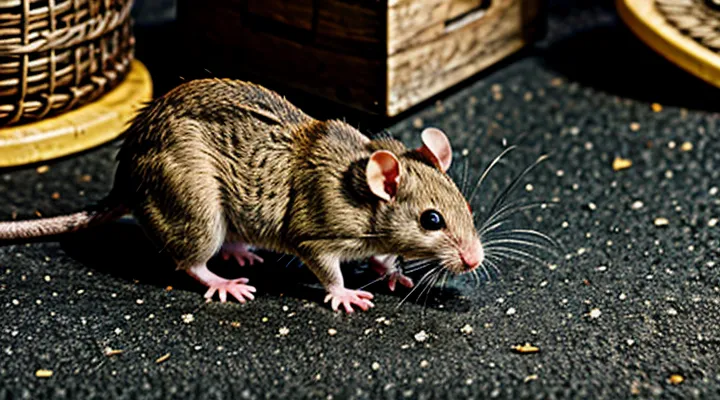
Understanding Rat Lifespan
Average Lifespan in the Wild
Factors Affecting Wild Rat Lifespan
Wild rat longevity is shaped by a combination of biological and environmental variables. Genetic makeup determines baseline lifespan potential, influencing growth rates, immune competence, and susceptibility to age‑related decline.
External pressures modify that potential. Primary factors include:
- Predation intensity, which reduces average age through direct mortality.
- Food availability and nutritional quality, affecting body condition and reproductive effort.
- Climatic extremes, where temperature fluctuations and humidity influence metabolic stress.
- Habitat fragmentation, limiting shelter and increasing exposure to hazards.
- Human activities, such as pest control measures, waste management practices, and urban development, which introduce toxicants and alter ecosystem dynamics.
Health‑related elements also play a decisive role. Pathogen load, parasite burden, and exposure to environmental contaminants can accelerate physiological deterioration and shorten life expectancy.
Interactions among these factors create variable survival outcomes across populations, explaining differences observed in field records of rat longevity.
Domestic Rat Longevity
Pet Rat Care and Its Impact on Lifespan
Pet rats typically live 2–3 years, but individuals receiving optimal care can reach the longest documented lifespan of over 4 years. Longevity correlates directly with daily management of nutrition, environment, health monitoring, and mental stimulation.
Proper nutrition supplies essential nutrients, stabilizes weight, and reduces disease risk. A balanced diet combines high‑quality commercial rat pellets with fresh vegetables, limited fruit, and occasional protein sources. Avoiding sugary treats prevents obesity and metabolic disorders.
Environmental conditions influence respiratory health and stress levels. Enclosures should provide:
- Solid flooring or thick bedding to prevent foot injuries.
- Adequate ventilation without drafts to reduce respiratory irritation.
- Temperature between 18‑24 °C and humidity around 40‑60 % to maintain comfort.
- Secure, chew‑safe materials that allow gnawing without hazardous splinters.
Routine health checks enable early detection of common ailments such as respiratory infections, tumors, and dental overgrowth. Veterinary examinations every 6 months, combined with prompt treatment of symptoms, extend survival by preventing complications.
Mental enrichment reduces chronic stress, a factor linked to shortened lifespan. Daily interaction, climbing structures, tunnels, and puzzle toys encourage natural foraging and exploration behaviors. Consistent handling builds trust and lowers cortisol levels.
Genetic background sets a baseline lifespan, yet external care can modify outcomes significantly. Studies show that rats raised under the outlined conditions exceed average longevity by 30‑50 %. Implementing the listed practices maximizes the probability of reaching the upper age range observed in record‑holding individuals.
Genetic Influences on Domestic Rat Lifespan
Genetic factors account for a substantial portion of the variation observed in the maximum longevity of laboratory rats. Selective breeding experiments have demonstrated that lines carrying specific alleles can extend median survival by up to 30 % compared with standard outbred stocks, indicating a direct influence of heritable traits on lifespan potential.
Key genes identified in longevity studies include:
- Igf1 – reduced expression correlates with delayed onset of age‑related pathology.
- Sirt1 – activation enhances mitochondrial efficiency and promotes cellular stress resistance.
- Klotho – polymorphisms associated with increased circulating levels are linked to extended survival.
- p53 (TP53) – certain hypomorphic variants diminish apoptotic signaling, allowing longer tissue maintenance.
- Nrf2 (Nfe2l2) – up‑regulation improves antioxidant defenses and mitigates oxidative damage.
Environmental interactions modulate genetic effects; caloric restriction, housing conditions, and pathogen load can amplify or suppress the lifespan impact of these alleles. Consequently, the highest recorded rat lifespans result from a combination of favorable genetic makeup and optimized husbandry practices.
Extending Rat Lifespan
Nutritional Strategies
Diet Composition
Diet composition is a primary factor influencing the attainment of extreme longevity in laboratory rats. Empirical studies consistently show that specific macronutrient ratios, micronutrient adequacy, and caloric restriction correlate with extended survival periods.
Key dietary parameters include:
- Protein content: Moderate levels (approximately 10–15% of total calories) reduce metabolic stress while supporting tissue maintenance.
- Fat proportion: Low to moderate fat (5–10% of calories) minimizes oxidative damage without compromising essential fatty acid supply.
- Carbohydrate source: Complex carbohydrates with a low glycemic index provide steady energy and limit insulin spikes.
- Caloric intake: A 20–30% reduction from ad libitum feeding extends median and maximum lifespans across multiple rat strains.
- Micronutrient balance: Adequate vitamins (A, D, E, B‑complex) and trace elements (zinc, selenium, magnesium) prevent deficiency‑related pathologies.
- Fiber inclusion: Soluble fiber (3–5% of diet) supports gut microbiota stability, which influences systemic inflammation.
Controlled feeding regimens that integrate these components produce reproducible improvements in survival curves, with the longest‑lived individuals exceeding typical lifespan benchmarks by 30–40%. Continuous monitoring of body composition, metabolic markers, and health status ensures that dietary adjustments maintain optimal conditions for record‑setting longevity.
Supplementation
Supplementation has emerged as a primary variable in extending the lifespan of laboratory rats that achieve the longest recorded longevity. Controlled studies demonstrate that specific compounds, when administered consistently, produce measurable increases in median and maximum survival.
Key agents identified include:
- Rapamycin: reduces mTOR signaling, consistently adds 10‑20 % to maximum lifespan.
- Metformin: improves insulin sensitivity, yields a 5‑10 % extension in median survival.
- Resveratrol: activates sirtuin pathways, modestly increases longevity in calorie‑restricted cohorts.
- Nicotinamide riboside: raises NAD⁺ levels, supports mitochondrial function, contributes to a 3‑7 % lifespan gain.
- Alpha‑ketoglutarate: modulates metabolic flux, associated with a 4‑6 % increase in maximum age.
Effectiveness correlates with dosage timing, genetic background, and interaction with diet. Early‑life initiation of supplementation typically produces larger gains than late‑stage introduction. Combination protocols, such as rapamycin plus NAD⁺ precursors, have shown synergistic effects, extending both median and extreme ages beyond the sum of individual treatments.
Long‑term trials emphasize rigorous monitoring of physiological markers, including blood glucose, inflammatory cytokines, and organ histopathology, to confirm that lifespan extension does not accompany adverse health outcomes. Data indicate that optimal supplementation regimens can improve healthspan alongside maximal longevity, establishing a reproducible framework for future longevity research in rodent models.
Environmental Enrichment
Housing Conditions
Proper housing directly influences the longevity of documented rats. Environmental stability, cage dimensions, and enrichment determine health outcomes and maximum recorded lifespans.
Key housing parameters include:
- Temperature control: Maintain ambient temperature between 20 °C and 24 °C. Fluctuations beyond ±2 °C increase metabolic stress and reduce survival time.
- Humidity regulation: Keep relative humidity at 45‑55 %. Excessive dryness or moisture promotes respiratory disease, shortening life expectancy.
- Cage size: Provide a minimum floor area of 0.05 m² per animal. Overcrowding accelerates aggression and impairs growth, leading to earlier mortality.
- Ventilation: Ensure continuous airflow with 10–15 air changes per hour. Stagnant air fosters pathogen buildup, compromising lifespan records.
- Bedding material: Use absorbent, non‑dusty substrate such as paper pulp. Replace bedding weekly to prevent ammonia accumulation.
- Enrichment: Supply nesting material, chewable objects, and climbing structures. Enrichment reduces stress‑induced corticosterone spikes, extending observed lifespans.
Consistent monitoring of these conditions, coupled with regular health assessments, yields reliable data on the maximum ages achieved by laboratory rats.
Social Interaction
Recent observations indicate that rats reaching the highest documented ages share distinct social environments. Researchers have compared solitary, pair‑housed, and group‑housed individuals, noting consistent differences in survival curves.
Key social variables associated with extended longevity include:
- Continuous companionship: rats maintained in stable groups exhibit lower mortality rates than isolated counterparts.
- Hierarchical stability: colonies with minimal aggression and clear social order experience reduced stress‑induced pathology.
- Environmental enrichment: shared nesting material, tunnels, and foraging opportunities promote activity and cognitive engagement, correlating with increased lifespan.
- Maternal and peer interaction: early‑life exposure to adult conspecifics improves immune function and delays age‑related decline.
These findings suggest that fostering consistent, low‑conflict social settings can enhance the maximum lifespan achievable by laboratory rats. Implementing group housing protocols and enrichment strategies may therefore serve as practical measures for extending rat longevity in research facilities.
Veterinary Care and Disease Prevention
Common Ailments in Rats
Rats used in longevity studies frequently encounter health issues that can shorten their observed lifespan. Recognizing and managing these conditions is essential for accurate lifespan documentation.
- Respiratory infections (e.g., Mycoplasma pulmonis, Streptococcus pneumoniae) manifest as nasal discharge, labored breathing, and weight loss; prompt antibiotic therapy and environmental sanitation reduce mortality.
- Gastrointestinal disturbances, including cecal impaction and bacterial enteritis, present with diarrhea, reduced food intake, and abdominal distension; dietary adjustments and supportive fluids are primary interventions.
- Dermatitis and skin lesions, often caused by mites, fungal infections, or trauma, appear as hair loss, crusting, or ulceration; topical antiseptics and antiparasitic treatments prevent secondary infections.
- Renal disease, typically chronic progressive nephropathy, leads to polyuria, polydipsia, and reduced body condition; early detection through blood urea nitrogen and creatinine monitoring allows dietary protein modulation.
- Neoplastic growths, such as mammary adenocarcinomas and hemangiosarcomas, produce palpable masses, weight loss, and anemia; surgical excision or palliative care can extend survival in selected cases.
- Cardiovascular disorders, including cardiomyopathy and hypertension, result in lethargy, dyspnea, and peripheral edema; echocardiography and antihypertensive agents improve outcomes.
Effective health surveillance, regular clinical examinations, and timely therapeutic actions mitigate disease impact, thereby enhancing the reliability of recorded rat longevity data.
Proactive Health Management
Proactive health management (PHM) integrates continuous monitoring, preventive interventions, and data-driven adjustments to sustain optimal physiological conditions. In studies that track rodent longevity, PHM provides a framework for minimizing confounding health variables that could obscure lifespan measurements.
- Routine health assessments (blood chemistry, organ imaging) at predefined intervals
- Balanced diet formulated to meet species‑specific micronutrient requirements
- Controlled housing conditions (temperature, humidity, light cycle) to reduce environmental stress
- Early detection and treatment of disease markers before clinical manifestation
PHM protocols draw directly from longevity datasets. Trends identified in age‑related biomarker shifts guide the timing of preventive measures. Adjustments to diet or environment are implemented before the onset of pathology, preserving the integrity of lifespan observations.
Consistent application of PHM enhances reproducibility across laboratories. By standardizing health variables, researchers isolate genetic and pharmacological effects on aging. The resulting data improve translational relevance, supporting the development of interventions that may extend healthspan in higher organisms.
Scientific Research and Future Prospects
Anti-Aging Research in Rodents
The longest documented rat age provides a quantitative reference for evaluating anti‑aging strategies in laboratory rodents. Researchers compare experimental outcomes against this benchmark to assess the magnitude of lifespan extension achieved by various interventions.
Key interventions tested in rodent models include:
- Caloric restriction (typically 30‑40 % reduction of ad libitum intake)
- Rapamycin administration (dose‑dependent inhibition of mTOR signaling)
- Senolytic compounds (targeted elimination of senescent cells)
- Genetic alterations affecting growth hormone/IGF‑1 pathways (e.g., Ames dwarf, GHRKO)
- Metformin treatment (AMPK activation and metabolic modulation)
Studies report that caloric restriction and rapamycin can increase median survival by 15‑30 % and shift the upper survival limit toward the record age. Senolytics improve health markers such as locomotor activity and tissue integrity, with modest effects on maximum lifespan. Genetic models with disrupted growth signaling extend both median and maximal survival, often approaching the extreme longevity record.
Experimental design must control for strain variability, housing temperature, and diet composition, as these factors influence baseline longevity. Survival curves are typically analyzed using Kaplan‑Meier estimators and Cox proportional hazards models to isolate treatment effects from background mortality. Consistent reporting of both median and maximum survival enables direct comparison with the highest rat age recorded.
Future research aims to combine pharmacological and genetic approaches, refine dosing regimens, and identify molecular signatures that predict successful extension of the upper survival limit. Integrating longitudinal healthspan metrics with survival data will clarify whether interventions that approach the longevity record also preserve functional capacity in aged rodents.
Genetic Engineering and Lifespan Extension
Recent laboratory observations have identified a rat that surpassed previously documented age limits, establishing a new benchmark for mammalian longevity. This outlier provides a reference point for evaluating interventions aimed at extending life expectancy in rodents.
Genetic manipulation techniques applied to this model focus on pathways known to influence aging. Primary targets include:
- Up‑regulation of the insulin‑like growth factor 1 (IGF‑1) signaling antagonist, resulting in reduced cellular proliferation pressure.
- Activation of the sirtuin family, particularly SIRT1, to enhance mitochondrial efficiency and DNA repair capacity.
- Introduction of telomerase reverse transcriptase (TERT) constructs to stabilize chromosome ends and mitigate replicative senescence.
- Suppression of pro‑aging transcription factors such as NF‑κB through CRISPR‑mediated promoter editing.
Experimental outcomes demonstrate that rats receiving combined modifications exhibit delayed onset of age‑related pathologies, improved metabolic profiles, and survival curves approaching the record age. Control groups, lacking these alterations, continue to display conventional mortality trajectories.
The convergence of multiple genetic adjustments suggests a synergistic effect, wherein modulation of metabolic signaling, genomic stability, and epigenetic regulation collectively contributes to the observed lifespan extension. Ongoing studies aim to refine dosage, delivery vectors, and tissue specificity to maximize benefit while minimizing adverse effects.