
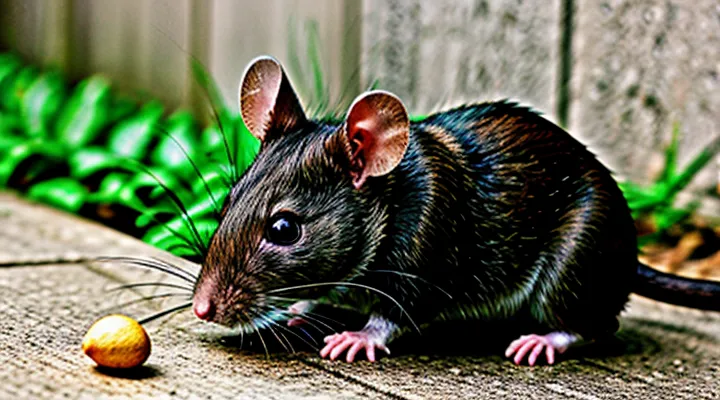
«The Importance of Early Detection»
«Why Timely Recognition Matters»
Early identification of disease in laboratory rats prevents unnecessary suffering and safeguards experimental outcomes. When health changes are noted promptly, interventions can be applied before conditions worsen, preserving the physiological baseline required for reliable data.
Delayed detection often results in elevated morbidity, increased mortality, and compromised study integrity. Illness progression can alter metabolic pathways, immune responses, and behavior, leading to variable results that obscure true experimental effects.
Timely recognition delivers multiple advantages:
- Reduces the need for extensive veterinary treatment, lowering operational costs.
- Maintains compliance with ethical standards governing animal use.
- Preserves the validity of longitudinal studies by minimizing confounding variables.
- Limits the spread of contagious agents within a colony, protecting uninfected subjects.
Implementing systematic observation protocols and rapid response procedures ensures that health alerts are acted upon without hesitation, reinforcing both animal welfare and scientific rigor.
«The Rat's Natural Instinct to Hide Illness»
Rats have evolved a strong tendency to mask physiological problems, a behavior that complicates early detection. Their survival strategy includes suppressing visible symptoms, maintaining normal activity levels, and avoiding social signals that could attract predators or competition. This instinctive concealment reduces the likelihood that caretakers will notice subtle health changes.
Despite the concealment, several objective indicators reveal underlying illness:
- Reduced food or water intake – measurable decline in consumption over 24 hours.
- Altered grooming behavior – excessive self‑grooming or sudden neglect of coat maintenance.
- Changes in locomotion – slower movement, hesitancy to explore, or abnormal gait.
- Abnormal stool or urine – presence of blood, mucus, or a marked shift in frequency.
- Weight loss – documented decrease of more than 5 % of body mass within a week.
- Respiratory irregularities – audible wheezing, rapid breathing, or labored exhalation.
Understanding the rat’s propensity to hide disease enables more precise monitoring. Regular recording of intake, weight, and behavior, combined with routine veterinary examinations, counters the natural concealment and facilitates timely intervention.
«General Indicators of Illness»
«Changes in Behavior»
«Lethargy and Reduced Activity»
Lethargy and reduced activity are early indicators that a rat may be experiencing health problems. A rat that normally explores its cage, climbs, and engages with enrichment objects but suddenly spends most of the day motionless warrants close observation.
Typical manifestations include:
- Persistent lying down in a corner or nest with minimal movement.
- Decreased response to tactile or auditory stimuli.
- Reluctance to eat or drink, accompanied by slower grooming.
- Lowered body temperature, detectable by cooler fur to the touch.
- Diminished interaction with cage mates, often isolating itself.
These behaviors often precede more severe conditions such as respiratory infections, gastrointestinal distress, or metabolic disorders. Prompt veterinary assessment is recommended when lethargy persists for more than 12‑24 hours, especially if accompanied by weight loss or abnormal excretions. Immediate supportive care—providing easy access to fresh water, soft food, and a warm, quiet environment—can improve outcomes while awaiting professional evaluation.
«Aggression or Unusual Timidity»
Aggressive behavior or marked timidity often signals underlying disease in laboratory or pet rats. Sudden attacks on cage mates, biting, or heightened territoriality may reflect pain, neurological disruption, or systemic infection. Conversely, a normally active rat that becomes withdrawn, hides, or avoids interaction can be experiencing discomfort, fever, or metabolic imbalance.
Key observations include:
- Uncharacteristic aggression toward familiar humans or conspecifics.
- Increased vocalizations, chattering, or frantic movements during handling.
- Sudden avoidance of food, water, or nesting material.
- Persistent hiding, reduced exploration, or refusal to leave the shelter area.
- Changes in grooming patterns, such as neglect of fur or excessive self‑scratching.
When either extreme emerges, immediate veterinary assessment is warranted. Diagnostic steps typically involve physical examination, temperature measurement, and targeted laboratory tests (e.g., blood panels, culture swabs, imaging) to identify infections, inflammatory conditions, or organ dysfunction. Prompt intervention reduces morbidity and supports recovery.
«Lack of Interest in Food or Play»
A sudden decline in food consumption or play activity frequently signals underlying health issues in rats. Observers should note any deviation from normal feeding patterns and social behavior.
Typical manifestations include:
- Reduced quantity of chow taken during scheduled meals.
- Skipping entire feeding sessions for several hours.
- Abandoning familiar toys or nesting material.
- Decreased interaction with cage mates or handlers.
- Prolonged periods of inactivity in the corner of the cage.
Possible causes range from gastrointestinal disturbances and dental problems to respiratory infections and metabolic disorders. Pain, nausea, or fever often suppress appetite, while lethargy and discomfort diminish the drive to explore or engage in play.
When these signs appear, immediate steps are advisable:
- Verify food freshness and availability; replace stale or contaminated chow.
- Offer a variety of palatable items, such as fresh vegetables or soft treats, to assess willingness to eat.
- Monitor weight daily; a loss of more than 5 % within a week warrants veterinary consultation.
- Examine the oral cavity for overgrown incisors or lesions.
- Contact a veterinarian promptly if appetite does not improve within 24–48 hours or if lethargy persists.
«Changes in Appearance»
«Ruffled or Dull Coat»
A rat’s coat should appear sleek, glossy, and lie close to the body. When the fur becomes ruffled, flattened, or loses its shine, the change often signals underlying health problems. Common causes include skin parasites, nutritional deficiencies, dehydration, stress, and systemic infections. The condition may also appear after grooming difficulties caused by dental pain or musculoskeletal issues that limit the animal’s ability to reach certain areas.
Observation of coat quality provides an early warning sign. When a rat exhibits any of the following, immediate veterinary assessment is recommended:
- Fur that sticks up, appears uneven, or feels rough to the touch.
- Noticeable loss of luster, with a matte or dull appearance.
- Presence of hair loss, scabs, or visible parasites.
- Reduced grooming behavior, such as lingering patches of unclean fur.
- Accompanying signs like weight loss, lethargy, or changes in appetite.
Prompt identification of coat abnormalities allows for timely intervention, preventing progression of disease and supporting recovery.
«Weight Loss or Gain»
Weight fluctuations serve as a primary indicator of health status in laboratory rats. A consistent decrease of 10 % or more of body mass within a week often precedes clinical deterioration, whereas an abrupt increase may signal fluid retention, metabolic imbalance, or tumor growth.
Typical patterns and associated conditions include:
- Gradual loss (5–15 % over several days) → gastrointestinal infection, parasitism, or chronic stress.
- Rapid loss (≥15 % in 24–48 hours) → severe sepsis, toxin exposure, or acute organ failure.
- Progressive gain (≥5 % over a few days) → ascites, edema, or neoplastic enlargement.
- Sudden gain (≥10 % within 24 hours) → hemorrhage, severe inflammation, or renal insufficiency.
Regular weighing, performed at the same time each day with calibrated scales, enables early detection. Record values, calculate percent change, and compare against baseline norms for the specific strain and age. Immediate veterinary assessment is warranted when weight change exceeds the thresholds above, regardless of other observable symptoms.
«Discharge from Eyes or Nose»
Discharge from the eyes or nose provides a direct clue that a rat’s health may be compromised. Clear, watery fluid often indicates a mild irritation or allergic response, while thick, yellow‑to‑green or blood‑tinged material suggests infection, trauma, or systemic disease. Observe the consistency, color, and volume; note any accompanying sneezing, scratching, or changes in behavior.
Typical causes of ocular or nasal secretions include:
- Upper respiratory infections (viral, bacterial, or Mycoplasma spp.) – often produce purulent nasal flow and conjunctival exudate.
- Dental malocclusion – overgrown incisors can press against the nasal passages, generating serous discharge.
- Allergic reactions – exposure to dust, bedding, or new feed may trigger watery, clear secretions.
- Trauma or foreign bodies – scratches or embedded particles cause localized inflammation and discharge.
- Systemic illnesses such as renal failure – may lead to abnormal secretions with a translucent or frothy appearance.
When discharge is detected, follow these steps:
- Record the onset, appearance, and any related symptoms.
- Isolate the affected rat to prevent spread of infectious agents.
- Inspect the nasal passages and eyes for swelling, crusting, or foreign material; gently clean with sterile saline if needed.
- Consult a veterinarian promptly if the discharge is thick, colored, or accompanied by lethargy, loss of appetite, or respiratory distress.
- Implement environmental controls: maintain low humidity, provide clean bedding, and reduce dust to minimize irritants.
Timely identification of abnormal eye or nose secretions enables rapid intervention, reducing the risk of complications and supporting overall colony health.
«Lumps or Swellings»
Lumps or swellings on a rat’s body often indicate underlying pathology. They may appear as firm, soft, or fluid‑filled masses and can develop rapidly or over several days. Common causes include abscesses, tumors (benign or malignant), cysts, and localized infections.
When examining a rat, observe the following characteristics:
- Size: measurable increase beyond the normal contour of the skin.
- Consistency: hard, rubbery, or fluctuant to touch.
- Mobility: fixed to underlying tissue or freely movable.
- Color: redness, ulceration, or discoloration of overlying skin.
- Pain response: flinching, vocalization, or avoidance when the area is palpated.
- Associated signs: loss of appetite, weight loss, lethargy, or discharge.
Diagnostic steps should include:
- Physical examination by a qualified veterinarian.
- Fine‑needle aspiration or biopsy to obtain cellular material.
- Imaging studies such as radiography or ultrasound for internal assessment.
- Laboratory analysis of blood work to detect systemic infection or inflammation.
Treatment depends on the diagnosis. Abscesses generally require drainage and antibiotics; cysts may be surgically removed; neoplastic growths often need excision, chemotherapy, or palliative care. Early detection and prompt veterinary intervention improve prognosis and reduce the risk of complications.
«Specific Symptom Categories»
«Respiratory Issues»
«Sneezing and Sniffling»
Sneezing and sniffling are frequent indicators of respiratory disturbance in laboratory and pet rats. Acute episodes often signal upper‑airway irritation caused by dust, strong odors, or abrupt temperature changes. Persistent or repetitive sneezing, accompanied by nasal discharge, suggests infectious agents such as Mycoplasma pulmonis, Sendai virus, or Streptococcus spp. The nasal discharge may be serous, mucoid, or purulent; its consistency helps narrow the likely pathogen.
When evaluating a rat, observe the following parameters:
- Frequency of sneezes per minute; a rate above five indicates heightened irritation.
- Presence of audible nasal sounds; continuous sniffling reflects obstruction or inflammation.
- Color and texture of discharge; clear fluid points to allergic or irritant causes, whereas yellow or green material suggests bacterial infection.
- Accompanying signs: ocular discharge, lethargy, reduced food intake, or weight loss strengthen the suspicion of systemic illness.
Interpretation of these signs requires differentiation from normal grooming behavior. Healthy rats may produce occasional soft sniffs while exploring, but they do not exhibit sustained sneezing bursts. Chronic sneezing combined with reduced activity warrants veterinary assessment. Diagnostic steps include:
- Physical examination of the nasal passages and thorax.
- Radiographic imaging to detect sinusitis or pulmonary infiltrates.
- Laboratory testing of nasal swabs for bacterial culture or PCR detection of viral genomes.
Management strategies depend on the underlying cause. Environmental remediation—removing dust, improving ventilation, and stabilizing ambient temperature—addresses irritant‑induced episodes. Antimicrobial therapy, guided by culture results, targets bacterial infections. Supportive care, such as humidified chambers and nutritional supplementation, improves recovery prospects. Continuous monitoring of sneezing frequency and discharge characteristics provides early feedback on treatment efficacy.
«Porphyrin Staining Around Eyes and Nose»
Porphyrin staining appears as a reddish‑brown or rust‑colored secretion around the eyes and nose of laboratory or pet rats. The pigment is produced by the Harderian gland and is normally secreted in minute amounts, but excessive accumulation indicates physiological stress or pathology.
Key characteristics of the secretion:
- Dark, rust‑colored fluid that may dry into crusty patches.
- Concentration around the peri‑orbital region and nasal bridge.
- Increased volume during periods of illness, injury, or environmental stress.
Common triggers for heightened porphyrin output include:
- Respiratory infections such as Mycoplasma pulmonis.
- Upper‑airway irritation from poor ventilation or dust.
- Systemic disease states, for example, renal failure or hormonal imbalances.
- Acute stressors like handling, overcrowding, or abrupt temperature changes.
When porphyrin staining is observed, the following actions are recommended:
- Record the onset, extent, and any accompanying clinical signs (e.g., sneezing, lethargy, weight loss).
- Evaluate housing conditions: ensure adequate ventilation, humidity control, and minimal noise.
- Conduct a veterinary examination to rule out infectious agents or organ dysfunction.
- Implement supportive care—hydration, nutrition, and stress reduction—while monitoring the animal’s response.
Persistent or worsening staining without an apparent environmental cause warrants immediate diagnostic testing, as it often precedes more severe health deterioration.
«Labored Breathing or Wheezing»
Labored breathing and wheezing represent immediate evidence of respiratory compromise in laboratory or pet rats. The respiratory cycle becomes visibly strained; the animal may exhibit prolonged inspiratory or expiratory phases, audible high‑pitched sounds, or rapid, shallow breaths. Observation of these patterns provides the first clue that the respiratory system is failing to meet metabolic demands.
- Irregular, prolonged inspiratory effort
- Audible wheeze or crackle during exhalation
- Increased respiratory rate exceeding normal 80–150 breaths per minute
- Flared nostrils or visible effort of the thoracic muscles
- Diminished activity, hunched posture, or reluctance to move
These manifestations often accompany infectious agents such as Mycoplasma pulmonis, viral pneumonias, or bacterial bronchopneumonia. Non‑infectious contributors include allergic reactions, exposure to irritant fumes, overcrowding, high humidity, or underlying cardiac disease that impedes pulmonary circulation. Chronic conditions like nasal tumors or congenital malformations can also produce persistent wheezing.
Immediate actions include isolating the affected rat, providing a calm environment with optimal temperature (20–22 °C) and humidity (40–60 %). Supplemental oxygen delivered via a small chamber can alleviate hypoxia while awaiting veterinary assessment. Diagnostic steps typically involve thoracic radiography, nasal swabs for microbial culture, and complete blood count to identify inflammatory markers. Treatment protocols may combine antimicrobial agents, bronchodilators, and anti‑inflammatory medication, adjusted according to the identified cause.
Continuous monitoring of respiratory rate, effort, and sound quality is essential throughout recovery. Any deterioration, such as sudden acceleration of breathing or loss of consciousness, warrants emergency veterinary intervention. Prompt recognition and targeted management of labored breathing or wheezing significantly improve prognosis for affected rats.
«Head Tilting»
Head tilting in rats is a deviation of the skull axis that persists while the animal is stationary or moving. The posture may be subtle, with the head angled a few degrees, or pronounced, causing the rat to lean continuously toward one side.
Typical underlying conditions include:
- Inner‑ear infections or otitis media that disrupt the vestibular apparatus.
- Damage to the vestibular nerve or brainstem, often resulting from trauma or surgical complications.
- Central nervous system neoplasms such as meningioma or glioma that impair balance centers.
- Toxic exposure to heavy metals, rodenticides, or certain pharmaceuticals that affect neural pathways.
- Congenital malformations of the semicircular canals.
Accompanying clinical signs frequently observed alongside head tilt are:
- Ataxia or unsteady gait.
- Nystagmus—rapid involuntary eye movements.
- Circling or preference for one direction of movement.
- Reduced appetite and weight loss due to difficulty navigating food sources.
- Abnormal posture, such as a lowered or raised forelimb on the affected side.
Diagnostic approach should begin with a thorough physical examination, followed by otoscopic inspection to identify ear canal inflammation or debris. Neurological assessment, including reflex testing, helps localize the lesion. Imaging modalities—preferably high‑resolution computed tomography or magnetic resonance imaging—provide detailed visualization of bony and soft‑tissue structures. Laboratory analysis of blood and cerebrospinal fluid may reveal infectious agents or systemic toxins.
Therapeutic measures depend on the identified cause. Antibiotic regimens target bacterial otitis, while antifungal agents address fungal infections. Surgical intervention is indicated for neoplastic masses or severe ear canal obstruction. Supportive care, including fluid therapy, analgesics, and environmental modifications (elevated feeding stations, soft bedding), enhances recovery and reduces stress.
Early recognition of head tilting and its associated symptoms enables prompt intervention, limiting progression to irreversible neurological damage and improving the prognosis for affected rats.
«Gastrointestinal Problems»
«Diarrhea or Constipation»
Diarrhea and constipation are primary gastrointestinal signs that often precede more serious conditions in laboratory or pet rats. Rapid changes in stool consistency reflect disturbances in intestinal motility, hydration balance, or microbial flora, making them reliable early indicators of disease.
Diarrhea presents as soft, watery, or unformed feces that may be accompanied by a strong odor, increased frequency, and occasional staining of the cage floor. Common triggers include bacterial or viral infections, dietary intolerance, sudden changes in feed composition, and stress‑related dysbiosis. Observation should focus on stool volume, color, and the presence of mucus or blood, which suggest inflammatory or infectious processes.
Constipation appears as hard, dry pellets that are difficult to pass, reduced defecation frequency, and occasional straining. Underlying factors encompass dehydration, low‑fiber diets, inadequate exercise, and obstruction due to foreign material or tumor growth. Notable signs include a swollen abdomen, reduced appetite, and lethargy.
Practical measures for caretakers:
- Record stool characteristics daily, noting consistency, color, and frequency.
- Ensure constant access to fresh water; consider electrolyte solutions for persistent diarrhea.
- Provide a diet rich in fiber (e.g., timothy hay, bran) to promote regular bowel movements.
- Maintain a clean, low‑stress environment; avoid abrupt dietary changes.
- Seek veterinary evaluation if diarrhea persists longer than 24 hours, contains blood, or if constipation lasts more than 48 hours despite supportive care.
Timely recognition of these gastrointestinal alterations enables prompt intervention, reducing the risk of complications and supporting overall rat health.
«Loss of Appetite and Dehydration»
Loss of appetite in rats often precedes more serious health problems. A noticeable decrease in food consumption, lingering around the feeder, or complete refusal to eat signals a disruption in normal metabolic function. When appetite declines, the animal’s energy reserves diminish rapidly, increasing susceptibility to infection and organ dysfunction.
Dehydration commonly accompanies reduced feeding. Indicators include dry mouth, tacky skin around the snout, sunken eyes, and reduced urine output. The skin may lose elasticity; a gentle pinch of the abdominal wall should return to its original position within a few seconds in a well‑hydrated rat, while delayed recoil suggests fluid loss.
Key observations for early detection:
- Food disappearance less than 50 % of expected daily intake for two consecutive days.
- Presence of uneaten pellets after the active feeding period.
- Dry or sticky fur around the face and whisker pads.
- Skin tenting lasting longer than two seconds after gentle pinching.
- Decreased urine volume, often visible as fewer or smaller droplets in the bedding.
Prompt intervention, such as offering moist foods, electrolyte solutions, or subcutaneous fluids, can prevent progression to severe systemic illness. Continuous monitoring of intake and hydration status remains essential for maintaining rat health.
«Bloating»
Bloating in rats signals gastrointestinal disturbance, fluid accumulation, or severe infection. The abdomen expands visibly, often becoming tense and firm to the touch. Rats may display reduced activity, loss of appetite, and rapid breathing as the condition progresses.
Key indicators:
- Distended abdomen that enlarges within hours
- Palpable tension or hardness of the abdominal wall
- Decreased food and water intake
- Lethargy or reluctance to move
- Increased respiratory rate or audible wheezing
Common causes include:
- Gas buildup from bacterial overgrowth
- Obstruction of the intestines by foreign material or tumor
- Peritonitis resulting from bacterial invasion
- Fluid shifts associated with liver or heart failure
Diagnostic approach:
- Conduct a thorough physical examination focusing on abdominal size and texture.
- Perform radiography or ultrasound to identify gas patterns, masses, or fluid pockets.
- Collect blood samples for complete blood count and biochemical panels to assess infection, organ function, and electrolyte balance.
- Consider fecal analysis to detect pathogenic bacteria or parasites.
Management steps:
- Initiate supportive care with warm, sterile fluids administered subcutaneously or intravenously to correct dehydration.
- Apply analgesics and anti-inflammatory agents to reduce discomfort and abdominal tension.
- Treat underlying infection with appropriate antibiotics based on culture results.
- If obstruction is suspected, surgical consultation may be required to relieve blockage.
Prompt recognition of abdominal swelling and associated signs improves prognosis and reduces mortality risk in affected rats.
«Skin and Coat Problems»
«Scratching and Hair Loss»
Scratching and hair loss in laboratory or pet rats frequently signal underlying pathology. Excessive grooming, visible lesions, and alopecia often accompany dermatological disorders, ectoparasite infestations, or systemic disease. Observation of the pattern—localized patches versus diffuse loss—helps narrow the differential diagnosis.
Common etiologies include:
- Ectoparasites: mites (e.g., Myobia musculina), lice, and fleas cause pruritus and focal hair loss.
- Dermatitis: allergic reactions to bedding, food, or environmental chemicals produce erythema, scaling, and secondary self‑trauma.
- Fungal infections: dermatophytes generate circular alopecic areas with crusted margins.
- Bacterial skin infections: Staphylococcus spp. lead to purulent lesions and rapid hair loss.
- Nutritional deficiencies: inadequate essential fatty acids or vitamin A result in dry skin and coat deterioration.
- Systemic illness: renal failure, endocrine disorders, or neoplasia may manifest as generalized pruritus.
Diagnostic approach:
- Conduct a thorough physical examination, noting lesion distribution, severity, and any accompanying signs such as weight loss or abnormal behavior.
- Collect skin scrapings for microscopic evaluation to detect mites, fungal hyphae, or bacterial colonies.
- Perform a complete blood count and serum chemistry panel to identify systemic abnormalities.
- If ectoparasites are suspected, apply a diagnostic adhesive tape test or use a light microscope to confirm presence.
- Consider a skin biopsy for histopathology when dermatitis or neoplastic processes are plausible.
Management strategies depend on the identified cause. Effective ectoparasite control requires topical or systemic acaricides approved for rodents. Antifungal agents, appropriate antibiotics, or anti‑inflammatory medications address infectious and inflammatory conditions. Nutritional supplementation restores coat quality when deficits are detected. Regular monitoring of grooming behavior and coat condition remains essential for early detection of recurrence.
«Scabs or Sores»
Scabs or sores on a rat’s skin may signal underlying disease, trauma, or infection. Visible lesions often appear on the ventral abdomen, tail, or paws, and can range from dry, crusted patches to moist, ulcerated areas.
Key observations include:
- Size and depth: larger or deeper lesions suggest more severe tissue damage.
- Color and texture: reddened, swollen margins indicate inflammation; a yellowish or pus‑filled surface points to bacterial infection.
- Location: sores near the tail base frequently accompany bite wounds or self‑injury, while abdominal scabs may result from grooming excesses or parasitic infestations.
- Progression: rapid enlargement or the emergence of new lesions warrants immediate veterinary assessment.
Potential causes:
- Aggressive grooming or barbering driven by stress, parasites, or dermatological disorders.
- Bite wounds from cage mates, often accompanied by puncture marks.
- Bacterial or fungal infections, commonly involving Staphylococcus spp. or dermatophytes.
- Nutritional deficiencies, particularly low vitamin C or essential fatty acids, which impair skin integrity.
Recommended actions:
- Isolate the affected rat to prevent spread of contagious agents.
- Clean the area with sterile saline; avoid harsh antiseptics that may damage tissue.
- Apply a topical antimicrobial ointment approved for rodents, following dosage guidelines.
- Monitor temperature, appetite, and behavior for additional signs of systemic illness.
- Arrange veterinary evaluation if lesions fail to improve within 48 hours, if necrosis develops, or if the rat exhibits lethargy, weight loss, or respiratory distress.
«Parasite Infestations»
Parasite infestations represent a frequent health threat to both laboratory and pet rats, requiring vigilant observation to maintain colony integrity and animal welfare.
Common parasites include:
- Internal nematodes such as pinworms (Syphacia spp.) and oxyurids.
- Cestodes like Hymenolepis spp.
- External arthropods including fur mites (Myobia spp.), fleas, and lice.
Key clinical indicators of infestation are:
- Visible fur loss or skin lesions, especially around the ears, neck, and tail base.
- Excessive scratching, grooming, or self‑inflicted wounds.
- Diarrhea, soft stools, or presence of blood in feces.
- Weight loss or failure to gain weight despite adequate nutrition.
- Runted or stunted growth in juveniles.
- Anemia signs such as pale mucous membranes or lethargy.
Diagnostic approaches involve:
- Fecal flotation or sedimentation to detect ova or cysts.
- Direct microscopic examination of fresh feces for motile larvae.
- Skin scrapings and adhesive tape tests for mites and lice.
- Visual inspection under magnification for adult ectoparasites.
Effective management combines pharmacologic and environmental measures:
- Administer anthelmintics (e.g., fenbendazole, ivermectin) according to species‑specific dosing schedules.
- Apply topical acaricides or systemic treatments for ectoparasites, ensuring proper coverage of all body regions.
- Isolate affected individuals, treat concurrently, and repeat diagnostics after the therapeutic course.
- Implement rigorous cage cleaning, replace bedding regularly, and sterilize equipment to interrupt transmission cycles.
Prevention relies on routine health monitoring:
- Schedule periodic fecal examinations and skin checks for every rat.
- Maintain low animal density, adequate ventilation, and dry bedding to deter parasite proliferation.
- Quarantine new arrivals for at least two weeks, conducting comprehensive parasitological screening before integration.
Consistent detection and prompt intervention safeguard rat populations from the detrimental effects of parasitic disease.
«Musculoskeletal Issues»
«Limping or Difficulty Moving»
Limping or difficulty moving signals musculoskeletal or neurological problems in laboratory rats. Observe the animal’s gait for asymmetry, favoring of one limb, or reduced stride length. Note any reluctance to climb, jump, or explore the cage, as these behaviors often precede visible joint swelling.
Key indicators include:
- Uneven weight distribution when the rat stands or walks
- Persistent favoring of a forelimb or hindlimb
- Audible clicking or grinding sounds during movement
- Visible swelling, redness, or heat around joints
- Reluctance to engage in normal activity for more than a few minutes
When these signs appear, isolate the affected rat, assess the affected area for trauma, infection, or deformity, and record the findings. Prompt veterinary evaluation is essential to determine the underlying cause—such as arthritis, fracture, or nerve impairment—and to initiate appropriate treatment, preventing further deterioration and ensuring the welfare of the colony.
«Paralysis or Weakness»
Paralysis or weakness in laboratory rats often signals neurological impairment, musculoskeletal injury, or systemic disease. Immediate identification allows timely intervention and prevents progression of underlying conditions.
Observable indicators include:
- Inability to maintain normal posture when placed on a flat surface.
- Reduced or absent movement of one or more limbs, especially when the animal is prompted to explore.
- Dragging of paws or dragging the entire body across the cage floor.
- Lack of resistance when the rat is gently lifted by the tail, indicating diminished muscle tone.
- Asymmetrical gait, with one side appearing limp or stiff.
These signs may appear suddenly or develop gradually. Acute onset frequently accompanies traumatic events such as blunt force injury, spinal cord compression, or toxin exposure. Gradual decline often reflects neurodegenerative processes, inflammatory demyelination, or metabolic disorders.
When paralysis or weakness is detected, confirm the observation by gently encouraging the rat to move in a neutral environment. Record the affected limbs, onset timing, and any accompanying symptoms such as tremors, facial drooping, or changes in appetite. Prompt veterinary assessment is required to determine etiology and initiate appropriate treatment.
«Pain on Palpation»
Pain on palpation is a primary indicator that a rat is experiencing discomfort or pathology in the abdomen, limbs, or musculoskeletal structures. When a rat withdraws, vocalizes, or exhibits a rigid posture during gentle pressure, the response typically reflects nociceptive activation. Clinicians should apply consistent, moderate pressure with gloved fingertips, observing for immediate flinching, escape attempts, or prolonged tension.
Key observations during palpation include:
- Immediate retreat or rapid movement away from the examiner’s hand.
- Audible squeaks or vocalizations localized to the area of contact.
- Rigid or tense musculature that persists after pressure is released.
- Guarding behavior, such as favoring a limb or protecting a specific body region.
Interpretation of these signs requires correlation with other clinical findings. Localized pain often accompanies conditions such as abscesses, orthopedic injuries, or gastrointestinal inflammation. Diffuse tenderness may suggest systemic illness, peritonitis, or metabolic disorders. Absence of pain does not exclude disease; some pathologies, like early-stage neoplasia, may be painless until advanced.
Assessment protocol:
- Conduct a systematic palpation sequence, covering the ventral abdomen, dorsal musculature, and all extremities.
- Record the intensity of the response using a simple scale (0 = no reaction, 1 = mild twitch, 2 = withdrawal, 3 = vocalization or severe guarding).
- Compare findings with baseline behavior documented during routine health checks.
- If pain is detected, isolate the affected area, limit handling, and consult a veterinarian for diagnostic imaging or laboratory analysis.
Prompt identification of pain on palpation enables early intervention, reduces animal suffering, and improves the accuracy of health monitoring programs for laboratory and pet rats.
«Urinary and Reproductive Problems»
«Frequent or Strained Urination»
Frequent or strained urination in laboratory rats signals possible urinary tract dysfunction, metabolic imbalance, or stress‑related pathology. The pattern may appear as multiple voids within a short interval, prolonged attempts to empty the bladder, or audible effort during micturition.
- Observe the cage at regular intervals, noting the number of urination events per hour.
- Record the volume and appearance of urine; cloudy, bloody, or reduced output warrants attention.
- Watch for accompanying behaviors such as grooming of the genital area, reduced activity, or abnormal posture.
- Measure body weight and fluid intake to detect dehydration or excess consumption.
Common causes include bladder infection, urethral obstruction, renal disease, hormonal disorders, and exposure to irritants in bedding or water. Chronic strain may lead to bladder wall thickening, renal damage, or secondary infections.
When the symptom emerges, implement the following steps:
- Isolate the affected rat to prevent contamination of the colony.
- Collect a urine sample for microscopic examination and culture.
- Conduct a physical examination, focusing on abdominal palpation and genital inspection.
- Adjust environmental factors: provide clean water, low‑dust bedding, and reduce handling stress.
- Consult a veterinary specialist for diagnostic imaging or laboratory testing if infection or organ dysfunction is suspected.
Prompt recognition and systematic evaluation of altered urination patterns enhance animal welfare and preserve the integrity of experimental data.
«Blood in Urine»
Blood appearing in a rat’s urine is a clear indicator of urinary tract pathology and warrants immediate attention. It may result from trauma, infection, stones, neoplasia, or systemic conditions such as coagulopathies. Observation of pink, red, or brown discoloration in fresh urine, or detection of blood on bedding, should prompt a systematic evaluation.
Common causes of hematuria in rats
- Bladder or kidney stones causing mucosal irritation or obstruction.
- Bacterial urinary tract infection, often accompanied by foul odor and increased frequency.
- Neoplastic growths in the bladder, kidneys, or ureters, presenting with persistent bleeding.
- Physical injury to the lower abdomen or perineal region.
- Blood‑clotting disorders, including vitamin K deficiency or exposure to anticoagulant rodenticides.
Diagnostic approach
- Collect a fresh urine sample for dip‑stick analysis and microscopic examination to confirm the presence of red blood cells and assess for infection.
- Perform a complete blood count and coagulation profile to identify systemic bleeding disorders.
- Conduct radiographic or ultrasound imaging of the urinary tract to locate calculi, masses, or structural abnormalities.
- If infection is suspected, culture the urine and initiate appropriate antimicrobial therapy based on sensitivity results.
Management guidelines
- Treat confirmed infections with targeted antibiotics; adjust dosage for the rat’s weight and renal function.
- Dissolve or surgically remove urinary calculi when indicated; provide a diet low in calcium and oxalates to prevent recurrence.
- For neoplastic lesions, consider surgical excision or palliative care; consult a veterinary oncologist for chemotherapy options.
- Address coagulopathies with vitamin K supplementation or plasma transfusion as required.
- Ensure adequate hydration and a clean environment to reduce irritants and secondary infections.
Prompt detection of blood in urine, combined with a thorough diagnostic work‑up, improves the likelihood of successful intervention and reduces the risk of progression to severe renal damage or systemic illness.
«Swelling of Genitals»
Swelling of the genital area in rats frequently signals underlying pathology and warrants immediate veterinary attention. The condition may appear as unilateral or bilateral enlargement, firmness, discoloration, or the presence of fluid-filled sacs. Rapid identification can prevent progression to severe systemic disease.
Common etiologies include:
- Infectious agents: bacterial prostatitis, urethritis, or perineal abscesses caused by opportunistic microbes.
- Traumatic injury: blunt force or bite wounds leading to edema and hemorrhage.
- Neoplastic growths: adenocarcinoma of the prostate or testicular tumors producing mass effect.
- Hormonal disturbances: endocrine disorders that provoke tissue hypertrophy.
- Foreign body reactions: retained objects or suture material inducing localized inflammation.
Clinical assessment should consist of visual inspection, palpation for consistency and pain response, and measurement of swelling dimensions. Additional observations such as changes in urination, defecation, or sexual behavior help differentiate between urinary obstruction, inflammatory processes, and neoplastic involvement.
Diagnostic procedures:
- Fine‑needle aspiration of the swollen tissue for cytology.
- Ultrasound imaging to evaluate internal structures and fluid accumulation.
- Blood work focusing on complete blood count and inflammatory markers.
- Culture and sensitivity of any exudate to identify bacterial pathogens.
Therapeutic measures depend on the underlying cause. Antibiotic therapy targets confirmed bacterial infections; anti‑inflammatory drugs reduce edema associated with trauma or immune responses. Surgical intervention may be required for abscess drainage, removal of neoplastic masses, or debridement of damaged tissue. Hormonal therapy is reserved for endocrine‑related hypertrophy after definitive diagnosis.
Monitoring includes daily measurement of swelling size, observation of grooming behavior, and recording of appetite and weight. Persistent or worsening enlargement despite treatment indicates the need for reassessment, possible escalation of therapy, or referral to a specialist. Prompt, systematic evaluation of genital swelling enhances overall health outcomes for affected rats.
«When to Seek Veterinary Care»
«Urgent Symptoms Requiring Immediate Attention»
Rats displaying any of the following conditions require immediate veterinary intervention. Delay increases the risk of irreversible damage or death.
- Sudden, profound lethargy or loss of consciousness.
- Labored breathing, audible wheezing, or rapid shallow respiration.
- Uncontrolled hemorrhage from any site, including oral or nasal bleeding.
- Generalized seizures or convulsions lasting more than a few seconds.
- Inability or refusal to eat or drink for several hours, leading to dehydration.
- Marked temperature deviation: body temperature below 35 °C (95 °F) or above 40 °C (104 °F).
- Rapid, unsteady gait progressing to collapse.
- Profuse, bloody diarrhea or vomiting with visible blood.
Each symptom signals a systemic crisis that can rapidly deteriorate. Prompt assessment, supportive care, and diagnostic testing are essential to stabilize the animal and address the underlying cause.
«Preparing for a Vet Visit»
When a rat shows signs of illness, a veterinary appointment becomes essential. Accurate preparation enables the clinician to diagnose quickly and prescribe effective treatment.
Collect observable data before the visit. Note changes in appetite, activity level, grooming, stool consistency, and respiratory sounds. Record the onset date, frequency, and any recent alterations in diet, environment, or handling. If possible, capture short video clips of abnormal behavior for review.
Organize the following items for transport and discussion:
- A clean carrier that allows ventilation but prevents escape.
- The rat’s current diet, including any supplements or treats.
- Recent bedding material to assess potential irritants.
- A list of medications, over‑the‑counter products, or herbal remedies previously administered.
- Samples of urine, feces, or any discharge, sealed in disposable containers.
- A written summary of the observed symptoms and their timeline.
During the appointment, present the compiled information succinctly. Answer the veterinarian’s questions directly, and request clarification on any recommended procedures or follow‑up care. This systematic approach maximizes diagnostic efficiency and supports optimal recovery.