
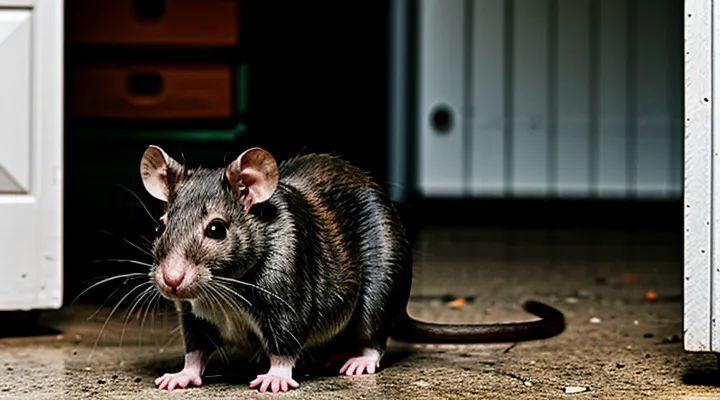
The Allure of Dumps for Rats
Abundant Food Sources
Decomposing Organic Matter
Decomposing organic matter in landfill sites consists of plant residues, animal remains, food waste and other biodegradable materials. Microbial activity breaks down these substances, releasing nutrients, moisture and heat. The resulting substrate becomes soft and easily penetrable.
Rats are drawn to this environment for several reasons:
- Nutrient‑rich material provides a reliable food source.
- Moisture released during decay satisfies the rodents’ water requirements.
- Warm temperatures created by microbial metabolism enhance metabolic efficiency.
- Soft, broken‑down matter offers convenient burrowing sites and shelter from predators.
The decomposition process also generates volatile compounds such as ammonia, sulfur‑containing gases and putrescine. These odors serve as olfactory cues that locate food supplies, while the chemical environment can suppress competing fauna, further favoring rat colonisation.
Effective control measures focus on disrupting the availability of decomposing matter:
- Prompt removal of fresh waste reduces nutrient exposure.
- Use of impermeable covers limits moisture loss and odor emission.
- Regular turning and aeration of waste piles accelerates complete breakdown, decreasing the period of soft substrate presence.
- Implementation of composting protocols that maintain temperatures above rodent tolerance thresholds.
By managing the rate and conditions of organic decay, the attraction of rats to waste disposal areas can be substantially reduced.
Discarded Edibles
Discarded edibles constitute the primary attractant for rodent populations in waste sites. Their high caloric content supplies the energy required for rapid growth and reproduction, while their moisture levels support metabolic processes. The decomposition of organic matter creates a microenvironment conducive to bacterial proliferation, which in turn provides additional nutritional resources for rats.
Key factors that make leftover food a magnet for rodents include:
- Nutrient density – proteins, fats, and carbohydrates are readily assimilated, accelerating weight gain.
- Moisture content – residual liquids prevent dehydration, a critical survival factor.
- Shelter provision – piled waste forms insulated niches that protect against predators and weather extremes.
- Reduced competition – human disposal often removes larger scavengers, leaving an ecological vacuum.
- Predictable availability – regular waste collection schedules create a steady supply, encouraging site fidelity.
The presence of these resources transforms dumps into breeding grounds, elevating population densities and facilitating the spread of disease vectors. Effective management must therefore target the elimination of edible waste, enforce secure containment, and disrupt the conditions that sustain rodent colonies. «Eliminating food remnants removes the cornerstone of rodent attraction, directly limiting their capacity to thrive in refuse sites».
Lack of Proper Waste Management
Improper waste management creates an environment that attracts rats to landfill sites. Uncollected garbage accumulates, providing continuous food sources. Open or damaged containers allow easy access, while irregular collection schedules leave waste exposed for extended periods. Lack of segregation results in mixed organic material that decomposes rapidly, increasing odor and moisture—conditions that support rodent breeding.
Key factors include:
- Inadequate frequency of waste removal
- Absence of sealed storage for refuse
- Failure to separate biodegradable waste from other materials
- Poorly designed landfill layouts that lack barriers or drainage
These deficiencies disrupt natural deterrents and facilitate population growth. Effective control requires systematic collection, secure containment, and proper segregation to remove the primary incentives for rodent infestation.
Shelter and Hiding Spots
Protection from Predators
Rats inhabiting landfill sites encounter numerous predators, including birds of prey, feral cats, and canids. Survival depends on a set of defensive behaviors that reduce detection and increase escape efficiency.
- Nocturnal activity limits exposure to diurnal hunters.
- Excavation of shallow burrows provides immediate shelter within the waste mass.
- Group vigilance enables early warning; individuals emit alarm sounds that prompt collective retreat.
- Dense refuse offers visual concealment, allowing rats to remain motionless until threats pass.
- Rapid reproduction compensates for losses, maintaining population levels despite predation pressure.
- Scent masking through the absorption of strong odors from decomposing material diminishes olfactory cues for predators.
- Aggressive biting and tail whipping deter smaller carnivores during close encounters.
These adaptations elevate the likelihood of rat persistence in dumps, influencing pest management strategies and ecological dynamics within urban waste environments.
Escape from Environmental Extremes
Rats are attracted to waste accumulation sites because these environments provide refuge from climatic extremes that threaten survival in natural habitats. Elevated temperatures, severe cold, and limited shelter in open landscapes compel rodents to seek locations where micro‑climatic conditions are moderated. Dumps offer insulated burrows within piled refuse, reducing exposure to heat waves and frost. Additionally, the heterogeneous structure of trash heaps creates thermal gradients, allowing rats to move vertically to maintain optimal body temperature.
Key factors driving this migration include:
- Thermal buffering: Decomposing organic matter generates heat, while deeper layers remain cool, establishing a stable temperature range.
- Moisture retention: Accumulated waste retains humidity, preventing dehydration during drought periods.
- Predator avoidance: Dense refuse hampers visual detection by avian and mammalian predators, enhancing safety.
- Food security: Abundant organic waste supplies a continuous energy source, reducing the need for foraging in hostile weather.
Consequently, the presence of rats in dumps reflects an adaptive response to environmental stressors. By exploiting the protective micro‑habitats within waste deposits, rodents mitigate the risks associated with temperature fluctuations, water scarcity, and predation, thereby ensuring population persistence in urban and peri‑urban ecosystems.
Intricate Networks of Debris
Rats frequent landfill environments because the tangled mass of discarded material creates a series of interconnected habitats. Each layer of debris provides a distinct micro‑environment that meets the species’ basic requirements for shelter, food, and movement.
- Piles of organic waste retain moisture, fostering bacterial growth that supplies a steady source of nourishment.
- Stacked cardboard, plastic, and wood form concealed burrows, protecting rodents from predators and harsh weather.
- Gaps between compacted rubbish act as corridors, allowing rapid transit across large areas without exposure.
- Accumulated heat within dense refuse elevates ambient temperature, reducing the energy needed for thermoregulation.
The structural complexity of waste therefore establishes a self‑reinforcing system: abundant resources attract rodents, which in turn modify the debris through nesting and foraging, expanding the network of usable spaces. This feedback loop explains the persistent presence of rats at dump sites without resorting to generic explanations. «Rats thrive where waste accumulates», a concise observation that encapsulates the relationship between debris architecture and rodent colonisation.
Proximity to Human Settlements
Easy Access to Resources
Rats are drawn to dump sites primarily because abundant resources are readily available. Food waste, discarded packaging, and standing water provide a continuous supply of nutrition and hydration. The ease of obtaining these essentials eliminates the need for extensive foraging, allowing rodents to concentrate their activity within the landfill perimeter.
Key factors that create easy access to resources:
- Unsecured food scraps remain exposed, attracting scavenging behavior.
- Leaking containers release liquids that serve as drinking sources.
- Piles of organic matter decompose, generating odors that signal food presence.
- Structural gaps in waste heaps offer immediate shelter and concealment.
When waste management practices fail to isolate or remove these attractants, rat populations expand rapidly. Prompt segregation of organic waste, regular compaction of refuse, and installation of sealed containers reduce resource accessibility, thereby limiting rodent colonization of dump environments.
Urban and Suburban Expansion
Urban and suburban growth pushes residential zones closer to municipal waste sites, reducing the buffer that previously limited rodent movement. New housing developments often replace open fields or forests, creating edge habitats where rats can readily travel between food sources and shelter. The proximity shortens travel distance, allowing populations to expand rapidly into areas that were once inaccessible.
Infrastructure construction associated with expansion frequently disturbs soil and debris, providing immediate cover and nesting material for rodents. Land‑use changes introduce fragmented green spaces that serve as foraging corridors, linking dumpsters, construction sites, and abandoned lots. These corridors facilitate the spread of infestations across previously isolated neighborhoods.
Key mechanisms linking development to increased rodent presence in landfills include:
- Reduction of physical barriers between human settlements and waste disposal zones.
- Generation of construction waste that offers food and nesting sites.
- Creation of fragmented habitats that connect disparate food sources.
- Increased human activity that unintentionally transports rodents via vehicles and equipment.
Mitigation requires coordinated planning that integrates waste‑management strategies with land‑use policies. Buffer zones, secure waste containers, and regular monitoring of construction debris can limit the opportunities that urban sprawl provides to rat populations, thereby reducing the frequency of sightings at dump sites.
Indirect Food Provision
Indirect food provision creates a reliable nutrient source for rodents that inhabit waste disposal sites. Food waste that is not directly accessible to humans—such as discarded packaging, spilled grain, or improperly sealed containers—remains available for scavenging. The persistence of these resources sustains rat populations even when primary waste streams are managed.
Key pathways through which indirect food provision supports rat presence include:
- Residual food in partially emptied bins that retain crumbs and liquids.
- Leaking containers that release grains, oils, or sugary substances onto the ground.
- Spillage from transport vehicles that deposit organic matter along dump perimeters.
- Decomposing vegetation or compost piles that attract insects, which in turn provide secondary food for rats.
Each pathway reduces the need for rats to seek alternative habitats, thereby reinforcing their occupancy of landfill environments. Mitigation strategies focus on eliminating these ancillary food sources through sealed containers, regular cleaning of spill zones, and strict control of waste handling procedures.
Factors Contributing to Rat Proliferation
Environmental Conditions
Warmth and Humidity
Warm environments accelerate rat metabolism, shorten gestation periods, and increase litter sizes. Elevated temperatures in waste piles create conditions comparable to natural burrows, allowing rodents to maintain body heat with minimal energy expenditure. Consequently, reproductive cycles intensify, leading to rapid population growth.
High humidity enhances the decomposition of organic waste, producing soft, moist substrates that serve as both food and nesting material. Moist conditions preserve carrion and vegetable matter, extending their availability throughout the year. Additionally, humidity supports the proliferation of fungi and insects, which constitute supplementary food sources for opportunistic rodents.
Key effects of warmth and humidity on rodent presence in refuse sites:
- Faster breeding cycles and larger litters under warm temperatures.
- Extended food shelf‑life due to slowed desiccation in humid environments.
- Improved shelter quality as moist waste compacts into stable burrow structures.
- Increased survival rates because thermoregulatory stress diminishes.
Monitoring temperature and moisture levels provides a practical method for predicting infestation risk and implementing targeted control measures. «Effective waste‑management strategies must incorporate environmental controls to reduce the attractiveness of dumps for rodent populations».
Availability of Water
Water scarcity limits rodent settlement; abundant moisture creates conditions favorable for rat colonies in refuse areas. When dumps contain reliable sources of liquid, rats can maintain hydration without foraging far from the site, reducing exposure to predators and increasing survival rates.
Typical water sources in dumps include:
- Leaking containers such as discarded bottles, barrels, or industrial drums.
- Accumulated rainwater pooled in depressions, tarps, or broken equipment.
- Moist organic waste that releases fluids during decomposition.
- Improperly discarded domestic appliances that retain standing water.
Continuous access to liquid supports rapid breeding cycles, shortens gestation periods, and sustains higher body weights, all of which contribute to population growth. Elevated humidity also softens bedding material, facilitating nest construction and protecting offspring from desiccation.
Control strategies prioritize elimination of liquid reservoirs. Measures involve sealing or removing storage vessels, improving drainage to prevent pooling, and enforcing proper disposal of water‑holding items. Reducing «water» availability directly limits the capacity of dumps to serve as long‑term habitats for rats.
Seasonal Changes
Seasonal temperature fluctuations directly influence rat activity in waste sites. Warmer periods shorten gestation intervals, allowing multiple litters within a single season. Increased metabolic rates accelerate growth, leading to larger populations in a shorter timeframe.
Rainfall and humidity affect the availability of food and shelter. Moist conditions soften organic waste, making it more digestible and attracting foraging rodents. Flooding can displace nests, forcing rats to seek refuge in nearby piles of debris, which intensifies competition for limited resources.
Human waste‑management practices vary with the calendar. Summer holidays often reduce collection frequency, resulting in accumulated refuse that provides abundant nourishment. Conversely, winter closures of some dump sections limit accessible habitats, prompting rats to migrate to open areas where food remains plentiful.
Key seasonal drivers of rat presence in dumps:
- Elevated ambient temperature → faster breeding cycles
- Increased precipitation → softened waste and enhanced food quality
- Reduced collection services → higher food density
- Seasonal habitat alterations → forced relocation and congregation
These factors collectively shape the temporal pattern of rodent emergence in refuse environments.
Waste Management Deficiencies
Open Dumps and Landfills
Open dumps are unregulated waste disposal sites where trash is deposited directly on the ground without protective barriers or systematic covering. Landfills are engineered facilities that incorporate liners, leachate collection systems, and periodic covering of waste layers to limit environmental impact. Both types of sites accumulate large quantities of organic material, packaging, and discarded food, creating conditions that favor rodent colonisation.
Key factors that encourage rat presence at these sites include:
« abundant food sources from unprocessed waste »
« shelter provided by piles of rubbish and debris »
« moisture retained in decomposing matter »
« limited pest‑control measures and human oversight »
« accessible entry points created by gaps in fencing or cover »
Rodent activity at open dumps and landfills poses significant risks to public health, agricultural production, and infrastructure. Contamination of water supplies, spread of pathogens, and damage to electrical and mechanical installations are documented outcomes of unchecked infestations.
Effective mitigation relies on proper site design, regular covering of waste, installation of rodent‑proof barriers, and systematic monitoring. Implementing these practices reduces food availability, limits shelter, and disrupts breeding cycles, thereby diminishing rat populations at waste disposal facilities.
Infrequent Waste Collection
Infrequent waste collection creates a persistent supply of organic material that attracts rodents. When refuse remains unremoved for extended periods, it decomposes, releases odors, and provides a reliable food source for rats.
- Accumulated garbage offers abundant nutrition, reducing the need for rats to travel in search of meals.
- Moisture from decomposing waste creates a humid environment conducive to nesting and breeding.
- Stagnant piles generate shelter opportunities, protecting rodents from predators and weather extremes.
- Visible waste piles encourage secondary scavengers, which in turn support larger rat populations.
Regularly scheduled collection disrupts these conditions. Shortening intervals between pickups limits food availability, reduces moisture buildup, and eliminates safe nesting sites. Coordinated efforts, such as timely pickup routes and public reporting of missed collections, directly diminish the attractiveness of dump sites for rodent infestation.
Inadequate Containment Practices
Inadequate containment practices directly contribute to the proliferation of rodents within waste disposal areas. Weak seals on garbage containers allow individuals to escape, while gaps in perimeter fencing provide unimpeded access to food sources. Irregular collection schedules create prolonged exposure to refuse, increasing the likelihood of infestation. Storage zones lacking pest‑proof design become breeding grounds for populations that quickly expand into surrounding dumps.
Key deficiencies include:
- Failure to use tamper‑resistant lids on all waste bins
- Absence of continuous barrier maintenance, resulting in broken or missing sections
- Inconsistent waste removal intervals, extending the period of resource availability
- Lack of dedicated pest‑control training for personnel responsible for site upkeep
- Insufficient monitoring of moisture levels, which attract nesting activity
Addressing these shortcomings reduces the attractiveness of dumps to rats, limits population growth, and supports long‑term site hygiene.
Reproductive Success of Rats
High Birth Rate
High birth rate significantly accelerates the growth of rat populations in waste sites. Rats reach sexual maturity within a few weeks, produce litters of up to twelve offspring, and can breed every month. This reproductive efficiency allows a small initial group to expand rapidly when conditions are favorable.
Abundant food supplies in dumps eliminate nutritional constraints, supporting frequent breeding cycles. Shelter provided by debris and refuse protects young from predators and harsh weather, further enhancing survival rates. The combination of rapid maturation, large litters, and continuous breeding results in exponential population increase.
Consequences of unchecked reproductive expansion include heightened competition for resources, increased disease transmission, and greater damage to infrastructure. Managing waste disposal practices and implementing control measures become essential to prevent population explosions driven by high birth rates.
Short Gestation Period
Rats thrive in waste deposits because their reproductive cycle accelerates population growth. A gestation lasting roughly three weeks enables females to produce multiple litters each year. Consequently, a single breeding pair can generate dozens of offspring within a short period, rapidly expanding the colony.
Key effects of the brief gestation:
- Early sexual maturity, often reached at 5–6 weeks, shortens the interval between generations.
- Small litter intervals allow continuous breeding throughout the year, especially in warm climates common to dump sites.
- High offspring survival rates in abundant food environments further amplify numbers.
The combination of rapid gestation and favorable conditions in refuse areas creates a feedback loop: increased food availability supports larger litters, which in turn produce more rats that exploit the same resources. This biological efficiency explains the frequent appearance of rodents in dumps.
Rapid Maturation
Rapid maturation allows rats to reach reproductive age within weeks, shortening the generational interval and amplifying population growth in landfill environments. The abundant food waste, stable microclimate, and reduced predation pressure create conditions that accelerate development, enabling successive cohorts to emerge before earlier individuals are removed by control measures.
Key mechanisms linking swift maturation to the prevalence of rodents in waste sites:
- High caloric intake from decomposing organic matter stimulates endocrine pathways that hasten puberty.
- Warm, insulated dump interiors maintain temperatures near optimal for metabolic activity, reducing developmental delays.
- Limited exposure to natural predators diminishes stress‑induced growth inhibition, allowing uninterrupted progression to sexual maturity.
- Continuous influx of fresh refuse supplies nutrients essential for rapid somatic and gonadal development, supporting multiple breeding cycles annually.
Lack of Natural Predators
Urbanization's Impact
Rapid expansion of cities concentrates human activity, waste production, and inadequate infrastructure, creating conditions that attract commensal rodents to refuse sites. High population density increases the volume of solid waste, while limited collection services leave surplus material exposed, providing abundant food and shelter for rats.
Key mechanisms linking urban growth to rodent presence in dumps include:
- Elevated waste generation per capita, resulting in larger, longer‑standing refuse piles.
- Insufficient or irregular collection schedules, allowing food sources to accumulate.
- Inadequate landfill design, lacking barriers that prevent burrowing and entry.
- Expansion of informal settlements near disposal areas, where sanitation standards are often low.
- Fragmentation of green spaces, forcing rats to seek refuge in artificial habitats such as debris heaps.
- Increased traffic and construction activity, creating disturbed soils that facilitate burrow establishment.
Mitigation strategies must address the root causes identified above. Improving waste management efficiency, enforcing proper landfill containment, and integrating pest‑control measures into urban planning reduce the attractiveness of dumps for rodents. Coordination among municipal authorities, public health agencies, and community groups ensures that growth does not translate into persistent rodent infestations.
Human Intervention
Human activities directly influence the presence of rodents at waste disposal sites. Improper waste segregation allows edible scraps to remain accessible, creating a reliable food source that attracts rats. When garbage containers are left open or damaged, rats can easily enter and establish foraging routes.
Improper landfill design contributes to nesting opportunities. Lack of cover materials, such as soil or vegetation, forces rats to seek shelter in the waste itself, where debris offers protection from predators and weather. Regular removal of debris and the application of a topsoil layer reduce available hiding places.
Management practices can either mitigate or exacerbate rodent problems. Effective measures include:
- Securing bins with tight-fitting lids and reinforced hinges.
- Implementing routine collection schedules that minimize the time waste remains exposed.
- Conducting periodic inspections to identify and repair structural breaches in landfill barriers.
- Applying environmentally safe rodent control agents in targeted zones.
Community education programs that promote responsible disposal habits further limit the attraction of rats to dumps. By altering human behavior and enhancing site infrastructure, the likelihood of rodent colonization declines substantially.
Scavenging Behavior
Rats attracted to waste disposal sites exhibit a distinct scavenging pattern that facilitates their proliferation. Food remnants, organic waste, and discarded packaging provide a reliable energy source, allowing individuals to sustain high reproductive rates and compete effectively for territory.
Key aspects of scavenging behavior include:
- Rapid detection of nutrient‑rich material through acute olfactory senses.
- Opportunistic consumption of both solid and liquid waste, reducing the time required to locate additional food.
- Preference for decomposing matter that releases volatile compounds, which act as attractants.
- Utilization of discarded containers as temporary shelters, enhancing protection from predators and environmental extremes.
These traits collectively explain the frequent appearance of rats in landfill environments, where abundant refuse and minimal competition create optimal conditions for the species to thrive.