
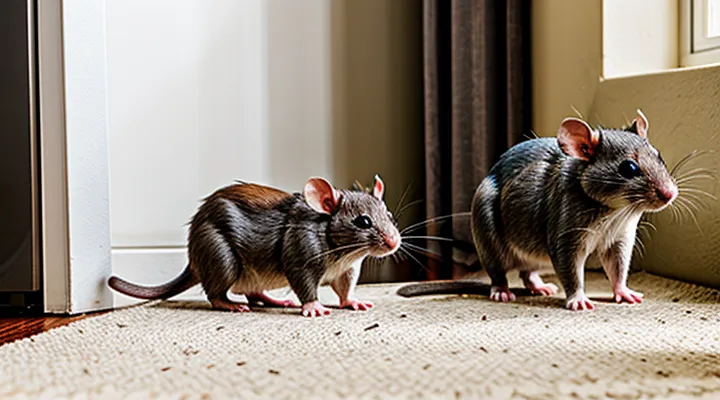
Identifying a Rat Infestation
Signs of Rats in Your Apartment
Droppings and Urine
Rodent feces appear as small, dark, cylindrical pellets about half an inch long, often found near food sources, along walls, or in concealed corners. Fresh droppings are moist and may have a faint odor; older specimens become dry and crumbly. Urine stains manifest as yellowish or brownish discolorations, sometimes accompanied by a pungent smell, especially in warm, poorly ventilated areas.
These waste products carry pathogens such as Hantavirus, Leptospira, Salmonella, and various parasites. Inhalation of dried fecal dust or direct contact with contaminated surfaces can lead to respiratory, gastrointestinal, or skin infections. Children and individuals with compromised immunity face heightened risk.
Effective removal requires protective equipment and thorough disinfection:
- Wear disposable gloves, N‑95 respirator, and eye protection.
- Ventilate the area by opening windows and using fans.
- Collect droppings with a damp paper towel; avoid sweeping dry material.
- Dispose of contaminated items in sealed plastic bags.
- Apply an EPA‑registered rodent disinfectant to all affected surfaces; allow the recommended contact time before wiping clean.
- Launder fabrics at the highest safe temperature; discard heavily soiled items that cannot be sanitized.
Contact a licensed pest‑control service when any of the following conditions are met:
- Evidence of droppings or urine in multiple rooms, indicating a population larger than a single individual.
- Persistent odors despite cleaning efforts.
- Structural damage, such as gnawed wiring or insulation, that poses fire or safety hazards.
- Inability to locate entry points for sealing, which can compromise long‑term eradication.
Professional exterminators provide inspection, exclusion of entryways, baiting, and ongoing monitoring, ensuring that the infestation is eliminated and that health risks are minimized. Local health departments and housing authorities also offer guidance and, in some jurisdictions, may intervene when public health standards are violated.
Gnaw Marks
Gnaw marks indicate active rodent activity and serve as the most reliable visual evidence of an infestation. They appear on wood, plastic, wiring, and insulation, typically as V‑shaped or crescent‑shaped bite patterns with rough edges. The depth and frequency of the marks reveal the size of the culprits and the extent of damage, helping occupants gauge the urgency of intervention.
Identifying gnaw marks allows tenants to target the appropriate professionals. Electrical hazards arise when wires are chewed, creating fire risks; structural integrity suffers when beams or baseboards are compromised. Prompt reporting to the property manager or landlord is essential, as many leases obligate the landlord to arrange pest control. If the landlord’s response is delayed, contacting a licensed exterminator or a municipal health department ensures compliance with local housing codes.
Effective response steps:
- Document each gnaw mark with photographs, noting location and material.
- Compile a written report for the property owner, citing potential safety violations.
- Request a certified pest‑management provider to conduct a thorough inspection and implement baiting, trapping, and exclusion measures.
- Verify that all entry points—cracks, vent openings, and utility conduits—are sealed after treatment.
- Schedule follow‑up inspections to confirm eradication and monitor for new gnaw activity.
Understanding the significance of gnaw marks transforms a vague concern into a concrete request for professional remediation, reducing health risks and property damage.
Scratching Noises
Scratching noises in walls, ceilings, or floorboards often indicate active rodent activity. Rats gnaw on insulation, wiring, and structural components, producing intermittent or continuous sounds that intensify at night when the animals are most active. Identifying the pattern of the noise—direction, frequency, and location—helps distinguish rat activity from other sources such as plumbing or insects.
When scratching is confirmed, immediate steps include sealing entry points, setting traps, and inspecting for droppings or gnaw marks. Professional intervention is advisable to prevent damage to electrical systems and to reduce health risks associated with rodent-borne pathogens. Contacting a licensed pest‑control operator ensures proper identification, safe removal methods, and compliance with local regulations.
Resources for assistance:
- Local health department: offers guidance on reporting infestations and may conduct inspections.
- Certified pest‑management companies: provide inspection, treatment plans, and follow‑up monitoring.
- Building management or landlord: responsible for structural repairs and may arrange remediation under tenancy agreements.
- Emergency animal control services: handle severe infestations that threaten safety or cause immediate damage.
Sightings
Observing rats inside a dwelling signals an escalating problem that requires prompt intervention.
First signs often include:
- Scattered droppings near food storage, cabinets, or hidden corners.
- Gnawed wires, insulation, or furniture.
- Fresh footprints in dust, especially along walls and under appliances.
- Scratching noises in ceilings or walls, most audible at night.
Accurate documentation improves the response from professionals. Record the location, quantity, and date of each sighting. Photograph droppings, damage, and any live or dead rodents. Preserve samples in sealed containers for potential pest‑control analysis.
When evidence accumulates, contact appropriate resources:
- Building management or landlord, providing the compiled records.
- Local public health department, which can assess health risks and issue directives.
- Licensed pest‑control companies, requesting a site inspection based on the documented findings.
Prompt reporting, backed by concrete observations, enables targeted treatment and reduces the likelihood of infestation spreading.
Immediate Actions to Take
Documenting the Infestation
Documenting a rat problem creates a reliable record that supports requests for professional intervention, insurance claims, or landlord negotiations. Precise evidence eliminates doubt, speeds response, and establishes the scope of the infestation.
Collect the following data:
- Date and time of each sighting or sign.
- Exact location within the unit (room, wall, ceiling, vent).
- Type of evidence (live animal, droppings, gnaw marks, nests, damage to wiring or insulation).
- Quantity and condition of droppings (size, color, moisture).
- Any audible activity (scratching, gnawing) with approximate duration.
- Environmental conditions that may attract rodents (food storage, water sources, clutter).
Capture evidence with digital tools. Use a high‑resolution camera or smartphone to photograph each sign, ensuring a scale reference such as a ruler or coin. Record short video clips that show movement or audible sounds. Preserve samples of droppings in sealed containers for laboratory identification if required. Maintain a written log that matches each visual entry with its date, time, and location.
Organize the material chronologically in a single folder or cloud album. Name files consistently (e.g., “2024‑09‑15_Kitchen_Droppings.jpg”). Attach the written log as a text file or spreadsheet, linking each entry to the corresponding media file. When presenting the dossier to pest‑control services, property managers, or insurers, provide the complete folder and a concise summary that lists the total number of documented incidents and the most affected areas. This structured package demonstrates the seriousness of the situation and facilitates prompt, appropriate assistance.
Contacting Your Landlord or Building Management
Understanding Your Lease Agreement
When a rodent problem appears in a rental unit, the lease agreement defines the responsibilities of both tenant and landlord. Understanding these provisions protects your rights and clarifies the steps needed to resolve the issue.
The lease typically contains clauses that address habitability, maintenance, and pest control. Habitability clauses obligate the landlord to provide a livable environment, which includes freedom from infestations that threaten health or safety. Maintenance clauses assign the landlord the duty to repair structural defects that allow rodents to enter, such as gaps in walls, broken screens, or faulty doors. Pest‑control clauses may specify who arranges extermination services, the frequency of inspections, and the cost allocation.
Key points to verify in your contract:
- Responsibility for extermination – Identify whether the landlord or tenant must hire and pay for pest‑control professionals.
- Notice requirements – Note the period you must give the landlord to address the problem after reporting it.
- Remediation timeline – Look for deadlines that require the landlord to act within a reasonable time frame, often defined by local housing codes.
- Tenant obligations – Confirm any duties you have, such as keeping food sealed, disposing of trash properly, and reporting signs of infestation promptly.
- Consequences for non‑compliance – Review provisions that allow you to withhold rent, terminate the lease, or seek legal remedies if the landlord fails to remedy the situation.
If the lease lacks explicit pest‑control language, default to local housing statutes, which generally impose a duty on landlords to maintain a pest‑free dwelling. Document all communications with the landlord, keep copies of the lease sections cited, and retain receipts for any remediation actions you undertake. This documentation strengthens any claim for repair, rent reduction, or lease termination should the infestation persist.
Legal Obligations of Landlords
Rodent infestations in rental housing create immediate health risks and property damage, triggering specific duties for property owners. Landlords must maintain premises in a habitable condition, which includes preventing and eliminating pests that threaten tenant safety.
- Provide a pest‑free environment at the start of tenancy; documentation of a clean, inspected unit is required.
- Conduct timely inspections when tenants report rodent activity; local codes often mandate response within 24–48 hours.
- Arrange professional extermination services promptly; costs may be recoverable from tenants only if the infestation results from tenant negligence.
- Repair structural defects that allow entry, such as gaps in walls, floors, or utility openings; failure to do so violates habitability standards.
- Keep written records of all pest‑control actions, including dates, service providers, and remedial measures, to demonstrate compliance.
Tenants can enforce these obligations by submitting written complaints to the landlord, followed by a copy to the local housing authority or health department. If the landlord does not act within the legally prescribed timeframe, tenants may file a complaint with the municipal code enforcement office or initiate a civil action for breach of the implied warranty of habitability. Documentation of the infestation, communication logs, and receipts for any independent pest‑control services support the tenant’s claim and facilitate resolution.
Protecting Your Health and Safety
Cleaning Contaminated Areas
When rodents contaminate an apartment, the affected zones require immediate sanitation to prevent disease transmission and secondary infestations. The process begins with a thorough assessment to locate droppings, urine stains, gnaw marks, and nesting material. After identification, the following actions secure a safe environment:
- Protective equipment: Wear disposable gloves, N‑95 respirator, eye protection, and a disposable coverall. Dispose of all gear after the task.
- Ventilation: Open windows and use exhaust fans to disperse airborne particles. Keep doors closed to contain contaminants.
- Cleaning agents: Apply an EPA‑registered disinfectant proven effective against hantavirus, leptospirosis, and salmonella. Follow manufacturer’s contact time for maximum efficacy.
- Surface treatment: Scrub hard surfaces with a detergent solution, rinse, then spray disinfectant. For porous materials (carpet, insulation), remove and discard if heavily soiled; otherwise, steam‑clean with temperatures above 160 °F.
- Waste disposal: Seal contaminated debris in double‑layered plastic bags, label as biohazard, and place in a sealed container for municipal hazardous‑waste pickup.
- Post‑cleaning verification: Use a UV flashlight to detect residual urine stains. Re‑apply disinfectant to any missed spots.
Consulting a licensed pest‑control professional after sanitation ensures that structural gaps are sealed and bait stations are positioned correctly. Coordination with the building’s management or a local health department may be required for compliance with housing regulations. Prompt, systematic cleaning reduces health risks and creates a foundation for long‑term rodent control.
Storing Food Properly
Proper food storage directly reduces the likelihood of rodent activity in a residence. Food that is easily accessible, loosely wrapped, or left uncovered provides a reliable food source for rats, encouraging infestation and complicating control efforts.
- Use containers with sealed lids made of glass, metal, or heavy‑wall plastic.
- Store dry goods such as grains, cereals, and pet food in airtight bins.
- Keep perishable items refrigerated or frozen; discard spoiled products promptly.
- Label containers with purchase dates and rotate stock to prevent long‑term storage.
Specific recommendations:
- Cereals and grains – Transfer from original packaging to sealed containers within 24 hours of purchase.
- Canned goods – Keep unopened cans on shelves; once opened, transfer contents to a sealed container and refrigerate.
- Snacks and baked items – Place in resealable bags or containers; avoid leaving crumbs on countertops.
- Pet food – Store dry kibble in a dedicated airtight bin; wet food should be refrigerated after each meal.
When a rat problem emerges despite proper storage, contact a licensed pest‑control professional promptly. Local health departments can provide guidance on sanitation standards and may recommend certified exterminators. Early intervention prevents escalation and protects both property and health.
Professional Pest Control Services
What to Expect from a Pest Control Company
Inspection Process
Professional evaluation is the initial phase when addressing a rodent problem in a residential unit. A qualified inspector identifies entry points, assesses activity levels, and determines the scope of infestation before any remedial action.
Key elements of the inspection process:
- Verify tenant‑owner communication records to confirm responsibility for pest control.
- Conduct a visual survey of kitchens, bathrooms, storage areas, and concealed spaces such as wall voids and crawl spaces.
- Use tracking powder, motion‑activated cameras, or bait stations to detect hidden activity.
- Document findings with photographs, measurements, and a detailed map of infestation hotspots.
- Produce a written report that lists structural deficiencies, sanitation issues, and recommended corrective measures.
The report guides the selection of appropriate intervention methods and informs the responsible party about required repairs, preventive measures, and follow‑up monitoring schedules.
Treatment Options
Effective rat control in a residential unit requires a clear plan that addresses immediate removal, long‑term prevention, and safety considerations.
- Professional extermination: Certified pest‑control operators apply rodenticides, traps, or bait stations according to local regulations. They perform a thorough inspection, identify entry points, and implement a targeted treatment schedule.
- Do‑it‑yourself methods: Snap traps, electric traps, and humane live‑catch traps can be deployed by occupants. Placement near walls, behind appliances, and along known runways maximizes capture rates. Bait should consist of high‑fat foods such as peanut butter or dried fruit.
- Chemical baits: Commercial rodenticide blocks are available for homeowner use, but they demand strict adherence to label instructions, placement in tamper‑proof stations, and exclusion of children and pets.
- Environmental modifications: Sealing cracks, installing door sweeps, and maintaining a clean environment eliminate food and shelter sources. Regular waste removal and proper storage of pantry items reduce attractants.
- Integrated pest management (IPM): Combines inspection, exclusion, monitoring, and selective use of traps or chemicals. IPM emphasizes minimal pesticide reliance and continuous assessment of effectiveness.
Selecting a strategy involves evaluating the severity of the infestation, the presence of vulnerable occupants, and local legal constraints. For extensive problems or when health risks are high, engaging a licensed exterminator provides the most reliable outcome. For isolated sightings, a limited set of traps and rigorous sanitation may suffice, provided ongoing monitoring confirms eradication.
Prevention Strategies
Effective rodent control in a residential unit begins with prevention. Seal every opening larger than a quarter‑inch with steel wool, caulk, or metal flashing. Install door sweeps and check window frames for gaps. Keep exterior vegetation trimmed at least two feet from the building to eliminate climbing routes. Store food in airtight containers and clean spills immediately; rodents are attracted to accessible nutrition sources.
Maintain a waste management system that limits exposure. Use trash cans with tight‑fitting lids, dispose of garbage regularly, and avoid leaving bags inside the apartment. Repair leaky pipes and eliminate standing water, as moisture supports rodent activity. Conduct monthly inspections of hidden areas—behind appliances, under sinks, and within closets—to detect signs such as droppings, gnaw marks, or urine stains.
Key prevention actions:
- Inspect and repair structural defects weekly.
- Install rodent‑proof mesh on vent openings and utility penetrations.
- Adopt a “no‑food‑outside” policy; keep countertops clear after meals.
- Use sealed, labeled containers for pet food and treats.
- Schedule professional pest‑management assessments annually or after any infestation event.
Consistent application of these measures reduces the likelihood of rat incursions, protects health, and minimizes the need for emergency extermination services.
Choosing a Reputable Exterminator
Licensing and Certifications
Professional assistance for rodent infestations in a rental unit requires verification of proper licensing and certifications. A legitimate pest‑control operator must hold a state‑issued pesticide applicator license, which confirms compliance with local regulations governing chemical use and safety procedures. In many jurisdictions the license is classified by the type of pest, so a “rodent” endorsement is essential for rat control work.
Additional credentials reinforce competence:
- Certified Professional Pest Manager (CPPM) – awarded by the National Pest Management Association, indicates completion of advanced training and adherence to industry standards.
- Integrated Pest Management (IPM) certification – demonstrates knowledge of non‑chemical control methods, monitoring, and prevention strategies.
- Wildlife removal certification – required when rats are treated as wildlife rather than pests; issued by state wildlife agencies or accredited organizations.
- Business license – confirms that the service operates legally within the municipality and is subject to consumer protection oversight.
Before hiring, request a copy of the applicable license number and verify it through the state’s licensing board website. Confirm that the certification is current; most credentials require renewal every one to three years and continuing education. Verify that the company’s insurance coverage matches the scope of work; a valid liability policy protects both tenant and landlord from potential damages.
Engaging unlicensed contractors may result in improper pesticide application, legal penalties, and ineffective eradication. Proper licensing and recognized certifications provide assurance that the service follows regulated practices, uses approved products, and employs trained personnel capable of delivering lasting results.
References and Reviews
References provide documented evidence of effective rodent‑control methods, legal requirements, and health implications. Government health departments publish guidelines on sanitation and pest‑management standards. Academic journals contain peer‑reviewed studies on rat behavior, population dynamics, and control technologies. Industry associations issue best‑practice manuals that outline approved extermination techniques and equipment specifications.
Reviews reflect real‑world performance of service providers and products. Consumer‑review websites aggregate customer ratings and comments, allowing comparison of response times, treatment success, and follow‑up support. Professional directories list licensed exterminators, often including verification of certifications and insurance coverage. Social‑media groups dedicated to urban living share anecdotal experiences and recommendations, sometimes linking to independent blog posts or video demonstrations.
Evaluating references and reviews requires systematic criteria. Verify the author’s credentials or the organization’s authority. Prioritize sources published within the last five years to ensure relevance to current regulations and technologies. Assess sample size: larger pools of feedback reduce bias. Identify potential conflicts of interest, such as sponsored content or affiliations with specific product manufacturers.
Practical steps for assembling reliable information include:
- Compile a shortlist of government and academic publications relevant to indoor rodent infestations.
- Search reputable consumer‑review platforms for the top‑rated pest‑control firms in the locality.
- Cross‑reference provider credentials with licensing boards or professional registries.
- Contact at least two firms to request detailed service plans and verify insurance coverage.
By integrating authoritative references with vetted reviews, tenants can make informed decisions about where to obtain professional assistance for rat problems in a dwelling.
Guarantees
When dealing with a rodent infestation in a rental dwelling, understanding the assurances provided by various sources is essential.
Professional exterminators typically offer written contracts that specify the scope of work, the chemicals used, and the expected timeline. Most reputable firms guarantee a follow‑up visit within a set period—often 30 days—if signs of activity reappear. They may also provide a money‑back clause if the problem persists after the agreed‑upon treatment plan.
Landlords are bound by local housing codes to maintain habitable premises. These regulations often require a written acknowledgment that the landlord will arrange pest control at no cost to the tenant and will verify the effectiveness of the intervention. Failure to comply can result in legal action, including rent abatement or compensation for relocation expenses.
Municipal health departments frequently issue compliance certificates after an inspection confirms that the property meets sanitation standards. The certificate serves as an official guarantee that the dwelling is free from hazardous rodent levels and can be used as evidence in disputes with landlords or service providers.
Insurance policies sometimes cover damage caused by rodents, such as ruined food or structural repairs. Policy documents outline the conditions under which a claim will be honored, including the requirement for documented professional treatment and proof of loss.
Key guarantees to request:
- Written service agreement with detailed treatment plan
- Follow‑up visit within a specified timeframe
- Money‑back or credit if infestation persists
- Landlord’s written commitment to remediate at no charge
- Official health inspection certificate after treatment
- Insurance claim eligibility criteria and required documentation
Collecting and preserving these guarantees protects tenants, ensures accountability, and facilitates prompt resolution of the problem.
Other Resources and Support
Local Health Departments
Local health departments serve as the first governmental point of contact for residents dealing with rodent infestations in rental housing.
They provide on‑site inspections, assess compliance with housing and sanitation codes, issue corrective notices, and, when necessary, refer cases to licensed pest‑control operators. In addition, they maintain records of reported incidents and can mediate disputes between tenants and landlords.
To request assistance, follow these steps:
- Call the department’s non‑emergency line or submit an online request through the official website.
- Provide the full address, unit number, and a brief description of the problem (e.g., sightings, droppings, damage).
- Indicate any previous remediation attempts and whether the issue persists despite those efforts.
Before the inspector arrives, gather documentation that may be required:
- Photographs of signs of activity.
- Dates and times of observations.
- A copy of the lease or rental agreement.
- Records of any pest‑control services already employed.
After the inspection, the department issues a written report. If violations are identified, it may impose a remediation deadline on the property owner, schedule follow‑up visits, or, in severe cases, levy fines. Tenants should retain the report and any correspondence for future reference, especially if the problem recurs.
Tenant Rights Organizations
Tenant‑rights groups specialize in protecting renters from habitability violations, including rodent infestations. They enforce legal standards that require landlords to maintain pest‑free premises and provide mechanisms for tenants to demand remediation.
These organizations offer several core services: legal counsel for filing complaints, representation in housing court, mediation between tenant and landlord, and distribution of educational materials on health risks and tenant obligations. They also lobby for stronger local ordinances and allocate emergency funds for urgent pest control.
Typical assistance includes:
- Free or low‑cost legal advice on lease violations related to pests.
- Guidance on documenting infestation evidence (photos, pest‑control invoices, medical records).
- Templates for written notices to landlords demanding action within statutory timeframes.
- Referral to certified exterminators when landlords fail to act.
- Representation in administrative hearings or civil lawsuits.
Prominent groups operating nationwide or regionally are:
- National Housing Law Project (NHLP) – provides tenant‑rights publications and legal referrals.
- Legal Aid Society – offers pro bono counsel in many urban jurisdictions.
- Local tenants’ unions (e.g., New York City Tenants Union, Los Angeles Tenants Union) – conduct workshops and negotiate directly with property owners.
- State‑level fair housing agencies – enforce state housing codes and can issue citations for pest violations.
To engage a tenant‑rights organization, a renter should: gather photographic proof of rodent activity; obtain any pest‑control invoices or landlord communications; contact the nearest legal‑aid office or tenants’ union via phone or website; submit the documentation; and follow the organization’s prescribed timeline for sending formal demand letters. Prompt action through these channels compels landlords to address infestations and safeguards the tenant’s right to a safe, habitably maintained home.
Community Resources
Dealing with a rodent problem in a rental unit often requires assistance beyond personal effort. Local public health departments maintain inspection services and can issue citations to landlords who fail to address infestations. Contact the department’s housing or environmental health division; most agencies provide phone numbers and online request forms.
Municipal animal‑control offices routinely respond to complaints about rats. They can trap, remove, and advise on preventive measures. Many cities operate a 24‑hour hotline for urgent situations.
Housing authorities and tenant‑rights organizations offer mediation between renters and property owners. These groups can verify whether the landlord complies with health‑code standards and may intervene legally if violations persist.
Non‑profit community action agencies sometimes fund emergency pest‑control services for low‑income households. Search local directories for “housing assistance” or “community health” programs; eligibility criteria are usually posted on agency websites.
Professional pest‑control firms licensed by the state are listed in city business registries. Some companies provide discounted rates for residents of public housing or for cases reported through municipal channels.
Key community resources:
- Public health department inspection unit
- City animal‑control hotline
- Tenant‑rights or renters’ association
- Local housing authority mediation office
- Non‑profit emergency pest‑control assistance
- Licensed pest‑control service directory
Each resource can be accessed via phone, email, or the municipality’s online portal. Prompt contact ensures that the infestation is documented, addressed, and that legal obligations of the property owner are enforced.
Preventing Future Infestations
Sealing Entry Points
Rodent intrusion in a residential unit often begins with small, unnoticed openings. Sealing these gaps prevents rats from entering, reduces the need for chemical control, and protects structural integrity.
Typical entry points include gaps around utility penetrations, vent covers, baseboards, window frames, door thresholds, and cracks in walls or floors. Exterior cracks near foundations, holes for pipes, and openings around air‑conditioning units also serve as access routes.
- Inspect the interior and exterior for openings larger than ¼ inch; use a flashlight and a mirror to view hidden areas.
- Clean debris and dust from each opening to ensure adhesive contact.
- Apply steel wool or copper mesh to fill gaps, then seal with a rodent‑proof caulk or expanding polyurethane foam.
- For larger holes, cut metal flashing or hardware cloth to size, secure with screws, and cover edges with sealant.
- Install self‑closing door sweeps and weather‑stripping on all exterior doors and windows.
After sealing, conduct a follow‑up inspection within 48 hours to verify that no new gaps have appeared. Reapply sealant as needed and maintain a regular visual check, especially after renovations or seasonal weather changes. Consistent monitoring sustains the barrier and limits future rat activity.
Maintaining Cleanliness
Keeping an apartment free of food debris, water sources, and clutter reduces the attraction and shelter that rats seek. Regular removal of waste, prompt cleaning of spills, and sealing of containers eliminate the basic resources rodents need to survive.
- Store all food in airtight containers; do not leave pet food out overnight.
- Dispose of garbage daily in bins with tight‑fitting lids; clean the interior of trash cans regularly.
- Sweep, mop, and vacuum floors at least once a day, paying special attention to corners and under appliances.
- Repair leaky pipes and faucets; dry damp areas such as basements and bathrooms.
- Seal cracks, gaps, and openings around doors, windows, and utility lines with steel wool or caulking.
A clean environment simplifies the work of pest‑control professionals. When technicians inspect a property, the absence of excess waste and clutter allows them to locate entry points more quickly and apply treatment with greater precision. Moreover, many service agreements require residents to maintain basic sanitation standards as a condition for ongoing support.
Adhering to these hygiene practices not only deters new infestations but also enhances the effectiveness of any external assistance obtained for existing rat problems.
Proper Waste Management
Improper disposal of food scraps, packaging, and organic waste creates a reliable food source for rats, encouraging them to enter apartments and establish nests. Eliminating this attractant is a primary step in reducing infestation risk.
Effective waste handling in a residential unit includes:
- Storing all trash in containers with tight‑fitting lids; replace lids if they become warped.
- Emptying bins daily or whenever they contain food waste; avoid letting garbage sit for more than 24 hours.
- Using separate bins for recyclables and compostable material; keep compost containers sealed and away from entry points.
- Cleaning spills immediately; wipe down countertops, floors, and appliance surfaces after meals.
- Securing grocery bags and bulk food packages; place them in sealed containers until stored in cupboards.
When waste management practices are insufficient, external assistance is available:
- Building management or landlord: enforce building‑wide waste‑collection schedules and provide appropriate containers.
- Municipal sanitation department: offers guidance on collection frequency, provides larger bins for high‑volume waste, and can inspect for violations.
- Licensed pest‑control services: assess waste‑related attractants as part of a comprehensive rat‑remediation plan.
- Local health authority: conducts inspections, issues citations for improper waste disposal, and can direct residents to community resources.
Consistent application of these measures diminishes food availability for rodents, making professional intervention more effective and often reducing the need for extensive treatment.