
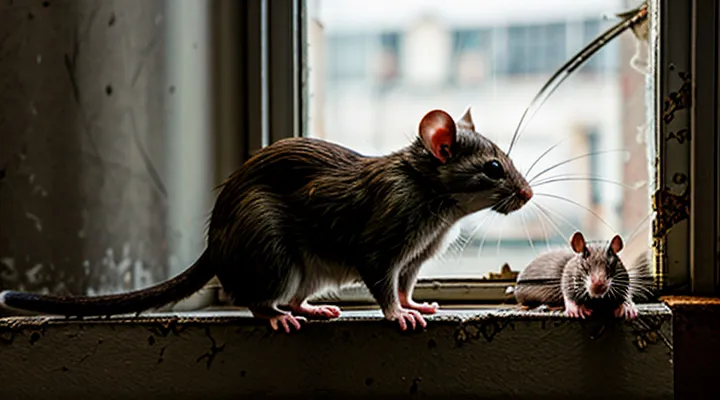
Understanding the Threat: Why Rats are Drawn to Abandoned Buildings
Ideal Conditions for Rat Infestation
Shelter and Seclusion
Rats exploit abandoned structures because these sites offer reliable shelter («refuge») and seclusion («isolation»). Cracks in walls, gaps under doors, and unused utility spaces create protected cavities where temperature remains stable and predators cannot reach the occupants.
Seclusion intensifies the problem. Minimal human presence reduces disturbance, allowing rodents to establish nests, reproduce, and store food without interruption. Darkness and confined spaces further discourage inspection and removal efforts.
Mitigating the risk requires eliminating the conditions that attract rodents. Effective actions include:
- sealing all openings larger than ¼ inch with steel wool, cement, or metal mesh;
- removing accumulated debris, cardboard, and insulation that serve as nesting material;
- installing rodent‑proof vent covers and door sweeps;
- conducting regular inspections to identify new entry points or signs of activity;
- applying targeted bait stations or snap traps in identified harborages while adhering to safety regulations.
By denying shelter and reducing seclusion, the likelihood of rodent colonization in derelict buildings decreases markedly.
Abundance of Food Sources
Abandoned structures frequently contain discarded food, spilled liquids, and decomposing organic material. These resources create a reliable and plentiful diet for rodents, allowing individuals to survive without foraging beyond the premises.
A steady supply of nutrition accelerates reproductive cycles, resulting in dense populations that heighten the risk of disease transmission, increase gnawing damage to insulation and wiring, and attract additional pests seeking the same sustenance.
Effective mitigation focuses on eliminating accessible nourishment:
- Collect and dispose of all waste in sealed containers; remove pallets, crates, and leftover supplies.
- Conduct thorough cleaning of floors, walls, and hidden corners to eradicate crumbs and residues.
- Store any retained food in airtight, rodent‑proof containers; label and rotate stock to prevent spoilage.
- Install barriers such as metal mesh or concrete sealants around potential entry points to block access to interior food stores.
By systematically depriving rodents of the abundant «food sources» typical of neglected buildings, occupancy becomes hostile, reducing infestation levels and associated hazards.
Lack of Human Intervention
Rats thrive in vacant structures when human presence is absent. Without regular inspections, food sources accumulate, entry points remain unrepaired, and nesting sites go unchecked. The resulting population growth increases the risk of disease transmission, contaminates indoor air with droppings and urine, and accelerates structural deterioration through gnawing of wiring, insulation, and support beams.
Key consequences of neglect include:
- Elevated incidence of hantavirus, leptospirosis, and salmonella infections among nearby residents.
- Compromised fire safety due to damaged electrical systems.
- Decreased property value and increased rehabilitation costs.
Mitigation depends on proactive measures: scheduled building inspections, prompt sealing of openings, removal of waste, and implementation of baiting or trapping programs. Consistent human oversight interrupts the reproductive cycle, reduces health hazards, and preserves the integrity of the building.
Types of Rats Commonly Found
Norway Rats
Norway rats (Rattus norvegicus) are the most common rodent species encountered in vacant and deteriorating structures. Their robust size, aggressive behavior, and adaptability enable them to colonize gaps in foundations, wall voids, and roof spaces. These mammals thrive on discarded food, organic debris, and water sources that accumulate in abandoned buildings, creating a persistent health risk.
Health hazards associated with Norway rats include transmission of pathogens such as Leptospira, hantavirus, and Salmonella. Their urine and feces contaminate surfaces, leading to respiratory irritation and potential disease outbreaks. Structural damage results from gnawing on electrical wiring, insulation, and wooden supports, increasing fire risk and compromising building integrity.
Effective control measures focus on exclusion, sanitation, and population reduction:
- Seal entry points larger than ¼ inch with steel wool, concrete, or metal flashing.
- Remove food residues, garbage, and standing water to eliminate attractants.
- Install snap traps or electronic devices in high‑activity zones, following local regulations.
- Apply rodenticides in tamper‑resistant bait stations, monitoring for non‑target exposure.
- Conduct regular inspections of crawl spaces, basements, and attic areas to detect early signs of activity.
Coordinated efforts that integrate habitat modification, mechanical control, and chemical intervention provide the most reliable protection against Norway rat infestations in derelict properties. Continuous monitoring and maintenance of exclusion barriers are essential to prevent re‑colonization.
Roof Rats
«Roof rats» are small, agile rodents that exploit the upper levels of vacant structures. Their climbing ability allows rapid access to eaves, attic insulation, and roof voids, where they establish nests and reproduce. Presence of these pests introduces health hazards through contamination of stored materials, transmission of pathogens, and damage to electrical wiring that can trigger fires.
Key risks associated with «roof rats» in abandoned buildings include:
- Contamination of foodstuffs and dust with urine, feces, and saliva.
- Gnawing of insulation, wiring, and structural timber, leading to fire hazards and compromised integrity.
- Attraction of secondary pests such as insects and larger rodents.
- Spread of diseases such as leptospirosis, hantavirus, and salmonellosis.
Effective prevention measures focus on exclusion, sanitation, and monitoring:
- Seal all entry points larger than ½ inch, including gaps around vents, soffits, and roof penetrations, using steel mesh or cement‑based sealants.
- Remove potential food sources by clearing debris, stored waste, and abandoned vegetation surrounding the building.
- Install rodent‑proof barriers on utility lines and conduit openings to block climbing routes.
- Deploy motion‑activated traps or electronic monitoring devices in attic spaces to detect early activity.
- Conduct regular inspections of roof structures, paying special attention to damaged flashing, broken tiles, and compromised insulation.
Implementation of these strategies reduces the likelihood of infestation, safeguards structural safety, and limits public health threats posed by «roof rats» in neglected properties.
Health Risks Associated with Rat Infestations
Diseases Transmitted by Rats
Hantavirus
Hantavirus is a zoonotic pathogen transmitted primarily through inhalation of aerosolized excreta from infected rodents. In vacant, poorly maintained structures, rats often establish large colonies, increasing the concentration of contaminated urine, droppings, and saliva. The virus can survive for weeks in dry environments, creating a persistent infection risk for occupants, maintenance workers, and investigators entering such sites.
Clinical manifestation typically begins with nonspecific flu‑like symptoms, progressing to severe respiratory distress known as hantavirus pulmonary syndrome. Mortality rates for the pulmonary form range from 30 % to 40 %, emphasizing the critical need for early detection and medical intervention.
Key preventive actions include:
- Sealing entry points to block rodent access.
- Conducting systematic rodent population assessments before any entry.
- Employing personal protective equipment (respirator, gloves, disposable coveralls) during inspection or cleanup.
- Using wet cleaning methods to minimize dust generation when removing contaminated materials.
- Disposing of rodent carcasses and waste in sealed, puncture‑proof containers.
- Implementing regular environmental monitoring for viral RNA in dust samples.
Education of personnel about symptom recognition and immediate reporting protocols further reduces the likelihood of delayed treatment. Coordination with public health authorities ensures that outbreak investigations follow standardized guidelines, facilitating rapid containment and resource allocation.
Leptospirosis
Leptospirosis is a bacterial infection caused by pathogenic Leptospira species. Rodents, especially rats, serve as primary reservoirs, shedding organisms in urine that contaminates surfaces and water sources within vacant structures.
In abandoned buildings, the disease spreads through direct contact with contaminated soil, dust, or standing water. Inhalation of aerosolized particles and accidental skin breaches provide additional routes of entry for the bacteria.
Human infection often begins with flu‑like symptoms: fever, chills, headache, and muscle pain. Severe cases may progress to jaundice, renal failure, or hemorrhagic complications. Early diagnosis relies on laboratory testing of blood or urine samples.
Preventive actions include:
- Sealing cracks, gaps, and entry points to limit rodent access.
- Removing standing water and ensuring proper drainage.
- Using protective gloves and masks when handling debris or cleaning contaminated areas.
- Disinfecting surfaces with bleach solutions (10 % dilution) after rodent removal.
- Conducting periodic health surveillance for personnel exposed to high‑risk sites.
Effective control of the rodent population involves integrated pest management: trapping, baiting with anticoagulant rodenticides, and habitat modification to reduce food and shelter availability. Regular monitoring of trap success and environmental conditions supports sustained risk reduction.
Salmonellosis
Salmonellosis is a bacterial infection caused by Salmonella species that affects the gastrointestinal tract. Infected individuals experience diarrhea, abdominal cramps, fever and, in severe cases, bloodstream invasion. Transmission occurs through ingestion of contaminated food, water or direct contact with animal feces.
Abandoned structures inhabited by rodents create conditions conducive to Salmonella spread. Rat droppings and urine frequently contaminate surfaces, stored provisions and water sources. Poor sanitation and lack of maintenance amplify the likelihood of human exposure.
Effective control measures include:
- Regular removal of waste and debris that attract rodents.
- Sealing entry points, repairing broken walls and floors to prevent infestation.
- Implementing professional rodent‑exclusion programs.
- Storing food in sealed containers, away from potential contamination.
- Enforcing strict hand‑washing protocols after contact with building interiors.
Early detection relies on laboratory testing of clinical samples and environmental swabs. Prompt antibiotic therapy reduces disease severity and limits transmission within affected populations. Continuous monitoring of rodent activity and sanitation standards sustains a low‑risk environment.
Rat-Bite Fever
Rat‑bite fever is a bacterial infection transmitted by the bite or scratch of infected rodents, particularly in structures where rat populations thrive. The disease is caused by Streptobacillus moniliformis in North America and by Spirillum minus in Asia, both capable of surviving in environments with poor sanitation and limited human activity.
Typical clinical manifestations appear within a week of exposure and include high fever, chills, headache, myalgia, and a maculopapular rash that often spreads to the extremities. Additional signs may involve arthralgia, vomiting, and conjunctival injection. Prompt diagnosis relies on a combination of patient history, physical examination, and laboratory confirmation through blood culture or polymerase chain reaction testing.
Prevention strategies focus on reducing human‑rat contact and minimizing exposure to contaminated materials:
- Seal entry points and repair structural damage to block rodent ingress.
- Implement regular pest‑control measures, including trapping and baiting, performed by licensed professionals.
- Maintain cleanliness by removing food residues, waste, and debris that attract rodents.
- Use personal protective equipment—gloves, thick clothing—when handling materials in infested areas.
- Seek immediate medical attention after any rat bite or scratch, even if symptoms are absent.
Effective management of abandoned structures requires coordinated efforts between property owners, public‑health authorities, and pest‑control services to eliminate rodent habitats, thereby reducing the risk of rat‑bite fever and associated complications.
Other Health Hazards
Allergic Reactions and Asthma
Rodent infestations in vacant structures introduce allergens that trigger respiratory conditions. Rat urine, feces, and dander contain proteins capable of sensitizing individuals, leading to allergic reactions ranging from skin irritation to severe asthma exacerbations. Exposure occurs when contaminated dust becomes airborne, especially during building renovation or ventilation disturbances.
Allergic responses develop when the immune system identifies rat‑derived proteins as harmful, producing immunoglobulin E antibodies. Subsequent inhalation of aerosolized particles causes bronchial inflammation, airway hyper‑responsiveness, and mucus overproduction. Asthmatic individuals experience heightened symptom severity, including wheezing, coughing, and reduced lung function. Children and people with pre‑existing respiratory diseases are particularly vulnerable.
Preventive measures focus on eliminating the source of allergens and minimizing airborne particle spread:
- Seal entry points such as cracks, vents, and utility openings to block rodent access.
- Conduct thorough cleaning of contaminated surfaces using HEPA‑filtered vacuums and wet‑wipe methods to reduce residual proteins.
- Implement integrated pest management, combining traps, baits, and professional extermination to eradicate active infestations.
- Install air filtration systems equipped with high‑efficiency particulate air (HEPA) filters to capture fine allergenic particles.
- Schedule regular inspections of abandoned properties, documenting signs of rodent activity and promptly addressing breaches.
Medical management for affected individuals includes allergen avoidance, inhaled corticosteroids, and bronchodilators prescribed by healthcare professionals. Immunotherapy may be considered for confirmed rat‑specific sensitization. Early identification of symptoms and prompt environmental remediation reduce the risk of chronic respiratory impairment.
Contamination of Surfaces and Air Quality
Rodent activity in vacant structures introduces a range of microbial and chemical agents that compromise surface hygiene and indoor air quality. Urine, feces, and saliva deposit pathogens such as « Leptospira », « Salmonella » and « Hantavirus », while shed hair and dander contribute allergens. These contaminants persist on walls, floors, and equipment, resisting removal by routine cleaning.
Airborne particles arise from disturbed droppings, nest material, and rodent movement. The resulting aerosolized contaminants include bacterial spores, viral fragments, and endotoxins, which can remain suspended for hours and travel beyond the immediate infestation zone. Prolonged exposure elevates the risk of respiratory irritation, allergic reactions, and infectious disease transmission.
Effective mitigation includes:
- Thorough decontamination of all surfaces using disinfectants proven against rodent‑borne pathogens.
- Application of HEPA filtration and negative‑pressure ventilation to capture and exhaust contaminated air.
- Sealing cracks and openings to prevent re‑entry, thereby limiting future deposition of contaminants.
Structural Damage and Property Risks
Chewing and Gnawing Behaviors
Electrical Wiring Damage and Fire Risk
Rats frequently gnaw on insulation, sheathing, and exposed conductors in vacant structures, creating direct pathways for electrical short circuits. Damage to wiring compromises the integrity of the circuit, allowing arcing that can ignite surrounding combustible materials such as wood framing, insulation, and stored debris.
Arcing incidents generate temperatures exceeding 1 500 °C, sufficient to ignite most building materials within seconds. Unchecked electrical faults increase the probability of fire spread, especially in buildings lacking active fire suppression systems and regular maintenance inspections.
Preventive actions include:
- Sealing entry points with durable materials to block rodent access.
- Installing rodent‑resistant conduit and metal‑clad cable in vulnerable areas.
- Conducting routine visual inspections of wiring for chew marks, exposed conductors, and insulation loss.
- Replacing compromised sections with fire‑rated cable and secure fasteners.
- Deploying bait stations or electronic deterrents to reduce rodent populations near electrical installations.
Plumbing Damage and Water Leaks
Rats occupying vacant structures often target plumbing systems, generating water leaks that accelerate building deterioration. Their incisors easily gnash through copper, PVC, and steel components, creating openings that permit moisture infiltration. Nesting materials and urine block drainage lines, increasing pressure and forcing pipe walls to rupture.
Leaking water creates conditions favorable to mold growth, compromises structural integrity, and raises the risk of electrical short circuits when moisture contacts wiring. Persistent dampness also attracts additional pests, compounding health hazards for any future occupants or nearby residents.
Preventive actions focus on eliminating access and monitoring system health. Key measures include:
- sealing cracks, gaps, and utility openings with metal flashing or steel wool;
- installing rodent‑proof vent covers and pipe sleeves;
- scheduling quarterly visual inspections of exposed piping and joints;
- maintaining a dry environment by promptly repairing identified drips;
- deploying snap traps or electronic devices in proximity to vulnerable plumbing areas;
- recording inspection findings in a maintenance log for trend analysis.
«Rats can breach copper pipes within weeks of establishing a colony», illustrating the urgency of early detection and barrier reinforcement. Consistent application of these strategies reduces water damage, preserves structural assets, and limits the spread of disease‑carrying vectors in abandoned buildings.
Damage to Wood and Insulation
Rats gnaw wood structural members, compromising load‑bearing capacity and creating openings for additional infestations. Their incisors continuously enlarge holes in joists, studs, and framing, weakening connections and accelerating decay. Urine and droppings penetrate wood fibers, fostering fungal growth and rot, which further reduces strength.
Insulation suffers from direct contamination and physical displacement. Nesting material pushes batts away from intended cavities, creating gaps that diminish thermal performance. Rodent urine introduces ammonia, degrading synthetic fibers and reducing fire resistance. Chewed insulation fibers become airborne, posing respiratory hazards and diminishing R‑value.
Preventive actions focus on exclusion, monitoring, and material selection:
- Seal all exterior openings larger than ¼ inch with steel mesh, concrete, or caulking.
- Install door sweeps and weatherstripping on service entrances.
- Deploy snap or electronic traps in identified activity zones; check and replace regularly.
- Replace vulnerable wood with pressure‑treated or metal alternatives where feasible.
- Use insulation made from mineral wool or closed‑cell foam, which resists gnawing and moisture absorption.
- Conduct quarterly visual inspections of attic, crawl spaces, and wall cavities; document any signs of gnaw marks or droppings.
Effective implementation limits structural deterioration and maintains insulation efficiency, reducing long‑term repair costs and preserving building integrity.
Nesting Habits and Structural Weakness
Compromised Structural Integrity
Rats occupying derelict structures create pressure on building components, accelerating decay and undermining load‑bearing capacity. Their gnawing activity targets wooden beams, insulation, and wiring, producing holes that compromise shear strength and increase the risk of collapse. Burrowing through masonry introduces cracks that allow moisture ingress, fostering corrosion of steel reinforcement and further weakening the framework.
The presence of rodent droppings and urine attracts moisture‑sensitive fungi, which degrade timber and accelerate rot. Continuous nesting material accumulation adds weight to ceilings and floors, exceeding design limits and creating uneven stress distribution. These factors collectively reduce the safety margin of the structure and elevate the probability of sudden failure.
Effective mitigation requires a systematic approach that addresses both the infestation and the resulting damage:
- Seal entry points larger than ¼ inch with durable materials such as steel mesh or cement‑based caulk.
- Remove compromised timber and replace with treated lumber that resists gnawing and decay.
- Conduct structural inspections focusing on beam integrity, joint stability, and signs of moisture penetration.
- Install bait stations and traps in inaccessible zones, ensuring compliance with local health regulations.
- Implement regular monitoring schedules to detect early signs of reinfestation and structural deterioration.
Prompt remediation restores load‑bearing performance, limits further material loss, and safeguards occupants and emergency responders from hazardous collapse scenarios.
Blocked Pipes and Drains
Blocked pipes and drains in vacant structures provide rats with shelter, easy access to water, and concealed travel routes. Accumulated debris and stagnant water create ideal breeding conditions, encouraging rapid population growth.
Risks associated with obstructed wastewater systems include:
- Structural corrosion caused by persistent moisture.
- Contamination of surrounding areas with rat‑borne pathogens.
- Increased fire hazard due to electrical short‑circuits from gnawed wiring near damp zones.
- Amplified odor problems that attract additional pests.
Preventive actions focus on eliminating conditions that support rodent habitation:
- Schedule quarterly inspections of all plumbing components.
- Remove debris, grease, and organic matter from pipe interiors.
- Employ high‑pressure water jets or mechanical augers to clear blockages.
- Seal entry points around pipe joints, vent stacks, and floor drains with metal mesh or concrete.
- Install backflow preventers to stop sewage from reentering the building.
- Document maintenance activities and track recurring problem areas.
Consistent implementation of these measures reduces the likelihood of rat colonization, protects structural integrity, and minimizes health hazards in abandoned buildings.
Preventing and Managing Rat Infestations
Initial Assessment and Inspection
Identifying Entry Points
Rodent intrusion in vacant structures creates health risks and accelerates material decay. Detecting how rats gain access is the primary preventive measure.
Typical ingress locations include:
- Cracks in foundation walls and slab joints
- Gaps around utility penetrations such as pipes, cables, and conduit sleeves
- Openings in roof eaves, soffits, and vent caps
- Unsealed door frames, especially where weather‑stripping is missing or damaged
- Broken or missing window screens and sash cracks
- Holes in exterior siding, plaster, or insulation panels
- Open drainage or sewer connections without proper covers
Inspection should combine visual surveys with tactile assessment. Use a flashlight to illuminate dark corners, a mirror to view concealed spaces, and a probing rod to feel for hidden fissures. Infrared cameras can reveal warm spots indicating active burrows behind insulation. Pressure differentials measured with a smoke pencil expose drafts that correspond to unseen gaps.
Sealing identified openings requires durable, rodent‑proof materials. Apply steel‑wool or copper mesh to fill small cracks before coating with cement or epoxy. Install metal flashing around vent caps and roof penetrations. Replace damaged weather‑stripping with heavy‑duty silicone or rubber profiles. Fit metal mesh over drainage openings and secure with lockable covers. Regularly audit sealed points to verify integrity and address new damage promptly.
Assessing the Scale of Infestation
Assessing infestation magnitude requires objective quantification of rodent activity within vacant structures. Reliable estimates enable targeted mitigation and resource allocation.
Key assessment techniques include:
- Visual surveys of nesting sites, gnaw marks, and droppings.
- Placement of standardized snap or live traps; capture rates provide density indicators.
- Installation of motion‑activated cameras to document nocturnal movement.
- Collection of urine or fecal samples for laboratory analysis of population genetics.
- Use of infrared or thermal imaging to detect heat signatures in concealed areas.
Data from these sources should be recorded systematically, noting location, time, and environmental conditions. Statistical sampling methods, such as stratified random plots, improve representativeness across large buildings. Geographic information systems (GIS) can map hotspot clusters, revealing spatial patterns of infestation.
Thresholds for intervention are defined by capture density (e.g., ≥ 5 captures per 100 trap nights) or droppings concentration (e.g., > 20 pellets per square meter). Exceeding these limits triggers intensified control measures, including baiting, exclusion sealing, and professional extermination. Continuous monitoring validates the effectiveness of actions and informs future risk assessments.
Exclusion Techniques
Sealing Gaps and Cracks
Sealing gaps and cracks eliminates entry points that rodents exploit in vacant structures. Structural openings around doors, windows, utility penetrations, and foundation walls provide direct access to shelter and food sources. Applying durable materials such as steel wool, expanding foam, cement mortar, or metal flashing blocks these pathways and reduces the likelihood of infestation.
Effective sealing requires a systematic approach:
- Conduct a thorough inspection to locate all visible and hidden openings, including those around pipe sleeves, vent ducts, and electrical conduits.
- Prioritize larger gaps that accommodate a rat’s body width; these typically exceed one inch.
- Clean surfaces of debris, dust, and moisture to ensure adhesion of sealants.
- Insert steel wool or copper mesh into the gap, then apply expanding polyurethane foam to fill remaining space.
- For structural cracks, use hydraulic cement or epoxy resin, pressing material firmly to achieve a watertight seal.
- After curing, verify integrity by probing repaired areas with a thin rod or flashlight.
Regular maintenance amplifies protection. Schedule periodic re‑inspection, especially after severe weather or building vibrations, to detect new fissures. Prompt repair of compromised seals prevents rodents from re‑establishing access, thereby mitigating health hazards and structural damage associated with rodent activity in abandoned properties.
Installing Barriers on Doors and Windows
Rats readily exploit gaps in doors and windows to access vacant structures, increasing the likelihood of disease transmission, structural damage, and contamination. Installing robust barriers eliminates these entry points, forming a primary line of defense against infestation.
Effective barriers include:
- Steel mesh with a minimum aperture of ¼ inch, resistant to gnawing.
- Hardware cloth of 18‑gauge thickness, providing durability and flexibility.
- Solid, weather‑tight doors equipped with self‑closing hinges.
- Window shutters or reinforced panels secured with locking mechanisms.
- Continuous perimeter sealing using silicone or polyurethane caulk.
Installation procedure:
- Measure each opening precisely; record height, width, and any irregularities.
- Cut barrier material to exceed opening dimensions by at least 2 inches on all sides.
- Position the barrier, align with the frame, and fasten using corrosion‑resistant screws spaced no more than 6 inches apart.
- Apply sealing compound around the perimeter to close residual gaps.
- Attach weather stripping to door frames, ensuring a tight seal when closed.
Regular maintenance is essential: inspect barriers quarterly for signs of corrosion, displacement, or rodent damage; replace compromised sections promptly; and keep surrounding vegetation trimmed to reduce cover for rodents. Consistent application of these measures sustains the integrity of doors and windows, thereby preventing rat intrusion into abandoned properties.
Sanitation and Debris Removal
Eliminating Food and Water Sources
Eliminating food and water supplies is the most effective method for discouraging rodent activity in vacant structures. Without accessible nutrition, rats cannot establish colonies, reducing the likelihood of infestation and associated health hazards.
Key actions for food source control:
- Store waste in sealed, rodent‑proof containers; empty them regularly.
- Remove spilled grain, crumbs, or other organic debris from floors and surfaces.
- Secure pantry items behind metal doors or heavy-duty shelving.
- Dispose of discarded building materials that contain food residues.
Key actions for water source control:
- Repair leaking pipes, roofs, and fixtures; dry damp areas promptly.
- Ensure proper drainage around the building to prevent puddles.
- Eliminate standing water in basements, crawl spaces, and utility rooms.
- Use dehumidifiers in humid zones to maintain low moisture levels.
Ongoing monitoring includes routine inspections for signs of gnawing, droppings, or moisture accumulation. Prompt remediation of any identified breaches sustains an environment hostile to rodent survival.
Regular Clean-up of Debris
Debris left in vacant structures creates hiding places, nesting material, and food sources for rodents, thereby raising the likelihood of infestation and the spread of pathogens. Removing such material on a consistent basis eliminates these attractants and reduces health hazards for nearby occupants and workers.
A practical maintenance plan includes:
- Weekly inspection of interior and exterior spaces for accumulations of wood, insulation, cardboard, and garbage.
- Monthly removal of identified debris using sealed containers and heavy‑duty bags.
- Seasonal deep cleaning before periods of increased rodent activity, such as autumn, to clear hidden caches.
Effective clean‑up follows a systematic approach:
- Survey the building to map debris locations and categorize material by risk level.
- Deploy appropriate tools—industrial vacuum units for fine particles, sturdy shovels for bulk waste, and personal protective equipment to prevent exposure.
- Transport waste to licensed disposal sites, ensuring containers remain closed during transit.
- Disinfect cleared areas with rodent‑approved sanitizers to eliminate residual scents that could attract new occupants.
Complementary actions reinforce the benefits of regular debris removal. Sealing cracks, installing door sweeps, and maintaining proper ventilation deny rats alternative shelters. Continuous monitoring, documented in maintenance logs, provides evidence of compliance and enables rapid response if signs of activity reappear.
Adhering to these protocols minimizes the danger posed by rodents in abandoned properties and supports a safer environment for future redevelopment.
Trapping and Baiting Strategies
Humane Trapping Methods
Humane trapping provides an effective alternative to lethal control for rodent infestations in vacant structures. Live‑capture cages, constructed from sturdy wire mesh with a trigger mechanism, allow safe confinement without injury. Snap‑free traps equipped with padded interiors reduce stress and prevent crushing. Multi‑catch devices enable repeated use, decreasing labor and cost.
Key practices ensure success:
- Position traps along established runways, typically near walls, behind debris, and close to food sources.
- Bait with high‑protein items such as peanut butter, dried fruit, or cooked meat to attract wary individuals.
- Check traps at least twice daily; prolonged confinement increases risk of dehydration and disease transmission.
- Release captured rats at least several miles from the building, preferably in a suitable natural habitat with access to shelter and water.
- Disinfect traps and surrounding areas with a diluted bleach solution to eliminate pathogens and scent trails that may deter further captures.
Regulatory guidelines often require documentation of humane methods, especially in jurisdictions with animal welfare statutes. Proper record‑keeping—including trap locations, capture dates, and release sites—demonstrates compliance and facilitates ongoing monitoring.
Integrating humane trapping with environmental management enhances long‑term control. Sealing entry points, removing clutter, and maintaining cleanliness reduce attractants, limiting the need for repeated captures. Combined, these measures mitigate health hazards associated with rodent presence while adhering to ethical standards.
Responsible Use of Rodenticides
Rodenticides remain essential tools for controlling rodent populations in vacant structures, yet their application demands strict adherence to safety protocols to protect occupants, non‑target wildlife, and the environment. Effective use begins with accurate identification of infestation severity, followed by selection of an appropriate product class—anticoagulant, bromadiolone, or zinc phosphide—based on regulatory guidance and species susceptibility.
Key components of responsible deployment include:
- Placement of baits within tamper‑resistant stations, positioned at least 2 m from food preparation areas and 1 m from public walkways.
- Limiting bait density to the minimum quantity required for the target area, typically no more than 2 g per square meter.
- Recording exact locations, quantities, and product identifiers in a log accessible to maintenance personnel and regulatory inspectors.
- Conducting post‑application inspections within 48 hours to verify bait consumption and replace any compromised units.
Training for personnel must cover label interpretation, personal protective equipment usage, and emergency response procedures. Certification programs, often mandated by local health agencies, ensure that staff can recognize signs of accidental exposure and administer appropriate first‑aid measures, such as vitamin K1 therapy for anticoagulant poisoning.
Documentation of all rodenticide activities supports accountability and facilitates audits. Reports should detail infestation assessment, chosen product, application dates, and observed outcomes, enabling continuous improvement of pest‑management strategies while maintaining compliance with environmental protection statutes.
Professional Pest Control Services
When to Call in Experts
Rats occupying derelict structures pose health hazards, structural damage, and contamination risks. Immediate professional intervention becomes necessary when visual or indirect evidence indicates an escalating infestation.
Key indicators for engaging pest‑control specialists include:
- Presence of live rodents or fresh carcasses in inaccessible areas.
- Extensive droppings, urine stains, or gnaw marks on wiring, insulation, or support beams.
- Persistent odor of ammonia or musky scent despite routine cleaning.
- Evidence of disease vectors, such as fleas, ticks, or mites, detected by occupants or inspectors.
- Failure of DIY traps and baits to reduce activity over a two‑week monitoring period.
Additional circumstances warranting expert assistance:
- Structural instability that endangers personnel during removal attempts.
- Legal or insurance requirements mandating certified eradication procedures.
- Need for comprehensive decontamination following a rat‑borne disease outbreak.
- Requirement for long‑term exclusion measures, including sealing entry points and installing monitoring systems.
Promptly contacting licensed pest‑management professionals under these conditions minimizes health threats, prevents further property degradation, and ensures compliance with safety regulations.
Long-Term Prevention Plans
Long‑term prevention plans focus on structural integrity, environmental management, and ongoing monitoring to mitigate rodent infestations in vacant structures.
Securing building exteriors eliminates entry points. Reinforce walls, seal cracks, and install metal flashing around windows and doors. Replace damaged roofing and ensure gutters direct water away from foundations, reducing moisture that attracts rodents.
Managing surrounding areas reduces food and shelter sources. Remove debris, overgrown vegetation, and discarded materials that provide nesting sites. Implement regular waste collection and store refuse in sealed containers to deny rodents access to sustenance.
Implementing a systematic inspection schedule maintains vigilance. Conduct quarterly assessments of structural barriers, signs of gnawing, droppings, and nesting activity. Document findings and prioritize repairs based on severity.
Integrating professional pest‑control services enhances effectiveness. Engage licensed exterminators to apply integrated pest management (IPM) techniques, including bait stations, traps, and habitat modification. Schedule annual reviews to adjust strategies according to observed trends.
Training maintenance personnel ensures consistent application of preventive measures. Provide clear protocols for identifying breach points, reporting signs of infestation, and executing corrective actions.
Key components of a sustainable plan include:
- Structural fortification
- Environmental sanitation
- Routine inspections
- Professional IPM involvement
- Staff education and accountability
Adherence to these elements creates a resilient framework that deters rodent colonization, protects public health, and preserves property value over extended periods.
Post-Infestation Clean-up and Remediation
Safety Precautions During Clean-up
Personal Protective Equipment
Rats inhabiting vacant structures transmit diseases, cause bites, and contaminate surfaces with urine and feces. Direct contact with these hazards exposes workers to pathogens such as leptospirosis, hantavirus, and salmonellosis. Protective gear reduces the risk of infection and injury.
- respirator or N‑95 mask to filter airborne particles and aerosolized droppings;
- disposable nitrile gloves providing barrier against skin contact with contaminants;
- goggles or face shield to prevent splashes into the eyes;
- coveralls or heavy‑duty work clothing with sealed seams, resistant to tearing;
- steel‑toe boots with waterproof uppers to guard feet from bites and debris;
- hearing protection when operating loud equipment in confined spaces.
Selection criteria prioritize durability, chemical resistance, and proper fit. Gear must be inspected for tears, cracks, or compromised seals before each use. Replace damaged items immediately. After exposure, remove PPE in a designated decontamination zone, avoid cross‑contamination, and dispose of single‑use components in biohazard containers. Reusable equipment requires thorough cleaning with approved disinfectants, followed by drying and storage in a clean environment.
Adherence to established safety protocols, combined with appropriate protective equipment, mitigates health threats posed by rodent infestations in derelict buildings.
Ventilation of Affected Areas
Ventilation of spaces infested with rodents must address both air quality and structural integrity. Poor airflow creates humid micro‑environments that attract rats, while accumulated droppings and urine release harmful pathogens into the breathable atmosphere. Effective ventilation reduces moisture, disperses odors, and limits food sources that sustain rodent populations.
Key actions for improving ventilation in compromised buildings include:
- Installing exhaust fans in basements, attics, and crawl spaces to expel stale air and moisture.
- Sealing gaps around vents, ducts, and window frames to prevent entry points for rodents.
- Utilizing high‑efficiency particulate air (HEPA) filters on supply units to capture allergens and droppings.
- Conducting regular inspections of ductwork for blockages, damage, or nesting material.
Maintenance protocols require periodic cleaning of vent grilles, replacement of filters, and verification of fan operation. Monitoring humidity levels with digital hygrometers helps identify conditions favorable to rat activity; values above 60 % relative humidity signal the need for corrective ventilation measures.
Integrating ventilation upgrades with broader pest‑management strategies—such as structural repairs and sanitation—creates a comprehensive barrier against rodent re‑infestation. Continuous assessment of airflow performance ensures long‑term safety for occupants and preserves building integrity.
Disinfection and Decontamination
Cleaning Contaminated Surfaces
Cleaning contaminated surfaces in vacant structures occupied by rodents requires systematic disinfection to eliminate pathogens and deter further infestation. Begin by removing debris, droppings, and nesting material with disposable gloves and a rigid scraper; place waste in sealed bags for proper disposal. Apply a detergent solution to loosen organic residues, then rinse with clean water. Follow with an EPA‑registered rodent‑borne disease disinfectant, ensuring contact time meets manufacturer specifications. Allow surfaces to dry completely before re‑entry.
Key steps for effective decontamination:
- Wear protective clothing, including N‑95 respirator, goggles, and impermeable gloves.
- Seal off the work area with plastic sheeting to prevent aerosol spread.
- Use a high‑efficiency particulate air (HEPA) vacuum to capture fine particles.
- Apply a broad‑spectrum disinfectant to all exposed surfaces, including walls, floors, and fixtures.
- Verify cleanliness with a ATP‑luminescence test or swab analysis.
Regular monitoring of cleaned zones and prompt remediation of any re‑contamination maintain a safe environment and reduce the risk of disease transmission.
Odor Removal
Rats inhabiting vacant structures release urine, feces, and secretions that generate persistent, malodorous environments. These odors attract additional pests, facilitate bacterial growth, and signal health hazards to nearby occupants. Effective odor removal mitigates these risks and supports broader sanitation efforts.
Key steps for eliminating rodent‑related smells include:
- Thorough removal of contaminated materials such as nesting debris, bedding, and food residues.
- Application of enzymatic cleaners that break down organic compounds, reducing the source of foul odors.
- Use of activated carbon or zeolite absorbers placed in affected areas to capture volatile molecules.
- Installation of high‑efficiency particulate air (HEPA) filtration units to extract airborne odor particles.
- Regular ventilation through mechanical exhaust fans or natural airflow to disperse residual scents.
Preventive measures reinforce odor control. Sealing entry points blocks new infestations, while routine inspections identify and address emerging waste accumulations. Maintaining dry, clean conditions limits microbial activity that amplifies odor intensity.
Consistent implementation of these practices restores a neutral indoor atmosphere, diminishes health threats, and discourages further rodent activity in abandoned buildings.
Repairing Damages
Electrical and Plumbing Repairs
Rats occupying vacant structures compromise electrical systems and water supply lines. Their incisors sever insulation, expose live conductors, and create short‑circuit conditions that may ignite surrounding materials. Simultaneously, gnawed plumbing components develop leaks, promote mold growth, and contaminate potable water with urine and feces.
Effective remediation requires coordinated electrical and plumbing repairs:
- Replace damaged wiring with metal‑clad cable or conduit resistant to rodent intrusion.
- Install protective sleeves on exposed conductors in crawl spaces and attics.
- Seal all penetrations around conduit, junction boxes, and fixtures with steel wool or cement‑based caulk.
- Remove compromised pipe sections, install hard‑polyethylene or copper piping, and apply rodent‑proof clamps at joints.
- Conduct pressure testing of the entire water system to detect hidden leaks before re‑pressurization.
- Schedule periodic visual inspections of wiring trays and pipe runs, documenting any signs of gnawing or corrosion.
Preventive measures complement repairs:
- Block entry points larger than ¼ inch with steel mesh or cement.
- Maintain a clear perimeter around the building, eliminating debris that shelters rodents.
- Deploy ultrasonic deterrents or bait stations in accordance with local health regulations.
Prompt execution of these repairs eliminates fire and contamination risks, restores functional infrastructure, and reduces the likelihood of future rodent‑related damage.
Structural Reinforcement
Structural reinforcement addresses the physical vulnerabilities that allow rodents to enter and thrive in vacant structures. Weak foundations, deteriorated wall sheathing, and compromised roofing create entry points and provide nesting sites. Reinforcing these elements reduces the risk of infestation and mitigates associated health hazards.
Key reinforcement actions include:
- Sealing cracks and gaps in concrete slabs, foundation walls, and floor joists with hydraulic cement or epoxy filler.
- Installing steel reinforcement bars (rebar) in compromised load‑bearing walls to restore structural integrity and eliminate voids.
- Replacing damaged sheathing panels with moisture‑resistant plywood or metal sheeting, then applying a continuous weather‑proof barrier.
- Securing roof membranes, flashing, and eaves to prevent rats from accessing attic spaces.
- Adding metal mesh or hardware cloth around vent openings, utility penetrations, and drainage pipes to block rodent passage while maintaining airflow.
Regular inspection of reinforced components ensures that new fissures do not develop as the building ages. Monitoring for signs of gnawing or burrowing around reinforcement zones allows timely repair, preserving both structural safety and pest control effectiveness.