
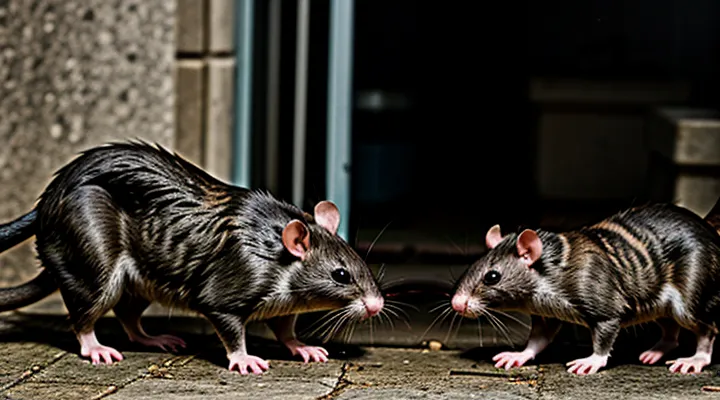
Understanding Rabies
What is Rabies?
Rabies is a neurotropic virus of the Lyssavirus genus that infects mammals and causes acute encephalitis. The pathogen is an enveloped, single‑stranded RNA virus capable of crossing the blood‑brain barrier, leading to irreversible neurological damage.
Transmission occurs when saliva from an infected animal enters the peripheral nerves of a new host. Common routes include:
- Bite wounds that breach the skin
- Scratches contaminated with infected saliva
- Mucosal exposure to saliva or neural tissue
Rodents, including rats, can harbor the virus and act as vectors, especially when they bite or are handled without protective measures.
The disease progresses through distinct phases:
- Incubation: variable period (days to months) with no symptoms
- Prodromal: fever, malaise, localized pain at the entry site
- Furious form: agitation, hydrophobia, hypersalivation, seizures
- Paralytic form: muscle weakness, loss of reflexes, eventual coma
Rabies is almost invariably fatal once clinical signs appear. Prompt administration of wound cleansing, rabies immunoglobulin, and a full course of vaccine within the incubation window can prevent disease onset. Global health agencies recommend pre‑exposure vaccination for individuals with occupational risk and post‑exposure prophylaxis for all suspected contacts.
How Rabies Spreads
Transmission Routes
Rats can serve as vectors for rabies virus, but transmission depends on specific pathways that permit viral entry into a new host. Understanding these pathways clarifies the actual risk associated with rodent exposure.
- Bite wounds – Direct inoculation of saliva containing virus into subcutaneous tissue.
- Scratches contaminated with saliva – Minor skin breaches allow virus to reach peripheral nerves.
- Mucous membrane contact – Saliva or neural tissue contacting eyes, nose, or mouth can introduce the virus.
- Aerosol exposure – Inhalation of virus-laden droplets in confined, poorly ventilated spaces, documented in laboratory settings.
- Contaminated food or water – Ingestion of material bearing viable virus, though survival outside the host is limited.
Bite wounds represent the most efficient route; the virus travels along peripheral nerves to the central nervous system. Scratches pose a lower but measurable risk when saliva is present. Mucous membrane exposure requires direct contact with infected secretions and is less common in rodent interactions. Aerosol transmission has been demonstrated only under experimental conditions with high viral loads, making it unlikely in typical urban environments. Contaminated food or water is improbable because rabies virus rapidly loses infectivity outside a living host. Consequently, the primary concern remains direct bite or scratch incidents involving infected rats, while alternative routes contribute minimally to overall transmission risk.
Animal Carriers
Rats and other mammals can harbor the rabies virus, providing pathways for human exposure. Understanding which species act as reservoirs clarifies the actual risk posed by these animals.
- Bats: primary reservoir in many regions, responsible for the majority of human cases in North America.
- Raccoons: maintain enzootic cycles in eastern United States and parts of Canada.
- Skunks: serve as principal carriers in the central United States.
- Foxes: sustain rabies transmission in Europe and parts of Asia.
- Dogs: remain the leading source of human infections in developing countries.
- Cats: occasional carriers, especially in urban environments with stray populations.
Rats are experimentally susceptible to rabies, yet field studies rarely detect natural infection. Laboratory inoculation demonstrates that the virus can replicate in rodent tissue, but transmission to humans or other mammals under typical conditions is uncommon. Surveillance data from urban centers show sporadic reports of rabid rats, often linked to exposure from infected wildlife rather than independent cycles.
Public‑health strategies focus on monitoring high‑risk wildlife, vaccinating domestic animals, and limiting contact with stray rodents. Targeted bait vaccination for raccoons, skunks, and foxes reduces wildlife incidence, indirectly lowering the chance of rodent involvement. Prompt reporting of rodent bites and post‑exposure prophylaxis remain essential components of a comprehensive rabies control program.
Rabies Symptoms in Animals and Humans
Rabies is a neurotropic virus that spreads through saliva, most often via bites from infected mammals. The disease attacks the central nervous system, producing a predictable sequence of clinical signs that culminate in death if untreated.
Animal manifestations
- Fever and lethargy during the incubation period
- Excessive salivation, foaming at the mouth
- Aggressive biting or, conversely, marked tameness (“dumb” form)
- Muscle twitching, convulsions, and loss of coordination
- Respiratory distress and paralysis preceding death
These signs appear in domestic pets, wildlife, and, less frequently, in rodent species that have contracted the virus.
Human manifestations
- Prodromal fever, headache, and malaise lasting 2‑10 days
- Paresthesia or itching at the wound site, followed by pain spreading along the nerve pathway
- Acute anxiety, agitation, or confusion
- Hydrophobia: intense fear of water, accompanied by involuntary throat spasms when attempting to drink
- Aerophobia: panic triggered by air currents or inhalation
- Hyper-salivation, difficulty swallowing, and drooling
- Muscle spasms, seizures, and eventual coma
The progression from initial symptoms to fatal encephalitis typically occurs within weeks, depending on the distance between the wound and the brain. Prompt post‑exposure prophylaxis—wound cleansing, rabies immunoglobulin, and a vaccine series—remains the only proven method to prevent the lethal outcome.
Rats and Rabies: The Connection
Historical Perspective
Historical records from antiquity onward associate rodents with deadly epidemics, most notably the plague that devastated Europe in the 14th century. Contemporary chronicles describe swarms of black rats invading grain stores, followed by sudden mortality among human populations, a pattern later confirmed by modern epidemiology linking Yersinia pestis to rat‑borne fleas.
Medical treatises from the Tang dynasty (7th century) mention “rodent‑induced fevers” without linking them to the neurological disorder later identified as rabies. Asian scholars documented rabid animals, primarily dogs and wolves, while rats received little attention as carriers of that specific disease.
During the Renaissance, European physicians observed that rabies outbreaks coincided with bites from carnivorous mammals. Experimental inoculations by Louis‑René Villermé (1805) demonstrated that rats rarely develop the characteristic encephalitic signs, suggesting low natural susceptibility. Subsequent veterinary studies in the late 19th century reinforced the conclusion that rats are incidental hosts rather than primary vectors.
Key historical milestones:
- 1347–1351: Black Death spreads across Europe; rat‑borne fleas identified as primary vectors.
- 1805: Villermé’s inoculation experiments reveal limited rabies transmission from rats.
- 1885: Pasteur’s rabies vaccine development focuses on canine and feline sources.
- 1935: WHO classification of rabies reservoirs lists dogs, foxes, and bats; rats excluded.
- 1970s: Serological surveys confirm low prevalence of rabies antibodies in wild rat populations.
Overall, centuries of observation and experimental evidence show that while rats have historically driven bacterial pandemics, they have not served as significant reservoirs or transmitters of rabies. The perceived threat of rodent‑associated rabies remains minimal compared with that posed by carnivorous mammals.
Scientific Evidence
Studies and Research Findings
Recent epidemiological surveys quantify the prevalence of rabies virus in wild rodent populations. Across urban centers in North America and Europe, serological testing of captured Rattus spp. shows infection rates below 0.1 %. Similar investigations in Southeast Asia report marginally higher values, averaging 0.3 % in peri‑urban traps, yet still far below thresholds that sustain enzootic transmission.
Experimental inoculation studies clarify the species‑specific susceptibility to rabies. Laboratory‑bred rats display limited viral replication, with median survival times exceeding 15 days post‑exposure, and a failure to excrete infectious particles in saliva. Comparative trials with mustelids and carnivores confirm a markedly higher competence for virus shedding, underscoring rodents’ marginal role as reservoirs.
Field‑based molecular tracing links most human rabies cases to canine or bat sources. Phylogenetic analyses of viral isolates from sporadic rodent detections consistently match strains circulating in domestic dogs, indicating incidental spillover rather than independent maintenance. Surveillance data from public health agencies corroborate the absence of documented rat‑to‑human transmission over the past two decades.
Key findings from the literature:
- Seroprevalence in wild rats remains <0.5 % in diverse geographic settings.
- Experimental infection yields low viral loads and no salivary shedding.
- Molecular epidemiology ties rodent isolates to non‑rodent reservoirs.
- No confirmed human cases attributable to direct rat exposure.
Collectively, the evidence positions rats as low‑risk vectors for rabies, with documented incidents reflecting accidental acquisition rather than endemic circulation.
Statistical Data
Recent surveillance reports from health agencies provide the most reliable quantitative basis for assessing the rodent‑related rabies risk.
In the United States, the National Rabies Surveillance System recorded fewer than ten confirmed rabid rat cases over the past two decades. Across all mammalian reports, rats consistently represent less than 0.1 % of laboratory‑confirmed rabies infections.
Human exposure statistics show a markedly lower incidence than for wildlife vectors. Between 2000 and 2022, the Centers for Disease Control and Prevention documented 22 rabies post‑exposure prophylaxis (PEP) courses initiated after potential rat bites or scratches. Of these, only three cases involved laboratory confirmation of rabies virus in the implicated animal.
Geographic distribution of rat‑associated rabies aligns with regions of high urban rodent density. The highest concentration of reported incidents appears in major metropolitan areas of the Northeast and Midwest, where dense housing and waste management challenges increase rat populations.
Temporal analysis indicates a declining trend. The annual number of confirmed rabid rats fell from eight cases in 2005 to a single case in 2021. Concurrently, PEP administrations linked to rat exposure decreased by approximately 45 % over the same period.
Key statistical points:
- Confirmed rabid rats (2000‑2022): < 10 cases worldwide
- Rat‑related human PEP courses (2000‑2022): 22 instances, 3 with confirmed animal infection
- Proportion of rabies cases attributed to rats: < 0.1 % of all mammalian reports
- Geographic hotspots: major U.S. cities with high rodent density
- Trend (2005‑2021): 87 % reduction in confirmed rat rabies cases
These figures demonstrate that, while rats can harbor the rabies virus, the documented incidence in both animal and human populations remains exceptionally low.
Factors Influencing Transmission
Geographic Location
Rats inhabit virtually every continent, yet population density and species composition vary markedly across regions. In temperate zones such as North America and Europe, the Norway rat (Rattus norvegicus) dominates urban environments, while the black rat (Rattus rattus) persists in coastal and historic districts. Tropical and subtropical areas—including Southeast Asia, sub‑Saharan Africa, and parts of South America—support larger numbers of both species, often coexisting with additional rodent taxa that thrive in humid conditions.
Rabies transmission from rodents remains rare, but documented cases concentrate in specific geographic settings. The virus circulates primarily among wildlife reservoirs (e.g., raccoons, foxes, bats), with spillover to rats occurring where these reservoirs overlap human settlements. Notable regions with confirmed rodent‑associated rabies incidents include:
- Southern United States, especially Florida and Texas, where raccoon rabies is endemic and occasional rat infections have been reported.
- Central and South America, where bat‑borne rabies variants intersect dense urban slums.
- Southeast Asian megacities (e.g., Bangkok, Manila), where high rodent densities and frequent bat roosts create potential exposure pathways.
Urban infrastructure influences risk levels. Cities with inadequate waste management, open sewage systems, and frequent human‑rodent contact exhibit higher rat populations, thereby increasing the probability of incidental rabies exposure. Rural locales with limited veterinary surveillance may underreport cases, obscuring true incidence.
Overall, geographic patterns indicate that the greatest concern for rodent‑linked rabies centers on regions where wildlife reservoirs, dense human populations, and substandard sanitation converge. Targeted surveillance and control measures in these areas reduce the already low probability of transmission to humans.
Rodent Population Density
High concentrations of rodents in urban and rural settings increase contact between humans, domestic animals, and wildlife that can carry rabies‑inducing viruses. Population density is measured through systematic trapping, mark‑recapture studies, and remote‑sensing of habitat suitability, providing quantitative estimates expressed as individuals per hectare.
Key determinants of rodent density include:
- Availability of food sources such as waste, grain stores, and natural foraging material.
- Shelter provision from structures, vegetation, and burrow‑friendly soils.
- Climatic conditions that affect breeding cycles and survival rates.
- Predation pressure from birds of prey, carnivorous mammals, and domestic cats.
Elevated rodent numbers amplify the probability that infected individuals will encounter susceptible hosts. In areas where rabies circulates among carnivores, dense rodent populations can serve as mechanical carriers, transporting infected saliva on fur or through shared feeding sites. Consequently, surveillance programs prioritize density thresholds that trigger intensified vaccination of pets and targeted rodent control measures.
Effective management combines habitat modification, waste reduction, and strategic rodenticide application to lower densities below epidemiologically significant levels. Continuous monitoring of density trends allows public‑health authorities to adjust interventions promptly, reducing the overall risk of rabies transmission linked to rodent presence.
The Actual Risk Posed by Rats
Low Incidence in Rodents
The perception that rats commonly transmit rabies conflicts with epidemiological evidence. Surveillance by health agencies consistently records fewer than one confirmed rabies case per million rodent specimens tested. In the United States, the Centers for Disease Control and Prevention have documented only a handful of rabid rodents in the past several decades, all involving unusual circumstances such as prolonged exposure to infected carnivores.
Key factors limiting rabies occurrence in rodent populations include:
- High metabolic rate and short lifespan reduce the window for viral replication.
- Limited susceptibility of rodent nervous tissue to the rabies virus.
- Predominant transmission cycles involving carnivores (e.g., raccoons, foxes) and bats rather than herbivorous or omnivorous rodents.
- Low frequency of bites from rodents to humans, diminishing direct transmission opportunities.
Laboratory studies confirm that experimental infection of rats, mice, and squirrels often results in rapid disease progression and death before the virus can reach salivary glands, thereby curtailing infectiousness. Field observations support these findings: most rabid rodents are found dead or severely debilitated, making contact with humans rare.
Consequently, the public health risk posed by rodents is negligible compared with that from wild carnivores and bats. Routine rabies post‑exposure prophylaxis is rarely indicated after a rodent bite unless the animal exhibits clear signs of rabies or originates from a region with documented rodent cases.
Why Rats are Unlikely Carriers
Behavioral Patterns
Rats exhibit distinct foraging habits that increase contact with environments where rabies vectors thrive. Nighttime activity aligns with peak activity of many carnivorous mammals, creating opportunities for bite exposure. Social grooming within colonies spreads saliva‑borne pathogens quickly among individuals.
Reproductive cycles influence movement patterns. Breeding seasons prompt dispersal of juveniles, extending the geographic range of any infection. Dispersing rats frequently enter sewers, basements, and agricultural storage, areas commonly shared with stray dogs or foxes known to carry rabies.
Key behaviors affecting transmission risk include:
- Aggressive defense of territory, resulting in bites during confrontations with other mammals.
- Opportunistic scavenging, leading to ingestion of infected carcasses or contaminated waste.
- Nest building in concealed spaces, facilitating prolonged exposure to contaminated surfaces.
These patterns generate a dynamic interface between rodent populations and rabies reservoirs, warranting targeted surveillance and control measures.
Survival Rate After Infection
Rabies infection in rodents is rare, but when it occurs the disease is almost uniformly fatal without immediate medical intervention. Clinical data from the World Health Organization and national health agencies show a case‑fatality rate of 100 % for untreated human rabies, regardless of the animal source. Survival is possible only after prompt administration of post‑exposure prophylaxis (PEP), which combines wound cleansing, rabies immunoglobulin and a series‑of‑four to five vaccine doses.
Key survival statistics:
- No PEP: 0 % survival (all cases result in death within weeks).
- PEP initiated within 24 hours of exposure: survival exceeds 95 % in immunocompetent adults.
- PEP delayed 48–72 hours: survival declines to 70–80 %, reflecting reduced efficacy of immunoglobulin and vaccine response.
- Immunocompromised patients receiving timely PEP: survival around 50–60 %, indicating higher risk despite treatment.
Factors influencing outcome include the location of the bite (proximal bites deliver virus to the central nervous system faster), viral load, and the recipient’s immune status. Early, thorough wound irrigation with soap and water reduces viral load and improves PEP effectiveness. Once neurological symptoms appear, survival chances drop dramatically; only a few documented cases of successful treatment after symptom onset exist, all involving aggressive intensive‑care protocols and experimental therapies.
The data underscore that the only realistic path to survival after rabies exposure from rats or any other carrier is immediate, evidence‑based medical response. Delays or omission of PEP eliminate the possibility of recovery.
Public Health Implications
Misconceptions and Fears
Rats often evoke fear of rabies, yet many beliefs about this link lack scientific support. Public anxiety stems from exaggerated media reports and outdated assumptions about rodent disease reservoirs.
- Rabies cases in rats are exceptionally rare; surveillance data show fewer than ten documented infections worldwide.
- Rats do not transmit rabies through bites as efficiently as carnivores; the virus requires specific neural pathways that rodents rarely provide.
- Presence of rabies in urban environments is driven primarily by stray dogs, bats, and wildlife, not by rodent populations.
- Routine rodent control does not significantly reduce human rabies risk; vaccination of high‑risk animal species remains the primary preventive measure.
Transmission studies indicate that rabies virus replication in rats is usually abortive; infected individuals either die quickly without shedding virus or clear the infection without becoming contagious. Consequently, the probability of a human acquiring rabies from a rat bite is negligible compared to exposure to infected dogs or bats.
Effective risk management focuses on three actions: vaccinate domestic animals against rabies, avoid contact with wild mammals known to carry the virus, and seek immediate medical evaluation after any bite from a potentially infected animal. Rodent control programs should prioritize pest damage and disease agents such as leptospirosis, not rabies, to allocate resources efficiently.
Expert Opinions and Consensus
Experts from public‑health agencies, veterinary institutions, and academic research groups converge on a clear assessment of the rodent‑rabies risk. The consensus emphasizes three factual points:
- Laboratory and field studies confirm that rats rarely develop clinical rabies after experimental exposure, and natural infection in wild populations is exceptionally uncommon.
- Surveillance data from the World Health Organization and the Centers for Disease Control and Prevention show fewer than a handful of confirmed rat‑related rabies cases worldwide in the past two decades.
- Preventive guidelines focus on controlling rodent populations and limiting human contact, rather than treating rats as a primary rabies vector.
Professional statements reinforce these findings. The World Health Organization classifies rats as a low‑priority species for rabies transmission, citing the absence of documented spill‑over events. The American Veterinary Medical Association advises that routine rabies vaccination of domestic animals remains essential, but additional measures targeting rats are unnecessary for rabies control. Researchers at the University of California, Davis, publish data indicating that the virus fails to replicate efficiently in rat neural tissue, further reducing transmission potential.
Collectively, expert opinion dismisses the notion of rats as a significant source of rabies infection. The prevailing view directs resources toward established reservoirs—such as bats, raccoons, skunks, and foxes—while maintaining standard rodent‑management practices to mitigate other health hazards.
Prevention and Safety Measures
Avoiding Contact with Wildlife
Rats are recognized carriers of the rabies virus, and direct or indirect contact with them can lead to exposure. The virus spreads through bites, scratches, or contact with infected saliva, making avoidance of wildlife essential for public health.
Effective avoidance strategies include:
- Securing food sources: store garbage in sealed containers, eliminate bird feeders that attract rodents, and refrain from leaving pet food outdoors.
- Maintaining clean environments: remove clutter, trim vegetation near buildings, and repair structural gaps that permit entry.
- Using protective equipment: wear thick gloves and long sleeves when handling debris or cleaning areas where rodents may hide.
- Implementing pest‑control measures: set traps responsibly, employ professional extermination services, and apply rodent‑proof barriers around foundations.
- Educating others: inform household members and coworkers about the risks associated with rodent contact and the steps required to minimize them.
Consistent application of these practices reduces the likelihood of encounters with potentially rabid wildlife and safeguards both human and animal populations.
Pet Vaccination
Pet vaccination directly reduces the likelihood that domestic animals become vectors for rabies, a disease that can be transmitted from wildlife, including rodents, to humans. By immunizing dogs, cats, and other companion animals, owners create a barrier that limits the spread of the virus from infected rat populations to households.
Key outcomes of routine immunization include:
- Immediate protection of the pet against rabies infection.
- Decreased risk of secondary transmission to humans and other animals.
- Compliance with public‑health regulations that mandate vaccination for pet ownership.
- Lowered veterinary treatment costs associated with post‑exposure care.
Veterinarians recommend a primary series of rabies vaccine doses followed by boosters at intervals defined by local health authorities. The schedule accounts for the animal’s age, species, and exposure risk, ensuring sustained immunity throughout its lifespan.
Failure to vaccinate compromises herd immunity, allowing the virus to persist in urban rodent reservoirs and increasing the probability of accidental bites. Maintaining up‑to‑date vaccination records is essential for rapid response in the event of a rabies case, facilitating quarantine decisions and preventing broader outbreaks.
What to Do After a Bite
If a rat bite occurs, immediate action reduces infection risk and determines the need for rabies prevention.
- Wash the wound thoroughly with running water and mild soap for at least one minute.
- Apply an antiseptic solution such as povidone‑iodine or chlorhexidine.
- Cover the area with a sterile dressing to control bleeding.
Seek professional medical care without delay. A clinician will:
- Assess the depth and location of the injury.
- Decide whether tetanus immunization is required.
- Evaluate the likelihood of rabies exposure based on the animal’s behavior, health status, and local epidemiology.
If rabies risk is plausible, the healthcare provider initiates post‑exposure prophylaxis (PEP). PEP consists of:
- A series of rabies vaccine injections on days 0, 3, 7, and 14 (additional dose on day 28 for immunocompromised patients).
- A single dose of rabies immune globulin injected around the wound site, supplemented with intramuscular administration of the remaining volume.
Report the incident to local animal‑control authorities. Documentation of the rat’s capture, testing, or observation assists public‑health officials in tracking potential outbreaks.
Follow up with the prescribing physician to confirm vaccine schedule adherence and to monitor wound healing. Any signs of infection—redness, swelling, pus, or fever—require prompt re‑evaluation.
Rabies Control Programs
Rabies control programs target the transmission pathways that link rodent populations to human and animal cases. Core components include systematic vaccination, wildlife management, public health surveillance, and community education.
- Mass dog vaccination campaigns reduce the primary reservoir for rabies, indirectly lowering exposure risk for rats and other wildlife.
- Oral rabies vaccine baits distributed to urban and peri‑urban rodent habitats create herd immunity among stray and feral species.
- Integrated pest management limits rat density through habitat modification, waste reduction, and humane trapping, decreasing the likelihood of rabid rodents contacting humans or pets.
- Surveillance networks collect and analyze laboratory‑confirmed cases, map outbreak clusters, and trigger rapid response teams for containment.
- Education initiatives inform residents about safe handling of rodents, proper wound care, and the importance of reporting suspected rabies incidents.
Legislation supports these actions by mandating vaccination certification for domestic animals, regulating waste disposal standards, and allocating funding for vector control. Coordination among veterinary services, municipal authorities, and health agencies ensures that interventions remain evidence‑based and adaptable to emerging epidemiological trends.