
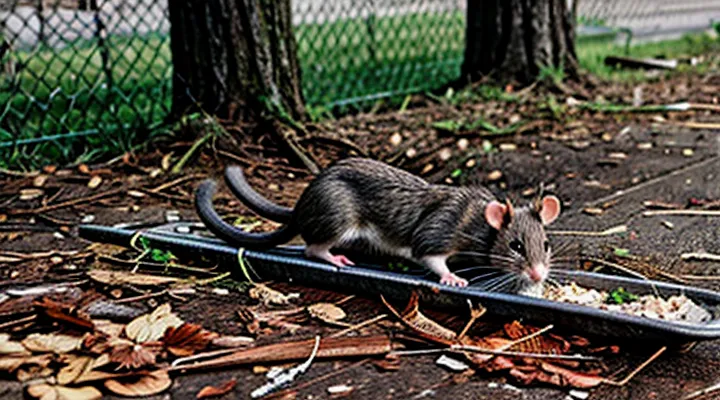
Understanding Carcass Decomposition
Biological Processes Involved
Autolysis
Autolysis initiates the breakdown of cellular structures immediately after death, releasing endogenous enzymes that hydrolyze proteins, lipids, and nucleic acids. The process proceeds without external microbial input, relying on the rat’s own lysosomal and cytoplasmic proteases.
Enzyme activity peaks within the first few hours, accelerating tissue liquefaction and facilitating subsequent microbial colonisation. Temperature modulates enzymatic rates; higher ambient temperatures increase kinetic energy, shortening the interval before visible decay. pH shifts, driven by the accumulation of metabolic acids, alter enzyme conformation and affect the speed of hydrolysis.
The contribution of autolysis to the overall decay timeline of rat remains includes:
- Rapid dissolution of internal organs, especially the liver and pancreas, where protease concentrations are highest.
- Early softening of muscle fibers, reducing structural integrity and promoting collapse of body cavities.
- Generation of nutrient-rich fluids that serve as substrates for post‑mortem bacterial proliferation.
Understanding these mechanisms provides a basis for predicting how quickly rat carcasses lose structural integrity under varying environmental conditions.
Putrefaction
Putrefaction describes the anaerobic breakdown of organic tissue by bacterial enzymes, producing gases, liquids, and malodorous compounds. This stage follows the initial autolysis of cells and contributes substantially to mass loss in rodent remains.
Factors influencing the intensity and duration of putrefaction include:
- «temperature»: higher ambient heat accelerates enzymatic reactions and bacterial proliferation.
- «moisture»: sufficient water activity supports microbial metabolism, while desiccation slows the process.
- «microbial load»: the abundance of gut and environmental bacteria determines the rate of substrate conversion.
- «oxygen availability»: limited oxygen favors obligate anaerobes, altering the profile of decomposition products.
The speed at which rat carcasses decompose correlates directly with the progression of putrefaction. Elevated temperatures and humidity produce rapid gas accumulation, causing tissue swelling and earlier rupture of the abdominal cavity, which in turn hastens overall breakdown. Conversely, cold or dry conditions extend the putrefactive phase, resulting in slower mass reduction.
Experimental assessment of decomposition speed typically involves periodic weighing of carcasses, recording gas emission rates, and sampling tissue for bacterial colony counts. Consistent intervals—such as every 12 hours—provide sufficient resolution to capture the transition from early autolysis to advanced putrefaction, allowing precise quantification of the relationship between microbial activity and overall decay rate.
Stages of Decomposition
Fresh Stage
The fresh stage begins immediately after death and lasts until visible signs of putrefaction appear. During this period, body temperature remains close to ambient conditions, and blood circulation ceases, causing the cessation of oxygen delivery to tissues. Cellular metabolism shifts to anaerobic pathways, resulting in the accumulation of lactate and a rapid drop in pH. Enzymatic autolysis initiates the breakdown of fragile organelles, especially in the liver and pancreas, releasing intracellular contents into surrounding tissues.
Temperature exerts a primary influence on the duration of the fresh stage. At ambient temperatures of 20 °C, the stage typically persists for 2–4 hours; at 30 °C, the period shortens to 1–2 hours, whereas at 5 °C, it may extend to 6–8 hours. Moisture levels affect the rate of enzymatic activity, with higher humidity accelerating tissue softening.
Key physiological changes during this stage include:
- Cessation of circulation and loss of blood pressure.
- Onset of rigor mortis within 30–45 minutes, depending on temperature.
- Release of intracellular enzymes such as proteases and lipases.
- Early bacterial proliferation limited to endogenous flora, primarily facultative anaerobes.
Understanding these initial processes provides a baseline for estimating subsequent decomposition phases and for interpreting forensic evidence related to rodent mortality.
Bloated Stage
The «bloated stage» marks the second phase of rodent carcass breakdown, occurring after the initial fresh period. Autolysis and bacterial proliferation generate gases, primarily methane, carbon dioxide and hydrogen sulfide, which accumulate within the abdominal cavity and cause visible swelling.
Gas production expands internal organs, rupturing the skin in many cases. Tissue fluids become turbid, and the carcass emits a strong putrefactive odor. These changes indicate a transition from enzymatic decay to microbial dominance.
Factors that modulate the duration of the bloated stage include:
- Ambient temperature: higher temperatures accelerate bacterial metabolism and shorten the stage.
- Relative humidity: elevated moisture supports rapid gas formation.
- Body size and fat content: larger, fattier rats retain gases longer.
- Environmental exposure: burial or submersion reduces gas escape, extending swelling.
The length of the bloated stage provides a critical metric for estimating post‑mortem interval in forensic investigations. Precise measurement of swelling onset and progression, combined with ambient condition data, refines predictions of overall decomposition speed for rat remains.
Active Decay Stage
The active decay stage follows the initial fresh phase and is characterized by rapid tissue breakdown driven by enzymatic autolysis and bacterial proliferation. During this period, the carcass exhibits pronounced liquefaction, loss of structural integrity, and a marked increase in volatile organic compounds that generate a strong odor. Temperature exerts a primary influence; higher ambient temperatures accelerate metabolic activity, shortening the duration of active decay to approximately 12–48 hours for a laboratory‑raised rat.
Key indicators of the active decay stage include:
- Softening and collapse of abdominal organs
- Formation of a dense maggot mass on the body surface
- Reduction of initial bloating as gases escape
- Intensified putrefactive odor detectable at short distances
Factors modulating the rate of decomposition within this stage are:
- Ambient temperature: each 10 °C rise can double the bacterial activity
- Relative humidity: values above 70 % sustain maggot development
- Carcass size: larger individuals retain heat longer, extending enzymatic action
- Presence of scavengers: removal of tissue by insects or other animals accelerates mass loss
Forensic assessment of rat remains relies on recognizing these characteristics to constrain the post‑mortem interval. Precise identification of the active decay stage narrows the time window of death to a range of days, enhancing the accuracy of ecological and investigative analyses.
Advanced Decay Stage
The advanced decay stage marks the transition from putrefaction to skeletal degradation in rodent remains. During this period, soft tissues have largely liquefied, and microbial activity is dominated by proteolytic and lipolytic bacteria that generate volatile compounds and accelerate tissue breakdown. Collagen fibers begin to denature, resulting in a loss of structural integrity and increased brittleness of remaining muscle.
Environmental factors such as temperature, humidity, and soil composition influence the speed at which this stage progresses. Elevated ambient temperatures raise enzymatic reaction rates, while high moisture levels sustain microbial proliferation. In contrast, low humidity slows desiccation, extending the period during which soft tissue remains detectable.
Key indicators of the advanced decay stage include:
- Presence of a gelatinous mass composed of partially digested tissue
- Strong, malodorous emissions from volatile fatty acids and ammonia
- Progressive discoloration from brownish‑black to gray‑green hues
- Partial exposure of skeletal elements as connective tissue disintegrates
Quantitative assessments of the decomposition speed of rat carcasses often rely on time‑to‑completion metrics for these indicators. Data collected under controlled conditions enable the development of predictive models that estimate the duration of the advanced decay phase based on measurable environmental parameters.
Dry/Skeletal Stage
The dry/skeletal stage marks the final phase of decomposition in rodent remains, occurring after soft tissues have desiccated and collagenous structures have broken down. At this point, only bone, cartilage, and residual keratin persist, and mass loss is minimal. Environmental temperature, humidity, and soil pH influence the duration of this stage, with arid conditions accelerating desiccation and cooler, moist environments prolonging residual decay.
Key characteristics of the dry/skeletal phase include:
- Complete loss of moisture from tissues, resulting in a brittle, parchment‑like exterior.
- Progressive mineralization of bone, detectable through changes in density and color.
- Limited microbial activity confined to surface colonizers, as internal tissues are absent.
- Gradual fragmentation of skeletal elements under mechanical forces such as wind or scavenger activity.
Forensic investigations rely on the observable condition of skeletal remains to estimate post‑mortem intervals. Measurements of bone weathering, surface cracking, and the presence of secondary mineral deposits provide quantitative data for calculating the elapsed time since death. Accurate interpretation requires correlation with known environmental parameters and reference data from controlled decomposition studies.
Factors Influencing Decomposition Rate
Environmental Conditions
Temperature
Temperature is the principal driver of biochemical breakdown in rat remains. Higher thermal conditions accelerate enzymatic activity, microbial proliferation, and chemical reactions that convert tissue into decomposition products. Lower thermal environments suppress these processes, extending the persistence of identifiable structures.
Within typical laboratory and field settings, temperature categories produce distinct decomposition patterns:
- Below 5 °C: metabolic rates of decomposers drop sharply; putrefaction may be delayed for several weeks.
- 5 °C – 15 °C: moderate microbial activity yields gradual softening of tissues; observable changes appear within 3–7 days.
- 15 °C – 25 °C: optimal range for bacterial growth; rapid liquefaction and discoloration occur within 24–48 hours.
- Above 25 °C: enzymatic and microbial processes reach peak efficiency; complete skeletal exposure can develop in less than 24 hours.
Temperature also influences the succession of insect colonizers. Warmer conditions favor early‑stage blowfly oviposition, which hastens tissue consumption and accelerates the transition to later‑stage scavenger activity. Cooler climates delay colonization, allowing longer persistence of soft tissue.
Quantitative models link ambient temperature to decomposition velocity through Arrhenius‑type equations, where the rate constant doubles for each 10 °C increase. Applying such relationships permits prediction of carcass degradation timelines under variable thermal regimes, supporting forensic estimations and ecological assessments.
Humidity and Precipitation
Humidity exerts a direct influence on the breakdown of rat carcasses. Elevated atmospheric moisture raises the water content within tissues, facilitating enzymatic reactions and microbial proliferation. Consequently, the progression from fresh tissue to advanced decay accelerates under high‑humidity conditions.
Precipitation contributes additional moisture to the surrounding environment. Rainfall infiltrates the substrate, increasing soil saturation and temperature stability. These factors sustain aerobic and anaerobic microbial communities, extending the active phase of decomposition. Moreover, repeated wetting cycles can cause leaching of soluble compounds, altering the chemical milieu and promoting faster tissue loss.
Key interactions between moisture variables and decay dynamics include:
- Increased «humidity» enhances cellular autolysis and bacterial metabolism, shortening the interval to putrefaction.
- Sustained «precipitation» raises ground moisture, supporting both surface and subsurface decomposer activity.
- Fluctuating wet‑dry cycles generate micro‑habitats that favor opportunistic fungi, contributing to skeletal degradation.
- High moisture levels reduce the protective effect of desiccation, limiting the preservation of soft tissues.
Empirical observations confirm that rat remains exposed to environments with relative humidity above 80 % and regular rainfall decompose markedly faster than those in arid settings. Quantitative assessments indicate a reduction in the time required to reach advanced decay stages by 30–50 % under such conditions. These findings inform forensic timelines, ecological nutrient cycling models, and pest‑management strategies.
Soil Type and pH
Soil composition determines the availability of microbial communities that drive the breakdown of rat carcasses. Sandy substrates provide high aeration but low moisture retention, accelerating early-stage tissue loss while limiting later-stage microbial activity. Clayey soils retain water and nutrients, fostering prolonged enzymatic action and slower overall decomposition. Loamy mixtures balance aeration and moisture, often producing intermediate rates.
pH exerts a direct effect on enzymatic efficiency and microbial population structure. Acidic conditions (pH < 5.5) suppress many decomposer bacteria, resulting in delayed soft tissue degradation. Near‑neutral pH (6.5–7.5) supports maximal bacterial and fungal activity, promoting rapid protein and lipid breakdown. Alkaline environments (pH > 8.0) favor specific saprophytic fungi, which can accelerate the decomposition of keratinous structures such as hair.
Key interactions between soil type and pH include:
- Sandy, neutral‑pH soils: rapid initial decay, limited long‑term preservation.
- Clay, acidic soils: prolonged retention of skeletal elements, slower overall rate.
- Loam, alkaline soils: enhanced fungal colonization, accelerated hair and bone degradation.
Understanding these variables allows accurate prediction of carcass disappearance timelines in forensic and ecological investigations.
Exposure to Sunlight
Sunlight exerts a multifaceted influence on the breakdown speed of rat remains. Thermal elevation, ultraviolet (UV) radiation, moisture loss, and insect activity each contribute to accelerated tissue degradation.
Elevated temperature caused by direct solar heating raises internal carcass temperature, enhancing enzymatic and microbial metabolism and shortening the interval required for protein denaturation and autolysis.
UV radiation penetrates superficial layers, inducing photolysis of proteins and lipids while generating reactive oxygen species that further destabilize cellular structures. A representative observation notes «Exposure to UV radiation markedly increases the rate of soft tissue degradation».
Moisture loss under solar exposure reduces water activity, limiting the growth of anaerobic bacteria and promoting desiccation. The resulting drying accelerates the transition from putrefaction to mummification, altering the overall decomposition trajectory.
Solar illumination also raises ambient temperature and light intensity, stimulating carrion‑feeding insects. Increased insect colonization intensifies mechanical breakdown and dispersal of tissues, contributing to a faster overall decay process.
Key mechanisms of sunlight‑driven acceleration:
- Thermal rise → faster enzymatic reactions
- UV‑induced photolysis → protein and lipid breakdown
- Desiccation → reduced microbial activity, faster drying
- Enhanced insect activity → mechanical tissue removal
Collectively, these factors shorten the period required for rat carcasses to progress through the stages of decay.
Biological Factors
Presence of Scavengers
Scavenger activity accelerates the breakdown of rodent carcasses by removing tissue, exposing internal organs, and introducing external microbial communities.
Common scavenger taxa include:
- Carrion‑feeding beetles (Silphidae, Staphylinidae)
- Small mammals such as shrews and mice
- Avian opportunists like gulls and crows
- Invertebrate necrophages, e.g., blowflies
These organisms contribute to decomposition through distinct mechanisms. Beetles mechanically fragment soft tissue, increasing surface area for bacterial colonization. Small mammals ingest portions of the carcass, thereby reducing mass and dispersing digestive enzymes. Birds transport fragments away from the original site, facilitating spatial distribution of decay processes. Blowfly larvae secrete proteolytic secretions, rapidly liquefying tissues and fostering microbial proliferation.
Overall, the presence of scavengers shortens the time required for complete decomposition, modifies the succession of microbial communities, and alters the spatial pattern of nutrient release.
Insect Activity
Insect activity drives the breakdown of rat remains, providing the primary source of tissue consumption and facilitating microbial processes. Colonization follows a predictable succession, beginning within minutes after death. Adult flies deposit eggs on exposed tissues; larval development rapidly reduces soft tissue mass.
Typical early colonizers include:
- «blowflies» (Calliphoridae), whose larvae feed intensively on fresh muscle.
- «flesh flies» (Sarcophagidae), which arrive shortly after blowflies and contribute additional tissue removal.
- «skin beetles» (Dermestidae), appearing during later stages to consume desiccated skin and hair.
Environmental conditions modulate activity rates. Elevated temperatures accelerate larval growth, shortening the interval between colonization and peak consumption. Moisture levels influence egg viability and larval survival, while seasonal changes affect species composition and developmental timelines.
The progression of insect activity correlates with measurable changes in carcass mass. Quantitative assessment of larval mass and developmental stage enables estimation of decomposition speed, supporting forensic investigations that require time‑since‑death approximations.
Microbial Communities
The breakdown of rat remains proceeds through a predictable sequence of microbial colonisation, each stage contributing to the overall rate of tissue loss. Initial colonisers, primarily facultative anaerobes such as Enterobacteriaceae, exploit the abundant nutrients released during the early autolytic phase. Within 24–48 hours, obligate anaerobes including Clostridium species dominate, producing proteolytic enzymes that accelerate tissue liquefaction.
Subsequent phases see the emergence of aerobic saprotrophs, notably Pseudomonas and Bacillus genera, which metabolise residual organic matter and generate heat, further influencing decomposition velocity. Late-stage communities are characterised by fungal hyphae and Actinobacteria, which decompose recalcitrant compounds such as keratin and collagen.
Environmental parameters modulate community composition and activity:
- Ambient temperature dictates metabolic rates, with higher temperatures favouring rapid bacterial proliferation.
- Moisture availability controls oxygen diffusion, shifting the balance between aerobic and anaerobic taxa.
- Soil pH and organic content affect nutrient accessibility, shaping microbial succession patterns.
The collective metabolic output of these assemblages determines the speed at which soft tissues disappear and skeletal elements become exposed. Enzymatic hydrolysis of proteins and lipids reduces carcass mass, while volatile fatty acids produced by anaerobes alter local pH, creating feedback loops that accelerate the process.
Research on these assemblages relies on high‑throughput DNA sequencing to profile community structure, culture‑based isolation for functional assays, and metagenomic analysis to identify gene pathways involved in decomposition. Quantitative correlations between specific taxa abundance and decomposition metrics provide predictive models for forensic and ecological applications.
In summary, the dynamic interaction of «microbial communities» with environmental conditions drives the temporal pattern of rat carcass breakdown, directly influencing the observed rate of tissue degradation.
Carcass Size and Fat Content
Carcass size directly influences the speed at which rat remains break down. Larger bodies contain more tissue mass, which requires additional microbial activity and enzyme production before visible decay becomes apparent. Consequently, the onset of putrefaction is delayed proportionally to the increase in overall dimensions.
Fat content modifies decomposition by altering both the chemical environment and the accessibility of nutrients for decomposer organisms. High levels of adipose tissue generate a lipid‑rich milieu that slows bacterial proliferation, while simultaneously providing a substrate for lipolytic microbes that become active later in the process. The result is an extended period of intermediate decay before rapid tissue loss resumes.
Key relationships:
- Greater «carcass size» → longer lag phase before observable breakdown.
- Elevated «fat content» → reduced early bacterial growth, delayed onset of advanced decay.
- Combined effect of large size and high fat → additive extension of the overall decomposition timeline.
Understanding these parameters allows more accurate prediction of temporal patterns in rat carcass degradation, supporting forensic assessments and ecological studies.
Location Specifics
Terrestrial Environments
Terrestrial habitats provide the physical and biological framework that determines how quickly rodent remains break down. Temperature governs enzymatic reactions of decomposer microbes; higher ambient heat accelerates tissue hydrolysis, while low temperatures retard enzymatic activity and extend the preservation of soft tissue. Soil moisture regulates the diffusion of nutrients and oxygen; saturated soils create anaerobic conditions that shift microbial communities toward fermentative pathways, slowing overall decay. Soil composition influences both microbial diversity and the availability of inorganic catalysts; loamy soils with balanced organic content support robust bacterial and fungal populations, whereas sandy or heavily compacted soils limit microbial colonization and reduce decomposition velocity.
Scavenger presence introduces mechanical disruption and removal of carcass material, directly reducing the mass available for microbial consumption. In open fields, vertebrate scavengers such as birds and small mammals often access carcasses promptly, whereas dense vegetation can impede scavenger access, allowing microbiological processes to dominate.
Key terrestrial factors affecting breakdown speed include:
- Ambient temperature range
- Soil moisture level and drainage capacity
- Soil texture and organic matter content
- Presence and activity of soil microbial consortia
- Accessibility to vertebrate scavengers
Interactions among these variables produce site‑specific decay patterns. For example, a warm, moist loam with abundant detritivores yields rapid tissue loss, while a cool, dry, compacted substrate with limited scavenger activity prolongs carcass persistence. Understanding these terrestrial parameters enables accurate prediction of decomposition timelines in field investigations.
Aquatic Environments
Aquatic settings markedly accelerate the breakdown of rodent remains compared with terrestrial habitats. Immersion introduces continuous moisture, facilitating hydrolytic reactions that fragment soft tissues within hours under warm conditions. Dissolved oxygen supports aerobic bacterial proliferation, while reduced oxygen zones shift decomposition toward anaerobic pathways, producing distinct volatile compounds and altering tissue degradation rates.
Key environmental variables influencing decay speed in water include:
- Temperature gradients: higher water temperatures increase enzymatic activity and microbial metabolism, shortening the decomposition timeline.
- Dissolved oxygen concentration: elevated levels promote rapid aerobic decomposition; low levels favor slower, anaerobic processes.
- Water chemistry: pH, salinity, and presence of dissolved organic matter modulate microbial communities and enzymatic efficiency.
- Biological scavengers: fish, crustaceans, and aquatic insects mechanically remove tissues, expediting mass loss.
- Flow dynamics: currents enhance oxygen diffusion and disperse decomposition by‑products, preventing localized accumulation that could inhibit microbial activity.
Comparative studies reveal that submerged rat carcasses may reach skeletal exposure within two to three days in temperate freshwater, whereas the same specimens persist for a week or more on land under similar temperature regimes. Understanding these aquatic parameters assists forensic investigators in estimating post‑mortem intervals when bodies are recovered from lakes, rivers, or marshes.
Buried vs. Surface Decomposition
Buried rat remains decompose more slowly than those exposed on the ground. Limited oxygen in the soil reduces aerobic microbial activity, shifting the process toward anaerobic pathways that generate less heat and slower tissue breakdown. Moisture retention in the substrate further retards decay by creating a stable environment for necrophagous insects to colonize later than on the surface.
Surface carcasses experience rapid temperature fluctuations, higher oxygen availability, and immediate access by scavengers and insects. These conditions accelerate enzymatic digestion and increase the rate of tissue loss. Typical observations show that exposed remains may reach advanced decay stages within a few days under temperate conditions, whereas buried specimens often remain in the early decomposition phase for one to two weeks.
Key factors differentiating the two scenarios include:
- Oxygen concentration: high in open air, low in soil.
- Temperature modulation: surface exposure leads to faster warming; burial provides thermal insulation.
- Insect colonization: immediate on the surface, delayed for buried remains until soil disturbance.
- Moisture dynamics: surface desiccation versus soil moisture retention.
Understanding these variables enables accurate estimation of post‑mortem intervals in forensic investigations involving rodent evidence. Accurate timing relies on recognizing whether a carcass was interred or left exposed, as each environment produces distinct decomposition trajectories.
Methodologies for Studying Decomposition
Experimental Setups
Controlled Laboratory Studies
Controlled laboratory investigations of rodent carcass decay provide reproducible data essential for forensic and ecological modeling. Experimental groups consist of adult laboratory rats of standardized weight, euthanized under ethical protocols. Carcasses are placed in sealed chambers where temperature, relative humidity, and airflow are regulated within ±0.5 °C and ±2 %RH. Substrate variations—soil, sand, and synthetic media—are introduced to assess the influence of burial environment on decomposition kinetics.
Measurement techniques include periodic weighing to determine mass loss, photographic documentation scored on a five‑point visual scale, and microbial community profiling through quantitative PCR. Data collection occurs at predetermined intervals (0 h, 12 h, 24 h, then every 24 h) until complete skeletonization. Statistical analysis employs repeated‑measures ANOVA to compare decay trajectories across substrates and environmental settings, with post‑hoc Tukey tests identifying significant pairwise differences (p < 0.05).
Key procedural controls ensure validity:
- Random assignment of carcasses to treatment groups.
- Calibration of temperature and humidity sensors before each trial.
- Use of sterile instruments to prevent cross‑contamination.
- Documentation of ambient laboratory conditions for each session.
Results consistently demonstrate accelerated mass loss at higher temperatures, with moist soil promoting faster soft tissue breakdown than dry sand. Microbial assays reveal peak bacterial activity coinciding with the rapid decline phase observed in mass measurements. These findings establish baseline decay rates applicable to crime scene reconstruction and nutrient cycling studies, while highlighting the necessity of precise environmental regulation in experimental design.
Field Research Protocols
Field researchers investigating the breakdown speed of rodent carcasses must follow standardized procedures to ensure data comparability across sites. Primary considerations include site selection, carcass preparation, environmental monitoring, and sample collection timing.
Site selection criteria:
- Accessibility for repeated visits while minimizing disturbance to natural processes.
- Representation of diverse microhabitats (e.g., open ground, leaf litter, buried conditions).
- Documentation of GPS coordinates and surrounding land use.
Carcass preparation protocol:
- Use adult laboratory‑reared rats of uniform weight (approximately 250 g) to reduce variability.
- Euthanize by approved humane method, record time of death, and store at 4 °C for no longer than two hours before deployment.
- Attach a weather‑resistant tag bearing a unique identifier and a small temperature logger.
Environmental monitoring requirements:
- Install data loggers to record ambient temperature, humidity, and precipitation at 30‑minute intervals.
- Measure soil temperature and moisture at each carcass depth using calibrated probes.
- Record scavenger activity through motion‑activated cameras positioned at a 5‑meter radius.
Sampling schedule:
- Retrieve carcasses at predetermined intervals (e.g., 24 h, 72 h, 168 h, 336 h) to capture early, mid, and late decomposition phases.
- At each retrieval, photograph the specimen, weigh remaining mass, and collect tissue samples for microbial analysis.
- Preserve samples in sterile containers, freeze at –20 °C, and label with site code, date, and time.
Data handling guidelines:
- Enter all measurements into a centralized database within 24 hours of collection.
- Perform quality checks for outliers and sensor malfunctions before statistical analysis.
- Apply consistent decomposition models (e.g., exponential decay) to estimate rate parameters across habitats.
Compliance and safety:
- Obtain necessary permits from local wildlife authorities.
- Follow personal protective equipment (PPE) protocols to prevent zoonotic exposure.
- Dispose of biological waste according to biosafety regulations.
Data Collection Techniques
Visual Observations and Photography
Visual monitoring provides direct evidence of the progression of tissue breakdown in rodent remains. Photographic documentation captures temporal changes, enabling precise correlation between observable stages and measured decomposition speed.
Key visual indicators include:
- Color transition from fresh pink to brown, black, and finally desiccated hues
- Tissue integrity loss, evident as swelling, liquefaction, and eventual skeletonization
- Insect colonization patterns, such as maggot density and species succession
- Presence of fungal growth or microbial mats on exposed surfaces
- Odor intensity, recorded qualitatively alongside visual cues
Photographic protocol must ensure reproducibility:
- Use a DSLR or mirror‑less camera with a fixed focal length to maintain consistent perspective
- Set aperture to f/8–f/11 for depth of field, ISO 100–200 to minimize noise, and shutter speed appropriate for ambient lighting
- Position a centimeter‑scale ruler adjacent to the carcass in every frame for size reference
- Employ diffused natural light or calibrated LED panels to avoid shadows and color distortion
- Capture images at predefined intervals (e.g., every 12 hours during early stages, then daily) and archive with timestamps in a structured database
Integrating visual records with quantitative measurements, such as mass loss and temperature data, enhances predictive models of decomposition dynamics. Consistent visual datasets support comparative studies across environmental conditions and improve the reliability of forensic or ecological assessments.
Chemical Analysis of Tissues
Chemical profiling of rat tissues provides quantitative markers that correlate directly with the progression of post‑mortem breakdown. Analyte concentrations measured at defined intervals reveal temporal patterns that can be calibrated to estimate decomposition speed.
Key analytical approaches include:
• Gas chromatography–mass spectrometry for volatile organic compounds such as putrescine and cadaverine.
• Liquid chromatography coupled with tandem mass spectrometry to quantify amino acids, nucleotides, and lipid oxidation products.
• Inductively coupled plasma optical emission spectroscopy for elemental changes, notably potassium and calcium release.
Interpretation of these data focuses on three principal trends. First, rapid accumulation of biogenic amines signals the onset of protein hydrolysis. Second, a surge in lipid peroxidation markers, including malondialdehyde, aligns with membrane destabilization. Third, progressive elevation of inorganic ions reflects cellular lysis and tissue fluid redistribution. By integrating these biochemical trajectories, predictive models can assign a temporal framework to the decomposition process, enhancing forensic accuracy and ecological assessments.
Entomological Sampling
Entomological sampling provides a direct measure of the progression of tissue breakdown in laboratory‑maintained rat remains. Insects colonize a carcass in a predictable succession, allowing investigators to infer the stage of decomposition from the presence, abundance, and developmental stage of specific taxa.
Sampling protocols typically involve:
- Placement of a fresh rat carcass in a controlled environment; temperature, humidity, and light cycles are recorded.
- Installation of insect‑trapping devices (e.g., pitfall traps, sticky cards, and aerial nets) positioned at standardized distances from the body.
- Collection of specimens at predetermined intervals (e.g., every 6 h during the first 48 h, then every 12 h) to capture early colonizers such as blow flies (Calliphoridae) and subsequent arrivals like carrion beetles (Silphidae).
- Preservation of collected insects in ethanol or freezing, followed by morphological identification and, when necessary, molecular confirmation.
- Measurement of larval length or instar stage, conversion to accumulated degree‑hours using ambient temperature data, and correlation with known growth curves for each species.
Data derived from these steps enable the calculation of decomposition velocity by aligning insect developmental timelines with the elapsed post‑mortem interval. Comparative studies that manipulate environmental variables (e.g., temperature shifts, burial depth) reveal the sensitivity of insect succession patterns to external conditions, thereby refining predictive models for rodent tissue degradation.
Microbiological Analysis
Microbiological analysis provides quantitative and qualitative data that describe the progression of decomposition in rat remains. By identifying dominant bacterial taxa at successive time points, the analysis establishes a temporal link between microbial activity and the overall breakdown speed of the carcass.
Sampling must be performed under sterile conditions to avoid external contamination. Tissue sections are collected from the abdominal cavity, oral cavity, and skin surface at predetermined intervals, typically every 12 hours during the first 72 hours and then daily until complete skeletonization. Each sample is immediately placed in a pre‑chilled transport medium and stored at –80 °C until processing.
Microbial succession follows a predictable pattern. Initial colonizers consist of aerobic Gram‑negative rods that proliferate within the first 24 hours, producing metabolic by‑products that lower pH. Subsequent anaerobic fermenters, primarily Clostridia, dominate from 48 hours onward, generating volatile fatty acids and gases that accelerate tissue liquefaction. Late stages are characterized by saprophytic fungi and opportunistic opportunists that persist until nutrient depletion.
Analytical techniques employed include:
- Aerobic and anaerobic culture on selective agar to enumerate viable counts.
- Quantitative polymerase chain reaction (qPCR) targeting 16S rRNA genes for total bacterial load.
- Next‑generation sequencing of the V4 region to resolve community composition at the genus level.
- Metabolomic profiling of volatile organic compounds using gas chromatography‑mass spectrometry.
Interpretation of microbial data focuses on correlating specific taxa abundance with measurable changes in mass loss, temperature, and pH. Increases in Clostridial populations correspond to rapid soft tissue degradation, whereas a shift toward fungal dominance signals the transition to skeletal exposure. By integrating these parameters, predictive models can estimate the elapsed time since death with a confidence interval of ±12 hours under controlled environmental conditions.
Implications and Applications
Forensic Entomology
Estimating Post-Mortem Interval
The decomposition rate of rat remains provides a measurable basis for estimating the elapsed time since death. Researchers collect carcasses under controlled conditions, record mass loss, tissue softening, and skeletal exposure, then correlate these observations with known time intervals.
Key environmental and biological variables influencing decomposition include:
- Ambient temperature and its fluctuations
- Relative humidity levels
- Soil composition and moisture content
- Presence of scavengers or microbial activity
- Initial body mass and condition
Statistical models translate observed changes into an estimate of the «post‑mortem interval». Common approaches are:
- Linear regression of mass loss against elapsed hours
- Accumulated degree‑day calculations that integrate temperature over time
- Multivariate models incorporating humidity, scavenger activity, and body size
Model validation relies on independent datasets where the true interval is recorded. Performance metrics such as mean absolute error and confidence interval coverage assess predictive reliability. Validation studies consistently show that temperature‑adjusted models reduce error margins compared with simple time‑based regressions.
Limitations arise from site‑specific factors, including microclimate variation and differing scavenger communities. Adjusting models for local conditions improves accuracy, but residual uncertainty remains inherent to biological decay processes. Ongoing research focuses on refining parameter estimates and expanding datasets across diverse ecological settings.
Identifying Relocation of Remains
The identification of moved rat remains relies on measurable deviations from expected decomposition patterns. Decomposition speed under stable conditions follows a predictable timeline based on ambient temperature, humidity, and microbial activity. When a carcass is relocated, these factors are altered, producing observable inconsistencies.
Key indicators of relocation include:
- Temperature gradient mismatch: core temperature records that diverge from surrounding substrate temperatures.
- Insect colonization disparity: presence of species whose developmental stages correspond to a different environmental context.
- Moisture content variation: tissue hydration levels inconsistent with the current microhabitat.
- Soil composition differences: detectable changes in mineral or organic content surrounding the remains.
Analytical approaches combine forensic entomology, thermography, and chemical profiling. Thermographic imaging quantifies residual heat signatures, revealing recent exposure to warmer or cooler environments. Entomological analysis determines the succession stage of colonizing insects, allowing comparison with regional life-cycle data. Chemical profiling, such as gas chromatography–mass spectrometry, identifies volatile organic compounds that reflect the original decomposition environment.
By integrating these data points, investigators can construct a timeline that distinguishes original decomposition from subsequent relocation events, thereby providing reliable evidence of movement.
Ecological Significance
Nutrient Cycling
The decomposition of small rodent remains converts organic tissue into inorganic forms that re‑enter the ecosystem. Protein hydrolysis releases nitrogen compounds, while lipid oxidation contributes carbon sources. Phosphorus, calcium and trace elements become available through mineralization of bone and soft tissue.
Environmental conditions modulate the speed of this transformation. Key factors include:
- Ambient temperature: higher values accelerate enzymatic activity.
- Soil moisture: optimal water content sustains microbial metabolism.
- pH level: neutral to slightly acidic conditions favor nutrient solubility.
- Microbial community composition: diversity of bacteria and fungi determines breakdown efficiency.
- Scavenger activity: removal of carcass material reduces substrate for microbial processes.
Nutrients liberated from decaying remains diffuse into surrounding soil matrices. Nitrogen enriches the inorganic pool, supporting plant uptake and enhancing primary productivity. Carbon compounds augment microbial biomass, fostering further decomposition cycles. Phosphorus and calcium contribute to plant growth and skeletal development in herbivores.
Integration of these nutrient fluxes shapes trophic dynamics by supplying essential elements to producers, which cascade through consumers. Quantifying the rate at which rodent carcasses decompose therefore informs ecological models that predict nutrient turnover and ecosystem resilience.
Food Web Dynamics
The breakdown of rodent remains supplies a pulse of organic material that enters the detrital pool. The velocity of this process controls the timing and magnitude of nutrient availability for microorganisms and scavengers.
Rapid decomposition accelerates microbial proliferation, increasing bacterial and fungal biomass. Elevated microbial activity boosts the production of microfauna, which in turn supports populations of small invertebrate predators. Conversely, slower breakdown extends the resource window, favoring opportunistic scavengers that can exploit prolonged carcass presence.
Nutrient release from decomposing bodies influences higher trophic levels. Enhanced nitrogen and phosphorus fluxes stimulate primary consumer growth, thereby increasing prey abundance for secondary predators. Fluctuations in carcass decay rates can therefore reshape predator‑prey interactions across the food web.
Environmental parameters that modify decay speed include:
- Temperature: higher values raise metabolic rates of decomposers.
- Moisture: adequate water content facilitates enzymatic activity.
- Soil composition: organic matter and pH affect microbial community structure.
- Presence of carrion‑specialist insects: accelerates tissue fragmentation.
Adjustments in any of these factors translate into measurable shifts in energy flow and species composition within the ecosystem.
Pest Control and Public Health
Disease Transmission
The speed at which rat carcasses decompose directly influences the likelihood of pathogen spread. Rapid breakdown reduces the window during which viable microorganisms remain in tissue, limiting opportunities for contact with scavengers, insects, and humans. Slower decomposition sustains pathogen viability, increasing the probability of infection through contaminated surfaces or vectors.
Key mechanisms linking carcass decay to «disease transmission» include:
- Persistence of bacterial spores and viral particles in moist tissues during early decomposition stages.
- Attraction of necrophagous insects that acquire pathogens and transport them to new hosts.
- Consumption by rodent predators and scavengers, which can become carriers of infectious agents.
- Leaching of contaminated fluids into soil and water sources, creating environmental reservoirs.
Environmental factors that modulate decay rate and consequently affect pathogen dissemination are:
- Ambient temperature: higher temperatures accelerate enzymatic activity, shortening the period of pathogen viability.
- Humidity levels: moisture sustains microbial growth, extending the infectious phase.
- Soil composition: porous soils facilitate drainage, reducing fluid retention and pathogen survival.
- Presence of competing microorganisms: microbial antagonism can suppress pathogen populations during decomposition.
Public‑health implications demand monitoring of rat carcass disappearance rates in urban and agricultural settings. Rapid removal of remains, combined with environmental management that promotes faster decomposition, diminishes the risk of outbreaks associated with leptospirosis, hantavirus, and plague. Surveillance programs that track carcass decay metrics provide actionable data for interventions aimed at interrupting «disease transmission».
Odor Management
Effective odor control during the breakdown of rodent remains requires integration of chemical, physical, and procedural measures. Rapid decomposition releases volatile organic compounds that intensify malodor; mitigation strategies must target these emissions at source and during dispersion.
Key actions include:
- Application of bio‑filter media enriched with microorganisms capable of metabolizing sulfide and amine gases.
- Installation of activated carbon curtains around storage or disposal areas to adsorb odorous molecules.
- Maintenance of ambient temperature and humidity within ranges that slow microbial activity, thereby reducing peak odor release.
- Use of sealed containment units equipped with negative‑pressure ventilation to prevent escape of foul vapors.
- Regular monitoring of air quality with real‑time gas sensors calibrated for hydrogen sulfide, methanethiol, and putrescine levels.
Implementation of these practices aligns odor mitigation with the kinetics of carcass breakdown, ensuring that emission peaks are intercepted and overall olfactory impact remains within acceptable limits.