
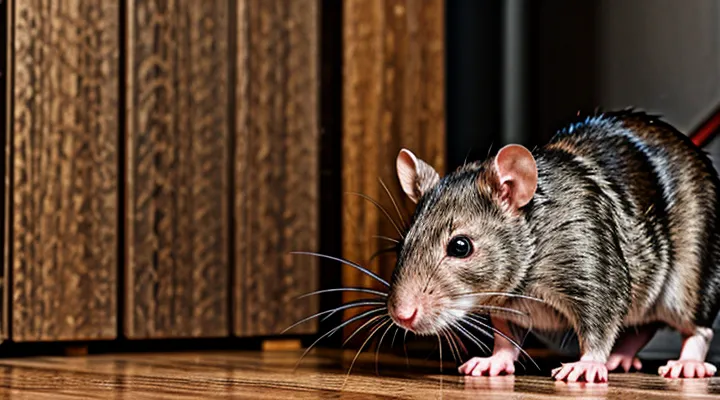
«Understanding Rat Behavior and Training Principles»
«Why Train Your Rat?»
Training a rat yields practical benefits that extend beyond simple obedience. A disciplined animal responds reliably to recall commands, reducing the risk of escape when the pet explores unfamiliar environments. Consistent training also establishes clear communication, allowing owners to intervene quickly if the rat encounters hazards such as toxic substances or dangerous objects.
A structured training regimen stimulates a rat’s cognitive abilities. Problem‑solving tasks and cue‑association exercises promote neural development, which can delay age‑related decline and improve overall wellbeing. Engaged rats display lower stress levels, as predictable interactions replace uncertainty and anxiety.
Enhanced cooperation simplifies daily care. Rats that come when called can be transferred between cages, veterinary clinics, and enrichment areas without force, minimizing injury to both animal and handler. This efficiency translates into smoother grooming, health checks, and medication administration.
Social bonds strengthen when the animal trusts its caregiver. Positive reinforcement builds a reciprocal relationship, encouraging exploratory behavior and reducing aggression toward humans or other pets. A well‑trained rat is more likely to seek interaction, fostering a richer companionship experience.
Key reasons to invest in rat training:
- Safety during free‑range play and outings
- Cognitive enrichment and mental health support
- Streamlined handling for medical and hygiene tasks
- Strengthened human‑animal connection
By focusing on these outcomes, owners achieve a manageable, healthy, and socially responsive pet.
«Foundational Training Concepts for Rats»
«Positive Reinforcement Explained»
Positive reinforcement is the cornerstone of effective recall training for rats. The method relies on delivering a desirable outcome immediately after the target behavior, thereby increasing the likelihood that the behavior will be repeated.
When a rat approaches the handler after a verbal cue, the trainer provides a reward that the animal finds highly motivating. Rewards can include a preferred food item, a brief session of gentle petting, or access to a favorite enrichment object. The critical factor is consistency: the reward must follow the correct response without delay, typically within one to two seconds.
Key components of the technique:
- Timing – deliver the reinforcement the moment the rat arrives at the handler’s hand or designated spot.
- Value – select a reward that the individual rat consistently prefers over other options.
- Frequency – begin with a reward after every successful recall; gradually reduce the schedule as the behavior stabilizes.
- Signal clarity – use a distinct verbal command (e.g., “come”) paired with a visual cue such as a raised hand to create a clear association.
Overtraining sessions should be short, lasting no more than five minutes, to prevent fatigue and maintain high motivation. Variety in reward type keeps the animal engaged and reduces the risk of satiation. If a recall attempt fails, the trainer refrains from punishment and instead reverts to a lower‑intensity cue, allowing the rat another opportunity to respond correctly.
By adhering to these principles, trainers shape reliable recall behavior, enabling rats to respond promptly to commands and fostering a cooperative relationship built on trust and predictable outcomes.
«Effective Reward Systems»
Effective reward systems are essential for conditioning rats to respond reliably to a recall cue. Rewards must be immediate, highly valued, and consistently delivered the moment the animal exhibits the target behavior. Delayed reinforcement weakens the association between the cue and the desired action, leading to slower acquisition and higher error rates.
Key elements of a robust reward protocol include:
- Timing: Deliver the treat within one to two seconds of the rat’s approach or return to the handler.
- Value: Use food items that the individual rat prefers, such as small pieces of fruit, mealworms, or specialized rodent treats. Rotate flavors to prevent satiation.
- Consistency: Apply the reward every time the rat complies during the learning phase; switch to a variable schedule once the behavior is stable.
- Signal clarity: Pair the reward with a brief, distinct marker (e.g., a clicker or a verbal “yes”) to reinforce the connection between the cue and the outcome.
During early sessions, employ a continuous reinforcement schedule to establish the link between the recall command and the reward. After the rat reliably returns on cue, transition to a fixed‑ratio schedule (e.g., reward after every third successful recall) to maintain motivation while encouraging persistence. Occasionally introduce a high‑value reward after a series of correct responses to boost enthusiasm.
Monitoring the rat’s response latency and error patterns informs adjustments. If the animal hesitates or fails to return, reduce the distance between the handler and the rat, increase reward size temporarily, or simplify the cue. Gradually increase distance and introduce distractions only after the rat consistently complies under controlled conditions.
By adhering to precise timing, preferred incentives, and systematic reinforcement schedules, trainers can shape rapid, dependable recall behavior in rats, ensuring that the command elicits a predictable response even in complex environments.
«Understanding Rat Motivation»
Understanding what drives a rat’s behavior is a prerequisite for reliable recall training. Rats respond predictably when a desired outcome aligns with their internal drives; mismatched incentives lead to hesitation or refusal.
Primary drivers include:
- Food reward – high‑value treats such as millet or small pieces of fruit trigger strong approach behavior.
- Social interaction – brief handling, vocal praise, or the presence of a familiar caretaker can motivate movement toward the trainer.
- Novelty – new objects or environments stimulate exploration, useful for encouraging forward motion.
- Avoidance of discomfort – mild, non‑painful stimuli (e.g., a brief pause in a preferred activity) can prompt a quick retreat toward a safer location.
Assessing a rat’s individual hierarchy of these drivers involves presenting each incentive separately and recording latency, frequency, and enthusiasm of the response. Preference patterns emerge within a few sessions; the most effective cue will vary between individuals.
When shaping recall behavior, apply the identified motivators consistently:
- Initiate the command from a short distance while the rat is engaged with its preferred incentive.
- Deliver the reward immediately upon arrival; delay reduces the association between cue and outcome.
- Gradually increase distance and introduce mild distractions, maintaining the same reward structure.
- Alternate reward types periodically to prevent satiation and preserve motivation.
- Record performance metrics (response time, success rate) for each session to adjust the incentive schedule as needed.
By aligning recall cues with the rat’s dominant motivations, trainers achieve faster learning curves, higher reliability, and reduced stress during command execution.
«Preparing for Recall Training»
«Essential Supplies»
«Appropriate Treats»
When teaching a rat to come when called, the reward must be both motivating and practical. The treat should be small enough for the animal to consume within a second, preventing distraction after the command. High‑value items—such as bits of cooked chicken, small pieces of cheese, or commercial rodent treats with strong aroma—produce the quickest response. Preference varies by individual; observe which flavors elicit the fastest approach and use those consistently.
Treat selection should also consider health. Choose low‑fat, low‑sugar options to avoid weight gain during frequent training sessions. Fresh fruits (e.g., tiny apple or banana chunks) and vegetables (e.g., pea or carrot tip) provide variety without excess calories. Avoid foods that can cause digestive upset, such as citrus peels or heavily seasoned human snacks.
Practical guidelines:
- Size: 2–3 mm pieces, fitting comfortably in the rat’s mouth.
- Palatability: strong scent, high protein or fat content.
- Hygiene: low‑mess items that do not leave residue on the training area.
- Frequency: reserve premium treats for successful recalls; use bland kibble for routine handling to maintain motivation.
- Storage: keep treats in airtight containers to preserve freshness and scent potency.
Consistent use of appropriate rewards reinforces the recall command, shortens training time, and supports the rat’s overall well‑being.
«Safe Training Environment»
A reliable recall command depends on a training setting that eliminates injury risk and minimizes stress for the rat.
The training area must be enclosed, free of gaps, and constructed from non‑toxic, easy‑to‑clean materials. Surfaces should provide traction without allowing the animal to slip or become trapped. All objects that could be chewed, swallowed, or cause entanglement—such as loose cords, small parts, and sharp edges—must be removed.
Psychological safety requires consistent, positive reinforcement. Rewards should be delivered immediately after the desired response, avoiding any form of punishment that could create fear. The environment should be quiet, with limited sudden noises or movements that could startle the animal.
Appropriate equipment includes a lightweight, escape‑proof harness, a handheld treat dispenser, and a low‑distraction zone where only the trainer and the rat are present. Items that emit strong scents or unfamiliar sounds should be excluded.
Key elements for a safe training environment:
- Enclosed space with secure doors and no gaps
- Non‑slippery, chew‑resistant flooring
- Removal of hazardous objects and loose materials
- Quiet area with minimal external stimuli
- Immediate, reward‑based feedback system
- Use of a fitted harness and treat dispenser designed for small rodents
Implementing these measures creates conditions where the rat can focus on the recall cue, leading to faster learning and reduced risk of injury.
«Clicker Training Basics»
Clicker training provides a clear, immediate signal that a behavior is correct, allowing rats to associate the sound with a reward. The method relies on three core principles: timing, consistency, and positive reinforcement.
The trainer first introduces the clicker by pairing each click with a small treat. After several repetitions, the rat learns that the click predicts food. This association creates a conditioned reinforcer that can replace the treat as a marker for correct actions.
To shape recall behavior, follow these steps:
- Present the clicker and click the moment the rat looks at you or moves toward you on cue.
- Immediately deliver a treat to reinforce the response.
- Gradually increase the distance between you and the rat, maintaining the click‑treat pair each time the animal approaches.
- Introduce a verbal cue such as “come” just before the click, so the rat links the sound, the word, and the approach.
- Reduce treat frequency over several sessions, keeping the click as the primary marker while offering occasional rewards to maintain motivation.
Consistency in timing is critical; the click must occur the instant the desired behavior is displayed. Any delay weakens the association and can cause confusion. Use the same clicker throughout training sessions to avoid mixed signals.
Advanced practice includes varying environments, adding mild distractions, and using the clicker to reinforce quick, reliable returns from multiple locations. By mastering clicker basics, trainers establish a reliable communication channel that accelerates the learning of recall commands in rats.
«Building a Strong Bond»
«Trust-Building Exercises»
Trust-building exercises create a reliable partnership between rat and handler, enabling consistent response to recall cues. Repeated positive interactions reduce fear, increase willingness to approach, and lay the foundation for dependable obedience.
- Hand‑feed treats from a short distance, gradually decreasing the gap while maintaining eye contact.
- Practice gentle “targeting” with a fingertip or small stick; reward the rat each time it touches the target on command.
- Conduct brief “stay‑close” sessions where the rat is encouraged to remain within a defined radius; release a treat when it complies.
- Use a soft voice and slow hand movements during “come” drills; reward immediately upon arrival at the handler’s hand.
Implement each exercise for 2–3 minutes per session, several times daily. Record the rat’s latency to approach and the consistency of target contact. Adjust the difficulty by increasing distance or adding mild distractions only after the rat demonstrates a 90 % success rate under baseline conditions. Consistent data collection confirms progress and informs the timing of formal recall training.
«Handling Techniques»
Effective handling creates the trust required for reliable recall in rats. A calm, predictable grip reduces stress and encourages the animal to respond to verbal or visual cues.
Maintain a low stance with shoulders relaxed; keep the hand within the rat’s line of sight. Position the palm flat, fingers together, and slide the hand gently under the chest cavity, supporting the torso without restricting breathing. Avoid squeezing the torso or gripping the tail, which can trigger defensive behavior.
When a rat resists, wrap it briefly in a soft, breathable towel. Place the animal on its back, secure the towel around the forelimbs, and hold the towel’s edges to control movement. Release the towel only after the rat remains still for several seconds, reinforcing calmness.
Key handling techniques for recall training:
- Target touch – Teach the rat to touch a fingertip or small object on cue; use the touch as a trigger for the “come” command.
- Hand signal – Pair a distinct hand motion with the verbal cue; repeat consistently to build association.
- Release cue – After the rat approaches, give a brief pause followed by a gentle open‑hand gesture to signal freedom, reinforcing the reward loop.
Apply each technique in short, frequent sessions. Observe the rat’s reaction, adjust pressure or timing as needed, and reward immediately after successful compliance. Consistency across handlers prevents confusion and accelerates the formation of a reliable recall response.
«Teaching the «Come» Command (Recall)»
«Step-by-Step Training Process»
«Starting in a Small Space»
Begin training in a confined area to establish a reliable recall response. A limited space reduces distractions, allowing the rat to focus on the cue and reward.
Secure a safe enclosure—such as a small cage, a playpen, or a cleared floor section—free of obstacles that could cause injury. Place the rat inside and allow a brief acclimation period.
Introduce the recall command (“come,” “here,” or a chosen word) while the rat is within sight. Pair the verbal cue with a high‑value treat delivered the moment the animal moves toward you. Repeat the sequence several times, maintaining consistent tone and timing.
Progress through the following steps:
- Cue‑treat pairing – Deliver the treat immediately after the rat approaches, reinforcing the association.
- Distance increase – Extend the distance by a few inches each session, ensuring the rat still responds reliably.
- Distraction addition – Introduce mild stimuli (e.g., a toy) to test response under slight distraction, keeping the environment otherwise unchanged.
- Space expansion – Once the rat consistently obeys within the small area, gradually enlarge the training zone while preserving the cue‑reward pattern.
Monitor the rat’s body language; hesitation indicates the need to reduce distance or simplify the environment. Consistency in cue, tone, and reward timing is critical for solidifying the recall behavior before moving to larger, more complex settings.
«Introducing the Cue Word»
The cue word serves as the auditory signal that tells a rat to return to the handler. It must be distinct, short, and consistent across all training sessions.
Begin with a quiet environment, a familiar enclosure, and a single, clear word such as “come.” Hold a treat in one hand, place the rat on a short leash or in a safe, open area, and say the cue word at a moderate volume. Immediately after the word, present the treat and gently guide the animal toward you. Repeat the sequence 5–7 times per session, maintaining the same tone and timing.
- Choose a word that is not used in everyday conversation around the rat.
- Use the same pronunciation, volume, and rhythm for every repetition.
- Pair the cue with an immediate reward; the treat must follow the word without delay.
- Limit each training block to 3–5 minutes to prevent fatigue.
- Conduct sessions twice daily until the rat reliably approaches after hearing the cue.
Maintain the exact wording and delivery throughout the training period. Gradually increase the distance between you and the rat, keeping the cue word unchanged. Observe the animal’s response; a consistent move toward the handler indicates successful association. If the rat hesitates, reduce the distance and reinforce the connection before extending the range again.
«Luring Techniques»
Luring is a fundamental method for establishing a reliable recall response in rats. The technique exploits the animal’s natural attraction to a favored object or food item, directing its movement toward the trainer on cue.
To apply luring effectively, follow these steps:
- Identify a high‑value lure, such as a small piece of fruit, a seed, or a specially scented treat that consistently motivates the rat.
- Present the lure in the trainer’s hand while the rat is positioned at a short distance (10–15 cm). Use a clear, distinct verbal cue—e.g., “come”—or a brief hand signal.
- Release the lure, allowing the rat to move toward the trainer. Reward immediately upon arrival with the same item, reinforcing the association between the cue and the action.
- Gradually increase the distance in increments of 0.5–1 meter, maintaining the same cue and reward pattern. Ensure the rat succeeds at each stage before extending the range.
- Introduce mild distractions (e.g., a toy, background noise) once the rat reliably responds at moderate distances. Continue to reward promptly after each successful recall.
- Phase out the physical lure after the rat consistently obeys the cue alone. Replace it with verbal praise or a brief tactile tap, preserving the reward schedule to prevent extinction.
Key considerations:
- Keep sessions brief (5–10 minutes) to maintain focus and avoid fatigue.
- Use the same cue word and hand gesture throughout training to prevent confusion.
- Monitor the rat’s motivation; if interest wanes, rotate to a different high‑value lure or refresh the current one.
- Record progress, noting distance achieved and any obstacles encountered, to adjust the training plan systematically.
Consistent application of these luring steps builds a strong, reliable recall behavior, enabling the rat to respond promptly when summoned, even in environments with moderate distractions.
«Phasing Out Lures»
Phasing out lures is a critical stage in teaching rats to respond reliably to a recall cue without reliance on food or toys. The process replaces high‑value incentives with the verbal or auditory command alone, ensuring the behavior persists when rewards are unavailable.
Begin by reducing lure frequency while maintaining consistency in the cue. Present the lure on only a minority of trials (e.g., 20 % of attempts) and deliver it immediately after the rat complies. Continue using the cue on every trial so the animal learns that the signal, not the lure, predicts the outcome.
Gradually lower the lure proportion:
- 20 % of trials with lure, 80 % without.
- 10 % of trials with lure, 90 % without.
- 5 % of trials with lure, 95 % without.
- 0 % of trials with lure; reward only after successful recall.
During each reduction step, observe response latency and success rate. If performance drops below a predetermined threshold (e.g., 80 % correct), pause the reduction and reinforce with a brief increase in lure frequency until the rat regains confidence.
Replace the lure with a secondary reward such as praise, a gentle petting motion, or a brief pause of attention. This transition reinforces the behavior through social reinforcement rather than material incentives.
Maintain short, frequent training sessions (5–10 minutes) to prevent fatigue and keep motivation high. Record progress in a simple log to track the exact trial count, lure usage, and success percentage, enabling objective assessment of the phasing process.
The final goal is a rat that reliably approaches when hearing the recall command, regardless of external rewards. Consistent cue usage, systematic lure reduction, and careful monitoring achieve this outcome.
«Generalization and Distance Training»
«Gradually Increasing Distance»
Training a rat to come when called requires the distance between the animal and the handler to expand in a controlled manner. Start with a short span, such as one to two feet, and reward the rat each time it returns after a verbal cue. The reward must be immediate and consistent to reinforce the association between the cue and the desired action.
After the rat reliably responds at the initial range, increase the separation by roughly one foot per session. Maintain the same cue and reward timing; if the animal hesitates, reduce the distance temporarily until confidence returns. Repeating this pattern across multiple short sessions builds the rat’s confidence in navigating larger spaces while staying focused on the command.
A practical schedule might look like this:
- Session 1 – 1‑ft distance, five successful recalls.
- Session 2 – 2‑ft distance, five successful recalls.
- Session 3 – 3‑ft distance, five successful recalls.
Continue the progression until the rat reliably responds at the maximum distance required for the training environment. Adjust the pace based on the individual’s performance; some rats may need a slower increase, while others can handle larger jumps.
If the rat fails to return at a new distance, pause the progression and revert to the previous successful range. Reinforce the cue with a higher‑value treat or a brief play session before attempting the next increase. Consistency in cue delivery, timing of reward, and gradual distance adjustments ensures the rat develops a reliable recall response.
«Varying Training Locations»
Training a rat to come when called must extend beyond a single room. When the animal learns the cue in multiple settings, the response becomes reliable regardless of surrounding stimuli.
Varying training locations provides three advantages: it reduces context dependence, it introduces natural distractions that the rat will encounter, and it builds confidence that the cue works everywhere.
Key considerations for choosing sites include:
- Safety: ensure the area is escape‑proof and free of hazards.
- Size: start with a confined space, then gradually increase the area.
- Distraction level: begin with low‑stimulus environments, progress to noisy or busy locations.
- Familiarity: mix familiar (home cage) and neutral (new room, garden) spaces to promote generalization.
A typical progression follows these steps:
- Reinforce the recall cue in the primary enclosure until the rat reliably approaches.
- Transfer the session to a second room with similar lighting and flooring; maintain the same cue and reward timing.
- Introduce a third environment that differs in texture, scent, or background noise; keep the cue consistent, but allow the rat more distance before rewarding.
- Add brief outdoor sessions on a secure, enclosed patio; use a portable carrier or safe enclosure to prevent loss.
During each session, keep the verbal or click cue identical, deliver the reward immediately upon arrival, and record the distance covered. If the rat hesitates, reduce the distance and increase repetitions before extending further.
Regularly rotate locations, even after the behavior appears solid. This rotation prevents the rat from associating the cue with a single context and ensures the recall command remains effective in any situation the animal may face.
«Distraction Management»
Training a rat to respond reliably to a recall cue demands strict control over external stimuli. When the animal encounters competing sounds, scents, or movements, the learned response weakens, and the command may be ignored.
Typical distractions include:
- Sudden noises (door slams, vacuum cleaners)
- Visual activity (other pets, people walking by)
- Olfactory cues (food leftovers, strong scents)
- Tactile interruptions (rough flooring, vibrations)
Effective management relies on systematic reduction and gradual re‑introduction of these factors. Begin each session in a quiet, uncluttered space. Eliminate food odors and secure loose objects that could generate sudden sounds. Use a consistent, high‑value reward—such as a small piece of fruit or a favorite treat—to maintain motivation when minor distractions are present.
Implementation steps:
- Baseline training – practice recall in a minimal‑stimulus environment until the rat reliably returns within two seconds.
- Controlled exposure – introduce a single distraction at a low intensity (e.g., a recorded footstep sound at 30 dB). Reward successful recalls immediately.
- Incremental escalation – raise the volume or add a second distraction (visual movement) only after the rat performs consistently under the previous condition.
- Variable reinforcement – alternate between continuous and intermittent reward schedules to strengthen perseverance despite unpredictable stimuli.
- Signal clarity – use a distinct, short auditory cue (e.g., a clicker) paired with a hand motion; ensure the cue remains identical across all distraction levels.
If performance declines, pause the session, return to the baseline environment, and reassess the rat’s stress indicators (freezing, excessive grooming). Reduce the difficulty of the distraction or increase the reward magnitude before proceeding. Consistent documentation of each trial’s conditions and outcomes accelerates refinement of the distraction‑management protocol.
«Troubleshooting Common Recall Issues»
«My Rat Isn't Responding»
«Re-evaluating Rewards»
Effective recall training for rats depends on the precise calibration of reinforcement. When a rat consistently returns after a cue, the behavior is maintained only if the reward remains motivating and appropriately delivered.
First, assess the current reward’s intrinsic value. Food items that were initially exciting may lose appeal after repeated exposure. Conduct brief preference tests: present two treats side by side and record the animal’s choice over several trials. Replace the less‑preferred option with a novel, high‑value item such as a small piece of fruit, a protein bite, or a specially formulated rodent treat.
Second, examine timing. The interval between the cue and reward delivery must be minimal. Use a click or a brief pause of no more than one second before offering the treat. Any delay beyond this window reduces the association strength and prolongs the learning curve.
Third, incorporate variability to prevent satiation. Rotate reward types on a schedule (e.g., every third successful recall) while keeping the overall calorie intake within the rat’s dietary limits. This approach sustains interest and avoids the plateau that often follows constant reinforcement.
Fourth, consider non‑food incentives. Gentle tactile praise, a brief period of free exploration, or a short play session with a safe object can supplement edible rewards, especially for rats that show reduced food motivation due to health concerns.
Implement the following checklist during each training session:
- Conduct a quick preference test weekly.
- Deliver the reward within one second of the cue.
- Alternate between at least three distinct food rewards.
- Add a non‑food incentive on every fifth successful recall.
Regularly re‑evaluate the reward system using this protocol. Adjustments based on observed preferences and response latency will preserve the rat’s enthusiasm for recall tasks and accelerate mastery of the command.
«Simplifying the Environment»
Simplifying the training area removes distractions that compete with the recall cue, allowing the rat to focus on the command. A clear space also makes it easier to observe the animal’s response and to adjust timing.
- Choose a room with minimal furniture; keep only a flat surface and a secure cage.
- Remove items that emit strong odors, such as food remnants, bedding, or scented cleaning products.
- Use a single, consistent cue (verbal word or click) and deliver it from the same location.
- Limit background noise; turn off televisions, radios, and appliances during sessions.
- Ensure lighting is even; avoid bright spots or shadows that may draw attention away from the trainer.
After each session, return the environment to its simplified state before the next training block. Consistency in spatial layout reinforces the association between the cue and the expected behavior, accelerating the learning curve.
«Reviewing Training Steps»
When evaluating progress in teaching a rat to respond to a recall cue, focus on three core elements: signal consistency, response timing, and reinforcement quality.
- Signal consistency – Verify that the audible or visual cue is identical in pitch, duration, and volume each session. Any variation can create ambiguity, reducing the animal’s willingness to act.
- Response timing – Measure the interval between cue presentation and the rat’s movement toward the handler. Record latency for each trial; a decreasing trend indicates successful conditioning.
- Reinforcement quality – Confirm that the reward follows the desired behavior within a two‑second window. Immediate delivery sustains the association, while delayed or inconsistent reinforcement weakens it.
After each training block, compare current data with baseline figures collected during the initial introduction phase. Look for at least a 20 % reduction in latency and a 90 % success rate across consecutive trials. If either metric stalls, adjust one variable at a time: tighten cue parameters, shorten the distance before issuing the cue, or switch to a higher‑value treat.
Document observations in a simple log: date, cue type, distance, latency, reward used, and any anomalies (e.g., distractions, health issues). Regular review of this log enables rapid identification of patterns and informs targeted refinements, ensuring the rat reliably comes when called.
«Dealing with Distractions»
«Progressive Exposure»
Progressive exposure builds a rat’s confidence in responding to a recall cue by gradually increasing the difficulty of the training environment. Begin in a quiet, familiar enclosure where the animal easily associates the cue with a reward. Introduce a single mild distraction—such as a soft rustle—only after the rat reliably comes when called. Reward the successful response, then remove the distraction before adding the next, slightly more challenging element, like a low‑volume recording of household sounds. Continue this pattern, layering stimuli (e.g., multiple noises, varied lighting, limited visual barriers) while maintaining a high success rate before advancing.
Key steps for implementation:
- Establish baseline reliability: Ensure the rat consistently returns to the handler in a controlled setting.
- Select incremental stressors: Choose distractions that are perceptible but not overwhelming.
- Set performance criteria: Advance only when the rat meets a predetermined success threshold (e.g., 8 out of 10 correct responses).
- Maintain reward consistency: Use the same high‑value treat or praise to reinforce the desired behavior.
- Monitor fatigue and stress: Pause or revert to a simpler stage if the rat shows signs of avoidance or anxiety.
By systematically widening the context in which the recall cue is presented, the animal learns to generalize the command across diverse situations, ultimately responding reliably even in complex, real‑world environments.
«High-Value Rewards in Distracting Environments»
High-value rewards are treats that a rat finds exceptionally appealing, often surpassing standard kibble or fruit pieces. Examples include small pieces of cooked chicken, soft cheese, or commercial rodent treats with strong aromas. The reward’s desirability must exceed the rat’s interest in surrounding stimuli for the recall cue to dominate attention.
When distractions such as loud noises, moving objects, or other animals are present, the rat’s focus shifts away from the trainer’s signal. A reward that outranks the competing stimulus restores motivation, allowing the animal to break the distraction loop and return to the handler.
Selection criteria for effective high-value items:
- Strong scent that penetrates the environment.
- Soft texture for rapid consumption.
- Minimal mess to prevent loss of attention during retrieval.
- Consistency in size to avoid overfeeding.
Implementation steps:
- Identify a treat that consistently elicits rapid, enthusiastic consumption during isolated sessions.
- Pair the chosen treat with the recall command (“come” or a designated cue) during low-distraction training.
- Gradually introduce mild distractions while maintaining the same treat‑command pairing.
- Increase distraction intensity only after the rat reliably responds, keeping the reward visible or audible if possible.
- Fade the treat’s frequency once the behavior stabilizes, substituting occasional high-value rewards with lower‑value reinforcement to preserve the learned response.
Sustaining effectiveness requires rotating the reward variety every few weeks to prevent habituation, storing treats in airtight containers to preserve scent, and monitoring the rat’s weight to avoid overconsumption. Applying these measures ensures that the recall cue remains dominant even in highly stimulating settings.
«Advanced Recall Techniques and Fun Variations»
«Teaching «Here» or Other Recall Cues»
Effective recall training for rats begins with a distinct verbal cue, such as “Here,” paired with a consistent hand signal. The cue must be short, easily audible, and used exclusively for the recall exercise to prevent confusion with other commands.
Start by establishing a positive association with the cue. Offer a high‑value treat (e.g., a small piece of fruit or a favorite pellet) whenever the rat approaches the trainer after hearing the word. Repeat the sequence several times in a short session, keeping each trial under ten seconds to maintain the animal’s attention.
Progress to intermittent reinforcement. After the rat reliably responds to the cue, reduce the frequency of treats to a random schedule (e.g., every third or fourth successful recall). This pattern strengthens the behavior while preventing dependence on constant rewards.
Introduce environmental variability. Practice in different rooms, on various surfaces, and with mild distractions (e.g., a toy nearby). Ensure the cue remains the sole predictor of the reward, reinforcing the rat’s focus on the command rather than the surroundings.
Address common setbacks:
- Delayed response: Shorten the distance between the rat and the trainer before issuing the cue; gradually increase the gap as speed improves.
- Distraction: Add a brief “wait” cue before recall, then release the rat with the recall command to sharpen concentration.
- Loss of motivation: Cycle through several preferred treats to keep the reward appealing.
Maintain consistency in tone, volume, and hand signal. Record progress in a simple log, noting cue accuracy, distance, and reinforcement schedule. Regular short sessions (5–10 minutes) three times daily produce reliable recall without causing stress.
By following these steps, a rat learns to respond promptly to “Here” or any chosen recall cue, enabling safe handling and controlled movement in a variety of settings.
«Incorporating Obstacles»
Incorporating obstacles into recall training sharpens a rat’s response to the “come” command while building confidence in varied environments. Obstacles create a controlled challenge that forces the animal to navigate, reinforcing the association between the cue and the reward even when movement is impeded.
- Simple tunnels or PVC pipes encourage forward motion through confined spaces.
- Low platforms and step ladders introduce vertical transitions that require deliberate climbing.
- Textured mats or rubberized pads add surface variation, prompting careful foot placement.
Begin each session by establishing the cue in an open area, then gradually introduce a single obstacle. Present the command, wait for the rat to initiate movement, and reward any progress toward the goal, even if the animal pauses at the barrier. Increase difficulty by adding a second obstacle after the first is consistently cleared, maintaining a high reward frequency to sustain motivation.
If the rat hesitates, reduce the obstacle’s height or length, and repeat the cue‑reward cycle until confidence returns. Avoid forcing the animal through a barrier; instead, guide with a gentle hand or a treat lure. Consistent, short sessions—five to ten minutes—prevent fatigue and reinforce the desired behavior across diverse settings.
«Group Recall (If Applicable)»
Training several rats to respond to a single recall cue demands consistent cues, predictable environment, and controlled timing. Begin with individual sessions until each rat reliably returns on command. Once reliability is established, introduce a neutral arena where all subjects can see each other but remain separated by low barriers that prevent physical interference.
- Place all rats in the arena, each on a distinct platform or cage section.
- Use a distinct auditory signal (e.g., a whistle or clicker) that has been paired with a high‑value treat for each animal.
- Release the cue while all rats are at a distance of at least one meter from the reward zone.
- Observe which individuals respond; immediately reward every rat that reaches the designated spot.
- If any rat fails to respond, repeat the cue after a brief pause, then guide the lagging animal gently toward the target and reward it. Record the number of successful responses per trial.
Gradual reduction of barriers encourages visual and auditory cues from conspecifics, reinforcing the association that the signal applies to the whole group. Maintain a ratio of one reward per responding rat to avoid competition. Sessions should last no longer than ten minutes to prevent fatigue, and the frequency should be three times per week to sustain motivation.
Progress assessment relies on the percentage of rats that answer within five seconds of the cue. When the group consistently exceeds eighty percent, transition to outdoor or larger indoor spaces, preserving the same cue and reward structure. Consistency in cue, timing, and reward eliminates ambiguity, ensuring that the recall command functions reliably for the entire cohort.