
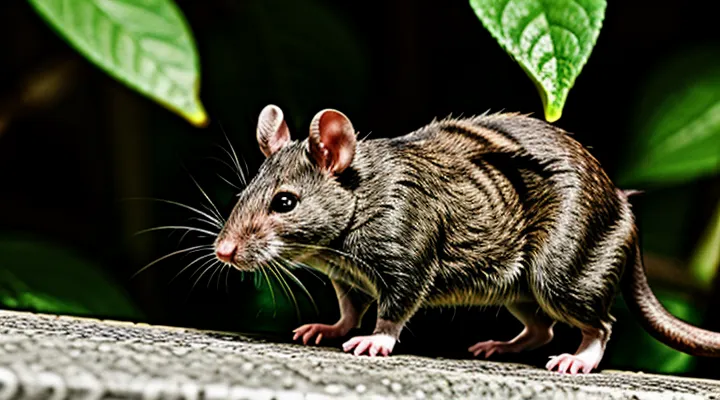
Understanding Rat Teeth Chattering
What is Teeth Chattering?
Definition and Characteristics
Teeth chattering in rats, commonly observed as rapid, rhythmic movement of the incisors, constitutes a distinct behavioral pattern. It is characterized by the following features:
- High‑frequency oscillation of the upper and lower incisors, typically lasting from a few seconds to several minutes.
- Audible clicking sound generated by the contact of the teeth, often detectable without visual observation.
- Occurrence in both laboratory and wild specimens, irrespective of age or sex.
- Association with heightened physiological arousal, manifested by increased heart rate and respiratory rate.
The phenomenon is defined as an involuntary, repetitive mandibular motion that does not serve a functional chewing purpose. Morphologically, the incisors remain stationary in the alveolar sockets while the jaw muscles contract in a coordinated pattern, producing the characteristic vibration. Neurologically, the behavior is linked to activation of the trigeminal motor nucleus and brainstem pathways governing oral reflexes. Environmental triggers, such as sudden temperature changes or exposure to novel stimuli, often precipitate the response, indicating its role as an immediate alert mechanism.
Sounds Associated with Chattering
The audible component of rodent dental vibration consists of rapid, high‑frequency clicks produced when the upper and lower incisors strike each other. The sound is typically sharp, resembling a brief metallic clack, and can be heard at a rate of several hundred repetitions per minute. In quiet environments the clicks are unmistakable, while in noisy settings they may blend with ambient rustling.
- Frequency: 300–800 Hz, varying with individual size and stress level.
- Duration of each click: 5–15 ms, creating a staccato pattern.
- Rhythm: irregular bursts during agitation, steady cadence during grooming.
- Amplitude: 40–70 dB at a distance of 30 cm, sufficient to alert conspecifics.
Interpretation of these acoustic signals relies on context. Sudden, irregular bursts often accompany defensive posturing or territorial disputes, signaling heightened arousal to nearby rats. Steady, rhythmic chattering frequently occurs during self‑grooming, indicating a low‑stress state and facilitating social bonding through synchronized sound production. The presence of the characteristic click alone provides a reliable indicator of dental engagement, allowing observers to infer the underlying behavioral motivation without visual confirmation.
Common Causes of Teeth Chattering
Positive Emotional States
Positive emotional states in rats are characterized by elevated dopamine activity, increased exploratory behavior, and frequent grooming. Physiological markers include reduced corticosterone levels and heightened heart‑rate variability. Behavioral signs encompass play, social interaction, and rapid, rhythmic tooth movement.
Tooth chattering frequently appears when rats experience such affective conditions. In contrast to chattering linked to anxiety or pain, the pattern associated with pleasure is brief, high‑frequency, and often accompanied by tail‑flicking or vocalizations. The behavior serves as an auditory cue that signals a rewarding context to conspecifics.
Understanding this manifestation provides several benefits:
- Immediate assessment of welfare in laboratory and captive environments.
- Insight into the neural circuitry that couples reward processing with oral motor output.
- Basis for refining enrichment protocols that promote positive affect while minimizing stress‑related chattering.
Overall, tooth chattering functions as a reliable indicator of a rat’s positive emotional state, offering a non‑invasive metric for researchers and caretakers to evaluate mental well‑being.
Contentment and Pleasure
Rats produce rapid incisor movements that often accompany a relaxed posture, slow breathing, and a calm facial expression. This vocal‑like activity correlates strongly with internal states of satisfaction and enjoyment, especially after feeding or during social grooming. Observations in laboratory colonies reveal that individuals emit the sound most frequently when presented with preferred food items, indicating a direct link between the behavior and positive affective experience.
The phenomenon serves as a reliable indicator of well‑being in captive settings. Researchers can monitor the frequency and duration of the chattering to assess the impact of environmental enrichment, dietary changes, or stress‑reduction interventions. A consistent presence of the behavior suggests that the animal perceives its surroundings as safe and rewarding.
Key characteristics associated with the pleasurable context include:
- Soft, steady rhythm of the sound, typically ranging from 5 to 12 Hz.
- Absence of aggressive posturing or rapid escape attempts.
- Concurrent grooming or nesting activity.
When the behavior diminishes or disappears, it may signal discomfort, illness, or inadequate stimulation. Consequently, the chattering provides a practical tool for evaluating the emotional state of rats and guiding husbandry practices toward enhanced welfare. «The sound denotes contentment», a concise description frequently employed in ethological literature.
Social Bonding
Rats produce rapid, high‑frequency jaw vibrations that are readily observable in laboratory and field settings. This acoustic signal serves as a primary conduit for establishing and maintaining affiliative connections among conspecifics. The behavior occurs most frequently during close physical contact, such as grooming sessions or nest sharing, indicating a direct link to relational cohesion.
Physiological correlates accompany the vocalization. Elevated oxytocin levels and reduced corticosterone concentrations have been recorded in individuals engaged in the activity, suggesting a neuroendocrine mechanism that reinforces positive social interactions. The pattern of emission—short bursts interspersed with pauses—mirrors the rhythmic nature of other affiliative signals in rodents.
Key social functions include:
- Reinforcement of pair bonds during mating and parental care.
- Stabilization of hierarchical relationships by signalling non‑aggressive intent.
- Coordination of group movements, particularly when relocating to new nesting sites.
- Mitigation of stress during crowding or environmental disturbances.
Empirical investigations demonstrate that disruption of the acoustic channel, via auditory masking, leads to measurable declines in group cohesion metrics, such as reduced grooming frequency and increased aggression. Conversely, artificial playback of recorded «teeth chattering» restores affiliative behaviors, underscoring the signal’s pivotal role in social integration.
Negative Emotional States
Dental chattering in rats frequently reflects underlying negative emotional states. When individuals experience heightened anxiety, fear, or chronic stress, muscular tension in the jaw increases, producing rapid, audible tooth grinding. The behavior serves as a somatic expression of internal discomfort and can be observed during handling, exposure to predators, or confinement in overcrowded cages.
Typical triggers associated with adverse affective conditions include:
- Sudden environmental disturbances that provoke fear;
- Persistent exposure to loud noises or bright lights causing anxiety;
- Inadequate nesting material leading to frustration;
- Social isolation or aggressive encounters that generate stress;
- Poor health or pain that elevates discomfort.
The occurrence of dental chattering provides valuable information for welfare assessment. Persistent chattering signals that the animal’s affective state deviates from baseline calmness, indicating the need for environmental enrichment, reduced stressors, or medical evaluation. Monitoring this behavior allows caretakers to identify welfare compromises early, implement corrective measures, and track the effectiveness of interventions.
Stress and Anxiety
Stress and anxiety are primary drivers of dental vibration in rodents. Elevated cortisol levels, heightened sympathetic activity, and disruption of normal grooming patterns accompany the behavior. When a rat perceives a threat or experiences chronic environmental pressure, the neural circuitry linking the amygdala to the brainstem motor nuclei triggers involuntary jaw movements.
Key physiological links include:
- Activation of the hypothalamic‑pituitary‑adrenal axis, resulting in cortisol surges that sensitize muscle fibers.
- Increased norepinephrine release, which amplifies motor neuron excitability.
- Suppression of parasympathetic tone, reducing the inhibitory control over mandibular muscles.
Behavioral manifestations often arise in crowded housing, irregular lighting cycles, or after handling that induces fear. Observations show that rats exposed to unpredictable noise or predator cues display more frequent dental chatter than those in stable conditions.
Mitigation strategies focus on environmental enrichment, consistent routine, and reduction of abrupt stimuli. Providing nesting material, maintaining stable temperature, and limiting human disturbance lower stress biomarkers and consequently diminish the occurrence of the dental vibration. Regular monitoring of cortisol in droppings can serve as an objective indicator of the animal’s anxiety level and help evaluate the effectiveness of interventions.
Fear and Submission
Rat incisors may vibrate rapidly when a rodent perceives a threatening stimulus. The phenomenon often appears in confined environments, during handling, or when predators are nearby.
The vibration serves as a physiological response to heightened arousal. Activation of the sympathetic nervous system increases muscle tension in the jaw, producing a rapid clatter. This motor pattern correlates with the emotional state commonly labeled as «fear». Elevated cortisol levels and accelerated heart rate accompany the sound, confirming a stress‑related origin.
In social contexts, the same acoustic signal can convey deference. When a subordinate individual encounters a dominant conspecific, the chattering may function as an appeasement gesture, indicating willingness to accept the hierarchy. The behavior reduces the likelihood of aggression by signaling non‑threatening intent, thereby facilitating group stability.
Key factors influencing the expression of the behavior include:
- Sudden visual or auditory cues that suggest predation risk.
- Direct physical restraint or forced handling.
- Presence of a higher‑ranking rat within the same enclosure.
- Environmental stressors such as overcrowding or unfamiliar scents.
Understanding the dual role of the sound—both as an alarm indicator and as a submissive cue—enables more accurate interpretation of rodent welfare and improves handling protocols.
Physical Discomfort or Pain
Rats often exhibit rapid back‑and‑forth movement of their incisors, a behavior commonly observed when they experience physical distress. The action serves as a clear signal that the animal is encountering discomfort in the oral cavity or surrounding structures.
Typical sources of pain that provoke this response include:
- Overgrowth of incisors that contacts soft tissues, causing irritation.
- Dental fractures or sharp edges resulting from gnawing on hard objects.
- Inflammatory conditions such as pulpitis or periodontitis.
- Trauma to the jaw or facial bones, often from aggressive handling or enclosure hazards.
When the behavior appears, it frequently coincides with other signs of malaise, such as reduced food intake, altered grooming patterns, or vocalizations. Recognizing the link between chattering and physical discomfort enables timely veterinary assessment and intervention, preventing escalation of underlying pathology.
Dental Issues
Dental problems frequently trigger the rapid movement of a rat’s incisors. Overgrown teeth, resulting from the species’ continuous eruption, create uneven bite forces that stimulate repetitive grinding. Malocclusion, often caused by genetic defects or trauma, forces the animal to adjust jaw positioning, producing audible chatter. Periodontal inflammation and abscess formation generate localized pain; the nervous response includes heightened mandibular activity as a coping mechanism.
Typical oral conditions associated with this behavior include:
- Incisor overgrowth leading to self‑injury of the oral mucosa.
- Malocclusion arising from skeletal abnormalities or misaligned eruption.
- Periodontal disease characterized by gingival recession and bacterial infection.
- Dental abscesses producing purulent discharge and swelling.
The presence of chattering serves as a practical indicator of underlying oral distress. Veterinary examination can reveal the precise pathology, allowing targeted interventions such as trimming of overgrown incisors, corrective orthodontic devices, or antimicrobial therapy for infection. Prompt management reduces pain, restores normal feeding behavior, and prevents secondary complications like weight loss or systemic infection.
Illness
Dental chattering in rats often signals underlying health problems. Infections, metabolic disorders, and neurological conditions can provoke rapid, rhythmic gnashing of incisors. The behavior may appear suddenly or intensify as disease progresses, providing a visible indicator for caretakers.
Typical illnesses associated with this symptom include:
- Respiratory infections such as Mycoplasma pulmonis, which cause discomfort and heightened stress.
- Gastrointestinal disturbances, for example cecal dysbiosis, that generate abdominal pain.
- Metabolic imbalances like hypoglycemia or hypercalcemia, leading to neuromuscular excitability.
- Neurological diseases, including encephalitis or peripheral neuropathy, that disrupt normal motor control.
Recognizing dental chattering as a clinical sign facilitates early diagnostic testing and timely therapeutic intervention, reducing the risk of severe complications.
Communication
Teeth chattering in rats consists of rapid, rhythmic grinding of the incisors, readily detectable by sound and vibration. The act functions as a signal exchanged among conspecifics, conveying internal states without reliance on visual cues.
Key communicative aspects include:
- Audible clicks that travel through the cage environment, alerting nearby individuals to potential threats or disturbances.
- Vibrational feedback transmitted through the substrate, providing information about the emitter’s physiological stress level.
- Association with body posture and grooming movements, allowing receivers to infer dominance or submission.
Understanding this vocal‑mechanical exchange informs laboratory handling protocols, enhances interpretation of social dynamics, and guides enrichment strategies aimed at reducing chronic stress in captive populations.
Warning Signals
Rat incisors’ rapid vibration often serves as an immediate alarm to conspecifics. The sound conveys heightened arousal, prompting nearby individuals to adopt defensive postures or to flee. When a rat perceives a predator, a sudden increase in chattering frequency signals imminent danger, enabling quick group‑wide reactions without visual cues.
Typical scenarios in which this acoustic warning appears include:
- Presence of aerial or terrestrial predators detected through scent or movement.
- Encounter with unfamiliar, aggressive conspecifics during territorial disputes.
- Exposure to abrupt environmental changes such as loud noises or bright lights.
In each case, the vibration pattern differs in intensity and duration, providing receivers with information about threat severity. Observers that recognize the warning can adjust behavior—remaining still, seeking shelter, or initiating escape routes—thereby reducing individual risk. The reliability of this signal stems from its low latency and the ease with which it propagates through the dense fur and skeletal structure of the animal.
Establishing Dominance
Teeth chattering in rats is a rapid, audible grinding of incisors that often occurs during social encounters. The behavior appears most frequently when an individual confronts another of similar size or higher status.
During confrontations, chattering functions as an auditory signal that conveys the emitter’s intent to assert control. The sound signals physiological arousal, heightened sympathetic activity, and readiness to engage in further aggressive or submissive actions. Recipients interpret the signal to gauge the relative strength of the challenger, influencing the subsequent hierarchy adjustment.
Key aspects linking chattering to dominance establishment:
- Emission by the dominant or aspiring individual, preceding or accompanying other aggressive displays such as lunging or tail rattling.
- Amplification of vocalizations when the emitter perceives a threat to its rank, reinforcing the perception of confidence.
- Reduction or cessation of chattering once the hierarchy stabilizes, indicating acceptance of the established order.
Research indicates that individuals capable of sustained chattering maintain higher success rates in territorial disputes and resource acquisition. The behavior therefore serves as both a deterrent to potential rivals and a reinforcement mechanism for the prevailing social structure.
Interpreting the Significance of Chattering
Behavioral Context is Key
Observing Body Language
Observing a rat’s body language provides direct clues about the reasons behind incisor chattering and its functional meaning. When the animal displays rapid jaw vibrations, the surrounding posture, ear position, and movement patterns clarify whether the behavior signals stress, territorial assertion, or social communication.
Key visual indicators include:
- Rigid spine and elevated tail, often accompanying aggressive or defensive chattering;
- Flattened ears pressed against the head, suggesting heightened alertness;
- Quick, darting locomotion, indicating excitement or a startle response;
- Relaxed posture with grooming motions, pointing to a non‑threatening, affiliative context.
Correlating these cues with environmental factors—such as the presence of conspecifics, sudden noises, or changes in habitat—enables accurate interpretation of the chattering episode. Consistent patterns, for example, the combination of tense musculature and forward‑facing ears, reliably denote a defensive state, whereas relaxed musculature paired with gentle chattering often reflects social bonding or appeasement.
Environmental Factors
Rats exhibit rapid incisor movements in response to specific external conditions. Temperature fluctuations constitute a primary trigger; sudden drops below the thermoneutral zone prompt muscular contractions that manifest as audible clicks. High humidity levels can exacerbate this response by altering skin conductance and increasing nervous system sensitivity.
Lighting intensity influences circadian regulation. Exposure to bright, flickering light sources during the dark phase disrupts melatonin secretion, leading to heightened arousal and subsequent «teeth chattering». Conversely, prolonged darkness may induce stress‑related vocalizations that accompany the same behavior.
Cage environment contributes directly to the occurrence of the phenomenon. Overcrowding reduces available nesting material, forcing individuals to compete for limited resources. This competition elevates cortisol concentrations, which correlate with increased incisor activity. Inadequate ventilation creates stale air, raising carbon dioxide concentrations and stimulating respiratory drive, indirectly affecting jaw musculature.
Auditory and vibrational disturbances act as secondary factors. Loud, irregular noises, such as machinery or human activity, trigger startle reflexes that often culminate in rapid jaw movements. Vibrations transmitted through the substrate can mimic predator cues, eliciting defensive chattering.
Nutritional variables also play a role. Diets lacking adequate calcium or vitamin D impair enamel hardness, causing rats to grind teeth more frequently to maintain occlusal balance. Frequent feeding schedules that interrupt natural foraging patterns generate anticipatory stress, which manifests as brief episodes of incisor vibration.
Key environmental determinants:
- Temperature extremes (cold stress)
- Humidity levels above optimal range
- Intense or irregular lighting
- Overcrowded housing and limited nesting material
- Poor ventilation and elevated CO₂
- Loud, unpredictable sounds
- Substrate vibrations resembling predator cues
- Nutrient deficiencies affecting dental health
- Disrupted feeding rhythms
Understanding these factors enables precise modification of laboratory or pet‑keeping conditions, reducing the incidence of involuntary incisor activity and improving overall rodent welfare.
Distinguishing Between Types of Chattering
«Bruxing» vs. «Chirping»
Rats display two distinct oral vocalizations that are frequently confused because both involve rapid mandibular movement. The first, termed «Bruxing», consists of continuous grinding of the incisors against each other. The second, known as «Chirping», involves rapid, rhythmic clattering of the teeth without sustained pressure.
Key distinctions include:
- Motion pattern: «Bruxing» features sustained, back‑and‑forth grinding; «Chirping» presents brief, high‑frequency clacks.
- Acoustic profile: «Bruxing» produces low‑pitched, continuous sound; «Chirping» yields sharp, intermittent clicks.
- Physiological trigger: «Bruxing» often follows stress, pain, or dental discomfort; «Chirping» correlates with excitement, territorial displays, or social interaction.
- Behavioral context: «Bruxing» may precede grooming or feeding pauses; «Chirping» commonly accompanies exploratory or confrontational scenarios.
Interpretation of each behavior aids in assessing welfare and social dynamics. Persistent «Bruxing» can signal chronic discomfort, warranting veterinary examination. Frequent «Chirping» may indicate heightened arousal or dominance contests, providing insight into group hierarchy. Understanding these vocalizations enhances monitoring protocols and informs enrichment strategies.
Implications for Rat Health and Well-being
Rat teeth chattering often signals underlying physiological or environmental stressors. Persistent chattering can indicate dental discomfort, respiratory irritation, or heightened anxiety, each of which directly affects overall health.
Dental discomfort arises when incisors overgrow or develop malocclusion. Overgrown incisors impede proper gnawing, reduce food intake, and create oral lesions. Early detection of chattering enables timely dental trimming, preventing secondary infections and weight loss.
Respiratory irritation manifests as a response to poor air quality, high ammonia levels, or particulate matter. Continuous chattering may precede respiratory inflammation, leading to reduced oxygen exchange and susceptibility to pathogens. Improving ventilation and maintaining clean bedding mitigate this risk.
Anxiety‑related chattering reflects heightened stress, often linked to overcrowding, inadequate enrichment, or abrupt environmental changes. Chronic stress suppresses immune function, lowers reproductive success, and shortens lifespan. Implementing consistent handling routines, providing nesting material, and ensuring appropriate group sizes alleviate stress‑induced chattering.
Key implications for rat health and well‑being:
- Prompt dental assessment and corrective trimming reduce oral pathology.
- Enhanced air circulation and regular cage cleaning lower respiratory irritation.
- Enrichment enrichment and stable social structures diminish stress‑related chattering.
- Monitoring chattering frequency serves as an early warning system for emerging health issues.
Integrating these measures into husbandry protocols transforms a seemingly minor vocalization into a valuable diagnostic indicator, supporting optimal physiological condition and longevity.
When to Seek Veterinary Advice
Persistent or Unusual Chattering
«Persistent or Unusual Chattering» in rats denotes a prolonged or atypical pattern of incisors clicking that deviates from brief, situational sounds. The behavior may arise from several physiological and environmental factors.
Common causes include:
- Dental malocclusion or overgrowth, leading to constant grinding as the animal attempts to wear teeth down.
- Chronic stress or anxiety, often triggered by overcrowding, sudden noises, or predator cues.
- Neurological disorders such as seizures or tremors that manifest as repetitive jaw movements.
- Exposure to irritants, including strong odors, chemicals, or temperature extremes, which provoke sustained oral activity.
Interpretation of the behavior provides insight into the animal’s condition. Persistent chattering often signals:
- Underlying health problems requiring veterinary assessment, especially when accompanied by weight loss or changes in grooming.
- Elevated stress levels within a colony, suggesting the need for environmental enrichment or population adjustments.
- Potential communication attempts, where rats use extended clicking to convey alarm or territorial claims to conspecifics.
Monitoring frequency, duration, and accompanying signs allows caretakers to differentiate benign vocalizations from indicators of pathology. Early detection supports timely intervention, improving welfare and reducing the spread of stress-related disorders within groups.
Accompanying Symptoms
Rats that exhibit rapid incisor movement often display additional physiological and behavioral cues that help differentiate benign excitement from pathological states. Recognizing these cues is essential for accurate assessment and timely intervention.
Typical accompanying signs include:
- Elevated respiratory rate, sometimes accompanied by shallow breathing.
- Increased whisker twitching, indicating heightened sensory arousal.
- Audible vocalizations such as squeaks or chattering sounds distinct from the dental movement itself.
- Altered posture, ranging from a crouched stance to repetitive head bobbing.
- Piloerection, where the fur stands on end, reflecting autonomic activation.
- Excessive grooming or self‑biting, suggesting discomfort or stress.
- Reduced food intake or selective chewing, potentially signifying oral pain.
When these symptoms appear alongside «teeth chattering», underlying factors may involve:
- Acute stressors (e.g., handling, environmental changes).
- Respiratory infections that provoke coughing and nasal discharge.
- Dental pathology, including overgrown incisors or malocclusion.
- Neurological disturbances such as seizures or vestibular dysfunction.
- Thermal extremes, where cold exposure triggers shivering‑type chattering.
Veterinary evaluation should prioritize observation of the full symptom cluster, laboratory testing for infectious agents, and dental examination to identify the primary cause. Prompt treatment of the identified condition typically reduces both the dental movement and its associated manifestations.