
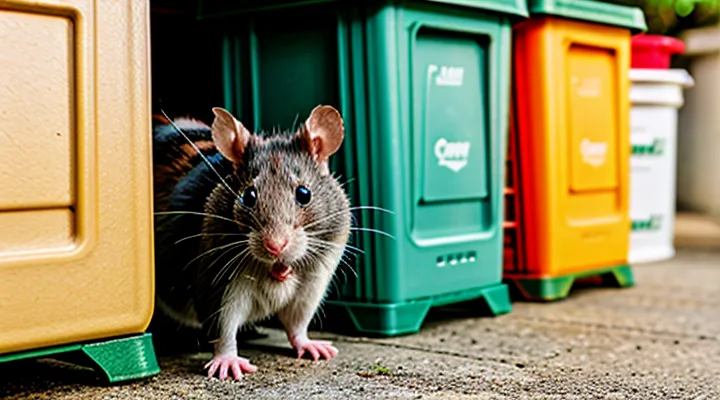
Housing Essentials
Cages: Size and Type
Choosing an appropriate cage is essential for the health and well‑being of pet rats. Proper dimensions prevent crowding, allow exercise, and reduce stress.
A cage should provide at least 12 inches of floor space per rat. For a single rat, a minimum floor area of 24 × 24 inches is recommended; for a pair, 30 × 24 inches; for three or more, add 12 inches of width for each additional animal. Height of 12 inches or more enables climbing, a natural behavior.
Typical cage types include:
- Wire cages with a solid base: sturdy, ventilated, compatible with accessories such as climbing ropes and tunnels. Ensure the wire spacing does not exceed ½ inch to prevent escape.
- Plastic modular cages: lightweight, easy to assemble, often feature clear panels for observation. Verify that the plastic is BPA‑free and does not emit odors.
- Glass aquariums: provide excellent visibility and are easy to clean. Use a secure mesh lid to maintain airflow and prevent climbing out.
- Hybrid systems: combine a wire frame with a plastic or glass front, offering the advantages of both ventilation and clear viewing.
When selecting a cage, prioritize materials that are chew‑resistant, easy to sanitize, and free of toxic coatings. Secure all doors with latch mechanisms to avoid accidental openings. Regularly inspect for wear, rust, or cracks that could compromise safety.
Bedding: Safe and Absorbent Options
Bedding for pet rats must combine safety with high absorbency to maintain hygiene and prevent health issues.
Materials that meet these criteria include:
- «Hemp bedding»: natural fibers, dust‑free, biodegradable, excellent moisture wicking.
- «Paper cellulose bedding»: ultra‑soft, low‑allergen, rapid capillary action, suitable for sensitive respiratory systems.
- «Coconut fiber (coir)»: sustainable, moderate absorbency, minimal scent, easy to replace.
Key considerations when selecting bedding:
- Dust content: low‑dust formulations reduce the risk of respiratory irritation.
- Chemical treatment: untreated, non‑synthetic products avoid toxic residues.
- Absorbency rating: higher capacity prolongs change intervals and limits ammonia buildup.
- Texture: soft, non‑abrasive surfaces prevent skin abrasions and support nesting behavior.
Maintenance protocol:
- Remove soiled sections daily; replace with fresh material to keep humidity below 50 %.
- Perform a full bedding change weekly, washing the enclosure with mild, non‑fragrant detergent and rinsing thoroughly.
- Inspect bedding for mold or foul odor; discard immediately if detected.
By prioritizing dust‑free, untreated, highly absorbent substrates, owners ensure a clean, comfortable environment that supports the health and well‑being of their rats.
Hiding Spots and Shelters
Providing secure hiding spots and shelters is essential for the well‑being of pet rats. Rats instinctively seek enclosed spaces to rest, hide from stress, and establish a sense of security. Appropriate shelters reduce anxiety, support natural behaviors, and contribute to overall health.
Common shelter designs include:
- Wooden houses with rounded edges, preferably made from untreated pine or birch.
- Plastic igloos featuring ventilation holes and a removable lid for easy cleaning.
- PVC or acrylic tunnels that can be connected to create a labyrinth.
- Fabric hammocks or fleece nests that offer softness while allowing airflow.
Material selection must prioritize non‑toxicity and durability. Untreated hardwood resists chewing and avoids splintering; safe plastics are free from BPA and phthalates; fabric accessories should be machine‑washable and free from dyes that could leach. Metal components are discouraged due to potential rust and sharp edges.
Size recommendations follow the rat’s body length. A shelter’s interior height should exceed the animal’s standing height by at least 2 cm, while floor space must allow unrestricted movement. For an adult rat averaging 20 cm in length, a minimum interior dimension of 10 × 10 cm is appropriate; larger groups benefit from multiple shelters of similar or greater size.
Placement considerations include positioning shelters away from direct drafts, bright lights, and high‑traffic zones. Elevating shelters on a low platform encourages climbing and mimics natural burrow elevation. Providing at least one shelter per two rats prevents competition and ensures each individual can claim a private space.
Routine maintenance involves weekly cleaning with warm water and mild, unscented soap; thorough rinsing eliminates residue. Inspect shelters for wear, replace cracked plastic or frayed fabric, and periodically refresh bedding material such as aspen shavings or paper strips to maintain hygiene.
By selecting suitable shelter types, using safe materials, respecting size guidelines, and maintaining cleanliness, owners equip their rodents with reliable refuges that promote comfort and health.
Food Dishes and Water Bottles
Choosing appropriate feeding equipment is a fundamental aspect of rat husbandry. Food dishes must accommodate the small size of rats while providing durability and hygiene. Ceramic bowls resist chewing, are easy to sterilize, and remain stable on cage surfaces. Stainless‑steel trays offer similar durability with a lighter weight, but require regular cleaning to prevent rust. Plastic dishes are lightweight and inexpensive, yet must be selected for chew‑resistance and BPA‑free composition to avoid health risks. A shallow depth prevents food spillage and facilitates access for multiple animals. Anti‑slip bases, such as silicone pads, reduce movement and keep the dish in place during active feeding.
Water delivery systems require reliable sealing and easy refilling. Sipper bottles with a metal or reinforced plastic tube minimize breakage and maintain consistent flow. A capacity of 150–250 ml suits typical cage sizes, reducing the frequency of refills while preventing stagnation. A secure, twist‑on cap prevents leaks during transport. The bottle should attach firmly to the cage bar, using a stainless‑steel clip that resists rust. Regular inspection of the sipper tip for clogs ensures uninterrupted water access.
Key considerations for both dishes and bottles include:
- Material safety: ceramic, stainless‑steel, BPA‑free plastic
- Size appropriate to rat mouth and cage dimensions
- Stability: anti‑slip bases for dishes, sturdy clips for bottles
- Ease of cleaning: dishwasher‑safe or simple hand‑wash design
- Durability: chew‑resistant construction to withstand gnawing
Implementing these criteria supports optimal nutrition, reduces waste, and promotes a healthy environment for pet rats.
Nutrition Needs
Rat Food: Pellets and Blocks
Pellets are formulated to deliver a complete nutrient profile in a single serving. They typically contain a blend of proteins, fats, carbohydrates, vitamins, and minerals calibrated for the metabolic needs of domesticated rats. Consistent consumption supports healthy growth, dental wear, and immune function. When selecting pellets, prioritize products with:
- Certified ingredient sourcing
- Minimal filler content (e.g., corn gluten, soy hulls)
- Absence of artificial colors or flavors
- Shelf‑life guarantee of at least six months
Blocks serve as a supplemental source of fresh produce and enrichment. They are composed of compressed vegetables, fruits, and herbs, providing moisture and additional phytonutrients. Benefits of blocks include encouraging natural foraging behavior and preventing dehydration. Key considerations for block purchase:
- High moisture percentage (30 % – 45 %)
- Inclusion of leafy greens such as kale, spinach, or romaine
- Absence of added sugars or excessive salt
- Compact size suitable for cage placement
Storage guidelines apply to both formats. Keep pellets in airtight containers, away from direct sunlight, to preserve nutrient integrity. Blocks should be refrigerated after opening and used within a few days to avoid spoilage. Regular rotation of brands can prevent dietary monotony while ensuring a balanced intake of essential nutrients. «Quality rat food combines reliable nutrition with natural enrichment, forming the cornerstone of responsible pet care».
Fresh Fruits and Vegetables: Safe Choices
Fresh fruits and vegetables can enrich a rat’s diet when selected carefully. Nutrient‑dense options provide vitamins, minerals, and fiber that support dental health and digestive function.
Safe fruit choices include:
- Apple (core removed, no seeds)
- Blueberries
- Strawberries (cut into bite‑size pieces)
- Pear (seedless, skin removed if thick)
- Kiwi (peeled)
Safe vegetable choices include:
- Carrot (shredded or thinly sliced)
- Bell pepper (any color, no seeds)
- Zucchini (raw or lightly steamed)
- Spinach (offered in moderation)
- Broccoli florets (small pieces)
Avoid items that pose toxicity or choking hazards. Citrus fruits, grapes, and raisins contain compounds harmful to rodents. Raw potatoes, onions, and rhubarb are toxic and must be excluded. Seeds and pits from many fruits harbor cyanogenic glycosides; they require removal before feeding.
Portion control is essential. A single serving should not exceed 10 % of the total daily intake, with the remainder supplied by a balanced commercial pellet mix. Introduce new produce gradually, monitoring for digestive upset or changes in behavior.
Regularly wash all produce to eliminate pesticides and contaminants. Organic selections reduce chemical exposure but do not replace thorough cleaning. Store fresh items in the refrigerator and discard any that become soft or moldy.
Providing a rotating selection of approved fruits and vegetables enhances dietary variety while maintaining safety.
Treats: Moderation and Variety
Treats enhance a rat’s diet when offered in controlled amounts and with diverse options. Small portions prevent excess calorie intake while maintaining motivation for foraging behavior. Limit treats to no more than 10 percent of total daily calories and distribute them across several days rather than delivering a large quantity at once.
Variety supports nutritional completeness and reduces the risk of boredom. Common categories include:
- Fresh produce: diced apple, carrot, broccoli, cucumber (remove seeds and pits).
- Protein sources: boiled egg white, cooked chicken breast, low‑fat cheese (serve in bite‑size pieces).
- Commercial treats: specially formulated rodent biscuits, freeze‑dried insects, small pieces of plain popcorn.
- Seasonal items: pumpkin seeds, dried berries, unsweetened coconut flakes (offer sparingly).
«Treats should complement a balanced diet» rather than replace staple foods such as high‑quality pellets and fresh water. Store perishable items in the refrigerator and keep dry treats in airtight containers to preserve freshness. Observe each rat for signs of digestive upset after new items and adjust selection accordingly. Regularly rotate treat choices to ensure exposure to a broad range of flavors and textures while maintaining nutritional moderation.
Enrichment and Play
Toys: Chewing and Mental Stimulation
Rats need objects that satisfy their innate gnawing instinct and provide cognitive challenges. Chewing items protect dental health, while mentally stimulating toys prevent boredom and encourage natural foraging behavior.
- Wooden blocks, untreated pine or willow sticks, and mineral chews offer safe, durable surfaces for gnawing.
- Hemp or sisal ropes, twisted paper tubes, and natural fiber braids serve as flexible chewable accessories.
Mental enrichment options include:
- Puzzle feeders that require manipulation to release hidden treats.
- Foraging wheels with compartments for food placement, encouraging problem‑solving.
- Multi‑level tunnels and maze kits that promote exploration and spatial learning.
- Treat‑dispensing balls that roll unpredictably, motivating active engagement.
Selection criteria focus on safety and suitability:
- Materials must be non‑toxic, free of dyes or adhesives.
- Dimensions should match the animal’s size, allowing easy grasp without risk of choking.
- Construction needs to withstand persistent gnawing; replace worn pieces promptly.
- Surfaces should be smooth enough for cleaning, preventing bacterial buildup.
Regular inspection and sanitation extend product lifespan. Remove debris, wash washable items with mild detergent, and rotate toys to maintain novelty. Consistent provision of chewable and puzzle‑based accessories supports dental health, mental agility, and overall well‑being for pet rats.
Hammocks and Tunnels
Hammocks provide a safe, elevated resting spot for pet rats. Soft fabric or fleece construction reduces pressure on joints, while sturdy stitching prevents tearing under active movement. Size recommendations correspond to the animal’s adult length; a minimum surface area of 12 × 12 cm accommodates most individuals. Attachment points should secure to the cage’s top bars using metal clips or zip ties, eliminating the risk of accidental detachment. Removable, washable covers simplify hygiene and extend the product’s lifespan.
Tunnels simulate natural burrowing behavior, encouraging exploration and exercise. Preferred materials include rigid plastic or reinforced cardboard, both offering durability without sharp edges. Diameter of 5–6 cm allows comfortable passage for adult rats, while length variations (short 15 cm, medium 30 cm, long 45 cm) create adaptable play configurations. Interlocking sections enable custom maze construction, promoting mental stimulation. Cleaning procedures involve rinsing with mild soap and air drying; some models feature removable inserts for thorough sanitation.
Key considerations for selecting hammocks and tunnels:
- Material safety: non‑toxic, chew‑resistant fabrics or plastics.
- Dimensions: appropriate width and length for adult rat size.
- Installation: secure mounting mechanisms compatible with standard cage designs.
- Maintenance: detachable components and dishwasher‑safe options.
- Expandability: modular tunnel sections for varied layout possibilities.
Choosing products that meet these criteria supports healthy activity patterns and comfortable resting environments for rat owners.
Exercise Wheels: Safe Designs
Exercise wheels provide essential locomotion for pet rats, supporting physical health and behavioral enrichment. Safe designs prioritize structural integrity, appropriate dimensions, and secure attachment methods.
Key safety criteria include:
- Solid, chew‑resistant construction, typically stainless steel or reinforced polymer, eliminating breakage under vigorous use.
- Diameter ranging from 12 inches (30 cm) to 15 inches (38 cm), preventing spinal strain and allowing natural stride length.
- Smooth, non‑sharp edges to avoid skin abrasions and dental injuries.
- Central hub anchored with reinforced bolts, ensuring wheel stability and preventing wobble.
- Open‑spoke or mesh configuration that eliminates entrapment hazards while maintaining ventilation.
Material selection influences durability and hygiene. Stainless steel resists corrosion and tolerates frequent cleaning, while high‑grade polymer offers lightweight handling and quiet operation. Avoid wheels featuring plastic rims prone to cracking or painted surfaces that may chip and be ingested.
Installation guidelines require mounting the wheel on a sturdy cage bar or frame, using lockable hardware that distributes load evenly. Periodic inspection should focus on bolt tightness, surface wear, and any signs of rust or deformation. Replace the wheel promptly if cracks, sharp edges, or excessive wear appear.
When choosing a wheel, verify that the manufacturer provides safety certifications and that the product description specifies compliance with rodent‑specific standards. Selecting a wheel that meets these criteria ensures reliable performance and protects the well‑being of pet rats.
Health and Hygiene
Grooming Supplies: Brushes and Nail Trimmers
Effective grooming maintains a rat’s coat health and prevents overgrown nails, which can cause discomfort or injury. Selecting appropriate tools reduces stress during handling and supports routine care.
Key brush types for small rodents include:
- «Slicker brush» – fine, flexible bristles remove loose hair and detangle without damaging delicate skin.
- «Pin brush» – short, firm pins clean the undercoat and reach recessed areas such as the head and tail base.
- «Comb» – wide-tooth metal or plastic combs separate clumps after brushing and help identify skin issues.
Nail‑trimming devices must allow precise cuts while protecting surrounding tissue. Recommended options are:
- «Guillotine trimmer» – lever‑action blade cuts cleanly at the nail tip; suitable for rats with clear, light-colored nails.
- «Scissor‑type trimmer» – curved blades provide visibility of the nail’s quick, ideal for dark nails where the quick is less visible.
- «Safety guard» – built‑in stop limit prevents over‑cutting; useful for inexperienced caretakers.
Maintenance guidelines:
- Clean brushes after each use with mild soap and warm water; allow to air‑dry completely.
- Disinfect nail trimmers with isopropyl alcohol before and after each session to avoid infection.
- Inspect nails weekly; trim only the portion extending beyond the quick to prevent bleeding.
Choosing the correct brush and trimmer combination streamlines grooming, minimizes handling time, and promotes overall health for pet rats.
First-Aid Kit for Rats
A dedicated first‑aid kit is a practical requirement for anyone responsible for pet rats. Small mammals are prone to injuries such as bites, cuts, and respiratory distress; immediate access to appropriate supplies can prevent complications and reduce the need for emergency veterinary visits.
Essential components include:
- Sterile gauze pads and non‑adhesive bandages for wound coverage.
- Antiseptic solution (e.g., diluted chlorhexidine) to cleanse injuries without causing tissue irritation.
- Cotton swabs and sterile cotton balls for precise cleaning.
- Small scissors and blunt tweezers designed for delicate handling.
- Emergency eye ointment formulated for rodent use.
- Respiratory aid such as a syringe (without needle) for administering saline or medication.
- A compact thermometer for monitoring body temperature.
- A written protocol outlining dosage guidelines for common medications (e.g., analgesics, antibiotics).
Storage recommendations: keep the kit in a sealed, waterproof container placed near the cage but out of reach of the animals. Labels should be clear, using French quotes for any referenced product names, for example «chlorhexidine». Replace any used or expired items promptly; a monthly inventory check ensures readiness.
Regular training on basic procedures—such as applying pressure to stop bleeding or delivering fluids—enhances confidence and effectiveness during emergencies.
Cleaning Supplies for Cages
Cleaning a rat cage requires products that eliminate pathogens without harming the animals. Selecting items that combine safety, effectiveness, and ease of use reduces maintenance time and supports a healthy environment.
Essential cleaning supplies include:
- Stiff‑bristled cage brush for scrubbing bars and corners.
- Non‑toxic, animal‑safe disinfectant formulated to kill bacteria and viruses.
- Enzyme‑based cleaner for organic waste, preventing odor buildup.
- Paper‑based bedding that can be removed and replaced without dust.
- Heavy‑duty waste bags designed to seal contaminated material securely.
- Disposable nitrile gloves to protect hands from chemicals and debris.
- Spray bottle filled with diluted disinfectant for quick surface misting.
Routine procedures involve removing all bedding, discarding waste, scrubbing the cage with the brush, applying disinfectant, rinsing with water, drying thoroughly, and reinstalling fresh bedding. Regular use of enzyme cleaner between deep cleans prevents residue accumulation. Gloves should be changed after each cleaning session to avoid cross‑contamination.
Maintaining a consistent schedule—daily spot cleaning and weekly deep cleaning—preserves cage hygiene and promotes the well‑being of the rodents.
Transportation and Travel
Carrier Cages: Secure and Ventilated
Carrier cages designed for rats must combine robust security with adequate airflow. A solid frame prevents escape while a fine mesh panel ensures continuous ventilation, reducing humidity and odor buildup.
Key characteristics to evaluate:
- Heavy‑duty latch or lock that resists gnawing and tampering.
- Double‑layer mesh with openings no larger than ¼ inch to block teeth.
- Reinforced corners and base to withstand climbing and chewing.
- Removable top or side panels for easy cleaning without compromising structural integrity.
- Transparent sections for visual monitoring without opening the cage.
Material choice influences durability and hygiene. Stainless steel provides rust resistance and easy sterilization; high‑grade acrylic offers visibility but requires protective edges to avoid breakage. Ensure the cage interior includes a smooth, non‑porous floor that can be lined with bedding that does not obstruct airflow.
Size specifications should accommodate the rat’s activity level. Minimum floor space of 12 × 12 inches per adult rat, with an additional 4 inches of height for climbing, promotes natural behavior and reduces stress. Multi‑level designs are acceptable if each level maintains the ventilation and security standards outlined above.
Travel Accessories: Water and Food Dispensers
When traveling with pet rats, reliable water and food dispensers are essential for maintaining hydration and nutrition on the move. Compact designs fit easily into carrier bags, while secure lids prevent spillage during transport. Durable materials such as BPA‑free plastic or stainless steel withstand handling and cleaning without degrading.
Key considerations for selecting travel dispensers:
- Capacity tailored to trip length; 50‑100 ml for short outings, 200 ml or more for extended journeys.
- Leak‑proof seals that activate only when the animal drinks or eats, minimizing waste.
- Easy‑release mechanisms that allow quick refilling without dismantling the container.
- Compatibility with standard carrier sizes to avoid additional bulk.
Regular cleaning after each trip reduces bacterial growth and ensures the dispenser remains safe for repeated use. Choosing models with dishwasher‑safe components simplifies maintenance, supporting consistent health standards for traveling rats.