
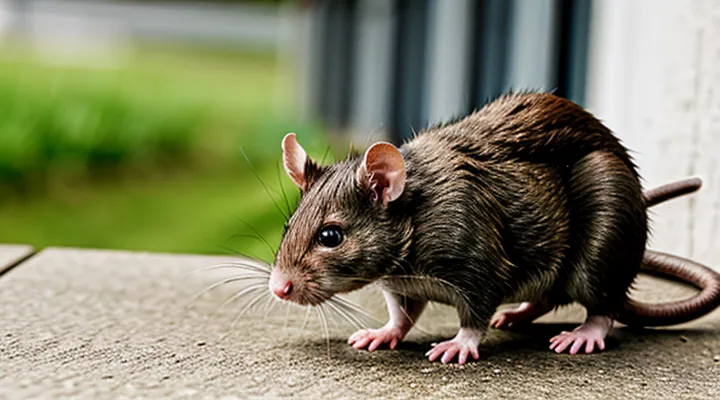
Understanding the Need for a «Rat Specialist»
Recognizing the Signs of a Rat Infestation
Common Damage Indicators
Identifying damage is essential before contacting a rodent professional. Visible signs often indicate the presence of rats and help prioritize intervention.
- Gnaw marks on wood, plastic, or metal, especially at right angles.
- Accumulated droppings near food sources, in corners, or along walls.
- Nest material composed of shredded paper, fabric, or insulation.
- Chewed electrical wiring, leading to exposed conductors or melted insulation.
- Holes or tunnels in drywall, flooring, or foundation walls.
- Grease or oil streaks left by rats moving through ducts or machinery.
- Persistent, musky odor that intensifies in confined spaces.
These indicators provide concrete evidence of infestation and guide the selection of appropriate control measures. Prompt reporting of any observed damage enables rapid response and reduces the risk of structural or health hazards.
Health Risks Associated with Rodents
Rodent infestations present a range of health hazards that demand professional assessment. Direct contact with rats can transmit bacterial infections such as leptospirosis, which enters the bloodstream through skin abrasions or mucous membranes, and rat‑bite fever, caused by Streptobacillus moniliformis. Inhalation of aerosolized particles from rodent urine or droppings may lead to hantavirus pulmonary syndrome, a severe respiratory condition with a high mortality rate. Salmonella species frequently colonize rodent gastrointestinal tracts, contaminating food surfaces and causing gastrointestinal illness in humans. Parasites, including fleas and mites, attach to rats and serve as vectors for plague and rickettsial diseases.
Additional risks arise from indirect exposure. Rodent droppings and urine can trigger allergic reactions and asthma exacerbations, especially in children and individuals with pre‑existing respiratory conditions. Contamination of stored goods compromises food safety, increasing the likelihood of foodborne outbreaks. Structural damage caused by gnawing may expose occupants to insulation fibers, mold growth, and electrical hazards, each contributing to long‑term health concerns.
Professional rat control services mitigate these threats through systematic inspection, identification of entry points, and targeted eradication methods. Certified technicians apply integrated pest management principles, combining sanitation recommendations, habitat modification, and, when necessary, safe use of rodenticides. Their expertise reduces the probability of disease transmission, ensures compliance with public‑health regulations, and prevents recurrence by addressing underlying environmental factors.
Why Professional Help is Crucial
Limitations of DIY Solutions
When a rat infestation appears, many homeowners attempt to resolve the problem with do‑it‑yourself methods. These approaches often seem attractive because they require no appointment, cost less upfront, and appear simple to implement. However, several inherent constraints limit their effectiveness and can exacerbate the situation.
- Traps and baits lack the strategic placement a trained professional determines, reducing capture rates and allowing survivors to continue breeding.
- Improper handling of rodenticides poses health hazards to residents, pets, and non‑target wildlife; certification is required to apply these chemicals safely.
- DIY efforts typically address only visible activity, ignoring hidden entry points, structural damage, and sanitation issues that sustain populations.
- Without diagnostic expertise, owners may misidentify the species, leading to inappropriate control measures and wasted resources.
- Legal regulations in many jurisdictions restrict the purchase and use of certain rodenticides, making compliance difficult for untrained individuals.
These limitations illustrate why relying solely on self‑directed tactics often results in incomplete eradication, increased risk, and higher long‑term costs. Engaging a qualified rat expert provides comprehensive assessment, targeted interventions, and adherence to safety standards, ensuring a durable solution.
The Expertise of a Professional
Professional rat specialists combine formal education, certification, and extensive field experience to address rodent‑related issues. Typical credentials include a degree in veterinary science, a specialty certificate in exotic animal care, or completion of accredited pest‑management programs. Hands‑on practice with laboratory and domestic rats provides insight into disease identification, behavior patterns, and humane control techniques.
Core competencies encompass:
- Accurate diagnosis of rat‑borne pathogens and health problems.
- Development of population‑reduction strategies that comply with animal‑welfare regulations.
- Guidance for pet owners on nutrition, enrichment, and preventive care.
- Implementation of safe capture, relocation, or euthanasia procedures when necessary.
Finding qualified assistance involves several verifiable steps. Begin by consulting official veterinary association directories or pest‑management licensing boards. Verify each candidate’s credentials, including license numbers and continuing‑education records. Request references from previous clients or institutions. Review online feedback for consistency in outcomes and professionalism.
When initiating contact, ask for a detailed service proposal that outlines assessment methods, treatment options, and cost estimates. Confirm that the specialist holds appropriate liability insurance and adheres to local health‑code requirements. A written agreement clarifies responsibilities and ensures accountability throughout the intervention.
Finding the Right «Rat Specialist»
Types of Professionals and Their Services
Pest Control Companies
Professional pest control firms specialize in detecting, eliminating, and preventing rodent activity. They employ licensed technicians, certified products, and standardized protocols to address infestations safely and effectively.
Key factors when evaluating a firm include:
- Valid state license and insurance coverage.
- Documented experience with rat problems in similar properties.
- Transparent pricing structure and written service agreement.
- Positive client reviews verified through independent platforms.
- Availability of integrated pest management (IPM) strategies that prioritize long‑term prevention.
The engagement process typically follows these steps:
- Contact the company to schedule an on‑site assessment.
- Technician conducts a thorough inspection, identifies entry points, and estimates infestation severity.
- Provider presents a detailed treatment plan, outlining methods, materials, and expected timelines.
- Execution of control measures, followed by post‑treatment monitoring and recommended structural modifications.
Clients receive a written report summarizing findings, actions taken, and maintenance recommendations. Ongoing monitoring contracts are offered to ensure rodent activity does not recur.
Wildlife Removal Experts
Wildlife removal experts specialize in the safe, humane extraction of nuisance animals, including rats, from residential and commercial properties. Their work combines pest‑control knowledge with compliance to local wildlife regulations, ensuring that removal does not endanger non‑target species.
Professional credibility rests on documented certifications such as the National Wildlife Control Association (NWCA) credential, state‑issued pest‑control licenses, and liability insurance. Technicians who maintain continuing‑education records demonstrate up‑to‑date methods for trapping, exclusion, and sanitation.
To identify a qualified provider, follow these steps:
- Verify state licensing and NWCA membership.
- Request proof of general liability and workers’ compensation coverage.
- Review online ratings and request references from recent clients.
- Confirm that the company follows Integrated Pest Management (IPM) principles.
Typical services include site inspection, identification of entry points, placement of live‑capture or snap traps, sealing of structural gaps, and removal of contaminated debris. Some firms also offer post‑removal monitoring to prevent re‑infestation.
Pricing varies by property size, infestation severity, and service scope. Transparent quotes should itemize labor, equipment, and any follow‑up visits. Reputable firms often guarantee removal success within a specified timeframe, offering free re‑service if rats reappear.
Key Qualities to Look For
Experience and Certification
When searching for professional assistance with rodent issues, the practitioner’s practical background and formal qualifications are the most reliable indicators of competence.
A seasoned rat expert typically accumulates several years of direct field work, including live capture, humane relocation, and integrated pest management. Documented case histories reveal the variety of environments—urban apartments, agricultural facilities, and industrial warehouses—in which the specialist has operated. Consistency in successful outcomes across these settings demonstrates adaptability and depth of knowledge that cannot be inferred from marketing materials alone.
Formal certification provides an additional layer of verification. Recognized credentials include:
- IPM Certified Technician (IPMCT) – awarded by the National Pest Management Association after rigorous assessment of integrated pest management principles.
- Certified Rodent Control Specialist (CRCS) – issued by state wildlife agencies, requiring documented experience and a written examination covering species identification, biology, and control methods.
- Humane Trapping Accreditation (HTA) – granted by humane societies, confirming proficiency in ethical capture and release techniques.
- Occupational Safety and Health Administration (OSHA) compliance training – ensures the specialist follows safety standards when handling hazardous materials or equipment.
To confirm these credentials, request copies of the original certificates, verify expiration dates, and cross‑check the issuing organization’s accreditation status. Many reputable professionals list their qualifications on official websites or provide a direct link to a public registry.
When evaluating potential help, prioritize candidates who combine extensive hands‑on experience with current, verifiable certifications. This dual criterion minimizes the risk of ineffective or unsafe interventions and aligns the service with industry‑accepted standards.
Integrated Pest Management (IPM) Approach
Integrated Pest Management (IPM) provides a systematic framework for rat control that combines preventive measures, monitoring, and targeted interventions. The approach minimizes reliance on chemicals and emphasizes long‑term population suppression.
Effective IPM implementation follows a sequence of actions:
- Inspection and identification – Conduct a thorough survey of structures, waste sites, and surrounding habitats to locate nesting areas, travel pathways, and food sources. Accurate species identification ensures appropriate control techniques.
- Establishment of action thresholds – Define population levels that trigger treatment based on health risks, property damage, and economic impact. Thresholds guide decision‑making and prevent unnecessary pesticide use.
- Preventive sanitation – Eliminate accessible food, water, and shelter by securing waste containers, repairing structural gaps, and maintaining landscaping that discourages rodent harborage.
- Mechanical and physical controls – Deploy traps, exclusion devices, and barriers to reduce entry points and capture individuals. Placement follows data gathered during inspection.
- Chemical treatment – Apply rodenticides selectively, adhering to label instructions and regulatory requirements. Use bait stations positioned away from non‑target species and monitor efficacy.
- Evaluation and record‑keeping – Review trap counts, bait consumption, and inspection findings regularly. Adjust thresholds and tactics based on observed outcomes.
When seeking professional assistance, a rat specialist applies the IPM model to tailor solutions for specific environments. The expert coordinates inspection, implements control measures, and provides documentation that supports ongoing monitoring. Selecting a certified practitioner ensures compliance with safety standards and maximizes the likelihood of sustainable rat population reduction.
Humane Practices
When a rat specialist is consulted, humane practices define the quality of assistance. Professionals prioritize methods that minimize pain and stress for the animals. Live‑catch traps made of sturdy wire or plastic allow capture without injury; traps should be checked at least hourly to prevent prolonged confinement. Once captured, the specialist evaluates whether relocation is viable, considering local regulations and the ecological impact of introducing rats to a new environment.
If release is appropriate, the specialist selects a habitat that offers shelter, food sources, and low predator density. Transport containers are ventilated, lined with absorbent material, and handled gently to avoid bruising. For cases requiring euthanasia, specialists employ approved agents that induce rapid loss of consciousness followed by painless death, adhering to veterinary guidelines.
Documentation of each intervention supports accountability. Records include trap type, capture time, health assessment, and disposition. Transparent reporting enables clients to verify that procedures align with ethical standards and legal requirements.
Questions to Ask Before Hiring
Service Guarantees
When seeking professional rat control, the reliability of service guarantees determines whether an investment protects health, property, and budget. A reputable specialist provides explicit commitments that can be verified before any work begins.
- Prompt response: Confirmation of an initial site assessment within 24 hours of contact.
- Removal assurance: Full eradication of active infestations, with a written pledge to revisit the site at no extra cost if signs reappear within 30 days.
- Follow‑up inspections: Scheduled checks at 7‑day and 30‑day intervals to confirm lasting results.
- Satisfaction warranty: Refund or additional treatment offered if the client is not satisfied after the final inspection.
- Licensing and insurance proof: Documentation of state‑approved credentials and liability coverage presented before the first visit.
- Transparent pricing: Detailed estimate that lists all fees, excludes hidden charges, and outlines conditions for any optional services.
These guarantees create a measurable framework for accountability. Clients should request written copies, verify the specialist’s track record, and retain all correspondence to enforce the agreed terms.
Pricing and Estimates
When seeking professional assistance for rat infestations, understanding pricing structures prevents unexpected expenses. Service providers typically charge based on the scope of work, severity of the problem, and geographic location. Transparent cost breakdowns enable clients to compare options objectively.
Key elements that influence the final bill include:
- Inspection fee, often a fixed amount or waived if treatment follows
- Treatment method (bait stations, traps, exclusion work) and associated material costs
- Labor time, measured in hours or per‑visit rates
- Follow‑up visits required to confirm eradication
- Disposal fees for dead rodents or contaminated materials
- Emergency or after‑hours service surcharges
To obtain reliable estimates, request written quotes that itemize each component. Verify that the provider outlines a clear warranty period and specifies any additional charges that may arise if the infestation persists. Compare multiple proposals, focusing on total cost, coverage of services, and the reputation of the company rather than the lowest headline price.
Safety Protocols
When a professional dealing with rodent issues needs external assistance, strict safety measures protect both the specialist and the service provider.
- Wear gloves, eye protection, and a mask rated for airborne particles.
- Secure the work area with barriers or signage to prevent accidental entry.
- Verify that all traps, bait stations, and equipment are de‑energized before handling.
Before contacting a support agency, conduct a brief site assessment. Identify potential hazards such as exposed wiring, chemical residues, or structural damage. Document findings with photographs and a concise report, then share the data with the responding team.
During the interaction, maintain clear communication channels. Use a dedicated phone line or radio frequency, confirm receipt of instructions, and repeat critical steps to avoid misunderstandings. Record timestamps for each exchange to facilitate later review.
After the assistance concludes, perform a final sweep of the area. Dispose of contaminated materials in sealed containers, decontaminate reusable gear according to manufacturer guidelines, and update the incident log with outcomes and any deviations from the planned protocol.
Adhering to these procedures minimizes risk, ensures compliance with health regulations, and supports efficient resolution of rodent‑related challenges.
What to Expect from a «Rat Specialist»
The Inspection Process
Identifying Entry Points
When looking for professional rodent‑control assistance, the first task is to locate the ways rats can enter a property. Accurate identification of these pathways determines the effectiveness of any intervention and prevents future infestations.
Entry points are openings that provide rats with access to shelter, food, and water. They include structural gaps, utility penetrations, and poorly sealed fixtures. Recognizing each type enables targeted sealing and eliminates the incentive for rats to remain.
- Gaps around doors and windows, especially where weather‑stripping is missing or damaged.
- Cracks in foundations, walls, or flooring larger than a quarter of an inch.
- Openings around utility lines, such as plumbing, electrical conduit, and ventilation ducts.
- Unsealed roof eaves, soffits, and attic vents.
- Open or improperly covered garbage containers and compost bins.
- Holes in exterior siding, siding panels, or siding seams.
After cataloguing potential openings, follow a systematic approach: inspect each location closely, measure the size of the gap, prioritize based on proximity to food sources, and apply appropriate sealing materials (steel wool, caulk, hardware cloth, or expanding foam). Document the work to verify completeness and schedule periodic checks to ensure repairs remain intact. This methodical identification and mitigation of entry points forms the foundation of reliable rat‑specialist support.
Assessing Infestation Severity
Professional evaluation of a rodent problem begins with quantifying activity. Inspectors record visual signs such as droppings, gnaw marks, and burrows, then compare findings against established thresholds.
Key indicators of severity include:
- Dropping density – count per square foot; low (1‑5), moderate (6‑20), high (>20).
- Track frequency – number of fresh footprints observed on monitoring boards within 24 hours.
- Damage extent – measure length of chewed wiring, insulation, or structural material.
- Population signs – presence of live captures, nests, or audible activity during night hours.
Each metric receives a numerical score. Summing the scores produces a severity rating:
- Mild – total score ≤ 10; isolated activity, limited damage.
- Moderate – total score 11‑30; multiple entry points, noticeable damage, occasional sightings.
- Severe – total score > 30; widespread contamination, extensive structural harm, frequent nocturnal activity.
Accurate grading guides the selection of control measures and informs the urgency of professional intervention. Documentation of findings, including photographs and timestamps, supports communication with pest‑control experts and ensures compliance with health‑safety regulations.
Treatment Strategies
Baiting and Trapping Methods
Effective rodent control begins with strategic baiting and trapping. Proper selection of attractants and devices reduces population density and prevents reinfestation.
Baiting relies on food preferences and toxicity. Common attractants include:
- Peanut butter or cheese for indoor settings
- Grain, corn, or dried fruit for outdoor environments
- Commercial rodenticide blocks formulated for single‑dose consumption
When using toxic baits, place stations in concealed locations, secure them from children and pets, and rotate formulations to avoid bait shyness.
Trapping options fall into three categories:
- Snap traps – deliver rapid lethal force, suitable for high‑traffic areas.
- Glue boards – capture without chemicals, useful for monitoring activity.
- Live‑catch cages – allow relocation, required where humane methods are mandated.
Each trap type demands proper placement: along walls, near droppings, and at known travel routes. Check devices at least twice daily to maintain effectiveness and reduce suffering.
A rat control professional can assess infestation severity, recommend bait and trap combinations, and ensure compliance with local regulations. Their expertise streamlines deployment, minimizes non‑target exposure, and provides follow‑up verification that the problem is resolved.
Exclusion Techniques
Professional rodent control experts recommend exclusion as the primary strategy for preventing infestations. Exclusion focuses on eliminating pathways that allow rats to enter buildings, thereby reducing the need for ongoing trapping or poisoning.
- Identify and seal all gaps larger than ¼ inch in walls, floors, and foundations using steel wool, copper mesh, or cement‑based sealants.
- Install door sweeps on exterior doors and ensure that thresholds are tight against the floor.
- Fit vent covers with fine mesh screens that resist gnawing; replace damaged screens promptly.
- Apply chimney caps designed to block rodent entry while permitting airflow.
- Secure utility penetrations (pipes, cables, conduit) with metal flashing or expandable foam that resists chewing.
During implementation, verify that materials are corrosion‑resistant and compatible with the building’s structure. Conduct a thorough inspection after installation to confirm that no visible openings remain. Schedule semi‑annual checks, especially after seasonal temperature changes, to address new cracks or wear.
Effectiveness is measured by the absence of fresh droppings, gnaw marks, or nesting material. If signs appear, revisit the sealed points and reinforce them. Consistent application of exclusion techniques provides long‑term protection and minimizes reliance on reactive pest‑control measures.
Follow-Up and Prevention
Monitoring and Maintenance
Effective monitoring and maintenance are essential components of any professional rat‑control service. Continuous observation of infestation signs—such as droppings, gnaw marks, and unusual sounds—allows specialists to assess the severity of a problem and to adjust treatment plans promptly. Regular site inspections, conducted at intervals agreed upon with the client, provide the data needed to verify that control measures remain effective and to detect any resurgence before it escalates.
Maintenance tasks reinforce initial interventions and reduce the likelihood of repeat infestations. Core activities include:
- Sealing entry points identified during the monitoring phase.
- Removing food sources and clutter that attract rodents.
- Replacing or repairing damaged wiring and insulation to prevent chewing damage.
- Updating bait stations or traps according to the latest efficacy guidelines.
- Documenting all actions in a detailed log for future reference.
A systematic approach that integrates real‑time monitoring with scheduled maintenance ensures long‑term control, minimizes health risks, and protects property integrity. Professionals who adhere to this cycle can deliver reliable assistance to those seeking expert rat‑related solutions.
Long-Term Solutions
Effective rat control requires strategies that extend beyond immediate extermination. Sustainable outcomes arise when interventions address the underlying conditions that attract rodents, rather than relying solely on one‑time treatments.
- Conduct a comprehensive inspection of building exteriors, foundations, and waste‑handling areas to identify entry points and food sources.
- Seal gaps, cracks, and utility penetrations with durable materials such as steel wool, cement, or metal flashing.
- Implement rigorous sanitation protocols: store food in sealed containers, maintain regular waste removal schedules, and eliminate standing water.
- Establish a monitoring program that uses bait stations or motion‑activated devices to track activity levels and detect early infestations.
- Coordinate with neighboring properties to synchronize preventive measures, reducing the likelihood of reinvasion from adjacent sites.
Professional rat specialists contribute expertise that refines these components. They evaluate site‑specific risk factors, design customized integrated pest‑management plans, and provide periodic reviews to adjust tactics as environmental conditions evolve.
Adopting this comprehensive framework decreases recurrence rates, lowers long‑term costs, and safeguards health standards for occupants and staff.