
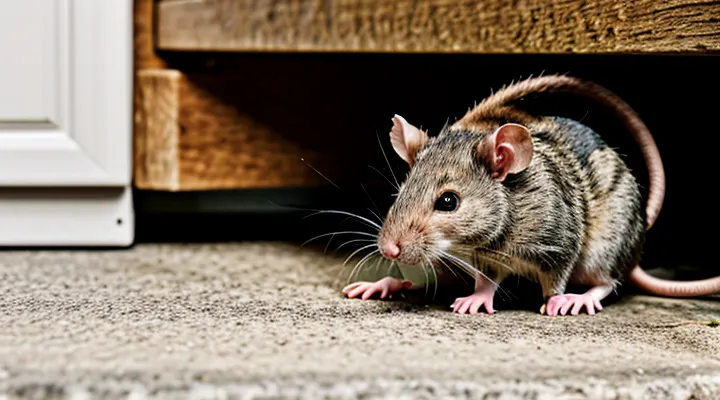
Understanding Rat Sneezing: The Basics
What is Sneezing in Rats?
Sneezing in rats is a rapid expulsion of air through the nasal passages, driven by a reflex contraction of the diaphragm and intercostal muscles. The reflex protects the respiratory tract by clearing irritants, foreign particles, or excess mucus. In healthy rodents, occasional sneezes occur without accompanying distress and are not a cause for concern.
Common triggers include:
- Dust or bedding particles that become airborne.
- Strong odors such as cleaning agents or perfume.
- Allergens like mold spores or pollen.
- Nasal congestion from upper‑respiratory infections.
- Dental overgrowth that impinges on the nasal cavity.
When sneezing is frequent, prolonged, or accompanied by additional signs—nasal discharge, labored breathing, reduced appetite, or lethargy—it may indicate an underlying pathology. Potential conditions are:
- Viral or bacterial respiratory infections (e.g., Sendai virus, Mycoplasma pulmonis).
- Dental disease causing chronic irritation of the nasal passages.
- Allergic reactions to environmental contaminants.
- Nasal tumors or polyps obstructing airflow.
- Parasitic infestations such as pinworms that migrate through the nasal mucosa.
Observation of the sneezing pattern, along with a thorough physical examination, helps differentiate benign reflexes from disease states. Veterinary assessment should include:
- Visual inspection of the nasal area for discharge or swelling.
- Palpation of the skull and teeth to detect dental abnormalities.
- Radiographic or endoscopic imaging for structural lesions.
- Laboratory analysis of nasal swabs to identify infectious agents.
Understanding the physiological basis of rat sneezing enables caretakers to recognize abnormal presentations promptly and seek professional intervention when necessary.
Normal Sneezing vs. Concerning Sneezing
Frequency and Intensity
Rats exhibit a range of sneeze patterns that convey diagnostic information. A single, brief sneeze occurring sporadically typically reflects temporary irritation from dust or a minor allergen. In contrast, multiple sneezes within a short interval, especially when accompanied by audible force, indicate a higher likelihood of underlying pathology.
Frequent, intense sneezing often correlates with respiratory infections, such as bacterial or viral pneumonitis, and may be accompanied by nasal discharge, wheezing, or lethargy. Persistent high‑intensity episodes can also signal chronic allergic reactions, exposure to strong odors, or dental problems that obstruct the nasal passages. Monitoring the number of sneezes per hour, the sound level, and any associated clinical signs helps differentiate benign irritation from serious disease.
When evaluating a rat’s sneezing, record:
- Sneezes per hour (baseline vs. current)
- Loudness and duration of each episode
- Presence of nasal discharge, crusting, or blood
- Changes in appetite, activity, or grooming behavior
Intervention strategies depend on the identified cause:
- Remove dust, strong fragrances, and aerosolized chemicals from the cage.
- Increase humidity with a safe, low‑level humidifier to soothe irritated mucosa.
- Ensure a clean, dry substrate and regular cage cleaning to reduce pathogen load.
- If sneezing persists beyond a few days, exhibits high intensity, or is accompanied by systemic signs, seek veterinary assessment for possible antibiotics, antihistamines, or dental correction.
Consistent observation of sneeze frequency and intensity enables early detection of health issues and guides timely, targeted care.
Associated Symptoms
Rats that sneeze frequently often display additional clinical signs that help pinpoint the underlying cause. Common co‑occurring manifestations include:
- Nasal discharge, ranging from clear to purulent
- Ocular tearing or conjunctival redness
- Labored breathing or audible wheezing
- Reduced appetite and weight loss
- Lethargy or decreased activity
- Scratching or fur loss around the snout and face
- Fever, detectable by a warmed paw or rectal temperature
When nasal discharge appears thick and colored, bacterial infection or dental disease is likely. Clear, watery secretions coupled with eye irritation suggest allergic reactions or environmental irritants such as dust, strong scents, or poor ventilation. Persistent respiratory effort and wheezing indicate lower airway involvement, possibly viral pneumonia or chronic bronchitis. Appetite decline and weight loss often accompany systemic infections or severe dental pathology, while excessive grooming or fur loss points to skin irritation from nasal discharge.
Addressing these symptoms requires targeted interventions. Clean the animal’s environment, reduce dust, and eliminate strong odors. Provide humidified air to ease nasal congestion. If discharge is purulent, veterinary assessment for antibiotics is warranted. Dental examinations should be performed to rule out malocclusion or abscesses. Supportive care, including warmed fluids and nutrient‑dense food, helps counteract appetite loss. Monitoring temperature and behavior ensures timely detection of worsening conditions.
Common Causes of Rat Sneezing
Environmental Factors
Dust and Allergens
Dust and allergen exposure frequently triggers sneezing in pet rats. Small particles settle on cages, bedding, and feeding areas, becoming airborne when the animal moves or when the enclosure is cleaned. Inhalation of these irritants can provoke acute respiratory responses, indicating hypersensitivity or an emerging upper‑respiratory infection.
To minimize dust‑induced sneezing, implement the following measures:
- Choose low‑dust bedding such as paper‑based or aspen shavings; avoid pine or cedar, which release volatile compounds.
- Wash food dishes, water bottles, and cage accessories regularly with mild detergent; rinse thoroughly to prevent residue buildup.
- Vacuum the surrounding area with a HEPA‑filter vacuum cleaner to capture microscopic particles.
- Maintain humidity between 40 % and 60 % using a humidifier; excessive dryness elevates airborne dust concentration.
- Replace enclosure liners and filter media according to manufacturer recommendations, typically every 2–4 weeks.
If sneezing persists despite environmental control, consult a veterinarian. Diagnostic steps may include respiratory swabs, allergy testing, or imaging to identify secondary infections or chronic allergic conditions. Prompt treatment—antihistamines, decongestants, or targeted antibiotics—reduces inflammation and restores normal breathing.
Irritants and Chemicals
Rats that sneeze frequently are often reacting to airborne irritants or chemical exposures. The nasal passages of rodents are highly sensitive; even low‑level contaminants can trigger a reflexive expulsion of air.
Common irritants include:
- Fine dust from bedding or wood shavings
- Strong fragrances from cleaning products, air fresheners, or scented candles
- Aerosolized disinfectants and degreasers
- Tobacco smoke and incense
- Mold spores and fungal metabolites
- Pesticide residues or rodent‑specific repellents
These substances irritate the mucosal lining, causing inflammation and stimulating the sneeze reflex. Repeated exposure can lead to chronic rhinitis, secondary infections, or compromised respiratory function.
To reduce the risk:
- Replace dusty bedding with low‑dust alternatives such as paper or aspen.
- Store cleaning agents and chemicals in closed containers away from the cage.
- Eliminate scented products from the vicinity of the animal’s habitat.
- Ensure adequate ventilation; consider a HEPA filter or an air purifier.
- Keep the enclosure free of mold by maintaining dry, clean conditions.
If sneezing persists for more than a few days, is accompanied by nasal discharge, labored breathing, or weight loss, professional veterinary assessment is required. Early intervention prevents progression to more serious respiratory disease.
Poor Ventilation
Poor ventilation creates a buildup of dust, mold spores, and airborne irritants that easily enter a rat’s nasal passages. When the air exchange in a cage or enclosure is insufficient, particles remain suspended longer, increasing the frequency of sneezing episodes. Persistent sneezing under these conditions often signals respiratory irritation rather than infection.
Reduced airflow also lowers ambient temperature and humidity stability, both of which affect the mucosal lining of a rat’s nose. Dry air can desiccate the nasal mucosa, making it more sensitive to minor pollutants, while excessive humidity encourages fungal growth that further irritates the respiratory tract.
To mitigate the impact of inadequate ventilation, consider the following actions:
- Install a small, low‑noise fan to promote continuous air movement without creating drafts.
- Ensure the enclosure has multiple openings that allow fresh air to enter and stale air to exit.
- Use a HEPA filter in the room’s ventilation system to capture fine particles.
- Maintain humidity between 40‑60 % with a hygrometer and a humidifier or dehumidifier as needed.
- Clean bedding regularly and choose low‑dust materials such as paper‑based substrates.
Monitoring the rat’s response after implementing these measures provides a practical gauge of improvement. A noticeable reduction in sneezing frequency indicates that the respiratory environment has become less hostile, supporting overall health and comfort.
Respiratory Infections
Bacterial Infections
Rats that sneeze repeatedly often harbor bacterial pathogens affecting the respiratory tract. Common culprits include Bordetella bronchiseptica, Streptococcus pneumoniae, and Pasteurella multocida. These organisms colonize the nasal passages and lungs, provoking inflammation that triggers sneezing as a defensive reflex.
Symptoms accompanying bacterial involvement typically consist of nasal discharge, crust formation, labored breathing, and reduced activity. Fever may be detectable by palpating the animal’s ear or using a rectal thermometer. In severe cases, secondary pneumonia develops, leading to coughing and lethargy.
Diagnosis relies on a combination of clinical observation and laboratory testing. Veterinarians collect nasal swabs or bronchoalveolar lavage fluid for culture, Gram staining, and polymerase chain reaction (PCR) to identify the specific bacterium. Radiographs help assess pulmonary involvement.
Effective treatment follows a structured protocol:
- Initiate empiric antibiotic therapy targeting gram‑negative and gram‑positive organisms (e.g., enrofloxacin, doxycycline, or a combination of ampicillin and sulfonamide).
- Adjust the regimen based on susceptibility results to avoid resistance.
- Provide supportive care: warm, humid environment; fluid supplementation; and nutritional support to maintain body condition.
- Monitor respiratory rate and temperature twice daily; discontinue antibiotics only after a full course and resolution of clinical signs.
Prevention focuses on minimizing exposure to infectious agents and maintaining optimal husbandry:
- Keep cages clean, disinfect surfaces weekly with a dilute bleach solution or veterinary‑approved sanitizer.
- Ensure adequate ventilation to reduce aerosol accumulation.
- Quarantine new arrivals for at least two weeks, observing for sneezing or nasal discharge before integration.
- Provide a balanced diet rich in vitamin C and vitamin E, which support immune function.
Recognizing bacterial infection as a primary cause of rat sneezing enables prompt intervention, reduces the risk of complications, and promotes rapid recovery.
Viral Infections
Rats frequently sneeze when their respiratory tract is compromised by viral agents. Common rodent viruses, such as Sendai virus, rat coronavirus, and lymphocytic choriomeningitis virus, invade the nasal epithelium, provoke inflammation, and trigger sneezing eruptions. The presence of repetitive, dry sneezes often signals an active viral infection rather than an isolated irritant response.
Typical clinical signs accompanying viral‑induced sneezing include:
- Nasal discharge that progresses from clear to purulent
- Watery eyes and mild conjunctival redness
- Lethargy or reduced activity levels
- Loss of appetite and slight weight decline
These manifestations help differentiate viral involvement from bacterial or allergic causes, which usually present with distinct symptom patterns.
Management focuses on supportive care and containment of viral spread. Effective measures are:
- Isolate the affected rat to prevent transmission to cage mates.
- Maintain optimal humidity (45‑55 %) and temperature (20‑24 °C) to ease airway irritation.
- Provide easily accessible fresh water and high‑calorie soft foods to sustain nutrition.
- Monitor temperature and behavior twice daily; seek veterinary evaluation if sneezing persists beyond 48 hours or if fever exceeds 39.5 °C.
Veterinary intervention may involve antiviral therapy, immunomodulatory supplements, or, when secondary bacterial infection is confirmed, targeted antibiotics. Prompt supportive treatment reduces morbidity and limits outbreak potential within a breeding or research colony.
Mycoplasma pulmonis
Mycoplasma pulmonis is a bacterial agent that frequently causes upper‑respiratory infection in laboratory and pet rats. The organism colonises the nasal passages and trachea, leading to the characteristic sneezing observed in affected animals.
Typical clinical signs include:
- Repetitive sneezing episodes
- Serous or purulent nasal discharge
- Laboured breathing and occasional wheezing
- Reduced activity and weight loss in severe cases
Diagnosis relies on laboratory confirmation. Samples taken from nasal swabs, tracheal washes, or lung tissue are cultured on specialized media, examined by polymerase chain reaction, or screened with serologic assays. Positive results correlate directly with the observed sneezing pattern.
Therapeutic measures focus on antimicrobial therapy and supportive care:
- Enrofloxacin or doxycycline administered according to veterinary guidelines
- Hydration support through subcutaneous fluids if dehydration occurs
- Environmental enrichment to reduce stress, which can exacerbate infection
- Isolation of affected individuals to prevent spread within a colony
Prevention strategies emphasize colony health management:
- Quarantine new arrivals for at least three weeks and test for Mycoplasma pulmonis before integration
- Maintain strict cage sanitation, replace bedding regularly, and disinfect equipment with effective agents
- Provide adequate ventilation and avoid overcrowding, which lowers transmission risk
Prompt identification and targeted treatment of Mycoplasma pulmonis reduce the duration and severity of sneezing episodes, improve animal welfare, and protect the overall health of a rat population.
Other Health Issues
Dental Problems
Rats rely on continuously growing incisors; misalignment or overgrowth can damage nasal passages and trigger sneezing. When teeth extend beyond the gum line, they may press against the palate or sinus cavity, irritating mucous membranes and producing frequent, forceful sneezes.
Common indicators of dental involvement include:
- Persistent sneezing without obvious respiratory infection
- Visible drooling or wet fur around the mouth
- Red or inflamed gums, sometimes with discharge
- Difficulty chewing, leading to weight loss or reduced activity
- Audible grinding or chattering of teeth
Veterinarians diagnose dental causes by examining the oral cavity with a speculum, probing tooth length, and, if needed, taking radiographs to assess root positioning. Imaging helps differentiate dental irritation from sinusitis or infectious agents.
Treatment focuses on restoring proper tooth length and alignment. Procedures typically involve:
- Trimming overgrown incisors under anesthesia to a safe length
- Filing or reshaping teeth to ensure even wear
- Monitoring for recurrence with regular check‑ups every 3–6 months
Supportive care after intervention includes soft food, hydration encouragement, and a diet rich in fibrous materials that promote natural tooth wear. Owners should provide chewable toys and avoid high‑sugar treats that accelerate decay.
Preventing dental‑related sneezing hinges on routine oral inspection, maintaining a balanced diet, and scheduling periodic veterinary evaluations. Early detection reduces the risk of chronic sneezing, secondary infections, and systemic stress.
Heart Conditions
Sneezing in pet rats can reflect systemic illness, and cardiovascular disorders are a recognized contributor. When the heart fails to pump efficiently, fluid may accumulate in the lungs, irritating nasal passages and triggering repeated sneezes. This link between cardiac dysfunction and respiratory signs warrants careful assessment.
Heart disease in rats commonly includes:
- Congestive heart failure, characterized by fluid buildup in the thoracic cavity.
- Dilated or hypertrophic cardiomyopathy, leading to weakened myocardial contractility.
- Valvular insufficiency, causing turbulent blood flow and increased cardiac workload.
Veterinary evaluation should incorporate:
- Physical examination with auscultation to detect abnormal heart sounds.
- Thoracic radiography to identify pulmonary edema or enlarged cardiac silhouette.
- Electrocardiography for rhythm analysis.
- Blood chemistry, focusing on cardiac biomarkers such as troponin I.
Management strategies focus on stabilizing cardiac function and reducing respiratory irritation:
- Administer prescribed diuretics to control fluid overload.
- Provide low‑sodium, nutrient‑dense diet to lessen cardiac strain.
- Maintain a dust‑free cage environment; avoid strong odors and aerosolized particles.
- Monitor weight, breathing rate, and sneezing frequency daily; report any rapid deterioration to the veterinarian.
Prompt identification of cardiac involvement in a sneezing rat improves prognosis and reduces the risk of secondary complications. Regular health checks and immediate veterinary intervention remain the most effective safeguards.
Tumors
Tumors located in the nasal cavity or adjacent sinuses can produce persistent sneezing in pet rats. Growths compress the delicate respiratory epithelium, irritate mucosal surfaces, and obstruct airflow, leading to frequent, forceful expulsion of air. Unlike transient allergic reactions, tumor‑related sneezing often persists despite environmental changes and may be accompanied by nasal discharge, facial swelling, or weight loss.
Key clinical indicators of a nasal tumor include:
- Continuous sneezing lasting more than a few days
- Unilateral or bilateral nasal discharge, possibly blood‑tinged
- Visible deformation of the snout or facial bones
- Decreased appetite and progressive weight reduction
- Difficulty breathing, especially during exertion
Diagnostic approach should combine visual examination with imaging and laboratory analysis. Radiographs or computed tomography scans reveal mass size and bone involvement. Fine‑needle aspiration or biopsy provides histopathological confirmation, distinguishing benign adenomas from malignant carcinomas.
Management strategies depend on tumor type and stage:
- Surgical excision aims to remove localized masses while preserving surrounding structures; postoperative care includes analgesia and monitoring for infection.
- Radiation therapy targets residual cells when complete removal is unattainable, requiring multiple sessions under anesthesia.
- Chemotherapy may be considered for aggressive malignancies, with dosage adjusted for a rat’s small body mass.
- Supportive care—nutrient‑rich diet, humidified environment, and regular cleaning of nasal passages—helps maintain respiratory function during treatment.
Prognosis varies widely. Early detection improves outcomes, especially for benign lesions amenable to complete removal. Advanced malignant tumors often carry a guarded outlook, emphasizing the need for prompt veterinary evaluation when sneezing becomes chronic or is accompanied by additional symptoms.
When to Seek Veterinary Care
Red Flags and Urgent Symptoms
Rats that sneeze occasionally may be experiencing a minor irritation, but certain signs demand immediate veterinary attention. Recognize these red‑flag indicators to prevent deterioration.
- Persistent sneezing for more than three days
- Nasal discharge that is yellow, green, or blood‑tinged
- Labored or noisy breathing, including wheezing or clicking sounds
- Swelling around the muzzle, eyes, or palate
- Sudden loss of appetite or rapid weight loss
- Lethargy, unresponsiveness, or frequent collapse
- Fever, measured by a rectal temperature above 103 °F (39.4 °C)
- Visible lesions, tumors, or abscesses in the nasal cavity
When any of these symptoms appear, contact a veterinarian without delay. Urgent conditions require immediate action:
- Severe respiratory distress or inability to inhale
- Profuse nasal bleeding that does not stop within a minute
- Choking or gagging episodes accompanied by coughing
- Seizures, tremors, or uncontrolled shaking
- Sudden, unexplained bleeding from any orifice
- Rapid deterioration in mental status, such as disorientation or coma
Prompt professional care improves outcomes. While awaiting veterinary evaluation, isolate the rat to reduce stress, keep the environment warm and well‑ventilated, and avoid administering human medications. Record the onset, frequency, and accompanying signs to provide accurate information to the clinician.
Preparing for a Vet Visit
Observing Symptoms
Observing a rat’s sneezing pattern provides the first clue to underlying health issues. Frequent sneezes, especially when accompanied by audible wheezing or labored breathing, suggest irritation of the upper respiratory tract. A single, occasional sneeze is often benign, but a cluster of sneezes within a short period warrants closer attention.
Key indicators to monitor include:
- Nasal discharge: clear fluid points to mild irritation; yellow or green mucus indicates possible bacterial infection.
- Breathing sounds: wheezing, crackles, or open-mouth breathing signal obstruction or inflammation.
- Behavioral changes: reduced activity, loss of appetite, or increased grooming of the face may reflect discomfort.
- Eye involvement: watery or red eyes often accompany respiratory irritation.
- Environmental factors: dust, strong odors, or sudden temperature shifts can trigger sneezing episodes.
Documenting each symptom—time of occurrence, duration, and any concurrent environmental changes—creates a reliable record for veterinary assessment. Consistent patterns, such as sneezing after cleaning the cage or introducing new bedding, help identify irritants that can be eliminated.
When symptoms persist beyond 24‑48 hours, worsen, or are coupled with fever, weight loss, or lethargy, professional evaluation is essential. Early detection through systematic observation improves treatment outcomes and reduces the risk of chronic respiratory disease.
Environmental Assessment
Rats habitually sneeze when their surroundings contain irritants or stressors. An environmental assessment identifies those factors and guides interventions that reduce respiratory distress.
First, evaluate air quality. Measure particulate matter, ammonia, and volatile organic compounds. Compare readings with established thresholds for small mammals. Persistent levels above threshold indicate a need for ventilation upgrades or filtration systems.
Second, examine bedding and nesting materials. Replace dusty wood shavings with low‑dust alternatives such as paper pulp or aspen. Check for mold growth in bedding, enclosure walls, and nearby storage areas; eliminate moisture sources and disinfect affected surfaces.
Third, assess temperature and humidity. Maintain ambient temperature between 18–24 °C and relative humidity around 40–60 %. Use hygrometers and thermostats to monitor conditions continuously; adjust with humidifiers or dehumidifiers as required.
Fourth, review cage design and placement. Ensure cages are spaced to allow unrestricted airflow and are located away from strong drafts, direct sunlight, or chemical fumes. Install barrier filters on ventilation openings to capture airborne particles.
Fifth, inspect diet and water. Verify that feed is stored in sealed containers to prevent contamination by insects or mold. Replace water bottles regularly to avoid bacterial buildup that can emit odors irritating the respiratory tract.
Implementation checklist:
- Conduct air quality testing weekly.
- Replace bedding monthly or when soiled.
- Record temperature and humidity daily.
- Reposition cages to optimize airflow.
- Rotate feed supplies and clean water dispensers weekly.
Document findings, corrective actions, and follow‑up measurements. Regular review of the assessment data ensures that environmental conditions remain within safe limits, thereby minimizing sneezing episodes and supporting overall rat health.
How to Help a Sneezing Rat
Improving Environmental Conditions
Dust Control
Dust particles suspended in the air can irritate the nasal passages of laboratory and pet rats, leading to frequent sneezing. Elevated particulate levels often stem from bedding, feed storage, and inadequate ventilation. When sneezing persists, it signals that the animal’s respiratory environment may be compromised.
Effective dust reduction requires a systematic approach:
- Choose low‑dust bedding such as paper‑based or aspen shavings; avoid pine or cedar, which release aromatic oils and fine particles.
- Store feed in sealed containers; sift bulk supplies before use to remove debris.
- Install air filters rated for particles ≤ 10 µm; replace them according to manufacturer guidelines.
- Maintain a minimum of 15 air changes per hour in cages and holding rooms; verify flow rates with a calibrated anemometer.
- Clean cages with a damp cloth rather than dry sweeping; wet cleaning captures particles instead of redistributing them.
Monitoring should include weekly visual inspection of bedding for clumping, measurement of ambient particulate concentration with a handheld monitor, and observation of the rats’ respiratory rate and sneezing frequency. If sneezing remains high despite dust control, veterinary assessment is warranted to rule out infection or allergic response.
Air Purification
Air quality directly influences respiratory health in laboratory and domestic rodents. Particulate matter, volatile organic compounds, and allergens suspended in the environment can irritate the nasal passages of rats, leading to frequent sneezing episodes. Persistent sneezing often signals exposure to airborne irritants, underlying infections, or allergic reactions, and may precede more serious respiratory conditions.
Effective air purification reduces the concentration of harmful aerosols, thereby minimizing the stimulus for nasal irritation. High‑efficiency particulate air (HEPA) filters capture particles as small as 0.3 µm, including dust, mold spores, and dander. Activated carbon layers adsorb gases such as ammonia, formaldehyde, and other volatile compounds that exacerbate nasal inflammation.
Key considerations when selecting a purification system for rodent habitats:
- Filtration rating: Choose units certified with true HEPA performance.
- Carbon capacity: Ensure sufficient activated carbon to handle the expected load of gaseous pollutants.
- Air exchange rate: Target a minimum of 6–8 room volumes per hour to maintain low contaminant levels.
- Noise level: Opt for quiet operation to avoid stress‑induced respiratory changes in the animals.
Routine maintenance—regular filter replacement, monitoring of pressure differentials, and verification of airflow—preserves system efficiency. Coupled with proper cage hygiene and ventilation, air purification forms a critical component of a strategy to alleviate sneezing and safeguard the respiratory well‑being of rats.
Substrate Choices
Choosing an appropriate bedding material directly affects a rat’s respiratory condition, especially when sneezing becomes frequent. Dust‑laden or chemically treated substrates can irritate nasal passages, exacerbate underlying infections, and prolong recovery. Selecting low‑dust, absorbent, and inert media reduces airborne particles and supports overall health.
Key characteristics for an optimal substrate include:
- Minimal particulate release during handling.
- High moisture‑binding capacity to keep waste dry.
- Absence of aromatic oils, fragrances, or preservatives.
- Compatibility with cage ventilation systems.
Commonly recommended options are:
- Paper‑based pellets or shredded paper, which produce negligible dust and are easy to replace.
- Aspen shavings, free of aromatic compounds and relatively low in dust when sourced from untreated wood.
- Compressed coconut fiber (coir) that offers good absorbency; ensure it is kiln‑dried to prevent mold growth.
Avoid cedar, pine, and scented litters, as they emit volatile organic compounds that trigger nasal irritation. When introducing a new bedding, replace the old material gradually over several days to allow the rats to adjust without stress. Observe sneezing frequency and nasal discharge during the transition; a decline indicates the substrate is less aggravating. Maintain regular cleaning schedules—remove soiled sections daily and perform a full change weekly—to keep airborne contaminants at minimum.
Home Care and Supportive Measures
Humidity Management
Maintaining appropriate humidity levels is essential for preventing respiratory irritation in pet rats. Dry air can dry the nasal passages, making sneezing more frequent, while excessive moisture encourages mold and bacterial growth that also trigger nasal discharge.
Optimal indoor humidity for rats ranges from 45 % to 55 % relative humidity. Below this range, the mucous membranes become desiccated; above it, the environment supports pathogens that irritate the respiratory tract.
Practical steps for humidity control:
- Use a digital hygrometer to monitor levels in the cage area.
- Employ a humidifier during winter heating periods to raise humidity gradually; set the device to maintain the target range.
- In overly humid climates, use a dehumidifier or place silica gel packets near the cage to reduce moisture.
- Ensure proper ventilation without creating drafts; a small opening in the cage lid or a filtered vent can balance air exchange.
- Clean bedding regularly; damp bedding should be replaced immediately to avoid fungal growth.
Consistent humidity management, combined with regular cage cleaning and a balanced diet, reduces the likelihood that sneezing signals an underlying infection. If sneezing persists despite stable humidity, consult a veterinarian for further evaluation.
Stress Reduction
Rats that sneeze frequently often experience heightened stress, which can compromise their respiratory health. Chronic anxiety triggers the release of cortisol, weakening immune defenses and making the nasal passages more vulnerable to irritation. Reducing environmental and psychological stress therefore supports both the respiratory system and overall well‑being.
Practical measures for stress mitigation include:
- Providing a stable routine with consistent feeding times and handling schedules.
- Maintaining quiet, low‑traffic areas away from loud equipment or sudden movements.
- Enriching the cage with nesting material, chew toys, and climbing structures to encourage natural behaviors.
- Ensuring proper temperature (18‑22 °C) and humidity (40‑60 %) to prevent discomfort that can provoke sneezing.
- Limiting exposure to strong scents, aerosol sprays, or dusty bedding that may exacerbate nasal irritation.
Regular health checks allow early detection of stress‑related issues. If sneezing persists despite environmental adjustments, veterinary assessment is recommended to rule out infections, allergies, or underlying disease. Implementing these stress‑reduction strategies creates a calmer environment, decreasing the frequency of sneezing episodes and promoting healthier respiratory function.
Nutritional Support
Proper nutrition can influence the frequency and severity of sneezing episodes in pet rats. Inadequate dietary balance often leads to weakened mucosal immunity, making the respiratory tract more susceptible to irritants and pathogens. Adjusting the diet addresses the underlying physiological stress that contributes to nasal discharge and sneezing.
Key dietary components support respiratory health:
- High‑quality protein (e.g., soy, whey, or insect‑based sources) supplies amino acids necessary for tissue repair and immune cell production.
- Vitamin A (found in carrots, sweet potatoes, and fortified feeds) maintains the integrity of the nasal epithelium.
- Vitamin C and E (citrus, berries, sunflower seeds) act as antioxidants, reducing oxidative inflammation in airway tissues.
- Omega‑3 fatty acids (flaxseed oil, fish oil) modulate inflammatory responses, potentially decreasing mucosal swelling.
- Adequate calcium and phosphorus support overall skeletal health, which indirectly benefits respiratory function by preventing systemic stress.
Hydration also plays a critical role. Fresh, clean water should be available at all times; dehydration thickens mucus, impeding clearance and aggravating sneezing. Providing water‑rich foods such as cucumber, melon, and leafy greens supplements fluid intake.
Supplementation may be necessary when commercial rat chow lacks specific nutrients. A balanced multivitamin formulated for small rodents, administered according to veterinary guidelines, can fill gaps. However, excessive supplementation risks toxicity; dosing must follow professional recommendations.
Monitoring the rat’s response to dietary changes is essential. A reduction in sneeze frequency or intensity within a few weeks suggests effective nutritional intervention. Persistent symptoms despite optimal feeding warrant veterinary evaluation to rule out infections, allergies, or anatomical abnormalities.
Veterinary Treatments
Antibiotics and Antivirals
Antibiotics are effective only against bacterial infections. If a rat’s sneezing is accompanied by nasal discharge that is thick, colored, or accompanied by fever, a bacterial respiratory pathogen is likely. In such cases, a veterinarian may prescribe a broad‑spectrum antibiotic such as enrofloxacin or doxycycline, adjusting the choice based on culture results when available. Treatment duration typically ranges from 7 to 14 days, with dosage calculated per kilogram of body weight.
Antivirals target viral agents and are appropriate when clinical signs suggest a viral etiology, such as sudden onset of sneezing without purulent discharge, rapid recovery, or exposure to known viral outbreaks in a colony. Commonly used antivirals for rodents include ribavirin and favipiravir, administered under veterinary supervision. Dosage and treatment length depend on the specific virus and the animal’s health status.
When deciding between antibacterial and antiviral therapy, consider the following factors:
- Presence of purulent nasal discharge → favors antibiotics.
- Rapid onset with mild symptoms, no discharge → favors antivirals.
- Laboratory confirmation of pathogen → guides precise drug selection.
- Underlying immunosuppression or chronic disease → may require combined therapy.
Supportive care enhances recovery regardless of the medication used. Provide a humidified environment, ensure fresh water and high‑quality diet, and monitor respiratory rate and behavior daily. If symptoms persist beyond the expected treatment window, re‑evaluation by a veterinarian is essential.
Anti-inflammatory Medications
Anti‑inflammatory drugs are often considered when a rat exhibits frequent sneezing, especially if the symptom accompanies nasal swelling, discharge, or respiratory distress. Inflammation of the nasal passages or sinuses can irritate the mucosa and trigger repetitive sneezes; reducing this inflammation may alleviate the reflex.
Commonly used veterinary anti‑inflammatories for rodents include:
- Non‑steroidal anti‑inflammatory drugs (NSAIDs) such as meloxicam or carprofen, administered at low, weight‑adjusted doses.
- Corticosteroids like prednisolone, typically prescribed for short courses to avoid immunosuppression.
- Steroid‑sparing agents (e.g., maropitant) that provide anti‑inflammatory effects without the side‑effects of corticosteroids.
When selecting a medication, consider the following steps:
- Obtain a definitive diagnosis from a veterinarian to rule out infectious agents, allergens, or dental disease.
- Verify the rat’s weight and calculate the exact dosage; rodents are highly sensitive to overdosing.
- Monitor the animal for adverse reactions such as gastrointestinal upset, changes in appetite, or altered behavior.
- Re‑evaluate after 48–72 hours; improvement in sneezing frequency indicates that inflammation was a contributing factor.
If anti‑inflammatory therapy reduces sneezing but does not eliminate it, additional measures may be required, including environmental de‑contamination, humidification, and addressing possible allergens. Continuous veterinary supervision ensures safe dosing and timely adjustment of treatment protocols.
nebulization Therapy
Nebulization delivers a fine mist of medication directly to the respiratory tract, providing rapid relief for upper‑airway irritation that often triggers frequent sneezing in rodents.
Common reasons to consider this treatment include:
- Acute inflammation caused by viral or bacterial infections;
- Allergic reactions to dust, bedding, or feed additives;
- Exposure to irritants such as smoke or strong scents;
- Post‑operative swelling after nasal surgery.
To administer nebulization safely to a rat, follow these steps:
- Choose a pediatric‑size nebulizer equipped with a mask or a small, airtight chamber that fits the animal comfortably.
- Prepare the prescribed solution—typically a low‑dose saline rinse or a veterinarian‑approved bronchodilator—according to dosage guidelines.
- Place the rat in a calm environment, secure the mask or chamber, and start the nebulizer for 2–5 minutes, monitoring the animal’s breathing throughout.
- After treatment, allow the rat to recover in a well‑ventilated cage; observe for signs of distress or excessive mucus production.
Safety precautions are essential: avoid high‑pressure devices that can damage delicate nasal passages, verify that the medication is appropriate for murine use, and ensure the animal does not ingest the solution. Regular cleaning of the nebulizer prevents bacterial growth and maintains dosage accuracy.
Document the frequency of sneezing before and after each session. If symptoms persist beyond three days or worsen, consult a veterinarian for further diagnostics and possible adjustment of the therapeutic regimen.
Preventing Rat Sneezing
Regular Cage Maintenance
Maintaining a clean cage directly reduces the risk of respiratory irritation that can trigger sneezing in pet rats. Dust, mold spores, and accumulated waste create airborne particles that irritate nasal passages and compromise immune defenses. Consistent hygiene therefore supports overall respiratory health and minimizes the likelihood of nasal discharge.
- Remove soiled bedding and replace it with fresh material at least twice weekly.
- Clean food and water dishes daily; rinse with hot water and a mild, non‑toxic sanitizer.
- Wipe cage walls, bars, and accessories with a damp cloth; follow with a thorough rinse to eliminate residue.
- Inspect ventilation openings; keep them unobstructed to ensure steady airflow.
- Perform a weekly deep clean: disassemble removable parts, soak in a diluted vinegar solution, and dry completely before reassembly.
A regular schedule prevents the buildup of allergens and pathogens that can provoke sneezing episodes. Monitor the cage for signs of mold, foul odors, or excessive humidity, and address issues promptly. By adhering to these maintenance practices, caretakers create an environment that supports healthy breathing and reduces the frequency of nasal symptoms in rats.
Optimal Diet and Nutrition
A rat that frequently sneezes often signals irritation of the respiratory tract, and dietary choices can influence the severity and recovery of such symptoms. Nutrient-dense food supports immune function, reduces inflammation, and promotes mucosal health, all of which help mitigate nasal discharge and coughing.
Key components of an optimal diet for affected rats include:
- High‑quality protein sources (e.g., cooked chicken, boiled eggs) to supply amino acids needed for tissue repair.
- Fresh vegetables rich in vitamins A, C, and E (such as carrots, bell peppers, kale) that act as antioxidants and bolster mucosal membranes.
- Whole‑grain pellets fortified with essential fatty acids, particularly omega‑3s from flaxseed or fish oil, to reduce inflammatory responses.
- Adequate calcium and magnesium from mineral blocks or leafy greens to maintain overall metabolic balance.
- Clean, fresh water available at all times; hydration assists in thinning mucus and clearing nasal passages.
Avoid processed treats high in sugar and fat, as they can suppress immune activity and promote bacterial growth in the upper airway. Introduce new foods gradually to prevent sudden dietary shocks that might exacerbate irritation. Regularly monitor portion sizes to maintain a healthy body condition, preventing obesity‑related respiratory strain.
Early Detection and Monitoring
Early detection of sneezing in laboratory or pet rats relies on systematic observation of respiratory patterns. Consistent monitoring of frequency, intensity, and accompanying behaviors provides the first indication of underlying pathology. Record each episode with time stamps; note whether sneezes occur spontaneously or after exposure to dust, bedding changes, or handling.
Key parameters to track include:
- Number of sneezes per hour.
- Presence of nasal discharge (clear, serous, or purulent).
- Changes in appetite, activity level, or weight.
- Audible wheezing or labored breathing.
- Environmental factors such as humidity, temperature, and ventilation quality.
When baseline data reveal a sudden increase in sneeze count or the emergence of discharge, immediate veterinary assessment is warranted. Diagnostic steps typically involve:
- Physical examination focusing on nasal passages and thoracic auscultation.
- Collection of nasal swabs for bacterial, viral, or fungal culture.
- Radiographic imaging to identify sinus involvement or pulmonary infiltrates.
- Blood work to evaluate inflammatory markers and immune status.
Intervention strategies depend on identified causes. Antimicrobial therapy addresses bacterial infections, while antihistamines or corticosteroids may reduce allergic responses. Adjusting cage conditions—enhancing airflow, reducing dust, and maintaining optimal humidity—mitigates irritant exposure. Regular health checks, coupled with detailed record‑keeping, enable rapid response to respiratory distress and improve overall welfare of the animal.
Biosecurity and New Rat Introductions
Sneezing in pet rats often signals respiratory infection, making biosecurity essential when adding unfamiliar animals to an established colony. Introducing new rats without proper safeguards raises the risk of transmitting pathogens that trigger sneezing, nasal discharge, and potentially severe illness.
Effective quarantine isolates newcomers from resident rats for a minimum of four weeks. During this period, observe behavior, record any respiratory signs, and maintain separate housing, feeding, and cleaning equipment. A typical quarantine protocol includes:
- Separate cage with HEPA‑filtered ventilation
- Daily visual health check for sneezing, eye discharge, or lethargy
- Weekly weight measurement and temperature recording
- Immediate veterinary consultation if symptoms appear
Health screening should accompany quarantine. Conduct nasal swabs, serological tests, and fecal examinations to identify common agents such as Mycoplasma pulmonis, Sendai virus, or bacterial pneumonia. Positive results dictate treatment or exclusion from the colony.
Environmental controls reduce pathogen load. Use disposable bedding, sterilize food dishes, and disinfect cages with an approved virucidal solution before introducing new rats. Limit human traffic between quarantine and resident areas; wear gloves and change clothing when moving between zones.
Continuous monitoring after quarantine remains vital. Record any sneezing episodes, track recovery progress, and adjust husbandry practices—such as humidity levels and ventilation—to minimize respiratory stress. Consistent application of these biosecurity measures protects the health of the entire rat population and curtails the spread of disease.