
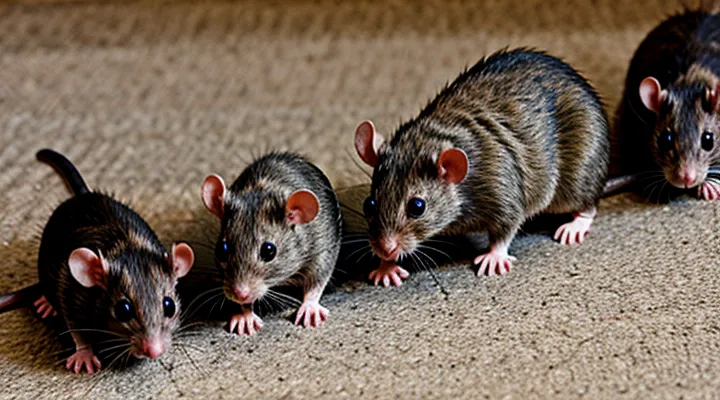
Understanding Rat Anatomy
Key Measurements for Rats
Length: Nose to Tail Base
Rats are measured from the tip of the nose to the base of the tail, a standard metric for assessing overall body size. This measurement excludes the tail itself, which varies considerably among species and does not reflect core body dimensions.
- Common house rat (Rattus norvegicus): 20–25 cm (7.9–9.8 in)
- Black rat (Rattus rattus): 16–20 cm (6.3–7.9 in)
- Polynesian rat (Rattus exulans): 10–15 cm (3.9–5.9 in)
- Giant bamboo rat (Rhizomys sumatrensis): 30–45 cm (11.8–17.7 in)
These averages derive from extensive field surveys and laboratory records, providing reliable reference points for comparative studies. Variations within each species arise from factors such as age, sex, nutrition, and geographic population differences, but the listed ranges represent typical adult dimensions.
Tail Length
Tail length is a standard measurement for assessing rat dimensions. Researchers record the distance from the base of the vertebral column to the tip of the terminal hair, excluding any damaged or regenerated tissue. This metric contributes to species identification, health evaluation, and comparative studies of morphology.
Typical tail lengths for common rat species are:
- House rat (Rattus rattus): 12–16 cm (4.7–6.3 in)
- Norwegian rat (Rattus norvegicus): 15–20 cm (5.9–7.9 in)
- Brown rat (Rattus norvegicus, larger subspecies): 18–22 cm (7.1–8.7 in)
These values represent averages from captive and wild populations; individual specimens may fall outside the stated ranges due to age, nutrition, and genetic factors.
Tail length generally correlates with overall body size. In most rats, the tail measures approximately 75–100 % of the head‑body length. For example, a Norway rat with a 20 cm body typically possesses a tail of 15–20 cm, maintaining balance and thermoregulation functions.
Accurate measurement requires a calibrated ruler or digital caliper, the animal positioned on a flat surface, and gentle restraint to prevent stress‑induced contraction. Recording both tail length and body length enables calculation of the tail‑to‑body ratio, a useful parameter for taxonomic comparison and physiological research.
Weight: Average Ranges
Weight constitutes a primary metric for evaluating rat dimensions. Adult brown rats (Rattus norvegicus) typically weigh between 250 g and 500 g (8.8–17.6 oz). Black rats (Rattus rattus) exhibit a narrower range, generally 150 g to 300 g (5.3–10.6 oz). Domesticated fancy rats, bred for the pet trade, fall within 200 g to 400 g (7.1–14.1 oz), with some miniature lines dropping below 150 g.
- Species – Average weight range
- Brown rat – 250 g – 500 g
- Black rat – 150 g – 300 g
- Fancy pet rat – 200 g – 400 g
Weight variation reflects age, sex, and nutrition. Males usually exceed females by 10–20 % in mature individuals. Juveniles under two months often weigh less than 50 g, regardless of species. Dietary excess or scarcity can shift an adult’s mass by up to 30 % from the baseline range.
Understanding these weight intervals enables accurate species identification, health assessment, and comparative research across rodent populations.
Factors Influencing Rat Size
Species and Breed Variations
Rats exhibit considerable variability in body length and mass across wild species and domesticated breeds, making precise size data essential for research, husbandry, and veterinary care.
- Brown rat (Rattus norvegicus) – head‑body length 20–25 cm; tail length 15–20 cm; weight 250–500 g.
- Black rat (Rattus rattus) – head‑body length 16–20 cm; tail length 18–26 cm; weight 150–250 g.
- Polynesian rat (Rattus exulans) – head‑body length 12–15 cm; tail length 10–13 cm; weight 45–75 g.
- Roof rat (Rattus tanezumi) – head‑body length 18–22 cm; tail length 20–25 cm; weight 180–300 g.
Domesticated breeds, developed through selective breeding, display distinct size categories:
- Standard Fancy – head‑body length 20–25 cm; tail length 14–20 cm; weight 300–450 g.
- Dumbo – head‑body length 18–22 cm; tail length 13–18 cm; weight 250–350 g; ears enlarged, influencing perceived proportion.
- Rex – head‑body length 19–23 cm; tail length 14–19 cm; weight 280–400 g; fur texture altered, but dimensions remain comparable to standard.
- Miniature – head‑body length 12–16 cm; tail length 10–14 cm; weight 100–180 g; selected for reduced stature.
Genetic lineage, diet composition, and environmental temperature collectively shape these measurements. Wild specimens tend toward larger mass to support foraging ranges, whereas captive lines prioritize aesthetic traits, resulting in both miniature and oversized forms within the same species framework. Accurate size profiling supports effective cage design, nutritional planning, and health monitoring across the full spectrum of rat varieties.
Sex Differences in Size
Male rats consistently exceed females in both body length and mass. In laboratory‑bred Norway rats, adult males average 20–25 cm head‑body length and weigh 300–350 g, whereas females measure 18–22 cm and weigh 250–300 g. Wild Norway rats show similar dimorphism: males 22–28 cm, 350–450 g; females 20–24 cm, 300–380 g. Roof rats display a narrower gap; males reach 18–22 cm and 200–250 g, females 16–20 cm and 150–200 g.
Sexual size differences affect experimental design, cage allocation, and dietary requirements. Researchers must record sex‑specific metrics when reporting growth curves, drug dosing, or metabolic studies to avoid systematic bias.
-
Norway rat (Rattus norvegicus)
- Males: 20–25 cm, 300–350 g (lab); 22–28 cm, 350–450 g (wild)
- Females: 18–22 cm, 250–300 g (lab); 20–24 cm, 300–380 g (wild)
-
Roof rat (Rattus rattus)
- Males: 18–22 cm, 200–250 g
- Females: 16–20 cm, 150–200 g
-
Polynesian rat (Rattus exulans)
- Males: 13–15 cm, 80–120 g
- Females: 12–14 cm, 70–110 g
Accurate reporting of these sex‑specific averages ensures reproducibility and relevance across biomedical and ecological investigations.
Age and Growth Stages
Rats progress through distinct developmental phases that directly affect their body length and mass. Neonates emerge weighing 5–7 g and measuring 3–4 cm from nose to tail tip. Within the first week, rapid tissue accretion raises weight to approximately 15 g while length extends to 5–6 cm.
The juvenile period spans days 14–28. During this interval, growth rate decelerates but remains substantial; average weight reaches 30–45 g and total length approaches 10–12 cm. Skeletal maturation and fur density increase, providing reliable indicators of age without external measurement.
Adult rats, defined as individuals older than 60 days, exhibit stable dimensions. Typical adult males attain 250–300 g and 20–25 cm total length, whereas females average 200–250 g and 18–22 cm. Growth plate closure halts further length increase, and weight fluctuations reflect metabolic and environmental factors rather than age.
Senescence begins after 12 months. Body weight may decline by 5–10 % and length remains unchanged. Muscle mass reduction and increased adiposity become measurable markers of advanced age, distinguishing older specimens from prime adults.
Diet and Nutrition
Rats that fall within the average length and weight ranges require a balanced diet to maintain growth rates and body condition. Energy density, protein content, fiber, and moisture levels directly affect skeletal development and adipose tissue accumulation, which in turn determine the dimensions observed in typical specimens.
- Protein: 18–22 % of total calories; essential amino acids support muscle and organ growth.
- Fat: 5–10 % of calories; provides concentrated energy without excessive weight gain.
- Carbohydrates: 50–60 % of calories; primarily from grains and starches to fuel activity.
- Fiber: 5–7 % of diet; promotes gastrointestinal motility and prevents constipation.
- Water: 70–80 % of body mass; continuous access prevents dehydration, which can reduce body mass rapidly.
Caloric intake should align with metabolic demands: a 200‑gram adult rat requires approximately 30–35 kcal per day, while a 300‑gram individual needs 45–50 kcal. Overfeeding leads to increased body mass without proportional length growth, skewing size ratios. Underfeeding restricts skeletal elongation and results in reduced overall dimensions.
Micronutrients such as calcium, phosphorus, vitamin D, and B‑complex vitamins are critical for bone mineralization and metabolic efficiency. Deficiencies manifest as stunted growth, weakened limbs, and abnormal weight distribution, altering the typical size profile.
Consistent provision of a nutritionally complete pellet or formulated mash, supplemented with fresh vegetables and occasional protein sources (e.g., boiled egg, lean meat), ensures that rats achieve and maintain the average length and weight expected for their species. Monitoring body condition scores weekly allows early detection of dietary imbalances that could affect size metrics.
Environment and Genetics
Rats exhibit a broad range of body dimensions, with average lengths typically spanning 15–20 cm (head‑to‑tail) and weights from 150 g to 300 g. Variation in these measurements stems from two principal sources: the physical environment in which individuals develop and the genetic makeup inherited from their ancestors.
Environmental influences include:
- Nutrition quality and quantity; protein‑rich diets accelerate growth, while scarcity limits both length and mass.
- Ambient temperature; colder conditions trigger higher metabolic rates, often resulting in increased body mass as an adaptive response.
- Population density; crowded habitats elevate stress hormones, which can suppress growth and reduce final size.
- Habitat type; arboreal versus ground‑dwelling rats encounter different locomotor demands, shaping skeletal proportions.
Genetic factors operate through heritable traits that determine baseline growth potential. Specific alleles regulate hormone production, bone growth, and fat deposition. Selective breeding experiments have demonstrated that lines selected for larger size consistently produce offspring with greater length and weight, confirming a strong heritable component. Conversely, inbreeding depression can reduce vigor, leading to smaller stature.
The interaction between environment and genetics produces the observed spectrum of rat dimensions. Favorable conditions amplify genetic growth potential, while adverse settings can mask it, resulting in individuals that fall below species‑average measurements despite possessing size‑enhancing genes. Understanding this interplay is essential for accurate predictions of rat size in ecological studies, laboratory settings, and pest‑management programs.
Common Rat Species and Their Sizes
Brown Rat («Rattus norvegicus»)
Average Length and Weight
Rats exhibit a broad range of body dimensions, reflecting species differences, habitat, and diet. The most frequently cited measurements are total length—from nose to tail tip—and body mass. These data provide a baseline for comparative studies, veterinary care, and pest management.
Typical measurements for common species are:
- Brown rat (Rattus norvegicus) – total length 20–25 cm; tail 12–15 cm; weight 250–500 g.
- Black rat (Rattus rattus) – total length 16–20 cm; tail 12–14 cm; weight 150–250 g.
- House mouse (Mus musculus) – total length 8–10 cm; tail 5–6 cm; weight 15–30 g.
- Norway field rat (Rattus norvegicus, wild form) – total length 22–30 cm; tail 14–18 cm; weight 300–700 g.
- Polynesian rat (Rattus exulans) – total length 15–18 cm; tail 9–12 cm; weight 70–120 g.
Laboratory strains of the common laboratory rat (Rattus norvegicus) show a narrower range: total length 18–22 cm, weight 300–500 g, reflecting controlled breeding conditions. Juvenile rats reach half of adult length and weight by four weeks of age, after which growth decelerates sharply.
Environmental factors such as food availability, temperature, and population density influence size. In colder regions, individuals tend toward larger body mass, a pattern consistent with Bergmann’s rule. Conversely, urban populations often display reduced size due to limited space and abundant high‑calorie waste.
Accurate recording of length and weight supports reliable identification, health assessment, and population monitoring across research and field applications.
Size Range Variations
Rats exhibit a broad spectrum of body dimensions, reflecting species diversity, habitat conditions, and developmental stage. Adult specimens range from diminutive specimens measuring roughly 15 cm in total length, including the tail, and weighing around 40 g, to robust individuals exceeding 40 cm and 500 g.
Key factors influencing size variation:
- Species classification – The smallest, such as the African pygmy rat (Mus minutoides), remains under 20 cm and 30 g, whereas the largest, the brown rat (Rattus norvegicus), frequently reaches 35–45 cm and 300–500 g.
- Geographic adaptation – Populations inhabiting colder climates tend toward greater mass and length, an example of Bergmann’s rule observable in northern R. norvegicus cohorts.
- Sexual dimorphism – Males typically surpass females by 10–15 % in both length and weight across most species.
- Age progression – Juveniles display rapid growth; by eight weeks, individuals achieve 60–70 % of adult size, with weight increments of 5–10 g per week.
Summarized size ranges for common rat taxa:
- African pygmy rat: 12–18 cm; 20–35 g
- House mouse (often grouped with small rats): 14–20 cm; 20–30 g
- Black rat (Rattus rattus): 20–30 cm; 120–250 g
- Brown rat (Rattus norvegicus): 25–45 cm; 200–500 g
- Polynesian rat (Rattus exulans): 18–25 cm; 80–150 g
Understanding these variations aids in species identification, pest management planning, and comparative physiological research.
Black Rat («Rattus rattus»)
Average Length and Weight
Rats exhibit a range of body dimensions that correlate with species, age, and sex. The most frequently measured parameters are head‑to‑body length (excluding the tail) and total body mass.
The brown rat (Rattus norvegicus) typically reaches a head‑to‑body length of 20–25 cm (8–10 in). Adult weight falls between 250 g and 500 g (9–18 oz), with males averaging near the upper limit. Tail length adds an additional 15–20 cm (6–8 in), but tail measurements are excluded from the primary length statistic.
The black rat (Rattus rattus) is generally smaller. Head‑to‑body length averages 16–20 cm (6–8 in). Adult mass ranges from 150 g to 300 g (5–10 oz). Tail length is proportionally longer, often matching or exceeding the body length, yet it is not counted in the core length figure.
Laboratory strains, such as the Sprague‑Dawley, display similar dimensions to the brown rat, with head‑to‑body lengths of 22–24 cm (9–9.5 in) and weights of 300–450 g (10.5–16 oz) at maturity.
Key points for reference:
- Brown rat: 20–25 cm length, 250–500 g weight.
- Black rat: 16–20 cm length, 150–300 g weight.
- Laboratory strains: 22–24 cm length, 300–450 g weight.
These figures represent average adult measurements; individual specimens may deviate due to nutrition, health status, and environmental conditions.
Size Range Variations
Rats exhibit considerable variability in body length and mass, reflecting species differences, habitat conditions, and genetic factors. Typical adult lengths, measured from nose to tail tip, range from 10 cm in dwarf varieties to over 40 cm in large wild species. Corresponding body weights span roughly 30 g for the smallest laboratory strains to more than 900 g in mature brown rats.
Key size categories include:
- Dwarf laboratory strains – length: 10–15 cm; weight: 30–70 g.
- Common pet rats (e.g., fancy varieties) – length: 18–25 cm; weight: 150–300 g.
- Urban brown rats (Rattus norvegicus) – length: 20–30 cm; weight: 250–500 g, with some individuals exceeding 600 g.
- Large field rats (Rattus rattus) – length: 15–20 cm; weight: 150–350 g.
- Giant swamp rats (Thryonomys swinderianus) – length: 35–45 cm; weight: 800–1200 g.
Environmental nutrition, population density, and seasonal cycles modulate these figures, producing overlapping ranges among adjacent categories. Accurate assessment requires consistent measurement protocols, separating head‑body length from tail length and using live‑weight scales for living specimens.
Fancy Rat Varieties
Dumbo Rats
Dumbo rats are a distinct variety of fancy rats characterized by exceptionally large, low‑set ears that give the appearance of a cartoon elephant. Their body dimensions fall within the typical range for domesticated rats, yet subtle differences are observable when precise measurements are recorded.
Average body length, measured from nose to base of the tail, spans 9 – 11 cm (3.5 – 4.3 in). Tail length adds an additional 7 – 9 cm (2.8 – 3.5 in). Overall weight ranges from 180 g to 260 g (6.3 – 9.2 oz), aligning with the upper segment of the standard size spectrum for pet rats. The enlarged ear cartilage contributes marginally to total mass but does not significantly alter the weight profile.
Key comparative points:
- Standard fancy rats: length 9 – 12 cm, weight 150 – 300 g.
- Dumbo rats: length 9 – 11 cm, weight 180 – 260 g.
- Slightly shorter tail than some long‑tailed strains, reflecting selective breeding for ear size rather than body elongation.
Health considerations specific to Dumbo rats include a propensity for ear infections due to reduced airflow within the larger ear canals. Regular cleaning and monitoring are essential to prevent complications. Nutritional requirements match those of other pet rats; a balanced diet of commercial pellets, occasional fresh produce, and constant access to clean water supports optimal growth and weight maintenance.
Standard Rats
Standard rats, primarily the brown (Norwegian) rat (Rattus norvegicus), serve as the reference model for size measurements in rodent studies and urban pest assessments.
Body length, measured from the tip of the nose to the base of the tail, typically ranges from 18 to 20 cm in adult specimens. Tail length adds an additional 15 to 20 cm, resulting in a total length of 33 to 40 cm.
Adult weight averages 300 g for females and 350 g for males, with a documented span of 250 g to 500 g across healthy populations.
Key size parameters:
- Head‑body length: 18–20 cm (average)
- Tail length: 15–20 cm (average)
- Total length: 33–40 cm (average)
- Female weight: 300 g (average)
- Male weight: 350 g (average)
- Overall weight range: 250–500 g
These figures provide a baseline for comparative analyses of rat morphology in scientific and public‑health contexts.
Hairless Rats
Hairless rats, also known as nude or skin‑less rats, belong to the same species as standard laboratory rats but lack the protective fur covering most strains. Their bodies are visibly smoother, exposing thin skin that is more susceptible to temperature fluctuations and minor injuries.
Average body length for hairless rats ranges from 18 to 22 cm (7.0–8.7 in) measured from the tip of the nose to the base of the tail. Tail length adds an additional 12 to 15 cm (4.7–5.9 in). Total length therefore typically falls between 30 and 37 cm (11.8–14.6 in). Body mass is slightly lower than that of furred counterparts, with mature individuals weighing 250–350 g (8.8–12.3 oz). Females tend toward the lower end of this range, while males often reach the upper limit.
Compared with common albino or hooded rats, hairless specimens display a 5–10 % reduction in weight for a given length. This difference results from the absence of dense fur and the associated insulation layer, which contributes marginally to overall mass.
Key measurements for hairless rats:
- Head‑body length: 18–22 cm
- Tail length: 12–15 cm
- Total length: 30–37 cm
- Adult weight: 250–350 g
Because their skin lacks the protective barrier provided by fur, hairless rats require ambient temperatures of 22–26 °C (72–79 °F) and humidity levels of 50–60 %. Direct exposure to drafts or rapid temperature changes can lead to hypothermia or skin lesions. Regular monitoring of body weight is essential; a sudden loss of 10 % or more may indicate stress, infection, or inadequate environmental conditions.
In research settings, the reduced body mass and distinct skin characteristics of hairless rats make them valuable for studies involving dermatology, wound healing, and thermoregulation. Their size parameters align closely with standard laboratory rat models, allowing direct comparison of physiological data across furred and hairless groups.
Health Implications of Rat Size
Underweight Concerns
Causes and Symptoms
Rats exhibit a wide range of body dimensions, driven by genetic background, diet quality, population density, and exposure to pathogens. Each factor influences skeletal growth and adipose accumulation, altering the typical length and mass observed in laboratory and wild specimens.
- Genetic lineage determines baseline growth potential.
- Nutrient intake regulates muscle development and fat storage.
- Crowding limits access to food, suppressing growth rates.
- Parasitic or viral infections disrupt metabolism, causing stunted or excessive weight gain.
Abnormal size manifests through observable physiological signs. These symptoms provide early indication of health issues or environmental stressors affecting growth.
- Persistent low body mass accompanied by lethargy suggests malnutrition or chronic disease.
- Rapid weight increase with reduced activity points to endocrine disorders or overfeeding.
- Disproportionate limb length relative to torso indicates skeletal dysplasia.
- Visible coat deterioration and poor grooming correlate with systemic illness that interferes with normal growth patterns.
Health Risks
Rats of varying lengths and masses present distinct health hazards. Larger individuals can inflict deeper puncture wounds, increasing the probability of bacterial infection and complicating wound management. Smaller rats, while less likely to cause severe trauma, often inhabit confined spaces where pathogen concentrations are high.
Key health risks associated with rat dimensions include:
- Transmission of zoonotic diseases such as leptospirosis, hantavirus, and plague; size influences the volume of saliva, urine, and feces released during contact.
- Elevated allergen exposure; greater body surface area correlates with higher levels of rodent dander and urine proteins, aggravating asthma and allergic rhinitis.
- Mechanical injuries; larger rats generate stronger bite forces, leading to tissue damage, nerve injury, and potential tetanus exposure.
- Contamination of food and water supplies; increased weight means larger deposits of waste, raising the likelihood of gastrointestinal infections like salmonellosis and campylobacteriosis.
Mitigation strategies focus on controlling rodent populations, sealing entry points, and maintaining rigorous sanitation. Personal protective equipment and prompt medical evaluation after exposure reduce the impact of these risks.
Overweight Concerns
Causes and Symptoms
Rats exhibit a wide range of body lengths and masses, and deviations from typical dimensions often signal underlying biological or environmental pressures. Recognizing the origins of size variation and the physical manifestations it produces is essential for accurate assessment and management of rodent populations.
Primary factors influencing abnormal size
- Genetic drift or selective breeding that favors larger or smaller phenotypes.
- Nutritional scarcity or excess, altering growth rates and final body mass.
- Hormonal imbalances, particularly disruptions in growth‑factor pathways.
- Chronic exposure to toxins or pathogens that impair development.
- Environmental constraints such as limited space or high population density, inducing stunted growth.
Observable symptoms associated with atypical dimensions
- Reduced muscle tone and weakened grip strength in undersized individuals.
- Excessive body fat accumulation and lethargy in oversized specimens.
- Abnormal fur condition, including thinning or patchy growth, linked to metabolic stress.
- Irregular feeding behavior, ranging from hyperphagia to anorexia.
- Increased susceptibility to respiratory and skeletal disorders, often evident as labored breathing or joint deformities.
Monitoring these indicators provides a practical framework for diagnosing the root causes of size anomalies. Early detection enables targeted interventions—adjusting diet, improving habitat conditions, or addressing contaminant exposure—to restore normal growth patterns and maintain population health.
Health Risks
Rats of varying body length and mass present distinct health hazards that correlate directly with their size categories. Larger individuals can inflict deeper puncture wounds, increasing the probability of secondary bacterial infection and facilitating transmission of pathogens such as Leptospira and hantavirus. Smaller rodents, while less capable of causing extensive trauma, often inhabit confined spaces where they contaminate food supplies with urine, feces, and saliva, elevating the risk of foodborne illnesses and allergic reactions.
Key health concerns linked to rat dimensions include:
- Mechanical injury: deeper bites from sizeable specimens raise the likelihood of tissue damage and tetanus exposure.
- Zoonotic disease transmission: body mass influences parasite load; heavier rats tend to carry higher numbers of fleas and mites that vector plague, typhus, and murine typhus.
- Respiratory complications: dense droppings from large colonies generate aerosolized particles that can trigger asthma attacks and hypersensitivity pneumonitis.
- Nutritional impact: consumption of meat from unusually large rats may introduce higher concentrations of heavy metals and rodent‑specific toxins into the human diet.
Effective mitigation requires precise monitoring of rat length and weight within pest control programs, targeted removal of oversized individuals, and strict sanitation protocols to limit exposure to their biological waste.
Maintaining a Healthy Weight
Diet Recommendations
Rats that fall within the typical length range of 6–9 inches and weigh 200–350 grams have metabolic demands that differ from smaller or larger individuals. Food portions must correspond to body mass to prevent obesity or nutrient deficiency.
For rats of average size, a balanced diet includes:
- Commercial rodent pellets formulated to provide 18–20 % protein, 4–5 % fat, and adequate fiber; offer 1 gram per 100 grams of body weight daily.
- Fresh vegetables such as kale, carrots, and broccoli; limit total vegetable weight to 10 % of the daily intake.
- Small quantities of fruit (e.g., apple slices, berries) as occasional treats; restrict to 5 % of total calories.
- Limited protein supplements (hard‑boiled egg, cooked chicken) not exceeding 2 % of daily diet.
- Clean water available at all times; replace daily to maintain hygiene.
Adjustments for weight extremes:
- Rats weighing under 200 grams require 0.8 gram of pellets per 100 grams of body weight and increased fresh greens to support growth.
- Rats exceeding 350 grams should receive 0.9 gram of pellets per 100 grams of body weight, reduced fruit, and added low‑fat dairy (e.g., plain yogurt) to aid weight management.
Monitor body condition weekly. A healthy coat, active behavior, and stable weight indicate that dietary proportions align with the animal’s size.
Exercise and Enrichment
Exercise and enrichment directly influence the physical development of laboratory and pet rats, affecting the average length and weight observed across populations. Regular locomotor activity stimulates muscular growth, which can increase body length by up to 5 % compared to sedentary counterparts. Aerobic challenges also promote lean tissue accumulation, resulting in weight profiles that align more closely with species‑specific norms.
Key components of an effective enrichment program include:
- Running wheels calibrated for 5‑8 cm diameter, providing continuous cardio stimulus.
- Climbing structures such as rope ladders and mesh tunnels, encouraging forelimb and hindlimb coordination.
- Foraging puzzles that require manipulation of small objects, enhancing fine‑motor skills and preventing excess adipose deposition.
- Social interaction periods lasting 30–45 minutes daily, supporting hormonal balance that moderates growth rates.
Implementing these elements consistently yields measurable outcomes. Studies report a reduction in average body mass variance from ±12 g to ±6 g when rats receive daily wheel access for at least four hours. Length measurements show a mean increase of 0.3 cm in tail and body length under enriched conditions, narrowing the gap between observed and expected size ranges for the species.
Nutrition synergizes with physical activity. Diets high in protein (18–20 % of caloric intake) combined with scheduled exercise sessions produce optimal growth curves, matching the standard length‑weight relationship documented for healthy adult rats. Adjustments to enrichment intensity should correspond with developmental stage; juveniles benefit from shorter, more frequent activity bouts, while adults tolerate longer sessions without adverse stress markers.