
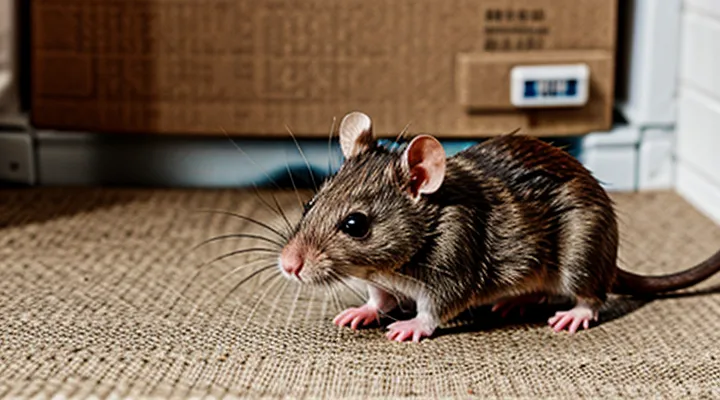
Understanding the Plight of Rescued Rodents
The Journey from Neglect to Safety
Common Reasons for Rodent Rescue
Rodents enter rescue programs primarily because their immediate environment threatens their survival. Human activities, disease outbreaks, and accidental capture create conditions that require intervention.
- Habitat loss from construction or urban expansion eliminates shelter and food sources.
- Exposure to toxic substances such as rodenticides, pesticides, or industrial chemicals leads to acute poisoning.
- Injuries sustained during trap use, vehicle collisions, or predator attacks result in impaired mobility or severe wounds.
- Overpopulation in confined areas generates competition for limited resources, causing malnutrition and stress.
- Natural disasters—floods, fires, earthquakes—displace colonies and expose individuals to extreme weather.
- Illegal wildlife trade captures rodents for pet markets or research, often without proper care.
Each factor directly compromises health, reproductive capacity, or the ability to secure basic needs. Recognizing these drivers enables targeted prevention measures and informs the allocation of resources within rescue initiatives.
The Immediate Needs of Newly Rescued Rats
Newly rescued rats require rapid assessment and targeted care to survive the transition from field conditions to captivity. Veterinary examination within the first 24 hours identifies injuries, parasites, and signs of illness. Treatment protocols must address wounds, deworming, and vaccination against common rodent diseases.
Adequate nutrition stabilizes metabolic function. A diet of high‑protein rodent pellets, supplemented with fresh vegetables, fruit, and occasional live insects, supplies essential nutrients while encouraging natural foraging behavior. Water should be provided in a spill‑proof bottle, refreshed several times daily to prevent bacterial growth.
Secure housing prevents escape and reduces stress. Enclosures must be escape‑proof, ventilated, and equipped with nesting material, hideouts, and climbing structures. Temperature should remain between 18 °C and 24 °C, with humidity around 50 % to avoid respiratory problems.
Hygiene protocols limit pathogen spread. Clean bedding weekly, disinfect food dishes and water bottles regularly, and isolate any individual showing signs of disease until cleared by a veterinarian.
Social needs influence recovery. Rats are highly social; pairing or grouping compatible individuals within 48 hours of stabilization promotes psychological well‑being and reduces stereotypic behaviors. Observation of hierarchy formation helps prevent aggression.
Record‑keeping supports long‑term management. Document each rat’s identification, health status, treatments administered, diet preferences, and behavioral observations. Data enable the fund supporting rat rescue operations to allocate resources efficiently and monitor outcomes.
Immediate action checklist
- Conduct veterinary exam and initiate treatment.
- Provide balanced pellet diet, fresh produce, and water.
- Install secure, climate‑controlled enclosure with enrichment.
- Implement daily cleaning and weekly deep‑cleaning schedule.
- Group compatible rats after health clearance.
- Log health and behavioral data for each individual.
The Cost of Compassion
Veterinary Care Expenses
Veterinary care represents a significant portion of the budget for any organization that rehabilitates rescued rodents. Expenses encompass routine examinations, vaccinations, parasite control, diagnostic testing, emergency interventions, and post‑operative monitoring. Each component carries a distinct cost structure that donors must understand to allocate resources effectively.
Routine examinations and vaccinations typically range from $30 to $70 per animal, depending on the clinic’s pricing and the specific vaccines required. Parasite control—fleas, mites, and intestinal worms—adds $15 to $25 per treatment cycle. Diagnostic testing, such as blood panels or radiographs, can cost $40 to $120 per procedure, while emergency care for injuries or illnesses often exceeds $200 per incident. Surgical procedures, including spaying, neutering, or wound repair, average $150 to $300, with additional fees for anesthesia and post‑operative medication.
Donors can target these categories directly:
- Scheduled health checks – fund bulk appointments to reduce per‑animal fees.
- Vaccination drives – allocate a set amount to cover all rescued rodents in a given period.
- Emergency reserve – maintain a contingency fund for unforeseen medical crises.
- Surgical sponsorship – sponsor specific procedures to offset high one‑time costs.
Cost‑saving strategies include partnering with veterinary schools for discounted services, negotiating bulk pricing for medications, and establishing a volunteer network of qualified animal health professionals. Transparent accounting, with regular reports on expenditure per category, ensures accountability and builds confidence among supporters.
Shelter and Enrichment Costs
The rescue organization must allocate funds for secure housing and mental stimulation to keep rehabilitated rodents healthy. Shelter expenses include durable cages, insulated bedding, regular sanitation supplies, temperature‑control devices, and periodic repairs. Enrichment costs cover items that encourage natural behaviors: climbing structures, chew toys, tunnel systems, foraging puzzles, and social grouping materials.
Typical monthly budget breakdown:
- Cage infrastructure: $150–$250 per enclosure, inclusive of metal frames and safety locks.
- Bedding and cleaning: $30–$45 per unit for absorbent, dust‑free substrates and disinfectants.
- Heating and ventilation: $20–$35 for thermostats, heat pads, and airflow monitors.
- Enrichment kits: $40–$70 per group, comprising tunnels, chew blocks, and puzzle feeders.
Donor contributions can target these line items directly or fund a general pool that the staff allocates according to seasonal needs. Material donations—unused cages, bulk bedding, or handcrafted toys—reduce cash outlays and increase inventory turnover. Volunteer labor for cage assembly and enrichment rotation lowers operational costs and improves animal welfare outcomes.
Transparent accounting of shelter and enrichment spending reassures supporters that each dollar directly enhances the living conditions of rescued rats.
Nutritional Needs for Recovery
Providing appropriate nutrition is essential for rodents recovering from rescue operations. A balanced diet supplies the energy required for tissue repair, supports immune function, and prevents weight loss caused by stress and injury.
Key components of a recovery diet include:
- High‑quality protein (e.g., cooked egg, lean meat, soy isolate) to rebuild muscle and promote wound healing.
- Complex carbohydrates (e.g., whole‑grain oats, sweet potatoes) for sustained energy without spikes in blood glucose.
- Essential fatty acids (e.g., omega‑3 from fish oil or flaxseed) to reduce inflammation and aid cellular regeneration.
- Vitamins and minerals such as vitamin C, vitamin E, zinc, and selenium, which enhance antioxidant defenses and support tissue repair.
- Hydration through fresh water and electrolyte‑balanced solutions, especially if the animal has experienced dehydration or blood loss.
Portion sizes should reflect the animal’s current body condition and activity level. Gradual re‑introduction of solid foods over several days minimizes digestive upset. Monitoring weight, coat condition, and stool consistency provides immediate feedback on dietary adequacy.
Supplementary treats can reinforce nutrition goals when they contain the same macro‑ and micronutrient profile. Avoid sugary or high‑fat snacks, as they may impede recovery and promote obesity. Regular consultation with a veterinarian or a small‑animal nutrition specialist ensures the diet remains aligned with the individual’s healing progress.
Ways to Contribute to Rat Rescue
Direct Financial Donations
One-Time Contributions
One‑time donations provide immediate financial resources that enable the rat rescue initiative to address urgent needs such as veterinary care, temporary shelter, and emergency food supplies. The funds are allocated directly to operational budgets without the delay of recurring payment processing, allowing swift response to newly rescued rodents.
Key benefits of a single contribution include:
- Immediate impact: money is available for pressing medical procedures or transport costs.
- Simplicity: donors complete a single transaction, reducing administrative overhead.
- Flexibility: the organization can redirect funds to the most critical projects at any given time.
To make a one‑off gift, donors may:
- Use the online payment portal on the rescue’s website, selecting “One‑time donation” and entering the desired amount.
- Mail a check addressed to the organization’s treasury department, specifying “One‑time contribution” in the memo line.
- Transfer funds via a secure bank wire, referencing the organization’s account number and purpose.
Tax‑deductible status applies to qualifying contributions, and donors receive a receipt for record‑keeping. The organization tracks each single donation through its financial management system, ensuring transparency and reporting the total amount allocated to rescue operations in quarterly summaries.
Recurring Donations and Sponsorships
Recurring contributions provide the financial continuity needed to maintain shelter facilities, veterinary care, and enrichment programs for rescued rats. Predictable income eliminates gaps between emergency appeals, allowing staff to plan long‑term health monitoring, dietary provisioning, and habitat upgrades without interruption.
Establishing a regular donation or sponsorship involves three straightforward actions:
- Register on the organization’s donation portal, select the “monthly” option, and choose an amount that aligns with personal budgeting goals.
- Complete the secure payment form; the system stores credentials and processes each cycle automatically, eliminating the need for repeated manual transactions.
- Receive a confirmation email that includes a receipt for tax‑deduction purposes and a brief report on how the contribution supports specific aspects of rodent care.
Sponsorship programs operate on tiered levels, each linked to distinct outcomes:
- Basic Sponsor – funds daily feeding and cage cleaning for a single rat.
- Health Sponsor – covers routine veterinary examinations, vaccinations, and minor treatments.
- Habitat Sponsor – finances construction or renovation of enrichment structures, promoting natural foraging behavior.
All tiers grant sponsors quarterly updates, photos, and the option to correspond directly with caretakers. This transparent model encourages sustained involvement and demonstrates the tangible impact of each recurring pledge.
Matching Gift Programs
Matching gift programs double the financial impact of individual contributions by securing additional funds from an employer or corporate partner that matches each donation dollar for dollar. For a rescue organization focused on rehabilitating and rehoming rats, this mechanism accelerates the acquisition of medical supplies, enclosure upgrades, and public‑education materials.
Key advantages include:
- Immediate increase in available budget without extra effort from the donor.
- Enhanced credibility; matched donations signal corporate confidence in the nonprofit’s mission.
- Potential to attract larger donors who seek to maximize the effect of their gifts.
Donors can participate by:
- Confirming whether their employer participates in a matching gift scheme.
- Submitting the required paperwork through the company’s portal or forwarding the nonprofit’s matching‑gift form.
- Monitoring the status of the match and notifying the organization once the contribution is confirmed.
Organizations should optimize the program by:
- Publishing a clear, step‑by‑step guide on the website and in thank‑you communications.
- Maintaining a database of corporations with established matching policies to target outreach.
- Recognizing matched contributions publicly, reinforcing the value of corporate partnership.
By integrating matching gift programs into the fundraising strategy, the rat rescue initiative expands its resource base, enabling faster response times and broader community outreach.
Volunteering Your Time and Skills
Hands-On Animal Care
The rescue organization dedicated to rodent welfare relies on practical animal care to ensure the health of rescued rats. Direct interaction with the animals forms the core of the recovery process, providing nutrition, hygiene, and medical oversight.
Key daily responsibilities include:
- Supplying a balanced diet of commercial pellets, fresh vegetables, and occasional protein sources.
- Maintaining fresh water in a leak‑proof container, checking for contamination each morning.
- Cleaning cages by removing waste, replacing bedding, and disinfecting surfaces weekly.
- Observing behavior for signs of stress, injury, or illness, and recording findings for veterinary review.
Supporters can strengthen hands‑on care by:
- Volunteering to perform feeding and cleaning routines under staff supervision.
- Funding specific items such as high‑quality bedding, enrichment toys, and veterinary supplies.
- Contributing professional expertise in small‑animal medicine, nutrition, or behavioral enrichment.
- Organizing community workshops that teach proper handling techniques and disease prevention.
Effective participation translates into faster recovery, reduced relapse rates, and increased adoption success. Consistent, hands‑on involvement directly improves the well‑being of each rescued rat and sustains the program’s capacity to rescue additional animals.
Administrative and Fundraising Support
Effective administration underpins every successful rodent rescue initiative. Accurate record‑keeping of intake, medical treatment, and release data ensures compliance with animal‑welfare regulations and facilitates transparent reporting to stakeholders. Centralized databases allow staff and volunteers to track each animal’s progress, schedule veterinary appointments, and manage adoption pipelines. Financial oversight requires a detailed budget that allocates funds for cage construction, nutrition, veterinary care, and emergency reserves; regular audits verify that expenditures align with donor intent. Volunteer coordination benefits from clear role descriptions, shift schedules, and a reliable communication platform that disseminates updates and training resources.
Fundraising activities must translate the organization’s mission into measurable outcomes that attract and retain donors. Key strategies include:
- Targeted outreach to individual supporters via email newsletters that highlight specific rescue cases and the impact of contributions.
- Grant applications to foundations focused on wildlife conservation, emphasizing documented success metrics and long‑term sustainability plans.
- Crowdfunding campaigns on social media, employing compelling visuals and concise progress updates to encourage viral sharing.
- Merchandise sales—t‑shirts, tote bags, and educational kits—designed with the rescue brand to generate recurring revenue.
- Corporate sponsorships that pair businesses with specific program elements, such as habitat enrichment or spay/neuter clinics, in exchange for brand visibility.
Each fundraising channel should be monitored through key performance indicators: donor acquisition cost, retention rate, average donation size, and conversion ratio from outreach to contribution. Consolidated reporting integrates these metrics with financial statements, providing a clear picture of resource flow and enabling data‑driven adjustments to both administrative processes and fundraising tactics.
Foster Care Programs
Foster care programs provide temporary homes for rescued rats, ensuring continuous care while permanent placement is arranged. The initiative to aid saved rodents relies on volunteers who meet specific criteria: a secure enclosure, regular feeding schedule, and knowledge of rat health needs. Participants receive guidance from the rescue fund, including detailed care manuals and access to veterinary support.
Key components of a successful foster arrangement include:
- Housing standards: cages must be escape‑proof, ventilated, and equipped with bedding, enrichment items, and a water bottle.
- Health monitoring: daily checks for weight, coat condition, and signs of illness; immediate reporting of concerns to the veterinary network.
- Social interaction: provision of compatible companions or supervised playtime to prevent stress and promote natural behaviors.
- Record keeping: logging intake dates, dietary details, and behavioral observations for future adopters and medical records.
Prospective foster caregivers follow a defined process:
- Submit an online application outlining experience with small mammals.
- Complete a brief orientation session covering hygiene protocols and emergency procedures.
- Receive a starter kit containing a cage, feeding supplies, and educational resources.
- Sign a foster agreement that outlines responsibilities, duration limits, and return policies.
The fund supports foster volunteers by offering:
- Reimbursement for cage upgrades and consumables.
- Access to a 24‑hour helpline staffed by experienced rat caretakers.
- Quarterly webinars on nutrition, disease prevention, and enrichment techniques.
- Recognition through a foster network that shares success stories and best practices.
By integrating these elements, foster care programs expand the capacity of rescue operations, reduce shelter overcrowding, and increase adoption rates for rescued rats. Participation strengthens the overall effort to provide sustainable, high‑quality care for vulnerable rodents.
In-Kind Donations
Food and Supplies Drives
Food and supplies drives provide the essential resources that rescued rodents need to recover and thrive. By collecting appropriate items, volunteers supply the fund with material support that reduces operational costs and improves animal welfare.
Typical items required for a rodent rescue drive include:
- High‑protein rodent pellets or seed mixes, free from added sugars or artificial flavors.
- Fresh vegetables such as carrots, broccoli, and leafy greens, washed and cut into bite‑size pieces.
- Enrichment objects (e.g., chew toys, tunnels, nesting material) that encourage natural behaviors and prevent stress.
- Cleaning supplies: unscented disinfectant, paper towels, and disposable gloves to maintain cage hygiene.
- Small containers for water bottles and feeding stations, made of durable, non‑toxic material.
Organizing a successful drive follows a clear sequence:
- Define the collection period and set a target quantity for each item.
- Publicize the drive through social media, local pet stores, and community boards, providing a concise list of needed supplies.
- Designate drop‑off locations that are accessible and secure, such as veterinary clinics or animal shelters.
- Assign volunteers to sort, inventory, and store donations in designated areas, using a simple spreadsheet to track quantities.
- Distribute supplies to the rescue facility on a regular schedule, matching delivery dates with feeding and cleaning cycles.
Accurate record‑keeping ensures that donations meet the specific dietary and environmental standards of rescued rodents. Tracking inventory prevents overstocking of perishable goods and allows the fund to request additional items when shortages arise. Consistent communication with donors reinforces transparency and encourages ongoing participation in future drives.
Donating Used Items
Donating gently used items directly improves the living conditions of rescued rodents. The organization managing the rescue program accepts a range of supplies that reduce operational costs and free monetary resources for veterinary care and enrichment.
Typical contributions include:
- Cages, tunnels, and modular habitats in good condition
- Bedding materials such as shredded paper, corn cob, or recycled wood pulp
- Food containers, water bottles, and feeding trays that are clean and intact
- Small toys, chew blocks, and climbing accessories made from safe, non‑toxic materials
- Cleaning tools like mop heads, scrub brushes, and mild detergents suitable for animal enclosures
When preparing donations, follow these steps:
- Inspect each item for damage, rust, or mold; discard anything compromised.
- Clean and sanitize items according to the organization’s guidelines.
- Label boxes with a brief description of contents and contact information.
- Arrange drop‑off at the designated intake location or schedule a pickup if the volume warrants transportation assistance.
The organization tracks each contribution in its inventory system, ensuring that donated goods are allocated to facilities with the greatest need. By providing usable equipment, donors decrease the fund’s expenditure on purchasing new supplies, allowing more funds to be directed toward medical treatments, rehabilitation programs, and long‑term placement initiatives for rescued rats.
Crafting for Comfort
Crafting comfortable accessories directly improves the welfare of rescued rats and reinforces the mission of the rodent‑rescue organization. Hand‑stitched hammocks, fleece nests, and chew‑safe tunnels provide secure resting places, reduce stress, and encourage natural behaviors. Durable, washable materials extend the lifespan of each item, lowering ongoing costs for the shelter.
Key considerations for effective crafting:
- Use natural fibers such as cotton, fleece, or untreated wool; avoid synthetic fabrics that may cause static or allergic reactions.
- Ensure all seams are tightly closed to prevent rats from escaping or ingesting loose threads.
- Incorporate safe, non‑toxic adhesives or hand‑sewn joints; eliminate glues containing solvents.
- Design dimensions to match the average size of adult rats (approximately 20 cm length, 10 cm height) while allowing space for movement.
Volunteer crafters can contribute by:
- Donating completed pieces to the shelter’s intake area.
- Providing material kits for new volunteers, including pre‑cut fabric, pattern templates, and stitching guides.
- Organizing workshops that teach standardized construction methods, ensuring consistency across all donated items.
Financial support for crafting projects may cover bulk purchases of high‑quality fabrics, specialized sewing tools, and labeling supplies that identify each item’s cleaning instructions. Transparent reporting of material expenses demonstrates responsible stewardship and encourages continued donor confidence.
By integrating well‑designed, handcrafted comforts into daily care routines, the rescue program enhances recovery rates, promotes social interaction among residents, and strengthens the overall impact of the organization’s efforts to aid saved rodents.
Fundraising Initiatives
Hosting Community Events
Organizing community gatherings creates visible support for rescued rodents and generates resources for ongoing care. Events attract donors, volunteers, and local media, reinforcing the organization’s mission and expanding its network.
Effective event planning follows a clear sequence:
- Define a specific goal (e.g., fundraising target, volunteer recruitment, public education).
- Secure a venue that allows safe interaction with animals or displays informational materials.
- Partner with local businesses for sponsorship, in‑kind donations, or promotional assistance.
- Develop a schedule that balances entertainment (live music, games) with educational segments (presentations, animal‑care demonstrations).
- Promote through social media, community bulletin boards, and email lists at least two weeks before the date.
- Prepare necessary permits, insurance, and safety protocols for both participants and animals.
- Collect feedback after the event to refine future gatherings.
Metrics such as attendance numbers, funds raised, and new volunteer sign‑ups provide measurable outcomes. Regularly repeating well‑executed events sustains public interest and ensures a steady flow of resources for the rescued rodent program.
Online Crowdfunding Campaigns
Online crowdfunding provides a direct channel for financing the rescue and rehabilitation of rodents rescued from hazardous environments. Campaigns translate public interest into measurable contributions, enabling immediate care, housing, and veterinary services.
Effective platform selection hinges on audience reach, fee structure, and fundraising tools. Established sites such as Kickstarter, GoFundMe, and Indiegogo offer built‑in visibility, while niche animal‑focused platforms like FundRazr and RescueMe provide targeted donor pools. Comparing processing fees (typically 5‑8 % of donations) and payout schedules determines the most cost‑efficient option.
A successful campaign presents a clear financial target, concise narrative, and compelling imagery. Essential components include:
- Defined monetary goal linked to specific needs (e.g., cage construction, medical supplies).
- Short, factual description of the rescue operation and anticipated outcomes.
- High‑resolution photographs or videos of rescued rodents and care facilities.
- Timeline outlining fund allocation milestones.
Donor engagement relies on transparent communication and tangible incentives. Regular updates—weekly progress reports, expenditure breakdowns, and success stories—maintain trust. Reward tiers, such as personalized thank‑you cards, exclusive behind‑the‑scenes content, or naming rights for new enclosures, encourage higher contributions without inflating costs.
Financial accountability strengthens credibility. Implementing the following practices safeguards donor confidence:
- Publish a detailed budget before launch, itemizing expected expenses.
- Release quarterly financial statements showing received funds versus disbursed amounts.
- Employ third‑party auditors or open‑source accounting platforms to verify transactions.
By integrating platform optimization, strategic storytelling, active donor relations, and rigorous financial oversight, online crowdfunding campaigns become a reliable mechanism for sustaining the rescue and care of vulnerable rodents.
Partnering with Local Businesses
Partnering with local businesses expands the financial and material base of a rodent rescue initiative. Businesses gain community visibility while providing reliable revenue streams, in‑kind donations, and volunteer manpower.
Key collaboration models include:
- Sponsorship packages – retailers allocate a fixed monthly contribution in exchange for branding on adoption flyers, social media posts, and event signage.
- Product donations – pet stores supply cages, bedding, and enrichment toys; grocery chains contribute surplus produce for dietary needs.
- Cause‑related marketing – cafés feature a “Rescue Rat” specialty drink, directing a percentage of sales to the fund.
- Employee engagement – companies organize volunteer days, allowing staff to assist with intake, cleaning, and educational tours.
Effective agreements outline measurable outcomes, such as the number of rodents supported per donation tier, and include regular reporting to maintain transparency. Legal contracts should specify use of funds, branding rights, and termination clauses to protect both parties.
When businesses integrate rescue messaging into their customer experience, they create a feedback loop: increased public awareness drives higher adoption rates, which in turn validates the partnership’s impact. Consistent communication—quarterly impact summaries, joint press releases, and shared social media calendars—keeps the collaboration visible and accountable.
By structuring partnerships around clear deliverables, financial tracking, and mutual promotion, the rodent rescue program secures sustainable resources while reinforcing the community’s commitment to humane animal care.
The Impact of Your Support
Stories of Transformation
Individual Rat Success Stories
Milo, a brown rat rescued from a laboratory, entered the rehabilitation unit in March 2023. Veterinary assessment identified a broken tail vertebra; after surgical repair and two weeks of physiotherapy, Milo regained full mobility. He now resides in a foster home, where behavioral enrichment leads to weight gain of 15 % and regular social interaction with a compatible cohort.
Luna, a black‑eyed rat found abandoned in a residential basement, arrived with severe malnutrition and respiratory infection. Immediate antimicrobial treatment and a calibrated feeding schedule restored her body condition score to optimal levels within ten days. Luna participates in a public‑education program, demonstrating proper handling techniques to school groups, thereby reducing future abandonment rates.
Atlas, a gray rat captured from an illegal pet‑trade network, suffered chronic stress and adrenal insufficiency. Hormonal therapy combined with a structured enrichment plan—maze puzzles, foraging wheels, and daily human interaction—stabilized his cortisol levels. Atlas now serves as a breeding ambassador, producing a litter of healthy offspring that will expand the sanctuary’s genetic pool.
These cases illustrate the direct impact of targeted contributions:
- Medical grants fund surgeries, medications, and diagnostic imaging.
- Nutrition funds secure high‑quality protein blends and vitamin supplements.
- Enrichment budgets provide puzzle toys, climbing structures, and sensory stimuli.
- Education sponsorships enable outreach events that teach humane rat care.
Each donation channel translates into measurable outcomes—reduced morbidity, accelerated recovery, and increased public awareness—ensuring that rescued rodents transition from vulnerability to thriving members of their new communities.
The Ripple Effect on Other Rescues
Supporting rescued rats generates measurable benefits for broader animal‑rescue networks. Financial contributions earmarked for the rat rescue initiative often flow to shared infrastructure, such as veterinary clinics, transport vehicles, and quarantine facilities, reducing operating costs for all participating organizations.
The increased visibility of rat‑specific campaigns draws new volunteers who, after training, become available to assist with other species. This expanded human capital improves response times and enhances the capacity of shelters handling birds, reptiles, and small mammals.
Key ripple effects include:
- Consolidated procurement of medical supplies, leading to bulk‑discount pricing for all rescue groups.
- Joint fundraising events that attract donors interested in diverse wildlife causes, widening the revenue base.
- Cross‑training programs that standardize best practices, raising overall animal‑care standards.
- Data sharing agreements that provide comparative health statistics, informing preventive measures across species.
Collectively, these outcomes strengthen the resilience of the entire rescue ecosystem, ensuring that resources allocated to rat recovery amplify the effectiveness of parallel animal‑welfare efforts.
Building a Community of Care
Educational Outreach Efforts
Educational outreach is essential for increasing public awareness of the rat rescue initiative and encouraging responsible care for rescued rodents. Programs target schools, community centers, and online audiences to convey accurate information about rodent health, behavior, and humane handling.
Key components include:
- Classroom presentations that explain common misconceptions, disease prevention, and proper nutrition for rescued rats.
- Hands‑on workshops where participants practice safe handling techniques under the supervision of experienced volunteers.
- Digital toolkits containing printable infographics, short videos, and FAQs that can be shared through social media and local websites.
- Partnerships with veterinary clinics to provide free seminars on post‑rescue medical care and stress reduction strategies.
Volunteer training modules emphasize communication skills, enabling ambassadors to deliver clear messages to diverse audiences. Regular feedback surveys assess the effectiveness of each outreach activity, allowing continuous refinement of content and delivery methods.
By integrating education into all levels of community interaction, the rescue fund cultivates a knowledgeable support network that reduces abandonment, improves rehabilitation outcomes, and fosters long‑term stewardship of rescued rats.
Advocacy for Rodent Welfare
The rat rescue initiative relies on public advocacy to secure lasting protection for rescued rodents. Effective advocacy communicates the species’ ecological contributions, highlights the humane standards applied during care, and pressures policymakers to recognize rodents as legitimate beneficiaries of animal‑welfare legislation.
Key actions for supporters include:
- Drafting concise policy briefs that cite scientific evidence of rodents’ role in pest control and disease monitoring.
- Organizing targeted outreach to local officials, presenting data on rescue outcomes and cost‑effectiveness of rehabilitation programs.
- Mobilizing community members through petitions and social‑media campaigns that demand inclusion of rodents in municipal animal‑protection ordinances.
- Partnering with veterinary schools to develop training modules on rodent health, reinforcing professional competence and public confidence.
By integrating these strategies, advocates strengthen the legal and financial framework that sustains the fund’s mission, ensuring rescued rats receive consistent, high‑quality care and a pathway to safe release.
Fostering Responsible Pet Ownership
The organization that rescues and rehabilitates rats depends on adopters who commit to high standards of care. Each rescued rodent enters a new environment where the owner’s decisions directly affect its health, behavior, and longevity.
Responsible ownership begins with thorough preparation. Prospective caretakers must study species‑specific needs, secure appropriate cages, provide balanced nutrition, and arrange regular veterinary examinations. Proper enrichment—such as tunnels, chew toys, and climbing structures—prevents stress‑induced behaviors and promotes natural activity patterns.
Practical steps for new rat owners include:
- Research reputable sources on rat husbandry before acquisition.
- Assemble a cage that meets minimum size requirements and includes ventilation, bedding, and hiding places.
- Select a diet comprising commercial rodent pellets, fresh vegetables, and limited treats; avoid sugary or processed foods.
- Schedule an initial health check with a veterinarian experienced in exotic pets; follow up with quarterly assessments.
- Introduce the rat to its new home gradually, allowing time for exploration and adjustment.
- Monitor weight, activity level, and coat condition daily; record any changes and consult a professional promptly.
Adhering to these practices reduces the likelihood of abandonment, lowers the burden on rescue operations, and strengthens community confidence in humane animal stewardship. By embodying responsible pet ownership, individuals directly support the mission of the rat rescue initiative and ensure that saved rodents thrive in their new homes.