
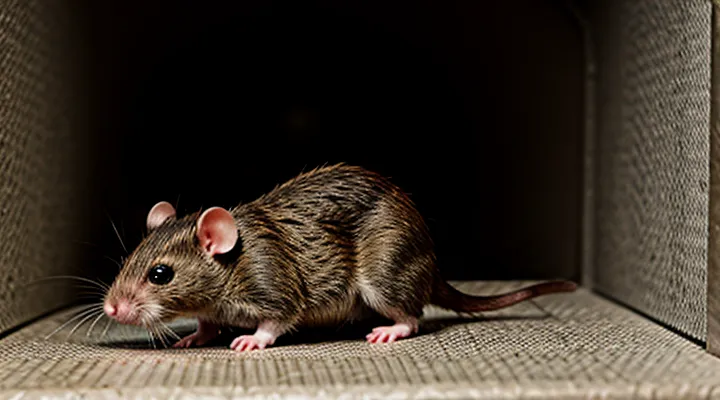
The Basics of Rat Reproduction
Sexual Maturity in Rats
Rats reach reproductive capability shortly after weaning. Female rats typically become sexually mature between 5 and 6 weeks of age, while males achieve maturity around 6 to 8 weeks. Puberty is marked by the onset of regular estrous cycles in females and the appearance of sperm in the epididymis of males.
The timing of sexual maturity directly influences the planning of breeding programs. Once females enter estrus, they can be paired with proven males, leading to conception within a few days. The gestation period for rats averages 21–23 days, so the interval from first breeding to birth can be calculated precisely once maturity is confirmed.
Key physiological indicators of sexual maturity:
- Development of palpable nipples in females (visible by 4 weeks)
- Vaginal opening and cyclic vaginal cytology in females (first estrus at 5–6 weeks)
- Testicular enlargement and the presence of spermatozoa in males (detectable at 6–8 weeks)
- Elevated serum concentrations of luteinizing hormone and testosterone corresponding to puberty
Understanding these milestones enables researchers and breeders to synchronize mating schedules, reduce the interval between litters, and maintain consistent colony turnover. Accurate assessment of maturity also prevents premature breeding, which can result in reduced litter size and increased neonatal mortality.
Mating Behavior and Signs
Rats are induced ovulators; sexual receptivity appears only when a female encounters a male. The female adopts a lordosis posture, presenting the ventral side to the male, who mounts and initiates a brief intromission. After insertion, a copulatory tie forms, lasting 15–30 minutes, during which sperm transfer occurs. Successful mating is confirmed by the presence of a vaginal plug, which typically remains for 12–24 hours and serves as a reliable indicator of fertilization.
Pregnancy signs emerge shortly after conception. Within 8–10 days, females exhibit a measurable increase in body mass, often accompanied by a rounded abdomen. By the third week, nesting behavior intensifies; the rat gathers bedding material and constructs a nest in a secluded area. Mammary glands enlarge and become pinkish, a condition known as “pinking,” observable along the ventral surface. Vaginal discharge may become milky or clear, and the estrous cycle ceases, eliminating the regular swellings associated with estrus. These physiological and behavioral changes provide practical markers for estimating the progression of gestation in laboratory or breeding settings.
The Rat Gestation Period
Typical Duration
Rats typically experience a gestation period of 21 to 23 days, with 22 days representing the most common length for laboratory strains such as Rattus norvegicus. This timeframe is consistent across most domestic and wild species, although slight variations may occur due to genetic lineages or environmental conditions.
Key characteristics of the typical gestation length include:
- Average duration: 22 days.
- Minimum observed period: 21 days.
- Maximum observed period: 23 days.
- Influencing factors: temperature, nutrition, and stress levels can shift the endpoint by ±1 day.
The short reproductive cycle enables rapid population growth, allowing multiple litters per year when conditions remain favorable.
Factors Influencing Gestation Length
The gestation period in rats typically spans 21 to 23 days, yet individual pregnancies may deviate from this range due to several measurable influences.
- Genetic strain
- Maternal age
- Parity (number of previous litters)
- Nutritional status
- Ambient temperature
- Photoperiod exposure
- Stress levels
- Litter size
- Hormonal balance
Genetic strain determines baseline duration; some laboratory lines consistently exhibit shorter or longer gestations. Advanced maternal age often prolongs pregnancy, while young females may experience slightly abbreviated cycles. Repeated breeding cycles can shift hormonal cycles, affecting timing. Adequate protein and caloric intake support normal embryonic development; deficits tend to extend gestation, whereas excess nutrition may shorten it. Ambient temperature influences metabolic rate; cooler environments slow development, leading to longer gestations. Photoperiod alterations modify melatonin secretion, which can adjust reproductive timing. Chronic stress elevates glucocorticoids, disrupting endocrine signals and lengthening gestation. Larger litters impose greater physiological demand, sometimes resulting in extended gestational periods. Hormonal imbalances, particularly in progesterone and estrogen, directly regulate implantation and fetal growth, thereby modifying gestation length.
Breed Differences
Rat gestation varies noticeably among different breeds, reflecting genetic divergence and selective breeding goals. Laboratory strains, developed for research consistency, display a relatively narrow range of pregnancy length, while wild species exhibit broader variability.
- Sprague‑Dawley: average gestation 21–22 days, occasional extensions to 23 days in large litters.
- Wistar: typical 21 days, occasional 20‑day pregnancies reported under optimal nutrition.
- Long‑Evans: 21–22 days, with slight prolongation (up to 23 days) when maternal age exceeds 12 months.
- Norway (Rattus norvegicus) wild populations: 20–24 days, influenced by seasonal food availability.
- Roof rat (Rattus rattus): 19–23 days, shorter averages in tropical climates.
Key factors shaping these differences include:
- Genetic makeup of the breed, determining baseline endocrine cycles.
- Litter size, where larger litters often correlate with marginally longer gestation.
- Maternal age and health status, influencing hormonal regulation and uterine capacity.
- Environmental conditions such as temperature and photoperiod, which can accelerate or delay embryonic development in wild rats.
Understanding breed‑specific gestation periods assists in planning breeding programs, optimizing timing for experimental interventions, and improving animal welfare by aligning care protocols with expected delivery windows.
Litter Size
The gestation period of laboratory rats averages 21–23 days, setting a narrow window for embryonic development before parturition. Within this timeframe, a female typically delivers a litter whose size reflects both genetic and environmental influences.
Average litter size ranges from six to twelve pups, with extremes of four to fifteen reported under specific conditions. Variation correlates with strain differences, maternal age, and physiological status.
- Strain genetics: Inbred lines such as Wistar tend toward larger litters than some outbred stocks.
- Maternal age: Young adults (8–12 weeks) produce the highest numbers; very young or aged females often yield fewer offspring.
- Parity: Second and third pregnancies generally increase litter size compared with the first.
- Nutrition: Caloric surplus and balanced protein intake elevate pup counts; deficiencies reduce them.
- Housing density: Moderate crowding can suppress litter size, while excessive isolation may also have negative effects.
Understanding these determinants is essential for experimental design, colony management, and predictive modeling of reproductive output in rat populations.
Maternal Health and Nutrition
Pregnant rats experience a gestation lasting approximately three weeks, during which maternal condition directly influences litter viability and pup development. Maintaining optimal health requires regular weight checks, avoidance of overcrowding, and prompt treatment of infections or respiratory issues. Stressors such as abrupt temperature changes or excessive handling should be minimized to prevent hormonal disturbances that can shorten gestation or increase fetal loss.
Nutritional support must match the elevated metabolic demands of pregnancy. Energy intake should rise by 15‑20 % compared with non‑reproductive females, achieved through increased provision of high‑quality rodent chow. Protein content should reach 18‑20 % of the diet, supplying essential amino acids for fetal tissue synthesis. Adequate calcium (1.0‑1.2 % of diet) and phosphorus (0.8‑1.0 %) support skeletal development, while vitamin A, D, and E levels must meet established rodent requirements to prevent embryonic malformations. Trace minerals such as zinc, selenium, and iron are critical for enzyme function and hemoglobin formation.
Key dietary components:
- Protein: 18‑20 % of total diet, sourced from soy, casein, or fish meal.
- Energy: 3.5‑4.0 kcal g⁻¹, supplied by carbohydrate‑rich grains and modest fat.
- Calcium & Phosphorus: 1.0‑1.2 % and 0.8‑1.0 % respectively, balanced to a 1.2:1 ratio.
- Vitamins: A (4 000 IU kg⁻¹), D₃ (1 000 IU kg⁻¹), E (100 IU kg⁻¹).
- Trace minerals: Zinc 50 ppm, selenium 0.3 ppm, iron 80 ppm.
- Water: continuous access to clean, fresh water.
Supplemental feeds, such as boiled eggs or low‑fat cheese, may be offered in small quantities to boost protein and calcium without exceeding caloric limits. Monitoring feed intake ensures that over‑consumption does not lead to obesity, which correlates with dystocia and reduced litter size.
Health assessments should occur at least twice weekly, recording body condition scores, uterine size, and any signs of distress. Adjustments to diet are made based on weight trajectories: a gain of 1‑2 g per day indicates appropriate progression, while rapid excess or insufficient gain signals the need for dietary recalibration. Consistent application of these guidelines promotes robust maternal health, supports full gestational length, and maximizes reproductive outcomes.
Environmental Stress
Environmental stressors can alter the length of gestation in laboratory rats, producing measurable deviations from the typical 21‑23‑day period. Acute temperature extremes, chronic noise exposure, and restricted nesting material each trigger physiological responses that affect hormonal regulation, uterine contractility, and fetal development timing.
Key mechanisms include:
- Activation of the hypothalamic‑pituitary‑adrenal axis, raising corticosterone levels that suppress progesterone synthesis and shorten gestation.
- Disruption of circadian rhythms by irregular light cycles, leading to altered melatonin secretion and delayed parturition.
- Nutritional deficits caused by limited food access, reducing maternal energy reserves and accelerating fetal maturation.
Empirical studies report that rats subjected to continuous loud noise (85 dB) experience gestational periods reduced by 0.5–1 day, while those housed at 30 °C for more than 12 hours daily show a similar contraction. Conversely, mild, intermittent stressors such as brief handling do not produce statistically significant changes, indicating a threshold effect dependent on intensity and duration.
Stages of Rat Pregnancy
Early Pregnancy Signs
Early pregnancy in rats can be detected within the first week after conception. Observable changes include a marked increase in nesting activity, as females gather and arrange bedding material to construct a nest. This behavior often intensifies between days three and five of gestation.
Physical indicators appear shortly after implantation. The abdominal region expands modestly, and a slight, steady gain in body weight becomes measurable by day five. Nipple buds, known as mammae, begin to enlarge and darken, providing a reliable visual cue for breeders.
Behavioral alterations accompany physiological shifts. Pregnant females exhibit reduced aggression toward cage mates and display heightened grooming of the ventral area. Appetite may rise, with increased consumption of protein‑rich feed, while some individuals show a preference for softer food textures.
A concise list of early signs:
- Enhanced nest‑building activity (days 3‑5)
- Subtle abdominal enlargement and consistent weight gain
- Enlargement and pigmentation of mammary glands
- Decreased aggression and increased self‑grooming
- Elevated food intake, particularly protein sources
These indicators collectively allow accurate identification of pregnancy during the initial phase of the rat’s gestational timeline, facilitating timely management and care.
Mid-Pregnancy Developments
Mid‑gestation in rats spans roughly days 10 to 15 of a typical 21‑day pregnancy. At this stage the embryo transitions from a simple blastocyst to a complex fetus with recognizable organ systems. Cellular differentiation accelerates, and the placenta reaches functional maturity, enabling efficient nutrient and gas exchange.
Key developmental events during this interval include:
- Limb bud emergence and elongation, establishing future fore‑ and hind‑limbs.
- Closure of the neural tube, forming the central nervous system architecture.
- Formation of the heart chambers and initiation of regular cardiac contractions.
- Development of the respiratory tract, liver, kidneys, and gastrointestinal tract.
- Appearance of hair follicles and the beginnings of sensory organ structures.
Maternal physiology adapts to support fetal growth. Progesterone levels peak, maintaining uterine quiescence. Blood flow to the uterine arteries increases by 30‑40 %, supplying the placenta with oxygen‑rich plasma. Prolactin and placental lactogen rise, promoting mammary gland development in preparation for lactation.
Research applications rely on precise timing of these milestones. Teratogenic agents administered before day 10 often affect implantation, whereas exposure between days 10 and 15 disrupts organogenesis. Consequently, investigators schedule drug delivery, gene‑knockout activation, or imaging studies within this window to assess specific developmental outcomes.
Understanding mid‑pregnancy progression provides a benchmark for interpreting experimental results and for comparing rat gestational patterns with other mammalian models.
Late Pregnancy and Preparation for Birth
During the final week of gestation, female rats exhibit marked physiological adjustments that prime the body for parturition. Uterine contractions increase in frequency, mammary glands swell, and abdominal circumference expands noticeably. Hormonal profiles shift, with a surge in prolactin and a decline in progesterone, facilitating milk production and cervical softening.
Nesting behavior intensifies as delivery approaches. The dam gathers bedding, constructs a compact nest, and rearranges the cage environment to create a secure site for the litter. This activity typically begins 24–48 hours before birth and serves both thermal regulation and predator avoidance functions.
Key indicators of imminent birth include:
- Persistent abdominal contractions occurring at regular intervals.
- Elevated body temperature followed by a rapid drop (approximately 1 °C) shortly before delivery.
- Increased vocalizations and restlessness, especially during the dark phase.
Optimal preparation for the birthing event involves:
- Providing ample nesting material (e.g., shredded paper, cotton) to allow the dam to build a suitable nest.
- Adjusting cage temperature to maintain a stable environment (21–24 °C) and minimizing drafts.
- Reducing disturbance; limit handling and noise to avoid stress that could delay labor.
- Ensuring easy access to fresh water and high‑quality food, as nutritional demands peak during this stage.
- Monitoring for signs of dystocia or excessive bleeding; intervene promptly if abnormal patterns emerge.
Post‑delivery, maintain a clean, dry nest, and verify that each pup is attached to a nipple and gaining weight. Promptly address any maternal neglect or health issues to safeguard the litter’s survival.
Care During Rat Pregnancy
Nutritional Requirements
The gestation of a laboratory rat lasts approximately 21–23 days, during which maternal nutrition directly influences fetal development and litter size. Energy demand rises by 10–15 % in the first half of gestation and by up to 30 % in the final week; therefore, daily caloric intake should increase from the standard 15 kcal g⁻¹ to 18–20 kcal g⁻¹ of feed.
Key macronutrient adjustments include:
- Protein: elevate to 20–24 % of the diet, ensuring a balanced amino‑acid profile rich in lysine and methionine.
- Fat: maintain at 5–7 % of total calories, favoring essential fatty acids (linoleic and α‑linolenic acids) for membrane synthesis.
- Carbohydrate: supply the remainder of energy needs, prioritizing complex sources to avoid rapid glucose spikes.
Micronutrient requirements become more stringent as gestation progresses:
- Calcium: increase to 1.2–1.5 % of the diet to support skeletal mineralization of embryos.
- Phosphorus: maintain a ratio of calcium to phosphorus close to 1.2:1.
- Vitamin A: provide 10,000 IU kg⁻¹ diet to prevent congenital defects.
- Folate (Vitamin B9): supply at least 2 mg kg⁻¹ to reduce neural tube abnormalities.
- Vitamin E: include 150 IU kg⁻¹ for antioxidant protection.
- Iron: raise to 150 mg kg⁻¹ to meet hemoglobin synthesis demands.
Water consumption should be unrestricted; pregnant rats typically increase intake by 30 % in late gestation. Feed should be offered ad libitum to accommodate fluctuating appetite, with fresh portions replaced daily to preserve nutrient integrity.
Monitoring body weight weekly provides an objective measure of nutritional adequacy. A gain of 2–3 g per day signals appropriate energy provision, whereas stagnation or excessive gain indicates the need for diet modification.
Housing and Environment
Rats reach parturition after a gestational interval of approximately 21 to 23 days. The conditions in which pregnant females are housed directly affect the consistency of this period.
Optimal cage size provides enough space for movement without causing stress. Minimum floor area should be 0.06 m² per adult rat; larger enclosures reduce competition for nesting material and lower the incidence of premature delivery. Bedding must be absorbent, dust‑free, and changed regularly to prevent ammonia buildup, which can shorten gestation through respiratory irritation.
Environmental parameters that require strict regulation include:
- Temperature: maintain 20–24 °C (68–75 °F); deviations of more than 2 °C increase the risk of early parturition.
- Relative humidity: keep between 45 % and 55 %; excess humidity promotes mold growth, while low humidity accelerates dehydration and may trigger early labor.
- Light cycle: enforce a consistent 12‑hour light/12‑hour dark schedule; irregular photoperiods disrupt hormonal rhythms and can extend or shorten the gestational timeline.
- Noise level: limit continuous sounds above 60 dB; chronic auditory stress correlates with reduced gestation length.
Ventilation must ensure at least 15 air changes per hour, preventing the accumulation of carbon dioxide and volatile compounds that interfere with fetal development. Air filters should be inspected weekly; replacement intervals depend on filter rating but never exceed 30 days.
Social environment influences gestation as well. Pairing pregnant females with compatible cage mates reduces isolation stress, whereas overcrowding or aggressive hierarchies elevate corticosterone levels, leading to variability in gestational duration. Monitoring behavior daily allows early identification of conflict and timely intervention.
In summary, precise control of cage dimensions, bedding quality, temperature, humidity, lighting, noise, ventilation, and social dynamics creates a stable environment that supports the typical 21‑ to 23‑day gestational period in rats.
Monitoring Maternal Health
Monitoring maternal health during the rat gestation period requires systematic observation of physiological and behavioral indicators to ensure optimal outcomes for both dam and offspring.
Body temperature should be recorded daily; deviations of more than 0.5 °C from baseline may signal infection or metabolic stress. Weight gain must be measured at least twice weekly; an average increase of 5–7 g per day reflects normal fetal development, while stagnation or rapid loss suggests complications.
Blood parameters provide critical insight. Weekly blood sampling for glucose, hematocrit, and progesterone levels allows detection of hypoglycemia, anemia, or hormonal imbalance. Elevated progesterone correlates with successful implantation and maintenance of pregnancy; sudden declines warrant immediate veterinary assessment.
Behavioral monitoring complements physiological data. Reduced nesting activity, excessive grooming, or aggression can indicate pain or distress. Regular inspection of the nest for proper construction and cleanliness helps identify environmental issues that may affect maternal welfare.
A concise checklist for routine maternal health monitoring:
- Record daily rectal temperature.
- Measure body weight bi‑weekly; plot trends.
- Collect weekly blood samples for glucose, hematocrit, progesterone.
- Observe nesting behavior and overall activity.
- Inspect nest structure and hygiene.
Implementing these protocols throughout the gestation timeline enhances early detection of maternal health problems, supports fetal viability, and contributes to reliable experimental results.
Potential Complications and Concerns
Prolonged Gestation
Prolonged gestation in rats extends the typical 21‑day pregnancy to 23‑25 days, altering developmental timelines and experimental outcomes. Extended gestation results from genetic variation, maternal age, nutritional status, and environmental stressors. Each factor modifies hormonal regulation and uterine environment, leading to delayed parturition.
Key influences on extended gestation:
- Genotype: Certain strains exhibit naturally longer gestational periods due to allelic differences affecting progesterone metabolism.
- Maternal nutrition: Caloric restriction or excess protein can shift the timing of fetal maturation, lengthening the pregnancy.
- Age: Advanced maternal age correlates with delayed implantation and slower embryonic development.
- Stressors: Exposure to temperature extremes, crowding, or endocrine disruptors interferes with the luteal phase, postponing labor onset.
Consequences of prolonged gestation include increased fetal weight, altered organogenesis, and modified postnatal growth curves. Researchers must adjust breeding schedules, cage turnover, and data collection protocols to accommodate the extended timeline. Failure to recognize gestational extension can introduce variability in pharmacological testing, toxicology assessments, and behavioral studies.
Miscarriage and Stillbirth
The gestational timeline in rats averages 21–23 days, a period during which embryonic and fetal development proceeds rapidly. Losses that occur before full term are classified as spontaneous abortions or stillbirths, each with distinct temporal and pathological characteristics.
Spontaneous abortion refers to the expulsion of embryos or fetuses before day 20 of gestation, often before implantation is complete. Stillbirth denotes delivery of pups that show no signs of life at or after the expected parturition window, typically after day 21.
Losses cluster around specific stages:
- Days 1–5: pre‑implantation failures, frequently invisible without histological examination.
- Days 6–12: early embryonic loss, associated with uterine receptivity issues.
- Days 13–18: mid‑gestation failures, linked to placental insufficiency.
- Days 19–23: late‑gestation stillbirths, often resulting from fetal hypoxia or maternal stress.
Primary etiologies include:
- Genetic abnormalities in embryos.
- Maternal nutritional deficits, especially protein or essential fatty acids.
- Hormonal imbalances, such as inadequate progesterone support.
- Infectious agents (e.g., Listeria monocytogenes, Mycoplasma pulmonis).
- Environmental stressors: extreme temperature, overcrowding, or toxicant exposure.
- Physical trauma or excessive handling.
Detection relies on a combination of methods:
- Palpation or ultrasonography to monitor fetal heartbeat from day 12 onward.
- Observation of litter size and pup viability at birth.
- Necropsy of the uterus to assess embryonic resorption or fetal condition.
- Microbial cultures and PCR assays when infection is suspected.
In research colonies, high rates of embryonic loss or stillbirth compromise data integrity and animal welfare. Management protocols recommend:
- Routine health screening of breeding females.
- Balanced diet formulated for gestating rats.
- Controlled housing conditions with minimal disturbance.
- Hormonal supplementation when progesterone deficiency is documented.
- Immediate investigation of any deviation from expected litter outcomes.
Accurate identification of miscarriage and stillbirth patterns enables corrective actions that preserve colony productivity and ensure reliable experimental results.
Difficult Birth (Dystocia)
The gestational period for laboratory rats averages 21–23 days; within this brief interval, any interruption of normal parturition can jeopardize both dam and offspring. Dystocia denotes a failure of the birth process to progress normally, requiring prompt identification and intervention.
Typical factors that precipitate dystocia include:
- Fetal overgrowth, often linked to high‑calorie diets or genetic selection for larger size.
- Uterine inertia, where smooth‑muscle contractions are insufficient to expel the litter.
- Malpresentation, such as breech or transverse positions of pups.
- Maternal health issues, including obesity, dehydration, or hormonal imbalances.
Observable indicators consist of labor lasting beyond 30 minutes without pup delivery, repeated abdominal contractions without fetal passage, excessive maternal agitation, and signs of physiological stress such as tachypnea or hypothermia. Absence of these signs does not exclude dystocia; continuous monitoring remains essential.
Therapeutic measures prioritize the dam’s stability and fetal viability. Immediate actions involve gentle abdominal massage to stimulate uterine activity, administration of oxytocin analogues under veterinary supervision, and provision of a warm, quiet environment. When conservative methods fail, surgical cesarean delivery becomes the definitive solution; postoperative care includes analgesia, fluid therapy, and infection prophylaxis.
Preventive strategies reduce dystocia incidence. Balanced nutrition that avoids excessive weight gain, selection of breeding pairs with documented normal litter sizes, and pre‑breeding health assessments—including body condition scoring and reproductive tract examination—contribute to smoother parturition. Regular observation during the expected delivery window enables early detection of labor abnormalities, allowing timely corrective action.
Post-Natal Care Considerations
Weaning and Development of Pups
Rat pups are born after a gestation period of approximately 21–23 days. At birth they weigh 1–2 g, are hairless, and rely entirely on maternal milk for nutrition and thermoregulation. The mother typically nests in a secluded area, providing a stable temperature and protection from predators.
Within the first 48 hours, pups exhibit limited movement and begin to develop the ability to locate the nipples for feeding. By day 4, the eyes open, and auditory sensitivity improves, allowing pups to respond to maternal vocalizations. Fur appears around day 7, coinciding with a measurable increase in body mass to 5–6 g.
Weaning commences between days 14 and 21. During this interval, the mother gradually reduces nursing frequency while introducing solid food. Pups begin to explore the nest environment, practice chewing on bedding, and ingest small quantities of grain or laboratory chow. By day 21, most pups consume solid food independently and are fully weaned.
Post‑weaning development proceeds rapidly:
- Days 21–28: Body weight reaches 15–20 g; locomotor coordination improves; social interactions with littermates intensify.
- Weeks 4–6: Sexual maturation signs appear; males develop testes, females exhibit estrous cycles; growth rate slows as adult size approaches 250–300 g.
- Weeks 6–8: Full adult morphology achieved; independence from maternal care established; individuals become capable of breeding.
Nutritional requirements shift from high‑fat milk to balanced protein–carbohydrate diets to support rapid tissue growth. Adequate protein (15–20 % of diet) and essential fatty acids are critical for brain development and immune function. Environmental enrichment, such as nesting material and tunnels, promotes normal behavioral development and reduces stress.
Monitoring weight gain, fur development, and the timing of solid‑food intake provides reliable indicators of healthy progression. Deviations from these milestones may signal maternal neglect, infection, or nutritional deficiencies, necessitating intervention.
Maternal Recovery
Maternal recovery in rats commences immediately after parturition and proceeds through a series of physiological and behavioral adjustments that restore reproductive competence. The uterine lining contracts and remodels within 24–48 hours, reducing the organ’s size to pre‑pregnancy dimensions. Concurrently, circulating prolactin and oxytocin levels decline, signaling the end of lactation drive and facilitating tissue repair.
Nutritional demands shift rapidly. Energy intake rises to support milk production for the first week, then normalizes as litter weaning approaches. Protein supplementation accelerates mammary gland involution and promotes skeletal muscle restoration. Adequate calcium and vitamin D intake prevent bone demineralization associated with prolonged lactation.
Behavioral recovery follows a predictable pattern:
- Day 1–2: heightened nest defense, limited exploration.
- Day 3–5: increased grooming of offspring, gradual return to normal cage activity.
- Day 6–10: reduced maternal aggression, resumption of self‑maintenance behaviors.
- Day 11 onward: preparation for subsequent estrous cycle, diminished nursing frequency.
Endocrine resetting aligns with the estrous cycle. After weaning, the hypothalamic‑pituitary‑gonadal axis re‑establishes cyclicity, typically within 4–6 days, allowing the female to become receptive to mating. Ovarian follicle development proceeds without interruption, ensuring no long‑term reproductive delay.
Overall, the recovery timeline parallels the gestation length of approximately three weeks, with most physiological parameters returning to baseline by two weeks postpartum. Proper husbandry—consistent temperature, clean bedding, and balanced diet—optimizes this process and minimizes morbidity.