
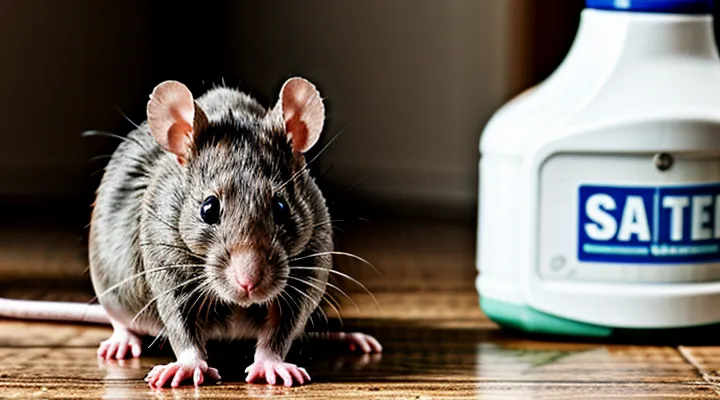
Understanding Rat Poison
What is Rat Poison?
How Rat Poisons Work
Rat poisons function through specific biochemical pathways that interrupt vital physiological processes in rodents.
The most common categories operate as follows:
- Anticoagulants: Inhibit vitamin K epoxide reductase, preventing the regeneration of active vitamin K. This blocks clotting factor synthesis, leading to internal hemorrhage after several days of exposure.
- Neurotoxins: Bind to neuronal ion channels or receptors, causing uncontrolled nerve firing, paralysis, and rapid respiratory failure.
- Metabolic disruptors: Interfere with cellular respiration or energy production, resulting in systemic organ failure.
- Bromethalin‑type agents: Collapse mitochondrial proton gradients, halting ATP synthesis and causing central nervous system collapse.
Safety protocols for handling these compounds include:
- Use protective gloves, goggles, and impermeable clothing to prevent dermal absorption.
- Store in sealed containers, away from food, water, and children’s access.
- Apply the minimum effective dose, calibrated to target species weight, to reduce risk of secondary poisoning.
- Label all bait stations clearly, indicating toxic content and hazard warnings.
- Conduct regular monitoring of non‑target wildlife and dispose of dead rodents according to local hazardous waste regulations.
Understanding the precise mode of action allows for targeted application, minimizes unintended exposure, and supports effective rodent management while protecting human health and the environment.
Target Pests
Rodenticides are formulated to control specific rodent species that cause structural damage, crop loss, and disease transmission. Primary targets include:
- Norwegian rats (Rattus norvegicus) – large, ground‑dwelling mammals commonly found in sewers, basements, and agricultural settings.
- Black rats (Rattus rattus) – agile climbers that infest attics, barns, and storage facilities.
- House mice (Mus musculus) – small rodents that infiltrate residential kitchens and food‑processing areas.
Secondary targets may involve larger commensal species such as roof rats and field mice when infestations extend beyond primary populations. Each species exhibits distinct foraging behavior, nesting preferences, and susceptibility to active ingredients, influencing bait placement and concentration decisions. Selecting a bait matrix that aligns with the target pest’s diet enhances efficacy while reducing exposure to non‑target wildlife.
Types of Rat Poison
Anticoagulant Rodenticides
First-Generation Anticoagulants «FGARs»
First‑generation anticoagulant rodenticides (FGARs) are vitamin‑K antagonists that disrupt blood clotting by inhibiting the enzyme epoxide reductase. Their effect manifests after several days, allowing rodents to consume multiple doses before lethal hemorrhage occurs.
Common FGAR compounds include:
- Warfarin
- Chlorophacinone
- Diphacinone
- Coumachlor (coumafuryl)
Safety considerations for FGARs are strict. Acute toxicity to non‑target species, especially pets and wildlife, demands the use of bait stations that prevent accidental access. Personal protective equipment—gloves, goggles, and respirators—protect handlers from dermal and inhalation exposure. Regulations require labeling that specifies maximum application rates, re‑entry intervals, and disposal procedures for unused product and contaminated materials.
Application guidelines dictate placement of bait in tamper‑resistant containers, positioning at least 1 meter from water sources, and limiting exposure to a single household. Monitoring for secondary poisoning involves checking for dead rodents and removing carcasses promptly. Storage must occur in locked, clearly marked containers away from foodstuffs and children’s areas.
Compliance with these measures reduces risk to humans, domestic animals, and the environment while preserving the efficacy of FGARs in rodent management programs.
Second-Generation Anticoagulants «SGARs»
Second‑generation anticoagulants (SGARs) represent a class of rodent control agents that inhibit vitamin K recycling more potently than earlier compounds. They are characterized by higher affinity for the target enzyme and longer biological half‑life, allowing a single dose to achieve lethal effects in resistant populations.
Common SGARs include:
- brodifacoum, with a half‑life of several weeks in liver tissue;
- difenacoum, noted for rapid onset of coagulation failure;
- bromadiolone, effective at low concentrations;
- difethialone, possessing strong toxicity to mammals at sub‑milligram levels.
Safety considerations demand strict adherence to label instructions, personal protective equipment, and secure storage. Measures to reduce non‑target exposure comprise:
- applying bait only in sealed stations;
- avoiding placement near food sources for humans or domestic animals;
- conducting regular inspection of bait stations for spillage;
- disposing of unused product according to hazardous waste regulations.
Monitoring wildlife and domestic animal health after application helps identify accidental ingestion. In cases of suspected exposure, immediate veterinary consultation and administration of vitamin K1 antidote are required to counteract the anticoagulant effect.
Non-Anticoagulant Rodenticides
Cholecalciferol «Vitamin D3»
Cholecalciferol, marketed as Vitamin D₃, functions as a single‑dose anticoagulant‑free rodenticide. The active ingredient induces lethal hypercalcemia by disrupting calcium metabolism; blood calcium levels rise rapidly, leading to cardiac arrest within 24–48 hours after ingestion.
Formulations typically contain 0.025 %–0.1 % cholecalciferol in bait blocks, pellets, or liquid concentrates. A single 3‑gram bait piece delivers a dose sufficient to kill a 200‑gram rat, while a 5‑gram dose poses a serious risk to non‑target mammals. Toxicity thresholds for dogs and cats are approximately 0.5 mg kg⁻¹, requiring immediate veterinary intervention if exposure occurs.
Safety protocols:
- Store containers in locked, temperature‑controlled areas away from foodstuffs.
- Wear disposable gloves and protective eyewear when handling bait.
- Keep bait out of reach of children, pets, and wildlife; use tamper‑proof stations.
- Dispose of unused product according to local hazardous‑waste regulations; do not flush or discard in regular trash.
- In case of accidental ingestion, administer activated charcoal and seek medical assistance without delay.
Regulatory agencies classify cholecalciferol rodenticides as restricted‑use products. Users must retain material safety data sheets and complete required training before application. Compliance with label directions minimizes environmental impact and protects public health.
Bromethalin
Bromethalin is a second‑generation anticoagulant‑free rodenticide that disrupts cellular energy production by uncoupling oxidative phosphorylation in the mitochondria of rats and mice. The compound induces cerebral edema and fatal paralysis after ingestion, making it effective against resistant rodent populations.
Commercial products containing bromethalin are available as pellets, blocks, or liquid baits, each formulated to attract specific species while minimizing consumption by non‑target animals. Palatability enhancers and bittering agents are incorporated to encourage rodent uptake and deter accidental ingestion by pets or wildlife.
Safe application requires strict adherence to handling protocols:
- Wear disposable gloves and protective eyewear during placement.
- Store baits in sealed, labeled containers away from food, feed, and water sources.
- Position baits in tamper‑resistant stations at least 2 m from human activity zones.
- Monitor bait stations regularly and remove spent or expired products promptly.
- Dispose of unused bait and contaminated materials according to local hazardous waste regulations.
Risk mitigation also includes educating household members about the presence of rodenticides and ensuring that children and pets cannot access bait stations. Proper use of bromethalin reduces rodent infestations while limiting environmental impact.
Zinc Phosphide
Zinc phosphide is a metallic phosphide employed in rodent control formulations. The compound consists of zinc and phosphorus, producing phosphine gas when it reacts with gastric acid in the target animal. Phosphine interferes with cellular respiration, leading to rapid mortality.
Typical commercial products contain zinc phosphide granules or pellets, often mixed with an attractant such as wheat or corn. Application rates range from 0.5 g to 2 g of active ingredient per kilogram of bait, depending on the target species and infestation level. Bait stations should be placed in concealed locations near burrows, walls, or food sources, and inspected regularly for consumption and debris.
Safety considerations include:
- Personal protective equipment: gloves, goggles, and respiratory protection when handling bulk material.
- Storage: airtight containers, locked facilities, temperature‑controlled environment to prevent accidental decomposition.
- Disposal: unused bait and contaminated materials must be incinerated or treated according to hazardous waste regulations.
- Non‑target protection: avoid placement where birds, pets, or wildlife can access the bait; use tamper‑resistant stations.
Acute toxicity to mammals is high; ingestion of as little as 0.2 g of zinc phosphide can be lethal to a 70 kg adult. Symptoms appear within minutes and include respiratory distress, vomiting, and seizures. Immediate medical intervention with supportive care and administration of oxygen is required.
Environmental impact is limited when bait is confined to sealed stations, as phosphine dissipates rapidly and does not persist in soil or water. Nevertheless, accidental spillage can contaminate groundwater, necessitating prompt containment and remediation.
Regulatory agencies classify zinc phosphide as a restricted-use pesticide. Users must possess a valid license, maintain records of purchase and application, and adhere to label instructions to ensure compliance and minimize risk.
Strychnine
Strychnine is a highly toxic alkaloid derived from the seeds of Strychnos nigriflora and S. potatorum. Its mechanism of action involves antagonism of glycine receptors in the spinal cord, causing uncontrolled muscular convulsions that lead to respiratory failure. Historically, the compound served as a potent rodent control agent, but modern regulations restrict its availability due to extreme toxicity to non‑target species, including humans and domestic animals.
Key characteristics of strychnine‑based bait:
- White crystalline powder or solid granules, often mixed with attractants such as grain or meat‑based lures.
- Rapid onset of symptoms, typically within 10–30 minutes after ingestion.
- Fatal dose for adult rats ranges from 0.5 mg to 1 mg per kilogram of body weight; lethal dose for humans is approximately 1 mg kg⁻¹.
- No effective antidote; supportive care focuses on controlling seizures and maintaining airway patency.
Safety protocols for handling strychnine in pest‑management operations:
- Store in locked, clearly labeled containers away from foodstuffs and animal feed.
- Apply bait only in sealed, tamper‑proof stations that prevent access by children, pets, and wildlife.
- Use personal protective equipment—gloves, goggles, and disposable clothing—during preparation and placement.
- Record exact locations of bait stations; maintain a log for inspection and disposal.
- In case of accidental exposure, initiate immediate decontamination, seek emergency medical assistance, and inform local poison‑control authorities.
Regulatory agencies in many jurisdictions classify strychnine as a restricted-use pesticide, requiring licensed applicators and documented justification for its deployment. Alternatives such as anticoagulant rodenticides or low‑toxicity protein‑based baits are often preferred for residential and agricultural settings to minimize collateral risk.
Safety of Use
Proper Storage and Handling
Keeping Poisons Away from Children and Pets
Effective protection of children and pets requires strict control of rodent control agents within the home. Secure storage eliminates accidental ingestion, which is the leading cause of non‑target poisoning.
- Store all bait in original containers equipped with child‑proof caps.
- Place containers on high shelves or in locked cabinets inaccessible to curious hands and paws.
- Label each container with clear warnings, including hazard symbols recognized by safety standards.
When using bait stations, choose tamper‑resistant models that lock the toxic material inside a sealed compartment. Position stations along walls, away from play areas, feeding stations, and pet pathways. Ensure that stations are mounted at a height unreachable by small children and that pets cannot tip them over.
Routine inspection of the environment helps maintain safety. Verify that no bait has been displaced, that packaging remains intact, and that any spills are promptly cleaned with disposable gloves and sealed in a waste bag before disposal according to local hazardous waste regulations.
Educate household members about the risks. Provide concise instructions on what to do if a child or animal contacts the poison, including immediate contact with emergency services and presentation of the product label for accurate identification.
By combining secure storage, tamper‑proof delivery systems, regular monitoring, and clear communication, the likelihood of accidental exposure to rodent control substances can be minimized, safeguarding vulnerable family members while maintaining effective pest management.
Label Instructions
Proper label directions for rodent control products must be followed precisely to ensure effectiveness and minimize risk. Labels identify the active ingredient, concentration, and intended target species. They specify the exact amount to apply per square foot or per bait station, and describe the recommended placement locations such as along walls, near entry points, or in concealed areas. Application instructions also include weather considerations, advising against use during rain or high humidity that could dilute the product.
Key safety measures listed on the label include:
- Wear disposable gloves and protective eyewear during handling.
- Keep the product out of reach of children, domestic animals, and non‑target wildlife.
- Do not mix the poison with other chemicals unless explicitly permitted.
- Store in the original container, sealed tightly, in a cool, dry place away from food items.
- Dispose of unused material and empty containers according to local hazardous waste regulations.
First‑aid guidance on the label covers accidental ingestion, skin contact, and inhalation. It directs the user to seek immediate medical attention, provide the product name and concentration to healthcare professionals, and follow specific decontamination steps such as rinsing eyes with water for at least 15 minutes.
Compliance with the label ensures the product works as intended while protecting human health and the environment. Ignoring any instruction may result in reduced efficacy, unintended poisoning, or legal liability.
Application Methods
Bait Stations
Bait stations are enclosed devices that house rodent poison while preventing access by non‑target animals and humans. The enclosure typically consists of a durable, tamper‑resistant housing with a locked access panel and a removable interior tray for the bait. Materials such as heavy‑gauge plastic or metal provide resistance to weather, chewing, and vandalism.
Proper placement maximizes effectiveness and minimizes risk. Stations should be positioned along walls, behind appliances, in concealed corners, and near known rodent pathways. Install at a height of 2–4 inches above the floor to align with rat travel routes. Space stations 10–20 feet apart in high‑activity zones; increase density in severe infestations.
Safety measures include:
- Securing the lock with a key or combination known only to authorized personnel.
- Labeling each unit with the active ingredient, concentration, and hazard warnings.
- Conducting routine inspections weekly to verify bait integrity and replace depleted or expired product.
- Recording placement locations, inspection dates, and maintenance actions in a logbook.
Regulatory compliance often mandates that stations meet standards set by agencies such as the EPA and local health departments. Certification ensures that the design prevents accidental ingestion by children, pets, and wildlife. When selecting a station, verify that it carries the appropriate certification label.
Maintenance involves cleaning the interior tray with a mild detergent after bait removal, checking for damage to the housing, and ensuring the lock mechanism operates smoothly. Replace damaged units immediately to avoid gaps in protection.
Advantages of bait stations include targeted delivery of anticoagulant or bromadiolone formulations, reduced environmental contamination, and documentation of usage for audit trails. Limitations consist of the need for regular monitoring, potential for rodents to develop bait aversion, and the requirement for trained personnel to handle hazardous materials safely.
Placement Strategies
Effective placement of rodent anticoagulants determines both control success and risk mitigation. Selecting sites where rodent activity is confirmed—along walls, near burrows, behind appliances, and in concealed pathways—concentrates exposure while limiting unnecessary distribution. Deploying bait within tamper‑resistant stations protects children, pets, and wildlife; stations should be mounted at least 12 inches above the floor and positioned away from food preparation areas.
- Identify high‑traffic zones using visual signs (droppings, gnaw marks) and tracking powders.
- Install sealed bait stations at each location; ensure locks function without hindering rodent entry.
- Place stations at least 10 feet from non‑target dwelling entrances and 30 feet from water sources.
- Use weather‑proof containers for outdoor applications; shield from rain and direct sunlight to preserve potency.
- Rotate station positions weekly to prevent bait aversion and to address shifting rodent pathways.
Safety protocols require strict separation from human food supplies, clear labeling of active ingredients, and regular inspection for spoilage or depletion. Record the exact placement coordinates, bait type, and concentration to facilitate traceability and regulatory compliance. Remove and destroy unused bait after the intended control period, following local hazardous waste guidelines. Continuous monitoring of rodent activity and station integrity supports timely adjustments and reduces unintended exposure.
Environmental Concerns
Secondary Poisoning Risks
Secondary poisoning occurs when a non‑target organism ingests a rodenticide that has been consumed by a rodent or has come into contact with contaminated material. This risk extends to pets, wildlife, and humans who may encounter poisoned carcasses, bait residues, or contaminated feed.
Primary pathways include:
- Consumption of a dead or dying rodent containing anticoagulant or bromadiolone residues.
- Scavenging of bait fragments left on the ground or in feeding stations.
- Contact with contaminated surfaces, such as floors, countertops, or bedding, followed by hand‑to‑mouth transfer.
Symptoms in secondary victims often mirror those in primary targets: internal bleeding, weakness, and lethargy for anticoagulant products; neurological signs such as tremors or seizures for neurotoxic formulations. Early detection hinges on recognizing unexplained hemorrhage or abnormal behavior in animals that have not been directly exposed to bait.
Mitigation measures:
- Deploy bait stations that restrict access to rodents and prevent removal of uneaten bait.
- Position stations away from areas frequented by pets, livestock, and wildlife.
- Use low‑toxicity, rodent‑specific formulations approved by regulatory agencies.
- Implement regular inspection and prompt removal of dead rodents to eliminate scavenger food sources.
- Educate household members about proper handling, storage, and disposal of rodenticides.
Regulatory guidelines often require labeling that warns of secondary poisoning hazards and prescribe safe distances between bait placement and non‑target habitats. Compliance with these standards reduces accidental exposure and protects ecosystem health.
Wildlife Impact
Rodent control chemicals pose significant risks to non‑target wildlife. Acute toxicity occurs when birds, mammals, or reptiles ingest bait directly or consume contaminated prey. Symptoms include internal bleeding, seizures, and rapid death, often within hours of exposure.
Secondary poisoning extends the impact beyond the intended pest. Predators such as hawks, owls, foxes, and domestic cats accumulate anticoagulant residues by feeding on poisoned rodents. Cumulative effects may lead to chronic health decline, reduced reproductive success, and population suppression.
Environmental persistence influences exposure duration. Some anticoagulant formulations retain biological activity in soil and water for weeks, allowing leaching into aquatic habitats. Amphibians and fish can absorb residues through skin contact or ingestion of contaminated invertebrates.
Mitigation measures include:
- Deploying bait stations that limit access to target species.
- Selecting low‑toxicity compounds with rapid degradation profiles.
- Conducting regular monitoring of wildlife mortality near application sites.
- Implementing buffer zones around sensitive habitats.
First Aid and Emergency Protocols
Symptoms of Poisoning in Humans
Human exposure to rodenticide produces a recognizable pattern of clinical manifestations. Prompt identification of these signs enables timely medical intervention and reduces the risk of permanent damage.
Acute manifestations often appear within minutes to hours after ingestion or inhalation:
- Nausea and vomiting, frequently accompanied by blood‑tinged or clear vomitus
- Abdominal pain and cramping
- Diarrhea, sometimes watery or bloody
- Excessive salivation and throat irritation
- Dizziness, headache, and confusion
- Rapid heart rate (tachycardia) or irregular rhythm
Delayed or progressive signs may develop as the toxic agent interferes with blood clotting mechanisms:
- Nosebleeds, gum bleeding, or blood in urine and stool
- Bruising on skin without obvious trauma
- Petechiae (tiny red spots) on mucous membranes and extremities
- Joint or muscle bleeding, causing swelling and limited movement
Severe outcomes include:
- Hemorrhagic shock resulting from massive internal bleeding
- Acute kidney injury secondary to hemoglobinuria or myoglobinuria
- Respiratory distress caused by pulmonary hemorrhage
Immediate medical evaluation is mandatory when any of these symptoms are observed. Treatment typically involves activated charcoal, specific antidotes such as vitamin K₁, and supportive care to stabilize circulation and correct coagulopathy. Early action markedly improves prognosis.
Symptoms of Poisoning in Pets
Pet exposure to rodent control products often results in acute toxicity. Anticoagulant baits, bromethalin, and zinc phosphide are the most common agents. Early detection of clinical signs can prevent irreversible organ damage and death.
Typical manifestations include:
- Lethargy or collapse
- Pale or bluish gums indicating anemia
- Bleeding from nose, gums, or gastrointestinal tract
- Blood‑tinged urine or feces
- Unexplained bruising or petechiae on skin
- Increased respiratory rate or panting
- Vomiting, diarrhea, or loss of appetite
- Seizures or tremors (particularly with neurotoxic compounds)
Rapid progression from mild weakness to severe hemorrhage is characteristic of anticoagulant ingestion. Bromethalin exposure may present initially with weakness, followed by rapid onset of seizures and coma. Zinc phosphide poisoning often leads to sudden respiratory distress and abdominal pain.
Immediate veterinary intervention is critical. Blood clotting profiles, serum chemistry, and imaging help confirm diagnosis. Treatment protocols involve vitamin K1 administration for anticoagulants, supportive care for neurotoxins, and gastric decontamination when appropriate.
Preventive measures include storing baits in locked containers, using tamper‑resistant dispensers, and supervising outdoor areas during and after application. Regular inspection of pet habitats for residual bait reduces accidental ingestion risk.
Emergency Contacts and Procedures
When a rodent control toxin is mishandled, immediate communication with qualified responders prevents escalation. Contact the local poison control center at the number provided on the product label or 1‑800‑222‑1222 in the United States. Reach out to emergency medical services (911) if anyone shows signs of ingestion, inhalation, or dermal exposure. Notify the workplace safety officer or designated supervisor to initiate internal reporting procedures.
Key steps after exposure:
- Remove the victim from the contaminated area, avoiding further contact.
- Remove contaminated clothing and seal it in a plastic bag.
- Rinse skin or eyes with running water for at least 15 minutes; do not use chemicals.
- Provide the exact product name, active ingredient, and concentration to responders.
- Follow instructions from poison control or emergency personnel without delay.
Document the incident in the safety log, including time, location, product details, and actions taken. Review the incident with the safety team to identify gaps and update handling protocols accordingly. Regular drills reinforce readiness and ensure that all personnel can execute these procedures swiftly and correctly.
Alternatives to Rat Poison
Trapping Methods
Snap Traps
Snap traps provide a mechanical alternative to chemical rodenticides, allowing immediate capture without introducing toxins into the environment. They consist of a spring‑loaded bar that snaps shut when a rat triggers a trigger mechanism, delivering a lethal force that kills the animal instantly.
Design variations include:
- Traditional wooden or plastic base with a metal spring, suitable for indoor use where space is limited.
- Heavy‑duty steel models with reinforced jaws, intended for outdoor or high‑traffic areas where larger rodents may be present.
- Bait‑integrated traps that feature a removable bait cup, facilitating safe placement of attractants without contaminating the snap mechanism.
Safety practices for snap traps:
- Wear puncture‑resistant gloves when setting or retrieving traps to prevent accidental injury.
- Position traps perpendicular to walls, with the trigger end facing the expected travel path of the rodent.
- Use approved bait such as peanut butter or dried fruit, limiting the amount to avoid spillage that could attract non‑target species.
- Check traps at least twice daily; remove captured rodents promptly to reduce disease risk.
- Dispose of carcasses in sealed containers, following local wildlife and public‑health regulations.
- Store unused traps out of reach of children and pets, preferably in a locked cabinet.
When integrated with a comprehensive rodent‑management program, snap traps reduce reliance on toxic substances, lower the risk of accidental poisoning, and comply with safety standards mandated by health authorities. Proper deployment and regular monitoring ensure effective control while maintaining a safe environment for humans and non‑target animals.
Live Traps
Live traps capture rodents without killing them, providing a non‑chemical alternative for managing infestations. They consist of a cage or enclosure that closes automatically when a rat enters, preventing escape. Designs vary by size, trigger mechanism, and capacity.
Common configurations include:
- Single‑catch steel cages with a spring‑loaded door, suitable for indoor use.
- Multi‑catch plastic traps that hold several individuals, often employed in warehouses.
- Box traps with a weighted lid activated by a pressure plate, useful for outdoor settings.
Safety considerations focus on preventing injury to the animal and minimizing risk to humans. Traps should be placed in locations inaccessible to children and pets, and bait should be limited to small quantities of attractive food. After capture, operators must wear gloves and use tools such as tongs or release tubes to avoid direct contact. Captured rats should be released at least 500 meters from the property, preferably in a habitat where they cannot return.
Maintenance involves regular inspection, cleaning of debris, and replacement of worn parts. A malfunctioning trigger or cracked cage can allow escape or cause harm. Documentation of capture dates and locations aids in tracking population trends and evaluating the effectiveness of the overall control program.
Integrating live traps with chemical control reduces reliance on toxic agents, lowers the probability of secondary poisoning, and complies with regulations that limit poison usage in residential areas. By removing a portion of the rodent population mechanically, the required dosage of toxic bait can be decreased, enhancing overall safety for occupants and non‑target wildlife.
Electronic Traps
Electronic traps deliver a high‑voltage shock that incapacitates rodents instantly, eliminating the need for chemical agents. The devices consist of a metal cage, a sensor that detects entry, and a battery‑powered circuit that releases a lethal pulse. Because the kill is immediate, there is no risk of sub‑lethal dosing that could lead to resistance or secondary poisoning of non‑target animals.
Safety considerations for electronic traps are essential when they are employed alongside toxic rodent control methods:
- Position units out of reach of children and pets; use mounting brackets or wall‑mounted enclosures where possible.
- Verify that the power source (usually a sealed battery) is intact; replace depleted cells promptly to avoid weak discharges.
- Conduct a visual inspection before each use to ensure no debris blocks the sensor or contact plates.
- Follow manufacturer instructions for cleaning; disconnect power before removing carcasses to prevent accidental shock.
- Store traps in a dry environment to protect the electronic circuitry from moisture damage.
When integrated with chemical rodent control, electronic traps reduce the quantity of poison required by removing active individuals before they can ingest bait. This synergy lowers the overall exposure risk for humans, domestic animals, and wildlife, while maintaining effective population management. The combination of rapid, humane kill and precise placement makes electronic traps a reliable component of a comprehensive rodent‑management program.
exclusion and Sanitation
Sealing Entry Points
Sealing gaps and openings eliminates the primary pathways rats use to enter structures, thereby decreasing reliance on toxic baits and limiting accidental exposure. By removing access points, the environment becomes less attractive to rodents, and the amount of poison required for effective control drops dramatically.
Typical entry points include:
- Gaps around utility pipes and cables
- Cracks in foundation walls and basement floors
- Openings beneath doors and windows
- Holes in roof eaves, soffits, and vent covers
- Unsealed gaps around vent pipes, chimney flues, and HVAC ducts
Effective sealing methods consist of:
- Inserting stainless‑steel mesh or hardware cloth around pipe penetrations; the mesh size must be ≤¼ inch to prevent rodent passage.
- Applying polyurethane or silicone caulk to cracks in concrete, masonry, and wood surfaces.
- Installing door sweeps and weatherstripping on all exterior doors.
- Covering vent openings with metal grates secured with screws.
- Using expanding foam insulation for larger voids, followed by a metal or cement overlay for durability.
When entry points are fully sealed, the risk of non‑target animals or humans encountering bait declines, and the overall safety of rodent control programs improves. Regular inspection of sealed areas ensures long‑term integrity, maintaining a secure barrier against future infestations.
Food Storage and Waste Management
Effective food storage and waste handling are fundamental components of any rodent control program that employs anticoagulant or non‑anticoagulant formulations. Secure containers, sealed bins, and temperature‑controlled environments prevent rodents from accessing food sources, thereby lowering the frequency of bait deployment and reducing the likelihood of accidental ingestion by non‑target animals.
Key practices for food storage include:
- Use metal or heavy‑duty plastic containers with tight‑fitting lids.
- Store items at least 12 inches above the floor and away from walls.
- Rotate stock regularly; discard expired or compromised products.
- Keep storage areas clean; sweep debris daily.
Waste management protocols further diminish rodent attraction:
- Collect refuse in sealed, rat‑proof containers.
- Empty bins weekly or more often in high‑traffic areas.
- Separate organic waste from dry waste; compost only in enclosed systems.
- Position disposal units away from building entrances and food‑prep zones.
When these preventive measures are in place, the safety profile of rodent poisons improves. Reduced bait exposure limits secondary poisoning incidents, allows for lower dosage concentrations, and simplifies compliance with regulatory requirements. Properly maintained storage and waste facilities therefore support both efficacy and safety of rodent control products.
Natural Deterrents
Predators
Predators such as owls, hawks, feral cats, and snakes naturally reduce rodent populations. Their presence can lower the demand for chemical control, but indiscriminate use of rodenticides threatens these species through secondary poisoning.
Anticoagulant baits, commonly employed to eliminate rats, interfere with blood clotting mechanisms. When a predator consumes a poisoned rodent, the toxin persists in the prey’s tissues, exposing the predator to lethal doses. Chronic exposure may cause hemorrhage, organ failure, and population declines among non‑target wildlife.
Safety protocols aimed at protecting predators include:
- Selecting baits with low secondary toxicity, such as vitamin‑D analogues that affect only target rodents.
- Deploying tamper‑resistant stations that restrict access to non‑target animals.
- Limiting bait density to the minimum effective concentration, reducing the amount available for scavenging.
- Monitoring predator activity around treatment zones and adjusting placement accordingly.
Integrated pest management (IPM) strategies combine habitat modification, exclusion techniques, and encouragement of natural predators. Installing nesting boxes for owls, preserving hedgerows for raptors, and managing vegetation to deter feral cats enhance biological control while minimizing reliance on hazardous chemicals.
Regulatory guidelines require reporting of wildlife mortality linked to rodenticides. Documentation of predator deaths informs risk assessments and promotes the adoption of safer formulations. Compliance with these standards safeguards ecosystem health and maintains the functional role of predators in rodent regulation.
Scents and Repellents
Scents and repellents serve as behavioral modifiers in rodent management, influencing the effectiveness and safety of anticoagulant and non‑anticoagulant toxicants. By creating an unfavorable olfactory environment, they can reduce bait acceptance, limit exposure to non‑target animals, and assist in strategic placement of poison stations.
Common olfactory deterrents fall into two categories:
- Natural extracts – peppermint oil, cinnamon oil, capsaicin, and clove oil. These compounds trigger irritation of the rat’s nasal mucosa, decreasing foraging activity near treated zones.
- Synthetic formulations – predator‑derived ferret or fox urine analogues, ammonia‑based sprays, and commercially prepared rodent‑specific repellents. They exploit innate avoidance patterns without relying on taste aversion.
When integrating repellents with toxic baits, the following safety principles apply:
- Apply repellents at a distance of 12–18 inches from bait stations to avoid contaminating the poison while maintaining a deterrent perimeter.
- Verify that repellent concentrations remain below thresholds that could cause respiratory irritation in humans or domestic pets.
- Use child‑proof and tamper‑resistant containers for both bait and repellent to prevent accidental ingestion.
- Conduct periodic field assessments to confirm that rats are not bypassing treated areas, which could lead to bait depletion and increased exposure risk.
Effective rodent control programs combine scent‑based deterrents with carefully monitored poison deployment, ensuring high mortality rates among target populations while minimizing collateral hazards.