
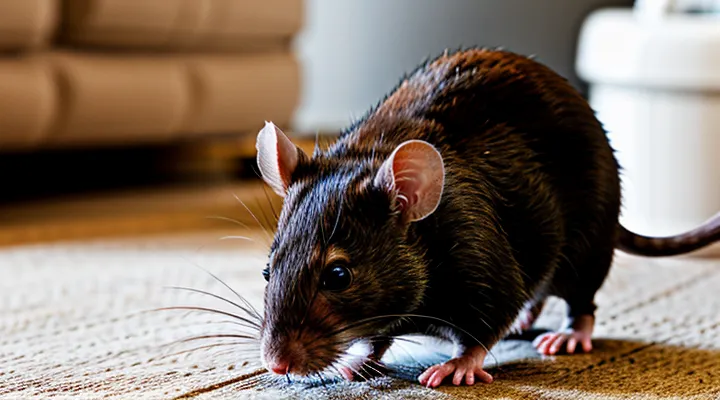
Understanding Rat Odors
Why Rats Smell So Bad
The Composition of Rat Urine
Rat urine consists primarily of water, which dilutes a complex mixture of nitrogenous waste, electrolytes, and volatile organic compounds. The nitrogenous fraction includes urea, uric acid, and ammonia; urea is the dominant solute, while ammonia arises from microbial decomposition of urea and contributes most of the characteristic smell. Electrolytes such as sodium, potassium, calcium, and magnesium appear in trace amounts, influencing osmolarity and pH.
Key volatile constituents that intensify odor are:
- Ammonia (NH₃) – produced by bacterial urease activity, highly pungent.
- Dimethylamine and trimethylamine – derived from protein catabolism, add a sharp, fishy note.
- Phenolic compounds – result from degradation of aromatic amino acids, impart a sweet‑bitter odor.
- Sulfur‑containing compounds (e.g., mercaptans) – generated by bacterial metabolism of sulfur amino acids, produce a rotten‑egg smell.
- Pheromonal steroids (e.g., androstenone, estradiol) – low‑concentration signals that can influence odor perception.
The composition determines the persistence of the odor. High ammonia levels raise pH, fostering bacterial growth and prolonging volatilization. Effective neutralization therefore targets specific chemical pathways:
- Enzymatic cleaners containing urease inhibitors reduce conversion of urea to ammonia.
- Acidic absorbents (e.g., citric‑acid‑based powders) lower pH, converting ammonia to non‑volatile ammonium ions.
- Oxidizing agents (hydrogen peroxide, peracetic acid) degrade amines and phenols.
- Activated charcoal or zeolite filters adsorb volatile organics and sulfur compounds.
Understanding the molecular makeup of rat urine enables precise selection of remediation agents, ensuring rapid odor reduction and minimal residue.
Fecal Matter and Its Odor
Fecal deposits from rats emit a potent smell that originates primarily from bacterial decomposition of organic material. The odor profile consists of volatile fatty acids, ammonia, sulfides, indoles, and phenols, each contributing a distinct note of rot, urine, or putrefaction. High concentrations of ammonia result from the breakdown of urea, while sulfur‑containing compounds such as hydrogen sulfide and dimethyl sulfide arise from protein degradation. These chemicals bind to airborne particles, extending the scent’s reach beyond the immediate droppings.
The intensity of the smell correlates with moisture content, temperature, and the time elapsed since deposition. Warm, humid environments accelerate bacterial activity, increasing the release of volatile compounds. Fresh droppings emit a sharper, more acrid odor, whereas aged feces develop a deeper, earthier scent as additional breakdown products accumulate.
Effective neutralization requires eliminating the source and chemically counteracting the volatile compounds. Practical measures include:
- Immediate removal of fecal matter and thorough disinfection of the affected area.
- Application of enzyme‑based cleaners that degrade organic residues and reduce odor precursors.
- Use of oxidizing agents (e.g., hydrogen peroxide) to oxidize sulfides and phenols.
- Placement of absorptive materials such as activated charcoal or zeolite to capture airborne volatiles.
- Introduction of mild alkaline solutions (e.g., diluted baking soda) to neutralize acidic fatty acids and ammonia.
Regular sanitation, proper waste management, and environmental control (temperature and humidity) together limit bacterial proliferation, thereby suppressing the generation of odor‑producing compounds.
Decomposing Rat Carcasses
Decomposing rat carcasses release volatile organic compounds that create strong, unpleasant odors. Bacterial activity breaks down tissues, producing putrescine, cadaverine, hydrogen sulfide, and ammonia. These chemicals disperse quickly in indoor environments, especially in confined spaces such as basements, crawl spaces, and attics.
The odor intensity correlates with temperature, humidity, and the stage of decomposition. Warm, moist conditions accelerate bacterial growth, increasing the concentration of malodorous gases. Persistent exposure can trigger nausea, headaches, and respiratory irritation, while the underlying decay also poses a risk of pathogen transmission.
Effective mitigation requires prompt removal of the source and targeted odor control. Recommended actions include:
- Physical removal: Wear protective gloves and a mask, place the carcass in a sealed container, and dispose of it according to local regulations.
- Ventilation: Open windows and use high‑capacity fans to replace contaminated air with fresh outdoor air.
- Absorption: Deploy activated charcoal or zeolite bags near the affected area to capture volatile compounds.
- Neutralization: Apply enzymatic cleaners or oxidizing agents (e.g., hydrogen peroxide, ozone generators) that break down odor‑forming molecules.
- Surface treatment: Clean and disinfect all surfaces that contacted the carcass with a diluted bleach solution (1 % sodium hypochlorite) to eliminate residual bacteria.
After remediation, monitor the space for recurring smells. If odor persists, inspect hidden voids, insulation, and ductwork for additional remains or biofilm accumulation, and repeat the cleaning protocol as needed.
Identifying Rat Odors
Distinguishing Rat Odor from Other Pests
Rats emit a distinctive scent that sets them apart from other common vermin. The odor originates primarily from urine, glandular secretions, and the breakdown of fatty deposits in their fur. It is typically described as sharp, ammonia‑like, with a lingering musky undertone that intensifies in confined spaces such as wall cavities, attics, or crawl spaces. The smell often persists long after the animals have vacated the area because the compounds cling to insulation, wood, and wiring.
Key differences between rat odor and the smells associated with other pests are:
- Mice: Produce a milder, grainy odor derived from urine and droppings; the scent is less pungent and fades more quickly when ventilation improves.
- Cockroaches: Release a greasy, oily odor that resembles burnt oil or musty decay; the smell is strongest near food residues and does not carry the sharp ammonia note characteristic of rats.
- Squirrels: Emit a sweet, nutty odor from saliva and nesting material; it lacks the harsh, chemical bite of rodent urine.
- Feral cats: Generate a strong, fecal smell mixed with pheromonal oils; the odor is more localized to litter boxes and does not spread through structural voids as rat scent does.
To confirm rat presence, follow these steps:
- Conduct a visual inspection of potential entry points, looking for gnaw marks, droppings, and grease stains that match rat activity.
- Use a scent‑sensitive probe or a cotton swab to sample air from hidden areas; a strong ammonia odor indicates rat urine.
- Compare the sampled odor with reference descriptions of other pests; the presence of a sharp, lingering chemical scent confirms rat activity.
Accurate identification of rat odor enables targeted remediation and prevents unnecessary treatment of non‑rodent infestations.
Common Locations for Strong Rat Odors
Strong rat odors often indicate infestation and can compromise indoor air quality. Identifying the places where the scent concentrates allows targeted inspection and effective treatment.
- Attics and roof spaces: limited ventilation traps urine and feces, producing a pungent, musky smell.
- Basements and crawl‑under areas: damp conditions encourage droppings to accumulate, creating a sour, ammonia‑like odor.
- Wall cavities and insulation: rats gnaw and nest behind walls, leaving scent that permeates adjacent rooms.
- Kitchen cupboards and pantry shelves: food residues mixed with urine generate a sharp, acrid odor.
- Garbage rooms and dumpsters: frequent feeding leads to concentrated waste odors that spread to nearby corridors.
- HVAC ducts and vents: airflow carries odor particles throughout the building, making the smell detectable far from the source.
- Utility closets and mechanical rooms: cluttered spaces provide shelter, and accumulated droppings emit a strong, lingering stench.
Recognizing these hotspots directs cleaning crews to the exact sites where neutralization agents must be applied, reducing the risk of re‑contamination and improving overall environmental health.
The Strength and Persistence of Rat Odors
Rat odors exhibit exceptional intensity because they arise from a mixture of highly volatile chemicals. Urine contains phenolic compounds, such as phenol and cresol, which vaporize readily at room temperature. Feces release ammonia, indole, and skatole, each contributing a sharp, lingering note. Glandular secretions, especially from the preputial and anal glands, add sulfur‑containing thiols that are detectable at parts‑per‑billion concentrations. The combined effect creates an odor profile that overwhelms human olfactory thresholds.
Persistence results from several physical and biological mechanisms.
- Adsorption: Porous materials—carpet, insulation, drywall—bind odor molecules, protecting them from rapid evaporation.
- Environmental conditions: High humidity slows diffusion, while low ventilation prevents dispersal, allowing compounds to accumulate.
- Microbial activity: Bacteria metabolize organic residues, generating secondary volatiles that reinforce the original scent.
- Continuous deposition: Active rodents repeatedly mark territory, replenishing the odor source and preventing decay.
These factors interact, making rat‑derived smells resistant to simple cleaning. Effective mitigation requires targeting the chemical sources, removing contaminated substrates, and altering environmental parameters to reduce adsorption and microbial production.
Neutralizing Rat Odors Effectively
Immediate Steps to Reduce Odor
Locating and Removing the Source
Detecting the origin of rodent odor begins with systematic inspection. Follow the animal’s typical pathways: walls, ceilings, crawl spaces, and insulation. Look for fresh droppings, gnaw marks, and nesting material, as these indicate recent activity and potential odor sources.
Identify specific locations where urine or feces have accumulated. Common sites include:
- Behind appliances and under sinks
- Inside wall cavities and attic insulation
- Around pipe junctions and vent openings
- Inside stored boxes or cluttered storage areas
Once the contaminated zones are pinpointed, remove the source promptly. Wear protective gloves and a mask, then:
- Collect solid waste with a disposable scoop or vacuum equipped with a HEPA filter.
- Dispose of material in sealed, double‑layered bags and discard according to local hazardous‑waste regulations.
- Clean surfaces with an enzymatic cleaner designed to break down organic residues; allow sufficient contact time for full action.
- Rinse with a neutralizing solution, then dry thoroughly to prevent moisture‑related mold growth.
- Seal any entry points discovered during inspection with steel wool, caulk, or metal flashing to block future incursions.
After removal, ventilate the area by running fans and opening windows. Replace compromised insulation if it remains saturated with odor‑producing material. Continuous monitoring for new signs ensures that the problem does not recur.
Cleaning Contaminated Surfaces
Rat infestations leave urine, feces, and glandular secretions on floors, walls, and equipment, creating persistent odors that attract further activity. Effective elimination begins with thorough surface decontamination, removing organic residues that serve as odor sources and breeding media.
Cleaning contaminated surfaces requires a systematic approach:
- Remove visible debris – sweep or vacuum to collect loose droppings, nesting material, and dried urine crusts. Use a HEPA‑rated filter to prevent aerosolized particles.
- Apply an enzymatic cleaner – select a product formulated to hydrolyze protein‑based stains and uric acid crystals. Dilute according to manufacturer instructions, saturate the affected area, and allow sufficient dwell time (typically 10–15 minutes) for enzymatic action.
- Rinse with clean water – flush the surface to eliminate residual cleaner and broken down compounds. For porous materials, repeat the enzymatic step to ensure deep penetration.
- Disinfect – after rinsing, apply an EPA‑approved disinfectant effective against Salmonella, E. coli, and Leptospira species. Maintain contact time as specified on the label.
- Dry thoroughly – use fans or dehumidifiers to reduce moisture, preventing microbial regrowth and odor resurgence.
For non‑porous surfaces such as tile, stainless steel, or sealed countertops, a single cycle of enzymatic cleaning followed by disinfection suffices. Porous substrates—wood, fabric, insulation—may retain odor precursors; consider extraction cleaning or replacement when enzymatic treatment fails to achieve odor reduction.
Regular monitoring of cleaned areas, combined with integrated pest‑management practices, sustains odor control and minimizes health risks associated with rodent contamination.
Airing Out Affected Areas
Airing out spaces where rodent scent has accumulated removes volatile compounds before chemical treatments take effect. Open windows and doors to create cross‑ventilation; position fans to draw fresh air through the area and push contaminated air outward. Run the airflow for at least 30 minutes, extending the period if the odor persists.
- Identify all openings that connect the affected room to the exterior.
- Place a high‑capacity fan near a window, facing outward, to exhaust stale air.
- Position a second fan opposite the first, facing inward, to introduce clean air.
- Keep interior doors closed to concentrate ventilation on the targeted space.
- Repeat the process after any cleaning or deodorizing application to prevent odor rebound.
Consistent ventilation lowers the concentration of odor‑bearing molecules, reduces the risk of re‑absorption by furnishings, and prepares the environment for subsequent neutralizing agents.
Natural Odor Neutralizers
Using Baking Soda for Absorption
Baking soda, a mild alkaline compound, neutralizes acidic odor molecules released by rat urine, feces, and secretions. Its hygroscopic nature draws moisture and volatile compounds into its crystal lattice, reducing the intensity of the smell.
Application guidelines:
- Place open containers (e.g., shallow bowls) of baking soda in areas where rodents have been active, such as crawl spaces, attics, and storage rooms.
- Distribute a thin layer (approximately ½ inch) on the floor of infested chambers; the powder will absorb residual moisture and odor particles.
- Replace the powder every 2–3 days in high‑traffic zones, or weekly in less active locations, to maintain absorption capacity.
- For confined spaces, fill fabric sachets or breathable mesh bags with baking soda and suspend them near entry points or nesting sites.
Effectiveness considerations:
- Baking soda works best on dry surfaces; excessive dampness can limit its absorptive power.
- The compound does not eliminate the source of the odor; it merely reduces the perceptible scent. Comprehensive pest control, including removal of droppings and sealing entry points, is required for lasting results.
- In environments with strong chemical odors (e.g., cleaning agents), baking soda may react, diminishing its capacity; thorough rinsing of the area before application restores efficacy.
Safety notes:
- Non‑toxic to humans and pets; however, avoid ingestion of large quantities.
- Do not apply directly to food storage areas without proper containment to prevent contamination.
- Store in a dry, sealed container when not in use to preserve absorbent properties.
Overall, baking soda offers a low‑cost, readily available method to diminish rat‑related smells when integrated into a broader sanitation and exclusion strategy.
The Power of Vinegar
Vinegar provides an effective, low‑cost solution for eliminating the pungent smell produced by rodents. Its high acidity disrupts the volatile compounds responsible for the odor, rendering them non‑volatile and unnoticeable.
Acetic acid, the active component, lowers the pH of the environment, which breaks down amines and sulfides that compose the characteristic rat scent. The resulting chemical reaction converts these molecules into harmless salts and water, eliminating the source of the odor rather than merely masking it.
Application guidelines
- Mix equal parts white distilled vinegar and water in a spray bottle.
- Apply the solution to areas where rat droppings, urine, or nesting material have been found.
- Allow the surface to remain wet for at least five minutes before wiping or rinsing.
- Repeat treatment weekly until the smell ceases.
Safety considerations include using gloves to protect skin from irritation and ensuring adequate ventilation during application. Vinegar should not be used on porous materials that may absorb the liquid, as residual moisture could promote mold growth.
When combined with thorough cleaning and proper waste management, vinegar serves as a reliable component of an overall strategy to control rodent‑related odor problems.
Essential Oils for Masking and Neutralizing
Rats emit strong odors from urine, feces, and glandular secretions, creating persistent indoor smells that resist standard cleaning. Essential oils offer a natural alternative for both masking unpleasant scents and chemically neutralizing odor molecules.
Key essential oils with proven efficacy include:
- Tea tree (Melaleuca alternifolia): Antimicrobial, breaks down ammonia compounds.
- Eucalyptus (Eucalyptus globulus): High volatility, penetrates odor layers, reduces bacterial growth.
- Lavender (Lavandula angustifolia): Pleasant fragrance, inhibits microbial activity.
- Lemon (Citrus limon): Citric acids react with alkaline residues, lowering pH.
- Peppermint (Mentha piperita): Strong menthol scent, disrupts odor perception pathways.
Application methods:
- Diffusion: Add 5–10 drops of a single oil or a balanced blend to a diffuser; run for 30 minutes in affected rooms to disperse volatile compounds.
- Spray solution: Combine 15–20 drops of oil with 250 ml of distilled water and a teaspoon of alcohol; shake vigorously and spray directly onto surfaces, bedding, and corners where rats have been active.
- Soaked cloths: Soak cotton pads in undiluted oil, place in concealed locations such as under cabinets or behind appliances; replace every 48 hours.
Safety considerations:
- Conduct a patch test on a hidden surface to confirm material compatibility.
- Use low concentrations around pets and children; some oils may cause irritation.
- Store oils in amber glass containers, away from heat and direct sunlight, to preserve potency.
Integrating these essential oil strategies with thorough sanitation maximizes odor reduction, creating a fresher indoor environment without reliance on synthetic chemicals.
Commercial Odor Control Products
Enzyme-Based Cleaners
Enzyme‑based cleaners break down organic molecules that constitute rodent odor. Proteases hydrolyze protein residues, lipases degrade fatty acids, and amylases act on carbohydrate fragments. The resulting smaller compounds become soluble in water and are removed during rinsing, eliminating the source of the smell rather than merely masking it.
Because the odor originates from urine, feces, and glandular secretions, the enzymatic action targets the same substances that attract pests and promote bacterial growth. By destroying these substrates, the cleaners reduce the likelihood of re‑infestation and improve overall hygiene in affected areas.
Effective application follows a simple protocol:
- Remove visible debris and dry the surface.
- Apply the enzyme solution evenly, ensuring full coverage of contaminated zones.
- Allow a contact time of 10–15 minutes for enzymatic activity.
- Rinse with clean water or wipe with a damp cloth.
- Repeat the cycle if odor persists after the first treatment.
Safety considerations include using products formulated for indoor use, wearing gloves to prevent skin irritation, and ventilating the area during application. Enzyme cleaners are compatible with most surfaces—concrete, tile, wood, and plastic—provided the manufacturer’s material compatibility guidelines are observed.
Odor Eliminator Sprays
Odor eliminator sprays are formulated to break down or mask volatile compounds emitted by rodents. Typical active agents include enzymatic blends that hydrolyze organic molecules, oxidizers such as hydrogen peroxide that oxidize odorants, and adsorbents like activated carbon that capture particles.
These products target the specific chemicals found in rat urine, feces, and glandular secretions. Enzymes convert urea and ammonia into non‑volatile substances, while oxidizers neutralize sulfides and amines. Adsorbent layers bind residual particles, preventing re‑emission into the air.
Effective application requires the following steps:
- Clean the area to remove visible debris before spraying.
- Apply the spray evenly to surfaces where odor accumulates (flooring, walls, insulation).
- Allow the recommended contact time for the active ingredients to react.
- Repeat the process according to the manufacturer’s schedule, typically every 24–48 hours during active infestation.
Safety considerations include using protective gloves, ensuring adequate ventilation, and storing the product away from heat sources. Sprays are unsuitable for direct contact with food‑handling surfaces unless labeled for such use.
While sprays reduce detectable odor, they do not eliminate the source. Comprehensive control combines chemical treatment with thorough cleaning, sealing entry points, and, if necessary, professional pest management to remove the rodents themselves.
Foggers and Professional Solutions
Rodent odor problems require rapid, thorough treatment to prevent health risks and persistent nuisance. Fogging devices and specialist services provide the most reliable means of eliminating these smells in commercial and residential settings.
Foggers disperse a fine aerosol of deodorizing compounds that penetrate crevices, insulation, and ventilation ducts where rodents have left scent marks. Common active agents include cyclodextrin‑bound neutralizers, enzymatic cleaners, and ozone‑based formulations. Effective use follows a precise sequence:
- Seal all openings to contain the aerosol.
- Adjust humidity to 40‑60 % to enhance particle suspension.
- Activate the fogger for the manufacturer‑specified duration, typically 5‑10 minutes.
- Allow a minimum of 30 minutes for airborne particles to settle before re‑entering the space.
Professional solutions extend beyond fogging. Certified technicians assess infestation extent, select appropriate neutralizers, and integrate mechanical ventilation to expel residual odors. Their protocol often includes:
- Comprehensive inspection of structural voids and waste accumulation.
- Targeted removal of contaminated materials.
- Application of high‑efficacy odor‑binding agents using calibrated equipment.
- Post‑treatment air quality verification with calibrated sensors.
These services combine chemical action with physical extraction, ensuring that odor sources are neutralized rather than merely masked. Selecting licensed providers guarantees compliance with safety regulations and maximizes long‑term odor control.
Preventing Future Rat Odors
Effective Rat Control Strategies
Effective rat management directly reduces odor problems caused by urine, feces, and glandular secretions. Implementing a systematic approach prevents infestations and limits the release of malodorous compounds.
- Seal entry points: Install metal flashing, steel wool, or cement around gaps larger than ¼ inch. Verify doors, windows, utility penetrations, and foundation cracks regularly.
- Eliminate food sources: Store grain, pet food, and waste in sealed containers. Keep garbage bins tightly covered and remove debris that could serve as foraging material.
- Reduce shelter: Clear vegetation, trim overgrown shrubs, and remove clutter such as piles of lumber or cardboard near structures. Maintain a clean, dry environment inside walls and crawl spaces.
- Deploy traps: Use snap traps or electronic devices positioned along established runways. Place bait (peanut butter, dried fruit) on the trigger mechanism, and inspect traps daily.
- Apply rodenticides responsibly: Choose products approved for indoor or outdoor use, follow label instructions, and place bait stations in tamper‑resistant containers to protect non‑target species.
- Conduct regular monitoring: Install motion‑activated cameras or tracking powders to confirm activity levels. Adjust control measures based on observed patterns.
Integrating these actions creates a hostile environment for rodents, curtails population growth, and diminishes the chemical precursors of foul smells. Consistent application of the outlined tactics ensures long‑term suppression of rat‑related odor issues.
Sealing Entry Points
Sealing gaps and openings that allow rodents to enter a building directly reduces the source of foul smells. By eliminating access points, rats cannot establish nests or leave waste in concealed areas, which are the primary contributors to lingering odor problems.
- Inspect exterior walls, foundation, and roof for cracks, holes, or damaged siding.
- Use steel wool or copper mesh to fill small gaps before applying sealant; rodents can chew through softer materials.
- Apply a high‑quality silicone or polyurethane caulk around windows, doors, and utility penetrations.
- Install weather‑stripping on doors and windows to block narrow entry routes.
- Replace damaged vent covers with metal grates that have mesh openings no larger than ¼ inch.
- Seal gaps around pipes, cables, and ducts with expanding foam that contains a rodent‑resistant additive.
- Conduct a final walk‑through after curing to verify all seams are airtight and no visible openings remain.
Proper Waste Management
Proper waste management directly influences the presence of rat‑related odors. When refuse is stored, handled, or disposed of incorrectly, it creates an abundant food source that attracts rodents. The accumulation of organic waste releases volatile compounds that combine with rat urine and feces, producing the characteristic smell that signals infestation.
Key practices that limit odor generation include:
- Secure containment – Use sealed containers with tight‑fitting lids to prevent rodents from accessing food remnants.
- Frequent removal – Empty waste bins at least once daily in high‑traffic areas; longer intervals allow decomposition and increase odor intensity.
- Segregation of organic material – Separate compostable waste from general trash and store it in refrigerated units or covered bins to slow bacterial activity.
- Regular cleaning – Clean bin interiors with disinfectant solutions after each emptying to eliminate residue that can attract rats.
- Strategic placement – Locate waste stations away from entry points, ventilation ducts, and food preparation zones to reduce the likelihood of rodent migration.
Implementing these measures reduces the availability of nutrients that sustain rat populations and diminishes the biochemical processes responsible for foul smells. Consequently, the environment becomes less hospitable to rodents, and any existing odor problems recede more quickly.
Regular Cleaning and Maintenance
Regular cleaning removes urine, feces, and glandular secretions that generate the characteristic odor associated with rodents. Prompt removal prevents the compounds from binding to surfaces, where they become increasingly difficult to eradicate.
A systematic maintenance routine includes the following actions:
- Sweep and mop floors daily with an enzymatic cleaner designed to break down organic residues.
- Disinfect countertops, shelving, and equipment after each use, focusing on cracks and joints where debris can accumulate.
- Empty trash containers at least twice daily; line bins with sealed liners to contain smells.
- Inspect and repair structural gaps, especially around pipes, vents, and door frames, to block entry and reduce nesting sites.
- Install and service ventilation fans to ensure continuous air exchange, lowering humidity that can intensify odor retention.
- Conduct quarterly deep cleaning of walls, ceilings, and storage areas using a fogger or steam device to reach hidden deposits.
Consistent execution of these steps limits the buildup of odor‑producing substances, thereby mitigating the overall impact of rodent‑related smells in residential or commercial environments.