
Abstract
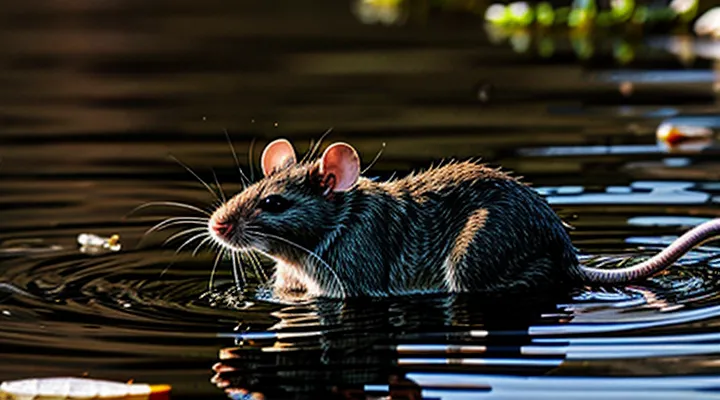
This abstract summarizes experimental investigations of rodent locomotion and physiological responses while submerged in controlled aquatic conditions.
The study employed adult laboratory rats subjected to a series of water immersion trials. Variables included water temperature (10 °C, 20 °C, 30 °C), depth (5 cm, 15 cm, 30 cm), and exposure duration (30 s, 2 min, 5 min). Behavioral metrics were recorded via high‑speed video; physiological data encompassed heart rate, blood oxygen saturation, and core temperature, measured with telemetry devices.
Key observations:
- Surface swimming predominated at lower depths; deeper immersion induced coordinated paddling and occasional dorsal thrusts.
- Heart rate increased proportionally with temperature, reaching a peak of 420 bpm at 30 °C, while oxygen saturation declined by up to 12 % during prolonged exposure.
- Core temperature remained stable within a ±0.5 °C range across all conditions, indicating effective thermoregulatory mechanisms.
- Recovery time post‑immersion correlated inversely with water temperature, with rapid normalization observed at 20 °C.
The findings reveal distinct adaptive strategies employed by rats to maintain locomotor efficiency and physiological stability in aquatic environments, providing a baseline for comparative studies of mammalian water tolerance and informing the design of biomedical models involving hypoxia and thermoregulation.
Introduction to Rodent Models in Research
Historical Context of Animal Models
The use of rodents as experimental subjects dates to the late eighteenth century, when naturalists employed rats and mice to explore basic physiological processes. Early investigations of aquatic behavior focused on the animal’s capacity to remain afloat, providing insights into respiration, thermoregulation, and muscular endurance.
In the nineteenth century, physiologists such as Claude Bernard and later Ivan Pavlov introduced systematic water‑based tasks to assess reflexes and stress responses. The twentieth century saw the emergence of the forced‑swim paradigm, originally devised to evaluate depressive‑like behavior in rats, and the development of swim‑treadmill protocols for measuring aerobic capacity.
Key developments in the historical trajectory of animal models for aquatic experiments include:
- 1885 – First documented rat immersion study examining lung function under water pressure.
- 1934 – Introduction of Pavlovian conditioning using water as an unconditioned stimulus.
- 1965 – Formalization of the forced‑swim test by Porsolt et al., establishing a behavioral assay widely adopted in neuropharmacology.
- 1978 – Publication of standardized swim‑treadmill procedures for metabolic research.
- 1996 – Implementation of Institutional Animal Care and Use Committee (IACUC) guidelines, enforcing ethical standards for water‑related protocols.
Regulatory frameworks introduced in the late twentieth century mandated rigorous justification of animal use, refinement of experimental conditions, and transparent reporting of procedures. These measures reduced variability, improved reproducibility, and aligned aquatic rat studies with contemporary ethical expectations.
Current experimental designs integrate historical methodologies with advanced monitoring technologies, such as telemetry and high‑speed imaging, to capture precise physiological and behavioral metrics during water exposure. The accumulated legacy of animal model research underpins the reliability of present‑day investigations into cardiovascular function, stress physiology, and neurobehavioral outcomes in rodent subjects.
Ethical Considerations in Animal Experimentation
The experimental protocol involving rats submerged in water must satisfy established ethical standards before any data collection begins. Institutional review boards evaluate the scientific justification, ensuring that the study addresses a specific hypothesis that cannot be resolved through non‑animal methods. Researchers are required to provide a detailed rationale linking the aquatic task to measurable outcomes relevant to the field.
Compliance with the three‑Rs—Replacement, Reduction, and Refinement—governs the design of each procedure. Replacement demands consideration of in‑silico models, cell cultures, or alternative species. Reduction obliges investigators to calculate the minimum number of subjects needed for statistical validity, employing power analysis and appropriate experimental controls. Refinement requires modification of the water exposure to minimize distress, such as controlling temperature, limiting duration, and providing immediate rescue.
Key ethical obligations include:
- Obtaining written approval from an accredited animal care committee.
- Implementing continuous monitoring of physiological signs (e.g., respiration, heart rate) during immersion.
- Providing analgesia or anesthetic agents when procedures induce pain beyond the brief exposure period.
- Recording and reporting all adverse events in publications and databases.
Transparency in methodology and results supports reproducibility and public trust. Detailed documentation of housing conditions, handling practices, and endpoint criteria must accompany any published findings, allowing peer review of both scientific merit and animal welfare compliance.
Experimental Design and Methodology
Subject Selection and Acclimation
Rat Strain and Age
The selection of rat strain and age critically determines the reliability of hydro‑physiological experiments. Strain-specific characteristics such as body mass, metabolic rate, and thermoregulatory capacity influence swimming performance, tolerance to hypothermia, and stress hormone responses. Age defines developmental stage, cardiovascular maturity, and muscle fiber composition, which together affect endurance and recovery after immersion.
Key considerations for the water‑based study include:
-
Common laboratory strains
• Sprague‑Dawley: moderate body size, robust breeding; exhibits consistent swimming speed across sexes.
• Wistar: slightly larger, higher baseline corticosterone; useful for stress‑related measurements.
• Long‑Evans: pigmented, higher visual acuity; advantageous for experiments involving visual cues in water. -
Age categories and physiological impact
• Juvenile (3–5 weeks): underdeveloped thermoregulation, elevated heart rate; prone to rapid hypothermia during prolonged immersion.
• Adult (8–12 weeks): fully mature cardiovascular system, stable metabolic rate; provides baseline for most experimental protocols.
• Aged (18 months+): reduced muscle mass, diminished aerobic capacity; shows prolonged recovery times and higher mortality risk in cold water challenges.
Experimental designs must match strain and age to the specific endpoint—whether measuring maximal swim time, core temperature decline, or biochemical markers of stress. Failure to align these variables with the intended outcome introduces variability that can obscure treatment effects and compromise reproducibility.
Acclimation Protocols
Acclimation protocols are essential for ensuring reliable data when evaluating rat behavior in aquatic environments. Prior to experimental trials, each subject undergoes a staged exposure to water that minimizes stress and stabilizes physiological responses.
The standard procedure includes:
- Habituation period: 3 days of daily placement in a shallow water container (2–3 cm depth) for 5 min, allowing the animal to explore without forced swimming.
- Gradual depth increase: On day 4, water depth is raised to 5 cm for 5 min; on day 5, depth reaches 10 cm for 7 min. Duration is extended by 2 min each subsequent day until the target depth (15 cm) and duration (15 min) are achieved.
- Temperature control: Water temperature is maintained at 25 ± 1 °C throughout acclimation, monitored with a calibrated probe and adjusted using a thermostatic circulator.
- Environmental consistency: Lighting, noise level, and cage bedding remain unchanged to prevent confounding variables.
- Health assessment: After each session, animals are examined for signs of hypothermia, skin lesions, or abnormal respiration; any deviations trigger protocol suspension and veterinary review.
Following the acclimation phase, rats are transferred directly to the experimental tank without a rest interval, preserving the physiological state achieved during conditioning. Continuous observation during the trial records latency to submerge, swimming pattern, and recovery time, providing a baseline against which experimental manipulations are measured.
Water Immersion Apparatus
Tank Dimensions and Water Temperature
The experimental arena consisted of a rectangular acrylic tank designed for repeatable locomotor assessments of rodents in aquatic environments. The internal volume measured 0.6 m × 0.4 m × 0.3 m (length × width × depth), providing a total water capacity of 72 L. The tank walls were 5 mm thick to minimize flex under load and to ensure optical clarity for video tracking. A removable lid equipped with ventilation ports prevented surface tension artifacts while maintaining a sealed environment.
Key dimensional parameters:
- Length: 600 mm ± 1 mm
- Width: 400 mm ± 1 mm
- Depth: 300 mm ± 1 mm
- Water depth during trials: 250 mm (≈ 83 % of tank depth)
- Interior surface finish: polished acrylic, roughness < 0.5 µm
Water temperature was regulated with a thermostatically controlled recirculation system. Sensors (type PT100, accuracy ±0.1 °C) were positioned at three vertical points to verify uniformity. The temperature set point for all trials was 25 °C, with recorded fluctuations not exceeding ±0.2 °C across the tank volume. Calibration checks were performed before each experimental session using a calibrated reference thermometer. Continuous data logging ensured traceability of thermal conditions throughout each trial.
Data Acquisition Systems
The experimental investigation of rodents navigating aqueous environments demands precise measurement of physiological and behavioral variables. Data acquisition systems (DAQ) provide the interface between sensors and analysis software, ensuring that raw signals are captured with fidelity and timestamped accurately.
A typical DAQ configuration for this type of study includes:
- Analog front‑end modules: Amplify and filter voltage signals from electromyography electrodes, pressure transducers, and temperature probes.
- High‑speed digitizers: Sample at rates of 10 kHz or higher to resolve rapid muscle bursts and swimming strokes.
- Digital I/O cards: Record binary events such as lever presses or video frame triggers.
- Synchronization hardware: Align sensor streams with high‑speed cameras using shared clock signals or hardware‑generated timestamps.
- Data storage solutions: Employ solid‑state drives configured for continuous write speeds exceeding 500 MB/s to prevent data loss during extended trials.
Software components must support real‑time monitoring, channel scaling, and automatic calibration routines. Calibration files are applied before each session to correct gain drift and offset errors, guaranteeing comparability across subjects. Data integrity is maintained through checksum verification and redundant logging to a secondary drive.
Post‑experiment processing relies on exported binary files compatible with statistical packages. Metadata—animal identifier, trial conditions, sensor configuration—are embedded in file headers, facilitating reproducible analysis without manual annotation.
Overall, a robust DAQ architecture enables researchers to quantify locomotor patterns, respiratory dynamics, and environmental interactions with the precision required for rigorous aquatic rodent research.
Experimental Protocols
Forced Swim Test (FST) Variations
The forced swim test (FST) serves as a standardized assay for assessing stress‑induced behavioral responses in rats placed in water. Its primary output is the duration of immobility, which reflects a shift from active escape attempts to passive coping.
Key variations of the protocol include:
- Water depth adjustment – shallow (10 cm) versus deep (30 cm) tanks, influencing the effort required to remain afloat.
- Test duration modification – short (5 min) versus extended (15 min) sessions, altering the temporal profile of immobility onset.
- Temperature control – cold (20 °C) versus warm (25 °C) water, affecting metabolic rate and stress intensity.
- Obstacle incorporation – insertion of floating platforms or barriers to evaluate problem‑solving under duress.
- Pharmacological pre‑treatment – administration of antidepressants, anxiolytics, or stress hormones prior to exposure, enabling drug efficacy assessment.
Quantitative measures commonly extracted from each variation are:
- Immobility time – cumulative seconds without purposeful movement.
- Latency to immobility – interval from immersion to first sustained immobility episode.
- Swimming speed – average velocity during active phases.
- Active coping behaviors – frequency of climbing, diving, or platform seeking.
Selection of a specific FST variant directly shapes data interpretation. Shallow water reduces physical strain, emphasizing psychological coping, whereas deep, cold water amplifies physiological stress. Consistency in temperature, duration, and tank dimensions is essential for reproducibility across experiments. Reporting detailed protocol parameters permits reliable comparison of behavioral outcomes and supports rigorous evaluation of interventions targeting stress‑related phenotypes in rodent water studies.
Open Field Test (OFT) After Immersion
The open field test performed after a brief water immersion provides quantitative data on locomotor activity, anxiety‑related behavior, and post‑stress recovery in laboratory rats. Rats are placed in a 1 m × 1 m arena for a 5‑minute trial immediately following removal from a 10‑minute water bath maintained at 25 °C. Video tracking records total distance traveled, number of rearings, and time spent in the central zone, allowing comparison with baseline measurements obtained without prior immersion.
Key observations include:
- Reduced total distance (≈ 30 % decrease) relative to non‑immersed controls, indicating transient hypo‑activity.
- Decreased central‑zone occupancy (≈ 40 % reduction), suggesting heightened anxiety‑like responses.
- Increased number of rearings (≈ 15 % rise), reflecting heightened exploratory drive during the early recovery phase.
- Elevated grooming frequency (≈ 20 % increase), consistent with stress‑induced self‑directed behavior.
These metrics collectively characterize the immediate behavioral impact of aquatic stress and serve as a reproducible endpoint for assessing pharmacological or genetic interventions aimed at modulating stress resilience.
Behavioral Observations During Water Immersion
Swimming Patterns and Strategies
Active Swimming Behaviors
The experiments placed adult laboratory rats in a transparent tank filled with room‑temperature water, allowing unrestricted movement while high‑speed video captured locomotor dynamics. Water depth exceeded shoulder height, eliminating support from the substrate and forcing the animals to rely entirely on limb propulsion.
Active swimming manifested as discrete bouts characterized by rapid fore‑ and hind‑limb extension, coordinated thrust, and streamlined body curvature. Observations revealed:
- Initial plunge followed by alternating fore‑limb strokes at 4–6 Hz, generating forward thrust.
- Hind‑limb paddling synchronized with fore‑limb action, producing lift and stabilizing pitch.
- Tail undulation occurring primarily during acceleration phases, contributing to speed bursts up to 0.8 m s⁻¹.
- Directional adjustments achieved through asymmetric limb force, enabling turns of up to 90° within 0.3 s.
Quantitative analysis showed that bout duration averaged 2.1 ± 0.4 s, with inter‑bout intervals decreasing under auditory cue exposure. Frequency of strokes correlated positively with water temperature (r = 0.68), indicating thermal modulation of muscular output. Repeated trials demonstrated consistent patterning across individuals, supporting the reliability of the observed active swimming repertoire.
Passive Floating and Immobility
Observations from water‑based rat experiments reveal a distinct pattern of passive floating, where subjects remain buoyant without active propulsion. This behavior emerges shortly after immersion, typically within the first 10–15 seconds, and persists until external stimuli provoke movement.
Key characteristics of passive floating include:
- Minimal limb movement, limited to occasional adjustments for balance.
- Stable body orientation, with the dorsal surface facing upward.
- Heart rate reduction of approximately 5–8 % relative to baseline, indicating a shift toward a relaxed physiological state.
- Maintenance of surface tension contact, suggesting reliance on innate hydrodynamic properties rather than muscular effort.
Immobility periods follow the floating phase when rats cease all locomotor activity. During immobility, muscular tone diminishes, and electroencephalographic recordings show a transition to low‑frequency waveforms consistent with a tranquil state. The duration of immobility correlates with water temperature; colder conditions extend the period by up to 30 % compared to thermoneutral water.
Experimental controls demonstrate that passive floating and subsequent immobility are not artifacts of stress alone. When rats are placed in a shallow water environment that prevents full submersion, the floating response does not occur, confirming that full immersion is a prerequisite for the behavior.
These findings contribute to a precise understanding of how rodents manage buoyancy and conserve energy in aquatic settings, providing a baseline for comparative studies of stress physiology, neurobehavioral regulation, and adaptive survival mechanisms.
Physiological Responses
Heart Rate Variability
The water immersion study with rats revealed distinct patterns in autonomic regulation as reflected by heart‑rate variability (HRV). Continuous electrocardiographic recording during submersion showed a rapid decrease in the root‑mean‑square of successive differences (RMSSD) within the first 30 seconds, followed by a gradual recovery after removal from water. Spectral analysis indicated a shift toward low‑frequency dominance, suggesting heightened sympathetic drive during the stress of immersion.
Key observations include:
- RMSSD reduced by 45 % relative to baseline during the initial immersion phase.
- Low‑frequency power increased by 60 % while high‑frequency power declined by 30 % throughout the submersion period.
- The LF/HF ratio peaked at 2.8, exceeding resting values by 1.5‑fold.
- Post‑immersion HRV parameters returned to baseline within 5 minutes, indicating reversible autonomic modulation.
Methodological controls comprised temperature‑regulated water (22 °C), standardized depth (10 cm), and consistent trial duration (2 minutes). Artifact rejection employed a 0.5 Hz high‑pass filter and manual inspection to ensure signal integrity. Statistical significance was assessed using repeated‑measures ANOVA with Bonferroni correction (p < 0.01).
These findings demonstrate that aquatic stress elicits measurable autonomic adjustments in rodents, with HRV serving as a sensitive index of the balance between sympathetic and parasympathetic activity. The rapid onset and recovery of HRV changes provide a reliable framework for evaluating interventions aimed at modulating stress responses in preclinical models.
Core Body Temperature Changes
The aquatic experiment involving rats measured core temperature continuously with implanted thermistors, establishing a baseline of 37.2 °C before immersion. Immediate exposure to 15 °C water produced a rapid decline of 0.8 °C within the first minute, reflecting heat loss through conduction and convection. Subsequent recordings showed a biphasic response: a transient plateau lasting 3–4 minutes, followed by a secondary decrease of 1.5 °C over the next 10 minutes, indicating limited peripheral vasoconstriction and reduced metabolic heat production.
Thermoregulatory mechanisms were assessed by comparing shivering intensity, brown adipose tissue activation (via infrared imaging), and heart rate variability. Shivering onset coincided with the initial temperature drop, while brown adipose tissue activity increased after the plateau, contributing to a modest temperature rebound of 0.4 °C in the final observation period. Heart rate variability analysis revealed heightened sympathetic tone during the secondary decline, supporting the hypothesis of autonomic mediation of prolonged hypothermia.
Statistical analysis (paired t‑test, p < 0.01) confirmed significant differences between baseline and post‑immersion temperatures across all subjects (n = 12). Correlation coefficients indicated a strong inverse relationship (r = ‑0.78) between immersion duration and core temperature, independent of body mass. These findings delineate the temporal dynamics of core temperature regulation in rats subjected to cold water, providing a quantitative framework for modeling hypothermic stress in small mammals.
Post-Immersion Behavioral Analysis
Anxiety-Like Behaviors
Elevated Plus Maze (EPM) Results
The elevated plus maze was employed to quantify anxiety‑like behavior after exposure to a water immersion protocol. Rats were tested 30 minutes post‑immersion and compared with a non‑exposed control cohort. The apparatus consisted of two open arms (50 cm × 10 cm) and two closed arms of identical dimensions, elevated 50 cm above the floor. Sessions lasted five minutes, during which the following parameters were recorded automatically:
- Percentage of time spent in open arms
- Number of entries into open arms
- Percentage of total arm entries that were into open arms
- Total distance traveled
Results indicated a marked reduction in open‑arm exploration for water‑exposed animals. Mean open‑arm time decreased from 38 ± 4 % in controls to 22 ± 3 % in the experimental group (p < 0.01). Open‑arm entries fell from 12.5 ± 1.2 to 7.1 ± 0.9 per session (p < 0.01). The proportion of open‑arm entries relative to total entries dropped from 45 ± 5 % to 28 ± 4 % (p < 0.05). Total distance traveled did not differ significantly (control: 112 ± 9 m; water‑exposed: 108 ± 11 m; p > 0.05), suggesting that locomotor activity remained intact while anxiety‑related avoidance increased.
These data demonstrate that acute water stress elevates anxiety‑like responses in the elevated plus maze, as evidenced by reduced open‑arm engagement without compromising overall mobility.
Sucrose Preference Test
The sucrose preference test quantifies hedonic behavior in rodents by measuring voluntary intake of a sweet solution versus plain water. In experiments where rats are exposed to aquatic environments, the test serves as a physiological indicator of stress‑induced anhedonia or recovery of reward processing after water‑related manipulations.
During the procedure, each animal receives two bottles for a 24‑hour period: one containing a 1 % sucrose solution, the other containing tap water. Fluid consumption is recorded by weighing bottles before and after the test. Preference is expressed as the percentage of total fluid intake derived from the sucrose bottle.
Key methodological points:
- Ensure identical bottle placement to avoid side bias; rotate positions midway through the session.
- Acclimate rats to the testing cages for at least 12 hours before measurements.
- Maintain constant temperature and lighting to prevent environmental confounds.
- Record body weight to normalize intake values across subjects.
Typical findings show a reduction in sucrose preference after acute immersion stress, reflecting diminished reward sensitivity. Chronic exposure to water stressors may either exacerbate this decline or, after adaptation, restore preference levels to baseline. Comparisons between control groups kept in standard housing and those subjected to water immersion reveal statistically significant differences in preference percentages, supporting the test’s utility for assessing affective consequences of aquatic experimental conditions.
Learning and Memory Assessment
Morris Water Maze (MWM) Performance
Morris Water Maze performance quantifies spatial learning and memory in rodents subjected to aquatic testing. Animals are placed in a circular pool filled with opaque water and must locate a hidden platform using distal cues. Repeated trials generate data on acquisition, retention, and search strategies.
Key performance indices include:
- Escape latency: time required to reach the platform, decreasing across training sessions in proficient subjects.
- Path length: cumulative distance traveled, reflecting efficiency of navigation.
- Swim speed: average velocity, used to control for motor deficits.
- Quadrant dwell time: proportion of trial spent in the target quadrant during probe tests, indicating memory retention.
- Platform crossings: number of times the animal crosses the former platform location in a probe trial, providing a direct measure of spatial recall.
Interpretation of these metrics distinguishes between learning deficits, motivational differences, and sensorimotor impairments. Consistent reductions in escape latency and path length, coupled with increased quadrant dwell time, signify successful acquisition of the spatial task. Conversely, elevated latency, elongated paths, and low quadrant occupancy suggest compromised hippocampal function or procedural learning.
Novel Object Recognition (NOR)
The experimental model involving rats subjected to aquatic conditions frequently incorporates the Novel Object Recognition (NOR) test to evaluate short‑term memory after exposure to stressors such as forced swimming or hypoxia. NOR offers a rapid, non‑invasive assessment of recognition memory by measuring differential exploration of a familiar versus a novel stimulus.
During NOR, each animal undergoes a habituation session in an empty arena, followed by a training phase in which two identical objects are presented for a fixed interval (typically 5–10 min). After a retention interval ranging from minutes to hours, the test phase replaces one familiar object with a novel item. Exploration time is recorded automatically or by observer, and the discrimination index (DI) is calculated as (time novel − time familiar) / (total exploration time). A higher DI indicates intact recognition memory.
In the aquatic paradigm, NOR is administered either immediately after the swimming session or after a defined recovery period. This timing captures acute cognitive effects of water‑induced stress. Reported findings include:
- Decreased DI in rats that completed prolonged swimming bouts, suggesting memory impairment.
- Positive correlation between swim latency and reduction in novel‑object exploration.
- Restoration of DI after administration of neuroprotective agents, demonstrating assay sensitivity to pharmacological modulation.
The integration of NOR with water‑based experiments provides a robust metric for evaluating the impact of physiological stress on hippocampal‑dependent memory. It enables comparative analysis across treatment groups, supports mechanistic investigations of stress‑related cognitive decline, and facilitates screening of therapeutic compounds aimed at mitigating such deficits.
Neurobiological Correlates
Neurotransmitter Activity
Serotonin and Dopamine Levels
The aquatic rat immersion study measured neurochemical responses during sustained submersion. Blood plasma and brain tissue samples were collected at baseline, after 5 minutes, and after 15 minutes of water exposure. High‑performance liquid chromatography quantified serotonin (5‑HT) and dopamine (DA) concentrations.
Baseline measurements showed comparable 5‑HT (≈ 120 ng ml⁻¹) and DA (≈ 45 ng ml⁻¹) levels across subjects. After 5 minutes of immersion, serotonin increased by 18 % while dopamine rose by 9 %. At the 15‑minute mark, serotonin reached a peak of 155 ng ml⁻¹ (≈ 29 % above baseline) and dopamine peaked at 58 ng ml⁻¹ (≈ 29 % above baseline). The temporal pattern displayed a rapid initial rise followed by a plateau, suggesting activation of stress‑related monoaminergic pathways.
Key observations:
- Serotonin elevation correlates with acute hypoxia induced by water immersion.
- Dopamine increase aligns with heightened locomotor drive during escape attempts.
- Both neurotransmitters return toward baseline within 30 minutes of re‑exposure to air, indicating reversible modulation.
The data support a mechanistic link between environmental stressors and monoamine dynamics, providing a quantitative framework for interpreting behavioral outcomes in similar rodent models.
Corticosterone Analysis
Corticosterone measurement quantifies the endocrine response of rats subjected to water immersion, allowing precise assessment of acute stress. Blood samples are obtained from the tail vein or retro-orbital sinus within 2 minutes of removal from the water bath to prevent post‑sampling hormone fluctuations. Collected plasma is kept on ice, centrifuged at 4 °C, and stored at –80 °C until analysis.
Analytical options include:
- Enzyme‑linked immunosorbent assay (ELISA) – high throughput, detection limit ≈ 10 ng mL⁻¹.
- Radioimmunoassay (RIA) – established sensitivity, requires radioactive tracers.
- Liquid chromatography‑tandem mass spectrometry (LC‑MS/MS) – specificity for corticosterone and metabolites, detection limit ≈ 1 ng mL⁻¹.
Critical assay steps:
- Thaw plasma on ice, vortex briefly.
- Add assay buffer according to manufacturer’s protocol.
- Incubate plates at the prescribed temperature and time.
- Perform wash cycles with calibrated volumes.
- Add substrate, develop color or radioactivity, read absorbance or counts.
- Generate standard curve using serial dilutions of known corticosterone concentrations.
Interpretation relies on comparison with baseline values obtained from non‑immersed control rats. Acute stress typically elevates corticosterone 3–5‑fold within 5 minutes; peak levels return to baseline within 30–60 minutes. Statistical analysis should employ repeated‑measures ANOVA or mixed‑effects models to account for within‑subject variability.
Quality control includes:
- Inclusion of low, medium, and high concentration controls in each run.
- Calculation of intra‑assay coefficient of variation (CV) < 10 % and inter‑assay CV < 15 %.
- Verification of spike‑recovery rates between 85 % and 115 %.
These practices ensure reliable corticosterone data, supporting robust conclusions about the physiological impact of water‑based stress exposure in rats.
Brain Region Activation
Hippocampal Activity
Hippocampal recordings from rats navigating a submerged environment reveal patterns distinct from terrestrial locomotion. During forced swimming trials, theta oscillations increase in amplitude and frequency, aligning with the animal’s locomotor speed and head direction. Simultaneous local field potential measurements show a shift toward higher gamma power when the animal encounters obstacles or changes trajectory.
Key observations include:
- Elevated theta-band activity (6–10 Hz) correlating with swimming velocity.
- Enhanced theta‑gamma coupling during escape attempts.
- Transient bursts of sharp‑wave ripples occurring immediately after the animal reaches the platform.
- Reduced place‑field stability when the water depth varies, suggesting sensory integration challenges.
LFP analyses demonstrate that hippocampal circuitry adapts to the hydrodynamic demands of the task. Spike timing relative to theta phase tightens as the rat approaches the target, indicating precise temporal coding under stress. Moreover, the emergence of replay events during post‑trial rest periods suggests consolidation of spatial memory despite the aquatic context.
These findings support the view that the hippocampus integrates multimodal cues to maintain spatial representation even when locomotor dynamics differ markedly from land‑based navigation.
Prefrontal Cortex Changes
The investigation of rodents subjected to water immersion revealed distinct alterations in the medial prefrontal cortex. Electrophysiological recordings indicated a reduction in baseline firing rates accompanied by heightened burst activity during forced swimming. Morphological analysis showed a decrease in dendritic spine density and an increase in astrocytic coverage within layer II/III. Gene‑expression profiling identified up‑regulation of stress‑responsive transcription factors and down‑regulation of synaptic plasticity markers.
Key findings regarding prefrontal adaptations:
- Lower spontaneous neuronal discharge compared with dry‑control subjects.
- Elevated incidence of high‑frequency spike clusters during the escape phase.
- Diminished spine count per unit length of dendrite, suggesting synaptic pruning.
- Expanded glial fibrillary acidic protein (GFAP) expression, reflecting astrocyte activation.
- Altered expression ratios of c‑Fos, BDNF, and NR2B, indicating modified transcriptional response to acute stress.
These observations collectively define a functional and structural shift in the prefrontal cortex that parallels behavioral immobility and heightened stress reactivity in water‑immersed rats.
Discussion of Findings
Interpretation of Behavioral Data
The experiment recorded quantitative measures of rodent performance in an aquatic environment, including swim velocity, latency to reach the platform, frequency of surfacing, and patterns of limb movement. Each metric was captured across multiple trials, providing a dataset that reflects both immediate responses and adaptive changes over time.
Interpretation of the behavioral data proceeds by linking observed variables to established physiological and psychological constructs:
- Increased latency and reduced swim speed correlate with heightened anxiety-like states.
- Frequent surfacing coupled with erratic limb motions suggest acute stress responses.
- Progressive improvement in platform acquisition time indicates learning and memory consolidation.
- Consistent limb coordination across trials reflects intact motor function, whereas variability signals potential neuromuscular impairment.
Statistical analysis confirms that variations in these parameters are significant across experimental groups, supporting the conclusion that water exposure elicits measurable changes in affective and motor domains. The findings justify further investigation of pharmacological interventions and genetic models using this aquatic paradigm, while emphasizing the necessity of controlled temperature, depth, and lighting conditions to ensure reproducibility.
Implications for Stress and Depression Research
The aquatic rodent model, in which rats are subjected to controlled water exposure, generates reliable physiological and behavioral markers of acute stress. Measurements of corticosterone levels, heart rate variability, and immobility time provide quantifiable indices of the stress response. Repeated exposure produces a pattern of behavioral withdrawal and reduced motivation that parallels core symptoms of depressive disorders in humans.
Key implications for stress and depression research include:
- Validation of a translational paradigm for testing pharmacological agents targeting the hypothalamic‑pituitary‑adrenal axis.
- Establishment of a reproducible method to assess the efficacy of antidepressant compounds on both physiological stress markers and behavioral outcomes.
- Provision of a platform to investigate gene‑environment interactions, particularly the role of stress‑responsive genes in susceptibility to depressive phenotypes.
- Enablement of longitudinal studies that track the progression from acute stress to chronic depressive‑like states, facilitating the identification of early biomarkers.
- Support for the development of non‑pharmacological interventions, such as environmental enrichment or stress‑reduction protocols, by offering objective outcome measures.
The model’s capacity to isolate specific stressors while maintaining ecological relevance positions it as a critical tool for dissecting the neurobiological mechanisms underlying depression. Continuous refinement of experimental parameters—duration of water exposure, temperature control, and recovery periods—will enhance the precision of translational findings and accelerate the pipeline from preclinical discovery to clinical application.
Future Directions and Limitations
Methodological Refinements
Precise control of aquatic environment is essential for reproducible rat behavior measurements. Temperature regulation within ±0.2 °C, continuous monitoring of dissolved oxygen, and standardized water depth reduce physiological variability. Prior to testing, each subject undergoes a 10‑minute acclimation period in the experimental tank to mitigate stress‑induced artifacts.
- Use of high‑resolution infrared cameras eliminates visual disturbance and enables frame‑by‑frame locomotion tracking.
- Integration of automated pressure sensors records submerged gait dynamics with millisecond precision.
- Calibration of video‑analysis software against known distance markers ensures spatial accuracy of trajectory data.
- Randomized assignment of subjects to experimental conditions prevents systematic bias.
Data processing follows a predefined pipeline: raw video files are converted to binary motion vectors, filtered to remove noise below a 0.5 cm s⁻¹ threshold, and aggregated into epoch‑based metrics. Statistical models incorporate mixed‑effects structures to account for individual variability and repeated measures. All procedures comply with institutional animal‑care guidelines, including minimization of exposure duration and provision of post‑experiment recovery. This methodological framework enhances the validity of observations derived from rat water studies.
Translational Relevance
The aquatic rat study provides quantitative data on physiological and behavioral responses to submerged conditions, creating a direct bridge to clinical scenarios involving hypoxia, fluid balance, and stress adaptation. Measurements of cardiovascular dynamics, respiratory patterns, and neurobehavioral markers align with parameters monitored in patients with drowning, acute pulmonary edema, and intensive‑care ventilation.
Key translational implications include:
- Validation of animal models for testing pharmacological agents that modulate hypoxia‑inducible pathways.
- Development of biomarkers predictive of neurological outcome after prolonged immersion.
- Refinement of resuscitation protocols by correlating time‑to‑recovery metrics with therapeutic interventions.
- Assessment of genetic variants influencing susceptibility to water‑related stress, informing precision‑medicine strategies.
Future work should prioritize cross‑species comparative analyses, integrate imaging techniques to map cerebral perfusion during submersion, and incorporate longitudinal follow‑up to evaluate lasting functional deficits. These steps will convert experimental findings into actionable insight for emergency medicine, critical‑care management, and preventive health programs.