
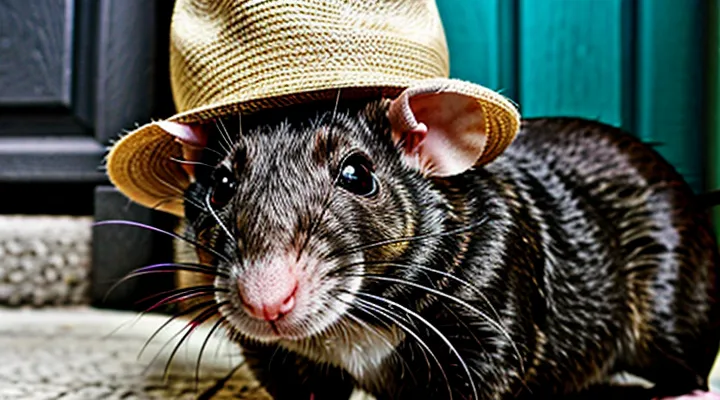
The Allure of Rats as Stylish Companions
Beyond the Stereotype: Rats as Cherished Pets
Rats defy common misconceptions and thrive as companion animals when provided with proper care. Their problem‑solving ability, rapid learning, and strong social bonds rival those of more traditional pets.
- High cognitive capacity enables training for tricks and interactive play.
- Affectionate behavior includes grooming partners and seeking physical contact.
- Small size translates to modest spatial requirements and low feed costs.
- Short lifespan encourages responsible ownership and regular health monitoring.
Styling options expand the pet experience beyond functionality. Securely fitted miniature accessories, such as soft fabric caps, add visual appeal without compromising safety. Materials must be breathable, lightweight, and free of toxic dyes to prevent skin irritation.
Effective ownership practices include daily cage cleaning, balanced protein‑rich diet, and scheduled veterinary check‑ups. Enrichment items—tunnels, chew toys, and puzzle feeders—maintain mental stimulation. Regular handling from a young age fosters trust and reduces stress during grooming or accessory fitting.
Why Hats? The Appeal of Accessorizing Your Rodent
Fashion for Fun: Expressing Personality
Fashion for small pets transforms ordinary care into a visual narrative that mirrors the owner’s aesthetic preferences. A rat dressed with a miniature hat exemplifies this concept, turning a simple accessory into a statement of individuality. The choice of material, color palette, and fit directly conveys the personality traits the owner wishes to highlight—playfulness, sophistication, or boldness.
Practical considerations ensure that the ensemble remains comfortable and safe. Designers prioritize breathable fabrics, secure fastening mechanisms, and lightweight structures to prevent stress on the animal’s delicate frame. Durability of the hat’s brim and the ease of cleaning are essential factors that sustain the look over repeated use.
Key elements for creating an expressive pet outfit include:
- Color coordination: Match the hat’s hue with the rat’s natural coat for contrast or complement, reinforcing visual impact.
- Scale accuracy: Proportionate sizing preserves natural movement while maintaining the intended silhouette.
- Texture selection: Soft, non‑abrasive fabrics protect skin, whereas subtle patterns add visual depth.
- Attachment method: Adjustable straps or gentle Velcro provide secure yet removable fit for routine care.
Implementing these guidelines yields a cohesive appearance that reflects the owner’s style without compromising the animal’s well‑being. The result is a distinctive presentation that celebrates both fashion and personality in a compact, memorable form.
Comfort and Practicality: More Than Just a Look
The appeal of a fashionable rat hat ensemble extends beyond visual impact; it must satisfy the animal’s physical needs. A well‑designed outfit incorporates breathable fabrics, adjustable closures, and ergonomic shaping to prevent restriction of movement. Lightweight cotton blends or moisture‑wicking synthetics reduce overheating, while reinforced stitching protects seams from tearing during active play.
Key aspects of comfort and practicality include:
- Material selection – breathable, hypoallergenic fibers that allow air circulation.
- Fit adjustment – Velcro tabs or elastic bands that accommodate growth and variations in body shape.
- Mobility preservation – cutouts or stretch panels positioned over joints and the tail base.
- Safety features – secure fastenings that release under excessive strain, preventing choking hazards.
- Ease of maintenance – machine‑washable components that retain shape after repeated cycles.
Durability contributes to practicality; reinforced stitching and double‑stitched edges prolong lifespan, reducing the need for frequent replacements. Removable accessories, such as detachable bows or detachable caps, enable quick changes without disturbing the core garment, simplifying care and storage.
Overall, a successful pet outfit balances aesthetic ambition with functional demands, ensuring the animal remains comfortable, safe, and ready for everyday activities while maintaining the intended stylish appearance.
Choosing the Perfect Hat for Your Rat
Material Matters: Safety and Comfort First
Breathable Fabrics for Tiny Heads
Breathable fabrics are essential for headwear designed for small rodents. Lightweight fibers allow air circulation, reducing heat buildup and preventing moisture accumulation around the delicate skin of a pet’s head. Natural materials such as fine cotton, bamboo viscose, and merino wool provide moisture-wicking properties while maintaining softness to avoid irritation.
Key considerations for selecting breathable fabrics include:
- Fiber density: Low thread count ensures gaps for airflow without compromising structural integrity.
- Moisture management: Materials with inherent wicking capabilities transport sweat away from the skin.
- Durability: Reinforced seams and double stitching extend the lifespan of miniature hats under frequent wear.
- Allergen safety: Hypoallergenic fibers minimize the risk of skin reactions in sensitive animals.
Construction techniques further enhance breathability. Incorporating mesh panels or laser-cut ventilation holes distributes airflow evenly across the head. Seamless bonding methods reduce friction points, preserving comfort during prolonged use.
Testing protocols involve measuring temperature differentials between the interior of the hat and ambient conditions, as well as monitoring humidity levels after simulated activity. Results consistently show that fabrics meeting the criteria above maintain a stable microclimate, supporting the health and comfort of the animal while preserving the aesthetic appeal of fashionable rodent headwear.
Avoiding Irritants and Choking Hazards
When dressing a pet rat in a fashionable hat, the primary safety concern is exposure to irritants and objects that could cause choking. Materials should be free of strong fragrances, dyes, or chemicals that can irritate a rat’s sensitive respiratory system and skin. Choose natural fabrics such as untreated cotton or linen, and verify that any decorative elements are non‑toxic and securely attached.
Key steps to prevent choking hazards:
- Use only small, smooth fasteners (e.g., silicone snaps) that cannot be torn off and swallowed.
- Avoid loose beads, sequins, or fringe that could detach during movement.
- Ensure the hat’s interior is smooth; eliminate any stitching that protrudes or frays.
- Measure the hat to fit snugly without compressing the rat’s head, allowing free breathing and unobstructed vision.
- Inspect the accessory before each use, removing any debris or loose parts.
Regularly monitor the rat while wearing the hat. If the animal shows signs of distress—such as excessive scratching, rapid breathing, or attempts to remove the accessory—remove it immediately and reassess the design. Consistent hygiene, material selection, and careful construction eliminate most irritant and choking risks, allowing the pet to enjoy a stylish appearance safely.
Sizing Up: Finding the Right Fit
Measuring for a Snug, Not Tight, Accessory
Accurate measurement is essential for a comfortable, well‑fitted hat designed for small rodents. Begin by selecting a flexible measuring tool, such as a soft tape or a piece of string that can be marked later. Wrap the material gently around the widest part of the rat’s head, just above the ears, ensuring the tape lies flat without compressing the fur. Record the circumference to the nearest millimeter.
Next, determine the desired clearance. Add 2–3 mm to the recorded value; this allowance creates a snug silhouette while preserving freedom of movement and preventing pressure points. For example, a head circumference of 45 mm becomes a hat opening of 47–48 mm.
When drafting the pattern, incorporate a slight taper toward the crown. The taper should reduce the diameter by approximately 10 % of the final opening, allowing the hat to sit securely without slipping. Verify the fit by placing a disposable paper template over the animal’s head; the edges should touch lightly without indentation.
Key steps for a proper fit:
- Measure head circumference accurately.
- Add a 2–3 mm margin for comfort.
- Reduce the crown diameter by about 10 % for a secure seat.
- Test the template before cutting the final material.
Following this protocol yields an accessory that remains snug, avoids constriction, and enhances the pet’s stylish appearance.
Adjustable Options for Growing Rodents
Designing a fashionable rodent ensemble requires flexibility to accommodate rapid growth. Adjustable elements ensure a snug fit from juvenile stages through adulthood, preserving both comfort and aesthetic appeal.
Key adjustable features include:
- Expandable straps: Hook‑and‑loop or elastic bands allow length modification without compromising structural integrity.
- Removable panels: Detachable sections provide size reduction or extension, enabling precise tailoring as the animal matures.
- Adjustable fasteners: Snap‑on or slide‑lock closures permit quick size changes, reducing stress during dressing.
- Stretchable fabrics: Knit or woven materials with inherent elasticity adapt to body fluctuations while maintaining a polished appearance.
Implementation guidelines:
- Select materials that resist chewing and retain shape after repeated adjustments.
- Test each adjustment mechanism on a sample animal to verify ease of use and safety.
- Document size increments and corresponding adjustment settings for future reference.
- Incorporate breathable linings to prevent overheating during prolonged wear.
By integrating these adjustable options, owners can sustain a sleek, runway‑ready look for their rodent companions throughout all growth phases.
Style Guide: Trends in Rodent Headwear
Miniature Top Hats and Fedoras
Miniature top hats and fedoras offer a refined accessory option for small rodents, enhancing visual appeal while maintaining comfort and safety. These headpieces are crafted from lightweight fabrics such as felt, cotton, or breathable synthetic blends, reducing strain on the animal’s neck. Interior padding, typically a thin layer of foam or soft fleece, prevents chafing and distributes pressure evenly.
Key design considerations include:
- Size calibration – measurements taken from the animal’s head circumference guide the hat’s diameter, ensuring a snug yet non‑restrictive fit.
- Secure attachment – elastic bands or adjustable Velcro straps wrap gently around the neck, allowing quick removal without stress.
- Stability – a low‑profile brim on top hats and a modest crown height on fedoras keep the hat balanced during movement.
- Durability – reinforced stitching at seams resists tearing from scratching or chewing.
Styling recommendations focus on color coordination with the pet’s fur and the owner’s wardrobe. Neutral tones such as charcoal, navy, or ivory provide contrast, while patterned fabrics add visual interest without overwhelming the animal’s natural markings. Seasonal variations—light cotton fedoras for warm months and insulated felt top hats for cooler periods—extend usability throughout the year.
Maintenance involves hand‑washing with mild detergent, air‑drying, and periodic inspection for wear. Properly designed miniature headwear enhances the aesthetic presentation of small pets while adhering to welfare standards.
Cute Bonnets and Beanies
Cute bonnets and beanies offer a practical solution for adding personality to small‑animal wardrobes while protecting delicate ears from drafts. Designers select lightweight fabrics such as cotton jersey, fleece, or knitted wool to ensure comfort during indoor play and outdoor strolls. Adjustable elastic bands or snap closures keep the headpiece secure without restricting movement.
Key characteristics of well‑crafted pet headwear include:
- Soft interior lining that prevents irritation
- Breathable outer material that resists moisture buildup
- Minimal seam exposure to avoid snagging fur
- Size gradations that correspond to common rodent measurements (e.g., 4–6 cm, 7–9 cm head circumference)
Color palettes range from pastel tones for a gentle aesthetic to bold patterns that match coordinated outfits. Decorative elements—ribbons, tiny bows, embroidered patches—enhance visual appeal without adding bulk. Seasonal variations incorporate insulated linings for colder months and lighter mesh inserts for summer comfort.
Maintenance guidelines recommend hand‑washing in lukewarm water, gentle detergent, and air drying on a flat surface. Regular inspection for loose threads or worn edges extends the lifespan of each piece, ensuring the animal remains both stylish and safe throughout the year.
Thematic Hats for Special Occasions
Thematic hats transform a pet’s appearance for specific events, providing visual cohesion with the occasion’s aesthetic. Selecting an appropriate hat requires matching material, color palette, and decorative elements to the celebration’s theme while ensuring comfort and safety for the animal.
Key considerations when choosing a special‑occasion hat:
- Material suitability: Lightweight fabrics such as cotton or breathable felt avoid overheating; avoid stiff plastics that could impede movement.
- Fit and security: Adjustable straps or elastic bands maintain position without restricting breathing or vision.
- Decoration relevance: Embellishments—ribbons, feathers, miniature banners—should reflect the event (e.g., pastel bows for a spring garden party, metallic accents for a New Year’s celebration).
Common occasions and recommended hat styles:
- Birthday parties: Brightly colored caps with small candles or cake‑shaped toppers.
- Holiday gatherings: Miniature Santa hats for December festivities, rabbit ears for Easter.
- Weddings: Delicate lace or ivory miniature veils that complement bridal attire.
- Award ceremonies: Tophats with a single, polished badge indicating the accolade.
- Seasonal fairs: Straw‑woven bonnets for autumn fairs, floral crowns for summer markets.
Proper hygiene practices extend hat longevity. Clean fabric surfaces after each use, inspect for frayed edges, and replace any component that threatens the pet’s well‑being. By adhering to these guidelines, owners can present a polished, occasion‑appropriate look that enhances the pet’s role in the celebration.
Dressing Your Rat: Tips and Tricks
Acclimatization: Getting Your Rat Used to Hats
Positive Reinforcement and Treats
Positive reinforcement shapes a rat’s willingness to wear a hat by pairing the desired behavior with an immediate, valued reward. When the animal tolerates the hat, a small, high‑value treat should be delivered within seconds, creating a clear association between the accessory and a pleasant outcome.
Effective reinforcement relies on consistency. Use the same treat for each successful trial, limiting the portion to a few bites to prevent overfeeding. Rotate flavors weekly to maintain interest while preserving the link between the hat and the reward.
Training sessions should be brief, lasting no more than five minutes, to sustain focus. Begin with the hat placed near the cage, rewarding the rat for approaching. Gradually increase proximity until the animal accepts the hat on its head, reinforcing each incremental step with a treat.
To reinforce long‑term compliance, introduce a variable‑ratio schedule after the rat reliably wears the hat. Provide treats intermittently, ensuring the behavior persists without constant reward. Complement this schedule with occasional praise tones to strengthen the auditory cue associated with successful dressing.
Monitoring weight and health remains essential. Record treat quantities and adjust the regular diet accordingly, preserving the rat’s nutritional balance while maintaining the motivational power of the reinforcement.
Short Sessions and Gradual Introduction
Training a small rodent to tolerate a decorative headpiece requires brief, focused interactions. Each session should last no longer than two to three minutes, preventing stress and maintaining the animal’s attention.
Begin with the hat placed nearby, allowing the rat to investigate the object without direct contact. Observe curiosity cues—sniffing, gentle pawing, or calm posture—and reward the behavior with a treat. After several minutes of comfortable proximity, gently lift the hat and position it just above the head, avoiding direct contact. Offer a treat immediately to associate the motion with a positive outcome.
Progress through the following steps:
- Place the hat within reach; reward calm investigation.
- Lightly touch the fur near the ears with the hat’s brim; reward compliance.
- Briefly rest the hat on the head for one second; reward promptly.
- Extend the duration to five seconds, maintaining calm demeanor; reward.
- Increase wear time to thirty seconds, monitoring for signs of discomfort; reward consistently.
Repeat the cycle daily, adjusting the length of each phase based on the rat’s response. Consistency and positive reinforcement ensure the animal adapts to the fashionable accessory without anxiety.
Safety First: Monitoring Your Rat While Wearing a Hat
Ensuring Unobstructed Vision and Movement
A fashionable hat for a pet rat must not hinder the animal’s line of sight or impede its natural locomotion. The design should incorporate a low‑profile crown that sits just above the ears, leaving the eyes unobstructed. Transparent or mesh panels can be added to the front of the brim to maintain visual clarity while preserving the aesthetic.
Key considerations for unrestricted movement include:
- Lightweight fabrics such as cotton or breathable synthetics to prevent strain on the neck.
- Adjustable straps that secure the hat without compressing the spine or restricting shoulder blades.
- Rounded edges that avoid catching on the rat’s whiskers or hindering the ability to squeeze through narrow passages.
During fitting, observe the rat’s behavior for signs of discomfort: hesitancy to explore, excessive grooming of the hat, or altered gait. If any of these occur, modify the size, reposition the fastening points, or replace the material with a softer alternative. Consistent monitoring ensures the accessory enhances appearance without compromising health or agility.
Recognizing Signs of Discomfort or Stress
A well‑dressed rat can mask discomfort, making vigilant observation essential for owners who prioritize a fashionable pet appearance. Recognizing stress indicators prevents health decline and preserves the animal’s confidence while wearing a hat or other accessories.
Key signs of unease include:
- Rapid, shallow breathing or audible panting
- Ears pinned back against the head
- Withdrawal from interaction, hiding, or refusal to move
- Excessive grooming, hair loss, or bald patches near the hat’s rim
- Sudden changes in appetite or water intake
- Vocalizations such as high‑pitched squeaks or prolonged chirps
When any of these behaviors appear, remove the hat promptly, provide a quiet space, and assess the environment for temperature extremes, loud noises, or restrictive fittings. Adjust the attire to ensure a secure, non‑tight placement, and monitor the rat for improvement before reintroducing the accessory. Continuous observation guarantees that style complements, rather than compromises, the pet’s well‑being.
Photography Tips for Your Hat-Wearing Rat
Best Angles for Showing Off Their Style
Capturing a rat’s fashionable hat requires precise camera positioning to highlight the outfit’s details and the animal’s personality. Selecting the right angle emphasizes the silhouette, the hat’s shape, and the contrast between fur and fabric.
- Eye‑level view: Align the lens with the rat’s eyes for a natural, engaging portrait that showcases the hat’s front panel and the expression of the pet.
- Low angle: Position the camera slightly below the rat, tilting upward. This perspective elongates the torso, accentuates the hat’s brim, and adds a sense of grandeur.
- High angle: Shoot from above, looking down at the rat. The approach isolates the hat’s crown and reveals the texture of the fur surrounding it.
- Side profile: Place the rat perpendicular to the lens. The side view outlines the hat’s side seams and highlights the curvature of both head and hat.
- Three‑quarter turn: Rotate the rat so only a portion of the face is visible. This angle balances front and side details, providing depth to the overall composition.
Maintain consistent lighting to avoid shadows that obscure the hat’s fabric. Use a soft, diffused source positioned at a 45‑degree angle from the front. Keep the background neutral to prevent visual competition with the subject. A shallow depth of field isolates the rat, ensuring the hat remains the focal point.
Creating a Themed Background
A themed background amplifies the visual impact of a hat‑clad rodent presentation. The setting should echo the color palette, texture, and era suggested by the pet’s outfit, ensuring a seamless narrative.
Select a backdrop that mirrors the hat’s material. For a vintage top‑hat, choose muted browns, deep greens, or rich burgundy fabrics such as velvet or tweed. For a modern, glossy cap, opt for sleek surfaces like polished wood or matte acrylic in complementary tones.
Arrange lighting to highlight the subject without casting harsh shadows. Position a soft key light at a 45‑degree angle, supplemented by a fill light at lower intensity. Use a rim light to separate the rat from the background, creating depth.
Incorporate props that reinforce the theme while remaining unobtrusive. Examples include:
- A miniature cane or pocket watch for a classic look.
- A sleek, minimalistic pedestal for a contemporary style.
- A scattered arrangement of tiny books or scrolls for an intellectual motif.
Finalize the composition by adjusting the camera’s focal length to capture the subject’s details and the background’s texture. Verify that the depth of field keeps the rat sharp while gently blurring peripheral elements. This balance maintains focus on the pet’s attire and conveys a cohesive, stylish visual story.
The Social Impact of a Rat in a Hat
Breaking Down Misconceptions About Rats
Promoting Responsible Pet Ownership
Stylish pet attire, such as a small rodent wearing a miniature hat, attracts attention but does not replace the duties of a caregiver. Owners must guarantee that any accessory respects the animal’s health, mobility, and emotional well‑being.
Key responsibilities include:
- Selecting materials that are non‑toxic, breathable, and lightweight.
- Measuring the animal accurately to avoid constriction or slipping.
- Monitoring the pet for signs of stress, overheating, or impaired movement.
- Providing regular veterinary examinations to confirm that the accessory does not cause skin irritation or musculoskeletal issues.
- Limiting wear time to short intervals, especially in warm environments.
Practical steps for responsible presentation:
- Purchase from reputable vendors who disclose material composition and size guidelines.
- Perform a trial fit in a calm setting; observe the pet’s behavior for at least five minutes.
- Remove the accessory immediately if the animal shows agitation, attempts to remove it, or exhibits abnormal posture.
- Record observations and adjust future fittings based on the animal’s tolerance.
- Educate friends and followers about the necessity of prioritizing welfare over aesthetics.
By integrating these measures, owners can showcase fashionable pet looks while upholding the highest standards of animal care.
Showcasing Their Intelligence and Personality
A well‑fitted hat transforms a pet rat into a striking visual statement, but the true impact lies in highlighting the animal’s mental acuity and distinct character. Owners can demonstrate intelligence by teaching the rat to retrieve small objects, navigate obstacle courses, or respond to cue words while wearing the accessory. These tasks prove that the rat’s cognition extends beyond passive exhibition and reinforces the hat as a functional element of interaction.
Personality emerges through individualized behavior patterns observable during daily routines. Notable traits include:
- Curiosity: a rat that investigates new textures and scents while the hat remains secure.
- Playfulness: spontaneous bouts of chasing, climbing, or manipulating toys, all under the hat’s shelter.
- Confidence: steady movement through unfamiliar environments without hesitation, indicating comfort with the ensemble.
Strategic presentation combines visual appeal with demonstrable skill. Position the rat on a neutral background, allow it to perform a learned trick, then capture the moment from a low angle to emphasize both the hat’s design and the animal’s focused expression. Repeating this routine reinforces the rat’s training, ensuring the display remains engaging rather than static.
Documentation of these performances—through short video clips or sequential photographs—provides evidence of the rat’s problem‑solving abilities and unique temperament. Sharing such material on reputable pet platforms validates the owner’s expertise and encourages broader appreciation of rats as intelligent, charismatic companions.
Community and Sharing: The «Rat in a Hat» Phenomenon
Online Groups and Social Media Trends
Online communities accelerate the diffusion of niche pet‑fashion concepts, turning a simple rodent wearing a headpiece into a recognizable style cue. Discussion threads, photo‑sharing groups, and dedicated forums create a feedback loop that refines design details, sets price expectations, and signals demand to manufacturers.
Key platforms host the majority of activity:
- Instagram: hashtag streams such as #HatRat and #PetFashion showcase curated images, prompting algorithmic amplification.
- TikTok: short‑form videos featuring “rat‑in‑a‑hat” reveal tricks, unboxing, and styling tips, generating millions of views within days.
- Reddit: sub‑communities like r/PetCostume and r/SmallPets exchange advice on safety, sourcing, and DIY alternatives.
- Facebook Groups: regional collectives organize meet‑ups, bulk orders, and collaborative photoshoots.
Influencer participation shapes trend velocity. Pet‑style creators post professionally staged shoots, embed affiliate links, and launch limited‑edition accessories. User‑generated content, often raw and spontaneous, provides authenticity, encouraging peer‑to‑peer sharing and expanding the audience beyond dedicated hobbyists.
Brands monitor engagement metrics—likes, comments, share ratios—to calibrate inventory and forecast seasonal peaks. Data indicate a 42 % rise in hashtag mentions over the past six months, correlating with a 27 % increase in sales of miniature hats and related apparel. Product developers respond by offering customizable options, material variations, and bundled kits tailored to the preferences observed in community polls.
The sustained interaction between online groups and social media algorithms sustains visibility, reinforces brand authority, and drives continuous iteration of the stylish rodent accessory niche.
Inspiring Creativity in Pet Fashion
The growing popularity of pet ensembles that combine humor and elegance demonstrates how designers can translate classic costume motifs into everyday accessories for animals. The iconic image of a small rodent perched under a miniature hat illustrates the potential for imaginative styling that appeals to owners seeking distinctive visual statements for their companions.
Creative pet fashion thrives on three core principles:
- Narrative-driven design – each outfit tells a story, linking the animal’s personality with a recognizable cultural reference.
- Material adaptation – fabrics must balance aesthetic appeal with comfort, using breathable textiles, lightweight trims, and secure fastenings.
- Scale precision – proportions are calibrated to the pet’s anatomy, ensuring that accessories such as headpieces sit correctly without obstructing vision or movement.
Implementing these principles encourages owners to experiment with color palettes, pattern mash‑ups, and functional embellishments. For example, a patterned bow tie paired with a detachable cap can transform a routine walk into a runway moment while preserving the animal’s ease of movement.
Professional stylists recommend a systematic approach:
- Assess the pet’s breed characteristics and temperament.
- Select a thematic concept that resonates with the owner’s aesthetic goals.
- Prototype the outfit using mock‑up sketches and adjust measurements before final fabrication.
- Conduct a brief wear test to verify fit, durability, and comfort.
- Document the final look with high‑resolution images for portfolio inclusion and social sharing.
By adhering to this structured process, creators harness the playful spirit of the hat‑wearing rodent motif, turning it into a versatile template for broader pet fashion innovation. The result is a portfolio of outfits that inspire originality, attract audience attention, and elevate the status of pet attire from novelty to a recognized design discipline.