
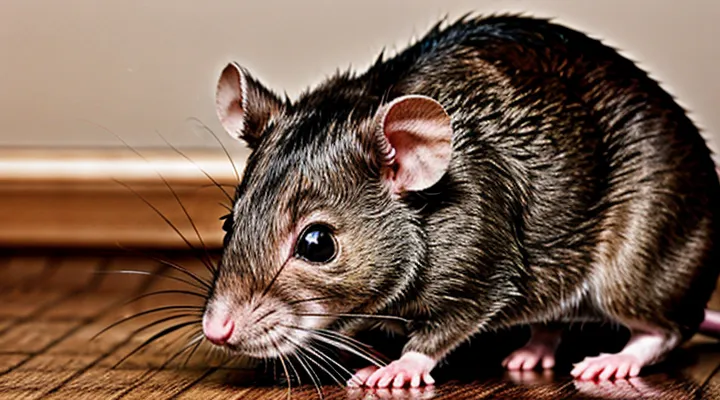
Understanding Rat Hair Loss
What is Alopecia in Rats?
Alopecia in rats denotes the loss of hair follicles resulting in visible bald patches on the skin. The condition may affect any body region, with the most frequent sites being the dorsal midline, the tail base, and the ventral abdomen. Hair loss may be partial, leaving isolated tufts, or extensive, exposing underlying dermis.
Typical classifications include:
- Congenital alopecia: hereditary defects that impair follicle development from birth.
- Nutritional alopecia: deficiencies of essential nutrients such as protein, vitamin E, or zinc.
- Parasitic alopecia: infestations by mites, lice, or fleas that damage follicles.
- Infectious alopecia: bacterial, fungal, or viral agents that provoke inflammation and hair loss.
- Traumatic alopecia: self‑induced biting or scratching resulting from pruritus or stress.
Clinical assessment relies on visual inspection, palpation of the affected skin, and microscopic examination of hair shafts. Histopathology confirms follicular degeneration, while skin scrapings identify ectoparasites. Early detection prevents secondary infections and supports targeted interventions.
Normal Hair Cycles vs. Hair Loss
Seasonal Shedding
Seasonal shedding in rats occurs primarily during the transition between winter and spring, when daylight length increases and ambient temperature rises. The change in photoperiod triggers hormonal adjustments that stimulate the replacement of the undercoat, resulting in noticeable hair loss across the body.
Physiological drivers include elevated melatonin turnover, altered thyroid activity, and fluctuations in cortisol levels. These factors accelerate follicular cycling, prompting the old coat to detach and new fur to emerge. The process is natural; however, excessive shedding may indicate underlying stress, nutritional deficiency, or dermatological infection.
Preventive actions focus on stabilizing the animal’s internal environment and supporting skin health. Recommended measures are:
- Provide a balanced diet rich in omega‑3 fatty acids, vitamin E, and high‑quality protein to reinforce follicle integrity.
- Maintain indoor humidity between 45 % and 55 % to prevent excessive skin dryness.
- Ensure a consistent temperature range of 18 °C–22 °C to reduce thermal stress.
- Offer regular, gentle grooming to remove loose hairs and distribute natural oils.
- Supplement with biotin or zinc under veterinary guidance when dietary intake may be insufficient.
Monitoring coat condition throughout the year enables early detection of abnormal hair loss, allowing timely veterinary intervention and minimizing long‑term dermatological issues.
Post-Pregnancy Hair Loss
Post‑pregnancy hair loss in rats occurs when the hormonal equilibrium established during gestation shifts after delivery. The abrupt decline in estrogen and progesterone reduces the duration of the anagen (growth) phase, prompting a temporary increase in telogen (resting) follicles. This physiological response often manifests as diffuse thinning rather than localized patches.
Key factors that intensify the condition include:
- Nutrient depletion, particularly protein, iron, and zinc, which are diverted to lactation.
- Elevated cortisol levels linked to the stress of caring for offspring.
- Inadequate caloric intake relative to the energy demands of milk production.
Preventive measures focus on supporting the animal’s metabolic needs during the postpartum period:
- Provide a diet enriched with high‑quality protein and essential micronutrients.
- Ensure constant access to clean water to facilitate nutrient absorption.
- Minimize environmental stressors by maintaining stable temperature and reducing handling frequency.
- Supplement with omega‑3 fatty acids to promote follicle health.
Monitoring hair condition weekly allows early detection of excessive shedding. Adjustments to feed composition or environmental management should be implemented promptly to restore normal hair growth cycles.
Common Causes of Rat Hair Loss
Parasitic Infestations
Mites
Mites constitute a common ectoparasite that directly contributes to fur loss in laboratory and pet rats. Infestations typically involve species such as Radfordia and Myobia, which feed on skin debris and blood, provoking irritation, inflammation, and subsequent alopecia. The life cycle completes within weeks, allowing rapid population expansion under inadequate sanitation.
Key indicators of mite involvement include:
- Localized thinning of hair, especially around the ears, face, and tail base.
- Red, scaly patches accompanied by intense scratching.
- Presence of tiny, moving specks detectable on a wet‑mount slide of hair samples.
Effective control relies on an integrated approach:
- Environmental sanitation – regular cleaning of cages, bedding, and feeding equipment eliminates residual eggs and larvae.
- Chemical treatment – topical acaricides approved for rodents, applied according to label instructions, reduce adult mite numbers.
- Isolation protocol – quarantining newly introduced rats for a minimum of two weeks prevents introduction of infestations into established colonies.
- Monitoring – weekly visual inspections and periodic microscopic examinations detect early re‑infestation, allowing prompt intervention.
Preventive measures also encompass maintaining optimal humidity (40‑60 %) and temperature (20‑24 °C), as extreme conditions favor mite proliferation. Nutritional support with balanced diets strengthens skin integrity, diminishing susceptibility to parasite‑induced hair loss.
Lice
Lice infestation represents a common ectoparasitic condition in rats that directly contributes to hair loss. The primary species affecting laboratory and pet rodents include «Pediculus ratitus» and «Polyplax ratium». Adult lice attach to the fur, embed their mouthparts into the skin, and consume blood and tissue fluids, causing localized irritation and follicular damage.
Continuous feeding creates inflammatory lesions that weaken hair shafts and promote premature shedding. Secondary bacterial infection often follows, accelerating alopecia and potentially leading to systemic health decline if untreated.
Diagnosis relies on visual inspection of the coat for live insects, nits attached to hair shafts, and erythematous patches. Microscopic examination of skin scrapings confirms species identification and guides therapeutic decisions.
Prevention strategies:
- Maintain a clean cage environment; replace bedding weekly and disinfect surfaces with rodent‑safe agents.
- Implement a regular health‑monitoring schedule; isolate new arrivals for at least two weeks and examine them for ectoparasites before introduction to the main colony.
- Apply approved topical acaricides or systemic antiparasitic medications according to veterinary recommendations; rotate active ingredients to prevent resistance.
- Provide adequate nutrition and reduce stressors, as compromised immunity increases susceptibility to infestation.
Effective control of lice eliminates the direct cause of hair loss, supports overall coat health, and reduces the risk of complications associated with secondary infections.
Fleas
Fleas constitute a primary ectoparasite that infests rats, directly affecting the condition of their coat. Blood‑feeding activity irritates the skin, leading to excessive scratching and subsequent hair loss. In severe infestations, skin lesions may develop, further accelerating follicular damage.
Effective control relies on regular inspection and prompt treatment. Recommended measures include:
- Routine grooming to detect fleas early.
- Application of veterinarian‑approved topical or oral anti‑fleas products, following dosage guidelines for rodents.
- Maintenance of a clean habitat: frequent removal of bedding, thorough cleaning of cages, and disinfection of accessories.
- Prevention of re‑infestation through quarantine of new animals and treatment of surrounding areas with appropriate insecticides.
Environmental management reduces the likelihood of flea populations establishing in the rat’s environment. Proper waste disposal and avoidance of standing moisture limit breeding sites for flea larvae.
Monitoring the rat’s behavior and coat condition provides early indicators of parasitic stress. Immediate intervention upon detection prevents progression to extensive hair loss and supports overall health.
Fungal Infections
Ringworm
Ringworm, a dermatophytic infection caused by fungi such as Microsporum and Trichophyton, is a frequent contributor to alopecia in laboratory and pet rats. The pathogen colonises the keratinised layers of skin and hair follicles, leading to localized lesions, scaling, and eventual hair loss. Transmission occurs through direct contact with infected animals, contaminated bedding, or fomites, and the infection thrives in warm, humid environments typical of many rodent housing systems.
Clinical signs include circular, scaly patches with peripheral hair loss, often accompanied by mild erythema. Diagnosis relies on visual inspection, Wood’s lamp fluorescence, and laboratory confirmation via fungal culture or microscopic examination of hair shafts. Prompt identification prevents spread to co‑habiting rodents and to human handlers, as the infection is zoonotic.
Effective control measures focus on hygiene, environmental management, and targeted treatment:
- Daily removal of soiled bedding; weekly thorough cleaning with disinfectants effective against dermatophytes (e.g., 1 % chlorhexidine solution).
- Maintenance of ambient humidity below 60 % and temperature within the species‑specific comfort range to discourage fungal growth.
- Isolation of symptomatic rats; use of disposable gloves and protective clothing when handling infected individuals.
- Administration of systemic antifungal agents (e.g., itraconazole) or topical preparations containing miconazole, following veterinary prescription.
Preventive strategies emphasize regular health monitoring, routine grooming, and strict biosecurity protocols in breeding or research facilities. By integrating these practices, the incidence of «ringworm»‑related hair loss can be markedly reduced, safeguarding both animal welfare and occupational health.
Bacterial Infections
Bacterial infections represent a common etiological factor in rat alopecia. Pathogenic microorganisms colonize the skin, disrupt follicular integrity, and provoke inflammation that leads to hair shedding.
Typical bacterial agents include:
- «Staphylococcus aureus» – produces pyogenic lesions, crusting, and localized hair loss.
- «Streptococcus pyogenes» – induces ulcerative dermatitis with surrounding alopecia.
- «Pseudomonas aeruginosa» – generates moist, malodorous exudate and progressive hair loss in humid environments.
Clinical signs consist of erythema, papules, pustules, and scaly patches. Hair loss often follows the appearance of these lesions, especially in areas subjected to grooming or trauma. Diagnosis relies on bacterial culture of skin swabs, sensitivity testing, and histopathological examination to confirm follicular damage.
Therapeutic measures focus on targeted antimicrobial therapy. Systemic antibiotics selected according to susceptibility profiles reduce bacterial load, while topical antiseptics accelerate lesion resolution. Supportive care, including wound cleaning and maintaining a dry environment, enhances recovery.
Preventive strategies aim to minimize bacterial colonization:
- Ensure cage hygiene through regular cleaning and disinfection.
- Provide appropriate bedding material that absorbs moisture and prevents dampness.
- Monitor diet for adequate vitamin and mineral content to support immune competence.
- Isolate new or sick individuals to limit pathogen transmission.
Implementing these measures reduces the incidence of bacterial‑induced hair loss and promotes overall dermatological health in laboratory and pet rat populations.
Allergic Reactions
Environmental Allergens
Environmental allergens represent a significant factor in rat hair loss, triggering inflammatory responses that disrupt the hair‑growth cycle. Exposure to airborne particles, dust mites, mold spores, and chemical irritants can provoke dermatitis, leading to follicular damage and subsequent shedding.
Common allergens affecting laboratory and pet rats include:
- Dust mite feces and body fragments
- Mold and mildew spores
- Household cleaning agents containing ammonia or bleach
- Pollen from indoor plants
- Synthetic bedding fibers and wood shavings
Allergens penetrate the skin or mucous membranes, activating immune cells that release cytokines and histamine. The resulting inflammation compromises the dermal papilla, shortening the anagen phase and accelerating entry into the catagen and telogen stages, which manifests as thinning fur and patchy loss.
Preventive actions focus on reducing allergen load and supporting skin health:
- Replace wood shavings with low‑dust, paper‑based bedding
- Maintain humidity below 60 % to inhibit mold growth
- Use fragrance‑free, mild cleaning products; rinse enclosures thoroughly
- Install HEPA filtration to remove airborne particles
- Provide a balanced diet enriched with omega‑3 fatty acids and vitamin E to strengthen the integumentary system
Implementing these measures minimizes exposure, stabilizes the hair‑growth cycle, and reduces the likelihood of allergen‑induced fur loss in rats.
Food Allergies
Food allergies represent a significant trigger of fur loss in laboratory and pet rodents. When a rat ingests proteins that the immune system misidentifies as harmful, an inflammatory response develops in the skin. Histamine release, eosinophil infiltration, and subsequent dermatitis compromise hair follicles, leading to patchy alopecia.
Common dietary allergens include:
- Soy‑derived proteins
- Wheat gluten
- Dairy casein
- Peanut and tree‑nut extracts
- Certain fish oils and shellfish derivatives
Allergens may be present in commercially prepared feeds, treats, or supplemental powders. Even trace contamination can provoke a reaction in sensitized individuals.
Preventive measures focus on diet management and monitoring:
- Conduct an elimination trial by feeding a hypoallergenic, grain‑free base diet for at least four weeks; observe any improvement in coat condition.
- Reintroduce suspect ingredients one at a time, maintaining a detailed log of intake and skin changes.
- Source feeds certified free of common allergens; verify ingredient lists and batch testing reports.
- Incorporate omega‑3 fatty acids from purified fish oil or flaxseed to support skin barrier integrity and reduce inflammation.
- Maintain consistent feeding schedules to avoid sudden dietary shifts that may stress the gastrointestinal immune system.
Regular veterinary examinations, including skin scrapings and blood IgE assessments, help confirm food‑induced dermatitis. Early identification and strict dietary control substantially reduce the likelihood of hair loss associated with food hypersensitivity.
Nutritional Deficiencies
Protein Deficiency
Protein deficiency directly impairs keratin synthesis, the structural protein that forms rat fur. Insufficient dietary amino acids limit the production of new hair shafts, leading to thinning coats and patchy alopecia.
When dietary protein falls below the species‑specific requirement, the body reallocates available amino acids to vital organs. The resulting shortfall deprives follicular cells of the building blocks needed for rapid cell division, causing delayed hair growth cycles and increased shedding.
Typical manifestations include:
- Gradual reduction in coat density
- Localized bald spots, especially on the back and tail base
- Brittle or broken hairs observed during grooming
- Dull, matte appearance of remaining fur
Preventive measures focus on maintaining adequate protein intake:
- Provide a balanced rodent chow formulated to meet or exceed the recommended 14‑18 % protein content for adult rats.
- Supplement with high‑quality protein sources such as boiled egg whites, cooked lean meat, or commercial rodent treats enriched with soy or whey protein.
- Monitor feed consumption to ensure consistent intake; reduced appetite may indicate underlying health issues that exacerbate deficiency.
- Conduct periodic coat assessments, adjusting dietary composition promptly when signs of thinning appear.
- Avoid prolonged reliance on low‑protein seed mixes or fruit‑heavy diets, which can dilute overall protein levels.
Consistent provision of sufficient protein sustains keratin production, preserving coat integrity and reducing the risk of hair loss in rats.
Vitamin and Mineral Deficiencies
Vitamin and mineral deficiencies constitute a common internal factor contributing to alopecia in laboratory and pet rats. Inadequate levels of specific nutrients impair keratin synthesis, disrupt follicular cycling, and weaken the integumentary system, resulting in thinning coats, patchy hair loss, and delayed regrowth.
Key nutrients whose deficiency correlates with hair deterioration include:
- Vitamin A – essential for epithelial cell differentiation; deficiency produces dry skin and brittle fur.
- B‑complex vitamins (particularly B‑2, B‑6, B‑12) – support metabolic pathways that sustain hair growth; lack leads to dull coat and increased shedding.
- Vitamin D – regulates calcium balance and follicular health; insufficient intake is linked to weakened hair shafts.
- Vitamin E – antioxidant that protects follicular cells from oxidative stress; deficiency accelerates hair loss.
- Zinc – cofactor for enzymes involved in keratin formation; deficiency results in brittle hair and delayed regrowth.
- Selenium – participates in antioxidant defense; low levels contribute to follicular damage.
- Copper – facilitates melanin synthesis and cross‑linking of collagen; deficiency may cause depigmented patches and fragile fur.
Prevention strategies focus on dietary adequacy and regular monitoring:
- Provide a balanced rodent chow formulated to meet established nutrient requirements for rats.
- Supplement feed with high‑quality sources of the listed vitamins and minerals when analytical testing reveals suboptimal levels.
- Conduct periodic blood or tissue analyses to detect early signs of deficiency before clinical hair loss appears.
- Adjust environmental factors, such as lighting and stress reduction, to support optimal nutrient absorption and utilization.
Implementing these measures reduces the incidence of nutrient‑related alopecia, promotes a healthy coat, and supports overall well‑being in rat populations.
Hormonal Imbalances
Thyroid Issues
Thyroid dysfunction is a recognized factor in rat alopecia. Both hypothyroidism and hyperthyroidism disrupt the normal hair‑growth cycle, leading to premature shedding and thinning.
In hypothyroid conditions, reduced metabolic activity slows follicular turnover, resulting in prolonged telogen phases and sparse coat. Hyperthyroid states accelerate metabolism, causing rapid progression through anagen and premature entry into catagen, which also manifests as patchy hair loss.
Clinical signs accompanying thyroid‑related hair loss include lethargy, weight fluctuations, changes in body temperature regulation, and occasional skin discoloration. Laboratory analysis of serum thyroxine (T4) and triiodothyronine (T3) levels confirms the endocrine imbalance.
Preventive measures focus on maintaining hormonal stability:
- Provide a diet formulated with adequate iodine and selenium to support thyroid hormone synthesis.
- Ensure regular veterinary screening of thyroid hormone concentrations, especially in breeding colonies.
- Avoid exposure to environmental disruptors such as certain pesticides and flame retardants known to interfere with thyroid function.
- Implement stress‑reduction protocols, as chronic stress can exacerbate endocrine disturbances.
Early detection of thyroid abnormalities, combined with nutritional support and environmental control, reduces the incidence of coat deterioration and promotes overall health in laboratory and pet rats.
Adrenal Gland Issues
Adrenal gland dysfunction can trigger hair loss in rats by disrupting the hormonal balance that regulates the growth cycle of fur. Elevated cortisol levels suppress the activity of hair follicles, leading to premature shedding and reduced regrowth. Conversely, insufficient production of adrenal hormones may impair the skin’s ability to retain moisture, creating an environment conducive to follicular damage.
Key mechanisms linking adrenal problems to fur loss:
- Excess cortisol interferes with the anagen (growth) phase, shortening its duration.
- Reduced aldosterone compromises electrolyte balance, causing dry skin and brittle hair.
- Chronic stress activation of the hypothalamic‑pituitary‑adrenal axis maintains high glucocorticoid concentrations, perpetuating follicular regression.
Preventive measures focus on stabilizing adrenal function and supporting overall health:
- Provide a diet rich in vitamin C and B‑complex vitamins to aid adrenal resilience.
- Ensure consistent lighting cycles to regulate circadian rhythms and reduce stress hormone spikes.
- Monitor environmental temperature and humidity to prevent additional skin stress.
- Incorporate adaptogenic herbs such as ashwagandha or rhodiola, after veterinary approval, to moderate cortisol output.
- Conduct regular veterinary assessments of adrenal hormone levels, adjusting treatment promptly when abnormalities are detected.
By addressing adrenal gland health, caretakers can mitigate one of the physiological contributors to rat fur loss and promote sustainable coat condition.
Behavioral Causes
Barbershoping
Barbershop grooming offers a practical approach to managing hair loss in rats by providing regular mechanical stimulation, removal of damaged fur, and early detection of skin abnormalities.
Common factors that lead to fur thinning include inadequate nutrition, ectoparasite infestation, chronic stress, and exposure to abrasive bedding or excessive humidity. Each factor damages the follicular environment, resulting in reduced hair density and increased breakage.
Preventive barbershop practices focus on maintaining optimal coat health and minimizing external stressors. Effective measures comprise:
- Scheduled trimming to eliminate split ends and prevent matting that pulls on follicles.
- Gentle brushing with soft‑bristle tools to distribute natural oils and promote blood circulation.
- Use of hypoallergenic, fragrance‑free shampoos formulated for small mammals, applied no more than once a month to avoid skin irritation.
- Routine inspection of the skin for lesions, redness, or parasites, followed by immediate veterinary consultation if abnormalities are observed.
- Maintaining a clean grooming environment, including disinfected tools and a well‑ventilated workspace, to reduce pathogen transmission.
Consistent application of these techniques reduces the incidence of hair loss, supports healthy regrowth, and contributes to overall well‑being of the animal.
Over-Grooming
Over‑grooming refers to excessive licking, chewing or scratching that a rat directs toward its own fur. The behavior often results in localized thinning, bald patches or complete loss of hair, directly contributing to the broader problem of coat deterioration.
The mechanism is mechanical: repeated removal of hair shafts damages follicles, disrupts the growth cycle and creates open wounds that may become infected. Continuous trauma prevents regrowth, leading to permanent alopecia in severe cases.
Common triggers include:
- Parasite infestations such as mites or lice that cause itching.
- Dermatological conditions like dermatitis or fungal infections.
- Psychological stress caused by overcrowding, sudden changes or lack of stimulation.
- Nutritional deficiencies that affect skin integrity.
- Chronic pain or discomfort in the oral cavity, prompting the animal to self‑soothe through grooming.
Observable indicators are:
- Patchy hair loss, often on the head, back or tail base.
- Reddened or inflamed skin surrounding affected areas.
- Presence of hair fragments in the cage bedding.
- Increased time spent in grooming activities compared to normal play.
Preventive actions focus on eliminating underlying causes and providing a balanced environment:
- Conduct regular health examinations to detect parasites, infections or pain sources early.
- Maintain a clean cage, replace bedding frequently and use safe disinfectants to reduce irritants.
- Offer enrichment items— tunnels, chew toys, climbing structures—to occupy the rat’s attention and reduce stress‑induced grooming.
- Ensure a diet rich in essential fatty acids, vitamins and minerals that support skin health.
- Apply veterinary‑approved treatments for identified dermatological or parasitic issues promptly.
By addressing the root factors and promoting a stimulating, hygienic habitat, over‑grooming can be minimized, preserving the rat’s coat and overall wellbeing.
Environmental Factors
Cage Mates
Cage mates exert a direct influence on the condition of a rat’s coat. Aggressive interactions can trigger chronic stress, which often manifests as hair thinning or bald patches. Subordinate animals exposed to repeated dominance behaviors may experience elevated cortisol levels, leading to impaired follicle function.
Parasite transmission is another critical factor. Infestations of mites or fleas spread rapidly among cohabiting rats, causing localized irritation and subsequent hair loss. Regular inspection of all individuals in a shared enclosure reduces the likelihood of a colony‑wide outbreak.
Nutritional competition may result in uneven intake of essential vitamins and fatty acids required for healthy fur growth. When dominant rats monopolize food resources, subordinates may develop deficiencies that weaken hair integrity.
Preventive measures focus on managing social dynamics and environmental hygiene:
- Conduct behavioral assessments to identify and separate overly aggressive individuals.
- Implement a strict cleaning schedule, including weekly bedding replacement and disinfection of cage accessories.
- Provide multiple feeding stations to ensure equitable access to a balanced diet rich in omega‑3 fatty acids and biotin.
- Schedule periodic veterinary examinations for early detection of dermatological issues and parasite loads.
By maintaining a stable social hierarchy, minimizing stressors, and upholding rigorous sanitation standards, the risk of hair loss among cohabiting rats can be substantially reduced.
Cage Environment
The condition of a rat’s cage directly impacts the health of its coat. Poor ventilation allows excess humidity, which weakens hair follicles and encourages shedding. Inadequate cleaning leads to buildup of ammonia from urine, irritating skin and accelerating hair loss. Overly abrasive bedding material creates micro‑abrasions that damage fur and trigger regrowth cycles. Insufficient space limits natural grooming behavior, resulting in stress‑related coat deterioration. Exposure to toxic cleaning agents or scented products can cause dermatitis, further contributing to fur loss.
Preventive measures for the cage environment include:
- Maintain temperature between 18 °C and 24 °C; avoid drafts and direct heat sources.
- Ensure air exchange rate of at least 10 changes per hour; use filtered ventilation if necessary.
- Choose soft, dust‑free bedding such as paper or aspen shavings; replace weekly.
- Implement a regular cleaning schedule: spot‑clean daily, full clean bi‑weekly with mild, unscented detergent.
- Provide ample floor area: minimum 0.5 sq ft per adult rat, plus vertical enrichment.
- Limit use of chemical disinfectants; opt for water‑based solutions and rinse thoroughly.
- Monitor humidity, keeping it below 60 % to prevent fungal growth.
By controlling these environmental variables, the risk of fur deterioration diminishes, supporting overall coat integrity and reducing the likelihood of hair loss.
Diagnosing Rat Hair Loss
Veterinary Examination
Skin Scrapings
Skin scrapings are a diagnostic technique that involves collecting superficial layers of epidermis for microscopic examination. The method provides direct evidence of microorganisms or structural changes that may contribute to hair loss in rats.
When applied to rat alopecia, skin scrapings can reveal:
- Ectoparasites such as mites (e.g., Demodex, Sarcoptes) that feed on skin and hair follicles.
- Dermatophyte fungi (e.g., Trichophyton, Microsporum) that cause ringworm‑type infections.
- Bacterial overgrowth, including Staphylococcus spp., which can provoke folliculitis and subsequent hair shedding.
- Hyperkeratotic or inflammatory lesions visible as altered keratin layers.
The collection procedure requires sterile scalpel blades or curettes, gentle pressure on the affected area, and immediate placement of material on a glass slide with appropriate stains (e.g., potassium hydroxide for fungal elements, Gram stain for bacteria). Handling must minimize stress to the animal and prevent cross‑contamination between samples.
Microscopic evaluation focuses on morphology, size, and arrangement of observed organisms. Identification of mites or fungal hyphae confirms parasitic or mycotic involvement, while the presence of neutrophils and bacterial clusters indicates secondary infection. Negative findings suggest non‑infectious causes such as nutritional deficiencies or hormonal imbalances.
Prevention strategies derived from skin scraping results include:
- Regular environmental cleaning to reduce mite reservoirs.
- Routine fungal screening of breeding colonies, followed by topical or systemic antifungal therapy when indicated.
- Prompt antimicrobial treatment for confirmed bacterial infections, coupled with wound care.
- Maintaining optimal nutrition and reducing stressors to support skin integrity.
Accurate interpretation of «skin scrapings» therefore informs targeted interventions, reducing the incidence of hair loss in rat populations.
Fungal Cultures
Fungal cultures represent the laboratory growth of dermatological pathogens that can be isolated from rat skin, fur, or environmental samples. Identification of these microorganisms provides the basis for linking infection to alopecia observed in laboratory and pet rodents.
Infection by dermatophytes or opportunistic yeasts disrupts the integrity of the hair shaft and follicular epithelium, leading to localized or diffuse hair loss. The organism colonizes keratinized tissue, secretes proteolytic enzymes, and provokes inflammation that results in hair shedding and crust formation.
Common agents identified through culture include:
- Trichophyton mentagrophytes
- Microsporum canis
- Candida albicans
- Malassezia spp.
Diagnostic protocols combine sterile sampling with incubation on selective media, followed by microscopic examination and, when necessary, polymerase chain reaction confirmation. Results guide targeted therapy and inform biosecurity measures.
Preventive strategies focus on minimizing fungal proliferation:
- Maintain cage bedding at low humidity and replace it regularly.
- Disinfect feeding utensils and water bottles with antifungal agents.
- Implement routine health monitoring to detect early signs of infection.
- Provide a balanced diet that supports immune competence.
Adherence to these practices reduces the incidence of fungal‑induced hair loss and promotes overall dermal health in rat populations.
Blood Tests
Blood analysis provides objective data for identifying physiological factors that contribute to hair loss in rats. By quantifying cellular and chemical components of the circulatory system, clinicians can differentiate between endocrine, nutritional, infectious, and metabolic origins of alopecia.
Key laboratory assessments include:
- Complete blood count (CBC) – evaluates anemia, leukocytosis, and inflammatory markers.
- Thyroid hormone panel (T3, T4, TSH) – detects hypo‑ or hyperthyroidism affecting follicle cycling.
- Cortisol concentration – assesses chronic stress impact on hair growth.
- Trace mineral profile (zinc, copper, selenium) – reveals deficiencies that impair keratin synthesis.
- Serum protein electrophoresis – identifies immunoglobulin abnormalities linked to autoimmune dermatitis.
- Hepatic and renal panels – uncover systemic disease that may manifest as coat deterioration.
Interpretation of results follows established reference ranges for laboratory‑bred rodents. Elevated leukocyte counts suggest bacterial or parasitic infection; abnormal thyroid values indicate endocrine imbalance; low zinc or copper levels confirm mineral deficiency; heightened cortisol points to prolonged stress exposure. Each deviation directs specific therapeutic or management actions.
Preventive strategies derived from blood test findings comprise targeted supplementation, hormone regulation, antimicrobial therapy, and environmental modifications to reduce stressors. Regular monitoring of the identified parameters enables early detection of relapse and supports maintenance of a healthy coat. «Effective prevention relies on evidence‑based adjustments informed by laboratory data».
Observing Behavior and Environment
Observing a rat’s daily activities provides direct clues about the origins of fur loss and guides preventive measures. Changes in grooming frequency, nesting habits, and social interaction often precede visible hair thinning, allowing early intervention before severe alopecia develops.
Key behavioral indicators include:
- Excessive grooming or self‑biting of coat areas;
- Reluctance to explore or reduced activity levels;
- Altered nesting behavior, such as excessive shredding of bedding;
- Increased aggression or withdrawal during group housing.
Environmental factors that influence coat health encompass:
- Elevated humidity or damp bedding, which promotes fungal growth;
- Low ambient temperature, leading to stress‑induced shedding;
- Presence of abrasive materials in the enclosure;
- Inadequate ventilation, resulting in accumulation of irritants;
- Exposure to chemicals, including cleaning agents or pesticides.
Effective observation strategies:
- Conduct brief, twice‑daily scans of each animal, noting grooming duration and any skin lesions;
- Record ambient temperature, humidity, and ventilation parameters at regular intervals;
- Maintain a log of bedding type, cleaning schedule, and any recent changes to diet or enclosure layout;
- Compare behavior across individuals to identify outliers that may signal underlying health issues.
Consistent documentation combined with prompt environmental adjustments—such as optimizing humidity, providing soft bedding, and ensuring proper airflow—reduces the risk of hair loss and supports overall rodent welfare. «Early detection through systematic observation prevents irreversible fur damage».
Prevention and Treatment Strategies
Maintaining Optimal Hygiene
Cage Cleaning Protocols
Maintaining a clean enclosure is essential for preventing dermatological problems in laboratory and pet rats. Accumulated urine, feces, and bedding debris create a humid environment that encourages fungal growth, mites, and bacterial infections, all of which can lead to hair loss and skin irritation. Implementing a rigorous cleaning protocol reduces these risks and supports overall coat health.
Key elements of an effective cage‑cleaning regimen include:
- Daily spot‑cleaning – remove soiled bedding, urine stains, and food remnants from the cage floor and accessories. Replace with fresh, low‑dust substrate to limit moisture retention.
- Weekly deep cleaning – dismantle the cage, wash all components with warm water and a mild, non‑iodine detergent. Rinse thoroughly to eliminate detergent residues that may irritate the skin.
- Disinfection – after each deep cleaning, apply a veterinary‑approved disinfectant (e.g., 0.1 % chlorhexidine solution) and allow a contact time of at least five minutes. Rinse again and air‑dry completely before reassembly.
- Ventilation check – ensure cage vents are unobstructed and provide adequate airflow. Clean vent screens weekly to prevent dust buildup.
- Material selection – use chew‑resistant, non‑porous cage parts (e.g., stainless steel, high‑grade plastic). Porous materials retain moisture and harbor microorganisms, increasing the likelihood of coat damage.
- Environmental monitoring – keep humidity below 60 % and temperature within the species‑specific range. Record readings weekly to detect deviations that could promote skin disorders.
Adhering to these procedures minimizes exposure to irritants and pathogens, directly contributing to the prevention of hair loss in rats. Regular observation of coat condition, combined with consistent cage hygiene, forms a cornerstone of health management for these animals.
Bedding Choices
Choosing appropriate bedding directly influences a rat’s skin integrity and hair condition. Moisture‑absorbing, low‑dust substrates reduce irritation of the dermis and limit the likelihood of hair loss triggered by excessive scratching or bacterial colonisation.
Typical bedding options include:
- Paper‑based products (recycled paper, shredded tissue): high absorbency, minimal dust, neutral pH, easy to replace.
- Aspen shavings: low aromatic oils compared with pine or cedar, moderate absorbency, biodegradable.
- Hemp or flax fibers: natural antimicrobial properties, good ventilation, low dust when processed correctly.
- Corn‑based pellets: compact, high absorbency, but may retain moisture if not changed frequently.
Avoid pine or cedar shavings because volatile phenols can cause respiratory irritation that indirectly promotes grooming excesses and hair shedding. Regularly monitor bedding depth, replace soiled material at least twice weekly, and maintain a dry environment to prevent fungal growth. Selecting a low‑dust, moisture‑wicking substrate and adhering to a consistent cleaning schedule constitute essential preventive measures for maintaining healthy fur in pet rats.
Dietary Management
Balanced Diet Essentials
A balanced diet supplies the nutrients required for healthy fur growth in rats. Adequate protein delivers amino acids that form keratin, the primary component of hair. Essential fatty acids, particularly omega‑3 and omega‑6, support skin integrity and reduce inflammation that can lead to shedding. Vitamins A, E, and B‑complex contribute to cellular renewal and pigment maintenance; deficiencies often manifest as brittle or thinning coat. Minerals such as zinc and selenium act as cofactors for enzymes involved in hair synthesis, while calcium and magnesium influence overall skin health. Consistent access to clean water ensures proper hydration, facilitating nutrient transport to skin cells.
Key dietary components for optimal coat condition include:
- High‑quality animal‑based protein (e.g., lean meat, eggs)
- Fish oil or flaxseed oil for omega fatty acids
- Fresh vegetables rich in beta‑carotene and vitamin C
- Whole grains providing B‑vitamins and fiber
- Mineral supplements calibrated to laboratory‑tested levels
- Daily fresh water, filtered if possible
Avoidance of nutritionally empty foods, excessive sugary treats, and high‑fat junk items reduces the risk of metabolic disturbances that can trigger fur loss. Regular monitoring of body condition score and coat appearance allows early detection of deficiencies, prompting dietary adjustments before hair shedding escalates.
Supplementation (When Necessary)
Supplementation becomes relevant only after confirming nutritional deficiencies or metabolic disorders contributing to fur loss. Routine dietary analysis should precede any addition of vitamins, minerals, or fatty acids.
Key nutrients linked to coat health include:
- Vitamin E – antioxidant that supports skin integrity; 10–20 IU per kilogram of body weight daily, divided into two doses.
- Biotin (Vitamin H) – promotes keratin formation; 0.5–1 mg per kilogram per day, administered with food.
- Zinc – essential for epidermal turnover; 5–10 mg per kilogram per day, avoid excess to prevent copper deficiency.
- Omega‑3 fatty acids – improve skin moisture and reduce inflammation; 50–100 mg EPA/DHA per kilogram per day, sourced from fish oil or algal oil.
Implementation guidelines:
- Verify deficiency through blood work or tissue analysis.
- Select a supplement formulated for rodents or adjust human/avian products to appropriate dosage.
- Introduce the supplement gradually, monitoring for adverse reactions such as gastrointestinal upset or changes in weight.
- Re‑evaluate coat condition after two to four weeks; discontinue if no improvement or if side effects emerge.
When supplementation is unnecessary, focus on balanced commercial pellets, fresh vegetables, and adequate protein to maintain healthy fur without risking hypervitaminosis. Regular health checks ensure early detection of underlying issues that may otherwise prompt unnecessary nutrient addition.
Parasite Control
Regular Check-ups
Regular veterinary examinations are a primary strategy for managing fur health in pet rats. Professional assessment identifies early signs of dermatological issues, nutritional deficiencies, and parasitic infestations that can trigger hair loss.
A typical schedule includes an initial evaluation at acquisition, followed by examinations every three to six months, with additional visits when sudden shedding or skin irritation appears. Frequency may increase for older animals or those with a history of coat problems.
Key components of each appointment are:
- Inspection of the skin and coat for thinning, patches, or discoloration.
- Palpation of lymph nodes to detect systemic infection.
- Evaluation of diet, weight, and grooming behavior.
- Screening for ectoparasites such as mites or fleas.
- Blood work to assess hormonal balance and organ function.
Early detection enables timely intervention, reducing the likelihood of extensive fur loss and supporting overall well‑being. Regular check‑ups also provide owners with expert guidance on environmental enrichment, grooming practices, and dietary adjustments that sustain a healthy coat. «Consistent monitoring prevents minor issues from escalating into severe alopecia».
Safe Parasite Treatments
Hair loss in pet rats frequently results from ectoparasite infestations such as mites, lice, and fleas. Effective parasite control eliminates the primary source of skin irritation, reduces secondary infections, and supports normal coat regrowth.
Safe treatments meet three criteria: low systemic toxicity, dosage validated for rodents, and administration under veterinary guidance. Products formulated for small mammals provide the most reliable outcomes.
Recommended parasite interventions:
- Ivermectin oral solution, 0.2 mg/kg single dose, repeat after two weeks if needed.
- Selamectin spot‑on, 0.5 mg/kg applied to the dorsal neck region, monthly.
- Pyrantel pamoate paste, 5 mg/kg orally, three‑day course for nematodes.
- Fipronil‑based topical, 0.1 mg/kg, limited to short‑term use under strict supervision.
- Neem oil spray, diluted 1 % in water, applied weekly for mild mite infestations.
- Food‑grade diatomaceous earth, 1 % of diet, continuous low‑dose exposure for external parasites.
«Effective parasite control reduces hair loss in rodents», notes the Veterinary Parasitology Association. Adhering to dosage guidelines and veterinary oversight ensures treatment safety while promoting coat health.
Addressing Behavioral Issues
Environmental Enrichment
Environmental enrichment refers to the provision of stimuli that encourage natural behaviors in rats, thereby supporting overall health and reducing the risk of coat deterioration. By offering varied physical and sensory experiences, rats experience lower chronic stress, which directly influences skin integrity and fur condition.
Enhanced environments promote regular grooming, improve circulation, and stimulate the production of essential skin oils. Reduced stress hormones prevent follicular damage, while increased activity encourages the maintenance of a dense, healthy pelage.
- Provide nesting material such as shredded paper or cotton fibers to facilitate burrowing and thermoregulation.
- Install chewable objects, including wooden blocks or safe plastic toys, to satisfy gnawing instincts and prevent over‑grooming.
- Add vertical elements like ladders or mesh cages to enable climbing and exploration, fostering muscular development and blood flow.
- Incorporate foraging opportunities by hiding food in puzzle feeders, encouraging mental engagement and reducing boredom‑related hair loss.
- Rotate enrichment items regularly to maintain novelty and prevent habituation.
Regular observation of coat condition allows early detection of thinning or patchiness. Adjust enrichment components promptly if signs of excessive grooming or stress emerge, and maintain rigorous hygiene to avoid irritants that could exacerbate follicular problems.
Separating Cagemates
Separating cagemates reduces aggression‑induced trauma, a recognized trigger of fur loss in laboratory and pet rats. Physical injuries from fights create skin lesions that impede hair regrowth and increase susceptibility to secondary infections. Chronic stress from hierarchical disputes elevates cortisol levels, which can suppress follicular activity and accelerate shedding.
Practical steps for separating problematic pairs:
- Identify individuals displaying persistent fighting, excessive biting, or dominant‑submissive imbalance.
- Relocate the affected rat to a neutral enclosure equipped with enrichment items to minimize stress from environmental change.
- Provide a separate feeding station and water source to prevent competition.
- Monitor the isolated rat for signs of wound healing and hair regrowth; adjust enclosure size and social exposure as recovery progresses.
- Re‑introduce the rat only after documented resolution of aggressive behavior, using gradual, supervised interactions.
«Veterinary dermatologist Dr. Allen advises that early intervention prevents irreversible follicular damage and supports effective hair restoration». Implementing these measures addresses one of the primary behavioral contributors to rat alopecia, thereby enhancing overall coat health.
Managing Underlying Health Conditions
Medication for Infections
Infections are a frequent trigger of alopecia in laboratory and pet rodents; bacterial, fungal, and parasitic agents damage follicles and provoke rapid hair shedding. Prompt antimicrobial therapy reduces follicular inflammation and supports regrowth.
Effective drug categories include:
- « Enrofloxacin » – broad‑spectrum fluoroquinolone for Gram‑negative and some Gram‑positive bacteria.
- « Trimethoprim‑sulfamethoxazole » – synergistic combination targeting common rodent pathogens such as Streptococcus spp.
- « Miconazole » – topical or systemic azole effective against dermatophytes and Candida infections.
- « Ivermectin » – oral antiparasitic for mite‑induced dermatitis that may lead to hair loss.
Selection depends on culture results, pathogen susceptibility, and animal weight. Standard dosing ranges from 5 mg/kg to 20 mg/kg daily for oral agents; topical preparations require application once or twice daily to affected sites. Duration typically spans 7–14 days, extending if clinical signs persist.
Monitoring includes daily inspection of coat condition, measurement of body temperature, and observation for adverse reactions such as gastrointestinal upset or neurotoxicity. Blood work before and after treatment confirms hepatic and renal function remain within normal limits.
Preventive measures emphasize strict hygiene, regular cage cleaning, and quarantine of new arrivals. Environmental control reduces pathogen load, limiting the need for therapeutic intervention and fostering a healthier pelage.
Hormonal Therapy
Hormonal therapy is employed to address alopecia in laboratory rats when endocrine imbalances contribute to follicular disruption. Treatment protocols target specific hormonal pathways that influence hair cycle regulation, including thyroid hormone replacement, androgen modulation, and glucocorticoid adjustment.
Typical agents and their primary actions include:
- Levothyroxine – restores normal thyroxine levels, supporting anagen initiation.
- Flutamide or cyproterone acetate – antagonize androgen receptors, reducing androgen‑induced follicle miniaturization.
- Prednisolone – mitigates excessive glucocorticoid exposure that can suppress keratinocyte proliferation.
Effective prevention requires systematic hormone monitoring, precise dosing, and regular assessment of skin condition. Adjustments are made based on serum concentrations and observed coat quality to minimize adverse effects such as hypertrichosis or systemic toxicity. Continuous documentation of treatment response enables refinement of protocols and sustains optimal integument health.
Stress Reduction Techniques
Providing Hiding Spots
Providing adequate hiding spots reduces stress, a primary factor in fur deterioration for rodents. A secure retreat allows natural grooming behaviors without interruption, supporting coat integrity and preventing excessive shedding.
Effective hiding spots share several characteristics:
- Small entrance that limits predator visibility while allowing easy access.
- Soft, breathable material such as untreated wood shavings or fleece.
- Placement away from high‑traffic areas, near food sources but not directly adjacent.
- Ability to be cleaned regularly without disturbing the animal’s sense of security.
Installation should consider cage layout. Position retreats in corners or behind structures to mimic natural burrows. Ensure ventilation to avoid humidity buildup, which can foster skin irritation. Routine cleaning removes debris and parasites, preserving a healthy environment for the coat. Regular inspection confirms structural stability, preventing accidental exposure that could provoke anxiety and subsequent hair loss.
Adequate Socialization
Adequate socialization reduces chronic stress in domestic rats, a factor directly linked to hair‑loss conditions. Stress triggers excessive grooming and hormonal imbalances that weaken hair follicles, leading to visible thinning or bald patches.
Consistent interaction with caretakers and compatible conspecifics stabilizes cortisol levels, promotes normal grooming cycles, and supports healthy coat regeneration. Group housing, when managed correctly, provides tactile stimulation and social hierarchy cues essential for psychological well‑being.
Practical measures for optimal socialization:
- Daily gentle handling for 5–10 minutes, gradually increasing duration as the animal becomes comfortable.
- Cohabitation with at least one familiar rat, ensuring compatible temperaments through observation.
- Provision of enrichment items (tunnels, chew toys, climbing structures) to encourage natural play and exploration.
- Structured introduction sessions for new individuals, employing neutral territories and short exposure periods before full integration.
Regular coat inspection allows early detection of alopecia. At the first sign of patchy hair loss, verify that social interaction frequency meets the guidelines above, adjust group composition if aggression appears, and consult a veterinarian to rule out underlying medical issues.